How Do I Apply for an International School Place in Bulgaria?
One of the biggest anxieties for expat families moving to Bulgaria, especially those with children, is undoubtedly navigating the education system. While the local public schools are excellent for integration and language immersion, many parents find themselves wondering how to ensure a smooth transition for their kids, maintain a familiar curriculum, or simply find an English-speaking environment. This guide is here to walk you through the often-complex process of applying for an international school place in Bulgaria, demystifying the steps and helping you feel more confident about your choices.
Why Choose an International School in Bulgaria?
The decision to send your child to an international school versus a local Bulgarian school is a deeply personal one, often influenced by future plans, language barriers, and the child's age and adaptability. For many expat families, international schools offer a much-needed bridge, ensuring continuity in education and a supportive community.
Bridging the Language and Curriculum Gap
Let's be honest, the Bulgarian language isn't the easiest to pick up, and expecting your child to dive straight into a new linguistic environment while also grappling with a new culture can be overwhelming. International schools primarily teach in English (though some offer other languages like German or French) and follow internationally recognized curricula such as the International Baccalaureate (IB), British National Curriculum, or American curriculum. This means that if you're planning to move again in a few years, or if your child might eventually attend university back in your home country or another English-speaking nation, their educational path remains consistent and transferable. It removes the stress of learning a new language for learning, allowing them to focus on the subjects themselves. Imagine trying to explain complex math concepts in a new language – it’s a steep hill to climb! These schools provide that familiar academic ground. For a broader overview of the educational landscape, you might want to read our guide on Schools and Education in Bulgaria: A Complete Guide for Expat Families.
The Social and Cultural Aspect for Expat Kids
Moving countries is tough for adults, but for children, it can be even harder. Leaving friends, familiar routines, and a known social environment takes a toll. International schools are hubs of diversity, filled with students from all corners of the globe, many of whom are going through the exact same expat experience. This shared understanding fosters an incredibly supportive and empathetic community. Kids find friends who understand what it's like to be "new," to miss their homeland, or to have parents who speak with an accent.
Beyond the student body, the staff at international schools are often expats themselves or Bulgarians with extensive international experience. They understand the unique challenges expat children face, from culture shock to maintaining connections with family abroad. They are equipped to provide pastoral care that caters specifically to this transient population, helping children settle in emotionally as well as academically. This environment can make all the difference in a child's successful adaptation to life in Bulgaria, often leading to friendships that span continents and last a lifetime.
Decoding the Application Maze: Your Step-by-Step Guide
The application process for international schools in Bulgaria can feel a bit like navigating a labyrinth, with each school having its own quirks and requirements. But don't fret; with a clear roadmap, it's entirely manageable.
Researching and Shortlisting Schools
Before you even think about filling out forms, you need to do your homework. Bulgaria, particularly Sofia, has a good selection of international schools, each with its own ethos, curriculum, and price point. Start by identifying your priorities:
- Curriculum: Do you prefer IB, British, American, or something else?
- Age Groups: Does the school cater to your child's specific age?
- Location: How far is it from where you plan to live? Traffic in Sofia can be brutal, so proximity matters. You might also want to explore guides like How Do I Find Family-Friendly Neighbourhoods in Sofia?.
- Accreditation: Is the school recognized by relevant international bodies (e.g., CIS, NEASC, COBIS)?
- Facilities: What kind of sports, arts, and extracurricular activities do they offer?
- Fees: Can you realistically afford the tuition? We cover this in more detail in our article, How Much Are International School Fees in Sofia?.
Some of the prominent international schools in Sofia include the Anglo-American School of Sofia (AAS), which is typically the most sought-after and expensive, offering an American curriculum and IB Diploma Programme. There's also the British School of Sofia (BSS), following the English National Curriculum and offering IGCSEs and A-Levels. For those interested in a slightly different local-international blend, the American College of Sofia (often just called ACS) offers an American-style education with a strong emphasis on English but also includes Bulgarian language and history for all students, making it a unique hybrid. You'll also find smaller international schools and kindergartens.
Once you have a shortlist, visit their websites, download their admissions brochures, and check for open house dates or virtual tours. Don't hesitate to reach out to the admissions office with specific questions. Many families find it helpful to connect with other expats through online forums or social media groups to get firsthand reviews and insights. If you're coordinating a move and need help with logistics, remember services like Sirelo can assist with finding reputable movers and planning the relocation, which often goes hand-in-hand with school applications.
The Actual Application Submission and Required Documents
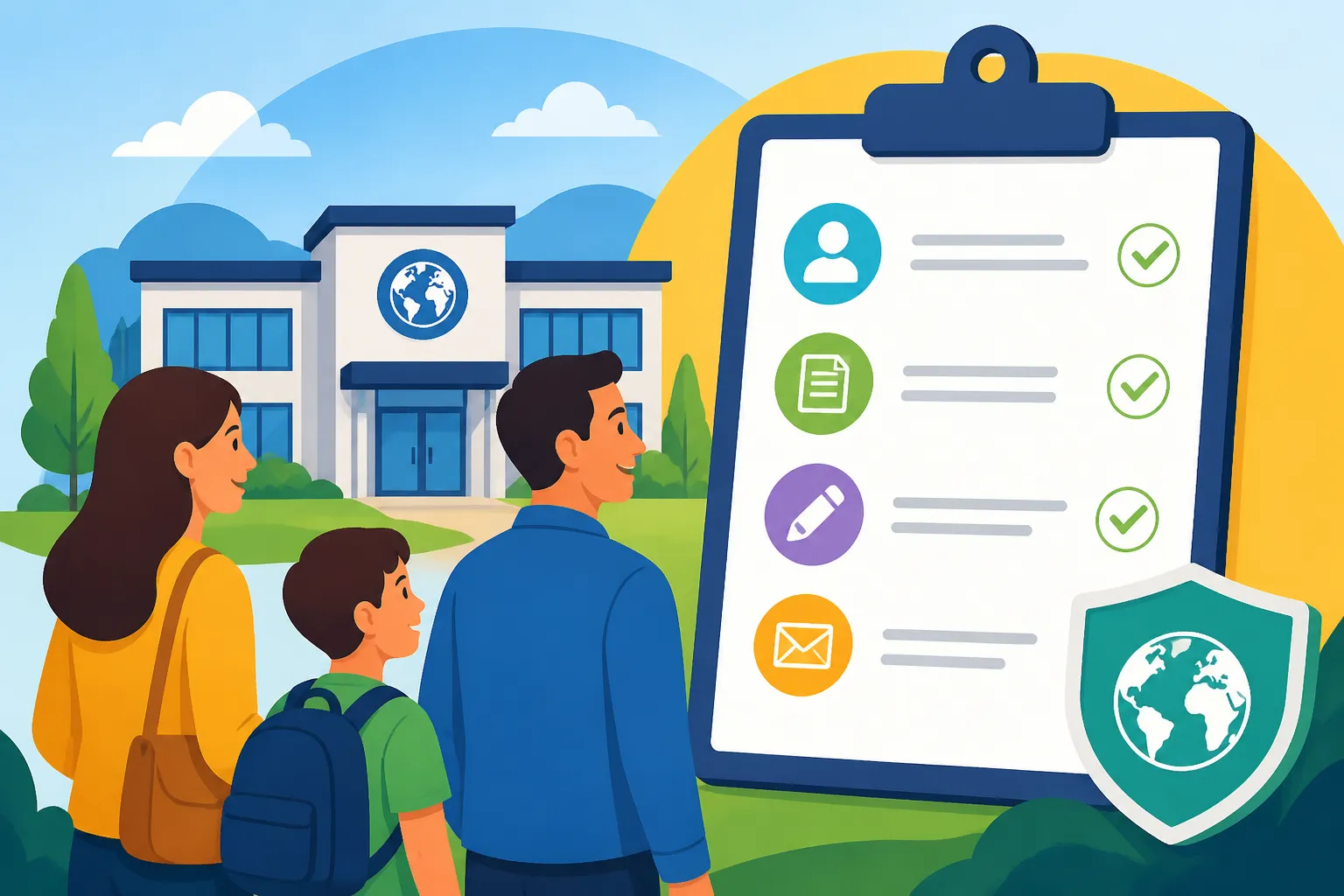
This is where the paperwork begins. Once you’ve narrowed down your choices, you’ll need to formally apply. Each school will have a slightly different set of requirements, but generally, expect to provide:
- Application Form: Filled out online or as a physical document.
- Application Fee: Non-refundable, typically ranging from €100 to €300.
- Student's Passport/ID Copy: Proof of identity and age.
- Parent's Passports/ID Copies: For identification.
- Birth Certificate: Often required.
- Previous School Reports/Transcripts: Usually for the last 2-3 academic years. These are crucial for the admissions team to assess academic standing and progress.
- Letters of Recommendation: Sometimes requested from previous teachers or principals.
- Medical Records/Immunization Records: Essential for health and safety reasons.
- Photos: Passport-style photos of the student.
- Statements/Essays: For older students, a personal statement or essay might be required.
Crucial tip: Ensure all documents that are not in English or Bulgarian are officially translated and notarized. This is a common requirement in Bulgaria for official procedures, and school applications are no exception. Start this process early, as it can take time. Sometimes schools might accept certified translations from agencies in your home country, but often they prefer those done by a sworn translator in Bulgaria. While you're dealing with initial setup like setting up mobile services, remember having an eSIM from a provider like Airalo can keep you connected for all these online applications and communications.
Admissions Testing, Interviews, and Waiting Games
After submitting your application and documents, the next stage often involves admissions testing and/or interviews.
- Admissions Testing: For primary and secondary students, this typically includes assessments in English language proficiency (reading, writing, comprehension) and mathematics. These tests aren't designed to trick your child but to gauge their current academic level and ensure they will thrive in the school's environment. Some schools might also use cognitive ability tests. For younger children, it might be more play-based observation.
- Interviews: Both students (especially older ones) and parents may be invited for an interview. This is a chance for the school to get to know your family, understand your child’s personality, and for you to ask any remaining questions. It’s also an opportunity for the school to assess if your family’s values align with theirs. Be prepared to discuss your child's learning style, interests, and why you believe their school is the right fit.
After the tests and interviews, it’s often a waiting game. Admissions decisions are typically sent out by a specified date. If your child is accepted, you’ll usually have a deadline to confirm enrolment and pay a non-refundable enrolment deposit.
Here's a simplified overview of typical application stages:
| Stage | Description | Typical Timing (approx.) |
|---|---|---|
| 1. Initial Research | Website review, virtual tours, contact admissions. | 3-6 months before desired enrolment |
| 2. Formal Application | Complete forms, pay non-refundable application fee, gather documents. | Varies by school, usually 2-4 months prior |
| 3. Document Submission | Submit all required academic, medical, and personal documents. | Soon after application, or as a rolling basis |
| 4. Admissions Testing | English language, Math assessments (on-site or virtual). | 1-3 months before enrolment (can be rolling for late apps) |
| 5. Interview | Meeting with student and/or parents (in-person or online). | Often combined with testing or shortly after |
| 6. Decision & Offer | School informs parents of acceptance status. | Within 2-4 weeks of complete application/testing |
| 7. Enrolment & Deposit | Confirm acceptance, pay non-refundable enrolment deposit to secure spot. | Within 1-2 weeks of receiving the offer |
Note: Timings are indicative and vary greatly between schools and based on application volume and available spots.
Important Considerations Beyond the Application Form
Getting through the application process is just one piece of the puzzle. There are several other practical and financial aspects that you need to consider carefully before committing to an international school in Bulgaria.
Understanding the Costs: Tuition and Hidden Fees
Let's not beat around the bush: international schooling is expensive, and Bulgaria is no exception. While the overall cost of living in Bulgaria is relatively low, international school fees are benchmarked against global standards, not local ones. Tuition fees can range dramatically, from around €5,000-€7,000 per year for some of the newer or smaller schools up to €15,000-€25,000+ per year for the more established and highly accredited institutions like the Anglo-American School of Sofia. This is a critical factor and one of the first things expats consider. Our article, Understanding the Cost of International and Private Schools in Bulgaria, provides a comprehensive breakdown.
But tuition is rarely the only cost. Be prepared for:
- Application Fee: (As mentioned) Non-refundable.
- Enrolment/Registration Fee: A one-time fee paid upon acceptance to secure your child’s place, usually non-refundable and separate from tuition. This can be substantial, often in the range of €1,000-€3,000.
- Capital Levy/Development Fund: Some schools charge an annual or one-time fee to contribute to school facilities and development. This can also be several thousands of euros.
- Bus Fees: If your child uses school transport, this is an additional annual cost, typically ranging from €500-€1,500 depending on distance.
- Lunch Program: Most schools offer a hot lunch program, which is an additional monthly or annual cost.
- Uniforms: If a uniform is required, you'll need to budget for purchasing initial sets and replacements.
- Extracurricular Activities: While some activities might be included, many specialized clubs, sports teams, or trips come with extra fees.
- Technology: Older students might need specific devices (e.g., a laptop or tablet), and some schools have technology fees.
- Exams: Fees for external exams like IGCSEs, A-Levels, or IB Diploma exams are usually charged separately.
It’s crucial to get a full breakdown of all potential costs from the admissions office. Don't be shy about asking for an "all-inclusive" estimate for the first year, as these hidden fees can quickly add up and significantly impact your family budget.
Location, Logistics, and Lifestyle Impact
Choosing a school isn't just about academics; it's about integrating it into your family's daily life. Where the school is located relative to your potential home and work is vital. Sofia, for example, can have significant traffic, especially during peak hours. A 10km commute could easily take an hour.
Consider:
- Commute Time: How long will it take for your child to get to school each day? Will they use a school bus, public transport, or will you drive them? This ties into discussions about Public vs Private Healthcare in Bulgaria: What Expats Need to Know when considering other services too.
- Public Transport Access: If using public transport, how accessible is the school via metro, bus, or tram? For insights into navigating the city, our article on The Expat Guide to Public Transport in Bulgaria can be very helpful.
- After-School Care/Activities: Does the school offer after-school care or a wide range of extracurricular activities that align with your child's interests and your schedule?
- Parental Involvement: How easy will it be for you to participate in school events, parent-teacher conferences, or volunteer if you wish to?
- Local Amenities: Are there shops, parks, or other amenities near the school that make drop-offs/pick-ups more convenient or allow for a quick errand?
Thinking about these logistical aspects early can save you a lot of headaches down the line. It's often easier to choose a neighbourhood that works well for school access rather than trying to shoehorn a school into an inconvenient living situation. Our guide to The Best Places to Live in Bulgaria for Expats: A Complete Guide (2027) can help you explore ideal areas.
Making the Final Decision and Preparing for Enrolment
Once you've navigated the applications, interviews, and budget considerations, the exciting part begins: making your final choice and preparing for your child's new academic adventure.
Securing Your Spot and Next Steps
If your child receives multiple offers, congratulations! Now comes the difficult part of making a choice. Revisit your initial priorities, weigh the pros and cons of each school, and trust your gut feeling. Once you’ve decided, formally accept the offer and pay the non-refundable enrolment deposit by the stipulated deadline. This secures your child's spot.
After confirming enrolment, the school’s admissions team will provide you with a welcome packet, which usually includes:
- First-day information: What to bring, where to go, class schedules.
- Uniform requirements: Details on where to purchase uniforms.
- Medical forms: Additional health information or consent forms to complete.
- Parent portal access: Information on how to access the school's online parent portal for communications, grades, and resources.
- Orientation dates: Dates for new student and parent orientations.
This is also a good time to start thinking about the bigger picture of your move. If you're coming from outside the EU, remember that your child's school enrolment is often a crucial document for your The Complete Guide to Bulgaria Visas and Immigration for Expats (2027) application. Make sure you keep copies of all acceptance letters and paid fee receipts. Getting all your utilities set up like electricity, water, gas, and importantly, reliable internet, should also be on your radar. You can check out our guide on The Expat Guide to Setting Up Utilities (Electricity, Water, Gas) in Bulgaria and How Do I Set Up Internet in My Bulgaria Home for help.
Integrating into the School Community
One of the most valuable aspects of international schools is the strong sense of community. Don't be shy – get involved! Attend new parent meetings, join parent associations, volunteer for school events, or simply introduce yourself to other parents at drop-off and pick-up. Many international schools rely on active parent communities to thrive, and it's a fantastic way to meet people, build your local support network, and help your child settle in.
Remember that while your child is adjusting to a new school, you too will be adjusting to a new country. Be patient with yourself and your children. There will be good days and challenging days, but with a supportive school environment and a proactive approach, your child will soon be thriving in their new Bulgarian adventure.
Disclaimer
The information provided in this guide is for general informational purposes only and does not constitute professional advice. While we strive to provide accurate and up-to-date information, school policies, fees, and admission requirements can change without notice. Always verify details directly with the international schools and consult with immigration or legal professionals for specific advice regarding your move to Bulgaria.