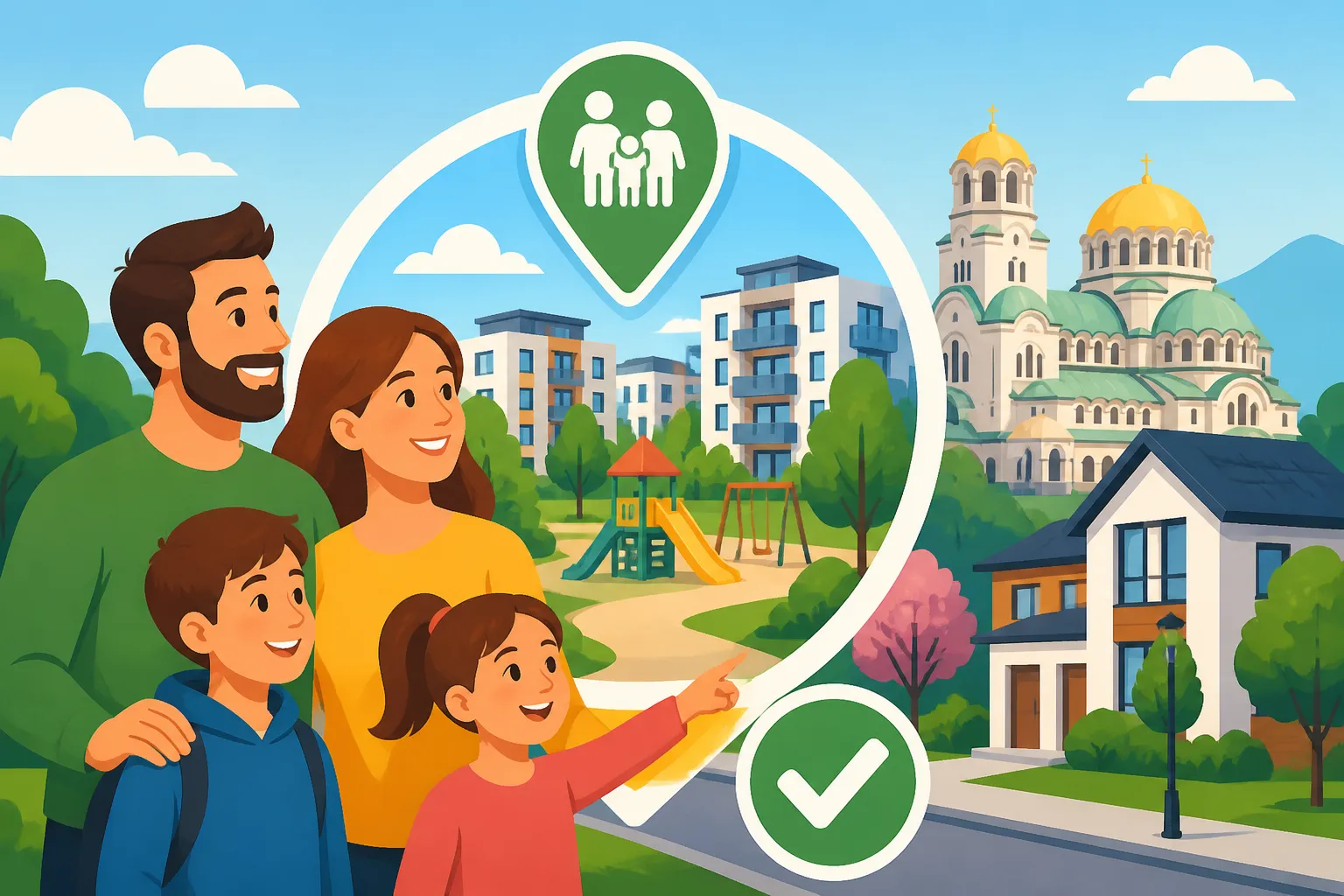
How to Find Family-Friendly Neighbourhoods in Sofia
Moving to a new country is exhilarating, but for families, the sheer weight of finding the right place to settle can feel incredibly daunting. It's not just about a roof over your head; it's about schools, parks, safety, and a sense of community where your kids can thrive. It is clear that choosing the perfect family-friendly spot isn't a task to take lightly, and this guide will walk you through everything you need to know to make that crucial decision with confidence.
Understanding What Makes a Neighbourhood Family-Friendly in Sofia
When you're sifting through endless property listings and looking at maps, it's easy to get lost in the details. But for families, certain non-negotiable elements jump to the forefront. These aren't just preferences; they're the foundational pillars upon which a comfortable family life in Sofia will be built.
Safety and Green Spaces
First and foremost, any parent's priority is safety. While Sofia is generally a safe city, some neighbourhoods simply offer a more tranquil, secure environment for children to play and grow up in. This often translates to quieter streets, less traffic, and a lower incidence of petty crime. You want to feel at ease letting your children walk to a friend's house or play outside without constant worry.
Beyond safety, access to green spaces is paramount. Children need room to run, play, and connect with nature, even in a bustling city. Sofia is blessed with numerous parks, but their distribution isn't even. A truly family-friendly neighbourhood will have a major park or several smaller green areas within easy walking distance. Think about weekend picnics, after-school playtime, or just a quiet stroll with a pram – these are the moments that truly make a place feel like home. These green oases also provide a much-needed respite from city life for parents.
Proximity to Schools and Amenities
The daily school run is a reality for most expat families, and trust me, you don't want to spend hours stuck in Sofia's notorious traffic twice a day. Proximity to reputable schools – whether local Bulgarian institutions, private bilingual options, or international schools like the Anglo-American School of Sofia or American College of Sofia – is a huge determining factor. Many expat families prioritize neighborhoods that offer convenient access to these educational hubs, minimizing commuting stress and maximizing family time.
Beyond schools, think about everyday amenities. A good family neighbourhood will have grocery stores (ideally several, including larger supermarkets for weekly shops), pharmacies, local bakeries, and perhaps even a weekly market nearby. Access to doctors and dentists, especially those who might speak English or cater to children, is also vital. Consider the convenience of local sports facilities, libraries, and kids' activity centers. These seemingly small details contribute significantly to the ease and quality of family life.
Community Vibe and Expat Support
Moving to a new country can be isolating, and for families, a strong community network can be a lifeline. Some Sofia neighbourhoods naturally foster a more communal, family-oriented atmosphere, where children play together in parks and parents connect over coffee. This can be particularly true in areas with a higher concentration of expat families, as shared experiences create instant bonds.
Furthermore, access to established expat networks or groups within your chosen area can make all the difference. These informal support systems can provide invaluable advice on everything from finding a reliable babysitter to navigating local bureaucracy. Knowing that there are other families nearby who understand the unique challenges and joys of raising children abroad can significantly ease the transition and enrich your family's experience in Bulgaria. Websites and social media groups dedicated to expats in Sofia are excellent resources for gauging the community vibe of different areas.
Top Family-Friendly Neighbourhoods in Sofia: A Deep Dive
Sofia has a diverse array of neighbourhoods, each with its own character. For families, certain areas consistently rise to the top thanks to their amenities, safety, and overall lifestyle offerings. Let's explore some of the most popular and suitable choices for expat families.
Lozenets: Greenery, Schools, and a Calm Atmosphere
Lozenets is often hailed as one of Sofia's most prestigious and family-friendly districts, and for good reason. It offers a wonderful balance of urban convenience and lush green spaces. Nestled against the backdrop of the Vitosha mountain, it boasts cleaner air and a noticeably calmer atmosphere than the city center. The streets are generally quieter, and there's a strong sense of security that appeals to parents.
One of Lozenets' biggest draws is its proximity to many excellent educational institutions. The British School in Sofia and the French Lycée Victor Hugo are both easily accessible, making it a prime location for families with children enrolled in international curricula. You'll also find numerous reputable Bulgarian schools here. The South Park (Yuzhen Park), one of Sofia's largest and most beautiful parks, runs along its western edge, providing vast expanses for recreation, playgrounds, and family outings. This means daily walks, bike rides, and weekend picnics are practically on your doorstep. The area also features a good mix of apartments and houses, catering to different family sizes and budgets, although it tends to be on the pricier side. For those looking to rent an apartment, Lozenets offers many modern options.
Iztok: Diplomatic Charm and Modern Conveniences
Iztok, meaning "East," is another highly sought-after neighbourhood for expat families, often characterized by its wide, tree-lined boulevards and a distinct diplomatic feel. This area hosts numerous embassies and diplomatic residences, contributing to a very safe and well-maintained environment. It's an area that effortlessly blends residential tranquility with access to modern amenities, making it incredibly convenient for family life.
The neighbourhood benefits from its excellent infrastructure, including several well-regarded schools, both Bulgarian and private. While it might not have as many international schools directly within its borders as Lozenets, many are just a short commute away. Iztok is also home to Borisova Gradina, Sofia's oldest and perhaps most beloved park, offering another massive green lung for families to enjoy. It has fantastic playgrounds, open fields, and walking paths. For daily needs, there are plenty of supermarkets, charming cafes, and local shops. The public transport links are strong, with metro stations providing quick access to the city center and other districts. The housing stock here is varied, from older, spacious apartments to newer, modern developments, often featuring well-kept communal gardens.
Boyana & Dragalevtsi: Mountain Air and Spacious Living
If your family dreams of living closer to nature, with stunning mountain views and more expansive living spaces, then the hillside neighbourhoods of Boyana and Dragalevtsi are excellent contenders. Situated on the slopes of Vitosha Mountain, these areas offer cleaner, fresher air and a peaceful, almost rural, atmosphere that feels a world away from the city bustle, yet Sofia's center is still within a reasonable drive.
These neighbourhoods are particularly popular with families seeking larger homes, often with gardens, providing ample space for children to play outdoors. While public transport isn't as robust as in the central districts, many families here own cars, which is often a necessity for daily commutes and school runs. Several private and international schools have campuses or offer bus services to these areas, catering specifically to the expat community that enjoys this lifestyle. For example, the American College of Sofia is not far, and the British School in Sofia also provides transport options. The immediate access to Vitosha Nature Park means endless opportunities for hiking, skiing in winter, and simply enjoying the great outdoors. This choice is perfect for families who prioritize space, nature, and a tranquil setting over being in the heart of the city. While amenities are slightly more spread out, you’ll find smaller, local shops and cafes catering to residents.
Vitosha District: Emerging Areas for New Families
Beyond the established, often pricier, enclaves, the wider Vitosha district is gaining traction as a desirable area for expat families, offering a blend of new developments and access to nature. This district encompasses several smaller neighbourhoods like Simeonovo, Krastova Vada, and parts of Malinova Dolina. While not as historically "expat-centric" as Lozenets or Iztok, these areas are rapidly developing, attracting younger families, both Bulgarian and foreign, with their modern housing options and improving infrastructure.
What makes the Vitosha district appealing is the opportunity for newer, larger apartments or even townhouses at a more accessible price point compared to Lozenets or Boyana, while still retaining excellent views and proximity to Vitosha Mountain. Many of the newer residential complexes come with gated communities, playgrounds, and shared green spaces, which are a big plus for families. While public transport is still developing in some pockets, car ownership is common, and major boulevards offer relatively easy access to the city center. Several international schools are either located within or have convenient access routes to these areas. This is a great choice for families looking for modern living, good value, and a burgeoning community feel, especially if they value mountain access. It’s also where you'll find larger supermarkets and retail parks, simplifying the weekly shopping trip.
Navigating Practicalities for Families: Schools, Transport, and More
Beyond choosing a pleasant neighbourhood, expat families in Sofia need to consider the nitty-gritty of daily life. From education to getting around and ensuring well-being, a proactive approach makes all the difference.
Educational Institutions: Public, Private, and International Schools
Sofia offers a wide spectrum of educational choices. For expat families, the decision often boils down to public Bulgarian schools, private Bulgarian schools (which follow the national curriculum but offer better facilities or additional languages), or international schools.
International Schools: These are often the first choice for expat families, providing continuity with curricula from their home countries (e.g., British, American, French, German) and an English-speaking environment. Top choices include the Anglo-American School of Sofia, The British School in Sofia, and the American College of Sofia. These schools offer excellent facilities and often a diverse, multicultural student body. However, they come with significant tuition fees, as detailed in guides like How Much Are International School Fees in Sofia?. It's crucial to apply early, as places can be competitive.
Private Bulgarian Schools: These schools often offer a higher standard of facilities, smaller class sizes, and sometimes bilingual programs, while still immersing children in the local culture and language. Many are highly regarded and can be a good middle ground if you want your children to learn Bulgarian proficiently but prefer a more resourced environment than a typical public school.
Public Bulgarian Schools: If full immersion and a budget-friendly option are your priorities, public schools are an option. Be prepared for a fully Bulgarian-speaking environment, which can be challenging initially for children without prior exposure. The quality varies, so local recommendations are key. Remember that enrolling your child in any school in Bulgaria requires specific documentation and a bureaucratic process, which can be explored in How to Enrol Your Child in a School in Bulgaria.
Public Transport and Accessibility
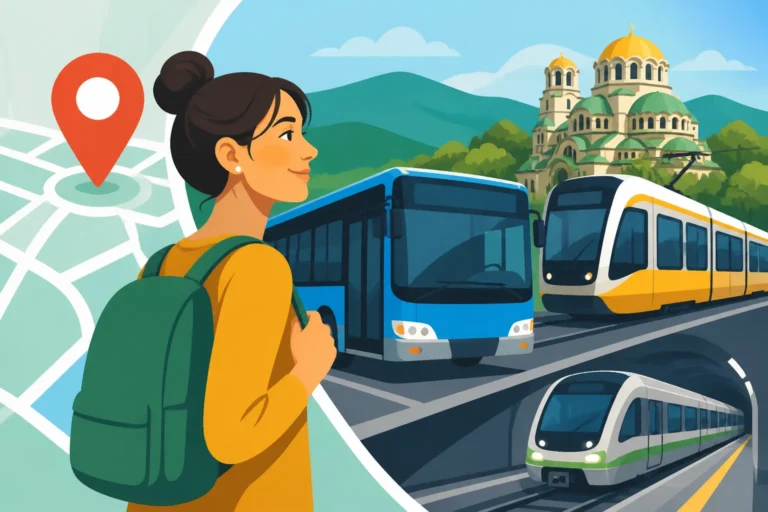
Sofia's public transport system is quite extensive and generally reliable, though navigating it with young children or during peak hours can be an experience in itself. The metro is clean, modern, and efficient, covering many key areas including the city center, Iztok, and parts of Lozenets. Buses and trams fill in the gaps, connecting the entire city. For specific details on how to use it, you can check out How to Use the Metro and Public Transport in Sofia.
However, for families living in districts further out, like Boyana or Dragalevtsi, or with multiple school drop-offs and after-school activities, a car often becomes a necessity. Traffic in Sofia can be heavy, particularly during rush hours, so factor this into your daily planning. Consider the proximity of your potential home to metro stations or major bus lines if you plan to rely heavily on public transport. Some international schools also provide private bus services, which can be a huge convenience for families in less accessible areas.
Healthcare and Emergency Services for Children
Access to reliable healthcare is a fundamental concern for any family moving abroad. Bulgaria has both public and private healthcare systems. While the public system (NHIF) covers many services if you're registered and making contributions, many expats opt for private healthcare providers, especially for their children, due to shorter wait times, English-speaking staff, and more modern facilities.
Several private clinics in Sofia specialize in pediatric care and have English-speaking doctors. For example, Tokuda Hospital Sofia or Acibadem City Clinic Tokuda Hospital (now part of the same group) have well-regarded pediatric departments. Understanding the distinction between public and private options, and how to register for either, is crucial. You can learn more about this in articles such as The Complete Guide to Healthcare in Bulgaria for Expats (2027). In case of an emergency, knowing the local emergency numbers (112 for all emergencies) and the location of the nearest children's hospital or clinic is vital.
The Search Process: Tips for Finding Your Ideal Family Home
Finding the perfect family home in a new city can be a challenge. It's not just about what's available, but how you go about looking, evaluating, and ultimately securing your new abode.
Working with Real Estate Agents
For expats, a good real estate agent is an invaluable asset. They can bridge the language barrier, explain local rental laws, and help you navigate the intricacies of the Bulgarian property market. Look for agents who specialize in expat rentals or sales, as they'll be more familiar with the specific needs and concerns of international families. They often have listings for properties that aren't widely advertised and can offer insights into the true character of a neighbourhood beyond what you see online.
When choosing an agent, ask for references, check their experience with foreign clients, and ensure they are fluent in English. A reliable agent will listen to your family's specific requirements – number of bedrooms, proximity to a particular school, access to parks, budget – and won't waste your time with unsuitable viewings. Remember that agents' fees are typically covered by the landlord or shared, but always clarify this upfront. Guides like How to Find a Reliable Real Estate Agent in Bulgaria can provide further assistance in this crucial step.
Online Resources and Expat Networks
Before even stepping foot in Sofia, a wealth of online resources can help you narrow down your search. Property portals like Imot.bg or Luximmo.bg are excellent for browsing listings, though many might be in Bulgarian, so a translation tool will be your friend. However, don't rely solely on these; sometimes the best opportunities come through word-of-mouth.
Expat Facebook groups, forums, and community websites for Sofia are treasure troves of information. Members often post available rentals, offer reviews of neighbourhoods, and share advice on everything from schools to doctors. These networks can also help you connect with other parents already living in specific areas, allowing you to get firsthand accounts of what family life is truly like there. Don't be shy about asking questions! These groups are also a great place to pick up tips on setting up utilities, finding reliable internet, or getting a local SIM card, something useful to consider, perhaps even looking into services like Airalo for an eSIM that gets you connected instantly upon arrival, bypassing the immediate hassle of local providers.
Visiting and Experiencing Neighbourhoods Firsthand
There’s simply no substitute for walking the streets of a potential new neighbourhood. What looks good on paper might not feel right in person. Schedule multiple viewings in different areas, and if possible, visit at different times of day – during school pick-up, on a weekend morning, or in the evening – to get a true sense of the vibe, noise levels, and traffic.
Pay attention to details: Are there kids playing in the park? Are the sidewalks pram-friendly? How far is the nearest playground or grocery store? Do you see other expat families around? Take the public transport routes you would use daily. If you're planning a move from afar, consider an exploratory trip specifically to scout out neighbourhoods. This on-the-ground research is crucial for making an informed decision that truly suits your family's needs and ensures you can fully integrate into your chosen community.
Cost of Living Considerations for Families in Sofia's Best Neighbourhoods
While Sofia is generally considered an affordable European capital, the cost of living for a family can quickly add up, especially when choosing premium neighbourhoods. Budgeting effectively is key to a comfortable life here.
Rent and Property Prices Compared
As with any city, rent is likely to be your largest monthly expenditure. The family-friendly neighbourhoods we've discussed – Lozenets, Iztok, and Boyana/Dragalevtsi – tend to be among the more expensive areas in Sofia.
- Lozenets and Iztok: Expect to pay higher rents for spacious, well-maintained apartments, especially those in newer developments or with desirable amenities. A three-bedroom apartment in these areas could range anywhere from €800 to €1500+ per month, depending on size, condition, and precise location.
- Boyana & Dragalevtsi: While offering larger houses or townhouses, the prices here can also be substantial, often comparable to or exceeding central apartments, but for more space. A family house might start from €1200 and go significantly higher.
- Vitosha District (emerging areas): These areas can offer slightly better value, particularly in newer apartment complexes. You might find a modern three-bedroom apartment for €700-€1200, representing a good balance of modern living and affordability compared to the more established areas.
For a comprehensive understanding of what you can expect, refer to How Much Does It Cost to Rent an Apartment in Sofia in 2026?. It's always wise to factor in a buffer for the first few months, as you’ll likely have initial setup costs.
Daily Expenses and Budgeting Tips
Beyond rent, consider your daily outgoings. Groceries in Sofia are relatively inexpensive, especially if you shop at local markets and larger supermarkets like Kaufland or Billa. Eating out can also be affordable, though international restaurants in expat-heavy areas might be pricier.
For families, additional costs quickly accumulate:
- School fees: If you choose international schools, these will be a major expense, as discussed earlier.
- Childcare: Nannies or daycare centers vary in price but can add a significant chunk to your budget.
- Activities: Sports clubs, music lessons, and other extracurricular activities for children also need to be accounted for.
- Transport: While public transport is cheap, car ownership (fuel, insurance, maintenance, parking) can be costly.
To get a broader picture of what to expect, check out What Is the Cost of Living in Bulgaria for Expats?. Creating a detailed budget before you move, and tracking your expenses for the first few months, will help you adjust and ensure financial stability. Don't forget to account for unforeseen expenses and leave a little wiggle room for family outings and exploring Bulgaria!
Utilities and Connectivity for Family Life
Setting up utilities in Bulgaria is a process that requires a bit of patience, but once done, the costs are generally reasonable. Electricity, water, and heating bills will vary significantly based on the size of your home and your consumption habits, especially during the colder winter months. Many expat families find heating to be a substantial cost during winter.
For internet and mobile services, Sofia has several competitive providers. Companies like A1, Yettel, and Vivacom offer a range of packages for high-speed internet and mobile plans. Having reliable, fast internet is crucial for families, especially for remote work, online learning, and entertainment. Before you arrive, you might consider how quickly you need to be connected. While you can look for local providers upon arrival, sometimes a temporary solution like an Airalo eSIM can give you immediate data access for maps, communication, and initial searches, until you get your permanent setup sorted. For more details on this process, refer to The Expat Guide to Setting Up Utilities (Electricity, Water, Gas) in Bulgaria and How to Set Up Internet and Mobile Service in Bulgaria.
Disclaimer: The information provided in this article is intended for general guidance only and is subject to change. While we strive to keep it accurate and up-to-date, we cannot guarantee its absolute correctness. It is always advisable to consult with relevant local authorities, legal professionals, or real estate experts for personalized advice specific to your situation when making important decisions about living in Bulgaria.