How Do I Choose Between Sofia, Plovdiv and Varna to Live In?
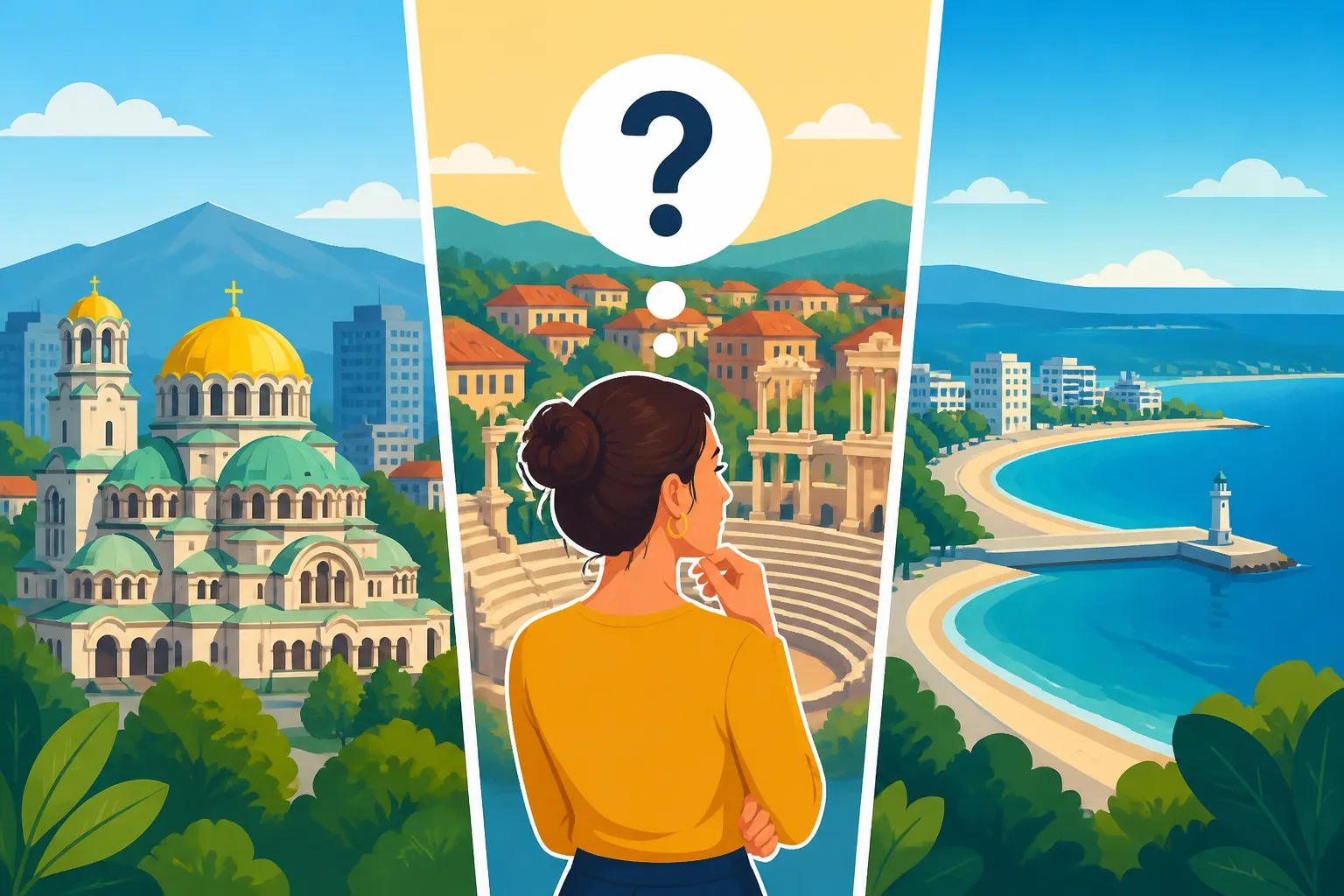
Alright, so you've made the brave decision to call Bulgaria home, or at least consider it for a while – fantastic! But now comes the really tough part, doesn't it? You've heard whispers about the capital's buzz, the ancient charm of another, and the sea breeze of a third, and suddenly you're standing at a crossroads. Choosing between Sofia, Plovdiv, and Varna isn't just about picking a dot on a map; it's about deciding what kind of life you want to build here. This guide is going to walk you through the nitty-gritty, giving you the unvarnished truth about each city so you can make an informed decision that truly fits your expat dream.
Sofia: The Bustling Capital and Economic Hub
When expats first arrive in Bulgaria, Sofia is often their first port of call. It's the beating heart of the country, a place where ancient history rubs shoulders with modern ambition, sometimes a bit awkwardly, I'll admit. But if you're looking for opportunities and a faster pace of life, this is usually where you'll find it.
Urban Dynamics and Career Opportunities
Sofia is undeniably the most cosmopolitan city in Bulgaria. It's sprawling, vibrant, and, yes, it can be a bit overwhelming at times, especially if you're fresh off the plane. The city is a major hub for IT, outsourcing, finance, and various international businesses. This means more job opportunities, particularly for English speakers. You’ll find a wide range of companies, from multinational corporations to nimble startups, all vying for talent. This bustling job market often means better salaries compared to other Bulgarian cities, though it's still relatively modest by Western European standards.
Navigating Sofia as a newcomer can be a challenge. The public transport system is extensive, featuring a metro, trams, and buses, but understanding the routes and ticket systems can take a bit of getting used to. However, once you get the hang of it, you'll quickly realize how efficient it can be. Neighborhoods vary wildly, from the upscale, leafy streets of Lozenets to the more student-centric and lively Studentski Grad, or the central, bustling areas like Doctor's Garden or Ivan Vazov. Each has its own rhythm and vibe, so it's worth exploring them thoroughly before committing to a rental. If you’re trying to scope out the scene and stay connected from day one, an eSIM from a provider like Airalo can be a lifesaver, ensuring you have data without hunting for local SIM cards immediately.
Culture, Amenities and Cost of Living
Sofia is a city that never really sleeps, at least not compared to its Bulgarian counterparts. You'll find a dizzying array of restaurants, cafes, bars, theaters, museums, and galleries. There are international schools, private clinics, and a larger variety of goods and services – basically, everything you'd expect from a European capital. If you're someone who thrives on having options, from obscure craft breweries to contemporary art exhibitions, Sofia will likely appeal. The Vitosha mountain, practically on the city's doorstep, offers a quick escape for hiking, skiing, or just breathing some fresh air when the city gets a bit much.
Now, let's talk brass tacks: the cost of living. While still significantly cheaper than many Western capitals, Sofia is the most expensive city in Bulgaria. Rent, for instance, can be considerably higher. A decent one-bedroom apartment in a desirable central location could easily set you back €400-€600 or more, whereas in other cities, you might find something comparable for less. Groceries, utilities, and dining out are also generally pricier. While the higher salaries can offset this for some, it's a critical factor to weigh. For a deeper dive into what you can expect, check out our guide on How Much Does It Cost to Rent an Apartment in Sofia in 2026?. It paints a very realistic picture.
Plovdiv: The Ancient Cultural Heartbeat
If Sofia is the energetic teenager, Plovdiv is the wise, soulful grandparent with incredible stories to tell. As one of the oldest continually inhabited cities in Europe, Plovdiv offers a distinctly different pace and atmosphere. It’s a city that invites you to slow down, wander, and soak in its rich history and vibrant arts scene.
Historical Charm and Relaxed Pace
Plovdiv is pure magic. Walking through its cobbled streets, especially in the Old Town, feels like stepping back in time. You've got Roman ruins casually integrated into the modern city – the Ancient Theatre, the Roman Stadium – it's breathtaking. The city’s history as a former European Capital of Culture (2019) has left a lasting legacy, fostering a thriving arts and culture scene without the frenetic energy of Sofia. There's a palpable sense of community here, and life moves at a gentler, more deliberate pace.
The "Kapana" art district is a gem, packed with independent shops, artisan studios, cozy cafes, and trendy restaurants. It’s a fantastic place to spend an afternoon or evening, completely immersing yourself in the local creative spirit. Expats often praise Plovdiv for its relaxed, friendly atmosphere, which makes integrating into the local community feel a little less intimidating. There’s a strong sense of pride among Plovdiv residents, and rightly so.
Community and Accessibility
Compared to Sofia, Plovdiv offers a more intimate scale. You can often walk to most places within the city center, and the public transport, while less extensive, is perfectly adequate for getting around. The expat community in Plovdiv is smaller than in Sofia, but it's very active and supportive. You'll find it easier to bump into familiar faces and build connections quickly. This can be a huge plus if you’re seeking a close-knit support system rather than getting lost in the crowd.
The cost of living in Plovdiv is noticeably lower than in Sofia. Rental prices are more affordable, and general expenses like groceries, dining, and entertainment tend to be kinder to your wallet. You might find a lovely two-bedroom apartment for the price of a small one-bedroom in Sofia's center. This affordability, combined with the quality of life, often makes Plovdiv an attractive option for those who prioritize cultural immersion and a calmer environment over endless career opportunities. For more on general living expenses, our The Complete Guide to Cost of Living in Bulgaria for Expats (2026) breaks down the numbers across the country. Plus, if you're looking for a rental, our guide How Do I Find an Apartment to Rent in Plovdiv? offers practical advice for getting started.
Varna: The Black Sea Pearl and Coastal Retreat
If your ideal life involves waking up to the smell of the sea, then Varna might just be your Bulgarian paradise. Situated on the Black Sea coast, Varna is Bulgaria’s third-largest city and a popular tourist destination, but it offers a unique lifestyle for those who choose to call it home year-round.
Coastal Living and Seasonal Rhythms
Varna is defined by its connection to the sea. The Sea Garden, one of the largest landscaped parks in the Balkans, stretches along the coastline, offering endless opportunities for walks, cycling, and relaxation. The beaches are fantastic, and the overall vibe is distinctly resort-like, especially during the summer months when the city truly comes alive with tourists and locals alike flocking to the sand and sea. The climate is milder here, with warmer winters and glorious summers, making it appealing for those who enjoy a more Mediterranean feel.
Life in Varna operates on a seasonal rhythm. The summers are bustling, vibrant, and full of energy, with festivals, open-air concerts, and a thriving nightlife. However, once the peak tourist season winds down in late autumn, the city settles into a much quieter, more subdued pace. This can be a double-edged sword: some expats adore the tranquility of the off-season, enjoying the peaceful walks along deserted beaches, while others find it a little too quiet, especially if they're used to the constant buzz of a major city.
Recreation and Expat Community
Varna offers plenty of recreational activities beyond the beach. There’s an opera house, several museums, and a growing number of cafes and restaurants that cater to a year-round population. Water sports are, of course, a huge draw, and you'll find sailing, diving, and fishing readily available. The expat community in Varna is diverse, with a notable number of retirees and those seeking a quieter, more relaxed lifestyle by the sea. They tend to be very welcoming, and you’ll find various groups and meet-ups if you put in a little effort.
The cost of living in Varna falls somewhere between Sofia and Plovdiv. Rent can be surprisingly affordable outside the immediate beach resort areas, but it can spike during the summer. Groceries are comparable to Plovdiv, while dining out can vary widely, from cheap local eateries to more upscale seafood restaurants. Bear in mind that while job opportunities exist, they are less diverse than in Sofia, with many roles concentrated in tourism, hospitality, and seasonal work. If you're planning to work remotely or have an online business, Varna offers a superb quality of life for the cost. Before you commit to a major move, remember that comparing reliable moving services is key. Platforms like Sirelo can help you get quotes and plan your relocation efficiently, ensuring your belongings arrive safely.
Making Your Decision: Key Factors to Consider
So, how do you actually choose? It’s not just about listing pros and cons; it’s about aligning your personal priorities with what each city genuinely offers.
Personal Priorities
This is the big one. What truly matters to you in your daily life?
- Career and Opportunities: If you're actively seeking employment within Bulgaria's formal sector, especially in tech, finance, or international business, Sofia is likely your best bet. The sheer volume and variety of jobs there are unmatched. Plovdiv has a growing IT sector too, but it's smaller, while Varna’s opportunities often lean heavily towards tourism.
- Pace of Life: Do you thrive in a bustling, fast-paced environment with endless options, or do you prefer a more tranquil, relaxed existence where things unfold at a slower speed? Sofia is the former; Plovdiv and Varna are more the latter, particularly outside of Sofia's direct sphere of influence.
- Culture and Social Scene: All three cities have rich cultural scenes, but they differ in flavor. Sofia offers a wide spectrum of international and avant-garde events. Plovdiv is steeped in history and artisan crafts, with a more intimate, bohemian feel. Varna provides a coastal, resort-town culture, especially vibrant in summer. Consider what kind of social interactions and cultural engagements you crave.
- Climate and Environment: Do you love the mountains and distinct four seasons (Sofia, Plovdiv)? Or is the allure of the Black Sea and milder coastal weather (Varna) irresistible? Each city provides a distinct environmental experience.
- Expat Community: While all three have expat communities, their size and composition vary. Sofia's is largest and most diverse, Plovdiv's is smaller but very tight-knit, and Varna's often attracts those seeking a more permanent, relaxed coastal lifestyle, including many retirees.
Practicalities and Logistics
Beyond the lifestyle, you need to think about the everyday practicalities.
- Cost of Living: As we've discussed, Sofia is the most expensive, followed by Varna, and then Plovdiv. You need to honestly assess your budget and what you can comfortably afford, especially when it comes to rent, which is often the biggest expense. Our guide on How Much Does It Cost to Live in Sofia per Month? can give you a clear picture of capital city expenses.
- Healthcare: Access to healthcare is crucial. Sofia, being the capital, has the largest and most specialized hospitals and a wider choice of English-speaking doctors and private clinics. Plovdiv and Varna also have good facilities, but options might be slightly more limited for very specific specialties. It's always a good idea to research How Bulgaria's Health System Works: The NHIF and Private Care Explained (2027) before you move.
- Transport: Are you planning to drive, or will you rely on public transport? Sofia has the most extensive public transport network, including a metro. Plovdiv and Varna are more walkable, and their public transport systems are smaller but generally efficient. If you're thinking about driving, our guide to Driving in Bulgaria: Licences, Registration and Rules for Expats (2027) is a must-read.
- Education for Families: If you're moving with children, access to international schools or quality local education will be a major factor. Sofia has the most options for international schooling. Plovdiv and Varna have some international offerings but fewer than the capital. Our Schools and Education in Bulgaria: A Complete Guide for Expat Families is invaluable for parents.
Here’s a quick comparison to help solidify your thoughts:
| Feature | Sofia | Plovdiv | Varna |
|---|---|---|---|
| Pace of Life | Fast, dynamic, bustling | Relaxed, cultural, bohemian | Seasonal, coastal, calm (off-season) |
| Job Market | Best opportunities (IT, finance, outsourcing) | Growing (IT, services), smaller market | Tourism, hospitality, seasonal |
| Cost of Living | Highest in Bulgaria | Lowest of the three | Moderate, seasonal fluctuations |
| Expat Community | Largest, most diverse | Active, close-knit, community-oriented | Diverse, many retirees, sea-lovers |
| Culture & Amenities | Extensive, international, modern | Rich history, arts, Kapana district | Coastal, Sea Garden, summer festivals |
| Public Transport | Most extensive (metro, trams, buses) | Walkable, adequate bus network | Walkable, bus network |
| Climate | Continental, distinct seasons, mountain access | Continental, distinct seasons, hills | Milder, coastal, warm summers, mild winters |
| Nature Access | Vitosha Mountain (on doorstep) | Rhodope Mountains (short drive) | Black Sea beaches, Sea Garden |
Ultimately, the "best" city is deeply personal. I've known expats who moved to Sofia for work, found it too intense, and relocated to Plovdiv for the calmer atmosphere. Others swear by the Black Sea lifestyle of Varna, accepting fewer career options for beach access. Your best bet, if possible, is to visit all three. Spend a few days in each, walk the streets, visit the local markets, sip coffee, and imagine your daily life unfolding there. You'll get a gut feeling, and sometimes, that’s the most reliable guide of all.
Disclaimer
The information provided in this guide is intended for general informational purposes only and does not constitute professional advice. While we strive to keep the information accurate and up-to-date, circumstances and regulations in Bulgaria can change rapidly. It is always recommended to consult with appropriate local professionals, such as legal advisors, real estate agents, or immigration consultants, for specific advice tailored to your personal situation. We cannot be held responsible for any decisions made based on the information presented herein.