The Expat Guide to Setting Up Utilities (Electricity, Water, Gas) in Bulgaria
Ah, the joys of settling into a new home in Bulgaria! You’ve found your perfect apartment, maybe even wrestled with the rental contract, and now comes the moment of truth: making sure the lights turn on, the water flows, and you can, you know, cook a meal. For many of us expats, setting up electricity, water, and gas in Bulgaria can feel like deciphering an ancient scroll, filled with unfamiliar names, processes, and a good dose of bureaucratic head-scratching. But don't you worry, because this guide is here to untangle it all, offering you a veteran expat's roadmap to a fully functional home.
First Things First: Understanding Bulgaria's Utility Landscape
When you first arrive, everything feels new, doesn't it? The language, the customs, even how simple things like paying a bill work. And nowhere is this more apparent than with utilities. It’s not just about flipping a switch; it’s about navigating a system that might be very different from what you’re used to back home.
The Initial Shock: Why It Feels Complicated
Let’s be honest, moving to a new country is a whirlwind. You're trying to figure out your residence permit, maybe even learning a few Bulgarian phrases, and then you’re hit with this whole new administrative beast: utilities. The initial shock often comes from a combination of factors. First, the language barrier is real. While younger generations often speak English, utility company customer service lines or local payment centers might not always have English-speaking staff readily available. This can lead to miscommunications, incorrect information, and frankly, a lot of frustration.
Then there’s the system itself. It’s often less streamlined than what many Western expats are accustomed to. Digitalization is happening, yes, but sometimes you'll still encounter processes that require in-person visits, physical documents, and a fair bit of waiting. You might find yourself juggling multiple utility accounts, each with its own specific payment dates and methods. It’s not uncommon to spend an entire afternoon just trying to get one service connected or a bill clarified. This isn’t a complaint, mind you, just a heads-up from someone who’s been there, done that, and probably shed a few tears over a water bill that made no sense. It’s a challenge, but one you can absolutely overcome with a bit of patience and the right information.
Key Players: Who Provides What
Unlike some countries where you might have multiple options for each utility, Bulgaria often operates with regional or national monopolies for basic services. This means your choice of provider for electricity, water, and gas is usually predetermined by your location.
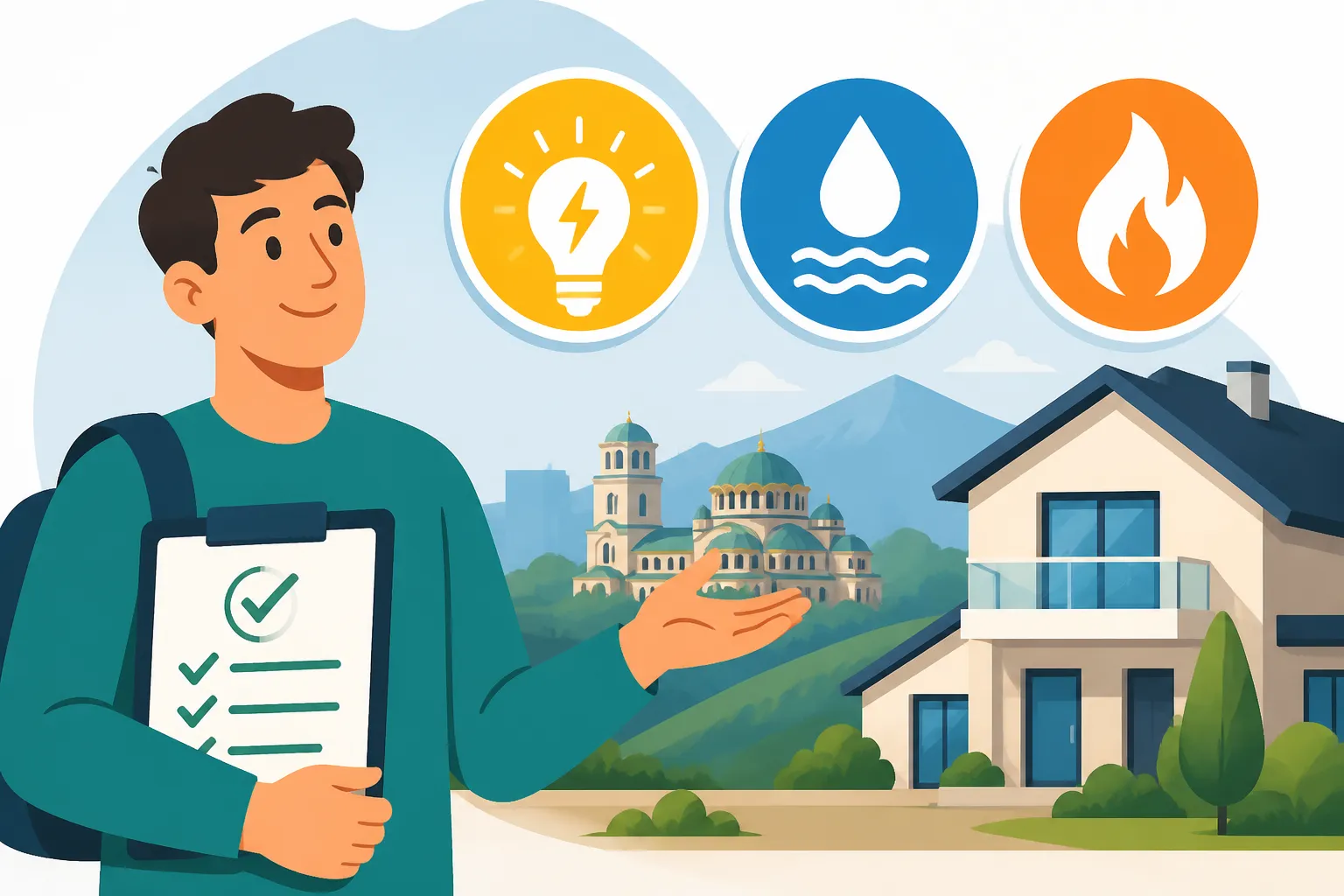
For electricity, the main distributors are EVN, CEZ Electro Bulgaria, and Energo-Pro. Which one serves you depends entirely on where your property is located. For instance, if you're in Sofia or Western Bulgaria, you'll likely be dealing with CEZ. If you're in the Southeast, it's EVN, and in the Northeast, Energo-Pro. These companies are responsible for the infrastructure, billing, and maintenance of the electrical grid. While there has been some liberalization in the electricity market for businesses, for residential consumers, you generally stick with your regional distributor.
Water is managed by municipal or regional water and sewerage companies, known as ViK (Водоснабдяване и Канализация). Every major city and region has its own ViK office. So, in Sofia, you’ll deal with Sofiyska Voda, in Plovdiv it’s ViK Plovdiv, and so on. These entities handle everything from water supply and quality to sewerage and billing.
Gas is a bit different. While natural gas isn't available everywhere in Bulgaria, especially in rural areas, it's increasingly common in larger cities. The primary gas distribution company is Overgas, though other regional players like Citygas also exist. If your property has natural gas, you’ll typically be tied to the local distributor for that area. Sometimes properties in cities might rely on bottled gas (LPG) for cooking or individual electric boilers for heating, rather than a central gas connection, so it's good to clarify this when you move in.
Required Documents: What You'll Always Need
Getting your utilities set up means proving you’re actually the person who lives there and is responsible for the bills. This usually involves a standard set of documents, but prepare for variations and requests for seemingly random extra papers.
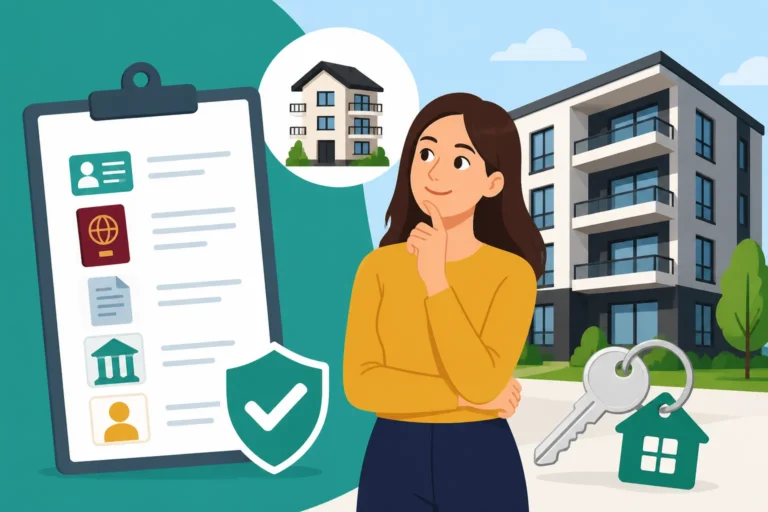
Here’s a general list of what you should always have on hand, preferably originals and copies, and often translated into Bulgarian by a sworn translator:
- Your ID: This could be your passport, your Bulgarian ID card (лична карта) once you have your residence permit, or your EU ID card if you’re an EU citizen.
- Proof of Address: This is usually your rental contract (договор за наем) or property title deed (нотариален акт) if you’ve bought the place. Make sure your contract is officially registered with the National Revenue Agency (NRA) if required, as some utility companies might ask for proof of this registration.
- Previous Utility Bills (if applicable): If you’re transferring an existing account into your name, having a copy of a previous bill from the landlord or previous tenant is incredibly helpful. It contains the customer number and meter details.
- Application Form: Each utility company will have its own form to fill out. These are almost always in Bulgarian, so bring a Bulgarian-speaking friend or be prepared to use a translation app.
- Power of Attorney (пълномощно): If someone else (e.g., your landlord, real estate agent, or a friend) is helping you set things up and signing documents on your behalf, they will need a notarized power of attorney. This is a common practice, especially when dealing with property management or if you're not fluent in Bulgarian yet.
Keep in mind that the Bulgarian administrative system loves stamps and signatures, so ensure all your documents are pristine and correctly executed. Don't be surprised if they ask for a copy of a document you thought wasn't relevant, like your marriage certificate or even your child’s birth certificate, especially if you’re adding dependents to certain services. It’s always best to be over-prepared rather than under-prepared.
Getting Connected: Electricity in Bulgaria
Electricity is usually the first utility you want to get sorted. Nobody enjoys living by candlelight, especially when you’re trying to connect your Wi-Fi router!
Providers and Tariffs: Who's in Charge and What You Pay
As mentioned, your electricity provider will be one of three main players depending on your location: CEZ Electro Bulgaria (Western Bulgaria, including Sofia), EVN Bulgaria Elektrosnabdyavane (Southeastern Bulgaria), or Energo-Pro Varna (Northeastern Bulgaria). These companies are responsible for the distribution, maintenance, and billing of your electricity supply. You generally don’t get to choose your provider; it’s assigned to your geographical area.
When it comes to tariffs, residential electricity in Bulgaria usually operates on a dual-tariff system:
- Day Tariff (Дневна тарифа): This is the standard, higher rate charged during peak hours (typically 6 AM to 11 PM).
- Night Tariff (Нощна тарифа): This is a significantly lower rate charged during off-peak hours (typically 11 PM to 6 AM).
If your property has a two-rate meter, utilizing the night tariff can lead to noticeable savings, especially if you run energy-intensive appliances like washing machines or dishwashers overnight. The exact prices per kilowatt-hour (kWh) are regulated by the Energy and Water Regulatory Commission (EWRC) and are subject to change, usually annually. You can always check the current rates on your provider's website or on the EWRC website (look for "цены на ток").
The overall cost of living in Bulgaria is generally lower than in many Western European countries, and electricity is no exception, though rising energy costs are a global trend. Expect to pay more in winter for heating if you use electric heaters or air conditioners, as this is often the biggest drain on electricity.
The Connection Process: Step-by-Step
So, you’ve moved into your new place. Now, how do you get those electrons flowing?
- Check if Electricity is Already Active: In many rental properties, the electricity account is already active under the landlord's name or the previous tenant's. The crucial step is to transfer the account into your name. If the electricity has been completely cut off (rare for rentals, more common for properties that have been vacant for a long time or new builds), the process will involve a new connection, which is more complex and usually handled by the landlord or developer.
- Gather Your Documents: As listed above, have your ID, rental contract/title deed, and ideally a previous bill ready.
- Visit the Local Customer Service Center: This is often unavoidable. Go to the nearest customer service center for your regional electricity provider (CEZ, EVN, or Energo-Pro). You can usually find addresses on their respective websites. Be prepared for a wait, especially during peak hours.
- Fill Out the Application Form: You’ll need to complete a form requesting the transfer or activation of service. Again, a Bulgarian speaker or translation app will be your best friend here. You'll need to provide the meter number, which should be on a previous bill or easily visible on your meter.
- Submit Documents and Sign: Present your documents. The representative will verify them. If everything is in order, you’ll sign a contract for electricity supply. Keep a copy of this contract for your records!
- Meter Reading: Sometimes, the representative will ask for the current meter reading. If you have access to the meter, take a photo of it showing the numbers clearly. If the account is being transferred, the previous tenant/landlord should have provided a final reading.
- Activation/Transfer: For transfers, the change is usually administrative and takes effect immediately or within a few days. If it's a new connection, an technician might need to visit the property, which can take longer.
- First Bill: Your first bill should arrive within a month. Check it carefully to ensure the account is in your name and the readings are correct.
A tip from experience: if you are renting, many landlords prefer to keep the electricity bill in their name and have you pay them directly, or they might assist in the transfer. Clarify this arrangement early in your apartment search in Bulgaria. It can simplify things immensely, especially if you're not fluent in Bulgarian. However, remember that if the bill stays in their name, you have less direct control and might be reliant on them to provide the bills on time.
Understanding Your Electricity Bill: Deciphering the Numbers
When that first bill lands in your mailbox (or inbox, if you've set up e-billing), it can look like a maze of Cyrillic characters and numbers. But fear not, it's quite standard once you know what to look for.
A typical electricity bill will include:
- Клиентски номер (Klientski Nomer): Your unique customer number. Keep this handy for all communication.
- Идентификатор на обекта (Identifikator na Obekta): The unique identifier for your property.
- Период на отчитане (Period na Otchitane): The billing period (e.g., from DD.MM to DD.MM).
- Показания (Pokazania): Meter readings. You’ll see "Начални показания" (initial reading) and "Крайни показания" (final reading) for both day and night tariffs (Дневна and Нощна).
- Консумирана енергия (Konsumirana Energia): The total consumed energy in kWh for both tariffs.
- Единична цена (Edinichna Tsena): The unit price per kWh for each tariff.
- Общо дължима сума (Obshto Dlazhima Suma): The total amount due.
- Краен срок за плащане (Kraen Srok za Plashtane): The payment deadline.
You’ll also see various taxes and charges, like VAT (ДДС), network access fees, and public service obligations. Don’t panic about these; they are standard components of the bill. Most electricity companies now also offer a graphical breakdown or a simpler summary of your usage. If you have a smart meter, readings might be taken automatically. Otherwise, a technician may come to read it, or you might be asked to submit your own reading online or by phone. Missing the submission window can lead to an estimated bill, which is usually higher, so it's a good idea to know how to read your water and electricity meters.
Water Works: Setting Up Your Water Supply
Water is, of course, essential, and thankfully, getting it connected is usually straightforward since it’s often tied to your property and rarely disconnected unless there are significant arrears.
Local Water Companies: Your Municipal Supplier
As I mentioned earlier, water supply in Bulgaria is managed by regional or municipal companies known as ViK (Водоснабдяване и Канализация). This means your water provider is determined by your specific city or district. For example, if you live in Sofia, your provider will be Sofiyska Voda. In other major cities like Plovdiv, Varna, Burgas, or Ruse, you’ll interact with their respective ViK branches.
These companies are responsible for the entire water cycle: extracting and treating water, distributing it through the network, maintaining pipes, and managing sewerage services. They also handle all billing and customer service. Unlike electricity, there’s no choice here – you simply deal with the ViK that serves your address.
The quality of tap water in Bulgarian cities is generally considered safe for drinking, although many expats prefer to filter it or drink bottled water due to taste or personal preference. If you have any concerns about water quality, you can contact your local ViK for information or reports.
Setting up your account with ViK usually follows a similar pattern to electricity:
- Check Previous Status: Most properties will have an active water connection. The goal is to transfer the account into your name. If the water supply has been disconnected for a long time, there might be a re-connection fee.
- Gather Documents: Again, your ID/passport, rental contract or title deed, and ideally a previous water bill from the property.
- Visit the ViK Customer Service Center: Head to your local ViK office. These offices can be busy, so try to go early in the morning or mid-afternoon.
- Fill Out Forms and Submit: Complete the necessary application forms (in Bulgarian) to transfer the account. Provide your documents for verification.
- Meter Reading: Be ready to provide the current reading from your water meter. These are usually located inside your apartment (under the sink, in the bathroom, or near the main entrance) or in a common area in older apartment buildings. Take a photo for your records.
- Sign Contract: Once approved, you’ll sign a service contract. Keep your copy!
Reading Your Water Meter: How It's Done
Water meters in Bulgaria typically measure consumption in cubic meters (кубически метри). Knowing how to read your meter is crucial for understanding your bill and ensuring you're only paying for what you use.
Most modern water meters have a series of black and red digits. The black digits represent whole cubic meters, which is what you are billed for. The red digits represent fractions of a cubic meter (liters). When you report a reading, you usually only provide the black digits.
- Example: If your meter reads
00123.456, you would report123.
ViK typically sends a meter reader to your property periodically (e.g., every three months or twice a year). In between these official readings, you might receive estimated bills. However, many ViK companies now allow you to submit your own meter readings online or via a dedicated phone line. This is highly recommended to ensure accurate billing and avoid unpleasant surprises from estimated bills that are much higher or lower than your actual consumption. Make it a habit to check your meter once a month and compare it to your bill. If something seems off, contact ViK immediately.
In some older apartment blocks, especially those with central hot water, you might have common building meters in addition to individual apartment meters. The calculation for hot water and shared usage can sometimes be a bit opaque, leading to the occasional dispute within the building. It's an unfortunate part of life in some older Bulgarian buildings.
Paying Your Water Bill: Options and Deadlines
Water bills in Bulgaria are typically issued monthly or bi-monthly, depending on the municipality and specific ViK company. Just like electricity, the bill will clearly state the "Краен срок за плащане" (payment deadline). Missing this deadline can incur late fees, so staying on top of your bills is important.
Payment options for water bills are diverse:
- EasyPay (Изипей): This is a very popular and convenient payment network across Bulgaria. You can pay at thousands of EasyPay offices, kiosks, or partner locations (like many smaller grocery stores). You just need your client number (клиентски номер) or the barcode on your bill. They typically charge a small transaction fee.
- Bank Branches: You can pay your bill directly at the counter of most major Bulgarian banks (e.g., DSK Bank, UniCredit Bulbank). You'll need your bill with the client number and payment details.
- Online Banking: If you’ve set up online banking with a Bulgarian bank, you can usually pay your water bill directly through their online portal. Look for options under "Плащане на битови сметки" (utility bill payments).
- Automated Payment Machines: Some banks and larger supermarkets have self-service payment machines where you can scan your bill or enter your client number.
- Direct Debit: Many ViK companies offer the option to set up direct debit payments from your Bulgarian bank account. This is perhaps the easiest way to ensure you never miss a payment, but it requires filling out forms at your bank or ViK office. I personally swear by setting up auto-pay for all my utilities – it saves a lot of stress! You can read more about it here: How Do I Set Up Auto-Pay for My Utility Bills in Bulgaria?
It’s always a good idea to keep receipts for your payments, especially if paying in cash. While issues are rare, having proof of payment can save you a lot of hassle if a discrepancy arises.
Heating Up: Gas Connection in Bulgaria
Natural gas isn’t as universally available in Bulgaria as electricity and water, but if your home is connected, it’s often an economical way to heat your home and water, especially during those chilly Bulgarian winters.
Availability and Providers: Where Is Gas an Option?
Natural gas infrastructure is primarily concentrated in larger cities and some well-developed towns. Sofia, Plovdiv, Varna, Burgas, and Stara Zagora are among the places where you’re most likely to find properties connected to the gas grid. In smaller towns or rural areas, central heating might be provided by a local district heating company (топлофикация), or residents rely on electricity, wood-burning stoves, or individual gas bottles for heating and cooking.
The main natural gas distributor in Bulgaria is Overgas, which operates across several regions. Other regional distributors, like Citygas (serving cities like Plovdiv), also exist. Similar to electricity, you don’t typically choose your gas provider; it’s determined by your location and the existing infrastructure.
Before you even consider gas, confirm with your landlord or real estate agent whether the property has a natural gas connection available. If not, don't fret! Many Bulgarian homes use electric boilers for hot water and electric radiators or air conditioning units for heating, which are perfectly functional, though perhaps not always as cost-effective as natural gas. When you're assessing the cost of living in Bulgaria, heating costs, especially in winter, are a significant factor, so understanding your home's heating system is key.
The Installation Process: What to Expect
If your property is already connected to the natural gas network, the process of transferring the account to your name is similar to electricity and water: gather your ID, rental contract/title deed, and a previous bill, then visit the customer service center of your local gas provider. They will have you fill out forms, provide a meter reading, and sign a contract.
However, if your property needs a new gas connection or an initial installation, it’s a more involved process:
- Feasibility Check: First, the gas company needs to assess if a connection is even feasible at your address and if your building’s internal gas installation meets safety standards. This often involves a site visit.
- Project Design and Quotation: If feasible, a project for the gas installation will be designed, specifying pipe routing, boiler location, and any necessary modifications. You'll receive a detailed quotation for the work.
- Permits and Approvals: This stage involves obtaining necessary permits from local authorities and the gas company itself. This can be time-consuming and often requires a certified engineer.
- Installation Work: Certified technicians will install the gas pipes, boiler, radiators, and any other gas appliances. This is a complex job that absolutely requires professionals.
- Inspection and Commissioning: Once installed, the entire system must be inspected and tested for safety by the gas company. Only after passing these rigorous checks will the gas supply be activated.
- Contract Signing: Finally, you'll sign a contract for gas supply with the provider.
For renters, new gas installations are almost always the landlord's responsibility and significant undertaking. As a tenant, you'll typically only be concerned with transferring an existing, active connection into your name. If you're buying a property and plan a new gas installation, be prepared for a multi-week, potentially multi-month, process involving various specialists and significant costs. It's often best to work with a local project manager or a trusted real estate agent who can guide you through this.
Gas Bills and Safety: Costs and Precautions
Gas bills are usually issued monthly and are based on your consumption in cubic meters. The price per cubic meter is regulated and varies. Similar to electricity, your bill will show your customer number, billing period, initial and final meter readings, consumed volume, unit price, and total amount due.
Understanding Heating Costs: Natural gas can be a very efficient heating source. However, your monthly bill will fluctuate significantly based on external temperatures, the insulation of your home, and your personal heating habits. Remember that preparing your home for winter in Bulgaria (checking insulation, windows, etc.) can make a big difference in your heating bills, regardless of the energy source.
Gas Safety: This is paramount. Natural gas is generally safe, but leaks can be extremely dangerous.
- Be aware of the smell: Natural gas is odorless, but gas companies add a chemical (mercaptan) that gives it a distinct, pungent smell (like rotten eggs) to help detect leaks. If you ever smell gas, immediately open windows, turn off the main gas valve (if safe to do so), extinguish any open flames, do NOT switch lights or appliances on/off, and evacuate the building. Call the emergency gas service number (usually 112, or your specific gas provider's emergency line, which should be on your bill).
- Maintenance: Ensure your gas boiler and appliances are serviced annually by a certified technician. This is not just about efficiency; it's about safety, preventing carbon monoxide leaks, and ensuring everything operates correctly.
- Carbon Monoxide Detectors: Consider installing carbon monoxide detectors in your home, especially near gas appliances. This odorless, colorless gas is extremely dangerous and detectors can provide an early warning.
While less common, some properties might use LPG (liquefied petroleum gas) bottles for cooking or heating. If you have LPG bottles, ensure they are stored correctly, handled with care, and regularly checked for leaks. Always buy from reputable suppliers.
Beyond the Big Three: Internet and Mobile Services
In today’s world, internet and mobile services are hardly "optional" utilities. They are absolute necessities for staying connected, working, and navigating daily life as an expat in Bulgaria.
Choosing Your Provider: Options and Packages
Unlike the regulated monopolies of electricity and water, the market for internet and mobile services in Bulgaria is quite competitive, offering you a decent range of choices.
For internet, you'll typically find options for fiber optic, cable, or ADSL. Fiber optic is increasingly available in cities and offers the fastest, most reliable speeds.
Major players include:
- Vivacom: One of the largest telecommunications companies, offering comprehensive packages including internet, TV, and mobile services. They have a wide network coverage.
- A1 Bulgaria (formerly Mobiltel): Another major player, offering strong fiber internet, TV, and mobile bundles.
- Yettel (formerly Telenor Bulgaria): Known for good mobile network coverage and competitive internet plans.
- Smaller Local Providers: In many cities, you might also find smaller, local internet providers that offer very competitive prices, sometimes even faster speeds, but with potentially less English-speaking support. Ask your landlord or neighbours for recommendations in your specific area.
When choosing, consider:
- Speed requirements: For streaming, gaming, or remote work, you'll want higher download and upload speeds.
- Package deals: Bundling internet with TV and mobile can often save you money.
- Contract length: Most providers offer 12 or 24-month contracts. Be aware of early termination fees if your plans might change.
For mobile services, the same big three (Vivacom, A1, Yettel) dominate the market. They all offer prepaid (предплатени) and postpaid (абонаментни) plans.
- Prepaid (Pay-as-you-go): Great for tourists or short-term stays. You buy a SIM card and top it up with credit or data bundles. Easy to set up, no contract.
- Postpaid (Contract): Offers better value for money, more data, and often unlimited calls/texts, but requires a contract (typically 12 or 24 months). You’ll need your Bulgarian ID card (лична карта) or residence permit and a local bank account for payment.
Explore How to Choose a Mobile and Internet Provider in Bulgaria for more specific details.
Installation and Activation: Getting Online
Once you've chosen your provider for home internet, the installation process usually involves:
- Signing a Contract: Visit a store of your chosen provider. You'll need your ID/passport and rental contract/title deed. They will help you select a plan and sign the contract.
- Scheduling Installation: An appointment will be set for a technician to come to your home. This can be anywhere from a few days to a couple of weeks, depending on demand and your location.
- Home Visit: The technician will install the necessary equipment (router, cables) and ensure everything is working. They might need access to your building's communication shafts or a wall drilling if new cabling is required.
- Activation: Once installed, your service should be immediately active. The technician will usually help you connect your devices.
Remember to test the speed and connectivity before the technician leaves. If you're taking over an existing connection from a previous tenant, it might be a simple account transfer with no technician visit needed.
Staying Connected on the Go: Mobile Plans and eSIMs
For mobile services, if you opt for a postpaid contract, you’ll follow a similar sign-up process at a provider’s store. They’ll issue you a SIM card, and your service will be active almost immediately.
If you prefer the flexibility of prepaid, you can buy a SIM card from any mobile provider's store, supermarket, or even kiosks. Just insert it into your phone, and you can top it up with credit or data bundles as needed. This is often the quickest way to get a local number and data when you first arrive.
For ultimate flexibility, especially if you travel frequently or want to keep your home country's SIM active, consider an eSIM. Services like Airalo allow you to purchase digital SIM cards for Bulgaria (and many other countries) directly from your phone. You simply download a data package, and you're good to go. It's incredibly convenient, particularly for short stays or as a temporary solution while you get your long-term Bulgarian SIM sorted. I’ve used Airalo myself when hopping between countries, and it’s a lifesaver for avoiding roaming charges and getting immediate connectivity.
Whether you choose a physical SIM or an eSIM, having a local number is invaluable for things like setting up online banking, receiving delivery notifications, and generally blending into daily Bulgarian life. For a deep dive, check out How to Set Up Internet and Mobile Service in Bulgaria.
Managing Your Bills: Payment Methods and Best Practices
Once all your utilities are set up, the next step is consistently paying the bills. This is where many expats initially stumble, not because of a lack of funds, but because the payment methods might differ from what they're used to.
Traditional Payment Methods: Post Offices and Banks
Bulgaria still embraces cash payments and traditional methods, especially for utilities.
- Post Offices (Български пощи): Every post office across Bulgaria accepts utility bill payments. This is a very common method, especially for older generations. You just present your bill (or simply state your customer number if you know it), pay in cash, and receive a stamped receipt. It's reliable, but queues can sometimes be long.
- Bank Branches: As mentioned under water bills, most major banks like DSK Bank, UniCredit Bulbank, and Raiffeisenbank allow you to pay utility bills at their counters. You'll need your physical bill or customer details. There might be a small processing fee.
While these methods are tried and true, they require physical presence and often involve queuing. For those of us with busy schedules or who prefer a more modern approach, there are better options.
Online Payment Platforms: Modern Convenience
This is where life gets significantly easier for expats. Bulgaria has several excellent online and offline payment platforms that centralize your utility payments.
- EasyPay (Изипей): I can't stress enough how ubiquitous and useful EasyPay is. Besides their physical offices and kiosks, they have a robust online portal. You can register, add all your utility accounts (electricity, water, gas, internet, TV, even your mobile postpaid bills), and pay them all from one place with a debit/credit card. It’s incredibly convenient. You can also set up reminders.
- Epay.bg: This is EasyPay’s online counterpart. If you register for an Epay.bg account and link your Bulgarian bank card, you can manage and pay all your bills online. It's very secure and widely used.
- Online Banking (Internet Banking): Almost all Bulgarian banks offer comprehensive online banking platforms where you can pay utilities. Look for the "Плащане на битови сметки" or "Плащания" section. You usually input the recipient (e.g., CEZ, Sofiyska Voda), your customer number, and the amount. Many banks also allow you to save templates for recurring payments.
- Mobile Apps: Most major banks and utility providers (like A1, Vivacom) have mobile apps that let you manage your account and pay bills on the go. These are highly recommended for convenience.
For anyone who likes to keep their financial life organized, using one of these online platforms is a game-changer. It streamlines everything and reduces the need for countless trips to various offices.
Tips for Avoiding Disconnection: Staying on Top of Things
Nobody wants their electricity or water cut off, especially not unexpectedly. Here are some seasoned tips to avoid that nightmare:
- Know Your Due Dates: Every bill has a clear deadline (Краен срок за плащане). Mark these on your calendar or set up digital reminders.
- Set Up Direct Debits or Auto-Pay: This is my number one recommendation. Most major utilities allow you to set up direct debit payments from your Bulgarian bank account. Once configured, your bills are paid automatically on the due date. This almost completely eliminates the risk of missed payments. You can learn more about this in How Do I Set Up Auto-Pay for My Utility Bills in Bulgaria?
- Use Online Platforms: As mentioned, EasyPay/Epay.bg allow you to see all your outstanding bills in one place, making it easy to track and pay.
- Check for Estimates: Sometimes, if a meter reader can’t access your meter, or if you don’t submit a reading, you'll receive an estimated bill. While estimates are eventually adjusted, they can sometimes be significantly higher or lower than your actual consumption. If you suspect an estimated bill is incorrect, submit your actual reading or contact the provider.
- Keep Records: Always keep proof of payment, especially for cash payments. Online payments usually generate a digital receipt.
- Don't Ignore Notices: If you receive a notice (уведомление) about an overdue bill, act on it immediately. Disconnection usually follows a series of warnings.
- Get Help if Needed: If you’re struggling with a bill, the language, or understanding a discrepancy, ask a Bulgarian friend, neighbour, or a professional assistant for help. Don’t let it escalate.
Staying proactive with your utility payments is key. While the systems might seem a bit convoluted at first glance, once you get into a routine, it becomes second nature.
Here's a quick comparison of common payment methods:
| Payment Method | Convenience Level | Requires Bulgarian Bank Account | Fees (Typical) | Proof of Payment | Notes |
|---|---|---|---|---|---|
| EasyPay Offices/Kiosks | High | No | Small | Physical Receipt | Thousands of locations, often long queues. |
| Epay.bg (Online) | Very High | Yes | Small | Digital Receipt | Requires registration, very efficient. |
| Bank Branches | Medium | No (but easier with one) | Small | Physical Receipt | Can be slow, limited hours. |
| Online Banking | Very High | Yes | Usually None | Digital Record | Best for regular payments, customizable. |
| Direct Debit | Max Convenience | Yes | Usually None | Digital Record | Set it and forget it! |
| Post Offices | Medium | No | Small | Physical Receipt | Widespread, but often slow. |
Troubleshooting Common Utility Issues
Even with the best intentions and meticulous planning, things can sometimes go sideways. Utilities are no exception. Here’s what to do when you hit a snag.
Power Outages and Water Interruptions: Who to Call
These things happen, sometimes without warning, sometimes due to scheduled maintenance.
For Power Outages:
- Check Neighbours: First, check if your neighbours also have a power outage. If it's just your apartment, it might be a tripped circuit breaker (бушон) in your fuse box, which is usually in your hallway or near your front door. Try resetting it. If it trips again, you might have an issue with an appliance or your electrical wiring, and it's best to call an electrician.
- Check Area Status: If it's a wider area outage, your electricity provider (CEZ, EVN, Energo-Pro) usually has an online map or section on their website where you can check for reported outages.
- Call Emergency Line: If you can't find information online or it's a critical situation, call the emergency number 112. They can direct you to the appropriate utility emergency service or dispatch help. Alternatively, find the emergency contact number for your specific electricity provider (usually listed on your bill or their website). Be prepared to give your address and customer number.
For Water Interruptions:
- Check Building Notices: In apartment buildings, water interruptions are often announced in advance (e.g., for pipe repairs) with a notice posted in the entrance area.
- Check Local ViK Website: Your municipal ViK company (e.g., Sofiyska Voda) will often post information about planned or emergency water supply interruptions on their website.
- Call Emergency Line: If it’s an unexpected and widespread outage, call your local ViK emergency number (also usually on your bill or website). Again, 112 can also direct you.
In both cases, having a Bulgarian speaker assist you with the call can make a huge difference in explaining the situation and getting accurate information. Keep some bottled water and maybe a battery-powered lamp or fully charged power bank handy for such eventualities.
Billing Disputes: How to Challenge Charges
Receiving a bill that seems unusually high or incorrect is frustrating, but it's not unheard of. Here's how to tackle it:
- Review Your Usage: Compare the current meter reading on your bill with your actual meter. If there's a significant discrepancy, especially for electricity or water, this is your primary evidence. If it's an estimated bill and your actual reading is much lower, you have a strong case.
- Check for Leaks/Faults: For water, a sudden spike could indicate a leak somewhere in your apartment or building. For electricity, check if you've been using any new high-consumption appliances.
- Gather Previous Bills: Look at your historical usage. Does the current bill align with past patterns, or is it an outlier?
- Contact Customer Service: Your first step is to contact the utility provider's customer service. Be patient. Clearly explain the issue, providing your customer number, the disputed bill number, and your evidence (e.g., photos of your meter).
- Submit a Written Complaint: If a phone call doesn't resolve it, follow up with a written complaint (жалба) to the provider. This provides a formal record. You can often find complaint forms on their websites or at their customer service centers.
- Seek External Help: If the provider is unresponsive or unhelpful, you can escalate the issue to the Energy and Water Regulatory Commission (EWRC) or to consumer protection organizations in Bulgaria. This is a more serious step, but sometimes necessary.
It's vital to address billing disputes promptly. While the process can be slow, ignoring an incorrect bill can lead to late fees or even service disconnection.
Dealing with Language Barriers: Getting Help When You Need It
The language barrier is arguably the biggest hurdle for expats in Bulgaria, especially when dealing with administrative tasks like utilities.
- Bring a Bulgarian Speaker: This is the golden rule. If you have a Bulgarian friend, colleague, or your landlord who can accompany you to utility offices or make phone calls on your behalf, take them up on the offer. Their help is invaluable.
- Use Translation Apps: Google Translate or similar apps can be lifesavers for understanding documents or having basic conversations. While not perfect, they can bridge simple communication gaps.
- Learn Key Phrases: Even a few basic Bulgarian phrases related to utilities (e.g., "сметка" – bill, "електричество" – electricity, "вода" – water, "проблем" – problem, "моля" – please, "благодаря" – thank you) can make a big difference and show respect for the local culture.
- Look for English-Speaking Staff: Some larger customer service centers in major cities, especially for internet and mobile providers, might have English-speaking staff. It never hurts to ask, "Говорите ли английски?" (Govorite li angliyski? – Do you speak English?).
- Hire a Professional Assistant: For complex issues or if you don’t have local support, consider hiring a freelance administrative assistant or a relocation service. They specialize in navigating these systems for expats and can save you a lot of stress.
- Leverage Expat Groups: Online expat groups (e.g., on Facebook) are fantastic resources. You can ask for advice, recommendations for English-speaking services, or even find someone willing to help with a quick translation.
Don't let the language intimidate you from resolving issues. There are always ways to get the help you need.
Moving In and Moving Out: Transferring Utilities
Life in Bulgaria, like anywhere else, involves transitions. Whether you're moving to a new apartment in the same city or leaving the country entirely, you'll need to deal with your utility accounts.
Transferring Existing Accounts: If You're Taking Over from Someone
When you move into a property where utilities are already active, you need to transfer these accounts into your name. This is generally the most common scenario for renters and property buyers.
For Electricity, Water, and Gas:
- Initial Readings: The most crucial step is to get the current meter readings on your move-in day. Ideally, you, the landlord/previous tenant, and perhaps your real estate agent should all be present to agree on these readings. Take photos of the meters for proof.
- Final Readings from Previous Account: The landlord or previous tenant should provide the final readings from their account to their utility providers. This ensures they are billed up to the point of your move-in.
- Visit Utility Offices: Go to the respective customer service centers (CEZ/EVN/Energo-Pro, ViK, Overgas/Citygas) with your ID, rental contract/title deed, and the agreed-upon initial meter readings.
- Open New Account/Transfer Existing One: You will essentially be opening a new account in your name, with the starting meter readings corresponding to the final readings of the previous occupant. You'll fill out the necessary forms and sign new contracts.
- Deposit (Rare but Possible): Occasionally, a utility company might request a small deposit for new accounts, especially if you don't have a long payment history in Bulgaria. This is uncommon for residential electricity/water but can happen for new gas connections.
This process ensures that you are only responsible for consumption from your move-in date onwards and that the previous occupant isn't left with your bills. Keeping detailed records and photos of meter readings is paramount here.
Closing Accounts: When You Leave
When it's time to pack your bags and move on, closing your utility accounts properly is just as important as setting them up. You don't want to be billed for someone else's consumption after you've left.
For Electricity, Water, and Gas:
- Final Meter Readings: On your move-out day, take final meter readings for all utilities. Again, it’s best if the landlord or new tenant is present to agree on these readings and take photos.
- Visit Utility Offices: Go to the customer service centers of each provider. Bring your ID, your utility contract, and your final meter readings.
- Request Account Closure: Inform them you are moving out and wish to close your account. You'll fill out a termination form (заявление за прекратяване на договор) and provide your final readings.
- Final Bill: The company will issue a final bill based on your last readings. Make sure to pay this in full. If you have any overpayments or deposits, they should be refunded to your specified Bulgarian bank account.
- Confirmation: Ask for a written confirmation that your account has been closed and that you have no outstanding debts. This is your proof of closure.
For Internet and Mobile:
- Check Contract Terms: Review your contract for any early termination clauses or notice periods. Many internet and mobile contracts have a 12 or 24-month term, and canceling early can incur fees.
- Return Equipment: You'll typically need to return rented equipment (routers, TV boxes) to the provider's store.
- Final Bill: Pay your final bill and get confirmation of account closure.
Ignoring utility accounts when you leave can lead to accumulating debts in your name, which could cause issues if you ever plan to return to Bulgaria or if the debt is pursued internationally. A seamless move requires attention to these details. If you're using a moving company like Sirelo for your relocation, they might offer some guidance or services related to utility transfers, or at least point you to local experts who can assist. Sirelo provides a fantastic platform for comparing international moving services, and their resources often cover destination-specific tips, which can be invaluable when planning a move in or out of Bulgaria.
Professional Help: Movers and Services
Let's face it, dealing with Bulgarian bureaucracy can be overwhelming, especially during a stressful move. This is where professional help shines.
- Relocation Agents: Many cities, particularly Sofia, have relocation agencies that specialize in helping expats settle in. Their services often include assistance with utility setup, bank accounts, address registration, and even finding a trusted real estate agent. While there's a cost involved, the peace of mind and time saved can be well worth it.
- Real Estate Agents/Landlords: A good real estate agent or a helpful landlord can be your first line of defense. They often have experience with utility transfers and might even offer to assist as part of their service. Always clarify this upfront.
- Administrative Assistants: For ongoing support or specific tricky situations, you can hire a local administrative assistant on an hourly basis. They can help with phone calls, translations, and in-person visits to utility offices.
- Moving Companies: While international moving companies like Sirelo are primarily focused on logistics – getting your belongings from A to B – they often have partnerships with local service providers or offer broader relocation packages that can include utility assistance. It’s always worth checking if your chosen mover provides any ancillary services or can recommend reliable local contacts in Bulgaria. They understand that settling into a new home goes beyond just unpacking boxes.
Remember, you don't have to tackle all of this alone. Leaning on local knowledge or professional services can make your transition to life in Bulgaria much smoother and less stressful.
Disclaimer
Please note that while this guide provides comprehensive information based on current practices and expat experiences in Bulgaria, utility regulations, pricing, and procedures can change. It is always advisable to verify the latest information directly with the respective utility providers or relevant authorities. This guide is for informational purposes only and does not constitute professional advice.