How Do I Choose Between Renting and Buying in Bulgaria?
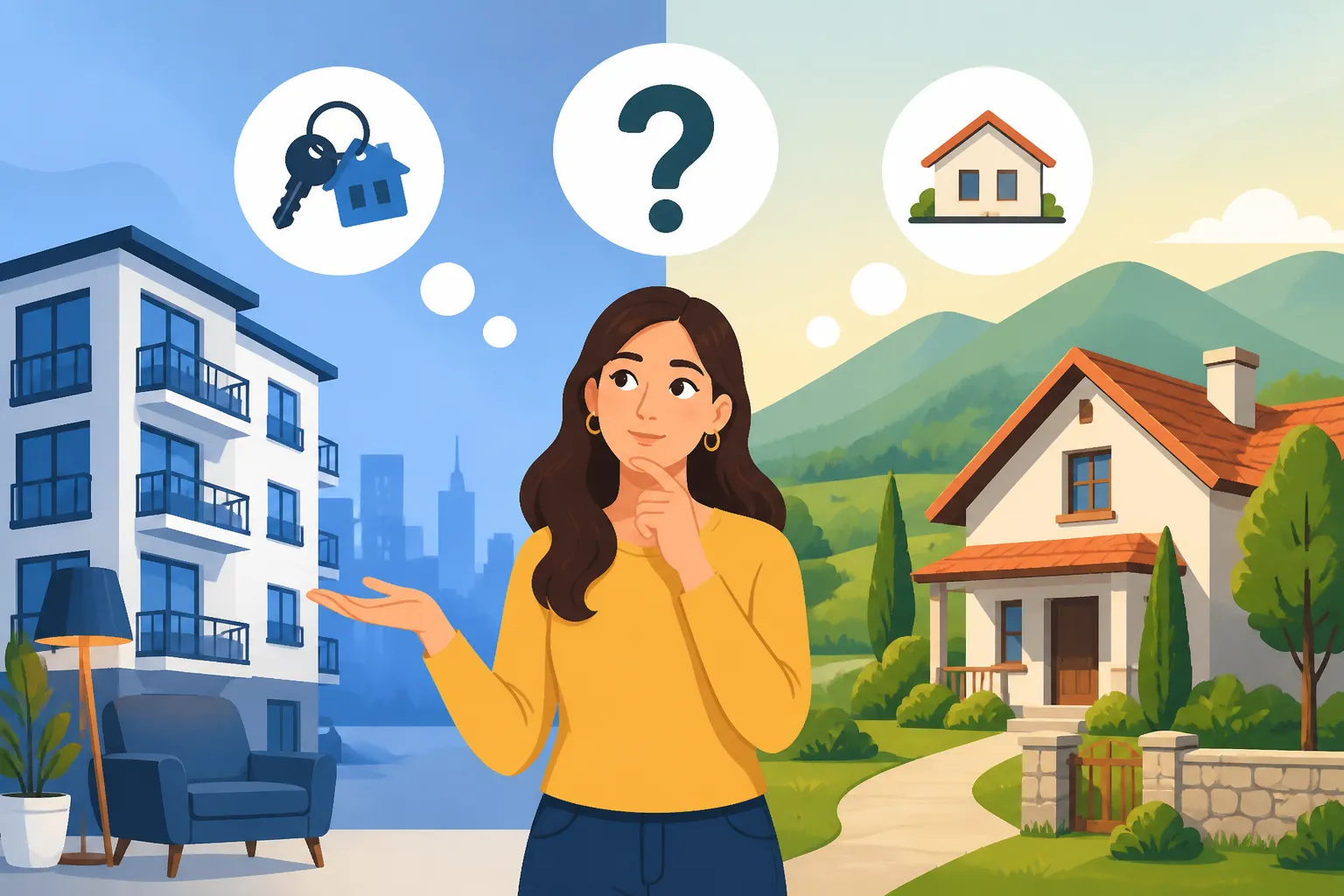
The question of whether to rent or buy property in Bulgaria is a big one, a real crossroads moment for many expats. It's not just about finances; it’s about your sense of stability, your plans for the future, and how much you're willing to embrace the local administrative maze. This guide aims to demystify both options, offering a seasoned expat's perspective on the pros, cons, and crucial considerations to help you weigh up your personal situation and make the best choice for your life here.
The Appeal and Pitfalls of Renting in Bulgaria
Renting an apartment in Bulgaria often feels like the default choice when you first arrive, and for good reason. It offers a level of flexibility that's hard to beat, especially when you're still finding your feet in a new country. However, it's not without its frustrations, as anyone who's dealt with a reluctant landlord or rising utility bills will tell you.
The Flexibility of Renting
One of the biggest advantages of renting, hands down, is the freedom to move. When you're new to Bulgaria, you might not be entirely sure which city or even which neighbourhood truly suits your vibe. Maybe Sofia's hustle and bustle is exhilarating at first, but after a year, you long for the more relaxed pace of Plovdiv or the sea air of Varna. Renting allows you to explore these options without the monumental task of selling a property. You can simply give notice, pack your bags (and perhaps call a reliable international moving service like Sirelo if you’re relocating belongings), and find a new place.
Furthermore, rental contracts in Bulgaria are typically for one year, sometimes two, offering a predictable commitment period. This is fantastic if your job situation is still up in the air, or if you're not yet committed to a long-term future in the country. If things don't work out, or if a better opportunity arises elsewhere, you're not tied down by a major asset. Plus, renting means you're generally not responsible for those big, unexpected maintenance costs. Leaky roof? Broken boiler? That’s usually the landlord's problem, not yours, though getting them to act quickly can be its own challenge, I’ve learned. For a deeper dive, check out The Complete Guide to Renting an Apartment in Bulgaria (2027).
The Drawbacks of Rental Life
Let’s be honest, rental life in Bulgaria isn't always a walk in the park. One of the most common complaints I hear is the lack of true stability. Landlords can decide not to renew a lease, or they might raise the rent significantly, leaving you scrambling to find a new place. Many expats go through this, and it’s a stressful experience, especially when you've finally settled in and made a home. Then there's the 'not-your-own' feeling; you can't really renovate or customize your living space to your exact liking. Want to paint a wall a different colour or install new shelves? You’ll often need permission, and even then, you might have to revert it to its original state when you leave.
Another significant drawback, which many expats overlook until they're deep into it, is the money factor. While you avoid large upfront purchase costs, you're essentially paying someone else's mortgage without building any equity yourself. Over the years, those rental payments add up to a substantial sum that you won't get back. And don't forget the security deposit, typically one or two months' rent, which can be a point of contention when it's time to move out. Understanding How to Sign a Rental Contract and Pay a Deposit in Bulgaria is crucial to protect yourself.
Ideal Scenarios for Renters
Renting is often the smarter move if:
- You're new to Bulgaria: It gives you invaluable time to explore different regions, understand the local culture, and figure out where you truly want to put down roots. You don't want to rush into a purchase in a city you later decide isn't for you.
- Your stay is temporary or uncertain: If you're here for a specific project, a few years of work, or just testing the waters, renting offers the perfect exit strategy.
- You prefer flexibility over stability: You enjoy the freedom to move, upgrade, or downsize without the financial and legal complexities of property ownership.
- You don't want the hassle of maintenance: No major repairs, no dealing with contractors, no unexpected bills for a broken boiler – just call the landlord (and hope they pick up!).
- Your capital is tied up elsewhere: If you have investments or other financial commitments, renting allows you to maintain liquidity.
Embracing Homeownership: Buying Property in Bulgaria
The dream of owning your own slice of Bulgaria is incredibly appealing. Whether it’s a charming apartment in Sofia's Lozenets district, a traditional house in a mountain village, or a coastal retreat near Burgas, the idea of having a permanent base is a powerful draw. However, like any significant life decision, buying property here comes with its own set of unique Bulgarian quirks and challenges.
The Joys of Owning Your Bulgarian Home
The biggest joy of buying property is, without a doubt, the sense of permanence and belonging it brings. This isn't just a place you're staying; it's your home. You can paint the walls any colour you like, renovate the kitchen of your dreams, or build that perfect garden patio without needing anyone's permission. It’s a canvas for your life, and that feeling of making a space truly your own is incredibly satisfying.
From a financial standpoint, buying allows you to build equity. Instead of rent payments disappearing into a landlord’s pocket, your mortgage payments are contributing to your own asset. Over time, as property values ideally appreciate, your investment grows. Bulgaria has seen steady, albeit sometimes modest, growth in its property market, particularly in desirable urban areas and tourist hotspots. Furthermore, owning property can sometimes offer a pathway to long-term residency, which is a major draw for many non-EU citizens looking to make Bulgaria their home. For detailed insights on this, read How to Buy Property in Bulgaria as a Foreigner: The Full Guide (2027).
The Realities and Risks of Buying
Now, let's talk about the less glamorous side of homeownership in Bulgaria. The initial costs can be substantial. Beyond the purchase price, you'll encounter notary fees, local transfer taxes, legal fees, and agent commissions. These can quickly add up, often surprising first-time buyers who don't account for all the hidden extras. Understanding the Local Transfer Tax When Buying Property in Bulgaria is a must. And let's not forget the infamous Bulgarian bureaucracy. The process of How to Complete the Property Purchase and Notary Process in Bulgaria can be lengthy, confusing, and requires meticulous attention to detail, often necessitating a trusted local lawyer. Some people who rush the process only to face issues down the line.
Then there are the ongoing responsibilities. You're now responsible for all maintenance, repairs, and property taxes. A burst pipe in the middle of winter, a new roof, or even just regular upkeep of the communal areas in an apartment building (often called 'maintenance fees') – these are all on your dime. While the cost of living in Bulgaria is generally low, these unexpected expenses can still hit hard. For a comprehensive look at these costs, refer to Understanding Property Tax and Garbage Fees for Homeowners in Bulgaria. Lastly, while the market can appreciate, there's always the risk of depreciation, and selling a property can be a long and complex process, especially if you need to do so quickly.
Who Should Consider Buying Property?
Buying property in Bulgaria is generally a good option if:
- You plan to stay long-term (5+ years): The transactional costs of buying and selling mean that shorter stays might not make financial sense.
- You desire stability and a personal touch: You want to truly settle down, personalize your home, and avoid the uncertainties of the rental market.
- You see it as an investment: You believe in the long-term potential of the Bulgarian property market and want to build equity.
- You're looking for a pathway to residency: For some, property ownership can contribute to meeting the requirements for various types of residence permits. It's worth exploring if Do I Need to Buy Property to Get Residency in Bulgaria? is a factor for you.
- You have the capital or access to a mortgage: You need to have either a substantial down payment ready or qualify for a mortgage from a Bulgarian bank, which can be challenging for foreigners. Insights on this can be found in How to Get a Mortgage to Buy Property in Bulgaria.
Crunching the Numbers and Weighing Your Lifestyle
Deciding between renting and buying isn't just a gut feeling; it's a careful balance of financial realities and personal preferences. You really need to sit down and do some honest soul-searching, alongside some serious number-crunching.
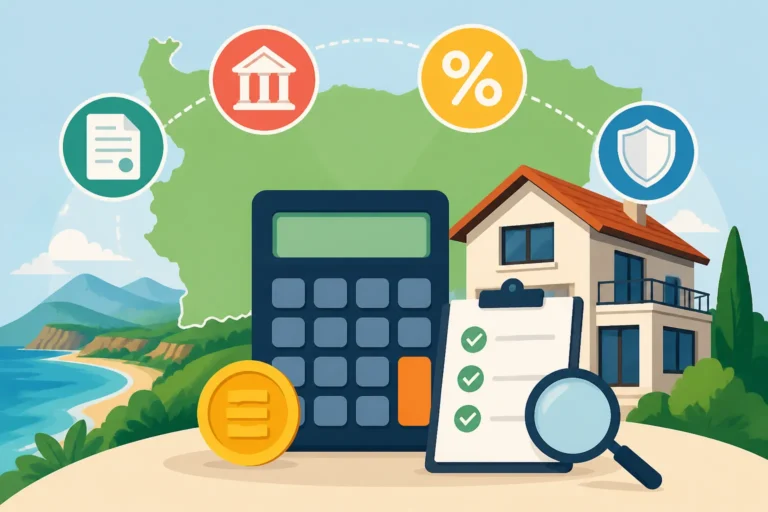
The Financial Angle: Initial Costs and Ongoing Expenses
Let's break down the money side. When you rent, your initial outlay is usually a security deposit (1-2 months' rent) and the first month's rent. That’s it. Relatively straightforward. When you buy, however, it’s a whole different ballgame. You’re looking at:
- Purchase price: The actual cost of the property.
- Notary fees: These are fixed by law and depend on the property value.
- Local municipal tax (transfer tax): This varies by municipality but is typically around 2.5-3% of the property value.
- Legal fees: Highly recommended to have a lawyer review everything.
- Real estate agent commission: Usually paid by the buyer, around 2.5-3% plus VAT.
- Bank fees: If you’re getting a mortgage, expect application fees, valuation fees, etc.
- Renovation/furnishing costs: Unless you're buying brand new and fully furnished, you'll want to personalize.
Ongoing costs:
- Renting: Monthly rent, utilities (electricity, water, heating, internet), minor repairs you might cover. For more on utilities, check The Expat Guide to Setting Up Utilities (Electricity, Water, Gas) in Bulgaria.
- Buying: Mortgage payments (if applicable), property tax, garbage collection fees, building maintenance fees (for apartments), utilities, home insurance, and budget for unexpected repairs.
Consider also how long it would take for the cumulative cost of renting to equal the upfront and ongoing costs of buying. This 'break-even' point is crucial. If you only plan to stay two or three years, the high upfront costs of buying might make renting a more financially sensible option.
Personal & Long-Term Considerations
Beyond the numbers, think about your life here. How much do you value personal freedom versus stability?
- Flexibility vs. Roots: Renting offers the ultimate flexibility, letting you adapt to changing life circumstances, job opportunities, or simply a desire for a new environment. Buying, conversely, plants roots. It’s a commitment to a place, a community, and a certain lifestyle.
- Time & Stress: The process of buying a property in Bulgaria, from finding the right one to navigating the legalities, is a significant time commitment and can be incredibly stressful. If your energy is better spent on your career, family, or exploring Bulgaria, then renting removes a major source of potential headaches.
- Future Plans: Do you envision yourself in Bulgaria for the foreseeable future, perhaps even retiring here? If so, buying could be a sound long-term strategy, potentially becoming a part of your retirement plan. If you're still undecided about your ultimate expat destination, then it's probably best to keep your options open with renting.
Understanding the Bulgarian Property Market
The Bulgarian property market has its own unique dynamics. Cities like Sofia, Plovdiv, and Varna often have more liquid markets with better appreciation potential, especially for modern apartments. Coastal and ski resort areas can be more volatile, heavily influenced by tourism and international demand. Rural properties, while often incredibly affordable, might be harder to sell quickly and often require significant renovation investment.
Before buying, it’s wise to gain a deep understanding of Understanding Property Ownership and the Market in Bulgaria (2027). Research local trends, talk to real estate agents (but always with a healthy dose of skepticism), and perhaps even speak to other expats who have recently bought or sold. Prices can vary wildly depending on location, age of the building, and amenities.
Making Your Final Decision: Rent or Buy?
Ultimately, there’s no single "right" answer to whether you should rent or buy in Bulgaria. It truly depends on your individual circumstances, financial situation, and long-term goals. What works brilliantly for one expat might be a total disaster for another.
A Quick Comparison
To help you visualize the trade-offs, here’s a simplified comparison:
| Feature | Renting in Bulgaria | Buying in Bulgaria |
|---|---|---|
| Flexibility | High – easy to move, short-term commitment | Low – significant effort and cost to sell |
| Upfront Costs | Low – security deposit + 1st month rent | High – purchase price, taxes, fees, legal costs |
| Monthly Costs | Predictable rent + utilities | Mortgage (if applicable), property tax, utilities, maintenance, insurance |
| Maintenance | Landlord's responsibility (mostly) | Your full responsibility |
| Customization | Limited | Full freedom to renovate and decorate |
| Equity Building | None | Yes, building an asset |
| Market Risk | Minimal – no direct exposure to property value fluctuations | High – subject to market appreciation/depreciation |
| Residency Link | Generally none (unless tied to a specific visa type) | Can sometimes aid in certain long-term residency applications |
| Timeframe Ideal | Short to medium-term (1-5 years) | Long-term (5+ years) |
Navigating Your Next Steps
Once you've weighed these factors, you'll likely lean towards one option.
If renting feels right for now:
- Start researching neighbourhoods and properties. Online portals like Imot.bg or specialized expat groups on social media are good starting points.
- Be prepared for some administrative hurdles when The Expat Guide to Setting Up Utilities (Electricity, Water, Gas) in Bulgaria.
- Ensure you understand your rental contract fully before signing. Don’t be afraid to ask questions or seek legal advice.
If buying is your path:
- Secure your financing. Explore mortgage options with local banks like UniCredit Bulbank or DSK, but be aware that foreign nationals might face stricter criteria.
- Find a reputable, English-speaking lawyer who specializes in real estate. This is non-negotiable, trust me. They will help you navigate the nuances of Understanding the Foreigner Property Purchase Rules in Bulgaria.
- Take your time with property viewings. Don't feel pressured into a quick decision. Visit properties multiple times, at different times of day, if possible.
- Consider all the costs beyond the asking price. Get a detailed breakdown from your lawyer and agent.
- And if you're planning a big move, remember services like Sirelo can help with the logistics of getting your belongings safely to your new Bulgarian home.
Whether you rent or buy, remember that the goal is to create a comfortable, stable base for your expat life in Bulgaria. Do your homework, ask lots of questions, and don't be afraid to seek professional advice.
Disclaimer
The information provided in this guide is intended for general informational purposes only and does not constitute legal, financial, or real estate advice. Laws and regulations regarding property rental and ownership in Bulgaria can change, and individual circumstances vary significantly. Always consult with qualified legal, financial, and real estate professionals in Bulgaria before making any decisions related to renting or purchasing property.