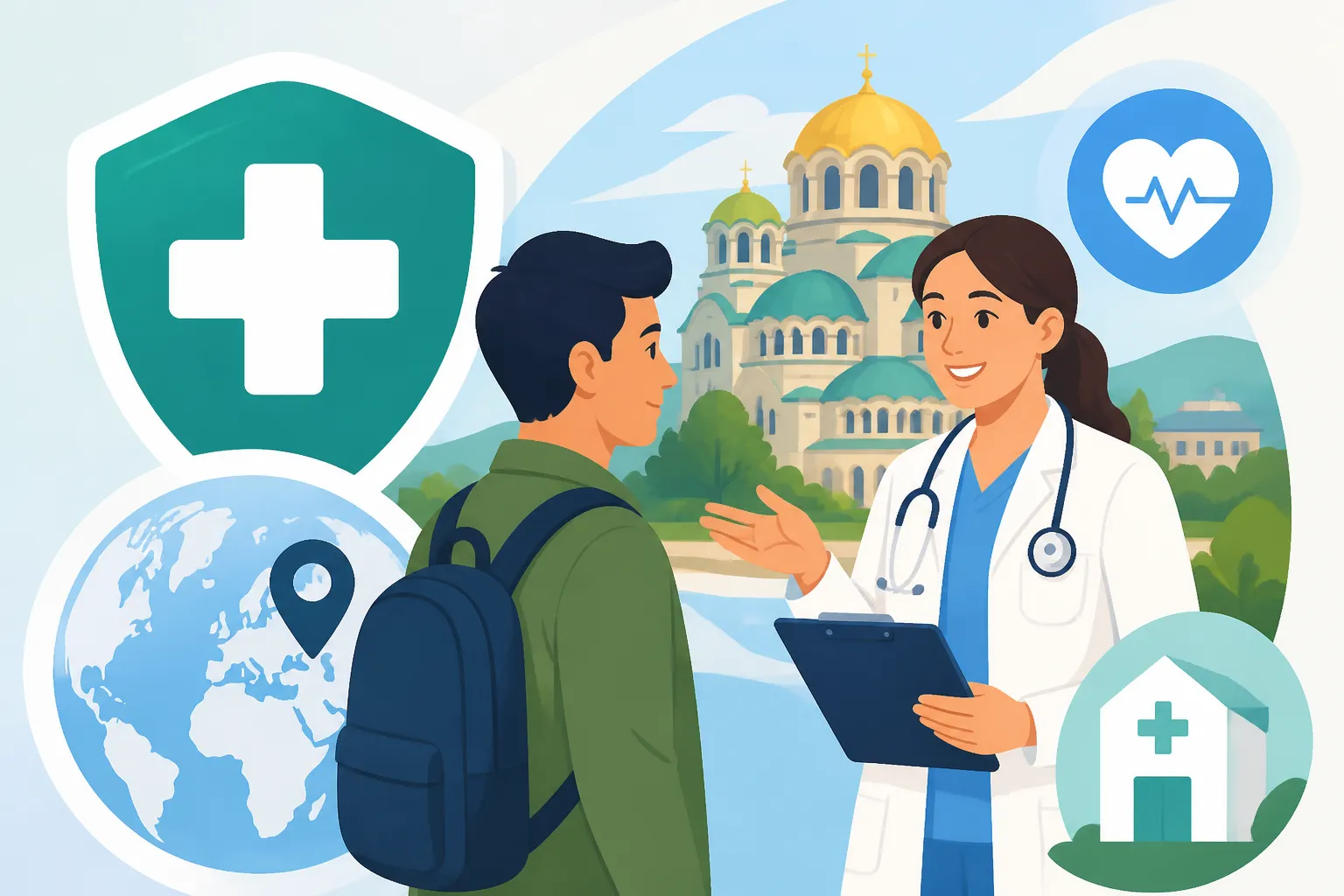
How Do I Get Medical Treatment as a Foreigner in Bulgaria?
Arriving in a new country, especially when you're feeling a bit under the weather or facing an unexpected emergency, can be incredibly daunting. The Bulgarian healthcare system, like any other, has its quirks and unique processes that can feel like a labyrinth if you're not prepared. This guide is here to demystify how foreigners, whether tourists or new residents, can access medical treatment here, offering practical steps and reassuring advice to navigate the system with greater ease.
Understanding Your Options as a Foreigner in Bulgaria
One of the biggest anxieties for anyone abroad is knowing what to do if you fall ill. Bulgaria's healthcare system can be a bit of a maze if you're not familiar with it, especially with the language barrier often adding to the confusion. But rest assured, there are clear paths to follow, whether you're here for a short holiday or planning to settle down.
The Crucial Role of Health Insurance
Let's be brutally honest: without adequate health insurance, you're taking a massive risk. This isn't just about covering costs; it's about access to care and peace of mind. Your status in Bulgaria – tourist, new resident, or long-term expat – dictates the type of insurance you'll need.
For those visiting Bulgaria on holiday, robust travel insurance is non-negotiable. While EU/EEA citizens can use their European Health Insurance Card (EHIC) for medically necessary treatment in public facilities, it often only covers what local Bulgarian citizens receive and might not include repatriation or treatment in private clinics. For everyone else, comprehensive travel insurance is your safety net. Think about scenarios where you might need emergency dental work, a doctor's visit for a sudden illness, or even an unexpected hospital stay. Reputable providers like SafetyWing offer flexible and affordable travel medical insurance that can be a real lifesaver, covering various situations that might crop up during your travels here. Don't skimp on this; a minor accident can quickly escalate into a substantial bill.
If you're a newcomer planning to reside in Bulgaria, this gets a little more complex. You'll likely need private health insurance upon arrival, especially if you haven't yet secured a job or completed your residency registration. This initial private coverage bridges the gap until you become eligible for and register with the National Health Insurance Fund (NHIF – Национална здравноосигурителна каса, NZOK). Many expats find themselves in a limbo period, and having a policy that covers immediate needs is essential. I've heard countless stories of people rushing to get private cover once they realise the local system isn't instantly accessible. You can learn more about the various options available in our detailed guide on Health Insurance in Bulgaria: NHIF, Private and International Options Explained.
Initial Steps for Newcomers and Tourists
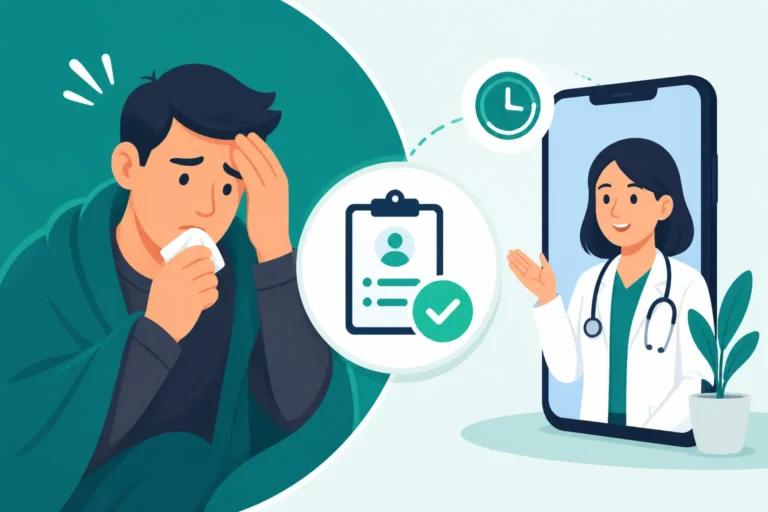
So, you've just arrived, or you're here on holiday, and suddenly you feel unwell. What's your very first move? Don't panic. For minor ailments, your local pharmacy (аптека – apteka) is often a fantastic first port of call. Bulgarian pharmacists are highly knowledgeable and can often recommend over-the-counter remedies, and sometimes even dispense certain prescription medications that would require a doctor's note in other countries. If your symptoms are mild – a cold, an upset stomach, or a minor cut – start there. They can also usually advise if they think you need to see a doctor.
For something a little more serious, but not an emergency, you'll want to find a general practitioner (GP) or a polyclinic (поликлиника – poliklinika). In larger cities like Sofia, Plovdiv, or Varna, you'll find numerous private polyclinics and medical centres that cater specifically to foreigners, often with English-speaking staff. These are ideal for non-urgent consultations, diagnostic tests, or getting a prescription. It's always a good idea to have the contact details of a recommended English-speaking clinic handy, even if you just save it to your phone. Remember, if you're a tourist relying on travel insurance, they often have a helpline that can direct you to approved medical providers, which is exactly why having robust cover from a provider like SafetyWing is so beneficial. Our article What Happens If I Get Sick Before I Register with the NHIF in Bulgaria? offers more specific advice for those in this transitional period.
Navigating the Public Healthcare System (NHIF)
Once you've made Bulgaria your home and obtained your residency documents, you'll generally transition into the public healthcare system through the National Health Insurance Fund (NHIF). This system, while often more affordable, comes with its own set of rules and procedures that can feel a bit rigid for those accustomed to different approaches.
Registering with the NHIF and a GP
To access the public healthcare system, you must first register with the NHIF. This is mandatory for anyone legally residing and working in Bulgaria, or self-employed. The process involves submitting documents to the National Revenue Agency (NRA) to prove your legal status and then making monthly health insurance contributions. Once these contributions begin, you become health-insured (здравноосигурен – zdravnoosiguren). The actual registration can be a bit bureaucratic, requiring visits to a few different offices, but it’s a critical step. Our comprehensive guide on How to Register with the NHIF and a GP in Bulgaria (2027) walks you through it step-by-step.
After becoming insured, the next crucial step is to choose and register with a GP, known here as a lichen lekar (личен лекар). This GP will be your primary point of contact for all non-emergency medical needs within the public system. They are your gatekeeper, responsible for referrals to specialists, issuing sick notes, and managing your general health. Finding a GP who speaks English can be a challenge outside of the major cities, so don't be afraid to ask around in expat groups or check online forums for recommendations. Once you've chosen one, you'll need to fill out a registration form (a "green card" – зелена карта) and submit it to the GP's office during specific enrolment periods, typically in March or September, though you can register outside these periods if you're newly insured. You can find more practical tips on How to Choose and Register with a GP (Личен Лекар) in Bulgaria.
Accessing Specialist Care and Hospital Services
With your GP registered and NHIF contributions active, you can then access specialist care. However, this is almost always done through a referral from your lichen lekar. You can't simply call up a cardiologist or dermatologist and expect the NHIF to cover it. Your GP will assess your condition and, if necessary, provide you with a referral (направление – napravlenie) to a specialist. This referral typically has a limited validity period, so don't delay in booking your appointment.
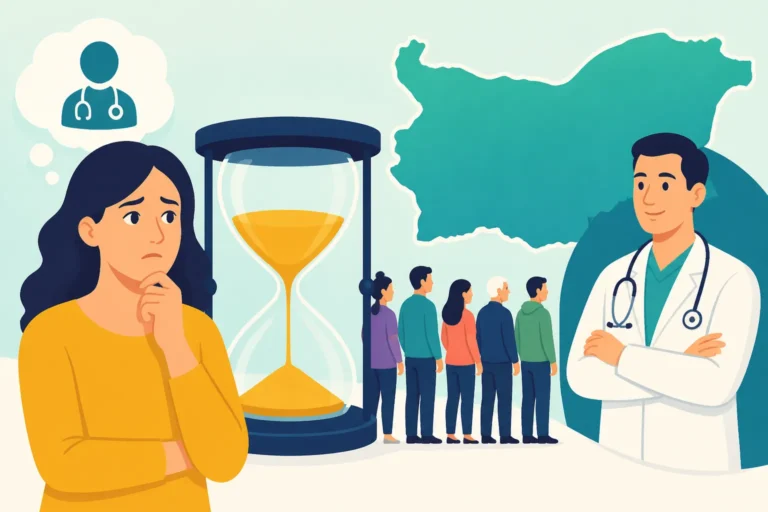
One of the common frustrations expats voice about the public system is the potential for wait times to see specialists, especially for popular fields. While it's generally not as long as in some Western European countries, it's not always immediate. Public hospitals vary greatly in quality and modernity, though major university hospitals in Sofia or Plovdiv are generally well-equipped. You'll need your NHIF card or personal ID for every visit. When visiting a specialist or being admitted to a hospital, you'll usually be required to pay a small co-payment (потребителска такса – potrebitelska taksa). These costs are generally quite low, but it's important to be aware of them. For a deeper dive into these charges, consult Understanding Out-of-Pocket Healthcare Costs and Co-Payments in Bulgaria. The overall cost of healthcare in Bulgaria is generally much lower than in many other European countries, which is a significant draw for many expats. You can explore this further in The Cost of Healthcare in Bulgaria: A Complete Breakdown for Foreigners (2026).
Exploring Private Healthcare Services
Even if you're fully integrated into the NHIF system, many expats opt for private healthcare for certain needs. This is where you might find a significant difference in experience, especially regarding convenience and language.
Why Choose Private Healthcare?
The appeal of private healthcare in Bulgaria is strong for many foreigners. The most immediate advantages are usually much shorter wait times, access to state-of-the-art facilities, and a higher probability of finding English-speaking doctors and staff. In larger cities, private clinics and hospitals are modern, well-maintained, and often have a more patient-centric approach compared to some public institutions. For example, prominent private hospitals in Sofia such as Acibadem City Clinic Tokuda Hospital, Hill Clinic, or Vita Hospital are popular choices among the expat community, specifically because they cater to international patients.
Choosing private care means you can often bypass the GP referral system entirely for specialist consultations. If you know you need to see an ophthalmologist, you can simply book an appointment directly. This direct access, combined with a generally higher level of comfort and efficiency, makes private healthcare a valuable option. Many expats choose to supplement their NHIF coverage with private health insurance for this very reason, ensuring they have the flexibility to choose their preferred method of treatment. This hybrid approach allows them to benefit from both the mandatory public coverage and the convenience of private services. If you’re looking into private options, especially if you foresee needing direct specialist access, understanding Public vs Private Healthcare in Bulgaria: What Expats Need to Know is crucial.
Costs, Payment and Insurance Claims
The cost of private healthcare in Bulgaria, while higher than the NHIF co-payments, is still often considerably lower than in Western Europe or North America. A private consultation with a specialist might range from 50 to 150 BGN (25-75 EUR), depending on the doctor and clinic. Diagnostic tests like blood work, X-rays, or ultrasounds also have set fees. While these costs add up, they are often manageable for routine check-ups or minor issues.
Payment is typically expected upfront, either in cash or by card, immediately after your appointment. It's absolutely vital to request a detailed invoice (фактура – faktura) or receipt (касова бележка – kasova belezhka) for all services rendered. This document will be indispensable if you plan to claim reimbursement from your private health insurance provider. Without proper documentation, your claim will likely be rejected. Many private insurance companies, including those like SafetyWing which focuses on digital nomads and expats, have clear processes for submitting claims, often requiring original invoices and medical reports. Getting your money back for private treatment is much smoother if you're organised. You can learn more about this process in How to Claim Reimbursement from Private Insurance in Bulgaria.
Here's a quick comparison of public and private healthcare in Bulgaria:
| Feature | Public Healthcare (NHIF) | Private Healthcare |
|---|---|---|
| Eligibility | Residents (employed, self-employed, some retirees, etc.) contributing to NHIF | Anyone, regardless of residency status |
| Access | Primarily through GP referrals for specialists | Direct access to specialists |
| Language | Often limited English, especially outside major cities | Higher chance of English-speaking staff |
| Wait Times | Can be longer for specialist appointments and non-urgent procedures | Generally shorter to non-existent |
| Cost | Covered by NHIF contributions, small co-payments required | Pay-as-you-go, covered by private insurance or out-of-pocket |
| Facilities | Varies widely, major hospitals in cities are better equipped | Generally modern, well-maintained, and comfortable |
| Emergency Services | Via 112, public ERs, can involve long waits | Some private hospitals have ERs, usually faster and more comfortable for insured patients |
| Insurance Compatibility | Mandatory for residents, EHIC for EU/EEA tourists | Best with private travel or expat insurance (e.g., SafetyWing) |
What to Do in a Medical Emergency
Emergencies are scary enough in your home country, let alone abroad. Knowing the protocol in Bulgaria can literally be a lifesaver. It’s not just about knowing a number; it’s about understanding the system.
Understanding Emergency Services
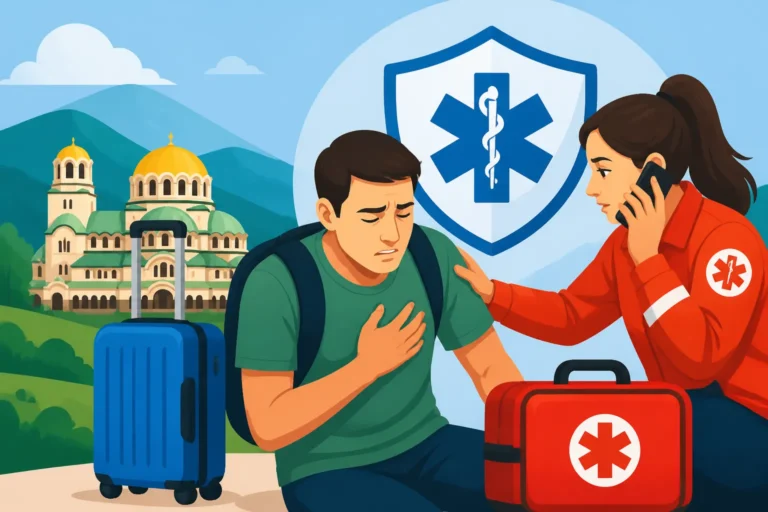
The universal emergency number in Bulgaria, as in much of the EU, is 112. This number connects you to all emergency services: ambulance, police, and fire department. When you call, try to stay calm and clearly state your location, the nature of the emergency, and any relevant details (e.g., "foreigner, no Bulgarian, need ambulance for chest pain at [address]"). While some operators might speak English, it's not guaranteed, so having someone who speaks Bulgarian nearby is always helpful.
For a true, life-threatening emergency – a severe accident, suspected heart attack, stroke, or major trauma – calling 112 for an ambulance is the correct course of action. They will transport you to the nearest appropriate public hospital emergency room. Be prepared for potentially long waits once you arrive at a public ER, and don't expect plush waiting rooms or English-speaking staff at every turn. The focus is on medical stability and treatment. It's a pragmatic system, so don't be surprised if it feels a little less "customer service-oriented" than you might be used to. For situations that are urgent but not life-threatening (e.g., a bad flu, a severe sprain), it might be faster and more comfortable to go directly to a private clinic's emergency department if your private insurance covers it, or to the emergency room of a major private hospital. We have a detailed guide specifically on Emergency Medical Care in Bulgaria: What Every Expat Needs to Know.
Planning Ahead for Emergencies
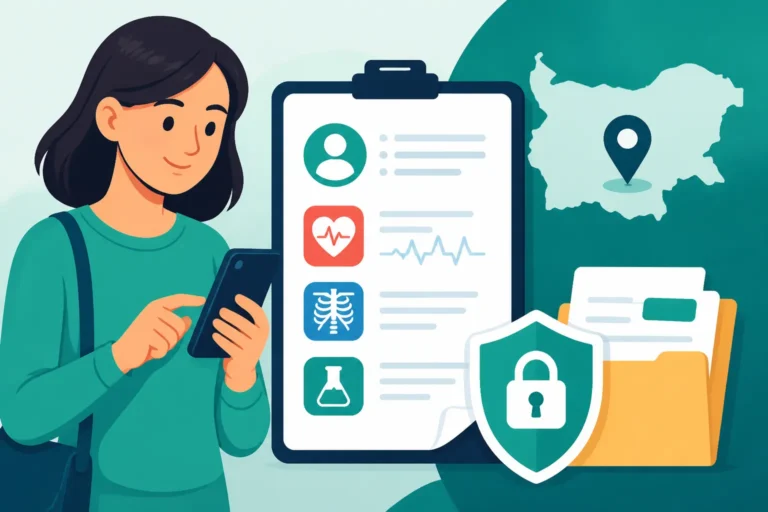
The best way to handle an emergency is to be prepared. This isn't about being paranoid; it's about being proactive. Always carry your identification (passport, residence permit), your health insurance details (NHIF card, private insurance policy number, and emergency contact details for your insurer), and a list of any medications you are currently taking, including dosages. It’s also wise to have a contact number for a Bulgarian-speaking friend or colleague who could assist in a pinch.
Consider downloading a translation app on your phone that works offline, as this can be invaluable in communicating basic symptoms or questions to medical staff. If you have a serious pre-existing condition, ensure you have a medical alert bracelet or a card with key information in Bulgarian. For those with private insurance like SafetyWing, make sure you know their emergency hotline number and the procedure for seeking urgent care. They can often pre-authorize treatment or guide you to their network providers, making a stressful situation a little smoother. Having these details readily accessible, perhaps laminated and kept in your wallet or on your phone, can make a crucial difference when seconds count.
Disclaimer
The information provided in this guide is intended for general informational purposes only and does not constitute medical, legal, or financial advice. While we strive to provide accurate and up-to-date information based on current regulations and common experiences in Bulgaria as of 2026, laws and procedures can change. We recommend consulting with qualified professionals (e.g., doctors, legal advisors, insurance agents) for advice tailored to your specific situation. Reliance on any information in this guide is solely at your own risk.