How Do I Access My Medical Records in Bulgaria?
Navigating the healthcare system in a new country can feel like a labyrinth, and when you add the need to access your personal medical records, it can become downright frustrating. Many of us expats have been there, standing confused, trying to explain in broken Bulgarian why we need a copy of that old test result from six months ago. This guide is here to untangle that process for you, offering a clear, empathetic path to getting your hands on your medical history here in Bulgaria.
The Fundamentals of Medical Records in Bulgaria: What to Expect
When you're settling into a new life in Bulgaria, understanding how your medical information is managed is crucial. It’s not always as streamlined as you might be used to, and the journey to access your records can sometimes be a bit of a treasure hunt. But don't worry, once you know the lay of the land, it becomes much more manageable.
What Forms Your Medical Record in Bulgaria?
Your medical record in Bulgaria is essentially a collection of documents that chronicle your health journey. It’s more than just a single file; it’s often a combination of handwritten notes, printouts, and digital entries, depending on where and when you received care.
Typically, your record will include details from your General Practitioner (GP), known as a lichen lekar (личен лекар) here. This is usually the primary hub for your health information, covering routine check-ups, basic diagnoses, and referrals. You’ll find records of your vaccinations, any chronic conditions you’ve been diagnosed with, and the medications your GP has prescribed. Beyond the GP, if you’ve had specialist consultations, hospital visits, or lab tests, those reports will also form part of your overall medical history. For instance, if you had an MRI at a private clinic or saw a dermatologist in a public hospital, those specific reports are held by those respective institutions, and your GP might only have a summary or referral letter. These can include anything from blood test results and X-ray scans to detailed specialist consultation notes, operative reports, and hospital discharge summaries. Keeping track of these can feel like a full-time job for an expat!
Your Legal Rights as a Patient to Access Information
Here in Bulgaria, the Patient Rights Act is quite clear: you, as the patient, have the right to access your own medical records. This is enshrined in law and is a fundamental aspect of patient care. It means you're entitled to review the information contained within your medical file, and to request copies of it. However, the process of exercising this right can sometimes feel less straightforward than the right itself.
The Bulgarian Personal Data Protection Commission (KZD) oversees the handling of personal data, including medical information, ensuring that your privacy is protected. While you have the right to your records, understanding the exact procedures and formal requirements is key. Often, this involves making a formal written request, especially for hospital records, and presenting a valid form of identification. Don't be surprised if there's a small administrative fee for copying documents, particularly if you need a lot of pages. The biggest hurdle many expats face is the language barrier. While some larger private hospitals or clinics might have staff who speak English, your average GP or smaller public hospital clerk might not. In such cases, bringing a Bulgarian-speaking friend or a professional translator can make a world of difference. It’s also important to remember that while you have access, medical professionals are generally obligated to explain the content of your records to you, though this might also require translation assistance.
Your Step-by-Step Guide to Requesting Medical Records
Okay, so you know you can access your records. Now, how do you actually do it without pulling your hair out? The process varies slightly depending on whether you're dealing with your GP, a specialist, or a hospital. Let's break it down.
Requesting Records from Your General Practitioner
Your GP is, generally speaking, your first and easiest point of contact for medical records. They hold the bulk of your day-to-day health information and are usually the most familiar with your case.
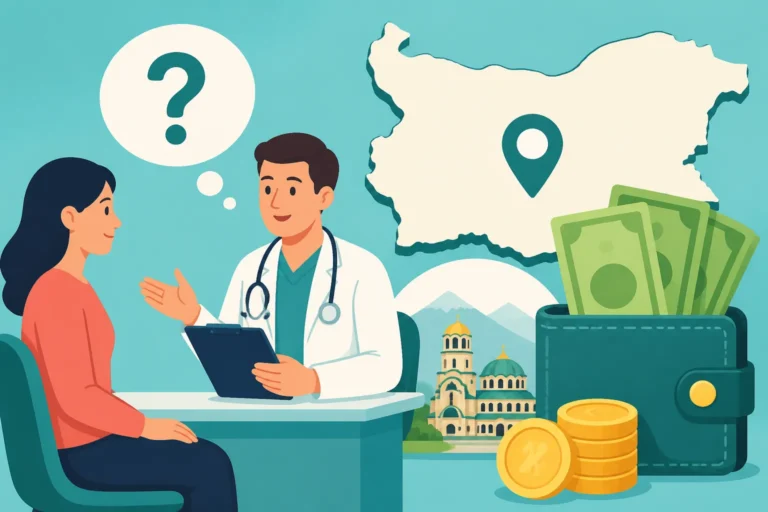
When you need something from your GP, the best approach is to start with a phone call to their office, if you can manage it in Bulgarian, or simply schedule an appointment to discuss your needs in person. Explain clearly what records you require – whether it’s a specific blood test result, a summary of your visits, or referral letters. Often, for simple requests, they can print it out for you on the spot or arrange for you to pick it up within a day or two. If you're requesting a comprehensive summary of your health history, they might need a bit more time to compile it. Always bring your personal ID and your NHIF card (or proof of private insurance if applicable). Be prepared for the possibility of a small copying fee, although many GPs might waive this for basic requests. For example, if you need a vaccination record for travel or school, your GP will likely just print it out for you with their stamp. However, if you're asking for years of detailed notes, expect a more formal process. It’s a good idea to understand How to Register with the NHIF and a GP in Bulgaria (2027) to ensure you have an established relationship with a primary care doctor.
Accessing Records from Hospitals and Specialist Clinics
This is where things can get a bit more bureaucratic. Hospitals and specialist clinics often have a more formal process for record requests, largely due to the volume of patients and the detailed nature of the information they hold.
If you had a procedure or consultation at a specific hospital, like Acibadem City Clinic Tokuda Hospital in Sofia or St. George University Hospital in Plovdiv, you'll generally need to contact their medical records department or administrative office. This usually requires a written application. You’ll need to specify which records you need (e.g., discharge summary from a specific date, results from a particular scan). Always be ready with your personal identification documents and any relevant hospital admission numbers or patient IDs. The hospital will typically require you to fill out a formal request form, which will almost certainly be in Bulgarian. Don't be shy about asking for assistance in filling it out or bringing a trusted Bulgarian speaker with you. Processing times can vary, from a few days to a couple of weeks, depending on the complexity of your request and the hospital's internal procedures. Sometimes, smaller private clinics might be more flexible and provide records faster, but public hospitals tend to stick to strict protocols. It's a system that definitely tests your patience, so factor that into your timeline if you need records for a pressing matter. For those curious about the broader picture, read about How Bulgaria's Health System Works: The NHIF and Private Care Explained (2027) to understand the different entities involved.
Dealing with Language Barriers and Bureaucracy
Ah, the eternal expat challenge: the language barrier combined with the formidable force of bureaucracy. This is perhaps the biggest hurdle when trying to access medical records in Bulgaria.
Many official forms and communications will be solely in Bulgarian, and staff in public institutions, while often helpful, may not speak English. This is where your expat toolkit really comes into play. Firstly, if you have a Bulgarian friend or colleague who is willing to accompany you, this can be invaluable. Their presence can not only help with translation but also navigate the unwritten rules of Bulgarian administration. Secondly, consider engaging a professional translator or a translation service for formal written requests, especially if you need the documents translated into another language for use abroad. Websites like Translatoria.bg offer certified translation services that might be necessary for official purposes. Remember, the goal is to be understood clearly and to accurately convey your request. Don't get discouraged if you have to visit an office multiple times or fill out slightly different forms than expected. It's just part of the process here. Embracing patience and a proactive attitude will serve you well. For those living in the capital, finding an How to Find an English-Speaking Doctor in Sofia can ease this burden significantly for your initial consultations.
Common Challenges and Practical Solutions for Expats
Even once you understand the basic process, there are specific quirks and challenges that expats often encounter. Being prepared for these can save you a lot of grief.
The Digital Divide and Prevalence of Paper Records
Unlike some Western countries with highly integrated digital health systems, Bulgaria is still very much in a transition phase. While there are efforts to digitize medical records, especially in newer private clinics, a significant portion of your health history, particularly older records or those from public institutions, may still exist predominantly on paper.
This means that when you request records, you might receive physical printouts or even copies of handwritten notes, rather than a neat digital file sent to your email. This isn't necessarily a bad thing, but it does mean you need to be prepared to handle paper documents, keep them organized, and potentially scan them yourself for your own digital copies. For example, if you had a hospital stay five years ago, don't expect a perfectly formatted PDF. You might get a stack of photocopied papers. Always ask for an official stamp and signature on any copies to ensure their authenticity, especially if you plan to use them for official purposes or abroad. This blend of old and new systems can be confusing, so clarify what format you expect to receive your records in when you make your request.
Transferring Records Between Healthcare Providers
A common scenario for expats is needing to transfer records from one GP to another, or from a public hospital to a private specialist, especially if you're seeking a second opinion or moving to a new area. The reality is, Bulgaria doesn't have a fully integrated national digital system that allows seamless sharing of patient data between different providers.
What this often means is that you become the primary courier of your own medical information. If you're switching GPs, your old GP might provide you with copies of your essential records to take to your new doctor. Similarly, if a specialist needs a specific test result from a previous hospital visit, you'll likely be asked to retrieve those records yourself and bring them to the new appointment. This places a lot of responsibility on the patient to maintain their own health archive. It's a good practice to keep a personal folder, either physical or digital, with copies of all significant medical documents, including blood tests, scan results, and specialist reports. This way, you're always ready to provide them to a new healthcare provider without having to go through the requesting process each time. For more general guidance on the system, check out Navigating the Bulgarian Healthcare System: An Expat's Roadmap (2027).
Preparing for Emergencies with Accessible Personal Records
In an emergency, every second counts, and having readily accessible medical information can be life-saving. While you’re working on getting copies of your official Bulgarian records, it’s prudent to create your own "emergency medical kit" of information.
This should include a concise summary of your most critical medical history: known allergies (especially drug allergies), any chronic conditions you have (e.g., diabetes, hypertension), a list of all current medications (including dosages), and contact information for your GP, nearest of kin, and your emergency contact. Keep this information both physically (perhaps laminated in your wallet) and digitally (on your phone, accessible without unlocking, or in a secure cloud document). Even if you have robust travel and expat insurance like SafetyWing, which is excellent for covering unexpected medical emergencies abroad, they won't have immediate access to your local Bulgarian GP's detailed notes. Having your own summary ensures that any medical professional treating you, whether in a Bulgarian emergency room or during international travel, has immediate access to critical facts about your health. This proactive step can dramatically improve the speed and appropriateness of care you receive when you're most vulnerable. Don't forget to review Emergency Medical Care in Bulgaria: What Every Expat Needs to Know to be fully prepared.
Here's a quick comparison of accessing records:
| Feature | General Practitioner (GP) | Hospital / Specialist Clinic | Private Clinic / Hospital |
|---|---|---|---|
| Primary Contact | GP's Office / Nurse | Medical Records Department / Administration | Clinic Administrator / Front Desk |
| Request Method | In-person appointment or phone call, often informal | Formal written application required | In-person or written request, usually more flexible |
| Documents Needed | ID, NHIF card (or private insurance details) | ID, NHIF card/insurance, specific patient ID/admission no. | ID, patient ID/card |
| Typical Wait Time | Same day to a few days for simple requests | Several days to 2 weeks for detailed records | Usually faster, same day to a few days |
| Associated Fees | Minimal or none for basic printouts | Small administrative/copying fees expected | Variable, often included in service or small copying fee |
| Language Barrier | Common, especially outside major cities | Significant, formal requests often in Bulgarian only | Often less pronounced, more English-speaking staff |
| Record Format | Mix of paper printouts, handwritten notes | Often paper copies of detailed reports, discharge summaries | Increasingly digital, but paper copies still common |
| Expedite Options | Direct appeal to GP in person | Limited, formal channels must be followed | May be possible through direct communication |
The Importance of a Personal Medical File
Ultimately, as an expat in Bulgaria, becoming the curator of your own medical history is not just a convenience, it’s a necessity. With no fully integrated digital system, and often a mix of public and private care, you'll find yourself needing to provide various medical documents to new doctors or for official purposes, like renewing your residence permit or getting certain visas.
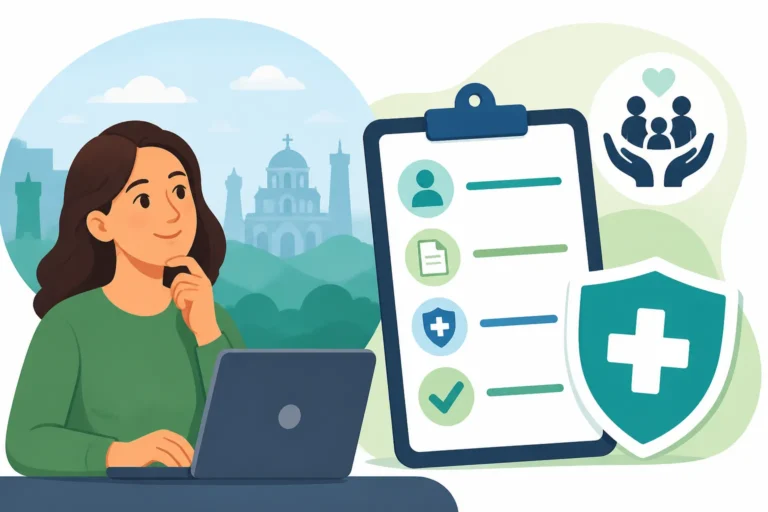
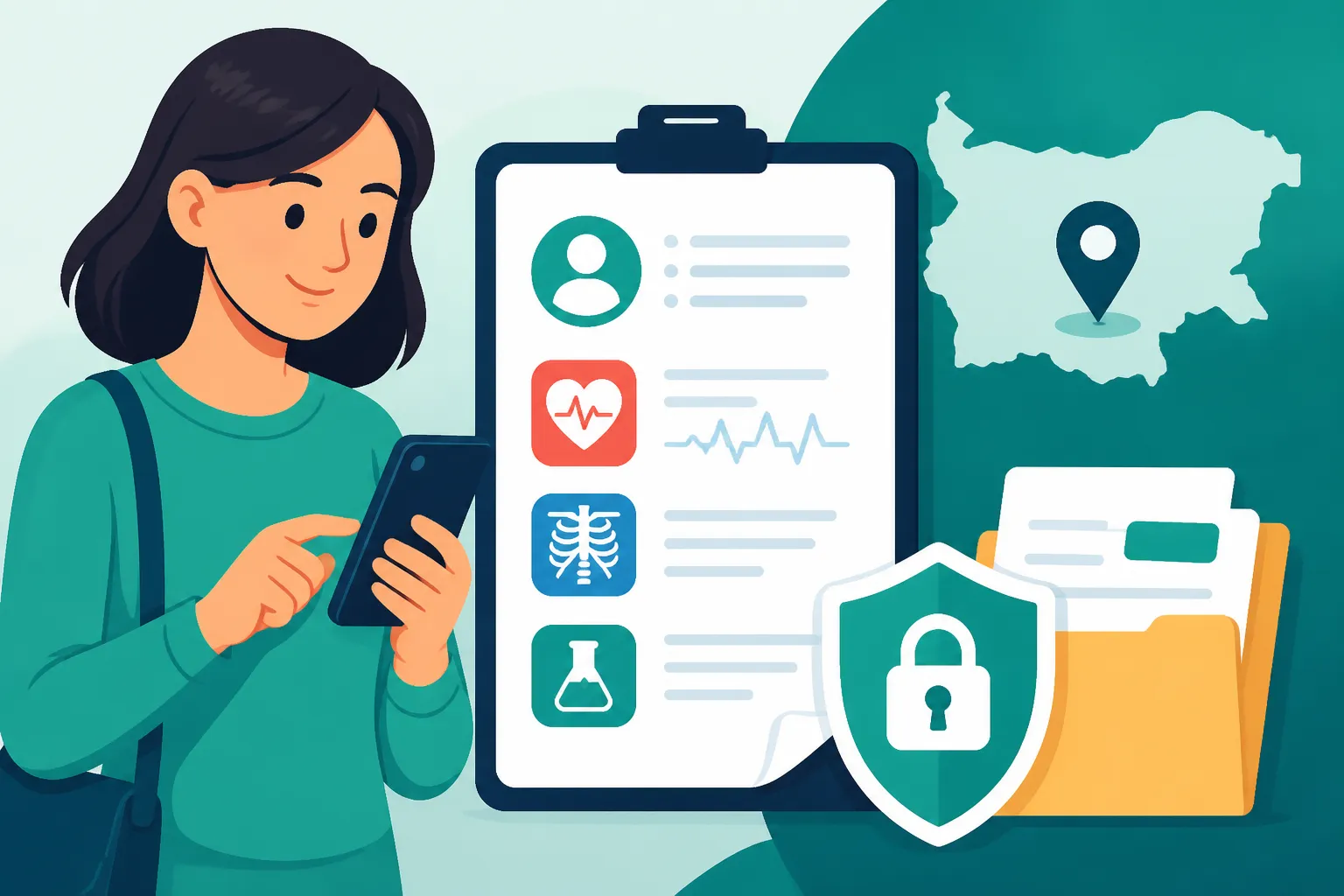
Consider establishing a robust personal medical file, both physical and digital. For your physical file, use a sturdy folder to store all original or officially stamped copies of prescriptions, lab results, specialist reports, hospital discharge papers, and vaccination records. Always keep these safe and organized. For your digital file, scan all physical documents and save them in a secure, encrypted cloud service or on an external hard drive. Categorize them logically by date or medical issue. This proactive approach will save you countless headaches down the line when you need to provide a specialist with a specific MRI report from three years ago or a GP with your complete medication history. Moreover, having your own organized records can significantly help if you ever need to make a claim with your private health insurance. Understanding the nuances of How to Claim Reimbursement from Private Insurance in Bulgaria becomes much smoother when you have all your ducks in a row. This level of personal organization empowers you, giving you control over your health information in a system that sometimes feels overwhelming.
Disclaimer
The information provided in this guide is for general informational purposes only and does not constitute professional medical, legal, or administrative advice. While we strive to provide accurate and up-to-date information, the Bulgarian healthcare system and regulations can change. It is always recommended to consult with local healthcare providers, legal professionals, or the relevant administrative bodies for specific advice tailored to your situation.