What Is the NHIF and How Does It Work in Bulgaria?
Figuring out the healthcare system in a new country can feel like trying to solve a Rubik's Cube blindfolded, especially when you’re dealing with a different language and a whole new set of rules. For many expats and long-term visitors in Bulgaria, one of the biggest initial puzzles is understanding the National Health Insurance Fund, or NHIF (often referred to by its Bulgarian acronym, НЗОК – NZOK). This guide is here to untangle the complexities, walk you through what the NHIF is, how it actually works, and what you can realistically expect from it, giving you a clear roadmap to navigate your health and well-being in Bulgaria.
Demystifying the NHIF: What It Actually Is and Who It's For
When you first arrive in Bulgaria, the term "National Health Insurance Fund" might sound quite grand, perhaps even suggesting a universally accessible, free-for-all system. Let me tell you, as someone who’s navigated this bureaucratic maze, it’s a bit more nuanced than that. The NHIF isn't a free-at-the-point-of-use service in the way some European systems are; it's a contribution-based public health insurance scheme, and understanding this fundamental difference is key.
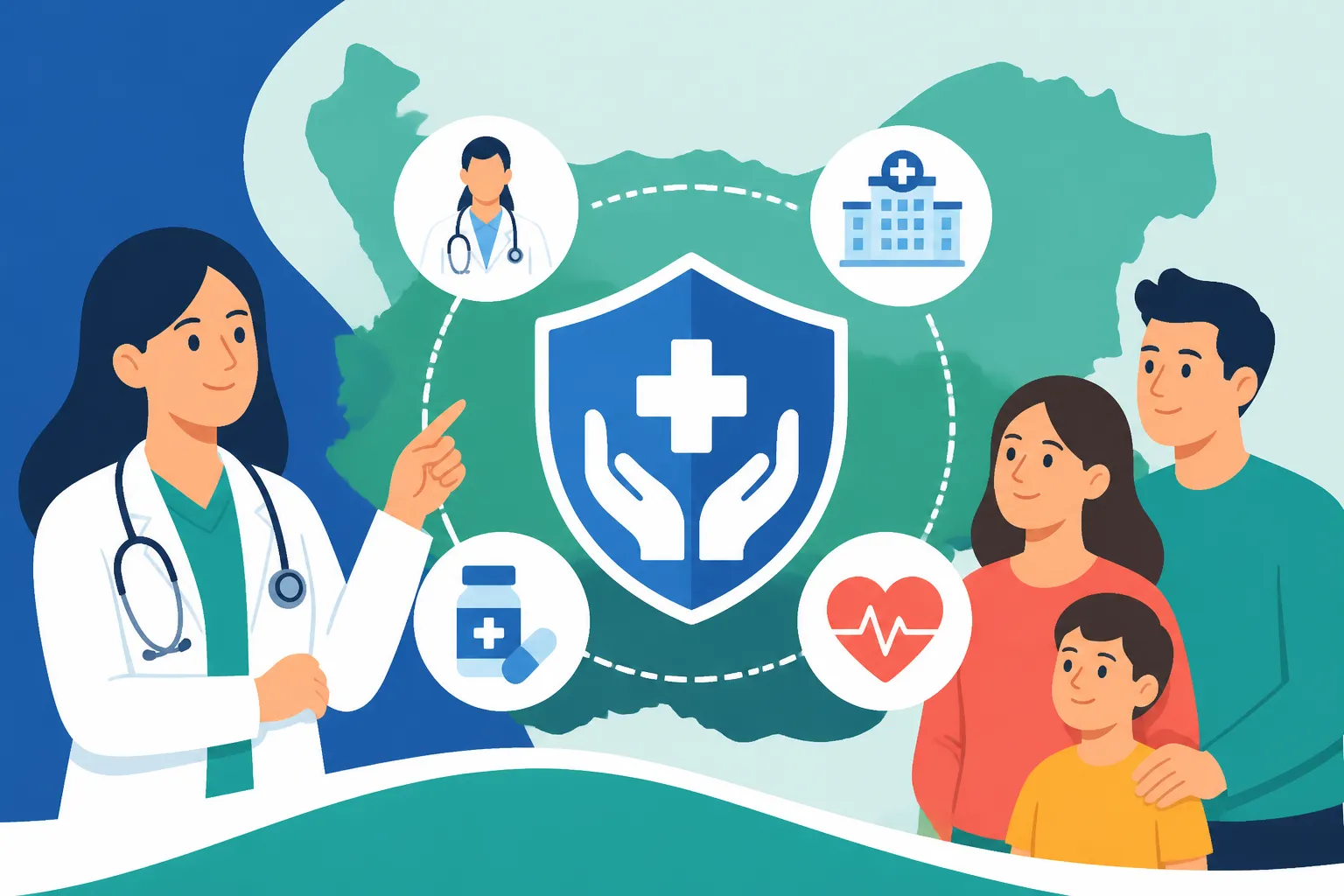
Essentially, the NHIF pools contributions from employees, employers, self-employed individuals, and the state to fund a standard package of medical care. This system covers a broad spectrum of services, from basic check-ups with a GP to specialist consultations, certain hospital treatments, and even some dental procedures. However, the catch is that you need to be eligible and actively contributing to access it. For most expats, eligibility hinges on your legal residence status and whether you are employed or self-employed here. If you're planning to make Bulgaria your long-term home, getting to grips with the NHIF is absolutely non-negotiable for your peace of mind and your wallet. You can find a broader overview of the entire system in our guide, How Bulgaria's Health System Works: The NHIF and Private Care Explained (2027).
The Basics: NHIF vs. Private Insurance
One of the first questions newcomers often ask is, "Do I need both NHIF and private insurance?" And it’s a valid one, because the lines can seem blurry. The NHIF is Bulgaria's mandatory public health insurance system. If you are legally employed in Bulgaria, your employer is obliged to register you and make contributions on your behalf. If you're self-employed, retired, or otherwise legally residing long-term without an employer to do it for you, you'll need to register and contribute yourself. This typically applies to those with a D-type visa or a temporary/permanent residence permit, indicating a long-term stay. Short-term visitors, digital nomads on certain visas, or even some students might not be eligible or required to join the NHIF, and for them, private health insurance is often the primary, if not sole, option.
The key distinction lies in coverage and access. The NHIF provides what’s considered a "basic package" of care. This means that while it covers essential services, you might find limitations in terms of choice of doctors, wait times for popular specialists, and the extent of coverage for certain procedures, especially in areas like dental care or advanced diagnostics. Private insurance, on the other hand, can offer a significantly wider range of benefits, more flexibility in choosing providers (including private hospitals and clinics that don't contract with the NHIF), shorter wait times, and often direct access to English-speaking medical staff. It’s not uncommon for expats, even those contributing to NHIF, to opt for supplemental private insurance to fill these gaps, ensuring they have comprehensive coverage and access to services that might not be fully covered by the public system. For a deep dive into comparing the two, check out our piece on Public vs Private Healthcare in Bulgaria: What Expats Need to Know.
Your Rights and Entitlements with NHIF Coverage
Once you’re properly registered and contributing to the NHIF, you gain certain rights and entitlements within the Bulgarian healthcare system. This includes access to a General Practitioner (GP), known as a lichen lekar (личен лекар), who acts as your primary point of contact and gatekeeper for most medical services. Your GP will provide initial consultations, issue prescriptions, and, crucially, provide referrals to specialists when needed. Without a referral from your GP, seeing a specialist through the NHIF system is generally not possible, and if you do, you'll likely pay the full private fee out of pocket.
Beyond GP visits and specialist referrals, the NHIF typically covers:
- Hospital Stays: This includes necessary medical treatment, surgeries, and nursing care in NHIF-contracted hospitals. However, you might still encounter co-payments (a small fee per day or per service) and charges for "comfort" items like a private room.
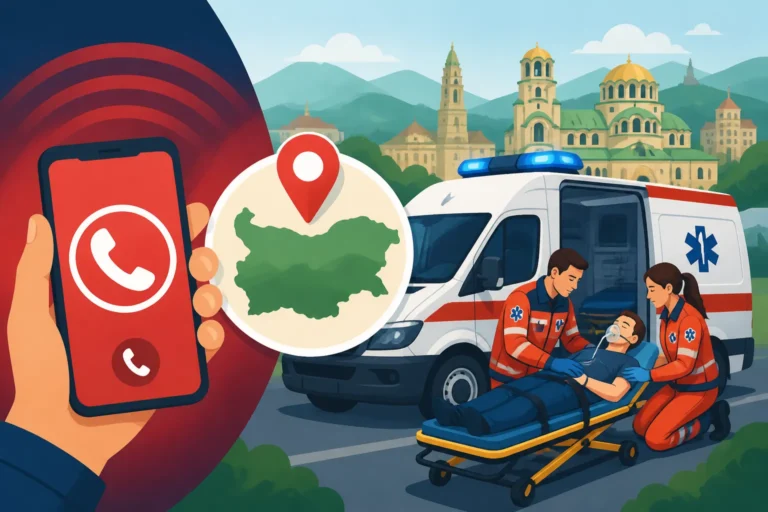
- Emergency Care: NHIF covers emergency medical services, though sometimes there might be an administrative fee or a co-payment if your condition is deemed non-life-threatening after initial assessment.
- Basic Dental Care: This is often limited to preventative exams, extractions, and some fillings. Don't expect extensive cosmetic work or orthodontics to be covered.
- Prescription Medications: A portion of the cost for many essential medicines is subsidized, but you'll almost always pay a co-payment, and some medications are not covered at all, requiring you to pay the full price.
- Diagnostic Tests: Blood tests, X-rays, and other diagnostic procedures are covered when prescribed by your GP or a specialist, again within the NHIF-contracted network.
What it doesn't typically cover fully, or at all, includes services deemed non-essential, purely cosmetic procedures, many alternative therapies, and a significant portion of specialized dental work. This is where many expats feel the pinch and why understanding these limitations upfront is essential. For more detailed insights into what exactly you’re paying for, our article Understanding Out-of-Pocket Healthcare Costs and Co-Payments in Bulgaria breaks it down nicely.
How the NHIF System Works: A Step-by-Step for Expats
Navigating the NHIF as an expat can feel like a labyrinth of paperwork, confusing terminology, and office visits. But once you understand the basic flow, it becomes much more manageable. The key is knowing who is responsible for what and what steps you need to take personally. Let me walk you through the journey, from getting registered to seeing a specialist.
Getting Registered: The Initial Hurdles
This is often the first significant hurdle for many expats, and it really depends on your employment status.
- If you are employed in Bulgaria: Good news! Your employer is legally responsible for registering you with the National Revenue Agency (NRA/НАП) and making your monthly NHIF contributions. They should provide you with proof of your health insurance status, which is usually reflected in your payslips. You don’t typically interact directly with the NHIF or NRA for this initial setup, which is a huge relief. However, it's your responsibility to ensure they actually do it, so always double-check.
- If you are self-employed, unemployed (but a long-term resident), or a pensioner: This path requires a bit more legwork on your part.
- Register with the National Revenue Agency (NRA/НАП): You’ll first need to register as a self-payer for social and health contributions. This involves visiting an NRA office, typically where your residence permit is registered. You’ll need your personal ID number (ЛНЧ – LNCH or ЕГН – EGN), which you get with your residence permit, and often proof of address. This step ensures you get into the system to start paying your contributions. Our guide, How to Register with the National Health Insurance Fund in Bulgaria, provides more detailed steps here.
- Make Monthly Contributions: Once registered with the NRA, you’ll be responsible for making regular monthly health insurance contributions. These payments are usually made via bank transfer, and you need to ensure they are on time to avoid interruptions in your coverage. The amount is a fixed percentage of a minimum income base, which is set annually by the government.
- Confirming Coverage: After a period of contributions (usually 3 months, but always confirm the current rule), you’ll be considered "insured" and can access NHIF services. You can check your health insurance status online on the NHIF website (www.nhif.bg) by entering your personal ID number. It's a lifesaver for those moments of doubt!
It's absolutely vital to keep up with these contributions, especially if you're self-employed. Falling behind can lead to your health insurance status being revoked, meaning you’d have to pay out of pocket for all medical services until you settle your debts and reactivate your coverage. This is a common pitfall, so mark those payment dates!
The Role of Your GP (Личен Лекар): Your Gateway to Care
Once you’re officially covered by the NHIF, your next crucial step is to choose and register with a General Practitioner, your lichen lekar. Think of them as your primary point of contact for virtually all your healthcare needs within the public system. They are the gatekeepers. Without a registered GP, you can't access specialist care, get routine prescriptions, or even have basic blood tests covered by the NHIF.
Choosing a GP is a personal decision. Many expats prioritize finding an English-speaking doctor, which can make a world of difference when discussing symptoms or understanding diagnoses. You can often ask fellow expats for recommendations, or check with local expat groups. Once you’ve chosen a GP, you’ll need to visit their office and formally register with them. This involves filling out a registration form and presenting your personal ID number and proof of NHIF coverage. The registration process itself is fairly straightforward, but finding the right doctor might take a bit of searching. Don't be afraid to meet a few before making your final choice. Once registered, your GP is responsible for your general health, issuing referrals to specialists, and managing chronic conditions. For a comprehensive guide on this, check out How to Choose and Register with a GP (Личен Лекар) in Bulgaria.
Navigating Referrals, Specialists, and Hospitals
This is where the gatekeeper role of your GP really comes into play. If your GP determines that you need to see a specialist – say, a dermatologist, a cardiologist, or an orthopedist – they will issue you a referral (направление – napravlenie). This referral is a document, often printed out, that you then take to the specialist. It's valid for a limited time (usually 30 days), so don't sit on it!
- Specialist Consultations: You'll need to find a specialist who is contracted with the NHIF. Your GP might provide recommendations, or you can search the NHIF website or ask at your local polyclinic (ДКЦ – DKTs, a diagnostic-consultative center). Be prepared for potential wait times, especially for more sought-after specialists or for specific diagnostic tests. This is one area where the public system can test your patience. When you see the specialist with your referral, you’ll typically pay a small co-payment (потребителска такса – potrebitelska taksa) for the consultation.
- Hospital Care: If your condition requires hospitalization or surgery, the specialist (or your GP in an emergency) will issue a hospital admission order. Again, you'll need to go to an NHIF-contracted hospital. Bulgaria has a mix of public hospitals that work with the NHIF and fully private hospitals. The public ones, while often perfectly capable, may have older facilities and more basic amenities compared to their private counterparts. For a deeper understanding of these differences, read Understanding the Difference Between Public and Private Hospitals in Bulgaria. During your hospital stay, the NHIF will cover the medical costs, but you might pay daily co-payments and charges for non-medical services.
The system relies heavily on this chain of referrals. Trying to bypass your GP to see a specialist directly at an NHIF-contracted facility usually means you'll be treated as a private patient and charged the full fee. This process can be frustratingly bureaucratic, so understanding How Specialist and Hospital Referrals Work in Bulgaria is crucial to avoid unexpected bills.
Common Expat Pain Points and Practical Tips for NHIF
Let's be real: navigating any foreign healthcare system has its challenges, and Bulgaria is no exception. While the NHIF provides essential coverage, many expats encounter specific pain points that can make the experience less than smooth. Having lived through these myself, I want to share some insights and practical tips to help you manage expectations and find solutions.
Language Barriers and Bureaucracy: The Realities on the Ground
Ah, the language barrier! This is probably the number one frustration for many expats dealing with the Bulgarian healthcare system. While more younger doctors and staff, particularly in larger cities like Sofia or Plovdiv, might speak English, it's far from universal. Many administrative staff, nurses, and even some older doctors may speak little to no English. Imagine trying to explain complex symptoms or fill out detailed forms when you can't understand the questions or the instructions being given. It's incredibly stressful and can lead to misunderstandings or feelings of helplessness.
Then there's the bureaucracy. Even with NHIF coverage, you'll find that paperwork is king. Referrals, medical records, official stamps, payment receipts – everything seems to require a specific document. The process can feel slow, fragmented, and sometimes illogical from an outsider's perspective. You might be sent from one office to another, or find that a form needs a stamp from a different department, adding layers of complexity to what should be a simple task. My best advice here is to:
- Always Bring a Bulgarian Speaker: If you don't speak Bulgarian proficiently, try to bring a trusted Bulgarian friend, colleague, or even a professional translator to appointments. It makes a world of difference.
- Utilize Translation Apps: For quick, on-the-spot communication, a good translation app on your phone can be a lifesaver, though always use it with caution for critical medical information.
- Seek Expat-Friendly Clinics: In larger cities, there are often private clinics that specifically cater to foreigners, offering English-speaking staff and a more streamlined process. While you might pay out-of-pocket, they can be invaluable for initial consultations or when you need quick, clear communication.
- Be Patient and Persistent: Things often take longer than you expect. Don't give up. Be polite but firm in pursuing what you need. A smile and a "dobar den" (good day) can go a long way.
When NHIF Isn't Enough: Considering Private Options
Despite its coverage, the NHIF might not always meet all your healthcare expectations, especially if you're used to a different system or if you value speed and choice. This is where private health insurance truly shines and becomes a logical, direct solution to specific pain points.
Consider these scenarios:
- You need quick access to a specialist: Wait times for NHIF specialists can be weeks or even months for certain fields. Private insurance often allows you to book an appointment with a private specialist within days.
- You prefer English-speaking doctors and modern facilities: Many private clinics and hospitals in Bulgaria are designed with international patients in mind, offering a higher standard of comfort, state-of-the-art equipment, and English-speaking medical teams.
- You want more comprehensive coverage: From extensive dental work to alternative therapies or advanced diagnostics not routinely covered by the NHIF, private plans can fill these gaps.
- You're a digital nomad or waiting for NHIF eligibility: If you're new to Bulgaria, perhaps on a temporary visa not requiring NHIF contributions, or if you're still in the process of getting your NHIF contributions active, having international private health insurance is crucial. Companies like SafetyWing offer flexible, global health insurance designed for digital nomads and remote workers, providing peace of mind during your initial months or if your residence status doesn't mandate NHIF. Their Nomad Insurance covers you even outside Bulgaria, which is a huge plus for those who travel frequently.
Many expats find that a combination of NHIF (if mandatory for their status) and a private health insurance policy offers the best of both worlds: basic, government-mandated coverage supplemented by the flexibility, speed, and comprehensive benefits of a private plan. It really comes down to your personal priorities and budget. Our article, Do I Need Private Health Insurance in Bulgaria?, explores this decision in more detail.
Understanding Your Financial Obligations and Co-Payments
Even with NHIF coverage, you’ll have financial obligations. This is crucial to understand to avoid surprises.
- Monthly Contributions: As discussed, if you're employed, your employer handles these. If you're self-employed or otherwise contributing independently, you'll pay a monthly sum directly to the NRA. Missing these payments can lead to your coverage lapsing, making you liable for all medical costs until your status is reactivated. Keep detailed records of your payments. For specific details on how these contributions are calculated, refer to Understanding Mandatory Health Insurance Contributions in Bulgaria.
- Co-payments (Потребителска такса): This is a small, statutory fee you pay for each visit to a GP or specialist, and sometimes daily during a hospital stay. While usually a modest amount (e.g., 2.90 BGN for a GP visit as of my last check, but this can change), these add up if you have frequent appointments.
- Uncovered Services and Medications: Be prepared to pay the full cost for services not covered by the NHIF (e.g., certain elective procedures, specific dental treatments, or consultations with specialists who are not contracted with NHIF). For prescription medications, the NHIF covers a portion of many essential drugs, but you'll almost always pay a co-payment. Some medications are not subsidized at all, requiring full payment. Always ask your pharmacist about the NHIF coverage for your prescriptions.
Being proactive about tracking your coverage and understanding your financial responsibilities is part of being a well-informed expat in Bulgaria. It's not about cutting corners, but about knowing the system and planning accordingly.
| Feature | National Health Insurance Fund (NHIF) | Private Health Insurance |
|---|---|---|
| Eligibility | Mandatory for employees, self-employed, long-term residents. | Open to anyone, often a requirement for certain visas. |
| Coverage Scope | Basic package: GP, specialist referrals, hospital stays, basic dental, subsidized prescriptions. | Comprehensive: Wider range of services, often including advanced dental, mental health, international coverage. |
| Provider Choice | Limited to NHIF-contracted doctors, clinics, hospitals. | Wider choice, including private clinics and English-speaking doctors. |
| Wait Times | Can be significant for specialists and certain procedures. | Generally shorter, offering quicker access to care. |
| Cost Structure | Monthly contributions + co-payments for services and prescriptions. | Monthly/annual premiums + deductibles/co-pays depending on plan. |
| Language Support | Varies, often limited; English-speaking staff not guaranteed. | Often available, particularly in expat-focused clinics. |
| Emergency Coverage | Covered in NHIF-contracted facilities. | Covered, often with options for evacuation or specific private emergency services. |
| Travel Coverage | Primarily within Bulgaria; EHIC for EU travel. | Often includes international coverage, crucial for digital nomads. |
Disclaimer
The information provided in this guide is intended for general informational purposes only and does not constitute legal, financial, or medical advice. While we strive to provide accurate and up-to-date information, regulations and procedures in Bulgaria can change rapidly. Always consult with official government sources, a qualified legal professional, a financial advisor, or a healthcare provider for advice tailored to your specific situation. Reliance on any information provided in this article is solely at your own risk.