How to Handle a Medical Emergency While Travelling from Bulgaria
We've all been there: finally stepping out of Bulgaria for a well-deserved trip, whether it's a quick hop across the border or a long-haul adventure. The last thing on your mind is a medical emergency. Yet, the unsettling thought often lingers: what if I fall ill or have an accident while I'm away from my Bulgarian base? This guide is here to untangle that knot of anxiety, offering realistic, step-by-step advice on how to navigate a medical crisis when you're traveling from Bulgaria, ensuring you're as prepared as possible.
Understanding Your Health Coverage Abroad
One of the biggest misconceptions many expats have, especially those settled in Bulgaria and contributing to the National Health Insurance Fund (NHIF), is that their local health coverage somehow magically extends globally. Sadly, it doesn't quite work that way. Navigating the nuances of what is and isn't covered outside Bulgaria is crucial before you even pack your bags.
NHIF Limitations Outside Bulgaria
When you're contributing to the Bulgarian NHIF, you're primarily covered for healthcare services within Bulgaria. It's designed for residents here. While the NHIF system is robust for care inside the country, it has very specific and limited reach once you cross a border. For instance, if you're traveling to a non-EU/EEA country and have a medical emergency, your NHIF contributions won't directly cover your hospital bills or doctor's fees there. You'd be facing the full cost out-of-pocket, which, as anyone who's seen a foreign medical bill knows, can be astronomical.
Even within the EU/EEA, the NHIF's role is mostly indirect, facilitating the issuance of an EHIC, which we'll discuss next. It’s not a blank check. The key takeaway here is: do not rely solely on your Bulgarian NHIF contributions for significant medical emergencies outside the country. It’s a fantastic system for The Complete Guide to Healthcare in Bulgaria for Expats (2027), but its protective bubble shrinks considerably once you leave Bulgarian territory. This is where supplementary plans become not just a good idea, but an absolute necessity.
The Role of Travel Insurance and Private Health Plans
This is your real safety net. For any travel outside Bulgaria, a dedicated travel insurance policy or a private international health insurance plan is non-negotiable. Think of it this way: your car insurance covers accidents, your home insurance covers your property, and travel insurance covers you when you're in transit. These plans are specifically designed to cover unexpected medical emergencies, hospitalizations, emergency dental work, and often, the costs of medical evacuation or repatriation back to Bulgaria or your home country.
When choosing a policy, look beyond just the cheapest option. Scrutinize the coverage limits for medical expenses, emergency transportation, and pre-existing conditions. Many reputable providers, including digital nomad-friendly options like SafetyWing, offer flexible plans that can be purchased for short trips or as ongoing coverage for frequent travelers. Some even allow you to buy it while already on your trip, although it's always best to secure it before you depart. A good private plan can literally save you hundreds of thousands of euros in a severe emergency abroad, offering peace of mind that your Bulgarian NHIF can't provide when you're away. Make sure you understand Understanding Private Health Insurance Plans in Bulgaria as these often have travel components or can serve as a strong baseline.
EHIC: What It Covers, What It Doesn't
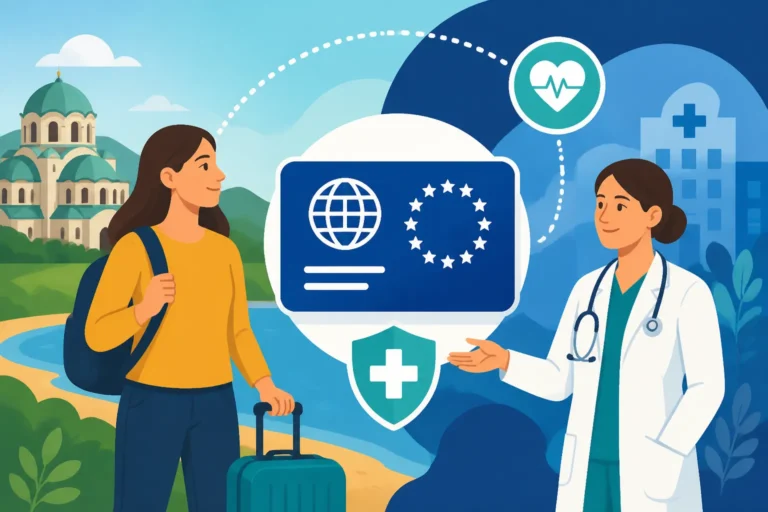
The European Health Insurance Card (EHIC) is a fantastic tool for EU citizens and those legally residing in an EU country and contributing to its social security system (like the NHIF in Bulgaria). It allows you to access medically necessary state-provided healthcare during a temporary stay in another EU/EEA country or Switzerland under the same conditions and at the same cost as people insured in that country. This means if locals pay nothing, you pay nothing. If they pay a co-payment, you pay that co-payment.
However, and this is a big "however," the EHIC is not a substitute for comprehensive travel insurance. It only covers medically necessary treatment, meaning treatment that cannot wait until you return home. It doesn't cover private healthcare, medical repatriation flights (which can be incredibly expensive), search and rescue operations, or lost luggage. If you break your leg skiing in Austria, your EHIC will ensure you get care in a public hospital there. But if you need to be flown back to Bulgaria because you can't fly commercially, the EHIC won't cover that. It's a great baseline for basic care, but it leaves significant gaps that private travel insurance is designed to fill. For detailed insights on your national health fund, you can always refer to resources like What Is the NHIF and How Does It Work in Bulgaria?.
Immediate Steps During a Medical Emergency Abroad
When an emergency strikes outside the familiar comfort of Bulgaria, the initial shock can be disorienting. However, a clear, pre-thought-out plan can make all the difference in ensuring you receive prompt and appropriate care. Panicking is natural, but acting decisively is paramount.
Assessing the Situation and Seeking Initial Help
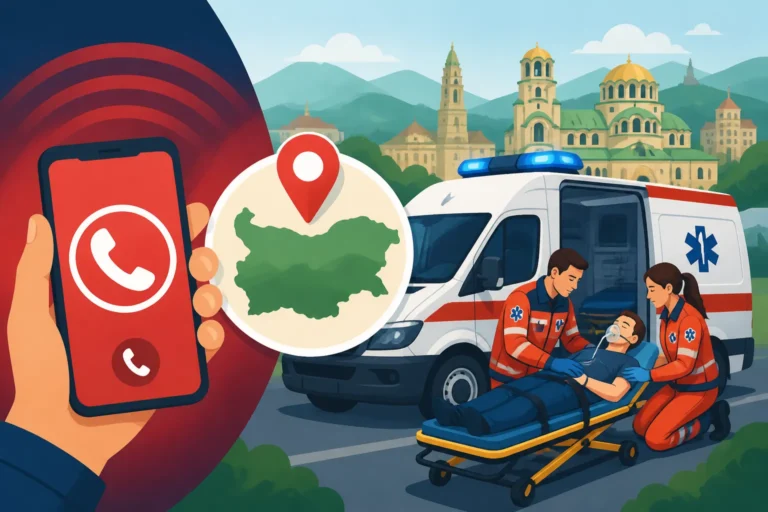
Your immediate priority is to assess the severity of the situation. Is it life-threatening? A broken bone? A sudden severe illness? If it's a true emergency—meaning there's an immediate threat to life or limb—your first and most crucial step is to call the local emergency services. In most EU countries, as in Bulgaria, this is 112, but it's always wise to know the specific emergency number for your destination. Don't waste time trying to figure out insurance details at this stage; get help first. Explain the situation clearly, your location, and what has happened. If you have a language barrier, try to use simple words or phrases, or ask a bystander for help.
Once immediate danger is managed and medical professionals are on the scene or en route, gather any documents you have: your passport, EHIC, and especially your travel insurance policy number and emergency contact details. These will be essential for the next steps. Remember, while Emergency Medical Care in Bulgaria: What Every Expat Needs to Know covers being in Bulgaria, the principles of seeking immediate help remain the same globally.
Contacting Your Insurance Provider Immediately
This step cannot be overstressed. As soon as it's safe and practical, contact your travel insurance provider using the emergency number provided on your policy documents. This is usually a 24/7 hotline. Do not wait until after treatment to do this, especially for significant incidents. Your insurer's emergency assistance team can:
- Direct you to approved medical facilities: They know which hospitals or clinics have agreements with them, potentially saving you upfront costs or streamlining the billing process. They can also help you find an English-speaking doctor.
- Guarantee payments: For serious cases, they can often arrange for direct billing with the hospital, so you don't have to pay large sums out of pocket and then seek reimbursement.
- Coordinate care: They can communicate with the treating doctors, get updates on your condition, and help determine if medical evacuation or repatriation is necessary.
- Provide translation services: Many assistance lines offer interpreters, which can be invaluable in a foreign medical setting.
Failing to notify your insurance provider in a timely manner could jeopardize your claim. Always keep their contact details readily accessible, not buried deep in your email or on a laptop you can't access. A digital copy on your phone and a printed copy in your wallet are both smart ideas. Providers like SafetyWing emphasize their 24/7 support precisely for these critical moments.
Notifying Loved Ones and Consular Services
Beyond your immediate medical and insurance needs, consider who else needs to know. Informing a trusted family member or friend in Bulgaria or your home country is vital. They can provide emotional support, manage affairs back home, or assist with communication if you are incapacitated. Make sure they have a copy of your itinerary, insurance details, and passport information beforehand.
For serious situations, especially if you anticipate a prolonged stay or significant challenges, contacting your country's embassy or consulate in the foreign country can also be helpful. While they cannot pay your medical bills, they can offer invaluable assistance such as:
- Providing lists of local doctors and hospitals.
- Helping communicate with local authorities.
- Assisting with emergency passport issuance if yours is lost or damaged.
- Notifying family members (with your permission).
- Offering advice on legal and administrative procedures.
They are there to protect your rights as a citizen abroad, and their support network can be crucial during a crisis. It's an often-overlooked resource, but one that can bring a significant level of practical and emotional comfort.
Navigating Foreign Healthcare Systems
Once the initial emergency is stabilized, the real work of navigating an unfamiliar healthcare system begins. This can be daunting even for seasoned expats used to the Bulgarian way of doing things. From finding the right facility to understanding billing, each step requires careful attention.
Finding Reputable Hospitals and Doctors
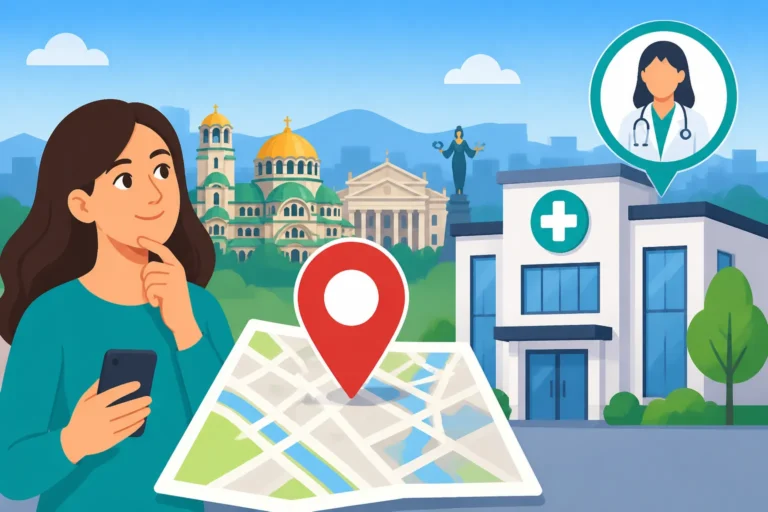
In a medical emergency, you might not have the luxury of choice for your initial treatment, often ending up at the nearest emergency room. However, for follow-up care or if the situation isn't immediately life-threatening, actively seeking a reputable hospital or doctor is important. Your travel insurance provider, like SafetyWing, will be your best resource here. They have networks of preferred providers and can recommend facilities known for their quality of care and, crucially, their ability to handle international patients.
Beyond insurance recommendations, online reviews can offer some insight, but always take them with a grain of salt. For more specific care, your embassy or consulate might also maintain a list of English-speaking doctors. If you find yourself in a large city, look for hospitals with an "International Patient Department," as these are specifically equipped to cater to foreigners, often with multilingual staff and streamlined processes for insurance and billing. This proactive approach can significantly improve your experience and the quality of care you receive.
Understanding Language Barriers and Medical Terminology
The language barrier is arguably one of the most frustrating aspects of a medical emergency abroad. Even if you speak some of the local language, medical terminology can be incredibly complex. Don't be shy about asking for an interpreter or for someone who speaks English. Most major hospitals in popular tourist destinations will have at least some English-speaking staff, particularly doctors. If not, your travel insurance's assistance line can often provide phone-based translation services, acting as a crucial bridge between you and the medical team.
It's also a good idea to have a simple medical translation app on your phone, or a small card with key medical phrases related to your condition (allergies, existing medications, etc.) translated into the local language. Don't assume anything. Confirm diagnoses, ask about treatment plans, and ensure you understand prescription instructions. When in doubt, ask again, or use technology to help bridge the gap. Being clear and understood is paramount to receiving appropriate care.
Managing Costs and Payments Abroad
This is where the financial protection of your travel insurance truly shines. Ideally, for major incidents, your insurer will arrange for direct billing with the hospital, meaning they pay the hospital directly for covered expenses. This spares you the stress of large upfront payments. However, this isn't always possible, especially for smaller clinics or less serious treatments. You might be required to pay out of pocket and then claim reimbursement.
Always keep detailed records of all expenses. This means getting itemized receipts for doctor visits, medications, tests, and hospital stays. If you pay in cash, ensure you get a proper receipt. For prescriptions, keep the pharmacy receipt and the prescription itself. When seeking reimbursement from your private insurer or even potentially through the EHIC for EU costs, you'll need this paperwork. Be aware of deductibles and co-payments, which are common in many insurance plans, similar to how Understanding Out-of-Pocket Healthcare Costs and Co-Payments in Bulgaria works. Understand these before you travel, so there are no surprises when you're already stressed.
Logistics of Medical Repatriation and Follow-Up
The journey doesn't end when you're discharged from a foreign hospital. There are often complex logistics involved in getting home, continuing care, and finalizing insurance claims. These steps require patience and meticulous record-keeping.
When Medical Repatriation is Necessary
Medical repatriation is the process of returning an injured or ill person to their home country (or country of residence, like Bulgaria) for medical treatment or recovery. This isn't just about a commercial flight with a doctor; it can involve specialized air ambulances, medical escorts, and sophisticated equipment. It's often incredibly expensive, easily costing tens or even hundreds of thousands of euros, and is almost exclusively covered by comprehensive travel insurance policies. Your EHIC definitely won't touch this.
Repatriation is typically considered when:
- The foreign medical facilities cannot provide the necessary long-term care or specialized treatment.
- Your condition is stable enough for travel, but you require medical assistance during transit.
- Returning to your home country (or Bulgaria, if that's your long-term base) is medically advisable for your recovery and follow-up care.
Your travel insurance's medical assistance team will work closely with the treating doctors and their own medical staff to determine if and when repatriation is appropriate. They will then arrange all the logistics, from ground transportation to specialized flights. This is a crucial benefit of comprehensive travel insurance from providers such as SafetyWing, ensuring you're not stranded and have the best chance for recovery back in a familiar healthcare system.
Post-Emergency Follow-Up Back in Bulgaria
Once you're back in Bulgaria, your journey to full recovery might just be beginning. It's vital to arrange for follow-up care with your Bulgarian General Practitioner (GP) or relevant specialists as soon as possible. Even if you've been seen by top doctors abroad, they won't have your full medical history or the context of your ongoing care in Bulgaria. Be sure to schedule an appointment with your GP; you can find information on How to Choose and Register with a GP (Личен Лекар) in Bulgaria.
Bring all medical records from your treatment abroad, including discharge summaries, test results, imaging reports, and lists of medications. If these documents are in a foreign language, try to get them translated if possible, or at least have an explanation prepared for your Bulgarian doctor. This ensures continuity of care and helps your local medical team understand what happened and what further steps are needed. Your GP will then be able to refer you to specialists within the Bulgarian system, as outlined in How Specialist and Hospital Referrals Work in Bulgaria. Don't assume all doctors abroad operate with the same protocols or prescribed the same types of medications you might find in Bulgaria.
Keeping Records and Filing Claims
This is the administrative wrap-up, and it requires diligence. Keep every single piece of paper related to your medical emergency abroad:
- Original receipts: For all medical expenses, consultations, medications, and transport.
- Medical reports: Discharge summaries, test results, doctor's notes, etc.
- Correspondence with your insurance company: Emails, call logs, reference numbers.
- Police reports (if applicable): For accidents or incidents.
- Flight tickets/boarding passes: Proving your travel dates.
Create a comprehensive folder, either physical or digital, with all these documents. When you're ready to file your claim with your private travel insurance, you'll likely need to submit copies of these. Be prepared to fill out forms, provide detailed accounts of the incident, and possibly answer follow-up questions from the claims department. The more organized and thorough your documentation, the smoother the claims process will be, helping you to How to Claim Reimbursement from Private Insurance in Bulgaria. It can take time, but a well-prepared claim package drastically reduces delays and increases your chances of a full reimbursement for covered expenses.
| Coverage Type | Emergency Medical Treatment Abroad | Medical Repatriation/Evacuation | Pre-existing Conditions | Private Clinics/Hospitals | Deductibles/Co-pays |
|---|---|---|---|---|---|
| Bulgarian NHIF | No direct coverage outside BG | No | N/A | N/A | N/A |
| EHIC | Yes (state-provided, medically necessary) | No | Limited/Situational | No | Yes (local rates) |
| Private Travel Insurance | Yes (comprehensive, incl. private) | Yes | Often (with declaration) | Yes | Yes (policy-specific) |
Disclaimer
The information provided in this article is for general informational purposes only and does not constitute professional medical, legal, or financial advice. While we strive to provide accurate and up-to-date information, circumstances can change rapidly. Always consult with qualified professionals for advice tailored to your specific situation. Health insurance policies and governmental regulations are complex and subject to change; it is your responsibility to verify current terms and conditions with relevant authorities and insurance providers before making any decisions.