Emergency Medical Care in Bulgaria: What Every Expat Needs to Know
The thought of a medical emergency in a foreign country is enough to send shivers down anyone's spine, let alone in Bulgaria where the system can feel a bit like a labyrinth. Language barriers, unfamiliar processes, and the sheer stress of the situation can turn a bad day into a nightmare. This guide is here to walk you through everything you need to know about emergency medical care in Bulgaria, helping you understand the system, what to do if the unthinkable happens, and how to best prepare yourself and your loved ones.
Understanding Emergency Services in Bulgaria
When you're faced with a sudden health crisis in Bulgaria, knowing who to call and what to expect is half the battle. Unlike some countries with separate numbers for police, fire, and ambulance, Bulgaria, as part of the EU, operates under the unified 112 emergency number. This is your first and most crucial point of contact.
The 112 Emergency System
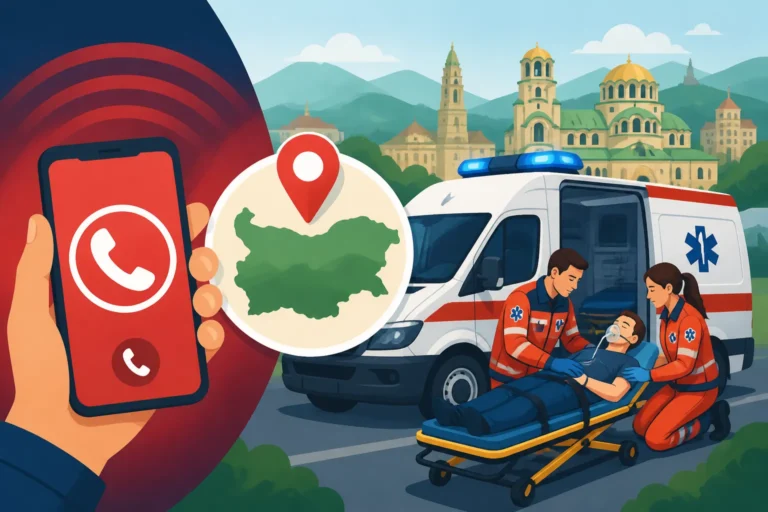
Calling 112 in Bulgaria connects you to a central dispatch center that coordinates all emergency services, including police, fire, and, most importantly for our discussion, medical ambulances. The operators are trained to handle calls and dispatch the appropriate services. While theoretically, they should have English-speaking staff, relying solely on this can be risky in a high-stress situation. It’s always best to have a few key phrases ready or, ideally, a Bulgarian speaker nearby if possible.
The 112 system aims to streamline the process, getting help to you as quickly as possible. However, the response time can vary significantly depending on your location, the time of day, and the severity of the emergency. In major cities like Sofia, Plovdiv, or Varna, response times are generally faster. If you're out in a more rural or remote area, be prepared for a longer wait. It's not uncommon for ambulances to arrive without much fanfare or flashing lights unless it's a critical, life-threatening situation. So, don't expect a Hollywood-style entrance every time; the priority is getting medical personnel to you.
Types of Emergency Medical Situations
What exactly constitutes an "emergency" for the 112 service? This is a question many expats grapple with, especially when unsure if their condition warrants an ambulance or just a trip to a general practitioner. In Bulgaria, as elsewhere, an emergency is generally defined as a situation that is immediately life-threatening or could result in severe harm or disability without prompt medical intervention.
Think about things like severe chest pain, signs of a stroke (sudden weakness, difficulty speaking), heavy bleeding, loss of consciousness, severe allergic reactions, serious injuries from accidents, or uncontrolled seizures. These are the situations where calling 112 is absolutely the right choice. For less urgent matters, such as a high fever, a nasty flu, or a minor cut, your general practitioner (GP) or a walk-in clinic is usually the appropriate first step. Misusing the emergency service can tie up resources needed for genuine life-or-death situations, so it’s important to distinguish. If in doubt, and if there's any concern about immediate danger, it's always safer to call 112.
What to Do When an Emergency Strikes
When an emergency happens, it’s easy to panic. But a few crucial steps can make a world of difference in Bulgaria. Having a plan, even a mental one, can really help when things go sideways.
Calling 112 Step-by-Step
Okay, deep breath. You’ve assessed the situation, and it’s serious – time to call 112. First, try to stay calm. The operator will need specific information to dispatch help effectively. Be prepared to provide:
- Your Exact Location: This is paramount. Provide the full address, including street name, building number, apartment number, and even floor if you know it. If you’re outdoors, describe landmarks, nearby shops, or specific cross-streets. GPS coordinates from your phone can be a lifesaver if you're truly lost or in an unfamiliar area. Don’t assume they automatically know where you are.
- Type of Emergency: Clearly state what has happened. Is it an accident? A sudden illness? A fall? The more detail you can give, the better equipped the ambulance crew will be. For instance, "My husband is experiencing severe chest pain" or "There has been a car accident with injuries at [location]".
- Number of People Affected: If it's an accident, how many people are involved and appear injured?
- Condition of the Person(s) Affected: Are they conscious? Breathing? Bleeding? Can they speak?
- Your Contact Number: Ensure they have a phone number they can reach you on, even if it's the one you're calling from. Stay on the line until they tell you it’s okay to hang up. They might need further clarification or to guide you until help arrives.
Remember, if your Bulgarian isn't up to scratch, try to speak slowly and clearly in English. If you have a Bulgarian friend or neighbor who can speak on your behalf, now is the time to ask for their help. This is one of those frustrating moments where the language barrier can feel insurmountable, but try to remain persistent and clear with the operator.
Information to Prepare for Paramedics
Once you’ve made the call and help is on the way, gather some vital information and documents. This will significantly speed up the assessment and treatment process upon the paramedics' arrival.
Firstly, have your identity document (ID card or passport) ready. Next, locate your health insurance card or details. If you're covered by the National Health Insurance Fund (NHIF), that's your blue NHIF card. If you have private health insurance, like from an international provider or a local Bulgarian one, have those details accessible. Tourists or new arrivals might rely on travel insurance, such as SafetyWing, so make sure you have your policy number and emergency contact details handy. Paramedics might not need it immediately, but hospital staff definitely will, so it's good to have it ready. You can learn more about different insurance options in our guide on Health Insurance in Bulgaria: NHIF, Private and International Options Explained.
Beyond identification and insurance, preparing a brief overview of the patient’s medical history is incredibly helpful. This includes any known allergies (especially to medications), chronic conditions (diabetes, heart disease, asthma), current medications (name and dosage), and any recent surgeries or hospitalizations. If you can, write these down in advance, perhaps even translating key terms into Bulgarian. This small act of preparedness can be a game-changer when medical professionals are trying to make quick, informed decisions.
What to Expect Upon Ambulance Arrival
The ambulance crew will typically consist of a driver and one or two paramedics, possibly a doctor depending on the severity and location. They might not always speak fluent English, especially outside major cities, but they are trained medical professionals focused on immediate care. Expect them to ask a few questions to quickly assess the situation. They will often check vital signs, and depending on the emergency, they may administer first aid, pain relief, or stabilize the patient before transport.
One thing to understand is that Bulgarian ambulances, particularly the public ones, are primarily for transport to the nearest appropriate medical facility. They are not generally equipped for extensive on-site treatment beyond basic stabilization. Their goal is to get the patient to an emergency room where more comprehensive diagnostic tools and specialist care are available. Don't be surprised if they don't immediately perform complex procedures at your location. The focus is on rapid, safe transport. They will decide which hospital is most suitable based on the patient's condition and the type of medical expertise required. This might be a regional hospital, a specialized trauma center like Pirogov in Sofia, or a general emergency department.
Navigating Emergency Rooms and Hospitals
Once you arrive at a hospital, the environment shifts. Dealing with the emergency room itself presents a new set of challenges and procedures that can feel daunting to an expat.
Public vs Private Emergency Care
Bulgaria offers both public and private hospitals, and this distinction becomes particularly important in emergency situations.
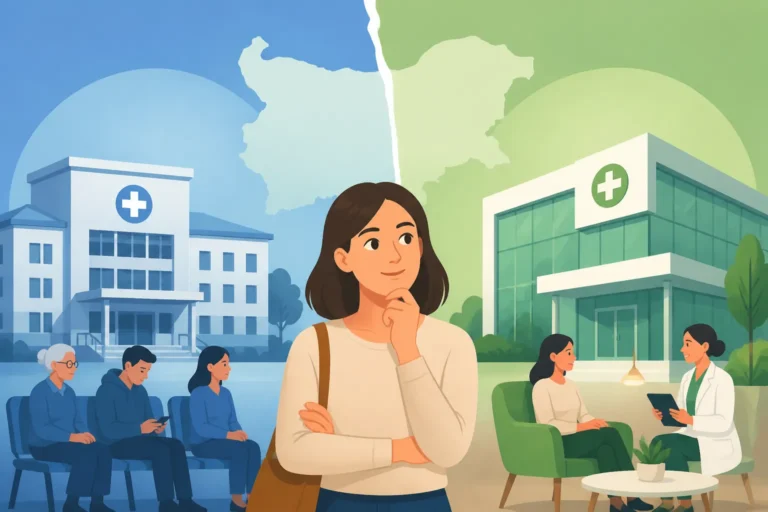
Public Hospitals: These are the backbone of the healthcare system and are generally where ambulances will take you if you're covered by the NHIF, or if it's a critical, life-threatening emergency, regardless of your insurance status. Major public hospitals, like the large university hospitals in Sofia, Plovdiv, and Varna, have well-equipped emergency departments (СПЕШНО отделение – Speshno Otdelenie) capable of handling severe trauma, strokes, heart attacks, and other critical conditions. They often have specialists on call and access to a full range of diagnostic equipment. The quality of care in public emergency rooms can be excellent, especially for acute conditions. However, be prepared for longer wait times, particularly for less critical issues, and potential language barriers. The facilities might also appear older or less modern than private options, and comfort isn't always the top priority. The cost of emergency treatment in public hospitals is typically covered for those with valid NHIF contributions, though there may be small co-payments for certain services. For those without NHIF, you will be expected to pay for services out-of-pocket, which can be quite steep if you don't have adequate private or travel insurance.
Private Hospitals: In cities like Sofia, there are excellent private hospitals, such as Acibadem City Clinic Tokuda Hospital or Hill Clinic, which also offer emergency services. These facilities often boast modern equipment, more comfortable waiting areas, and a higher likelihood of English-speaking staff. They can be a good option for emergencies that aren't immediately life-threatening but still require urgent attention, or for those who prefer the perceived higher comfort and faster service. However, for truly critical, multi-trauma situations, a large public university hospital with its vast resources and specialized departments might still be the preferred destination. Private emergency services come with a cost, and while some private insurance plans will cover these, it's crucial to understand your policy's specifics beforehand. If you walk into a private ER without adequate coverage, you'll be footing the entire bill, which can quickly add up. Understanding the difference between public and private options is key, and our guide on Understanding the Difference Between Public and Private Hospitals in Bulgaria delves deeper into this.
What to Expect Upon Arrival at the Emergency Room
When you arrive at a Bulgarian emergency room, whether by ambulance or self-transport, the process generally begins with triage. A medical professional, often a nurse or junior doctor, will conduct a quick assessment to determine the severity of your condition and prioritize your treatment. This is where your preparedness with medical history and current symptoms will be incredibly useful. Be ready to explain what happened and what you're feeling.
After triage, you'll likely be directed to a waiting area. This is where the notorious "wait times" can come into play. For less critical conditions, you might be waiting for several hours. This is common in public hospitals due to patient volume. If your condition is deemed critical, you will be attended to much faster. Once called, you'll see a doctor who will conduct a more thorough examination and order any necessary tests, such as blood work, X-rays, or ultrasounds. This phase can also involve waiting for results. It's important to advocate for yourself or the patient, asking questions if you don't understand something, and ensuring your concerns are heard. Don’t be shy about asking for an English speaker if one is available, or using a translation app.
Language Barriers and Communication Tips
The language barrier is arguably one of the most significant frustrations expats face in Bulgarian healthcare, especially in an emergency. While staff in major private clinics and some public hospitals, particularly in Sofia, may speak some English, it's far from guaranteed.
Here are some tips to navigate this:
- Key Phrases: Learn a few basic Bulgarian phrases related to pain, symptoms, and medical needs. Even a little effort goes a long way.
- Translation Apps: Have a reliable translation app on your phone. Google Translate or similar apps can be invaluable for quickly conveying information.
- Write It Down: If speaking is difficult, write down your symptoms, medical history, allergies, and medications. This visual aid can be understood even if your spoken Bulgarian isn't perfect.
- Bring a Friend: If possible, ask a Bulgarian-speaking friend to accompany you. Their presence can significantly ease communication and reduce stress.
- Medical Glossary: Keep a small personal medical glossary with common terms (e.g., pain, fever, bleeding, allergy, diabetes, heart attack) translated into Bulgarian.
Remember, most medical professionals genuinely want to help, and they will try their best to understand you, but the onus is often on the expat to bridge the communication gap.
The Role of Health Insurance in Emergencies
Navigating an emergency in Bulgaria without understanding your health insurance coverage can lead to significant financial stress. It’s vital to know how the different types of insurance factor into emergency care.
National Health Insurance Fund NHIF
If you are a legally working resident in Bulgaria and make regular contributions to the National Health Insurance Fund (NHIF), you are entitled to a significant level of coverage for emergency medical care in public hospitals. The NHIF covers the majority of costs for ambulance services, emergency room consultations, diagnostic tests, necessary procedures, and hospital stays in NHIF-contracted public facilities. This means that for a serious emergency, your out-of-pocket expenses would typically be limited to a small co-payment (потребителска такса – potrebitelska taksa) per visit or for certain services.
However, there are nuances. Some specialized medications or treatments might not be fully covered, or there might be specific limits. Also, the NHIF generally does not cover private hospital emergency services, unless there's a specific arrangement or if you are referred from a public facility for a service unavailable there (which is rare in emergencies). It's crucial to ensure your NHIF contributions are up-to-date and your NHIF card is active. If you're unsure about your registration or coverage, it's worth checking out our guide on How to Register with the National Health Insurance Fund in Bulgaria. If your contributions aren't current, you could be billed for the full cost of emergency care, just like someone without any insurance.
Private and International Health Insurance
For those who opt for private health insurance, either as a primary form of coverage or as a supplement to the NHIF, emergency care can be more straightforward, especially if you prefer private hospitals. Many international health insurance plans are designed to provide comprehensive coverage for medical emergencies, including treatment in private facilities. Local Bulgarian private insurers also offer plans that cover emergency services.
The key here is to thoroughly understand your policy.
- Direct Billing: Does your private insurance offer direct billing with certain hospitals? This means the insurer pays the hospital directly, saving you from upfront payment. Many private hospitals in Sofia, like Acibadem City Clinic Tokuda Hospital, have agreements with major international insurers.
- Reimbursement: If direct billing isn't an option, you'll likely have to pay upfront and then submit a claim for reimbursement. Keep all receipts, medical reports, and documentation. Our article on How to Claim Reimbursement from Private Insurance in Bulgaria can provide more specific steps.
- Emergency Contact: Always have your insurance provider's 24/7 emergency contact number readily available. They can guide you to a preferred hospital or assist with payment arrangements.
For new arrivals, digital nomads, or tourists, comprehensive travel insurance is indispensable. Brands like SafetyWing offer policies specifically tailored for travelers and remote workers, which include coverage for emergency medical expenses. Having such a policy ensures that unforeseen medical crises, from broken bones to sudden illnesses, don't leave you with a crippling bill. It's often one of the first things I recommend for anyone new to Bulgaria before they've had a chance to sort out local NHIF coverage.
What Happens Without Insurance
This is the scenario everyone dreads: an emergency with no health insurance. If you find yourself in this situation in Bulgaria, you will still receive emergency medical care if your condition is life-threatening. Bulgarian law dictates that no one can be refused immediate life-saving treatment. However, once stabilized, you will be responsible for 100% of the costs incurred. This includes ambulance fees, emergency room charges, doctor's fees, diagnostic tests, medications, and any hospital stay.
The bills can quickly accumulate, especially for serious conditions or extended hospitalizations. This is why having some form of insurance, even a basic travel policy, is not just recommended but absolutely critical when living or traveling in Bulgaria. The financial burden of an uninsured emergency can be devastating, potentially running into thousands of lev. Even if you plan to register with the NHIF, there's often a waiting period or administrative hurdles to clear. During this interim, a reliable private or travel insurance policy, like those offered by SafetyWing, acts as a crucial safety net. Don't leave it to chance; prepare for the unexpected.
Post-Emergency Care and Follow-ups
Surviving an emergency is one thing; navigating the aftercare and recovery process in a foreign country is another. It's important to understand how to ensure a smooth transition from crisis to recovery.
Transitioning from the Emergency Room
Once the immediate emergency is managed, whether you're being discharged or admitted for further care, you'll receive instructions. If you're being discharged, ensure you fully understand the doctor's orders. This includes:
- Medication: What medications do you need, what are their dosages, and how often should you take them? Don't hesitate to ask for the generic name if you're unfamiliar with the brand, and ask about potential side effects. The pharmacies in Bulgaria are usually well-stocked, but knowing exactly what you need is key. Our guide on Prescription Medications and Pharmacies in Bulgaria: The Complete Guide offers more insights.
- Activity Restrictions: Are there any activities you should avoid?
- Warning Signs: What symptoms should prompt you to return to the ER or contact your GP?
- Follow-up Appointments: Do you need to see a specialist or your GP? When and where?
It's common for hospitals to provide a discharge summary (епикриза – epikriza), which is a written report detailing your diagnosis, treatment received, and recommendations for aftercare. If possible, ask for one in English or have a Bulgarian speaker translate it for you. This document is vital for any subsequent medical care you might need. Don't leave the ER without clarity on these points.
Arranging Follow-up Appointments
After an emergency, follow-up care is often crucial for complete recovery. This might involve seeing your General Practitioner (GP), a specialist, or undergoing further diagnostic tests.
If you have a registered GP in Bulgaria, they are your first point of contact for routine follow-ups. You would typically contact their office to schedule an appointment. Your GP can review your hospital discharge summary, monitor your recovery, and arrange referrals to specialists if needed. Getting registered with a GP is a critical step for all expats, so if you haven’t done so, refer to How to Register with the NHIF and a GP in Bulgaria (2027). For specialist care, in the public system, you generally need a referral from your GP to see a specialist under NHIF coverage. Without it, you'd pay privately. In private hospitals or clinics, you can often book specialist appointments directly, but these will be out-of-pocket costs unless covered by your private insurance.
It's always a good idea to maintain clear communication with your medical providers during this follow-up period. Keep a record of all appointments, medications, and instructions. Don't be afraid to ask for explanations if something isn't clear, and remember that advocating for your health is essential, especially when navigating a foreign healthcare system.
Common Emergency Scenarios and How to Prepare
Being prepared for different types of emergencies can significantly reduce stress and improve outcomes. It’s not just about knowing the number to call, but understanding typical scenarios.
Accidents and Injuries
Bulgaria, like any country, has its share of accidents, from traffic collisions to slips and falls. If you or someone you know is involved in an accident resulting in serious injury, your first priority is to call 112. Provide clear details about the location, the nature of the accident (e.g., car crash, fall from height), and the visible injuries. If you are a witness and it is safe to do so, try to offer basic first aid until paramedics arrive. Do not move someone who may have a spinal injury unless absolutely necessary for their immediate safety.
For less severe injuries, such as minor cuts, sprains, or bruises, an emergency room might not be necessary. You could seek advice from your GP or visit a walk-in clinic (полипклиника – poliklinika). However, if there's any doubt about a bone fracture, head injury, or deep wound, it's always safer to go to the emergency room. Always carry a basic first-aid kit, especially if you're traveling or living in more remote areas. This simple step can bridge the gap until professional help arrives.
Sudden Illnesses
Sudden illnesses can range from severe infections to acute exacerbations of chronic conditions. Common examples include high fevers, severe stomach pains, sudden difficulty breathing, or allergic reactions. Again, for severe and rapidly worsening symptoms, 112 is the number to call. Be prepared to describe the onset of symptoms, their severity, and any relevant medical history.
For conditions like severe abdominal pain, chest pain, or symptoms resembling a stroke, immediate emergency transport is critical. The ambulance crew will assess and transport you to the most appropriate hospital, which could be a specialized center for cardiology or neurology in larger cities. If you have known allergies, always carry your EpiPen or relevant medication. If you have a chronic condition, ensure your medical records are accessible, ideally with a summary in English and Bulgarian. This helps medical staff understand your background quickly.
Dental and Mental Health Emergencies
Dental emergencies, such as severe toothaches, broken teeth, or acute infections, usually require a visit to a dentist, not a general hospital emergency room. Many dental clinics in major cities offer emergency appointments during business hours, and some may have after-hours services. You can often find English-speaking dentists in Sofia or Plovdiv by doing a quick online search. While public health insurance (NHIF) provides very limited dental coverage, most expats opt for private dental care anyway, which is generally quite affordable compared to Western Europe or North America. Our guide on Understanding Dental Care Costs and NHIF Coverage in Bulgaria provides further information.
Mental health emergencies, like severe panic attacks, suicidal ideation, or acute psychotic episodes, are sensitive and challenging. While 112 can be called in life-threatening situations where immediate intervention is required, the emergency response and hospital system for mental health can be less developed or culturally different than what expats might be used to. For immediate crisis support, contacting a trusted friend, family member, or seeking out expat support groups can be a good first step. If you're struggling, finding a mental health professional who speaks English is vital. Our article on How to Access Mental Health Services in Bulgaria as an Expat offers resources for finding support in Bulgaria.
Essential Phrases and Resources
Being able to communicate effectively in an emergency can literally save lives. Even a few key phrases in Bulgarian can make a huge difference.
Basic Bulgarian Medical Phrases
Here’s a small table of essential phrases you might need in a medical emergency. Practice saying them!
| English Phrase | Bulgarian Phrase (Cyrillic) | Pronunciation (Approximate) |
|---|---|---|
| Help! | Помощ! | Poh-mosh! |
| Emergency! | Спешно! | Spesh-noh! |
| Ambulance | Линейка | Lee-ney-kah |
| I need a doctor. | Трябва ми лекар. | Tryab-vah mee leh-kar. |
| I have pain here. | Боли ме тук. | Boh-lee meh took. |
| It hurts. | Боли ме. | Boh-lee meh. |
| My chest hurts. | Боли ме гърдите. | Boh-lee meh gur-dee-teh. |
| I can't breathe. | Не мога да дишам. | Neh moh-gah dah dee-sham. |
| I feel sick. | Зле ми е. | Zleh mee eh. |
| I have a fever. | Имам температура. | Ee-mahm tem-peh-rah-too-rah. |
| I have an allergy to… | Алергичен съм към… | Ah-ler-gee-chen sum kum… |
| I am diabetic. | Аз съм диабетик. | Ahz sum dee-ah-beh-teek. |
| I am pregnant. | Бременна съм. | Breh-men-nah sum. |
| Do you speak English? | Говорите ли английски? | Goh-voh-ree-teh lee ahn-glee-skee? |
| Please speak slowly. | Моля, говорете бавно. | Moh-lya, goh-voh-reh-teh bahv-noh. |
| Where is the emergency room? | Къде е спешното отделение? | Kuh-deh eh spesh-noh-toh ot-deh-leh-nee-eh? |
It's a small list, but even knowing these few phrases can help you convey critical information or at least ask if someone can communicate in English. Remember, the tone of voice and clear articulation are just as important as the words themselves.
Translation Apps and Services
In today's digital age, technology is your friend. Carry a smartphone with good internet access and install a reliable translation app. Google Translate is a popular choice, offering both text and voice translation. While not always perfect, it can be incredibly useful for basic communication. You can type in your symptoms, show the translation, or use the real-time voice feature for a back-and-forth conversation.
For more complex situations, consider professional translation services, though these are rarely available on the fly in an emergency room. If you anticipate a longer hospital stay or need to discuss intricate medical details, arranging for a professional medical translator might be necessary. Some private hospitals might offer this service for a fee. Expat forums and social media groups can sometimes offer volunteers who can help over the phone, but this isn't a guaranteed solution in a crisis.
Expat Community Support and Local Contacts
One of the greatest resources for expats in Bulgaria is often the expat community itself. Join local expat Facebook groups or online forums for cities like Sofia, Plovdiv, or Varna. In these groups, you'll often find seasoned expats who have been through various medical situations and can offer advice, recommendations, or even practical help in an emergency. Many are willing to share their experiences and direct you to English-speaking doctors or helpful clinics.
Beyond online communities, cultivate a network of local Bulgarian friends or trusted colleagues. Having someone you can call in an emergency, who can speak Bulgarian and act as an advocate or translator, is invaluable. Share your emergency plan with them, including where you keep your important documents and medical information. This local support system can be a crucial lifeline when you're feeling overwhelmed and vulnerable.
Preventative Measures and Preparedness
The best way to handle an emergency is to prevent it where possible and to be as prepared as humanly possible for what you cannot prevent. This means taking proactive steps before a crisis hits.
Keeping Important Documents Accessible
I cannot stress this enough: always keep vital documents easily accessible. This includes:
- ID/Passport: A copy should be in your wallet, and know where the original is.
- NHIF Card: If you have one, always carry it.
- Private/Travel Insurance Details: Policy number, emergency contact details, and a brief summary of coverage. For those relying on solutions like SafetyWing, make sure your digital card and policy documents are saved offline on your phone and printed.
- List of Medications: Current prescriptions, dosages, and any known allergies.
- Emergency Contact Information: Names and phone numbers of local and international contacts.
- Medical History Summary: A concise document outlining chronic conditions, past surgeries, and any specific medical needs.
Consider keeping a physical copy in your wallet or bag and a digital copy on your phone or in a cloud service that you can access quickly. Having a "go-bag" or "emergency folder" at home with all these documents together is also a smart move.
Knowing Your Medical History and Medications
You are your own best advocate, and that starts with knowing your body and your health. Keep a detailed, up-to-date record of your medical history. This should include:
- Allergies: Especially to medications, food, or environmental factors.
- Chronic Conditions: Diabetes, hypertension, heart conditions, asthma, etc.
- Current Medications: Full names (generic and brand), dosages, and how often you take them.
- Past Surgeries/Hospitalizations: Dates and reasons.
- Vaccination Record: Especially relevant for children or certain medical conditions.
Share this information with your registered GP in Bulgaria and a trusted friend or family member. In an emergency, paramedics and ER doctors will need this information immediately to provide safe and effective treatment. Don't assume anything is "obvious" or "minor"; every detail can be relevant when seconds count. For a more complete overview of the healthcare system, check out The Complete Guide to Healthcare in Bulgaria for Expats (2027).
Learning Basic First Aid and CPR
While you might not be a medical professional, knowing basic first aid and CPR can be life-saving, not just for others but potentially for yourself. There are numerous online courses and local organizations that offer certified training in these areas. Knowing how to stop bleeding, manage a choking incident, recognize the signs of a stroke or heart attack, and perform basic CPR can make a critical difference during the minutes before an ambulance arrives.
In a country where language barriers can be an issue, your immediate actions might be the most crucial. Being able to stabilize a situation or perform chest compressions until professional help is on the scene is a powerful skill. Investing a little time in learning these skills is a valuable form of preparedness for anyone, especially expats living in a foreign land.
Disclaimer
The information provided in this guide is for general informational purposes only and does not constitute medical or legal advice. While we strive to provide accurate and up-to-date information, healthcare systems and regulations can change. Always consult with qualified medical professionals or legal experts for specific advice regarding your situation in Bulgaria. In a medical emergency, always call 112 immediately.