How Do I Register with the NHIF in Bulgaria?
Navigating the labyrinthine healthcare system in a new country can feel like a daunting task, especially when it involves acronyms and bureaucracy in a language you're still mastering. For many expats arriving in Bulgaria, one of the first and most confusing hurdles is figuring out how to register with the National Health Insurance Fund (NHIF). This guide will walk you through the process, demystifying the steps and offering realistic advice to help you secure your health coverage here, without the usual headaches.
Understanding the National Health Insurance Fund NHIF in Bulgaria
When you move to Bulgaria, understanding the National Health Insurance Fund, or Natsionalna zdravnoosiguritelna kasa (НЗОК), is absolutely paramount. It's not just a suggestion; for most long-term residents, it's a legal requirement. Trust me, I’ve been there, staring blankly at forms, trying to decipher if I’m ticking the right box. It’s a rite of passage for every expat here, but with a bit of guidance, it becomes far less intimidating.
What Exactly is the NHIF and Why Does it Matter to Expats?
The NHIF is the cornerstone of Bulgaria's public healthcare system. Think of it as the main public insurer that manages and distributes funds for mandatory health insurance. Once you're properly registered and contributing, the NHIF covers a significant portion of your medical expenses, including visits to your general practitioner (GP), specialist consultations (with a referral), hospital stays, emergency care, and certain prescription medications. It’s a system designed to provide universal access to essential medical services, and for residents, it's not something you can opt out of.
For us expats, it’s not just about getting medical care; it’s about legal compliance. Your residence permit status, particularly if you’re working or planning to stay long-term, is intrinsically linked to your health insurance contributions. Without active NHIF coverage, you're essentially uninsured in the public system and could face hefty out-of-pocket costs for even routine care. Plus, future residence permit renewals often require proof of continuous health insurance contributions. It's a foundational piece of your life here, so understanding How Bulgaria's Health System Works: The NHIF and Private Care Explained (2027) is critical.
Who is Required to Register and Contribute?
This is where it gets a little nuanced, as it depends heavily on your specific residency and employment status. Generally, if you're residing in Bulgaria long-term, you'll likely need to be part of the NHIF.
- Employed Individuals: If you're working for a Bulgarian employer under an employment contract, congratulations! Your employer is legally obligated to register you with the National Revenue Agency (NAP/НАП) and pay your mandatory social and health insurance contributions on your behalf. This is usually the smoothest path into the NHIF system. They handle the bureaucracy, you just make sure your payslips reflect the contributions.
- Self-Employed Individuals (Freelancers, Sole Traders, Company Owners): Ah, the joys of being your own boss! If you've registered as a freelancer (svobodna profesiya) or a sole trader (ET), or if you own a Bulgarian company (EOOD/OOD) and are listed as the manager/owner, you are responsible for calculating and paying your own monthly health insurance contributions to the NAP. This requires a bit more proactivity on your part, often through an accountant. You can learn more about Understanding Mandatory Health Insurance Contributions in Bulgaria to ensure you're compliant.
- Non-Working EU/EEA/Swiss Citizens: If you're from an EU/EEA country or Switzerland and are not working in Bulgaria but hold a European Health Insurance Card (EHIC), your initial access to emergency or necessary care is covered by your home country's health system. However, for long-term residency in Bulgaria, you'll still need to register your presence with the Migration Directorate. If you plan to settle and not work, you might still need to demonstrate comprehensive health insurance, often by transferring your rights from your home country's scheme (S1 form, for example, for pensioners) or, failing that, voluntarily contributing to the NHIF.
- Non-EU Citizens Awaiting Residence Permits or Not Working: This is often the trickiest category. If you're a non-EU citizen applying for a long-stay D-Visa or a temporary residence permit, you must show proof of comprehensive private health insurance for the entire duration of your requested stay. This private insurance acts as your coverage until your residence permit is issued and you become eligible to join the NHIF, typically once you start employment or register as self-employed. For those interim periods, or if you're not planning to work, reliable private options are essential. Many expats find robust travel medical insurance plans like SafetyWing incredibly useful during these transition phases, as they cover you internationally and can bridge gaps while you're sorting out local bureaucracy.
- Students: International students typically need to provide proof of health insurance for their student visa and residence permit applications. Once here and registered, their situation might allow them to join the NHIF, often through specific student schemes or by paying voluntary contributions if they’re not working.
- Dependents: Spouses and children can usually be covered under the NHIF if the main applicant (the working or contributing expat) is registered. However, the process of adding them, often referred to as How to Add Dependents to Your Health Coverage in Bulgaria, requires specific documentation and registration with the NHIF directly.
The golden rule here is that once you become a legal resident and are either employed, self-employed, or otherwise obligated to pay social contributions, you are expected to contribute to the NHIF. Maintaining continuous contributions is crucial, as any gaps can lead to penalties or a requirement to make back payments to reactivate your status. This highlights why it's so important to understand How Your Residence Status Affects NHIF Enrolment in Bulgaria right from the start.
The Step-by-Step Process to Register with the NHIF
Right, so you know why you need to do this. Now, let’s talk about the how. It’s not always a single, straightforward queue, but rather a sequence of steps, some involving the National Revenue Agency (NAP) and others the NHIF itself. Prepare for some paperwork – it’s a Bulgarian specialty!
Gathering Your Essential Documents (The Paperwork Gauntlet)
Before you even think about stepping foot into an office, you need to arm yourself with documents. And when I say arm yourself, I mean it. Bring originals, copies, certified translations, and sometimes, even more copies of the certified translations. The exact list can vary slightly depending on your situation, but here’s a general rundown of what you’ll likely need:
- Your Valid Passport and Visa (if applicable): Always. And multiple copies of the main data page and your visa stamp.
- Your Bulgarian Identity Document: This will be your residence permit card (karta za prebivavane) for non-EU citizens or your certificate of continuous residence (udostoverenie za prodalzhitelno prebivavane) for EU citizens. Crucial, as it contains your Единен граждански номер (EGN), or Unified Civil Number, which is your unique identifier.
- Proof of Address: A rental contract (registered with the municipality or NAP) or a property deed is usually sufficient. Again, copies.
- Proof of Employment (if employed): Your employment contract (trudov dogovor) and possibly a certificate from your employer stating your start date and that they are paying your social contributions.
- Proof of Self-Employment (if self-employed): Your BULSTAT registration certificate (if you're a freelancer or company owner) and documents proving your registration with NAP as a self-insured person.
- Bank Account Details: You’ll need a Bulgarian bank account for contributions or for verifying your financial stability if you’re voluntarily insuring yourself. A statement from your local bank will often suffice.
- Proof of Income/Financial Means: If you're not working, you might need to show bank statements proving you have sufficient funds to support yourself and make voluntary contributions.
- Proof of Prior Health Insurance (if applicable): For EU citizens, an S1 form from your home country's health authority (for pensioners or those with transferred rights) is invaluable. For non-EU citizens, the private health insurance policy you used for your visa or residence permit application might be requested as part of your overall file.
- Translated and Apostilled Documents: This is key. Any documents not originally in Bulgarian (like an S1 form, or perhaps a marriage certificate if adding a spouse) will need to be translated by a sworn translator and, in many cases, apostilled in your home country (or have an equivalent legalisation process). Always check with the relevant Bulgarian authority if an apostille is needed – it’s better to have it and not need it than the other way around.
To give you a clearer picture, here’s a simplified table for common scenarios:
| Expat Status | Key Documents Required (General, always verify!) | Important Note |
|---|---|---|
| Employed (Non-EU/EU) | Passport, Residence Permit/Certificate, Employment Contract, Proof of Address, Bank Account Details | Employer handles initial NAP registration & contributions. |
| Self-Employed | Passport, Residence Permit/Certificate, BULSTAT Certificate, Proof of Address, Bank Account Details, NAP registration proof | You are responsible for registering yourself with NAP and making monthly contributions. |
| Non-Working EU (S1) | Passport, EU Certificate of Residence, S1 Form, Proof of Address, Bank Account Details | S1 form transfers your health rights from another EU country. |
| Non-Working Non-EU | Passport, Residence Permit, Proof of Address, Bank Account Details, Proof of Sufficient Funds | You'll likely pay voluntary NHIF contributions or use private insurance until eligible for public scheme. |
| Dependents | Passport, Residence Permit/Certificate, Birth/Marriage Certificate (translated/apostilled), Main Applicant's NHIF details | Documents proving relationship to main insured person. |
Where and How to Submit Your Application
Once you've got your meticulously prepared stack of papers, it's time for the actual registration. The process typically involves two main institutions: the National Revenue Agency (NAP) and the National Health Insurance Fund (NHIF).
-
Registering with the National Revenue Agency (NAP/НАП):
- For Employed Expats: Your employer takes care of this. They register your employment contract with NAP, and your health insurance contributions start automatically. You don't need to do anything specifically with NAP for your health insurance, although you'll interact with them later for taxes!
- For Self-Employed Expats: You'll need to go to your local NAP office. First, you need to register your BULSTAT number (if you’re a freelancer or company owner) with the Registry Agency, then use this to register yourself as a self-insured person with NAP. An accountant is invaluable here to help you navigate the forms and understand your obligations for monthly contributions. Once registered, you'll get a unique identifier (different from your EGN) that links your contributions.
- For Non-Working Expats (Voluntary Contributions): If you're a non-working EU citizen not covered by an S1, or a non-EU citizen required to make voluntary contributions, you will also need to visit NAP. You’ll declare your intent to pay voluntary health insurance contributions. They will provide you with the necessary payment details (bank accounts and codes) for your monthly payments. This is where Do Expats Have to Pay Health Insurance Contributions in Bulgaria? becomes really clear.
-
Activating Your NHIF Coverage and Choosing a GP:
- Once you've made your first health insurance contribution through NAP (or your employer has), you can proceed to the local NHIF office. This is where you actually get into the health insurance system itself and choose your General Practitioner (GP), or lichen lekar.
- What to bring: Your Bulgarian ID (residence permit/certificate of residence), proof of your initial health insurance payment (usually a receipt from NAP or a bank statement showing the transaction), and any other supporting documents.
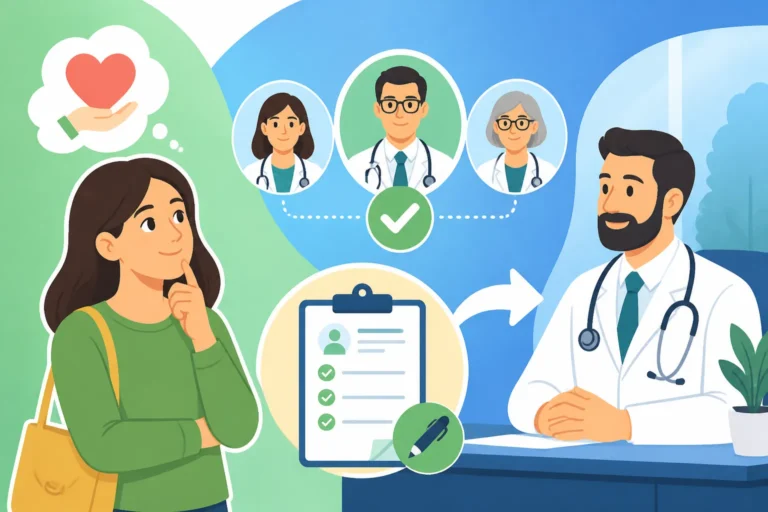
- The GP Choice: This step is crucial. At the NHIF office, you’ll fill out a form to choose your GP. You can't just walk into any doctor's office; you need to be registered with one. The NHIF staff may be able to provide a list of GPs accepting new patients in your area, or you can do some research beforehand to find an English-speaking doctor, which can save you a lot of hassle. This is a critical first step towards How to Choose and Register with a GP (Личен Лекар) in Bulgaria.
- The Zdravna Knizhka: Once you’ve registered your GP choice and your contributions are verified, the NHIF will issue you a zdravna knizhka, which is essentially your health booklet. This small green book (though it might be digitalized now in some places) is your proof of NHIF registration and your primary document for accessing healthcare. Your GP will record your visits, referrals, and prescriptions in it.
The offices can be busy, and while some larger cities like Sofia or Plovdiv might have staff who speak a little English, it’s not guaranteed. Bringing a Bulgarian friend or a professional translator with you, especially for your first visit, can alleviate a lot of stress. Patience, a good book, and maybe some snacks are your best friends here.
Navigating Contributions and Activation of Your Coverage
So you've submitted your documents and endured the queues – congratulations! But the journey isn't quite over. Understanding your contributions and ensuring your coverage is active is just as important as the initial registration.
Understanding Your Monthly Health Insurance Contributions
Your financial contributions are what keep your NHIF coverage active. These aren't just one-off payments; they're recurring.
- For Employed Individuals: As mentioned, your employer deducts your health insurance contributions directly from your gross salary and pays them to NAP along with your social security contributions. The amount is a percentage of your insurable income. You'll see this reflected on your payslip. It's usually a smooth process, provided your employer is compliant.
- For Self-Employed Individuals: You determine your monthly income on which contributions are based (there's usually a minimum insurable income set by the state). You then pay a fixed percentage of this amount to NAP. Many self-employed expats wisely enlist the help of a local accountant to ensure these calculations are correct and payments are made on time, usually by the 25th of the following month. For example, your contributions for January are due by February 25th.
- For Non-Working Expats (Voluntary Contributions): If you're voluntarily insured, you'll pay a fixed monthly amount directly to NAP. This amount is usually tied to the minimum insurable income for self-employed individuals and is subject to change annually. You'll get the specific bank account and payment code from the NAP office when you register for voluntary contributions.
It’s absolutely crucial to ensure these contributions are paid consistently and on time. Gaps in payment can lead to your zdravnoosiguritelen status (health insurance status) becoming inactive. If your status is inactive, you won't be able to access NHIF-covered services and will have to pay out-of-pocket, or worse, pay accumulated back payments with interest to reactivate your coverage. This is a common pitfall for new expats, so keeping track of your contributions is paramount. For a full breakdown, check out Understanding Mandatory Health Insurance Contributions in Bulgaria.
What Happens After You Register and How to Verify Coverage
After you've done the dance with NAP and the NHIF, and ideally, made your first contribution, you'll need to confirm that your coverage is actually active. This isn't always immediate, and it's a good idea to know how to check.
- The Zdravnoosiguritelen Status: This is the magic phrase. It refers to your active health insurance status. Once your first payment has cleared and you’ve registered your GP with the NHIF, you should be considered actively insured.
- Verifying Online: The easiest way to check your status is online. The NHIF website (www.nhif.bg) has a section where you can input your EGN (Unified Civil Number) and instantly see if your health insurance status is active. Even if you don't speak Bulgarian, the interface is fairly intuitive: look for "Проверка на здравноосигурителен статус" (Check health insurance status). It will usually show a green light if you're active, or a red one if there's an issue. This is invaluable, as it empowers you to check your own status whenever you need to.
- The Zdravna Knizhka in Action: When you visit your GP, they will also verify your status in their system. They will then use your zdravna knizhka to record your consultations, prescribe medications, or issue referrals to specialists. This little green book becomes your medical passport within the Bulgarian system.
Remember, simply registering is not enough; you must also maintain active contributions. If you find yourself in a situation where your NHIF status isn't active, you’ll be treated as uninsured by the public system. This means you’ll pay the full cost for consultations, tests, and treatments. For example, a simple doctor's visit could cost you anywhere from 30 to 80 BGN or more, depending on the clinic and doctor. If you anticipate any gaps or are still awaiting your NHIF activation, it's highly advisable to have private health insurance in place. Companies like SafetyWing offer flexible and comprehensive plans that can cover you during these transitional periods, ensuring you're not left in a lurch if you get sick before your NHIF fully kicks in. This is exactly why it's wise to plan for What Happens If I Get Sick Before I Register with the NHIF in Bulgaria?.
Common Challenges and Crucial Tips for Expats
Let's be real: navigating any bureaucratic system in a foreign country comes with its unique set of challenges. Bulgaria is no exception. From language barriers to navigating unspoken rules, it can feel like you're running a gauntlet. But with a bit of foresight and the right mindset, you can get through it.
The Language Barrier and Bureaucratic Hurdles
Oh, the legendary Bulgarian bureaucracy! It’s a beast that requires patience, a good sense of humour, and often, some local assistance. The biggest hurdle for most expats is, unsurprisingly, the language. While younger staff in some larger cities might speak English, it’s far from guaranteed, especially in smaller towns or at older government offices.
- Bring a Bulgarian Speaker: This is my number one tip. Whether it’s a friend, a colleague, or a hired translator, having someone who can communicate fluently in Bulgarian will save you immense frustration and potential misunderstandings. They can clarify forms, ask questions, and translate instructions.
- Be Prepared and Polite: Always have all your documents organised, with originals and copies clearly separated. Being polite, even when things are moving slowly, goes a long way. A smile and a "Dobăr den" (Good day) can sometimes work wonders.
- Expect the Unexpected: The process isn't always perfectly linear, and sometimes you might be asked for a document you weren’t expecting. Just breathe, go get it, and come back. This is where patience truly becomes a virtue.
What to Do If You Don't Qualify or Have Gaps in Coverage
Sometimes, for various reasons, you might not immediately qualify for NHIF coverage, or there might be a period where your status is inactive. This could happen if you're a tourist, a non-EU citizen awaiting a residence permit, or even an expat with a temporary lapse in contributions. This is where alternative health insurance options become vital.
- Private Health Insurance is Your Friend: For periods when you're not covered by the NHIF, comprehensive private health insurance is non-negotiable. This is particularly true for non-EU citizens who often must have private insurance for their initial visa and residence permit applications. Even EU citizens sometimes opt for private plans for broader coverage or to avoid potential wait times for certain procedures. Many international private health insurance plans are specifically designed for expats and can offer peace of mind, covering everything from routine doctor visits to emergency hospitalisation.
- Travel Medical Insurance: For shorter stays, or as a bridge before your long-term expat insurance kicks in, travel medical insurance can be a great option. Providers like SafetyWing are well-regarded among the digital nomad and expat community for their flexible, affordable, and comprehensive travel medical insurance that also offers some limited home country coverage. This can be an excellent choice if you're exploring Bulgaria before committing to full residency or if you're waiting for your NHIF registration to finalise. It ensures you have a safety net for unexpected medical emergencies without breaking the bank. Don't underestimate the importance of this, as The Cost of Healthcare in Bulgaria: A Complete Breakdown for Foreigners (2026) can be significant without proper coverage.
- Understanding Costs: Without NHIF coverage, you'll be paying the full price for medical services. This includes emergency room visits, consultations, and medications. While Bulgaria generally has affordable healthcare compared to Western Europe or North America, these costs can still add up quickly if you have a serious medical issue. Having an insurance plan means you're protected from potentially massive bills.
Integrating with Your GP and the Local System
Once you're registered with the NHIF and have your zdravna knizhka, the next crucial step is actively engaging with your chosen General Practitioner. Your GP is your gateway to the entire public healthcare system.
- Your GP as Gatekeeper: In Bulgaria, your GP (or lichen lekar) acts as the primary point of contact for almost all your medical needs. They handle routine check-ups, prescribe most medications, and, most importantly, provide referrals to specialists. You can't usually just book an appointment directly with a dermatologist or a cardiologist; you need a referral from your GP first. Understanding How Specialist and Hospital Referrals Work in Bulgaria will save you a lot of confusion.
- Finding an English-Speaking Doctor: While your local NHIF office might give you a list of GPs, it's worth investing time to find one with whom you can communicate effectively. Many expats rely on word-of-mouth recommendations within expat groups or online forums to find English-speaking GPs, especially in cities like Sofia, Plovdiv, or Varna. A good GP who understands your language and your expat context can make a world of difference. If you're struggling, check out resources on How to Find an English-Speaking Doctor in Bulgaria.
- Building a Relationship: Like anywhere, building a good relationship with your GP is beneficial. They'll get to know your medical history and can provide more tailored advice. Don't be afraid to ask questions about how the system works, especially regarding appointments, co-payments, and where to go for out-of-hours care.
Registering with the NHIF might seem like a bureaucratic mountain, but it's an essential climb for any expat planning a long-term stay in Bulgaria. By understanding the requirements, preparing your documents, and knowing what to expect, you can navigate the process successfully and gain access to the public healthcare system. Remember, patience and preparedness are your best allies!
Disclaimer
The information provided in this guide is for general informational purposes only and does not constitute legal, medical, or professional advice. While we strive to provide accurate and up-to-date information, regulations and procedures in Bulgaria can change without notice. Always consult with official government sources, legal professionals, or certified accountants for specific advice tailored to your personal situation. We cannot be held responsible for any errors or omissions, or for any actions taken based on the information provided herein.