How Much Does an Emergency Room Visit Cost in Bulgaria?
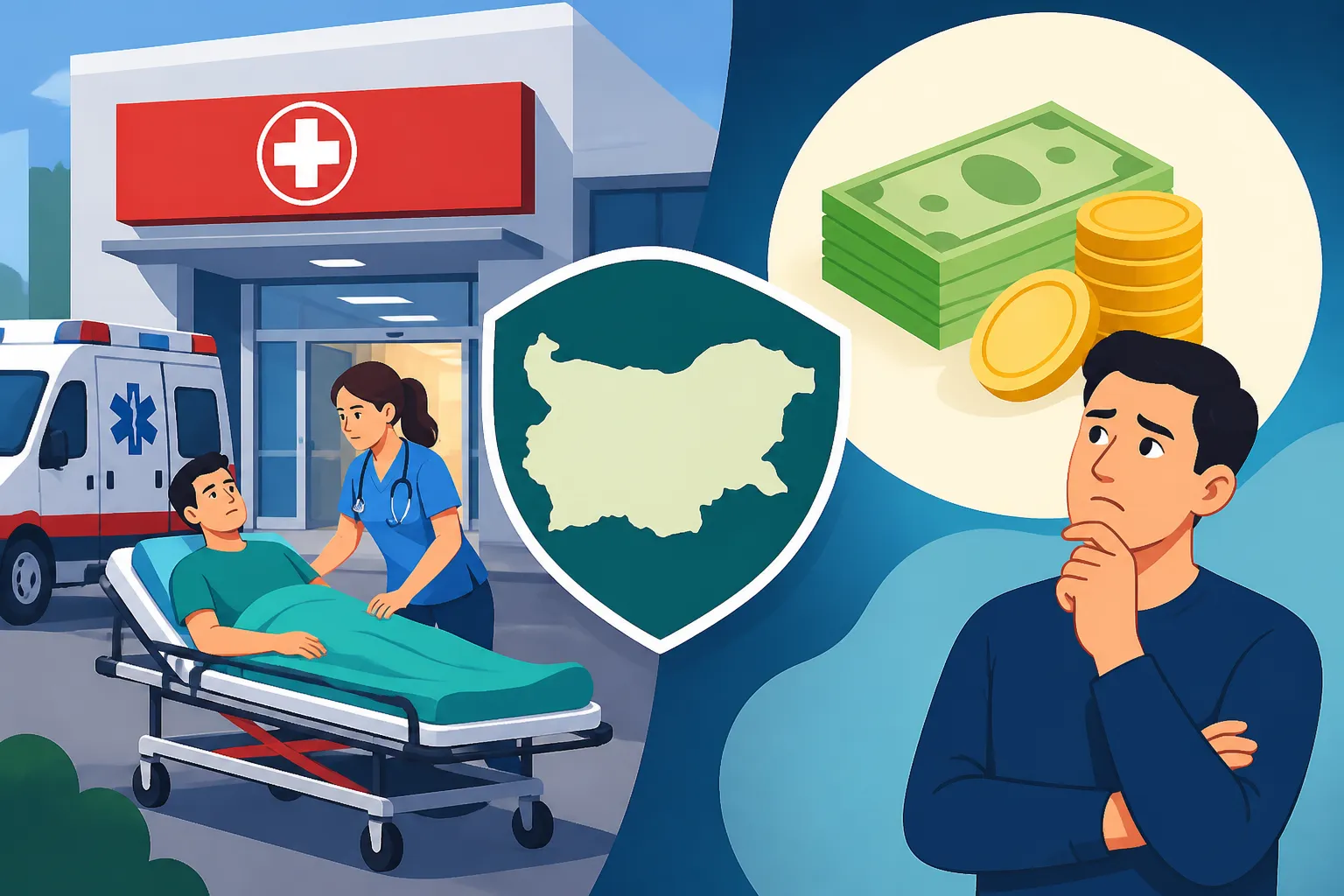
Experiencing a medical emergency in a foreign country is one of the most stressful things imaginable, and the first thought that often hits you, after the initial panic, is 'how much is this going to cost?' When you find yourself in need of an emergency room in Bulgaria, whether for a sudden accident or an unexpected illness, the financial implications can be a huge source of anxiety. This comprehensive guide will meticulously break down the potential costs of an emergency room visit in Bulgaria, helping you understand what to expect based on your insurance status and the type of facility you use.
The Immediate Reality of Emergency Care and Initial Costs
Let's face it, when you're in an emergency, cost is probably the last thing on your mind, but it quickly becomes a concern once the immediate crisis is under control. The Bulgarian healthcare system, like many, has different rules and price structures depending on whether you're a registered resident contributing to the National Health Insurance Fund (NHIF), a tourist with travel insurance, or someone with private health coverage. The crucial first step is always to seek help. You can call the universal emergency number 112 for an ambulance, or head directly to the nearest hospital's emergency department.
Many expats I know have been caught off guard by the system here, particularly when it comes to the initial assessment and the so-called "patient fee" or "co-payment." For those without NHIF coverage, expect to pay out-of-pocket for pretty much everything from the moment you step into the emergency room. This isn't unique to Bulgaria, of course, but the surprise can be jarring if you're used to different systems. Even if you have the NHIF, there are still some costs involved. For instance, the general practitioner (GP) co-payment (often around 2.90 BGN) doesn't apply to emergency visits, but certain procedures or medications might have a separate charge.
Ambulance Services and Transport Costs
When you dial 112 for an ambulance in Bulgaria, the service itself is generally considered free at the point of use for anyone in an acute, life-threatening situation. This is a relief to many, as the last thing you want to worry about when unconscious or critically injured is an ambulance bill. However, it's essential to understand the nuances. If it's determined that your situation wasn't a genuine emergency after assessment at the hospital, or if the ambulance was called for a non-urgent condition that could have been handled by a GP or an outpatient clinic, there might be a charge.
For instance, if you call an ambulance because you have a fever but are otherwise stable and able to move, the medical professionals might assess you, administer some basic care, and then recommend you see a GP. In a truly non-urgent scenario, they might even advise against transport. While direct charges for the ambulance ride itself are rare in genuine emergencies, the subsequent hospital visit will definitely have costs. For those who aren't NHIF-insured, like many newcomers or tourists, having comprehensive travel insurance, such as what SafetyWing offers, can provide peace of mind for both the ambulance and subsequent medical care, ensuring you're covered even for unexpected urgent situations.
Initial Consultation and Diagnostics
Once you're at the emergency room, the first thing that happens is triage, where medical staff assess the severity of your condition. After this, you'll see a doctor for an initial consultation. For those covered by the NHIF, this consultation typically incurs a co-payment, though some emergencies might be exempt from certain fees at the very initial stage. If you're not NHIF-insured, this consultation will be charged at a private rate, which can range from approximately 50 BGN to 150 BGN or more, depending on the hospital and the complexity of the case.
Beyond the initial assessment, emergency care often involves a battery of diagnostic tests. Blood tests, urine tests, X-rays, ECGs, and sometimes more advanced imaging like CT scans or ultrasounds are common. Each of these carries a separate cost. In a public hospital for an NHIF-insured patient, most of these would be covered, possibly with a minimal co-payment for specific items. For an uninsured individual in a public hospital, or anyone in a private hospital without relevant insurance, these can add up quickly. A single X-ray might be 30-60 BGN, a basic blood panel 50-100 BGN, and a CT scan could easily run from 200 BGN to 500 BGN or higher. Some newcomers have had unexpected chest pains, ended up with an ECG, blood tests, and an X-ray, and walked out with a bill north of 200-300 BGN even for a public hospital, because they hadn't yet sorted their full NHIF registration. You can learn more about this in our guide on The Cost of Healthcare in Bulgaria: A Complete Breakdown for Foreigners (2026).
Factors Influencing Emergency Room Costs
Understanding what drives the cost of an ER visit in Bulgaria is key to navigating the system without too many financial surprises. It's not a simple one-size-fits-all fee, and several critical factors come into play.
Your Health Insurance Status
This is, without a doubt, the single biggest determinant of how much you'll pay for an emergency room visit.
- National Health Insurance Fund (NHIF) Coverage: If you are a legal resident and have been consistently contributing to the NHIF, a significant portion of your emergency care will be covered. You'll still be subject to certain regulations and potentially nominal co-payments for some services, but the bulk of the cost, including consultations, diagnostics, and treatments, will be handled by the NHIF. However, the system requires you to be fully registered and your contributions to be up to date. If there are any gaps, you might be treated as uninsured or have to pay for the missing contributions upfront. Knowing How Bulgaria's Health System Works: The NHIF and Private Care Explained (2027) is vital.
- Private Health Insurance: Many expats, especially those who prefer faster service, English-speaking staff, or specific facilities, opt for private health insurance in addition to, or sometimes instead of, the NHIF. If you have private insurance, your costs will largely depend on your policy's terms. Most reputable private insurance plans will cover emergency room visits, but you'll need to check your deductible, co-insurance, and any specific exclusions. You might have to pay upfront and then seek reimbursement, or the hospital might bill your insurer directly if they have an agreement. Companies like SafetyWing offer plans that are popular with digital nomads and expats, providing coverage for unexpected medical emergencies globally, which can be invaluable when you're still getting settled and haven't fully integrated into the local NHIF system.
- Travel Insurance: For tourists or new arrivals still awaiting residence permits, travel insurance is your primary safeguard. Policies vary widely, so make sure yours explicitly covers emergency medical treatment and hospitalization. Like private insurance, you often pay upfront and claim reimbursement. Always keep your policy details and a contact number for your insurer handy.
- Uninsured/Out-of-Pocket: If you have no health insurance coverage (NHIF, private, or travel), you will be responsible for 100% of the costs. This includes the ambulance, doctor's fees, tests, medications, procedures, and any subsequent hospitalization. This is where costs can quickly skyrocket, turning a simple visit into a major financial burden.
Type of Hospital and Severity of Condition
The facility you choose or are taken to also plays a significant role in your ER bill.
- Public Hospitals: These are funded by the state and the NHIF. For NHIF-insured patients, most services are covered. For uninsured patients, public hospitals are still obligated to provide emergency care, but they will charge you full private rates for everything. These rates are generally lower than those in private hospitals but can still be substantial, particularly for complex cases or extended stays. Think of larger institutions like Pirogov in Sofia, which is a major trauma centre, or regional hospitals in cities like Plovdiv and Varna.
- Private Hospitals: Bulgaria has a growing number of modern private hospitals, especially in major cities like Sofia and Plovdiv. Hospitals like Acibadem City Clinic Tokuda Hospital or Sofiamed offer state-of-the-art facilities, often with English-speaking staff, shorter wait times, and a more comfortable experience. However, this comes at a premium. If you're NHIF-insured but choose a private hospital, the NHIF will only cover services for which they have a contract with that specific private hospital, and only up to the public rates. You will pay the difference out-of-pocket, which can be significant. If you have comprehensive private health insurance, this is where it really shines, as it can cover the full cost. For uninsured patients, private hospitals are considerably more expensive than public ones for the exact same treatment.
The severity of your condition is another obvious factor. A sprained ankle that requires an X-ray and a quick bandage will cost far less than a suspected heart attack involving ECGs, blood enzyme tests, overnight observation, and specialist consultations. Complex procedures, surgeries, or intensive care unit (ICU) stays will naturally incur the highest costs.
Public vs. Private Emergency Care: A Cost Comparison
The choice between public and private emergency care in Bulgaria often boils down to a trade-off between cost, speed, and comfort. For expats, understanding these differences is crucial, particularly when a medical emergency strikes.
Emergency Care in Public Hospitals
Public hospitals form the backbone of Bulgaria's healthcare system. They are generally well-equipped for emergencies, especially the larger university hospitals and regional trauma centers. Think of places like "Pirogov" Emergency Hospital in Sofia, which is the country's largest trauma center and handles a huge volume of urgent cases.
Pros for NHIF-Insured:
- Extensive Coverage: For those fully registered with the NHIF and whose contributions are current, most emergency services, from initial assessment to treatment and hospitalization, are covered. You'll typically only pay a small patient co-payment (often around 5.80 BGN for a hospital stay per day, though emergency assessments themselves might have different structures or be exempt depending on the nature of the emergency).
- Capacity for Severe Cases: Public hospitals are designed to handle high volumes of critical and complex emergencies.
- Widespread Availability: They are present in almost every major town and city across Bulgaria.
Cons for NHIF-Insured:
- Potential for Longer Wait Times: Depending on the severity of your case and the hospital's current load, wait times can be substantial, especially for non-life-threatening conditions.
- Language Barrier: While some doctors and younger staff might speak English, it's not guaranteed. This can be a major source of stress during an emergency.
- Older Facilities: Some public hospitals may have older infrastructure and fewer amenities compared to their private counterparts.
Costs for Uninsured Individuals in Public Hospitals:
If you are not NHIF-insured, perhaps you're a tourist, a new expat still sorting out your residence, or a digital nomad relying solely on international insurance like SafetyWing (which is a smart move, by the way, but requires direct payment first), you will be charged the full private rate for all services. These charges are often set by the hospital itself, within general guidelines.
- Initial Consultation: Expect to pay anywhere from 50 BGN to 150 BGN.
- Basic Tests (Blood, Urine, X-ray): Each test could cost 30 BGN to 100 BGN or more. A comprehensive set of diagnostics can easily reach several hundred BGN.
- Procedures: Simple procedures like wound suturing can start at 100-200 BGN, increasing significantly for more complex interventions.
- Medications: You'll pay full price for any medications administered or prescribed.
- Hospitalization per day: If you need to be admitted, a day in a public hospital can cost from 100 BGN to 400 BGN or more, depending on the department (standard ward vs. ICU).
It's a good idea to always keep some cash on hand for initial payments, even if you have insurance, as direct billing might not always be possible right away. Remember that for tourists, the European Health Insurance Card (EHIC) offers coverage in public facilities, but only for medically necessary treatment, and it generally works as if you were a local NHIF-insured person, meaning some co-payments might still apply. Our guide on Understanding the EHIC and Cross-Border Healthcare from Bulgaria has more details.
Emergency Care in Private Hospitals
Private hospitals, such as Acibadem City Clinic Tokuda Hospital, Hill Clinic, or Sofiamed in Sofia, are known for their modern facilities, advanced equipment, and often, more personalized care. Many also boast dedicated international departments with English-speaking staff.
Pros:
- Shorter Wait Times: Generally, private emergency departments have shorter queues and faster processing.
- English-Speaking Staff: A higher likelihood of finding medical professionals who can communicate fluently in English.
- Modern Facilities and Comfort: Private rooms, better amenities, and a more comfortable environment during a stressful time.
Cons:
- Higher Costs: Significantly more expensive than public hospitals, especially if you don't have suitable private insurance.
- NHIF Limitations: If you're NHIF-insured, the NHIF will only cover a fraction of the cost, usually up to the public hospital rates, and only for services they have contracted with that specific private hospital. You will pay the substantial difference.
Costs for Uninsured Individuals in Private Hospitals:
This is where an emergency room visit cost in Bulgaria can become truly eye-watering if you're footing the entire bill yourself.
- Initial Consultation: Expect to pay from 100 BGN to 300 BGN or more.
- Basic Tests: Individual tests might range from 50 BGN to 150 BGN. A full diagnostic work-up could easily run into 500 BGN to 1000 BGN.
- Advanced Imaging (CT, MRI): A CT scan could be 300-700 BGN, and an MRI 400-900 BGN or higher.
- Procedures: Simple suturing might start at 200-400 BGN, escalating quickly for more complex interventions.
- Hospitalization per day: A standard ward stay in a private hospital could be 300 BGN to 800 BGN per day, and an ICU stay can easily exceed 1,000-2,000 BGN per day.
For expats who prioritize the advantages of private care, robust private health insurance is not just an option, it's a necessity. This is precisely why many opt for comprehensive plans, often complementing their NHIF coverage to bridge the gap for private services.
Here's a simplified table comparing potential out-of-pocket costs for a moderate emergency room visit (e.g., severe abdominal pain requiring consultation, blood tests, ultrasound, and observation for a few hours) based on your insurance status and choice of facility. These are rough estimates and can vary wildly.
| Service/Status | NHIF-Insured (Public Hospital) | Uninsured (Public Hospital) | Uninsured (Private Hospital) | Private Insurance (e.g., SafetyWing, depending on policy) |
|---|---|---|---|---|
| Ambulance (112 Call) | Free (true emergency) | Free (true emergency) | Free (true emergency) | Free (true emergency), often covered by travel policies |
| Initial Consultation | ~0-10 BGN (co-payment) | ~50-150 BGN | ~100-300 BGN | Covered (might be upfront payment then reimbursement) |
| Blood Tests (basic panel) | Covered | ~50-100 BGN | ~80-200 BGN | Covered |
| Ultrasound Scan | Covered | ~80-200 BGN | ~150-400 BGN | Covered |
| Minor Procedure (e.g., IV) | Covered | ~50-150 BGN | ~100-300 BGN | Covered |
| Medication (ER Administered) | Covered (or small co-pay) | ~20-80 BGN | ~40-150 BGN | Covered |
| Total Estimate (Moderate Case) | ~5-20 BGN | ~250-800 BGN | ~500-1,500+ BGN | Varies (deductible/co-pay), usually much lower out-of-pocket |
Note: "Covered" for NHIF means the fund pays, not that it's entirely free for the state. "Covered" for private insurance depends entirely on your specific policy terms, deductibles, and whether the provider direct bills or requires reimbursement.
Navigating the Bill and Insurance Claims Post-Visit
So, you've been to the emergency room, received treatment, and are now on the mend. Great! But the administrative side, especially the bill, is often where the real headache begins for expats.
Understanding Your Bill
Whether you've visited a public or private hospital, you'll eventually receive a bill (or be expected to pay upfront).
- Public Hospitals: If you're NHIF-insured, the bill should primarily reflect any co-payments or services not covered by the fund. Always ask for a detailed breakdown if anything seems unclear. For uninsured patients, the bill will list every service, test, and medication at its full price. Don't hesitate to ask for an itemized bill, even if there's a language barrier; it’s your right to know exactly what you're paying for. Keep all receipts and documents meticulously organized, as you'll need them for any insurance claims. This is part of Understanding Out-of-Pocket Healthcare Costs and Co-Payments in Bulgaria.
- Private Hospitals: Private hospitals are usually more transparent with their pricing, and many are accustomed to dealing with international patients and insurance companies. They might even have a dedicated international patient department to assist with billing queries. Still, scrutinize the bill. Mistakes happen. Ensure all services listed were indeed received.
Remember, if you're feeling unwell or are disoriented after an emergency, it's wise to have a trusted friend, family member, or even a pre-arranged medical assistant to help you understand the charges and navigate the discharge process.
Filing Insurance Claims
This is the part where your preparation pays off.
-
For Private Health Insurance:
- Notify Your Insurer: Contact your private health insurance provider as soon as possible, ideally within 24-48 hours of the emergency visit. Provide them with details of the incident and the care received. Companies like SafetyWing are typically very responsive and have clear procedures for claims.
- Gather Documents: You'll need all original receipts, detailed itemized bills, medical reports, diagnosis codes, and any other supporting documentation from the hospital. Ensure the medical reports are clear and, if possible, in English or officially translated.
- Submit Claim: Follow your insurer's specific instructions for submitting a claim. This usually involves filling out a claim form and attaching all documentation. Be patient, as the reimbursement process can take time.
- Follow Up: Don't be afraid to follow up regularly to check the status of your claim. Keep a record of all communication. Our guide on How to Claim Reimbursement from Private Insurance in Bulgaria provides a deeper dive.
-
For Travel Insurance: The process is very similar to private health insurance. The key differences are that travel insurance is typically for a shorter duration and might have lower coverage limits, especially for very severe or long-term conditions. Always review your travel policy before you travel to Bulgaria to understand exactly what is covered in a medical emergency, including potential deductibles and exclusions. Again, a provider like SafetyWing is designed specifically for travelers and nomads, making their claims process generally straightforward, but you still need all your paperwork in order.
-
NHIF: If you're NHIF-insured, you won't typically be "filing a claim" in the same way. The hospital will directly bill the NHIF for the covered services. You just need to ensure your NHIF status is active and present your health insurance document (if applicable, though most hospitals can check digitally). You'll pay your co-payments at the hospital cashier. If you were charged for something you believe should have been covered, you'd need to contact your local NHIF branch (Районна Здравноосигурителна Каса – РЗОК) with your medical documents to investigate.
Navigating the aftermath of an emergency room visit in Bulgaria can feel like another hurdle, but with careful documentation and persistence, you can ensure you're reimbursed for eligible expenses and understand all charges. Knowing What Happens If I Get Sick Before I Register with the NHIF in Bulgaria? highlights the importance of getting your insurance sorted quickly.
Minimizing Your Financial Risk for Emergency Care
No one wants to think about emergencies, but being prepared can save you a significant amount of stress and money. Many expats are caught off guard, and it’s usually because they weren’t fully aware of the system or their coverage.
Get Your NHIF and Private Insurance Sorted Early
The absolute best way to minimize the cost of an emergency room visit in Bulgaria is to ensure you have proper health insurance coverage before an emergency strikes.
- NHIF Registration: If you're a long-term resident, employee, or legally self-employed in Bulgaria, registering with the National Health Insurance Fund (NHIF) is mandatory and your primary line of defense. It covers most essential medical services, including emergency care, in public facilities. Don't procrastinate on this. Get your registration done as soon as you meet the eligibility criteria. Learn How to Register with the NHIF and a GP in Bulgaria (2027) early.
- Complementary Private Insurance: Even with NHIF coverage, many expats opt for private health insurance. This can offer access to private hospitals with shorter wait times, English-speaking staff, and more comfortable facilities. It acts as a safety net for situations where the NHIF might not cover the full cost in a private setting. This is especially useful for those who prefer the private system. Understanding Public vs Private Healthcare in Bulgaria: What Expats Need to Know is key to making this decision.
- Travel/International Insurance for Newcomers: If you've just arrived in Bulgaria, or are a tourist, a robust travel or international health insurance plan is non-negotiable. Plans like SafetyWing are excellent for this demographic, providing comprehensive emergency medical coverage for unexpected illnesses and accidents abroad. Make sure your policy covers the full duration of your stay and has adequate limits for hospitalizations and medical repatriation. This is your temporary shield until you can get fully integrated into the Bulgarian system.
Understand What Constitutes an Emergency
I’ve had friends rush to the ER with a common cold, only to be told they should see a GP, and then face a bill for the unnecessary ER visit. While no one should hesitate in a true emergency, understanding the difference can save you time and money.
- True Emergencies: These are situations that are life-threatening or could result in permanent disability without immediate medical attention. Think severe chest pain, loss of consciousness, uncontrolled bleeding, severe trauma from an accident, sudden paralysis, difficulty breathing, or sudden, excruciating pain. For these, always call 112 or go to the nearest ER. You can learn about Emergency Medical Care in Bulgaria: What Every Expat Needs to Know for specific scenarios.
- Urgent Care (Non-Emergency): These are conditions that need prompt attention but are not life-threatening. Examples include severe flu symptoms, minor cuts that might need stitches, sprains, or sudden high fever. For these, try to contact your GP (Личен Лекар) first. If you don't have one, or it's outside business hours, many larger cities have urgent care centers (Център за Спешна Медицинска Помощ) that are distinct from hospital emergency rooms and may be a more appropriate and less costly option than a full ER.
By being informed and proactive about your health insurance, and understanding the nuances of the Bulgarian medical system, you can significantly reduce the financial burden and stress associated with an emergency room visit here. It’s all about preparation and knowing your rights and responsibilities.
Disclaimer
The information provided in this guide is for general informational purposes only and does not constitute medical, legal, or financial advice. Healthcare costs, insurance policies, and regulations in Bulgaria can change. While we strive to provide accurate and up-to-date information, readers should always consult with qualified professionals (e.g., a healthcare provider, insurance agent, or legal advisor) for advice tailored to their specific situation. We recommend verifying all information with official sources or relevant authorities.