Can I Get a Telehealth Appointment in Bulgaria?
Moving to a new country like Bulgaria often means navigating a whole new healthcare system, and for many of us expats, the thought of quick, convenient medical advice without leaving home is a huge comfort. You might be wondering if Bulgaria has caught up with the global trend of online doctor visits and virtual consultations. This guide is here to shed light on the reality of telehealth appointments in Bulgaria, detailing what's available and how you can access it, so you're not left guessing when you need care.
The Rise of Telehealth in Bulgaria: A Post-Pandemic Shift
Before 2020, the idea of a telehealth appointment in Bulgaria felt pretty futuristic, almost like something out of a sci-fi movie. Most medical interactions were strictly face-to-face, rooted in a traditional system that valued the personal touch of a doctor's visit. For expats arriving from countries where virtual doctor visits were already commonplace, this could feel like a step back in time. It's understandable to feel a bit lost or frustrated when you're used to the convenience of modern solutions, especially when dealing with a foreign language and unfamiliar processes.
Then, the world changed. The pandemic, for all its challenges, forced Bulgaria's healthcare sector, like many others, to adapt quickly. Suddenly, physical distancing became paramount, and the need for remote consultations became undeniable. While the transition wasn't instantaneous or perfectly smooth, it definitely kicked off a gradual but significant shift towards digital healthcare solutions.
Initial Hesitation and Gradual Acceptance
Initially, there was a fair bit of hesitation, both from medical professionals and patients. Doctors were accustomed to their established routines, and the infrastructure for widespread telehealth simply wasn't there. Many patients, especially older generations, preferred the reassurance of a physical examination and struggled with the technological leap. It wasn't just about getting the right software; it was about shifting a deeply ingrained cultural practice.
However, as the pandemic wore on, the benefits became clear. For routine check-ups, follow-up appointments, or simply getting advice on minor ailments, telehealth proved invaluable. It reduced the risk of exposure, eased the burden on overwhelmed clinics, and offered a lifeline for those who couldn't easily travel. While the public sector was slower to embrace it fully, private clinics saw an opportunity to innovate and meet a growing demand, particularly from the expat community and younger, tech-savvy Bulgarians.
Current Landscape and Availability
Today, telehealth is certainly a part of the Bulgarian healthcare landscape, though it's important to set realistic expectations. It’s not as universally integrated or standardized as you might find in, say, the UK or North America, but it's growing steadily. You'll find that private clinics and healthcare providers are leading the charge, offering more robust and reliable virtual services compared to the public system.
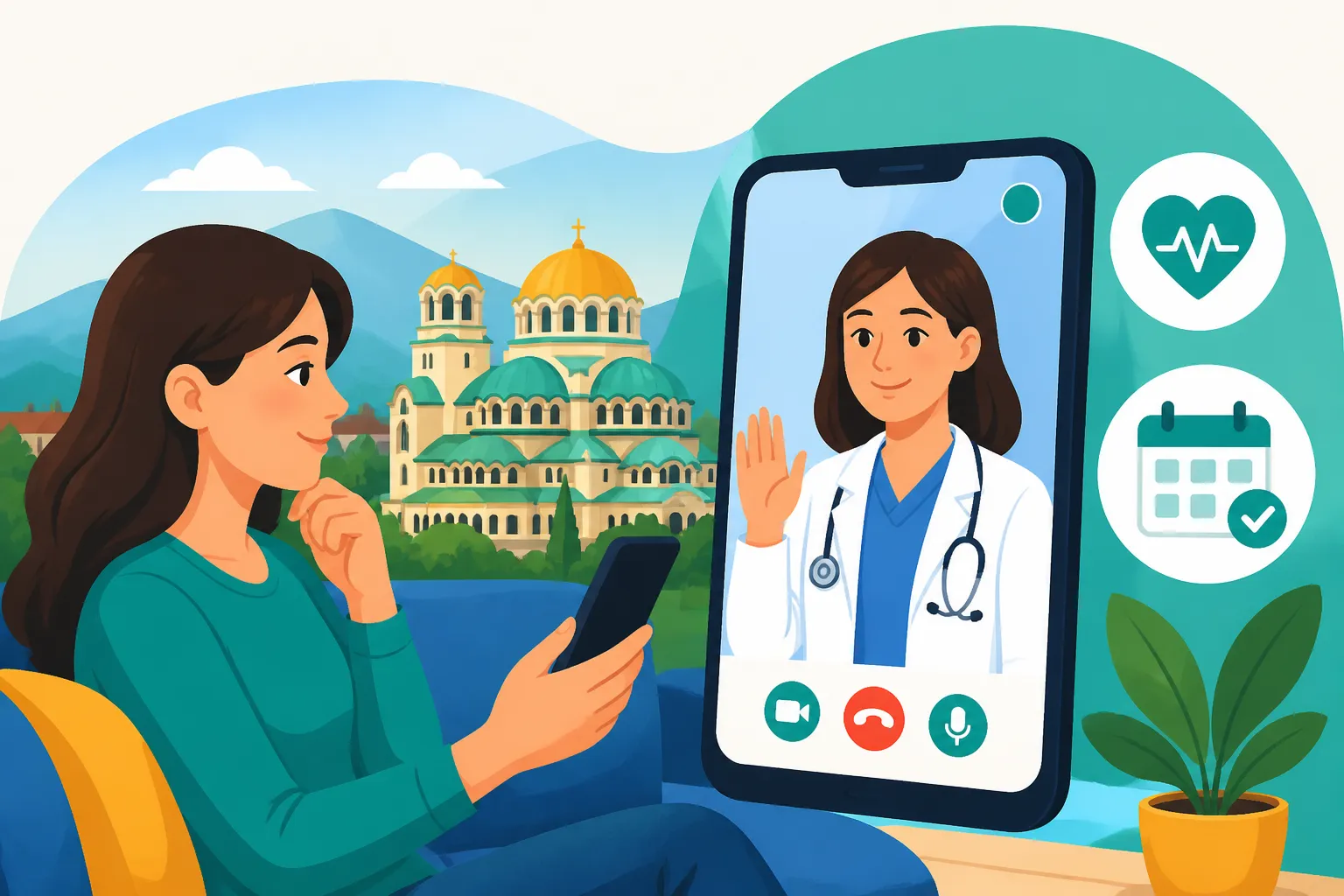
These services often include video consultations, phone calls, and even secure chat messages for less urgent inquiries. They’re particularly well-suited for things like discussing lab results, getting advice on common colds or flu, managing chronic conditions, or seeking initial consultations to determine if an in-person visit is truly necessary. While you might not find a sprawling network of entirely virtual-first clinics, many established private hospitals and smaller practices now have a dedicated online booking and consultation system.
How to Access Telehealth Services in Bulgaria
For expats, knowing how to access these services is key, as the approach can differ depending on whether you're looking at private or public options, or even international solutions. It really boils down to understanding the various avenues available and which one best suits your immediate needs and long-term healthcare plan.
Through Private Clinics and Doctors
This is, without a doubt, your most reliable and often most comfortable route for telehealth as an expat in Bulgaria. Private clinics are generally more agile, more English-friendly, and more equipped with the technology to facilitate virtual appointments. Major private hospital groups in cities like Sofia, Plovdiv, and Varna have increasingly invested in telehealth infrastructure. Think of clinics like Acibadem City Clinic Tokuda, Vita Hospital, or Hill Clinic, which often have online portals or dedicated phone lines for booking virtual consultations.
The process usually goes something like this: First, you'll need to find a private clinic that offers telehealth services. Many now clearly advertise this on their websites. Once you've chosen one, you'll typically either call their reception or use their online booking system to schedule a virtual appointment. You'll specify that you want a telehealth consultation and often choose your preferred doctor. Many clinics have English-speaking staff and doctors, which is a huge relief when you're trying to explain symptoms in a foreign language. You might be asked to pay a fee upfront, usually via bank transfer or an online payment portal. On the day of your appointment, you'll receive a link or a call at the scheduled time. It’s usually a straightforward video call, much like using any other video conferencing tool. Remember, if you're looking specifically for a doctor who can communicate in your native tongue, it's worth checking out "How to Find an English-Speaking Doctor in Bulgaria".
Navigating the Public Healthcare System
Accessing telehealth through the public healthcare system in Bulgaria, primarily via the National Health Insurance Fund (NHIF) and your registered GP (личeн лекар), is a different kettle of fish. While some GPs might offer phone consultations for quick advice or to discuss routine matters, a full-fledged video telehealth appointment, as you might envision it, is far less common. The public system is still very much geared towards in-person visits.
If you are registered with an NHIF-covered GP, you might be able to call them for a brief consultation or to get a prescription renewed for a chronic condition. However, don't expect a sophisticated online booking system or a video call platform. It's often a direct phone call, and availability can depend heavily on your GP's individual practice and their workload. For anything beyond a very basic query, they will almost certainly ask you to come in for an examination. This can be a hurdle for expats, especially those new to the system or those who haven't yet completed the full registration process. Understanding "How to Register with the NHIF and a GP in Bulgaria (2026)" is a crucial first step, but even then, don't rely solely on the public system for diverse telehealth options.
International Telehealth Platforms and Travel Insurance
For short-term visitors, digital nomads, or new arrivals who haven't yet sorted out their long-term health insurance or NHIF registration, international telehealth platforms and certain travel insurance policies can be a lifesaver. These services often operate globally, connecting you with doctors who can consult remotely, regardless of your physical location in Bulgaria.
Many reputable international health insurance providers, and even some travel insurance plans like those offered by SafetyWing, now include telehealth services as a standard benefit. This usually means you download an app, connect to their network of doctors, and can book a video or phone consultation in English (or other languages) often within minutes or hours. These doctors might not be physically located in Bulgaria, but they can provide general medical advice, guidance on symptoms, and sometimes even issue prescriptions that can be filled locally, depending on Bulgarian regulations and the specific medication. For example, if you're on a temporary stay or just arrived and need immediate advice, relying on a service like SafetyWing's built-in telehealth can offer peace of mind. They’re designed for people on the go and can bridge the gap while you're getting settled. It's a pragmatic solution for initial health concerns and a good option to consider when exploring "How to Buy Private Health Insurance as a Newcomer in Bulgaria".
What to Expect from a Telehealth Appointment
Stepping into a virtual doctor's office in Bulgaria, especially for the first time, can feel a little different from your usual in-person visits. Knowing what to prepare and what the inherent limitations are will help you make the most of the experience and avoid any unnecessary frustrations.
Preparing for Your Virtual Consultation
Preparation is key to a successful telehealth appointment. Think of it like this: you wouldn't show up to an in-person appointment without your ID or a general idea of your symptoms, right? The same applies virtually, but with a few added digital considerations.
First, ensure you have a stable internet connection and a quiet, private space where you won't be interrupted. This allows for clear communication and maintains your privacy. Before the appointment, gather any relevant documents: your personal identification, any existing medical records you might have (even if they're from your home country), a detailed list of your current symptoms (when they started, how severe they are, what makes them better or worse), and a list of all medications you're currently taking, including dosages. It's also a good idea to have a pen and paper handy to jot down notes or instructions from the doctor. Finally, if it's a video call, test your camera and microphone a few minutes beforehand to avoid any technical glitches that could eat into your consultation time. These small steps can make a big difference in the quality and effectiveness of your virtual visit.
Limitations and Best Practices
While incredibly convenient, telehealth isn't a silver bullet for all medical needs. It has its limitations, and understanding them is crucial for appropriate use. Most importantly, telehealth is not suitable for emergencies. If you're experiencing a severe medical crisis, chest pain, difficulty breathing, or have sustained a serious injury, you absolutely must call the emergency number 112 immediately. Knowing "Emergency Medical Care in Bulgaria: What Every Expat Needs to Know" is vital information for any expat.
The biggest inherent limitation of telehealth is the inability to conduct a physical examination. A doctor cannot palpate your abdomen, listen to your heart and lungs, or visually inspect certain areas in detail through a screen. This means that for many conditions, especially those requiring a definitive diagnosis or hands-on assessment, the virtual consultation might serve as an initial screening but will ultimately lead to a recommendation for an in-person follow-up. Furthermore, prescription limitations are a reality; while doctors can prescribe many medications remotely, certain controlled substances or new medications might still require an in-person visit due to Bulgarian regulations. For example, some antibiotics or stronger pain medications might fall into this category.
For best practices, be as descriptive as possible about your symptoms. Don't shy away from details. If you have photos of a rash or injury (taken safely and respectfully), you can sometimes share these with the doctor during the consultation, if the platform allows. Always clarify what the next steps are, whether it's an in-person follow-up, lab tests, imaging, or a specialist referral. Ask for clear instructions on how to receive any electronic prescriptions or referral documents. This proactive approach will help you navigate the system effectively.
Pros and Cons of Telehealth for Expats in Bulgaria
As with most things in life, particularly when dealing with healthcare in a foreign country, telehealth in Bulgaria comes with its own set of advantages and disadvantages. For us expats, weighing these can help decide if a virtual appointment is the right choice for a particular situation.
The Upsides
Let's start with the good stuff, because there’s a lot to appreciate about telehealth, especially for someone living abroad. The most obvious benefit is convenience. Imagine waking up with a sore throat or a persistent cough, and instead of having to brave traffic, find parking, and sit in a waiting room, you can consult with a doctor from the comfort of your own home. This saves immense time and reduces the logistical headache of appointments. It’s a huge bonus, particularly if you have a busy work schedule or small children.
Then there's accessibility. For those living in more remote parts of Bulgaria, or even smaller towns where English-speaking doctors might be scarce, telehealth opens up a world of options. You're no longer limited to the immediate vicinity, and you can often connect with a doctor in one of the larger cities like Sofia or Plovdiv who offers virtual services. For those with mobility issues or chronic conditions, it means less physical strain to get the care they need. Critically for expats, private telehealth platforms often provide a much wider selection of English-speaking doctors, alleviating the language barrier stress that can often accompany medical consultations in Bulgaria. It provides a comfortable initial screening, helping you determine if your ailment is minor and can be managed remotely, or if it truly warrants an in-person visit to a clinic.
The Downsides and Challenges
Now, for the flip side. While telehealth is convenient, it's not without its drawbacks, and these are particularly relevant for expats trying to integrate into the Bulgarian system. Technical glitches can be a real nuisance. A dropped internet connection, a frozen video, or a malfunctioning microphone can disrupt your consultation, causing frustration and delaying care. In a country where internet stability can sometimes be unpredictable, this is a genuine concern.
As mentioned, the fundamental lack of a physical examination is a significant limitation. A doctor cannot take your blood pressure, listen to your lungs, or feel for swelling over a video call. This often means diagnoses can be tentative, and you might still end up needing an in-person visit anyway, which somewhat negates the initial convenience. Then there’s the language barrier, which, while often mitigated by private English-speaking services, can still be an issue if you're trying to use a local, NHIF-registered GP for a phone consultation, where the level of English might vary wildly.
Finally, insurance coverage can be a complex area. While some private health insurance plans fully embrace telehealth, and international plans like SafetyWing often include it, the NHIF system is less structured. Your public GP might offer phone advice, but it's unlikely to be billed as a formal "telehealth appointment" in the same way a private clinic would. This makes "Public vs Private Healthcare in Bulgaria: What Expats Need to Know" a critical read, as your choice impacts your telehealth options. There’s also the element of trust and cultural norms; some older Bulgarian doctors and patients still much prefer the traditional, in-person approach, viewing telehealth as a secondary, less comprehensive option.
| Telehealth Option | Pros | Cons | Common Use Cases | Cost/Coverage |
|---|---|---|---|---|
| Private Clinics | English-speaking doctors, structured booking, video calls, higher tech integration | Can be more expensive, may require initial in-person visit for new patients | Follow-ups, minor ailments, prescription renewals (some), initial assessments | Varies by clinic (typically 50-100 BGN), often covered by private insurance |
| NHIF GP | Low cost (covered by NHIF contributions), good for quick advice | Primarily phone calls, limited video, language barrier possible, less structured | Quick questions, urgent advice, simple prescription renewals (if existing patient) | Covered by NHIF (no direct fee), but not a full 'telehealth appointment' in many cases |
| International Platforms/Travel Insurance | Global access, English-speaking doctors, convenient for new arrivals | May not be country-specific, potential for prescription issues, limited by insurance policy | Initial assessment, travel medical advice, short-term health concerns before full registration | Included with many travel/international health insurance plans (e.g., SafetyWing) |
Navigating Prescriptions and Referrals
One of the biggest practical questions for anyone using telehealth, especially in a new country, revolves around getting medications and seeing specialists. It's often where the virtual world meets the traditional, sometimes bureaucratic, realities of the Bulgarian healthcare system.
Obtaining Prescriptions Post-Telehealth
After a successful telehealth appointment, getting your hands on the necessary medication is the next step. In Bulgaria, electronic prescriptions, or "e-recepta" (е-рецепта), are slowly but surely becoming more common, especially within larger private clinics. This means your doctor might send the prescription directly to your phone via SMS with a code, or email it to you as a digital document. You then present this code or document at any pharmacy. However, it's not yet universally adopted, and some doctors, particularly in the public system, might still issue traditional paper prescriptions that you'd need to pick up physically.
Always clarify with your doctor during the telehealth session how you will receive your prescription. If it's a paper one, you might need to arrange to pick it up from the clinic, or they might send it to you if that’s a service they offer. Once you have your prescription, whether electronic or paper, you can head to any pharmacy. Pharmacies in Bulgaria are generally well-stocked, and pharmacists are often quite helpful. Keep in mind that some medications, particularly certain controlled substances or powerful antibiotics, might still require an in-person assessment before a doctor feels comfortable prescribing them, even if you’ve had a telehealth chat. For a deeper dive into how this all works, "Prescription Medications and Pharmacies in Bulgaria: The Complete Guide" is an invaluable resource.
Specialist Referrals
If your telehealth doctor determines that your condition requires a specialist, they can certainly initiate the referral process. In the private system, this is relatively straightforward; your virtual doctor can often directly refer you to a specialist within their network or provide you with recommendations and contact information for external specialists. They might give you a referral letter or simply advise you on who to see.
However, if you're trying to leverage the NHIF system, the process is a bit more structured. Generally, to see a specialist covered by the NHIF, you'll need a formal referral from your registered GP. While a telehealth consultation with your GP might lead to this referral, it's often the case that the GP will want to see you in person first to conduct an initial examination before issuing the referral. This means a telehealth session might be an initial step, but an in-person visit could still be required to get that crucial paper or electronic referral for a specialist. Understanding "How Specialist and Hospital Referrals Work in Bulgaria" is essential for navigating this aspect of the healthcare system, whether you start with a virtual chat or an in-person visit.
Disclaimer
The information provided in this article is intended for general guidance and informational purposes only, and does not constitute medical, legal, or professional advice. Healthcare regulations and practices in Bulgaria can change, and individual circumstances vary. Always consult with a qualified healthcare professional or legal expert for advice tailored to your specific situation. Reliance on any information in this article is solely at your own risk.