What Should I Do in a Medical Emergency in Sofia?
Finding yourself in a medical emergency in a foreign country can be utterly terrifying, and Sofia, with its unique healthcare system and language nuances, is no exception. That sudden panic, the rush of adrenaline mixed with confusion about what to do and who to call, is a feeling I know all too well from my early days here. This guide is designed to cut through that panic, giving you clear, actionable steps on exactly what to do when a medical emergency strikes in Sofia, ensuring you get the care you need with as little stress as possible.
Immediate Steps: The Golden Hour in Sofia
When a medical emergency hits, those first few moments are critical. It's often called the "golden hour" for a reason – prompt, correct action can make all the difference. In Sofia, knowing precisely what to do immediately can alleviate a huge amount of stress and improve outcomes.
Calling the Emergency Services 112
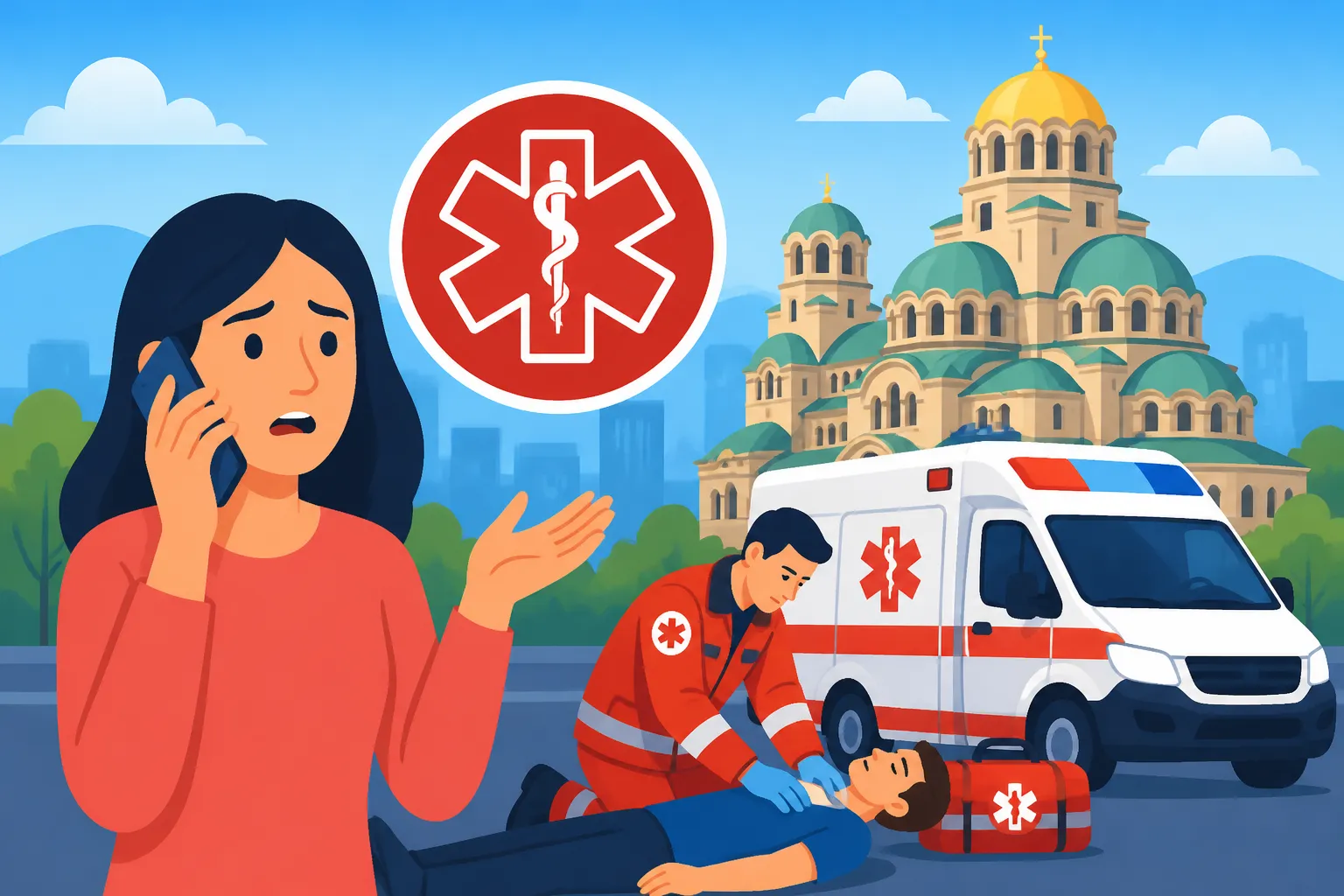
Bulgaria uses the standard European emergency number: 112. This is your first and most crucial call for any life-threatening situation, whether it's a sudden severe illness, a serious accident, or anything that requires immediate medical intervention. Don't hesitate to dial it. This number connects you to an integrated emergency centre that can dispatch ambulances, fire services, and police.
When you call 112, you'll likely hear a pre-recorded message in Bulgarian first, followed by an option for English. Listen carefully for that English prompt. If you're stressed and can't find it, just stay on the line. The operators are trained to handle calls from foreigners, and many speak at least basic English. Be prepared for a moment of silence or a slight delay as they connect you, but rest assured, someone will pick up. For a deeper dive into how this system works, check out our guide on Understanding Emergency Numbers (112) and Ambulance Care in Bulgaria.
Providing Information to the Operator
Once you connect with an operator, clarity and conciseness are your best friends. Even if your Bulgarian is non-existent, stick to the vital information. Here’s what they’ll need:
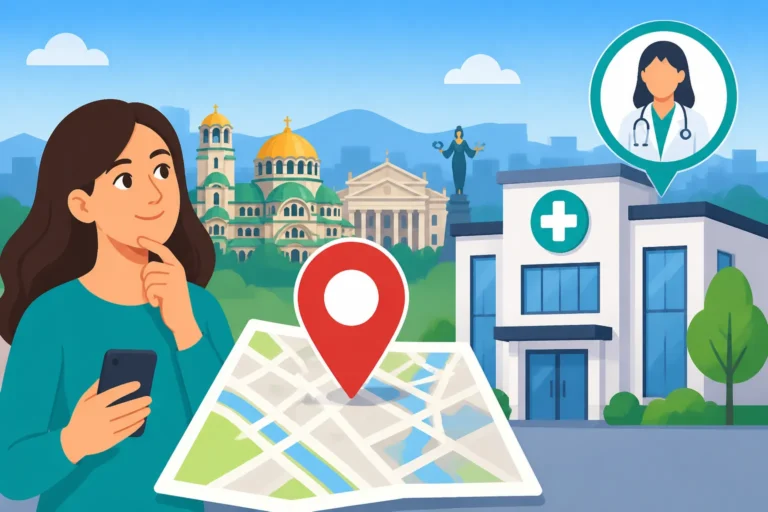
- Your exact location: This is paramount. Give the full street address, including apartment number if applicable. If you're outdoors, look for street signs, landmarks, or even ask a passerby for the exact address. Use app services like Google Maps to pinpoint your location precisely. Sofia has a lot of similar-sounding streets, so specificity is key.
- What happened: Describe the nature of the emergency clearly. Is someone unconscious? Having chest pain? Bleeding heavily? A detailed, yet brief, description helps them determine the right response. For instance, "My husband is having severe chest pain and difficulty breathing," or "My child fell and is not responding."
- Number of people involved: This helps them dispatch appropriate resources.
- Your contact number: They might need to call you back for more details or to confirm directions.
- Any critical information: If the person has known allergies, pre-existing conditions (like diabetes or epilepsy), or is on specific medication, relay this to the operator if you can.
Stay calm, speak slowly and clearly. The operator will guide you through the questions. Do not hang up until the operator tells you to. They might have additional instructions for you before the ambulance arrives.
What to Expect When an Ambulance Arrives
Ambulances in Sofia are typically staffed by paramedics and sometimes a doctor. They are equipped to provide immediate life support and stabilisation. When they arrive, be ready to:
- Show identification: Have your passport or ID card ready. If it’s for someone else, be prepared to provide their details.
- Reiterate the situation: Briefly explain what happened again, as the ambulance crew might not have received all the details from the dispatcher.
- Provide medical history: If possible, have a brief medical history, list of current medications, and any known allergies written down. This can be a lifesaver, especially if language is an issue. It is wise to have a small card in your wallet with this information, ideally translated into Bulgarian.
- Cooperate fully: The medical staff will assess the situation, provide initial treatment, and decide on the best course of action, which usually involves transporting the patient to the nearest appropriate hospital. They will do their best, even if their English is limited.
Bulgarian ambulance services prioritize critical cases. While they might not be as rapid as in some Western European countries, they are generally efficient for serious emergencies.
Navigating Sofia's Hospitals and Clinics During an Emergency
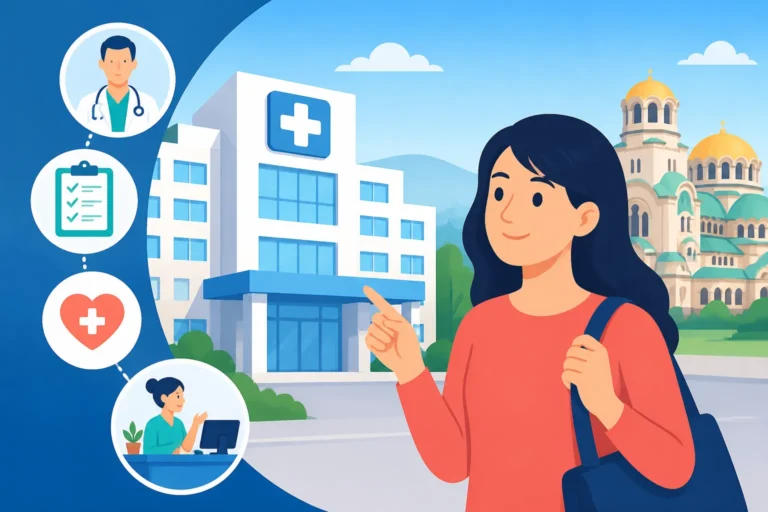
Once the ambulance has been called, or if you're taking someone directly, understanding the landscape of Sofia's hospitals and clinics is crucial. It’s not always as straightforward as "go to the nearest one."
Public Emergency Rooms vs. Private Clinics
Sofia has a mix of public and private healthcare facilities. In a true, life-threatening emergency, an ambulance will almost always take you to a public hospital with an emergency department. These are equipped to handle severe trauma, acute medical conditions, and provide critical care.
- Public Hospitals: For serious emergencies, public hospitals like UMBALSM N.I. Pirogov (often just called "Pirogov") are the go-to. It's the largest emergency hospital in Bulgaria and handles everything from major accidents to sudden severe illnesses. Other significant public hospitals include the Military Medical Academy (VMA), which also has a well-regarded emergency department and often has English-speaking staff, and various specialized public hospitals. Expect longer waiting times in public ERs for non-critical issues. The atmosphere can be chaotic, especially at Pirogov, but the staff are highly skilled for emergencies.
- Private Clinics: For urgent but non-life-threatening situations – think a bad cut that needs stitches, a high fever, or a severe allergic reaction that isn't anaphylactic shock – private clinics can be an excellent option. They generally offer shorter wait times, more comfortable facilities, and a higher likelihood of English-speaking staff. Leading private hospitals with urgent care departments in Sofia include Acibadem City Clinic Tokuda Hospital and Sofiamed Hospital. They are geared towards a more customer-friendly experience. However, these are often more expensive if you're paying out-of-pocket or your insurance doesn't cover them. Our guide on Understanding the Difference Between Public and Private Hospitals in Bulgaria can shed more light on this.
It's vital to assess the severity. If it's something that truly can't wait, the public emergency room is your best bet. If it's urgent but not critical, a private urgent care centre might be more appropriate, assuming you have the means or insurance coverage. If you need a comprehensive overview of the major facilities, our article on How to Use Major Hospitals and Clinics in Sofia is a good resource.
What to Bring: Documents and Essentials
Preparing a small emergency kit, even just mentally, can save precious time. When heading to an emergency department, have these ready:
- Passport/ID card: Essential for identification and registration.
- Residence Permit (Lichna Karta): If you're a resident, this proves your legal status.
- Health Insurance Card: Whether it’s your Bulgarian NHIF card, your European Health Insurance Card (EHIC), or your private insurance details (like your SafetyWing policy number), have it ready. This dictates how your treatment will be billed.
- Medical Records: Any relevant medical history, especially if it’s a chronic condition or allergies. A simple summary in English and ideally Bulgarian can be incredibly helpful.
- List of Medications: Current prescriptions, including dosage.
- Cash/Credit Card: Even if you have insurance, you might need to pay a co-payment or for services not covered. It’s always wise to have some lev (BGN) on hand.
- Phone and Charger: You'll likely be waiting, and you'll need to communicate.
- Comfort items: A bottle of water, a snack, maybe a book – emergency rooms involve waiting.
For more details on what documents are generally needed for medical visits, refer to What Documents Do I Need to See a Doctor in Bulgaria?.
Language Barriers and Communication
This is often the biggest hurdle and source of anxiety for expats in an emergency. The stress of the situation combined with a language barrier can feel insurmountable.
Tips for Communicating with Medical Staff
While many younger doctors and some nurses in Sofia's major hospitals and private clinics have a good grasp of English, it's not guaranteed, especially in older public facilities or with administrative staff. Here are some strategies:
- Speak slowly and clearly: Even if they don't speak perfect English, enunciating helps.
- Use simple sentences: Avoid complex medical jargon or slang.
- Use translation apps: Google Translate or similar apps can be invaluable for quick phrases or specific symptoms. Type in what you want to say, show them the Bulgarian translation, and they can often respond likewise.
- Body language and pointing: Sometimes, demonstrating where it hurts or miming symptoms is the most effective way to communicate.
- Be patient: Frustration won't help. A calm demeanour can go a long way.
Finding Translators or English-Speaking Staff
If you find yourself struggling severely with communication, don’t despair.
- Ask directly for an English speaker: Politely ask, "Govorite li Angliiski?" (Do you speak English?) or "Ima li nyakoy, koyto govori Angliiski?" (Is there someone who speaks English?).
- Call a friend or family member: If you have a Bulgarian-speaking friend, call them immediately and put them on speakerphone. They can often translate in real-time.
- Hospital hotlines: Some private hospitals, like Acibadem City Clinic Tokuda Hospital, have international patient departments or dedicated staff who can assist with language.
- Interpreter services: In rare, highly critical situations, and especially in private facilities, you might be able to request a professional medical interpreter, though this will come at a cost.
Having a list of essential Bulgarian medical phrases written down can also be incredibly helpful. Phrases like "It hurts here" (Boli me tuk), "I have chest pain" (Imam bolka v gradite), "I can't breathe" (Ne moga da disham), or "Allergy to…" (Alergiya kym…) can be crucial. For non-emergencies, finding an English-speaking doctor in Bulgaria is easier if you know where to look. We have a guide on How to Find an English-Speaking Doctor in Bulgaria that can help for follow-up care.
Understanding Costs and Payments in Emergency Situations
The financial aspect of a medical emergency can be as daunting as the medical one, particularly for foreigners. It’s crucial to understand how billing works in Sofia.
NHIF Coverage for Emergencies
If you are a legal resident of Bulgaria and registered with the National Health Insurance Fund (NHIF – НЗОК), a significant portion of your emergency treatment costs will be covered. This includes ambulance transport, emergency diagnostics, and stabilization care. However, you will still be responsible for a nominal "patient co-payment" (потребителска такса – potrebitelska taksa) for doctor visits, even in an emergency, unless you are exempt (e.g., children, pregnant women, certain chronic illnesses).
It's important to have your NHIF card or a document proving your contributions ready. If you haven't registered with the NHIF yet, or if you're a tourist, you will likely be considered a private patient. Our guide on How to Register with the NHIF and a GP in Bulgaria (2027) explains the process in detail.
Private Health Insurance and Travel Insurance
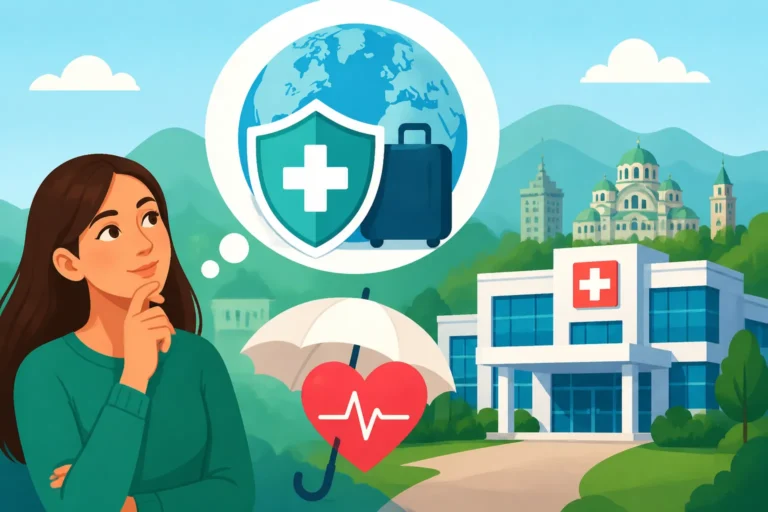
For many expats and tourists, private health insurance or comprehensive travel insurance is the safety net. If you have such a policy, make sure you understand its terms, especially regarding emergency care and direct billing.
Companies like SafetyWing offer travel medical insurance that can be a lifesaver for emergencies abroad. Their policies are often designed for digital nomads and long-term travellers, providing coverage for unexpected illnesses or injuries, including emergency hospitalisation and ambulance services. Having their contact information readily available, along with your policy number, means you can inform them as soon as possible, or have someone do it for you. This allows them to coordinate with the hospital for direct billing if available, or guide you through the reimbursement process.
Remember, always contact your insurance provider (or have someone do it) as soon as it's practical after the immediate emergency has been stabilized. They will need to approve certain treatments or transfers to ensure coverage.
Out-of-Pocket Expenses and Payment Methods
If you are not covered by the NHIF or your private insurance doesn't cover everything, you'll be facing out-of-pocket expenses.
- Cost Variance: Emergency treatment costs can vary wildly. A simple consultation might be 50-100 BGN, but diagnostics like X-rays, MRI scans, medications, and particularly hospital stays or surgeries can quickly run into hundreds or even thousands of lev. Private hospitals are generally more expensive than public ones.
- Payment: Most hospitals and clinics in Sofia accept credit/debit cards. However, it's prudent to have some cash on hand for smaller fees or if there are issues with card machines. Be prepared to pay for services upfront, especially in private clinics, if direct billing with your insurance isn't arranged.
- Itemized Bills: Always request an itemized bill (фактура – faktura) for all services received. This is crucial for insurance claims and for understanding exactly what you're paying for.
For a comprehensive breakdown of costs, check out The Cost of Healthcare in Bulgaria: A Complete Breakdown for Foreigners (2026) and Understanding Out-of-Pocket Healthcare Costs and Co-Payments in Bulgaria.
After the Emergency: Follow-up Care and Next Steps
The immediate crisis might be over, but the journey to full recovery often requires follow-up. This post-emergency phase is just as important.
Follow-up with a GP or Specialist
Once you've been discharged from the emergency department, you'll likely be advised to follow up with a General Practitioner (GP – личен лекар) or a specialist.
- Your Registered GP: If you are registered with a GP in Bulgaria, this is your first point of contact. They can review your discharge papers, prescribe ongoing medication, and arrange further tests or specialist consultations if needed. They are central to your ongoing care within the Bulgarian public health system.
- Finding a Specialist: If you don't have a GP or need to see a specialist immediately, private clinics can again be a quicker route, though potentially more costly. Many specialists operate both within public hospitals and have private practices.
- Prescription Medications: The hospital will likely give you initial medication or a prescription. You'll need to take this to a pharmacy (аптека – apteka). Most pharmacies in Sofia are well-stocked, and many pharmacists speak some English.
Retrieving Medical Records
Having access to your medical records is essential for continuity of care, especially if you need to follow up with a different doctor or claim insurance.
- Request at Discharge: Ask for a discharge summary (епикриза – epikriza) before leaving the hospital. This document details your diagnosis, treatment, and any follow-up instructions.
- Official Request: If you need more detailed records later, you may need to make an official request to the hospital's administrative department. This process can sometimes be slow and might require a small fee.
Informing Your Insurance Provider
This cannot be stressed enough: keep your insurance provider in the loop.
- Documentation: Gather all relevant documents: discharge summaries, itemized bills, receipts for medications, and any other reports. The more documentation, the smoother your claim process will be.
- Claim Process: Follow your insurance provider's specific claim procedures. For instance, SafetyWing has a clear process for submitting claims, typically requiring you to submit original receipts and medical reports. Don't delay, as there are usually time limits for submitting claims.
- Ongoing Treatment: If the emergency leads to ongoing treatment or rehabilitation, ensure your insurance provider is aware and has approved these subsequent steps.
Prevention and Preparation: Being Ready Before Disaster Strikes
While you can't prevent all emergencies, you can certainly mitigate their impact by being prepared.
Having a Medical Information Card
Carry a small card with your essential medical information. Keep it in your wallet or phone case. Include:
- Your Name and Date of Birth
- Blood Type (if known)
- Known Allergies (especially to medications)
- Chronic Medical Conditions (e.g., diabetes, hypertension, asthma)
- Current Medications (name and dosage)
- Emergency Contact Person (name, relationship, phone number)
- Your Insurance Provider and Policy Number (like your SafetyWing details)
- GP's Name and Contact Number (if you have one)
Ideally, have this translated into Bulgarian on the reverse side. A quick, easy-to-read summary can speak volumes when you can't.
Knowing Your Insurance Details
Don't just have your insurance card; understand what it actually covers.
- Coverage Limits: Know your deductible, co-payments, and overall coverage limits.
- Exclusions: Be aware of any exclusions, such as pre-existing conditions or specific activities.
- Emergency Hotline: Save your insurance provider's 24/7 emergency hotline number in your phone. This is often different from their general customer service line and is designed for immediate assistance during crises.
- Direct Billing vs. Reimbursement: Clarify if your policy allows for direct billing with hospitals in Bulgaria or if you'll need to pay upfront and seek reimbursement. Many international policies, like those from SafetyWing, work on a reimbursement basis but have emergency hotlines to guide you.
Emergency Contacts and Support Networks
Beyond your immediate family, having a local support network can be invaluable.
- Trusted Friends: Share your medical information card with a trusted friend or colleague in Sofia. Let them know where you keep it and who to call.
- Embassy/Consulate: Know the emergency contact details for your country's embassy or consulate in Sofia. While they can't provide medical care, they can offer consular assistance, which might include helping you contact family or arranging transfers in extreme cases.
- Local Resources: Be aware of expat groups or online forums that might offer advice or support in a medical emergency. While not professional help, they can offer anecdotal guidance or help with translation.
Being prepared for a medical emergency in Sofia is about arming yourself with knowledge and having a plan. While the unknown can be scary, knowing these steps can empower you to act decisively and get the best possible care when it matters most.
Disclaimer
The information provided in this guide is for general informational purposes only and does not constitute medical, legal, or financial advice. While we strive to provide accurate and up-to-date information, healthcare systems and regulations in Bulgaria can change. Always consult with qualified medical professionals, legal advisors, or insurance providers for advice tailored to your specific situation. We are not liable for any actions taken or not taken based on the information provided herein.