What Documents Do I Need to See a Doctor in Bulgaria?
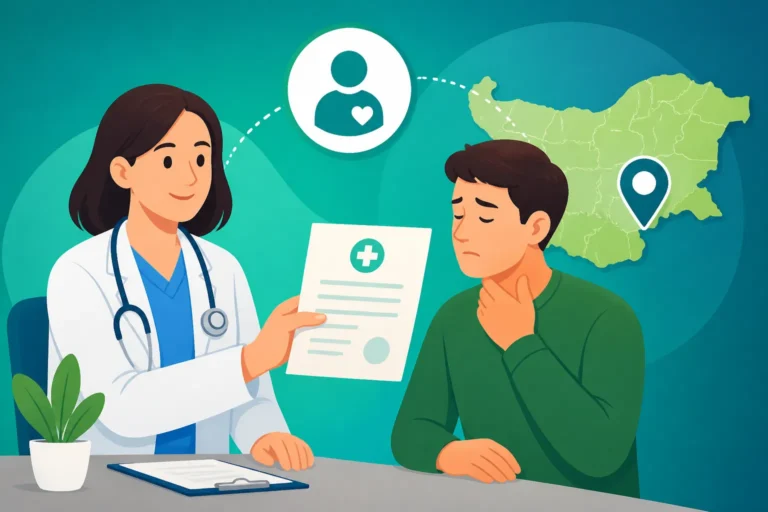
It’s a situation many expats in Bulgaria dread: you wake up feeling unwell, or perhaps you’ve had a minor accident, and suddenly the comfort of your home healthcare system feels a million miles away. The first thought isn't about recovery, but often a wave of panic about what documents you need to even see a doctor in this new country. Believe me, navigating the Bulgarian healthcare bureaucracy can feel like a labyrinth, especially when you’re not feeling your best. This guide is here to untangle that knot, detailing exactly what paperwork you’ll need to present, whether you’re heading to your GP, a private clinic, or facing an unexpected emergency.
The Cornerstones of Bulgarian Medical Access: Your ID and NHIF Status
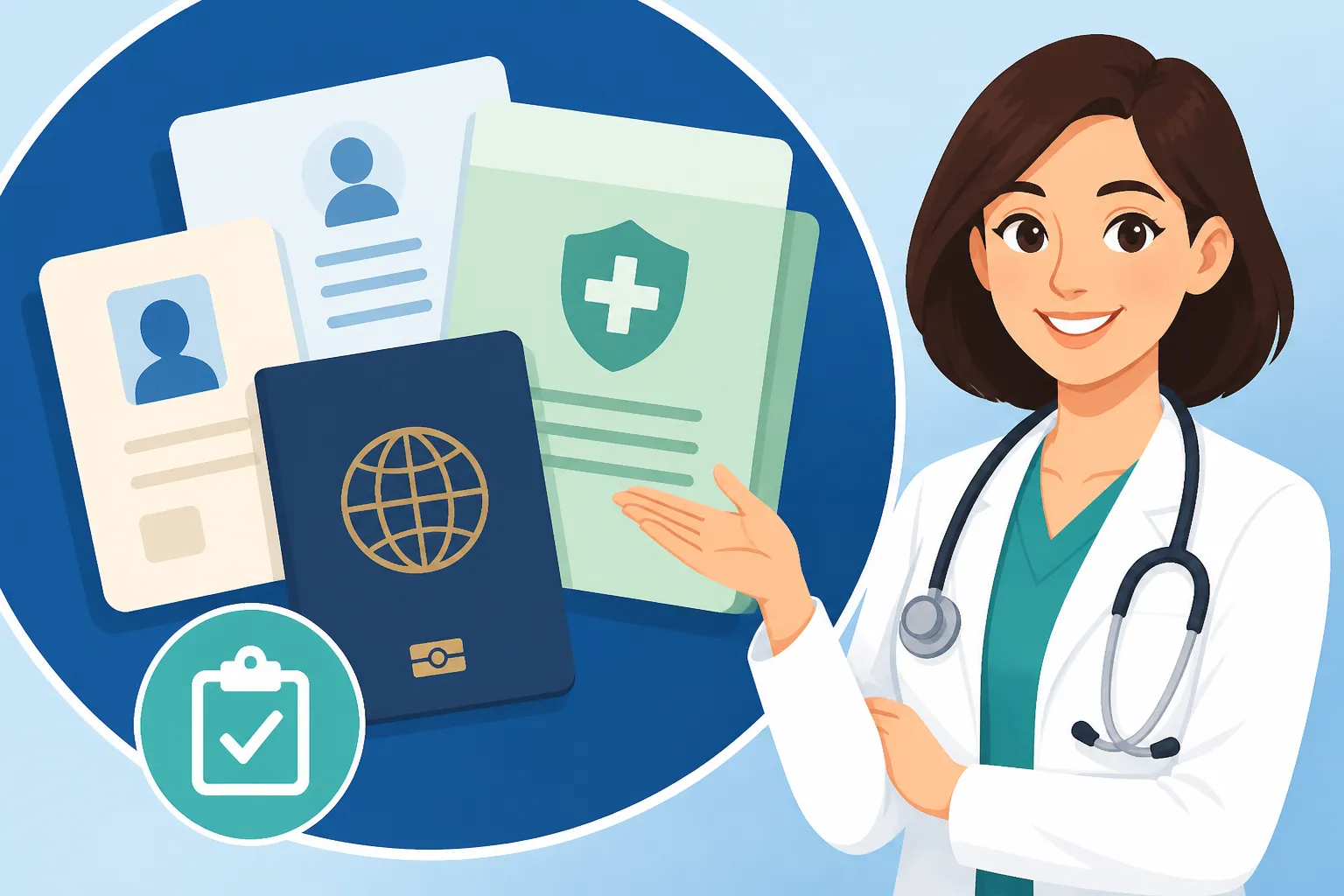
When you first arrive in Bulgaria, everything revolves around your legal status and identification. This is no different when it comes to healthcare. Whether you're an EU citizen or a non-EU resident, having your official documents in order is the absolute first step. Without them, even the most sympathetic doctor will have their hands tied, or you’ll be left to cover the costs entirely out of pocket.
Your Valid Bulgarian Identification Card or Residence Permit
This might seem obvious, but it's crucial. Your lichna karta (лиxна карта) – the Bulgarian ID card – if you're an EU citizen or have obtained Bulgarian citizenship, or your residence permit card if you're a non-EU resident, is your primary piece of identification. This small plastic card is your gateway to nearly all public services, including healthcare. It proves who you are and, more importantly, that you are legally residing in Bulgaria.
Doctors and administrative staff at clinics and hospitals will always ask for this. They need to verify your identity and your right to access the healthcare system. Think of it as your passport within Bulgaria. Make sure it's valid and unexpired. If you’re a new arrival and your residence permit is still processing, you might find yourself in a tricky spot, often having to rely on private options or showing proof of your application, which isn't always universally accepted. It’s one of those exasperating hurdles we all face when we first try to How Do I Apply for a Residence Permit in Bulgaria? or renew our status here. Always carry it with you, or at least a high-quality photocopy, especially when venturing out of your immediate neighbourhood.
Proof of National Health Insurance Fund NHIF Contributions
Beyond mere identification, proving your active health insurance status with the National Health Insurance Fund (NHIF, or НЗОК – Natsionalna Zdravnoosiguritelna Kasa) is paramount for accessing public healthcare. For many, this means presenting your zdravnoosiguritelna knizhka (здравноосигурителна книжка) – your health insurance booklet. While many systems are moving towards digitisation, some older practices or smaller clinics might still expect to see this physical booklet, stamped and up-to-date.
However, the real key is active contributions. It's not enough to simply have an NHIF number; you must be consistently paying into the system. If you're employed, your employer usually handles these contributions on your behalf. If you’re self-employed, a freelancer, or a retired expat, the responsibility falls squarely on your shoulders to ensure your monthly payments are made. If there are gaps in your contributions, even with your booklet, you might be informed that your insurance is inactive, meaning you'll need to pay for services out of pocket. This can be a rude awakening, and it’s a situation many foreigners have encountered. Understanding the nuances of Understanding Mandatory Health Insurance Contributions in Bulgaria is absolutely vital to avoid unexpected bills. You can always check your status online via the NHIF portal or by visiting a local office. For a complete overview, I highly recommend checking out The Complete Guide to Healthcare in Bulgaria for Expats (2027).
Visiting Your General Practitioner Личен Лекар and Beyond
In Bulgaria, your General Practitioner, known as a lichen lekar (личен лекар), is your primary point of contact for most non-emergency medical needs. This doctor acts as a gatekeeper to the wider healthcare system, meaning you typically can’t just waltz into a specialist's office without their referral.
Documents for a Consultation with Your Registered GP
Once you've successfully navigated the process to How to Choose and Register with a GP (Личен Лекар) in Bulgaria, seeing them usually requires fewer documents than your initial registration. Typically, you'll need:
- Your Bulgarian ID card or Residence Permit: Again, this is non-negotiable for identification.
- Your NHIF Health Insurance Proof: This can be your physical booklet or simply an active online status that the GP's office can verify. They need to ensure your insurance is current to bill the NHIF for your visit.
When you attend an appointment, your GP will update your medical records, which are often electronic these days. They might still ask if you have any previous test results or medical history, especially if it’s your first visit or you’re presenting with a new, complex issue. Don’t underestimate the importance of establishing a good relationship with your lichen lekar; they’ll become a crucial figure in your healthcare journey here. It’s also where you'll get your sick notes, routine prescriptions, and initial diagnoses.
The Referral Process for Specialists and Hospitals
Should your GP determine you need to see a specialist – say, a dermatologist, a cardiologist, or an orthopaedist – they will issue you a referral, known as a napravlenie (направление). This piece of paper (or increasingly, an electronic referral) is absolutely essential for accessing specialist care under the NHIF system. Trying to book an appointment with a specialist without one will almost certainly result in you being turned away or asked to pay privately.
When you go to the specialist or hospital, in addition to your referral, you will need:
- Your Bulgarian ID card or Residence Permit: For identification purposes.
- Your NHIF Health Insurance Proof: To confirm your active coverage.
- The Napravlenie (Referral) from your GP: This proves that your visit is justified and covered by the NHIF.
This system, while sometimes frustratingly linear, ensures that medical resources are managed and that patients receive appropriate primary care before being escalated. If you're curious about the specifics of navigating this, our guide on How Specialist and Hospital Referrals Work in Bulgaria provides a deeper dive. Without these documents, even if you’re genuinely ill, you’ll face considerable delays or be forced to seek private care.
Accessing Private Healthcare, Emergency Services, and Tourist Care
Not all medical scenarios fall neatly into the public NHIF system. Sometimes, due to urgency, preference, or lack of public insurance, expats will turn to private clinics or face emergency situations.
Documents for Private Clinics
Private clinics in Bulgaria offer a different experience: often shorter wait times, English-speaking staff, and sometimes more modern facilities. The great news is that you generally don't need your NHIF registration to see a private doctor. However, you will need:
- Your Passport or Bulgarian ID/Residence Permit: This is still required for identification and for the clinic to register you as a patient.
- Proof of Private Health Insurance or Funds for Out-of-Pocket Payment: This is the big one. If you have private health insurance, bring your insurance card, policy number, and any relevant contact details for your insurer. The clinic will either directly bill your insurer or provide you with an invoice for reimbursement. For many new arrivals or those who haven't yet sorted their NHIF, options like SafetyWing offer comprehensive travel and medical insurance plans that are widely accepted at private facilities. They are built with expats and digital nomads in mind, providing a crucial safety net for those initial months or for shorter stays. If you don't have private insurance, be prepared to pay the full cost of your consultation and any procedures upfront.
- Any Existing Medical Records: While not strictly required, having copies of past diagnoses, blood tests, or medication lists from your home country or previous Bulgarian doctors can be incredibly helpful for a private doctor, especially if they are seeing you for the first time.
Many expats find private healthcare to be a more accessible and comfortable option, especially when they're still figuring out the public system or prefer the convenience. To weigh your options, take a look at our comparison between Public vs Private Healthcare in Bulgaria: What Expats Need to Know. Also, if you’re considering this route, it's worth understanding How Much Does Private Health Insurance Cost in Bulgaria in 2026? to budget accordingly.
What to Do in an Emergency Situation
In a genuine medical emergency, the immediate priority is treatment, not paperwork. If you need urgent medical attention, dial 112 for an ambulance. They will respond regardless of your documentation status. However, once you arrive at the hospital, or once the immediate danger has passed, the administrative team will absolutely require your documents.
For emergency hospital visits, be prepared to present:
- Your Bulgarian ID card or Residence Permit / Passport: For identification. This is critical for hospital admission and to establish your legal status.
- Your NHIF Health Insurance Proof or Private Health Insurance Details: As soon as you can, provide proof of your health insurance. This determines how the hospital will bill for your treatment. If you have active NHIF contributions, a portion (or sometimes all) of your emergency care may be covered. If you have private insurance, they will need those details. Without either, you will be liable for the full cost of treatment.
It’s a stressful time, so having these documents in an easily accessible place (like a small bag you grab in an emergency, or even a digital copy on your phone) can alleviate a lot of secondary stress. For more in-depth advice, our guide on Emergency Medical Care in Bulgaria: What Every Expat Needs to Know is a lifesaver.
Healthcare for Tourists and Short-Term Visitors
If you're visiting Bulgaria for a short period, whether on holiday or for a temporary work assignment, you won't be registered with the NHIF. Your access to medical care will depend on your nationality and your travel insurance.
- For EU Citizens: Your European Health Insurance Card (EHIC) is your essential document. This card entitles you to medically necessary state-provided healthcare during a temporary stay, under the same conditions and costs as Bulgarian citizens. You'll also need your national ID or passport.
- For Non-EU Citizens: A valid passport is mandatory, along with comprehensive travel insurance. Without it, you'll be expected to pay for all medical services upfront. Robust travel insurance, like that offered by SafetyWing, is highly recommended as it covers unforeseen medical expenses, often including emergency dental care and repatriation. They are designed for digital nomads and frequent travelers, providing peace of mind when you’re far from home. Make sure you understand what your policy covers and always have your policy number and emergency contact details handy.
Regardless of your status, it's always wise to have a copy of your passport and visa (if applicable) with you. For a quick guide on what to expect, read Can Tourists Access Emergency Care in Bulgaria? to ensure you're prepared.
Navigating Specific Scenarios and What to Do Without Documents
Life happens, and sometimes you find yourself without the ideal set of documents. Understanding how to handle these situations, and planning ahead for your family, is key.
What Happens If You Don't Have the Right Documents?
Let’s be realistic: if you arrive at a public clinic or hospital without proper identification and proof of active NHIF insurance (or a valid EHIC for EU citizens), you will almost certainly be treated as a private patient. This means you will be expected to pay the full cost of the consultation, tests, and any subsequent treatment out-of-pocket, sometimes even before services are rendered. This can come as a shock to those used to systems where treatment is guaranteed first, billing later.
If you find yourself in a bind, with a gap in your NHIF contributions, for example, your best bet is often a private clinic. While you’ll still pay, the process will generally be clearer, and the administrative hurdles lower. It’s a common expat frustration to learn these lessons the hard way. This is why it's so important to get How Do I Register with the NHIF in Bulgaria? as soon as your residence status is secured and to keep those contributions up to date. If you're wondering What Happens If I Get Sick Before I Register with the NHIF in Bulgaria?, the answer is usually: be prepared to pay.
Documents for Children and Dependents
Ensuring your children and other dependents have access to healthcare is a primary concern for any expat parent. The process largely mirrors that for adults, but with some additional considerations.
For children to see a paediatrician or any doctor in Bulgaria, you’ll typically need:
- The Child's Birth Certificate: Ideally, an officially translated and apostilled copy, especially for initial registration.
- The Child's ID Card or Passport: If they have one.
- Parents’ Bulgarian ID Cards or Residence Permits: To prove legal guardianship and residence.
- Proof of the Child’s NHIF Registration: Often, children are registered under one of the parents' NHIF accounts. You'll need to demonstrate their active status.
- Their Zdravnoosiguritelna Knizhka: Again, some places might still use a physical booklet.
- Child's Vaccination Records: While not strictly for seeing a doctor, having these readily available is crucial for routine check-ups and especially for school enrolment.
Registering your children with the NHIF and a paediatrician is a key step after moving here. Our article on How Do I Register My Newborn for Healthcare in Bulgaria? can walk you through the specifics. It ensures they are covered for routine check-ups, vaccinations, and specialist referrals, just like you would be.
Here's a quick summary table to help you keep things straight:
| Scenario | Essential Documents | Additional Recommended Documents |
|---|---|---|
| GP (NHIF Covered) | Bulgarian ID/Residence Permit, NHIF Insurance Proof | Zdravnoosiguritelna knizhka (if physical), existing medical records |
| Specialist (NHIF) | Bulgarian ID/Residence Permit, NHIF Insurance Proof, GP Referral | Zdravnoosiguritelna knizhka, relevant test results |
| Private Clinic | Passport/Bulgarian ID/Residence Permit, Private Insurance Card/Policy No. OR Funds | Existing medical records, translated documents |
| Emergency (Public) | Passport/Bulgarian ID/Residence Permit, NHIF or Private Insurance Details | Emergency contact information, list of medications/allergies (on person) |
| Tourist (EU Citizen) | Passport/National ID, EHIC Card | Travel insurance policy, list of medications/allergies |
| Tourist (Non-EU) | Passport, Travel Insurance Policy | Emergency contact information, list of medications/allergies |
| Child (NHIF Covered) | Child's ID/Passport/Birth Cert, Parents' IDs, Child's NHIF Proof | Child's vaccination records, Zdravnoosiguritelna knizhka |
Final Thoughts on Your Medical Paperwork Journey
Navigating the Bulgarian healthcare system requires patience and a good understanding of the required documents. While it can feel overwhelming at first, especially when you're not feeling well, having your paperwork in order will save you immense stress and potential financial burden. Always ensure your ID and insurance contributions are current, whether it's the NHIF or a private policy. Keep these essential documents accessible, and you'll be much better prepared for any medical need that arises during your time in beautiful Bulgaria.
Disclaimer
The information provided in this guide is for general informational purposes only and does not constitute legal, medical, or professional advice. Healthcare regulations and requirements in Bulgaria can change, and individual circumstances vary. Always consult with a qualified legal professional, healthcare provider, or the relevant Bulgarian authorities (such as the NHIF or Migration Directorate) for advice tailored to your specific situation.