How Do I Access Mental Health Support in English in Bulgaria?
Moving to a new country like Bulgaria, with all its charm and opportunities, can also bring unexpected emotional challenges. When you're far from your familiar support network and navigating a new language and culture, finding mental health support in English can feel like an impossible quest, leaving you isolated and overwhelmed. This guide is here to help you cut through the confusion and connect you with the English-speaking mental health resources available, so you don't have to face these struggles alone.
The Unique Challenges of Expat Mental Health in Bulgaria
Living abroad, even in a place as beautiful as Bulgaria, comes with its own specific set of stressors that can impact your mental well-being. It's not just about missing home or struggling with the language; it's a deeper, more pervasive feeling that can creep up on you when you least expect it. Many expats arrive with high hopes, only to find the daily grind of bureaucracy, cultural differences, and social isolation chipping away at their resilience.
Navigating Cultural and Linguistic Barriers
One of the biggest hurdles, and often the most overlooked until you're deep in it, is the cultural and linguistic barrier when it comes to expressing complex emotions. Imagine trying to explain nuanced feelings of anxiety or depression, or the specific kind of culture shock you're experiencing, to someone who doesn't quite grasp your cultural context, let alone needing to do it in Bulgarian. It’s exhausting, often ineffective, and can lead to immense frustration. The emotional labor required to translate your innermost thoughts and feelings into a foreign language can be a significant deterrent to seeking help, even if you manage to find a therapist who speaks some English. You might find yourself simplifying your experiences, or feeling like you're not truly being understood, which defeats the purpose of therapy.
Beyond the language, there's also the cultural understanding of mental health itself. In some cultures, mental health is openly discussed and destigmatized; in others, like historically in Bulgaria, it's often a private matter, perhaps even associated with shame or weakness. While attitudes are slowly changing, this underlying cultural context can make it harder to open up, or to find local professionals who are accustomed to treating issues common among expats, such as identity crises, repatriation anxiety, or chronic homesickness. This isn't to say Bulgarian therapists aren't skilled, but the cultural gap can sometimes feel like another barrier to genuine connection and effective support. It’s perfectly normal to feel overwhelmed by this, and it’s important to acknowledge that your feelings are valid.
Understanding the Bulgarian Mental Healthcare Landscape
The mental healthcare system in Bulgaria, much like its broader healthcare system, can be quite different from what many expats are used to back home. Broadly, you have the public system, covered by the National Health Insurance Fund (NHIF), and the private sector. Through the NHIF, you can access psychiatric services, but typically this involves a referral from your GP (личeн лeкaр). The challenge here, for expats seeking English support, is twofold: first, finding a GP who speaks English and is understanding of mental health issues, and second, finding an NHIF-covered psychiatrist or psychologist who also speaks English fluently and can offer ongoing therapy rather than just medication management. This can be a long and frustrating process. For a deeper dive into the system, you might want to read our guide on How Bulgaria's Health System Works: The NHIF and Private Care Explained (2027).
The public system often focuses on more severe psychiatric conditions, hospitalizations, and medication, which might not be what you’re looking for if you need talk therapy for stress, anxiety, or adjustment disorders. Waiting times for appointments can also be a factor, and the environment might not always feel as private or comfortable as you'd prefer. The private sector, on the other hand, offers more flexibility, a greater chance of finding English-speaking professionals, and generally more tailored therapy options. However, this comes at a cost, as private mental health services are typically not covered by the NHIF, leaving you to foot the bill yourself or rely on private insurance. This distinction between public and private is critical when considering your options, and understanding Public vs Private Healthcare in Bulgaria: What Expats Need to Know can shed more light on the overall picture.
Finding English-Speaking Mental Health Professionals
Okay, so you’ve acknowledged that you need help, which is a huge first step! Now, let’s talk about how to actually find someone here in Bulgaria who can understand you, not just linguistically, but emotionally and culturally too. It definitely requires a bit of detective work, but it’s far from impossible.
Online Directories and International Networks
Your first port of call should absolutely be online. There are several excellent resources specifically designed to connect individuals with therapists who speak various languages and understand expat challenges. Platforms like Psychology Today have an international search function where you can filter by country (Bulgaria), city (Sofia, Plovdiv, Varna), and language (English). This is often the most straightforward way to find a list of qualified professionals right away. You’ll usually see their profiles, specializations, fees, and contact details, which helps you get a feel for them before reaching out.
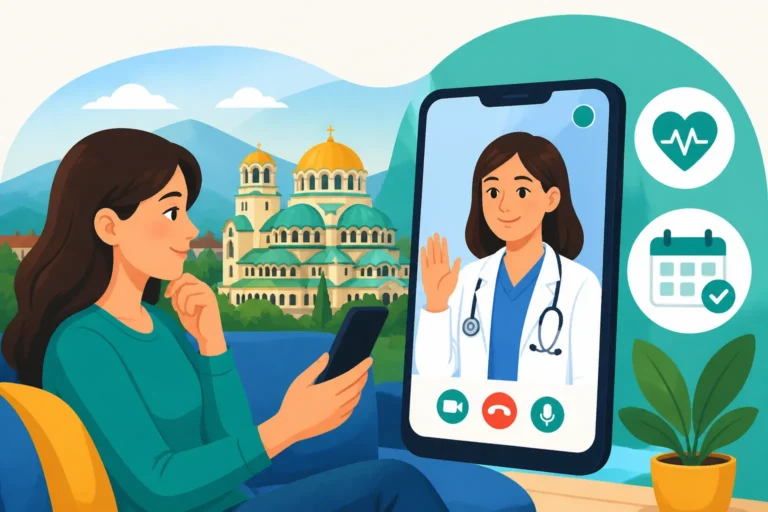
Beyond Psychology Today, you might also look into broader international therapy networks. Websites that cater to global citizens or digital nomads often list therapists who are experienced with the unique issues of living abroad. Many of these therapists also offer online sessions, meaning you're not restricted to finding someone physically located in your Bulgarian city. This opens up a world of possibilities, allowing you to work with a therapist based anywhere who can meet your specific needs. When searching, try various keyword combinations like "expat therapist Bulgaria," "English-speaking psychologist Sofia," or "online therapy for expats." Don't be afraid to cast a wide net initially, as sometimes the perfect fit isn't immediately obvious. Telehealth has become a game-changer for many expats, offering a convenient and private way to access support from the comfort of your home, wherever you are in Bulgaria.
Expat Communities and Word-of-Mouth Referrals
Never underestimate the power of your fellow expats! They've been through it, or they know someone who has. Joining expat Facebook groups in Bulgaria, especially those specific to cities like "Expats in Sofia" or "Plovdiv Expats," can be an invaluable resource. You can post an anonymous query asking for recommendations for English-speaking therapists. Often, you'll receive a flood of helpful suggestions, personal experiences, and even direct contact information for professionals who have genuinely helped others in similar situations. The shared experience within these communities can be incredibly validating, and receiving a personal recommendation can give you that extra bit of confidence.
Beyond Facebook, look for local expat meetups or social groups. These can be great for making connections and having informal conversations where you might naturally come across a recommendation. While word-of-mouth is powerful, it's always crucial to do your own due diligence. Even if someone raves about a therapist, take the time to check their credentials, experience, and ensure they are a good fit for your specific needs. What works for one person might not work for another. Still, these communities are goldmines for insider information and support, and they often know about hidden gems that aren't easily found through official channels.
Private Clinics and International Hospitals
For those who prefer in-person consultations or need a more integrated healthcare approach, private clinics and international hospitals are your best bet. Major cities, particularly Sofia, have a few private medical centers that are much more geared towards international clients. While specific mental health clinics catering exclusively to expats are rare, these general private clinics often have a network of English-speaking specialists, including psychologists and psychiatrists, they can refer you to. The staff at the reception desk or within their international patient departments are typically more accustomed to dealing with foreigners and can assist with appointments and understanding services.
These facilities might not always advertise their mental health services prominently in English, so it often requires direct inquiry. For example, some larger private hospitals in Sofia are more likely to have departments or affiliated professionals who can provide consultations in English. The key benefit here is often a more streamlined process, less bureaucracy, and a higher chance of encountering staff who understand the nuances of international patient care. However, as these are private services, they will almost certainly be more expensive than public options, and they will likely require upfront payment. It's always a good idea to call ahead, explain your needs in English, and ask about their available mental health professionals and their language capabilities.
Funding Your Mental Health Support
Once you’ve started to identify potential English-speaking professionals, the next natural question that pops up is, "How in the world am I going to pay for this?" The financial aspect of mental healthcare can be just as daunting as the search itself, especially when you're navigating a new country's insurance and payment systems.
Health Insurance and Coverage Options
Let's be frank about the NHIF, Bulgaria's public health insurance system: while it's mandatory for many residents and covers a broad range of medical services, its coverage for mental health, particularly for ongoing therapy with an English-speaking private practitioner, is often quite limited. Generally, the NHIF focuses on severe psychiatric conditions and may cover visits to state-employed psychiatrists for medication management or short-term crisis intervention. It's highly unlikely to cover regular sessions with a private psychologist or psychotherapist you found through online directories, especially if they are not part of the state system. You can learn more about how to register and what's covered in our guide on How to Register with the National Health Insurance Fund in Bulgaria.
This is where private health insurance comes into play. Many expats opt for private insurance, either local Bulgarian policies or international plans, to supplement or replace NHIF coverage, especially for services like mental health support. However, it's absolutely crucial to read the fine print of any private policy. Some international health insurance plans, particularly those catering to digital nomads and expats like SafetyWing, are becoming increasingly aware of the need for mental health support and may offer coverage for therapy or counseling. These plans often provide flexibility, covering you both inside Bulgaria and potentially when you travel or even if you decide to try remote therapy with a practitioner outside Bulgaria. Before committing to any therapist, contact your insurance provider directly and ask very specific questions about what mental health services are covered, what the reimbursement process is, and if there are any restrictions on who you can see (e.g., licensed only, specific types of therapy). Understanding Health Insurance in Bulgaria: NHIF, Private and International Options Explained can provide a comprehensive overview of your choices.
Out-of-Pocket Costs and Budgeting
If your insurance doesn't cover mental health support, or if you prefer to keep it private from your insurance company, you'll be looking at out-of-pocket costs. The good news is that therapy in Bulgaria is generally more affordable than in many Western European countries or North America. A private therapy session (typically 45-60 minutes) with an English-speaking professional can range anywhere from 50 BGN to 150 BGN (approximately 25 EUR to 75 EUR). This is a broad range, and it largely depends on the therapist's experience, their specific specialization, and their location (Sofia might be slightly more expensive than Plovdiv or Varna).
When you first contact a therapist, it's perfectly acceptable and advisable to inquire about their fees upfront. Many will offer a free initial consultation (15-20 minutes) to see if you're a good fit, which is also a great opportunity to discuss costs. Payment is often made in cash directly to the therapist, or sometimes via bank transfer if they have a company setup. If cost is a significant barrier, don't despair. Some therapists offer sliding scale fees based on income, so it's worth asking. You might also consider group therapy if an English-speaking option is available, as this is typically more affordable than individual sessions. Another route is exploring online platforms that offer therapy from a wider pool of international therapists, as some of these have more competitive pricing models, again, potentially covered by flexible plans like SafetyWing. Budgeting for regular sessions is important, so ensure you factor this into your monthly expenses. If you're wondering about general healthcare costs, our guide on The Cost of Healthcare in Bulgaria: A Complete Breakdown for Foreigners (2026) might be useful context.
Here's a quick comparison to help you weigh your options:
| Aspect | Public (NHIF-covered) | Private (In-person) | Online/Telehealth (English-speaking) |
|---|---|---|---|
| Language | Mostly Bulgarian, English often limited | Higher chance of English speakers | High chance of English speakers |
| Cost | Low/free (with NHIF & referral) | Varies (50-150 BGN/session) | Varies (similar to private, potentially more competitive) |
| Accessibility | Limited; referrals needed, wait times | Better, direct booking, often central locations | Excellent, from anywhere with internet |
| Coverage | Mostly psychiatric, medication focus | Rarely NHIF; private insurance might cover | Private insurance might cover (e.g., SafetyWing) |
| Privacy/Comfort | Varies, can be more institutional | Generally higher | High, from home environment |
| Therapist Pool | Limited to state-employed | Wider, but still local | Global, much wider selection |
| Expat-Specific Issues | Less likely to be specialized | More likely to have experience | Very common for therapists to specialize in expat issues |
Navigating mental health support in a foreign country can be tough, but you're taking the right steps by seeking information. Remember, reaching out is a sign of strength, and there are resources available to help you thrive in Bulgaria.
Disclaimer
The information provided in this guide is for general informational purposes only and does not constitute professional medical, legal, or financial advice. While we strive to provide accurate and up-to-date information, circumstances in Bulgaria can change, and individual situations vary. Always consult with qualified professionals for advice tailored to your specific needs. We recommend verifying any information, particularly regarding healthcare coverage, costs, and professional credentials, directly with the relevant institutions or professionals mentioned.