How Much Does an Ambulance Cost in Bulgaria?
When you're living abroad, few things are as unsettling as a medical emergency. The sudden fear, the language barrier, and that gnawing question – "How much is this going to cost?" – can be overwhelming. In Bulgaria, navigating the emergency services, particularly understanding the cost of an ambulance, can feel like a daunting task, especially when you're caught off guard. This guide is here to shed some light on the subject, breaking down the costs, the systems, and what you, as an expat or tourist, need to know to be prepared.
Navigating Emergency Services in Bulgaria: The 112 System
Let's get one thing straight from the start: when you face a genuine, life-threatening emergency in Bulgaria, your first call should always be to 112. This is the unified European emergency number, and it connects you to police, fire, and ambulance services. It’s designed to be a lifesaver, but understanding how it functions is crucial.
Understanding the Unified Emergency Number 112
Bulgaria operates on the 112 emergency system, just like many other EU countries. When you dial 112, you're not calling a specific ambulance dispatcher; rather, your call goes to a central dispatch center. The operator will assess your situation and then forward your request to the appropriate service – be it the police, fire brigade, or, in our case, the emergency medical team.
One of the most common frustrations expats face here is the language barrier. While efforts are made to have English-speaking operators available, especially in larger cities like Sofia or Varna, it's not a guarantee. You might find yourself struggling to explain your address or symptoms in Bulgarian. This is why it's incredibly important to speak slowly, clearly, and concisely. State your location first, then briefly describe the emergency. If you can, have a Bulgarian speaker nearby to assist you. Don't be shy about asking if they have an English-speaking operator available.
When to Call 112 for an Ambulance
Knowing when to call 112 versus seeking other medical care is vital. The emergency ambulance service is intended for severe, life-threatening situations where immediate medical intervention is necessary. Think things like:
- Sudden, severe chest pain (potential heart attack)
- Difficulty breathing or choking
- Loss of consciousness
- Severe bleeding that won't stop
- Signs of a stroke (e.g., sudden weakness on one side of the body, slurred speech)
- Major accidents with serious injuries
- Severe allergic reactions
- Uncontrollable seizures
For less urgent matters, such as a high fever without other alarming symptoms, a sprained ankle, or a persistent cough, it's generally more appropriate to contact your registered GP (личeн лeкap – personal doctor) or head to an urgent care clinic. Calling an ambulance for non-emergencies can unnecessarily strain the system and potentially incur charges, even for NHIF members. Remember, the ambulance isn't a taxi service to the hospital; it's a critical medical transport for emergencies.
The Cost of a Public Ambulance in Bulgaria: What to Expect
Now, let's get down to the brass tacks: what's this going to set you back? The answer, as with many things in Bulgaria, depends heavily on your residency status and health insurance coverage.
Public Ambulances and the NHIF National Health Insurance Fund
If you are a legal resident in Bulgaria, properly registered, and contributing to the National Health Insurance Fund (NHIF – Национална здравноосигурителна каса, NZOK), then congratulations, you're largely covered. For medically necessary emergency ambulance transport, the service provided by the public 112 system is generally free at the point of use. This means you won't be handed a bill by the paramedics right there and then.
The NHIF system is designed to provide access to essential healthcare, and emergency services are definitely at the top of that list. The ambulance crew, upon arrival, will assess your condition. If they determine that your situation requires emergency hospital treatment, they will transport you to the nearest public emergency room. This is crucial: they decide where you go, not you. You won't have the luxury of choosing your preferred hospital in an emergency with the public ambulance. Once at the hospital, subsequent treatment will then fall under the umbrella of your NHIF coverage, subject to any co-payments or specific exclusions that apply to general inpatient or outpatient care.
For a deeper dive into how the entire system works, you might find our guide on How Bulgaria's Health System Works: The NHIF and Private Care Explained (2027) quite helpful.
Non-NHIF Members and Tourists: Direct Costs
Here's where it gets a bit more complicated, and potentially expensive, for many foreigners. If you are a tourist, a new expat who hasn't yet registered with the NHIF, or someone who is legally exempt from NHIF contributions (e.g., certain categories of remote workers with private insurance from another EU country), you will likely be responsible for the full cost of a public ambulance service if you call 112.
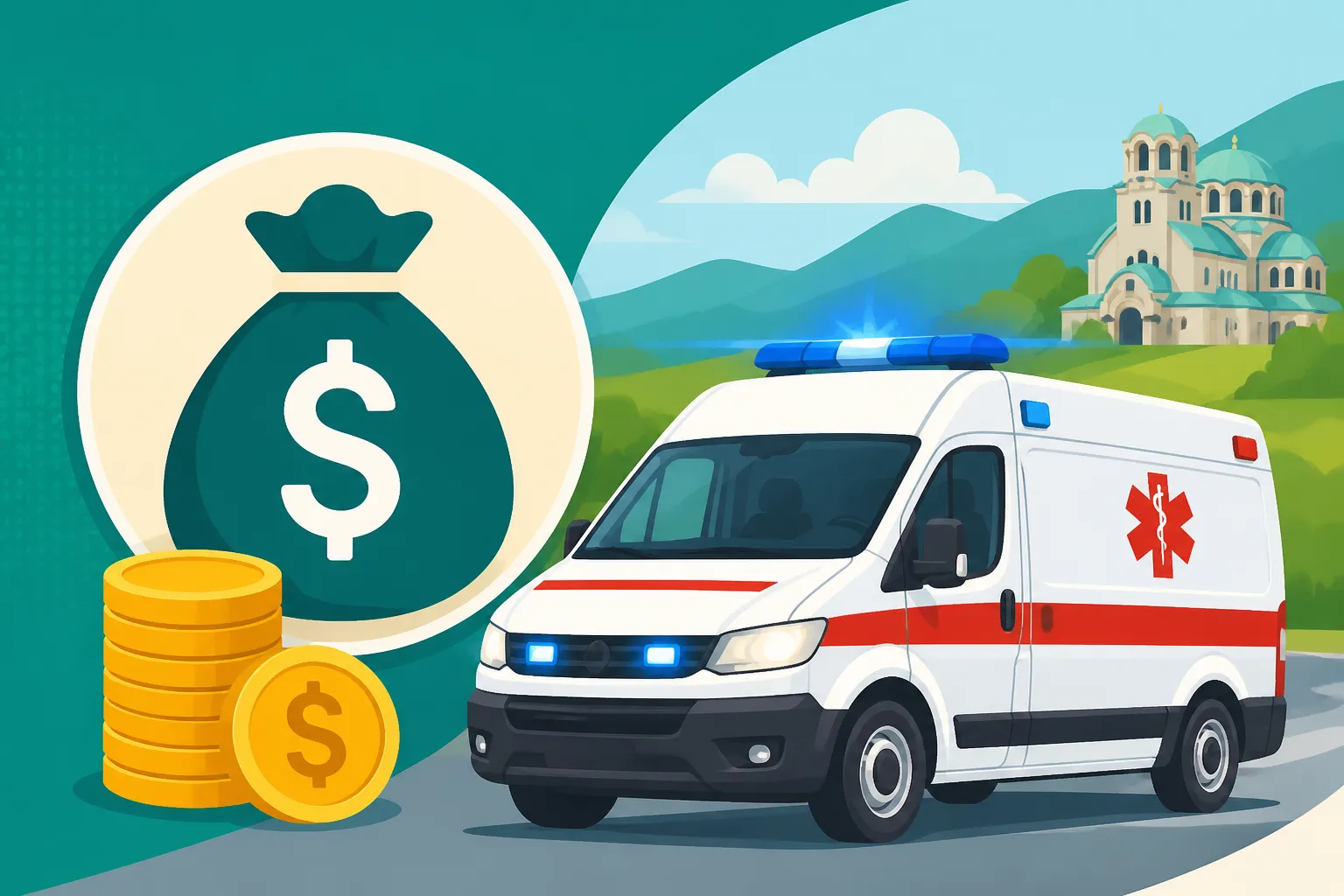
The exact cost can fluctuate based on factors like the distance traveled, the medical procedures performed en route, and the equipment used. While there's no fixed, universally published tariff that's easy for expats to find, you should anticipate a charge ranging anywhere from BGN 150 to BGN 350 (approximately €75 to €175) for a basic emergency transport. This doesn't include any treatment received at the hospital. For more complex cases requiring specialized medical personnel or extended transport, the cost could be higher.
You typically won't pay on the spot. Instead, you'll receive a bill either at the hospital or sometimes directly from the emergency medical service later. This is where having comprehensive travel insurance or robust private health insurance is absolutely critical. Imagine being in a foreign country, recovering from an emergency, and then trying to decipher a Bulgarian bill for services you don't fully understand. It's a nightmare. This is precisely why reputable travel insurance providers like SafetyWing are so invaluable. Their policies are designed to cover emergency medical expenses, including ambulance transport, for tourists and digital nomads, ensuring you're not left footing a hefty bill during an already stressful time. Always make sure to check the terms of your policy regarding emergency medical transport and any limits that may apply.
Private Ambulance Services and Their Pricing
Beyond the public 112 system, Bulgaria also has private ambulance services. These are typically affiliated with private hospitals or clinics, or operated independently. While the public system is your go-to for severe, immediate life-or-death situations, private options offer a different set of advantages and, naturally, a different price tag.
When to Opt for a Private Ambulance
There are several scenarios where a private ambulance might be a preferred or even necessary choice for an expat:
- Non-Emergency Transfers: If you need to be transferred between two private hospitals, or from a public hospital to a private one for continued care, but it's not a critical, immediate emergency, a private ambulance service is often the way to go.
- Specific Medical Needs: Some private services can cater to very specific medical conditions, offering specialized equipment or medical teams that might not always be readily available through the public system for non-critical transfers.
- Preference for English-Speaking Staff: Many private healthcare providers, including their ambulance services, often have English-speaking medical personnel. This can provide immense comfort and clarity during a stressful situation.
- Faster Response/Availability: In certain urban areas, particularly during peak times, a private ambulance might sometimes offer a quicker response if the public system is overloaded, though this isn't a guaranteed advantage for critical emergencies where 112 should always be your first call.
- Repatriation Services: If you require medical transport back to your home country, private medical transport companies specialize in this, though this is a very different service from a local emergency ambulance.
Major private hospitals in Bulgaria, such as Acibadem City Clinic Tokuda Hospital in Sofia, often have their own ambulance services or work closely with private providers. If you have chosen to use a private GP, they may also be able to advise you on suitable private ambulance options for non-emergency situations.
Cost Structure of Private Ambulances
As you might expect, private ambulance services come at a significantly higher cost than their public counterparts. The pricing isn't standardized and can vary widely between providers and based on the specifics of the service. You should prepare for costs that can easily range from BGN 300 to BGN 800 (approximately €150 to €400) for basic transport, and potentially much higher for longer distances, more intensive medical care during transit, or specialized vehicles.
Factors that influence the cost include:
- Distance: The mileage covered is a primary factor.
- Medical Staff Level: A basic EMT crew will be cheaper than a doctor and nurse team.
- Equipment Used: If specialized life-support equipment or medications are administered during transport, this will add to the cost.
- Time of Day/Week: Some services might have higher rates for nights, weekends, or public holidays.
- Waiting Time: If the ambulance has to wait for an extended period at a location, this might also incur additional charges.
Again, this is where your insurance plays a monumental role. If you have a comprehensive private health insurance plan in Bulgaria, it might cover private ambulance services. However, you absolutely must check your policy details. Some plans only cover public emergency transport, while others have limits on private options. For new arrivals, or those exploring options, understanding How to Buy Private Health Insurance as a Newcomer in Bulgaria is crucial. For tourists or short-term expats, travel insurance like SafetyWing is often your best friend here, as many comprehensive policies will cover emergency medical transport, including private options if medically necessary, up to certain limits. Always keep detailed records and receipts if you intend to claim reimbursement.
Insurance Coverage and Reimbursement
Understanding your insurance coverage is paramount to avoiding unexpected costs during a medical emergency. Whether you're part of the public system or rely on private plans, knowing what's covered can save you a lot of stress and money.
NHIF Coverage for Ambulance Services
If you're registered and making contributions to the Bulgarian National Health Insurance Fund (NHIF), your emergency ambulance transport via the 112 system is generally covered. This is a fundamental aspect of the mandatory health insurance system in Bulgaria. The key here is "medically necessary emergency." This means the decision to dispatch an ambulance and where to take you is made by the medical professionals, based on your condition.
Once the ambulance delivers you to a public hospital's emergency department, your NHIF coverage continues for the necessary diagnostic tests, treatments, and potential hospitalization. You might encounter small co-payments for certain consultations or procedures within the hospital, but the emergency ambulance ride itself is typically not directly billed to you. To ensure you're fully clued in on the public system, our article How to Register with the National Health Insurance Fund in Bulgaria provides a step-by-step guide.
Private Health Insurance and Travel Insurance
For expats without NHIF coverage, or those who simply prefer the flexibility and potentially quicker access of private healthcare, private health insurance is your safety net. These policies vary significantly, so it’s vital to scrutinize the fine print regarding emergency medical transport.
- Coverage Levels: Some private plans will cover emergency ambulance services (both public and private) in full, while others might have a deductible, co-insurance, or a cap on the amount they'll pay. Some might only cover public ambulances unless a private one is deemed absolutely necessary and pre-approved (which isn't always possible in an emergency!).
- Travel Insurance: For tourists, short-term residents, or digital nomads, travel insurance is non-negotiable. Reputable travel insurance providers, like SafetyWing, specifically include emergency medical benefits, often encompassing ambulance transport and even medical evacuation if you need to be moved to a facility better equipped to handle your condition, or even back to your home country. These plans are designed precisely for unexpected medical events abroad. They offer a lifeline when the public system might charge you directly. Make sure your chosen policy explicitly covers emergency medical transport and any potential related costs, and understand the claims process before you need it.
- Reimbursement Process: If you use a private ambulance or pay upfront for a public one because you're not an NHIF member, keep every single piece of documentation. This includes any bills, receipts, medical reports, and correspondence. Contact your insurance provider as soon as possible (or have someone do it for you if you're incapacitated) to inform them of the incident and initiate the claims process. They will guide you on what documents they require for reimbursement.
EHIC Card for EU Citizens
If you're an EU citizen temporarily visiting Bulgaria, your European Health Insurance Card (EHIC) provides access to medically necessary public healthcare on the same terms as a Bulgarian national registered with the NHIF. This means that if you call 112 for a medically necessary emergency, the public ambulance service should be covered by your EHIC.
However, the EHIC only covers public healthcare and does not cover private ambulance services or private hospital treatment. It's also important to remember that EHIC is not a substitute for travel insurance, particularly for things like repatriation costs or non-emergency medical situations. So, even with an EHIC, many EU citizens still opt for comprehensive travel insurance for added peace of mind.
Practical Advice for Expats and Tourists
Facing a medical emergency in a foreign country is stressful enough without having to scramble for information or worry about logistics. Being prepared can make a huge difference.
Preparing for an Emergency
Preparation is key to reducing anxiety and ensuring a smoother process if an emergency strikes.
- Keep Emergency Numbers Handy: Always have 112 saved in your phone. Additionally, save the number for your GP, your private insurance provider's emergency line, and perhaps a trusted Bulgarian-speaking friend or neighbor.
- Medical Information in Bulgarian: It's incredibly helpful to have a small card or document with your essential medical information translated into Bulgarian. This should include:
- Your full name and date of birth
- Any known allergies (e.g., medications, food)
- Major medical conditions (e.g., diabetes, heart condition)
- Current medications you are taking
- Your blood type (if known)
- Your NHIF number (if applicable) or private insurance details.
- Emergency contact person and their phone number.
Keep this in your wallet or purse.
- Know Your Address (and How to Say It): This might sound obvious, but in an emergency, trying to recall your complex street name and building number in Bulgarian can be tough. Write it down phonetically, or even better, have a small paper with your full address and a local landmark that you can show or read out clearly.
- Identify Nearby Hospitals: Familiarize yourself with the location of the major public and private hospitals in your area. While the ambulance will take you where they deem necessary, knowing your options beforehand can be reassuring. For instance, if you're in Sofia, understanding How to Use Major Hospitals and Clinics in Sofia is invaluable.
- Insurance Details Accessible: Keep your NHIF card, private health insurance card, or travel insurance policy details (policy number, emergency contact, limits) readily accessible. Digital copies on your phone are good, but a physical copy is always safer in case your phone is damaged or out of battery. Double-check that your insurance, such as SafetyWing, is current and covers emergency medical transport.
Language Barriers and Communication
The language barrier is a real challenge in many parts of Bulgaria, especially outside the major cities.
- Basic Bulgarian Phrases: Learn a few key emergency phrases:
- "I need an ambulance!" (Трябва ми линейка! – Tryabva mi lineyka!)
- "Emergency!" (Спешно! – Speshno!)
- "I don't speak Bulgarian." (Не говоря български. – Ne govorya bŭlgarski.)
- "My address is…" (Адресът ми е… – Adresŭt mi e…)
- "Pain here." (Боли тук. – Boli tuk.) – Point to the area.
- Translator Apps: While not perfect, a good translator app on your phone can be a temporary lifeline for communicating simple needs or understanding instructions.
- Befriend a Local: Having a Bulgarian-speaking friend, neighbor, or colleague on speed dial who you can call in an emergency to speak to the 112 operator can be a godsend.
- Stay Calm: As difficult as it may be, try to remain as calm as possible. Panicking will only make communication harder. Speak slowly and clearly.
Navigating medical emergencies in Bulgaria, especially when it involves an ambulance, can feel like a maze. But with proper preparation, understanding the local system, and ensuring you have adequate insurance coverage, you can significantly reduce the stress and financial burden. Remember, your health and safety are paramount, so take the time to prepare before you actually need it.
Disclaimer
The information provided in this guide is for general informational purposes only and does not constitute medical or legal advice. While we strive to provide accurate and up-to-date information, healthcare systems and regulations in Bulgaria can change. Always consult with qualified medical professionals, insurance providers, or legal experts for advice specific to your situation. We cannot be held responsible for any decisions made based on the information presented herein.