How Do I Find a Dermatologist in Sofia?
Finding a specialist in a new country, especially when you're dealing with something as personal as a skin concern, can feel like an impossible task. Believe me, I've been there, staring at a strange rash and wondering where on earth to start in a city where the language barrier feels like a mountain. If you're an expat in Sofia, trying to figure out how to find a dermatologist, you're in good company. This guide is here to cut through the confusion and give you a clear roadmap to getting the skin care you need in Bulgaria's bustling capital.
Navigating the Bulgarian Healthcare System for Dermatological Care
One of the first things you'll quickly realise when trying to access healthcare in Bulgaria, especially when you need a specialist, is that it's often a two-step process. This can be a bit of a shock if you're used to systems where you can just call up a dermatologist directly.
Understanding the Referral System
If you're signed up with the National Health Insurance Fund (NHIF), known locally as the НЗОК (NZOK), and you want your care to be covered, you're generally going to need a referral. This means your first port of call will be your General Practitioner, or GP, who Bulgarians call a lichen lekar (личен лекар). This isn't just a suggestion; it's a fundamental part of how the public system is structured here.
So, the process looks something like this: you book an appointment with your GP, you explain your dermatological issue to them – which can be a whole adventure in itself if language is an issue – and if they deem it necessary, they will then issue you a referral note (направление). Only with this piece of paper can you then go and see a dermatologist under the NHIF scheme. It adds an extra layer of bureaucracy and, let's be honest, often means longer wait times. First, you wait for a GP appointment, then you wait for a dermatologist appointment. It can feel like you're jumping through hoops when all you want is someone to look at that mysterious bump. For a deeper dive into this, you might find our guide on How Specialist and Hospital Referrals Work in Bulgaria quite illuminating.
This system, while designed to manage patient flow and ensure appropriate care, can be a source of frustration for expats. You might be perfectly capable of assessing your need for a dermatologist, but the system dictates you go via the GP. This means you need to be registered with a GP in the first place, which is another administrative hurdle many new arrivals face. If you're still looking for a family doctor, check out How to Choose and Register with a GP (Личен Лекар) in Bulgaria.
Public vs. Private Dermatologists in Sofia
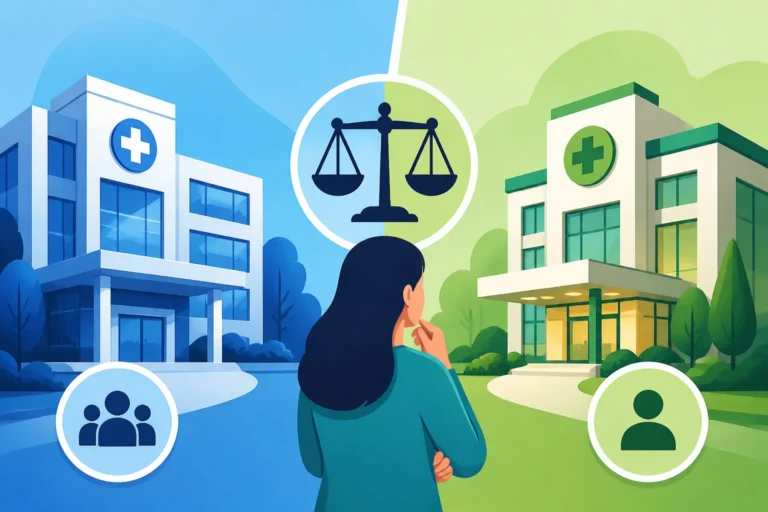
Once you grasp the referral concept, the next big decision is whether to go the public (NHIF-contracted) route or opt for a private dermatologist. Each has its pros and cons, and your choice will often depend on urgency, budget, and your personal comfort with navigating the system.
Public Dermatologists: These are doctors who have a contract with the NHIF. If you have valid Bulgarian health insurance contributions, your consultation will be heavily subsidised, meaning you only pay a small co-payment (потребителска такса), usually just a few leva. The main benefits are the low cost and the fact that it's covered by your mandatory contributions. However, prepare for potentially longer waiting lists, less choice in specific doctors, and a higher chance of encountering language barriers, as not all doctors in the public system will speak English. The facilities might also feel a bit more… utilitarian, for lack of a better word.
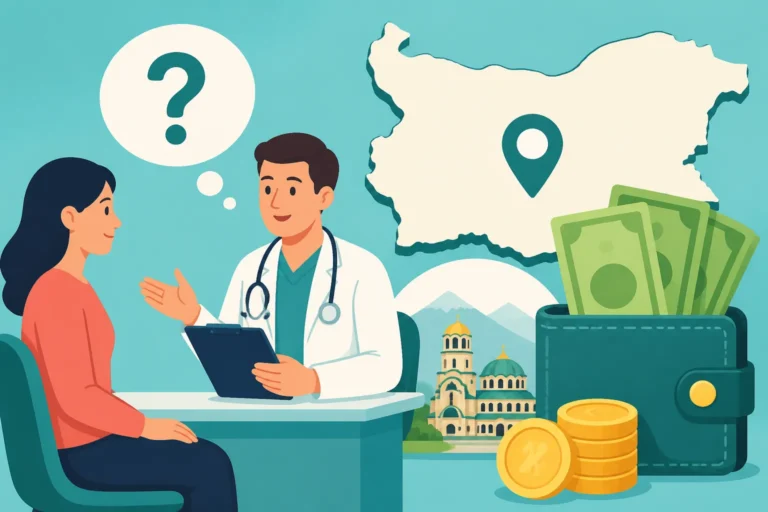
Private Dermatologists: This is where many expats often find more immediate relief. Going private bypasses the need for a GP referral entirely. You can simply call a clinic or doctor directly and book an appointment. The advantages are significant: shorter wait times (often same-day or next-day appointments are possible), a wider selection of highly qualified doctors, state-of-the-art facilities, and a much higher likelihood of finding English-speaking staff. Of course, this convenience comes at a cost. You'll be paying the full consultation fee out-of-pocket, which can range from 50 to 150 BGN or even more, depending on the doctor's reputation and the clinic's prestige. For a comprehensive overview of the financial side, our guide on The Cost of Healthcare in Bulgaria: A Complete Breakdown for Foreigners (2026) is a must-read. If you're debating which path to take, our article on Public vs Private Healthcare in Bulgaria: What Expats Need to Know offers even more comparative insights.
Where to Begin Your Search for a Dermatologist
So, you've decided on your approach – public or private. Now, how do you actually find someone? Sofia is a large city, and while there are plenty of doctors, finding the right one, especially one who understands your needs and speaks your language, requires a bit of detective work.
Online Resources and Expat Networks
In the digital age, your best friends are often your phone or computer. Start with a simple Google search. Try keywords like "дерматолог София" (dermatologist Sofia) or "English-speaking dermatologist Sofia." You'll often find a mix of public clinics and private practices. Be sure to check the 'Maps' results for locations convenient to you.
Beyond Google, there are a few local doctor booking platforms that can be incredibly helpful. Sites like SuperDoc.bg or DocFinder.bg allow you to search for specialists, view their profiles (sometimes including their spoken languages), and even book appointments online. Even if the entire site isn't in English, often the doctor's name, specialisation, and clinic details will be clear enough to get you started. And please, don't shy away from using Google Translate to read patient reviews – they can offer invaluable insights into a doctor's approach and reputation. Another excellent resource, as I've found so many gems through them, from reliable plumbers to, yes, English-speaking doctors, are the various expat Facebook groups for Sofia and Bulgaria. These communities are incredibly active, and a quick post asking for recommendations for an "English-speaking dermatologist" will usually yield a torrent of helpful suggestions and personal experiences. This is often the quickest way to find a trusted, expat-friendly professional. If you're specifically looking for doctors who speak your language, our guide on How to Find an English-Speaking Doctor in Bulgaria offers more targeted advice.
Recommendations from GPs and Private Clinics
Even if you're leaning towards a private dermatologist, your GP might still be a good source of information. They often have a network of colleagues and can suggest reputable specialists, even if those specialists operate privately and thus don't require a formal NHIF referral from your GP. It's always worth asking, especially if you have a good relationship with your lichen lekar.
When it comes to private clinics, Sofia boasts several large, modern hospitals and clinics with dedicated dermatology departments that are very accustomed to international patients. These include:
- Acibadem City Clinic Tokuda Hospital: A large, well-regarded private hospital with a comprehensive dermatology department. They often have English-speaking staff and a wide range of services.
- Hill Clinic: Known for its state-of-the-art equipment and focus on various medical specialities, including dermatology.
- Vita Hospital: Another prominent private hospital offering a good range of medical services, including dermatological care.
- Nadezhda Hospital: While particularly known for its maternity and reproductive health services, Nadezhda also has other specialist departments that cater to international patients.
These larger private hospitals are often a good starting point as they tend to have more established processes for international patients, including multilingual staff and often more streamlined appointment booking. If you have international health insurance, like a plan from SafetyWing, accessing these private clinics becomes much less of a financial concern, giving you peace of mind and more options. For a more detailed look at the bigger medical facilities in the capital, consult our article on How to Use Major Hospitals and Clinics in Sofia.
What to Expect During Your Dermatology Visit in Sofia
Alright, you've done the legwork, found a dermatologist, and booked your appointment. Congratulations! Now, let's talk about what the actual visit might entail. Knowing what's coming can help ease any pre-appointment jitters.
Booking Your Appointment and Initial Consultation
Booking an appointment, especially with a private clinic, is usually straightforward. You might call the clinic directly, and many larger ones will have English-speaking receptionists. Alternatively, as mentioned, some doctors offer online booking through platforms like SuperDoc. When you call, make sure to clearly state your language preference. Don't assume; always ask, "Do you have an English-speaking dermatologist?" or "Is there someone who can translate during the consultation?"
Before your actual appointment, it's a good idea to prepare a brief summary of your medical history, especially anything related to skin conditions, allergies, or medications you're currently taking. Write down your symptoms clearly: when they started, what they look like, what makes them better or worse, and any previous treatments you've tried. This will help you communicate effectively, even if there's a slight language barrier. When you meet the dermatologist, they'll typically perform a physical examination of your skin, ask detailed questions about your lifestyle, sun exposure, and family history of skin conditions. They might use a dermatoscope (a special magnifying tool) to get a closer look at any suspicious moles or lesions. Don't be surprised if the consultation feels a bit more direct or less "chatty" than you might be used to; Bulgarian doctors are often very efficient and to-the-point.
Costs, Follow-ups, and Prescriptions
The financial aspect is always a key concern. Here’s a quick breakdown:
- NHIF Coverage: With an NHIF referral, you'll typically pay a small co-payment (потребителска такса) for the consultation, usually around 5-10 BGN. However, be aware that additional procedures, tests, or specific treatments might incur extra charges not fully covered by the NHIF. These "uncovered" costs can sometimes add up, so it's always wise to ask upfront.
- Private Practice: A first consultation with a private dermatologist in Sofia can range significantly. As a general estimate, expect to pay between 50 BGN and 150 BGN. Follow-up appointments are sometimes a bit cheaper. If any procedures are needed – a biopsy, cryotherapy, laser treatment, or mole removal – these will be charged separately, and the costs can vary widely depending on the complexity and the clinic. Having a good international private health insurance plan, such as one from SafetyWing, can be incredibly beneficial here, as it can help cover these out-of-pocket expenses, making private care much more accessible. This kind of insurance offers a crucial safety net for unplanned medical needs. For more specific details on what you might end up paying, check out our guide on Understanding Out-of-Pocket Healthcare Costs and Co-Payments in Bulgaria.
Follow-ups are common, especially for chronic conditions or if the doctor needs to review test results or monitor your progress on a new treatment. Make sure to understand when and if you need to schedule a follow-up appointment before you leave the clinic.
Prescriptions will be written on a standard Bulgarian prescription form (рецепта). You'll then take this to any pharmacy. Some medications, particularly certain antibiotics or stronger treatments, might require a "green prescription" which only a specialist can issue. Pharmacies are plentiful in Sofia, and pharmacists are generally very knowledgeable and can often advise on over-the-counter options for minor issues. You can learn more about how to navigate the local drugstores in our guide to Prescription Medications and Pharmacies in Bulgaria: The Complete Guide.
Tips for Expats Seeking Dermatological Care
Finding a dermatologist is one thing, but making sure you get the care you need and understand everything can be another challenge entirely. Here are some seasoned expat tips to help you out.
Language Barriers and Communication
Ah, the eternal expat dilemma! While many medical professionals in Sofia, particularly younger ones or those in private clinics, do speak English, it's not a universal guarantee. In public clinics, you're more likely to encounter doctors or administrative staff with limited English. This is where a little preparation goes a long way.
- Bring a Translator: If possible, bring a Bulgarian-speaking friend, partner, or colleague with you to appointments, especially for the initial visit. They can be an invaluable bridge for complex medical discussions.
- Prepare Your Symptoms: Write down your symptoms and questions in English. Then, use a translation app like Google Translate to get a Bulgarian version. Having both versions ready can save a lot of time and confusion. You can even point to the Bulgarian text if needed.
- Ask About Interpreters: When booking your appointment, ask if the clinic offers an interpreter service, or if there's a specific English-speaking doctor available. Larger private hospitals are more likely to have this option.
- Be Patient and Clear: Speak slowly and clearly. Don't be afraid to ask the doctor to repeat themselves or explain things in simpler terms. Medical jargon is tricky enough in your native language, let alone in a foreign one!
Health Insurance Considerations
This is critical for any expat. Whether you're employed and contributing to the NHIF, or self-employed and managing your own health coverage, understanding your insurance is paramount.
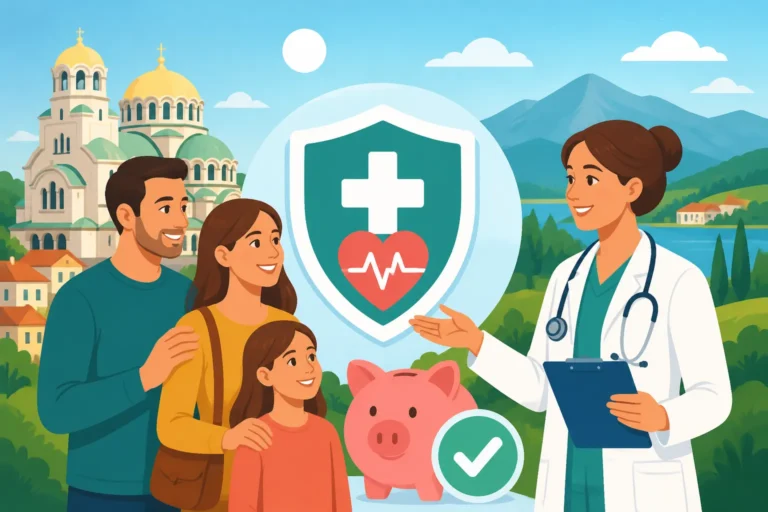
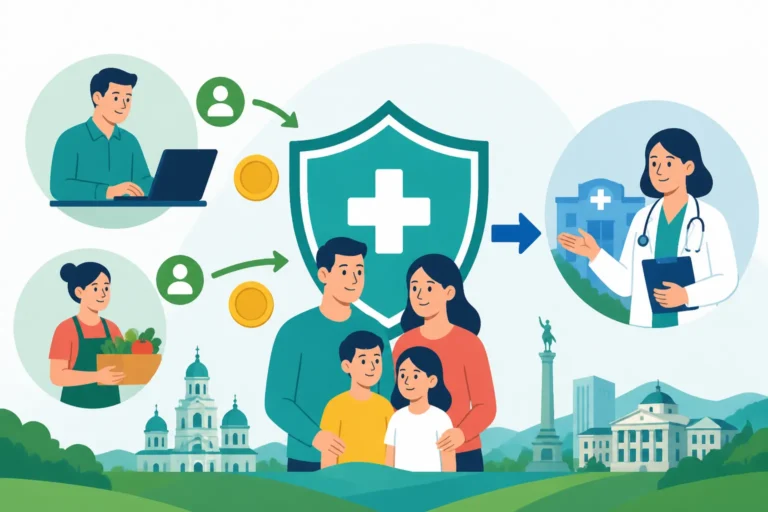
If you're legally employed in Bulgaria, you're automatically contributing to the NHIF. This will cover your GP visits and, with a referral, a significant portion of your specialist care and public hospital treatments. However, as we've discussed, it often comes with longer wait times and less flexibility. Many expats choose to supplement their NHIF coverage with private health insurance for this very reason. This combination offers the best of both worlds: basic coverage through the state, and quicker, more comfortable access to private facilities and English-speaking doctors when you need them.
For the self-employed, freelancers, or digital nomads, private health insurance is not just a convenience, it's a necessity. Options like SafetyWing provide international health insurance specifically designed for nomads and expats, offering coverage whether you're in Bulgaria or traveling elsewhere. This kind of plan can be invaluable for seamless access to private care across different countries, especially for those who travel frequently or aren't tied to an employer's benefits. It's crucial to understand your policy's specifics, including direct billing vs. reimbursement. Often, with private insurance in Bulgaria, you'll pay upfront for your consultation or procedure and then submit a claim for reimbursement. So, keep all your receipts and medical reports! If you're a newcomer, figuring out the landscape of coverage can be tricky; our guide on How to Buy Private Health Insurance as a Newcomer in Bulgaria can really help. For a broader view, check out Health Insurance in Bulgaria: NHIF, Private and International Options Explained and Understanding Private Health Insurance Plans in Bulgaria.
Here's a quick comparison to help you weigh your options:
| Feature | Public (NHIF-Contracted) Dermatologist | Private Dermatologist (Sofia) |
|---|---|---|
| Referral Needed | Yes, from a GP | No |
| Typical Cost (Consultation) | Low co-payment (5-10 BGN) | 50-150+ BGN (full fee) |
| Wait Times | Potentially longer (weeks) | Shorter (days, often same-day) |
| English-Speaking Staff | Less common | More common |
| Facilities | Basic, functional | Modern, state-of-the-art |
| Coverage | NHIF | Private Insurance, out-of-pocket |
| Choice of Doctor | Limited | Wider selection |
Seeking dermatological care in Sofia might feel daunting at first, but with the right information and a bit of planning, you can navigate the system effectively. Remember, whether you choose the public or private route, being prepared and proactive will always lead to a smoother experience.
Disclaimer
Please remember that I am an expat blogger and not a medical or legal professional. The information provided in this article is for general guidance and informational purposes only and does not constitute medical, legal, or professional advice. Healthcare regulations, costs, and practices in Bulgaria can change, so it's always wise to verify current information with official sources, healthcare providers, or qualified experts before making any decisions. Your individual health situation should always be discussed with a qualified medical doctor.