Why Bulgaria Has Affordable Healthcare: The Expat Guide (2027)
Moving to a new country often comes with a looming question: what about healthcare? Many expats arrive in Bulgaria bracing themselves for the exorbitant medical bills they might have experienced in their home countries, or at least the high premiums of international private insurance. But here's the pleasant surprise: Bulgaria boasts a healthcare system that is remarkably affordable, offering a genuine relief to your wallet without necessarily compromising on quality. This guide will walk you through the various reasons why healthcare costs in Bulgaria remain low, helping you understand how to navigate the system effectively.
The Sticker Shock (or Lack Thereof) of Bulgarian Healthcare
When you first start looking into the cost of living in Bulgaria, the prices for everything from groceries to rent are often a pleasant surprise. This extends significantly to healthcare, which for many is one of the biggest financial worries when relocating abroad. Forget the eye-watering consultation fees or the astronomical prices for a simple blood test you might find in Western Europe or North America. In Bulgaria, the numbers just don't stack up the same way, and it’s a breath of fresh air for your budget.
Dispelling the Myth of Expensive European Healthcare
It's common for expats coming from countries with very high healthcare costs, like the United States, to assume that all of Europe operates on a similar, albeit slightly cheaper, pricing structure. Or, if they're from universal healthcare systems like the UK or Canada, they might expect to pay hefty private fees if they don't immediately qualify for public coverage. Bulgaria, however, operates on a completely different economic wavelength. While it's part of the European Union, its economic development and cost structures are distinct. This means that a doctor's visit, a dental cleaning, or even a minor surgical procedure can often be a fraction of the cost you'd anticipate elsewhere on the continent. Many expats recount stories of routine check-ups costing less than a nice dinner out, or a specialist consultation coming in cheaper than their co-pay back home. This isn't a fluke; it's a systemic reality.
The initial relief is often coupled with a dose of skepticism – "Is it too cheap? Does that mean the quality isn't good?" These are valid concerns, of course, but generally, the answer is a resounding "no." While there can be variations in facilities and English proficiency, the medical training of Bulgarian doctors is often excellent, with many having studied abroad or having extensive experience. The lower costs don't necessarily reflect a lower standard of care, but rather a different economic model and a lower overall cost base for the country. It’s about recalibrating your expectations and understanding the local context.
Understanding the Underlying Economic Realities
The affordability of healthcare in Bulgaria isn't a random occurrence; it's deeply rooted in the country's broader economic landscape. Simply put, the cost of living and average wages are significantly lower in Bulgaria compared to many Western countries, and this permeates every sector, including healthcare. Doctors, nurses, and administrative staff earn less, which translates directly into lower overheads for hospitals and clinics. This isn't to say that Bulgarian medical professionals are underpaid for the local context, but their salaries are certainly not at the levels seen in Germany, France, or the UK.
Beyond salaries, the cost of operating a medical facility – from rent and utilities to medical supplies and equipment – is also substantially lower. Think about the price of real estate for a clinic in Sofia compared to London or even Berlin. The difference is staggering. Furthermore, many medical supplies and pharmaceuticals are either produced domestically or procured at more competitive prices due to the local market dynamics and government regulations. All these factors combine to create a much lower cost base for providing healthcare services, allowing prices to remain accessible for residents, including expats. It's a fundamental economic principle at play, making Bulgaria a surprisingly budget-friendly option for your medical needs.
How Bulgaria's Dual System Keeps Costs in Check
Bulgaria's healthcare system is a fascinating blend of public and private services, and it's this dual approach that truly underpins its affordability. You're not forced into one rigid structure; instead, you have options, and both pathways contribute to keeping overall costs manageable. It's not always straightforward to navigate, but once you understand how it works, you can leverage it to your advantage.
The Role of the National Health Insurance Fund (NHIF)
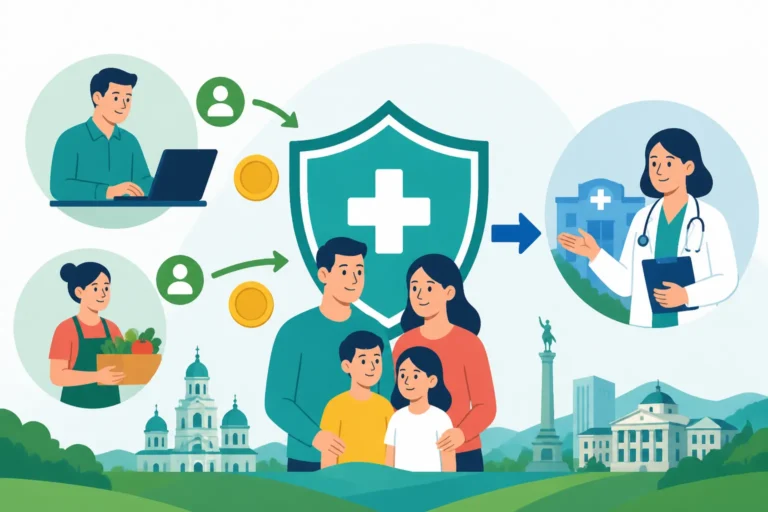
The cornerstone of public healthcare in Bulgaria is the National Health Insurance Fund, or Natsionalna zdravnoosiguritelna kasa (NZOK) as it’s known locally. If you're legally employed in Bulgaria, self-employed and contributing social security, or a long-term resident, you'll generally be required to make mandatory health insurance contributions to the NHIF. These contributions are a significant reason why healthcare remains affordable. They create a large pool of funds that subsidise a wide range of medical services for registered individuals.
What does the NHIF cover? Well, it's quite comprehensive for basic and routine care. Once you're registered and have chosen a General Practitioner (GP) – a lichen lekar – your visits to the GP are largely covered. This includes examinations, basic diagnostics like blood tests (when prescribed by your GP), and referrals to specialists. Think of it as your first line of defense against illness, with most of the cost absorbed by your contributions. It's important to understand that the NHIF system covers consultations, certain treatments, and hospital stays, meaning you won't face crippling bills for common health issues. To get a deeper dive into how this system functions, take a look at our detailed guide on How Bulgaria's Health System Works: The NHIF and Private Care Explained (2027). Understanding these mandatory contributions is crucial for any expat planning to settle here, and you can learn more about them in Understanding Mandatory Health Insurance Contributions in Bulgaria.
The Competitive Private Healthcare Market
Even with the NHIF providing a solid public option, Bulgaria also boasts a thriving private healthcare market. Unlike some countries where private care is an exorbitant luxury, here, it's often a surprisingly accessible alternative or complement to the public system. The competition among private clinics and hospitals is fierce, particularly in larger cities like Sofia, Plovdiv, and Varna. This competition drives down prices, forcing providers to offer competitive rates to attract patients.
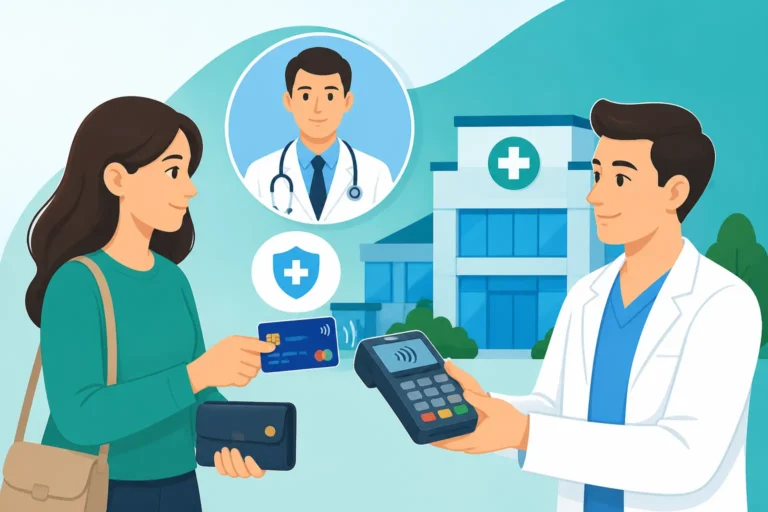
Many expats opt for private clinics for a few key reasons: often shorter waiting times, the availability of English-speaking staff, and sometimes more modern facilities. What's truly remarkable is that even these private services often come at a fraction of the cost you'd pay in a Western country. A private specialist consultation might cost you anywhere from 30 to 80 leva (€15-€40), which is still incredibly affordable compared to private rates elsewhere. This creates a healthy dynamic where both public and private systems keep each other in check, ensuring that quality care doesn't come with an outrageous price tag. For a more in-depth comparison, check out Public vs Private Healthcare in Bulgaria: What Expats Need to Know. It sheds light on the nuances of choosing between the two.
Lower Operating Costs: The Unsung Hero of Affordability
When we talk about affordable healthcare, it’s easy to focus on insurance premiums or co-pays. But the real magic behind Bulgaria’s lower costs lies in the fundamental operational expenses that hospitals and clinics face. These aren't immediately visible to the patient, but they have a profound impact on the final price tag for services.
Staff Salaries and Overheads
Let's be blunt: the salaries for medical professionals in Bulgaria, while increasing, are significantly lower than in many other EU countries, let alone North America or Australia. This applies across the board, from general practitioners and specialist doctors to nurses, technicians, and administrative staff. For instance, a highly skilled surgeon in Sofia will likely earn a fraction of what their counterpart in Berlin or London takes home. This isn't to diminish their expertise or dedication, but it’s a stark economic reality that directly impacts the cost structure of healthcare providers.
These lower personnel costs translate into much lower overheads for hospitals and clinics. Staffing is often the largest expense for any medical institution, so a reduction here has a monumental effect on the final cost of services. Furthermore, administrative costs, from billing and record-keeping to general management, are also generally lower. Utility costs, such as electricity, heating, and water, are also more affordable in Bulgaria compared to many wealthier nations. All these seemingly small factors accumulate to create a considerably leaner operational budget for healthcare providers, allowing them to offer services at prices that would be unsustainable in other parts of the world.
Infrastructure and Equipment Costs
Another critical factor contributing to lower operating costs is the capital expenditure related to infrastructure and medical equipment. While Bulgaria is continuously upgrading its medical facilities, and you'll find modern, state-of-the-art hospitals, particularly in major cities, the initial investment and ongoing maintenance costs for these facilities tend to be lower than in Western countries. This isn't necessarily due to cheaper construction, but a combination of factors including lower labour costs for building and maintenance, and sometimes the ability to source equipment through more cost-effective channels.
For example, while a new MRI machine might be a significant investment anywhere, the ancillary costs associated with its installation, staffing, and long-term maintenance can be cheaper in Bulgaria. Some equipment might be sourced from regional manufacturers, or through international tenders that yield more favourable prices. Additionally, older, yet perfectly functional, equipment might be in use in some public facilities, further extending its useful life and avoiding the constant churn of expensive upgrades seen in wealthier nations. This balance between modern technology and pragmatic infrastructure management ensures that the investment in healthcare facilities doesn't inflate patient costs beyond reason.
Pharmaceutical Prices and Accessibility
Having affordable doctor visits is one thing, but what about the cost of medications? For many chronic conditions, or even acute illnesses, prescription drugs can quickly become a budget buster. Thankfully, Bulgaria generally offers highly affordable pharmaceuticals, which is another huge relief for expats.
Regulated Medication Costs
One of the primary reasons prescription medication costs are so low in Bulgaria is government regulation. The state plays an active role in negotiating drug prices and setting maximum retail prices, especially for essential medicines. This helps to prevent price gouging and ensures that life-saving or chronic medications remain accessible to the wider population. The National Health Insurance Fund (NHIF) also negotiates bulk purchase agreements for a wide range of prescribed drugs, further driving down costs.
Furthermore, there's a strong emphasis on generic medications. While brand-name drugs are available, pharmacists and doctors often recommend or prescribe generic alternatives, which contain the same active ingredients and are equally effective but come at a significantly lower price. This consumer-friendly approach, coupled with state oversight, ensures that a trip to the pharmacy doesn't result in financial stress. Whether it's antibiotics, blood pressure medication, or allergy pills, you'll often find prices that are pleasantly surprising. For a deep dive into how pharmacies operate and how to get your prescriptions filled, our guide on Prescription Medications and Pharmacies in Bulgaria: The Complete Guide is a must-read.
The Local Pharmacy System
Beyond regulated prices, the accessibility and function of local pharmacies also contribute to overall affordability. Pharmacies are ubiquitous in Bulgaria – you’ll find them on almost every corner in urban areas, and even smaller towns have several options. They are often open long hours, with many offering 24/7 service in larger cities. This easy access means you can quickly get your medications without having to travel far or wait for appointments.
Moreover, Bulgarian pharmacists are highly trained and often provide a first line of advice for minor ailments. For simple issues like colds, minor cuts, or upset stomachs, you can often consult a pharmacist who can recommend over-the-counter remedies or advise if a doctor's visit is truly necessary. This informal, yet professional, consultation can often save you the cost of a GP visit for less severe health concerns. They are knowledgeable about local medications, their generic equivalents, and can often answer questions in English, especially in tourist areas or larger cities. This integrated approach, where pharmacists act as accessible health advisors, implicitly contributes to keeping healthcare costs down by reducing unnecessary doctor appointments.
The Specifics: What Expats Pay For (and Don't)
Understanding the general mechanisms behind Bulgaria's affordable healthcare is one thing, but what does it mean for you, the expat, in practical terms? Let’s break down the common scenarios and the costs involved.
NHIF Coverage for Common Ailments and Preventative Care
If you're registered with the NHIF, which is mandatory for most employed or long-term residents, a significant portion of your basic healthcare needs will be covered. This includes regular visits to your chosen General Practitioner (GP or lichen lekar). When you register with a GP, you effectively gain access to a gatekeeper for the public healthcare system. Your GP manages your general health, provides consultations, issues prescriptions, and, crucially, provides referrals to specialists if needed. Without a referral from your GP, seeing a specialist within the NHIF system will be difficult, if not impossible.
For instance, if you come down with a common cold, flu, or need a routine check-up, your GP visit will only incur a nominal co-payment, often just a few leva. Blood tests, urine tests, and other basic diagnostic procedures prescribed by your GP are also largely covered. This also extends to many preventative care services, which might be a huge expense in other countries. Understanding how to get registered with your GP is a vital step, and you can find a comprehensive guide on How to Register with the NHIF and a GP in Bulgaria (2027). For a complete picture of what costs to expect, our detailed breakdown in The Cost of Healthcare in Bulgaria: A Complete Breakdown for Foreigners (2026) is an invaluable resource.
Out-of-Pocket Expenses and Co-payments
While the NHIF covers a lot, it's not entirely free. Like many public healthcare systems, Bulgaria’s has a co-payment structure. For a GP visit, you'll typically pay a small fee, known as a patient fee (potrebitelska taksa). This fee is usually around 2.90 BGN (approximately €1.50) per visit. For specialist visits or hospital stays, there might also be small daily fees or co-payments for certain services, though these are generally capped at very reasonable amounts. For instance, a specialist visit with an NHIF referral might also incur a similar small co-payment.
However, even with these out-of-pocket expenses, the total cost remains incredibly low compared to international standards. For example, if you need a specific diagnostic test like an MRI without an NHIF referral, or if you opt for a private clinic to bypass potential wait times, the costs are still far less than what you’d expect elsewhere. An MRI might cost between 200-400 BGN (€100-€200) privately, which, while not negligible, is still remarkably affordable. Understanding these costs helps you plan your healthcare budget, and our article Understanding Out-of-Pocket Healthcare Costs and Co-Payments in Bulgaria provides more granular detail.
Here’s a simplified comparison of typical costs:
| Service | NHIF-covered (Co-payment/Patient Fee) | Private Clinic (approx. BGN) | Private Clinic (approx. EUR) | Comparison to Western Europe (approx. EUR) |
|---|---|---|---|---|
| GP Visit | 2.90 BGN | 30-50 BGN | 15-25 EUR | 50-100+ EUR |
| Specialist Consultation | 2.90 BGN (with referral) | 40-80 BGN | 20-40 EUR | 80-200+ EUR |
| Basic Blood Test (e.g., CBC) | Covered (with GP referral) | 10-25 BGN | 5-13 EUR | 20-50+ EUR |
| Dental Cleaning | Limited/None | 50-100 BGN | 25-50 EUR | 70-150+ EUR |
| Minor Procedure (e.g., wart removal) | Partially covered | 80-200 BGN | 40-100 EUR | 150-500+ EUR |
| Emergency Room Visit | Nominal (if non-emergency, otherwise covered) | 80-150 BGN | 40-75 EUR | 150-500+ EUR (often much higher) |
Note: These are approximate costs and can vary significantly based on location, clinic, and specific medical needs.
Private Health Insurance as an Affordable Add-on
For many expats, especially those who are self-employed, don't yet qualify for NHIF, or simply want enhanced coverage, private health insurance is an attractive option. What's fantastic is that even private plans in Bulgaria are often significantly more affordable than comparable plans in Western countries. They can offer perks like direct access to specialists without a GP referral, shorter waiting times, and access to more premium private facilities, often with English-speaking staff.
Private insurance can also fill gaps that the NHIF might have, such as certain dental procedures, more extensive physiotherapy, or even just offering the peace of mind of a specific private hospital network. Some plans are specifically designed for expats, acknowledging their unique needs. For those who are newer arrivals or digital nomads moving frequently, providers like SafetyWing offer flexible travel medical insurance that can cover you for initial periods or specific trips, providing essential coverage until you establish long-term residency and get integrated into the local system. This type of insurance can be a fantastic bridge, ensuring you have coverage without a huge upfront cost or long-term commitment. Our article on Health Insurance in Bulgaria: NHIF, Private and International Options Explained delves into all your options, helping you make an informed choice.
Navigating the System for Maximum Affordability
The key to truly leveraging Bulgaria's affordable healthcare is knowing how to navigate it. It's not always intuitive, especially if you're used to a different system, but with a bit of guidance, you can make the most of what's available without breaking the bank.
Choosing Your Healthcare Path
As an expat, you essentially have a few pathways when it comes to healthcare in Bulgaria, each with its own cost implications. The most common paths are:
- Full NHIF Integration: If you're employed by a Bulgarian company or are legally self-employed and contributing to the social security system, you'll be integrated into the NHIF. This is often the most cost-effective long-term solution, as your monthly contributions cover a vast array of services, leaving you with minimal co-payments for most care. This requires registering with the fund and choosing a GP, which can take a bit of administrative effort but pays off immensely.
- NHIF with Private Top-Up: Many expats find this to be the best of both worlds. They use their NHIF coverage for routine GP visits, basic diagnostics, and referrals, but opt for private clinics for specialist consultations, elective procedures, or when they want to ensure English-speaking care and shorter wait times. This combination allows you to benefit from the affordability of the public system while enjoying the conveniences of private care, often for a much lower overall cost than purely private systems elsewhere.
- Purely Private Healthcare: For those not eligible for NHIF (e.g., certain types of long-term visitors, or those who prefer to keep things simple and pay out-of-pocket), relying solely on private clinics is an option. Given the competitive pricing, even this can be surprisingly affordable, especially if you're generally healthy and only need occasional check-ups or minor care. For new arrivals or those with a flexible lifestyle, having a robust international travel medical insurance plan, like one from SafetyWing, can provide peace of mind while exploring your longer-term healthcare options. This is especially true for unexpected emergencies before you're fully integrated. Our comprehensive guide, Navigating the Bulgarian Healthcare System: An Expat's Roadmap (2027), offers a step-by-step approach to making these decisions.
The Importance of Registration and Documentation
Regardless of the path you choose, proper registration and documentation are paramount. If you're planning to rely on the NHIF, registering with them is the very first step. This involves obtaining your personal identification number (ЕГН or ЛНЧ for foreigners), proving your legal residency, and then making your contributions. While the bureaucracy can be a bit daunting – welcome to expat life in Bulgaria! – the payoff is immense. You can read more about this in How to Register with the National Health Insurance Fund in Bulgaria.
Once registered with the NHIF, selecting and formally registering with a General Practitioner is equally crucial. Your GP acts as your primary point of contact and controls referrals to specialists within the public system. Without a registered GP, accessing most NHIF-covered services becomes incredibly difficult. Keeping all your documents in order – including your NHIF card (if issued), personal ID, and any private insurance details – will streamline your interactions with medical providers, ensuring you get the care you need efficiently and affordably.
Accessing Specialist and Hospital Care
Accessing specialist care through the NHIF typically requires a referral from your GP. Your GP will assess your condition and, if necessary, provide you with a referral (napravlenie) to a specific specialist or department. While this system works well to manage resources, wait times for popular specialists in the public system can sometimes be a factor, especially in major cities. However, even with referrals, the costs remain minimal, usually just the standard patient fee.
For those who prioritize speed or specific choices, accessing specialists privately is straightforward. You can often book appointments directly with private clinics without a referral, though these will be paid out-of-pocket or through private insurance. Again, the cost of a private specialist consultation is typically very reasonable, making this a viable and popular option for many expats. Whether you choose the public route with a referral, or the private route for convenience, understanding How Specialist and Hospital Referrals Work in Bulgaria will certainly help demystify the process. For emergencies, of course, you go straight to the nearest hospital. Even in these situations, having a travel insurance plan that covers emergencies, such as SafetyWing, can be invaluable during your initial period in Bulgaria, ensuring you’re not caught out financially before you’re fully settled with local insurance.
Real-Life Scenarios: Expat Experiences with Bulgarian Healthcare Costs
Sometimes, the best way to understand affordability is through real-world examples. Let's imagine a few common scenarios that expats might face and how the costs stack up in Bulgaria.
Routine Check-ups and GP Visits
Let's say Maria, a British expat living in Varna, feels a bit run down and wants a general check-up. She's employed by a Bulgarian company, so she's registered with the NHIF and has a local GP. She calls her GP's office, schedules an appointment, and goes in for her visit. The GP examines her, discusses her symptoms, and recommends some basic blood tests. At the end of the consultation, Maria pays the standard 2.90 BGN patient fee. She then goes to a nearby lab for the blood tests, which are fully covered by NHIF because her GP referred her. A few days later, she returns to her GP for the results, again paying just 2.90 BGN. Her total out-of-pocket cost for a full check-up with blood work? A grand total of 5.80 BGN (less than €3).
Now consider John, an American digital nomad in Sofia, who isn't yet fully integrated into the NHIF system but has a good international private insurance plan. He wants a routine check-up and finds an English-speaking private GP. He books an appointment directly, has his consultation, and pays, say, 50 BGN (€25) for the visit. He might also opt for a comprehensive blood panel, which could cost another 100-150 BGN (€50-€75) at the private clinic's lab. While more than Maria's cost, his total of €75-€100 for a thorough check-up is still astonishingly affordable compared to the hundreds, if not thousands, he'd pay in the US for similar services, even with insurance. This highlights how both public and private routes offer incredible value.
Unexpected Illnesses and Minor Procedures
Imagine Sarah, an expat from Canada, accidentally twists her ankle while hiking near Plovdiv. It's clearly sprained, but she's not sure if it's broken. She heads to a private emergency clinic in Plovdiv. A doctor quickly examines her, orders an X-ray, and confirms it's a severe sprain, not a break. She's given a brace, pain medication, and instructions for care. The consultation, X-ray, and brace might cost her a total of around 150-250 BGN (€75-€125). If she had been in Canada, even with universal healthcare, the wait times might be frustrating, and for anything non-emergency, the cost could be significantly higher in private facilities, if she even had access to them.
Or consider David, an Australian expat who develops a nasty skin infection. He goes to a private dermatologist in Sofia. The consultation is 60 BGN (€30), and the dermatologist prescribes an antibiotic cream. He then picks up the prescription from a local pharmacy, which costs him another 15 BGN (€7.50). His total cost for expert specialist care and medication? Less than €40. In Australia, a specialist consultation could easily be over €100-€200, before factoring in medication costs. These scenarios are not exceptional; they are typical experiences reflecting the general affordability.
Maternity and Dental Care
These two areas are often where healthcare costs skyrocket in many countries. In Bulgaria, it’s a different story. For expats covered by the NHIF, maternity care, including prenatal check-ups, childbirth (whether natural or C-section), and postnatal care, is largely covered. There might be some nominal co-payments or a desire for a private room, but the core medical services are covered. Even if you choose to go entirely private for maternity care, say at a renowned hospital in Sofia, a standard delivery could cost anywhere from 1,500 to 3,000 BGN (€750-€1,500), which is still a fraction of the cost in Western countries. This is why many medical tourists specifically come to Bulgaria for procedures like IVF or maternity care. For a full picture of what to expect, our guide on Understanding Maternity and Prenatal Care in Bulgaria is very insightful.
Dental care also presents significant savings. While NHIF coverage for dental work is quite limited (often only basic extractions or emergency pain relief), private dental clinics are abundant and remarkably affordable. A routine dental cleaning might cost 50-100 BGN (€25-€50). A filling could be 80-150 BGN (€40-€75). More complex procedures like a root canal, which might cost thousands elsewhere, could be 300-600 BGN (€150-€300) in Bulgaria. Many expats specifically schedule dental work during their time in Bulgaria to take advantage of these lower prices. You can explore the specifics of dental costs and coverage in Understanding Dental Care Costs and NHIF Coverage in Bulgaria.
The Future of Affordable Healthcare in Bulgaria
It’s natural to wonder if this affordability is sustainable or if it comes at a hidden cost. While no system is perfect, Bulgaria continues to strive for improvements while generally maintaining its cost-effective approach.
Ongoing Reforms and Challenges
The Bulgarian government and the Ministry of Health are continuously working on reforms to improve the healthcare system. These efforts often focus on modernizing facilities, improving access to specialist care, and streamlining administrative processes. There's a push to reduce corruption, enhance transparency, and ensure more efficient allocation of funds. While these reforms are crucial, they are also challenging, particularly in balancing the desire for higher quality with the need to maintain affordability.
One of the ongoing challenges is the "brain drain" of medical professionals, with some doctors and nurses seeking higher salaries and better working conditions in Western European countries. This can lead to staffing shortages in certain areas or specialties. However, the consistent flow of new medical graduates, combined with patriotic doctors choosing to stay and serve their communities, helps to mitigate this. The system is dynamic, constantly adapting, but the underlying commitment to accessible and affordable healthcare remains a guiding principle.
Maintaining Quality While Keeping Costs Low
The narrative that low cost automatically means low quality is a dangerous oversimplification that simply doesn't hold true for much of Bulgarian healthcare. While there can be variations in facilities and service across the country – a small, rural clinic might not have the same amenities as a brand-new private hospital in Sofia – the standard of medical education is generally high. Many Bulgarian doctors are highly skilled and dedicated, often having trained extensively or pursued further education abroad.
The key to maintaining quality alongside affordability lies in several factors: effective resource management, leveraging competitive local markets for supplies and services, and a system that encourages pragmatic rather than extravagant care. For expats, the crucial part is to do your research: find reputable clinics and doctors, especially those with good expat reviews or English-speaking capabilities. In major cities, you'll find numerous modern private hospitals and clinics that offer excellent care at prices that continue to astound those from more expensive nations. It's a testament to a system that, despite its quirks and challenges, manages to deliver significant value for money.
Disclaimer
The information provided in this guide is for general informational purposes only and does not constitute medical, financial, or legal advice. Healthcare systems and regulations can change, and individual circumstances vary. Always consult with a qualified healthcare professional, financial advisor, or legal expert for advice tailored to your specific situation. While efforts have been made to ensure accuracy, we cannot guarantee that the information is free from errors or omissions.