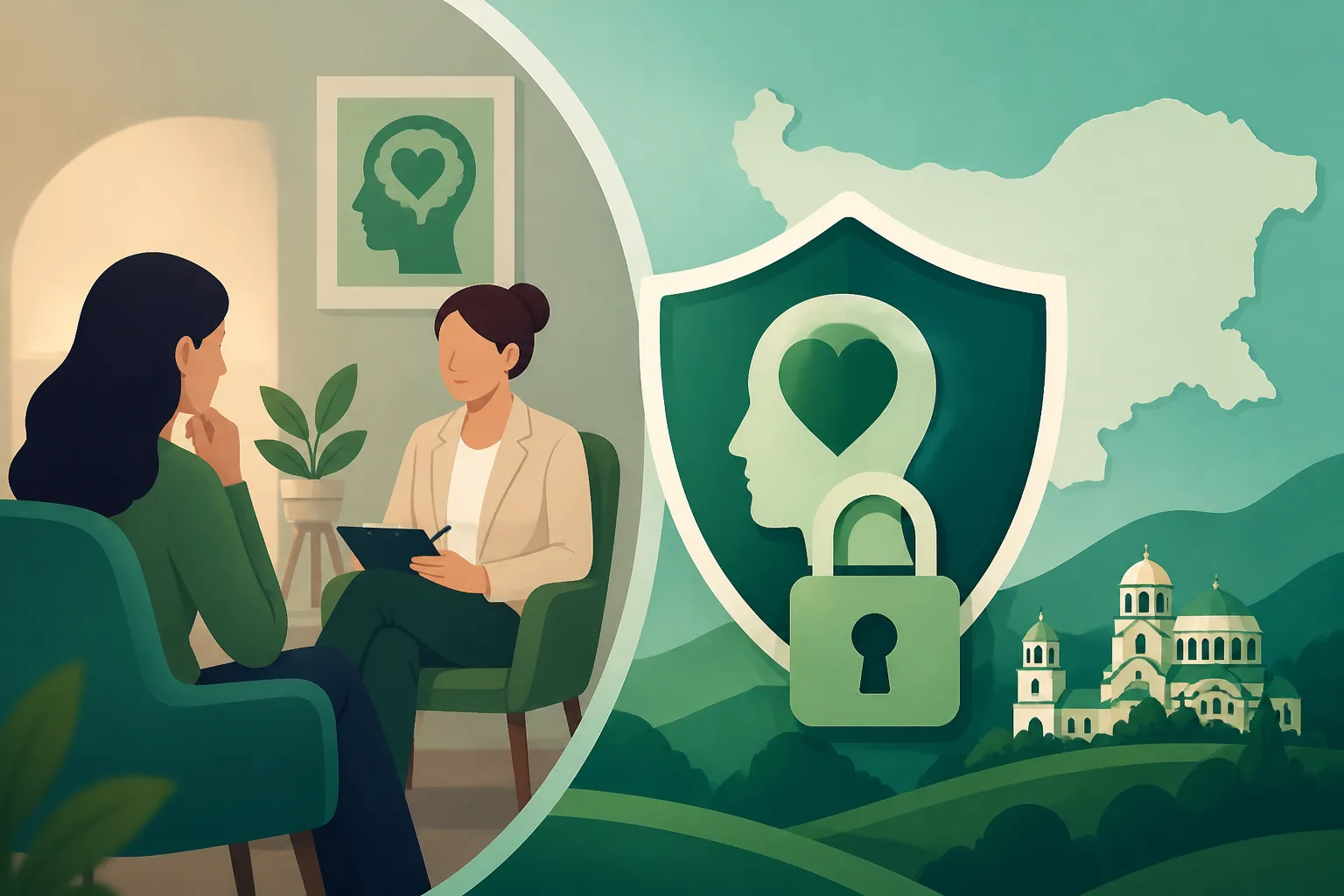
Is Mental Health Treatment Confidential in Bulgaria?
One of the most unsettling feelings as an expat is navigating the healthcare system in a new country, especially when it comes to something as personal as mental health. You might worry about whether your struggles will become public knowledge, impact your residency, or simply not be understood due to language barriers. This guide aims to clear up the concerns surrounding mental health treatment confidentiality in Bulgaria, helping you understand your rights and how the system actually works on the ground.
Understanding Patient Confidentiality Laws in Bulgaria
Let's get right to it: the idea of patient confidentiality, or medical secrecy as it’s often called, is a fundamental principle in Bulgarian healthcare. Just like in most Western countries, doctors, therapists, and all medical personnel here are legally and ethically bound to keep your health information private. However, the exact mechanisms and nuances can sometimes feel a bit opaque, especially when you're used to a different system back home. It’s not just about a doctor not blabbing your business at the local kafe; it’s about a comprehensive legal framework designed to protect your most sensitive data.
You’ve probably heard horror stories or just felt that general unease about how personal data is handled when you’re not in your comfort zone. Rest assured, Bulgaria does have robust laws in place. The challenges often arise not from a lack of legal protection, but from the practicalities of navigating a system in a foreign language, understanding bureaucratic processes, and simply not knowing who to trust. It’s a common expat anxiety, and it’s valid. Your privacy here is taken seriously, but knowing the specifics can really put your mind at ease.
Legal Framework and Your Rights
Bulgaria’s legal landscape for patient confidentiality is rooted in several key pieces of legislation. The primary one is the Health Act (Закон за здравето), which explicitly outlines patient rights, including the right to privacy and confidentiality of health information. This is further reinforced by the Personal Data Protection Act (Закон за защита на личните данни), which aligns with the European Union's GDPR (General Data Protection Regulation). This means that your personal health data is treated as sensitive personal data, subject to stringent rules about its collection, storage, processing, and sharing.
What does this mean for you, practically speaking? It means that any information you share with a healthcare professional – be it a psychiatrist, psychologist, or general practitioner – is protected. They cannot disclose it to third parties without your explicit, informed consent. There are very few exceptions, and these are usually dictated by law, such as in cases where there is an immediate and serious threat to your life or the lives of others, or under a specific court order. These exceptions are not taken lightly and are generally a last resort. For instance, if you were to express a clear and imminent intent to harm yourself or someone else, the medical professional might be legally obliged to intervene and potentially inform relevant authorities, but this is always within a strict ethical and legal framework aimed at safety.
Your rights also include the right to access your own medical records, request corrections if there are errors, and even to be informed about who has accessed your data and for what purpose. It's not always easy to exercise these rights if you're battling a language barrier or unfamiliar with the procedure, but the legal foundation is there to support you. Knowing these rights is your first line of defense and empowerment in a foreign healthcare system.
How Medical Records are Handled
The handling of medical records in Bulgaria, like many places, is a mix of traditional paper-based systems and increasingly, digital platforms. In larger private clinics, especially in cities like Sofia or Plovdiv, you'll find modern electronic health record systems that often mirror those you might be familiar with in Western Europe or North America. These systems are typically secure, with access controls and audit trails to ensure only authorized personnel can view your data. Many Bulgarian clinics, even smaller ones, are making strides in digitizing their processes.
When you register with a GP, or lichen lekar, which is a crucial first step for How to Register with the National Health Insurance Fund in Bulgaria, your basic health information and any subsequent consultations, prescriptions, and referrals will be entered into your file. This file, whether digital or physical, is accessible to your GP and, upon referral, to specialists. The idea is that all healthcare providers involved in your treatment have the necessary context, but this access is on a need-to-know basis and is logged. For example, if your GP refers you to a psychiatrist, they would typically share relevant medical history, but they wouldn't just send over your entire life story without careful consideration of what's necessary for treatment.
Switching providers can sometimes be a bit clunky, as not all systems are fully integrated across the country or between public and private sectors. If you change your GP or decide to use a completely different private clinic for mental health support, you might need to request your records from your previous provider to ensure continuity of care. This often involves a written request and can take a few days. However, this process itself is usually designed with confidentiality in mind, requiring your identification and signature. The good news is that medical professionals are generally understanding of the need to transfer records securely and will guide you through the process, even if it requires a bit of patience on your end.
Navigating Mental Health Services and Confidentiality as an Expat
Seeking mental health support is a brave step, and doing it in a foreign country adds an extra layer of complexity. The primary concerns often revolve around finding someone who understands not just your language, but also your cultural background, and whether you can truly trust them with your innermost thoughts. The worry about confidentiality is absolutely paramount here – you want to know that what you share stays between you and your therapist, without it inadvertently affecting your life in Bulgaria.
This is where the choice between public and private healthcare becomes even more relevant. While the public system, covered by the NHIF (National Health Insurance Fund), offers certain psychiatric services, private clinics and independent therapists often provide more immediate access, a wider range of specialties, and crucially for many expats, services in English. The key is to be proactive and informed in your choices.
Finding a Confidential English-Speaking Professional
Finding an English-speaking mental health professional in Bulgaria, particularly in major cities like Sofia, Plovdiv, or Varna, is definitely possible, but it requires a bit of focused searching. Your options generally fall into two categories: private clinics and independent practitioners.
Private clinics, such as those that cater to international clients, often have English-speaking psychiatrists and psychologists on staff. These clinics are usually more accustomed to working with expats and understanding their specific concerns, including the need for stringent confidentiality. They often have administrative staff who speak English, making the initial contact and appointment booking much smoother. Examples might include clinics in Sofia's expat-heavy neighborhoods or those advertised through international community groups. When considering a clinic, don't hesitate to ask about their confidentiality policies and how they handle patient data specifically for foreign clients.
Independent therapists, psychologists, and counselors who operate their own practices are also a fantastic resource. Many of these professionals have trained abroad or have significant experience working with diverse populations. You can often find them through online directories, expat forums, or recommendations from other foreigners. Websites like Psychology Today or local expat groups on social media can be great starting points to How Do I Access Mental Health Support in English in Bulgaria?.
When you're looking, it's essential to verify their credentials. Bulgarian mental health professionals should be registered with their respective professional bodies (e.g., the Bulgarian Association of Psychotherapy or the Bulgarian Psychological Society). Don't be shy about asking about their qualifications, experience with expats, and, crucially, their approach to confidentiality during your initial consultation. A good therapist will be transparent and happy to discuss these concerns with you.
Regarding private health insurance, companies like SafetyWing offer travel and international health insurance plans that might include mental health benefits. If you're covered by such a plan, it's worth checking their specific policies on mental health consultations, as they often work with a network of international providers. Even if your plan requires some administrative information for claims, they are also bound by data protection regulations, ensuring your core treatment details remain confidential between you and your doctor. This can be a practical way to access confidential support, especially for those who are How to Buy Private Health Insurance as a Newcomer in Bulgaria.
Language Barriers and Cultural Nuances
Even with an English-speaking professional, language barriers and cultural nuances can subtly impact the sense of confidentiality and understanding. It’s not just about direct translation; it’s about the unspoken context, the idioms, and the cultural frameworks through which we understand emotions and mental well-being.
Sometimes, even with a fluent English speaker, there might be slight misunderstandings. Imagine trying to explain a very specific cultural anxiety from your home country to someone who has never lived there – some things just don’t translate perfectly. This isn't necessarily a breach of confidentiality, but it can feel like your full story isn't being grasped, which can erode trust and, by extension, your feeling of privacy. This is why many expats seek out therapists with a background in international psychology or experience with specific expat challenges.
If you opt for a Bulgarian-speaking therapist and need a translator, this adds another layer to the confidentiality question. A professional medical translator is also bound by strict confidentiality agreements. However, introducing a third person into such sensitive conversations naturally changes the dynamic. If you do use a translator, ensure they are certified and understand the ethical obligations of medical translation. It's an extra step, but it's a vital one to maintain your peace of mind.
Furthermore, cultural attitudes towards mental health in Bulgaria, while evolving, might differ from what you're accustomed to. Historically, there's been less open discussion about mental health issues in some parts of society, leading to a degree of stigma. While this shouldn’t affect your direct interactions with a professional, it can influence how comfortable you feel seeking help and might subtly shape your expectations of discretion in general. It's crucial to find a professional who is not only clinically competent but also culturally sensitive and understanding of the expat experience.
Specific Scenarios and Exceptions to Confidentiality
While the general rule in Bulgaria is strict patient confidentiality, it’s important to understand that no legal framework is absolute. There are specific, legally defined scenarios where your medical information, including mental health details, might be shared. These exceptions are typically in place to protect individuals or the wider public and are not taken lightly by the authorities or medical professionals. Knowing these can help manage expectations and reduce anxiety about what might happen if you find yourself in a difficult situation.
It’s worth noting that these exceptions are usually invoked under very specific conditions, and they don't mean that your entire medical file is suddenly open to public scrutiny. Rather, only the necessary information, and often only to the relevant authorities, would be disclosed.
When Information Can Be Shared
The primary instances where confidentiality might be legally bypassed include:
-
Imminent Danger to Self or Others: This is a universal exception in most healthcare systems. If a mental health professional has reasonable grounds to believe that you pose a serious and immediate threat to your own life (e.g., severe suicidal ideation with a plan) or to the life and safety of others, they are legally and ethically obligated to take steps to prevent that harm. This might involve involuntary hospitalization, informing family members (with your safety in mind), or, in extreme cases, notifying law enforcement. This is not about judgment but about intervention to prevent tragedy.
-
Court Orders and Legal Proceedings: If a court issues a specific, legally binding order for your medical records as part of a criminal investigation or civil lawsuit, healthcare providers are generally obliged to comply. This is not an arbitrary request; it comes from the judicial system and is usually subject to strict rules about what information can be accessed and how it can be used.
-
Public Health Concerns: In rare cases of infectious diseases or other severe public health threats, certain medical information might need to be reported to public health authorities. While this rarely applies directly to mental health conditions, it's part of the broader framework where individual privacy might, in exceptional circumstances, be balanced against collective public health safety.
-
Reporting of Certain Crimes: If a patient discloses experiencing or being a victim of certain severe crimes (e.g., child abuse), medical professionals might have a legal duty to report this to the police. This varies by specific legislation and the nature of the crime.
It's vital to remember that in all these cases, the disclosure is limited to what is strictly necessary and is often done with careful consideration of the patient's rights and well-being. These are not loopholes for casual information sharing but serious legal obligations.
Insurance and Administrative Implications
Now, let's talk about the practical side, especially concerning money and paperwork – topics that always seem to make expats slightly twitchy.
When you use your health insurance, whether it's the NHIF or a private plan, there's an inherent level of information sharing that occurs. For instance, if you're utilizing the NHIF, your GP or psychiatrist will register your visit and services rendered for billing purposes. This information typically includes diagnostic codes and details about the type of service received. The NHIF needs this to process payments to the healthcare provider. However, this is largely administrative and doesn't involve sharing your detailed session notes or private conversations with a wide array of non-medical personnel. The individuals at the NHIF who process these claims are also bound by confidentiality. If you want to know more about the specifics of the public system, you can explore How Bulgaria's Health System Works: The NHIF and Private Care Explained (2026).
For private health insurance plans, like those offered by SafetyWing or other international providers, the process is similar. To claim reimbursement for mental health treatment, your insurance company will require a medical report or invoice detailing the diagnosis and treatment. Again, this is typically handled by medical or administrative staff within the insurance company who are trained and legally obligated to maintain confidentiality. They need enough information to verify the claim's validity, but they don't get a verbatim transcript of your therapy sessions. Understanding Understanding Private Health Insurance Plans in Bulgaria can help clarify what information might be requested.
A common fear among expats is whether seeking mental health treatment could negatively impact their residence permit applications or renewals. The good news is that for the vast majority of cases, it won't. Bulgarian immigration authorities generally require a medical certificate stating you don't suffer from certain infectious diseases or conditions that could pose a public health risk. Mental health conditions are not usually on this list, unless they involve severe, uncontrolled psychotic disorders that could lead to public danger, which is a very rare exception. Seeking therapy or medication for anxiety, depression, or adjustment disorder will absolutely not jeopardize your stay in Bulgaria. The healthcare and immigration systems are distinct, and confidentiality laws protect your medical data from being arbitrarily shared with immigration officials.
To give you a clearer picture, here's a quick comparison of general confidentiality expectations versus Bulgarian realities:
| Aspect | General Expat Expectation (Often Western) | Bulgarian Reality (Legal & Practical) |
|---|---|---|
| Legal Basis | Strong privacy laws (e.g., HIPAA, GDPR). | Strong privacy laws (Health Act, Personal Data Protection Act/GDPR alignment). |
| Medical Records Access | Only by treating medical team, with strict consent for others. | Same. Primarily treating medical team. Your consent required for wider sharing. |
| Therapy Session Content | Highly confidential, protected by ethical codes and law. | Highly confidential. Protected by law and professional ethics. |
| Insurance Claims | Administrative details/diagnoses shared with insurer for billing. | Administrative details/diagnoses shared with NHIF or private insurer for billing/reimbursement. Limited to necessary info. |
| Exceptions (General) | Imminent danger, court orders, certain public health mandates. | Same. Imminent danger to self/others, court orders, specific public health threats (rare). |
| Immigration Impact | Typically no impact on residency unless severe public health/safety risk. | Generally no impact on residence permits. Medical checks focus on public health risks, not mental health conditions like anxiety or depression. |
| Language Barrier Impact | Potential for miscommunication even with translation. | Real, as cultural nuances are hard to translate. Choose professionals with expat experience or use certified medical translators. |
As you can see, the core principles of confidentiality are very much aligned with international standards. The administrative hurdles or language differences might make it feel less private at times, but the legal protections are there. Don't let these worries deter you from seeking help if you need it. Bulgaria has a growing number of dedicated mental health professionals, and your well-being is paramount.
Rest assured, the Bulgarian system is designed to protect your privacy. While navigating a new country’s bureaucracy can feel overwhelming, especially with sensitive topics, your mental health treatment is indeed confidential under Bulgarian law. Take the time to find a professional you trust, ask questions about their policies, and remember that seeking support is a sign of strength, not weakness. Don't let misplaced fears about privacy hold you back from getting the care you deserve. For more comprehensive insights into the overall system, delve into topics like The Complete Guide to Healthcare in Bulgaria for Expats (2027) or Navigating the Bulgarian Healthcare System: An Expat's Roadmap (2027). If you're concerned about costs, you might find solace in The Cost of Healthcare in Bulgaria: A Complete Breakdown for Foreigners (2026) or even Why Bulgaria Has Affordable Healthcare: The Expat Guide (2027). For specific practical steps, consider guides like How to Find and Register with a Clinic or Doctor in Bulgaria and How to Choose and Register with a GP (Личен Лекар) in Bulgaria.
Disclaimer
The information provided in this guide is for general informational purposes only and does not constitute legal, medical, or professional advice. While we strive to provide accurate and up-to-date content, laws and procedures in Bulgaria can change. Always consult with a qualified legal or healthcare professional for advice tailored to your specific situation. We are not responsible for any actions taken based on the information in this article.