How Do I Pay for a Doctor Visit in Bulgaria?
One of the first things that sends a shiver down the spine of any expat in Bulgaria, especially when you’re not feeling your best, is figuring out how the heck you pay for a doctor’s visit. It’s not always straightforward, and the last thing you want when you’re dealing with a cough or something more serious is to be caught off guard by unexpected costs or confusing payment processes. This guide is here to walk you through the ins and outs, making sure you know exactly what to expect when it comes to settling your medical bills in Bulgaria, whether you’re plugged into the public system or opting for private care.
Navigating the Two-Tier System: NHIF vs. Private Payments
Bulgaria, like many European countries, operates on a mixed healthcare model. You’ve got the public system, funded by mandatory health insurance contributions to the National Health Insurance Fund (NHIF), and then there’s the private sector. For us expats, understanding which lane you’re in is absolutely crucial because it dictates not only the quality and speed of care you might receive but, more importantly, how you’ll be paying for it. It’s a bit of a maze at first, but once you get your bearings, it becomes much clearer.
The Bulgarian National Health Insurance Fund NHIF System
So, you’ve secured your residency, or perhaps you’re employed by a Bulgarian company, and you’re making your monthly contributions to the National Health Insurance Fund, known locally as the NHIF or НЗОК (Natsionalna Zdravnoosiguritelna Kasa). Congratulations, you’re now part of the public healthcare system! This means that a significant portion of your medical costs will be covered by the state. This is a huge relief for many, as it ensures access to general practitioners, specialists (with a referral), hospital care, and even some prescription medications at a significantly reduced rate.
However, being covered by the NHIF doesn’t mean everything is entirely free. It's not a "free-at-the-point-of-use" system like the NHS in the UK, for example. You’ll still encounter what are called "co-payments" or "user fees" (потребителска такса – potrebitelska taksa) for most visits to a GP or specialist. These are usually small, symbolic amounts, but they are mandatory and you need to be aware of them. The good news is that these fees are fixed and quite low, meaning you won’t be hit with a surprise bill for hundreds of leva for a routine check-up. Understanding Mandatory Health Insurance Contributions in Bulgaria is key here. Your employer will typically handle the deduction if you’re formally employed, but if you’re self-employed, it’s on you to ensure these contributions are made. Without them, you’re essentially operating outside the public system, even if you’ve registered.
The Private Healthcare Route
For many expats, especially those who initially arrive without immediate access to the NHIF system, or those who simply prefer faster appointments, English-speaking staff, and more modern facilities, private healthcare is the go-to option. This route is entirely separate from the NHIF. When you choose a private clinic or hospital, you are directly responsible for the full cost of any services you receive. This means no co-payments, but also no state subsidies – you’re paying out of pocket or relying on your private health insurance.
Private clinics often cater specifically to foreign residents and offer a more streamlined experience, from booking appointments to consultation times. While it’s certainly more expensive than the nominal fees you’d pay with NHIF coverage, many find the convenience and often higher standard of service worth the extra cost. It’s worth exploring the nuances between public vs private healthcare in Bulgaria: what expats need to know to make an informed decision that suits their personal circumstances and financial situation. Even if you're NHIF covered, you might still choose to pay for certain private services if wait times for specialists are too long, or if you simply want a specific doctor or facility.
Paying When You Have NHIF Coverage
Alright, so you’ve done the paperwork, you’re registered with the NHIF, and you’ve chosen your GP (личeн лeкaр – lichen lekar). You wake up with a nasty flu and need to see a doctor. What happens next when it comes to payment? It's generally a smooth process, but knowing the specific steps and expected costs will save you from any surprises.
Understanding Co-Payments Потребителска Такса
When you visit your General Practitioner (GP) or a specialist, if you have a valid referral, you will almost always be asked to pay a nominal co-payment, known as a potrebitelska taksa. This fee is set by the state and is relatively low – currently, it's typically 2.90 BGN for a GP visit and 5.80 BGN for a specialist visit (as of my last check, but these amounts can change, so always be prepared). This is precisely why Understanding Out-of-Pocket Healthcare Costs and Co-Payments in Bulgaria is so important.
Think of it as a small administrative fee. This is not the full cost of the consultation, but simply your contribution. For example, you walk into your GP's office, you present your ID and your NHIF document (or proof of your NHIF status), you have your consultation, and before you leave, the receptionist or nurse will ask you for the potrebitelska taksa. You’ll usually pay this in cash, though some modern clinics might accept card payments for it now. They'll issue you a small receipt (касова бележка) which you should keep for your records, especially if you ever need to justify your visits for insurance or other administrative purposes.
There are, however, exceptions to these co-payments. Children under 18, pregnant women, war veterans, and certain categories of people with disabilities are generally exempt from paying the potrebitelska taksa. If you fall into one of these categories, make sure to clarify this with the clinic staff or your doctor. They should be aware, but a gentle reminder never hurts. It’s a small detail, but knowing it can save you those few leva!
Covered Services and Referral Costs
The NHIF system covers a wide array of medical services, provided you follow the correct procedures. Your GP is your first point of contact for almost everything. For a routine check-up, managing chronic conditions, or addressing acute illnesses like a cold or stomach bug, your GP visit falls under the NHIF coverage, with only the potrebitelska taksa required from you. This is also why figuring out How to Choose and Register with a GP (Личен Лекар) in Bulgaria is one of your top priorities upon arrival.
However, if your GP determines you need to see a specialist – say, a dermatologist, a cardiologist, or an orthopedist – they will issue you a referral (направление – napravlenie). This referral is absolutely critical. Without it, your visit to a specialist will generally not be covered by the NHIF, and you'll be charged the full private rate. Once you have that referral, your specialist visit will again only require the potrebitelska taksa. It's a system designed to ensure your primary doctor manages your care and funnels you to specialists only when truly necessary. This process also applies to certain diagnostic tests, lab work, and some hospital admissions. Always make sure to ask your GP for the napravlenie if you need further investigations or specialist consultations.
For medications, the situation varies. Some prescription medications are fully or partially covered by the NHIF, while others are not. Your doctor will inform you about the coverage status of your prescribed drugs. You’ll usually pay your portion directly at the pharmacy. To get a handle on this, it's useful to consult a guide on Prescription Medications and Pharmacies in Bulgaria: The Complete Guide.
Paying When You Don't Have NHIF Coverage or Are a Tourist
This is where things can get a bit more expensive, and potentially a little more stressful, especially if you’re caught off guard. If you’re a new arrival and haven’t yet managed to register with the NHIF, or you’re in Bulgaria as a tourist, your payment options and expected costs will differ significantly.
Direct Payment at Private Clinics and Hospitals
Without NHIF coverage, any medical care you receive, outside of extreme life-threatening emergencies where you'd be stabilized regardless of payment ability, will be on a direct payment basis. This means you will be expected to pay the full cost of the service upfront or shortly after. Private clinics and hospitals operate like any other business: they provide a service, and you pay for it.
The costs for a simple doctor's visit can vary significantly. For a general practitioner consultation at a private clinic, you can expect to pay anywhere from 50 to 100 BGN (approximately 25 to 50 EUR), depending on the clinic, its location (Sofia clinics tend to be pricier than those in smaller towns), and the doctor's reputation. Specialist consultations will naturally be higher, often ranging from 80 BGN to 150 BGN or more. Diagnostic tests, lab work, and procedures will add to this, sometimes substantially. For example, an MRI scan in Bulgaria in 2026 can cost several hundred leva privately.
Always, and I mean always, ask for an estimate of costs beforehand if you're going to a private clinic. Most reputable private facilities, especially those catering to expats, will have clear price lists or be able to provide you with a quote. Major private hospitals like Acibadem City Clinic Tokuda Hospital in Sofia or Medical University Hospital in Plovdiv often have international patient departments that are well-versed in assisting foreigners with pricing and insurance queries. You can find more specific cost breakdowns in articles like How Much Does a Doctor Visit Cost in Bulgaria?
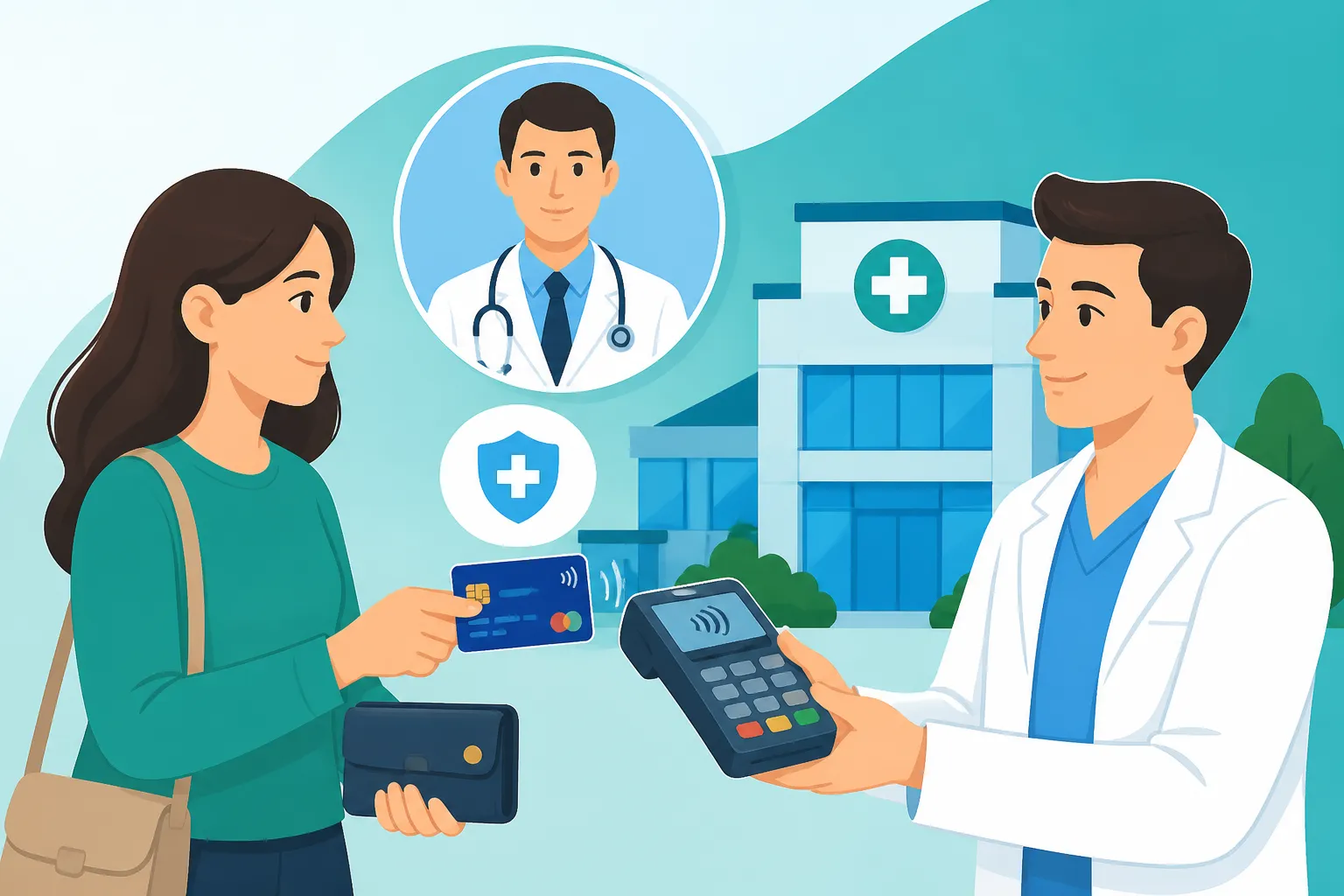
Payment at private facilities is typically straightforward. They almost always accept credit and debit cards, and cash is always an option. Some might even offer bank transfer options for larger bills, though this is less common for routine visits. Make sure you receive a detailed invoice or receipt (фактура or касова бележка) for your payment. This is crucial for your own records, and especially if you plan to claim reimbursement from private health insurance.
The Role of Private and Travel Health Insurance
If you’re not covered by the NHIF, having private health insurance or comprehensive travel insurance is absolutely non-negotiable. This is your safety net, your peace of mind. Without it, a medical emergency could quickly deplete your savings. Companies like SafetyWing offer flexible travel medical insurance plans that are popular among expats and digital nomads, covering emergencies and offering some outpatient benefits. While not a substitute for comprehensive long-term health insurance, it’s a good starting point for many newcomers or tourists.
When you have private health insurance, the process for payment can go one of two ways:
- Direct Billing: Some private clinics or hospitals have agreements with major international insurance providers (e.g., Allianz, Cigna, Axa). In these cases, after your consultation or treatment, the facility might directly bill your insurance company, and you only pay any deductible or co-insurance as per your policy. This is the most convenient option, as it avoids you paying a large sum upfront. Always check with the clinic and your insurance provider if direct billing is possible before your appointment.
- Reimbursement: More commonly, especially for smaller clinics or less common insurance providers, you will pay for your medical services upfront. After payment, you’ll submit the detailed invoice and medical reports (which the clinic will provide) to your insurance company for reimbursement. The article on How to Claim Reimbursement from Private Insurance in Bulgaria provides a deeper dive into this process. This is why keeping meticulous records and receipts is so important. Make sure you understand your policy's terms regarding deductibles, co-pays, and what specifically is covered (e.g., outpatient visits, specialist referrals, emergency care).
Remember, travel insurance (like that offered by SafetyWing) is generally designed for unforeseen incidents and emergencies while you are away from your home country, and often has limitations on pre-existing conditions or routine care. For long-term residency, a dedicated private health insurance plan for expats might be a more suitable and comprehensive choice. To delve deeper, check out Understanding Private Health Insurance Plans in Bulgaria.
Emergency Situations Without Coverage
Let’s be honest, this is the scenario everyone dreads. You’re in an accident, or suddenly become severely ill, and you don’t have NHIF coverage or your insurance details immediately at hand. What happens when you face Emergency Medical Care in Bulgaria: What Every Expat Needs to Know?
In life-threatening emergencies, Bulgarian hospitals are legally obligated to provide immediate, life-saving treatment regardless of your ability to pay. They will stabilize you. However, once you are stable, the question of payment will arise. If you don't have NHIF coverage, you will be considered a private patient, and the hospital will bill you directly for all services rendered. This can quickly add up, easily running into hundreds or thousands of leva, especially for complex treatments, surgery, or extended hospital stays.
The staff will likely ask for your insurance details as soon as possible, or if someone accompanies you, they might ask them. If you can’t provide insurance, they will expect payment from you. In public hospitals, you might receive a bill at the end of your treatment. In private hospitals, they might require a deposit or ongoing payments during your stay. This is precisely why having adequate insurance coverage (travel or private) is not just advisable, but absolutely critical for anyone without NHIF coverage in Bulgaria. Even tourists, for whom it is usually a pre-requisite for their visa to have travel health insurance, should confirm they Can Tourists Access Emergency Care in Bulgaria.
Practicalities of Payment: Cash, Card, and Invoicing
Once you’ve understood what you’re paying for and why, the next step is the how. Bulgaria is becoming more modernized in its payment systems, but cash still plays a significant role in many areas, including healthcare.
Common Payment Methods in Bulgarian Medical Facilities
While Bulgaria is increasingly embracing card payments, cash is still very much king, especially for smaller transactions or in public institutions.
- Cash: For the NHIF co-payment (potrebitelska taksa) at your GP or public specialist, cash is almost always the expected method. It’s always a good idea to carry a small amount of Bulgarian leva (BGN) with you specifically for these occasions. Even at some smaller private clinics, particularly in more rural areas, cash might be preferred or even the only option.
- Card Payments: Most larger private clinics, private hospitals, and modern medical centers in cities like Sofia, Plovdiv, or Varna readily accept credit and debit cards (Visa, Mastercard are standard). This is generally the most convenient option for larger bills or when you prefer not to carry too much cash. However, don't assume every facility will have a POS terminal; it's always wise to confirm if you're relying solely on card payment, especially in less urban settings.
- Bank Transfer: For very large bills, such as extended hospital stays at a private facility or complex procedures, a bank transfer might be an option. This is less common for routine doctor visits but could be arranged if you’re dealing with substantial costs. If you have an account with a local bank like DSK Bank or UniCredit Bulbank, this can be relatively easy to arrange.
Getting Your Receipt and Medical Documentation
No matter how you pay, receiving proper documentation for your visit is vital. This serves multiple purposes:
- Proof of Payment: A касова бележка (cash receipt) or фактура (invoice) is your proof that you’ve paid for the service. For NHIF co-payments, it's usually a small, stamped receipt. For private services, you should get a more detailed invoice listing the services and costs.
- Insurance Claims: If you have private health insurance and are seeking reimbursement, a detailed invoice and a medical report from the doctor are absolutely essential. Your insurance company will not process a claim without these. The medical report should clearly state your diagnosis, the treatment received, and any prescribed medications.
- Medical Records: Having records of your visits and treatments is important for your ongoing health management, especially if you see different doctors or need to provide your medical history to a new practitioner.
- Administrative Purposes: Sometimes, you might need proof of a doctor's visit for work (a sick note, known as болничен лист), or for immigration purposes.
Always request an invoice or receipt and a medical report (usually given automatically in private clinics, but you might need to ask for one at public facilities). If you're struggling with the language, ask if they have a form in English, or if they can at least provide a basic translation of the key terms. Most medical staff, especially in bigger cities, will be able to help you with this.
| Payment Method | NHIF Covered (Co-Payment) | Private Clinic (Full Cost) |
|---|---|---|
| Cash (BGN) | Required for potrebitelska taksa | Often accepted, sometimes preferred for smaller clinics |
| Debit/Credit Card | Less common for co-payments, but increasing | Widely accepted in larger cities/clinics |
| Bank Transfer | Not applicable for co-payments | Possible for large bills, less for routine visits |
| Private Insurance | Not directly used for co-payments | Direct billing possible or reimbursement after payment |
| Travel Insurance | Not applicable | Direct billing possible or reimbursement after payment |
| Expected Cost | ~2.90 BGN (GP), ~5.80 BGN (Specialist) | 50-150 BGN+ (GP/Specialist), much higher for procedures |
| Required Doc. | Касова бележка (cash receipt) | Фактура (invoice) + medical report for insurance |
Figuring out how to pay for a doctor’s visit in Bulgaria can feel like a daunting task when you first arrive, but it quickly becomes second nature. Whether you're navigating the small co-payments of the NHIF system or settling larger bills at a private clinic, the key is understanding your options, carrying the right documents, and always being prepared to ask questions. With this guide, you’re now better equipped to handle your medical payments with confidence, allowing you to focus on what truly matters: getting well and enjoying your life in beautiful Bulgaria.
Disclaimer
The information provided in this guide is intended for general informational purposes only and does not constitute professional medical, legal, or financial advice. Healthcare costs, regulations, and insurance policies in Bulgaria can change, and it is crucial to verify all information with official sources, healthcare providers, and your insurance company. We recommend seeking personalized advice based on your specific circumstances from qualified professionals.