What Is the Emergency Phone Number in Bulgaria?
That sudden jolt of panic when something goes wrong – a fall, a sudden illness, or witnessing an accident – is universal, but when it happens in a foreign country like Bulgaria, that panic is often amplified by uncertainty. You're left scrambling, trying to remember what number to call, if anyone will understand you, and what steps to take next. This guide is here to cut through that anxiety, providing you with a clear, comprehensive understanding of Bulgaria's emergency services, starting with the single most important number you need to know.
The Universal Lifeline: Dialing 112 in Bulgaria
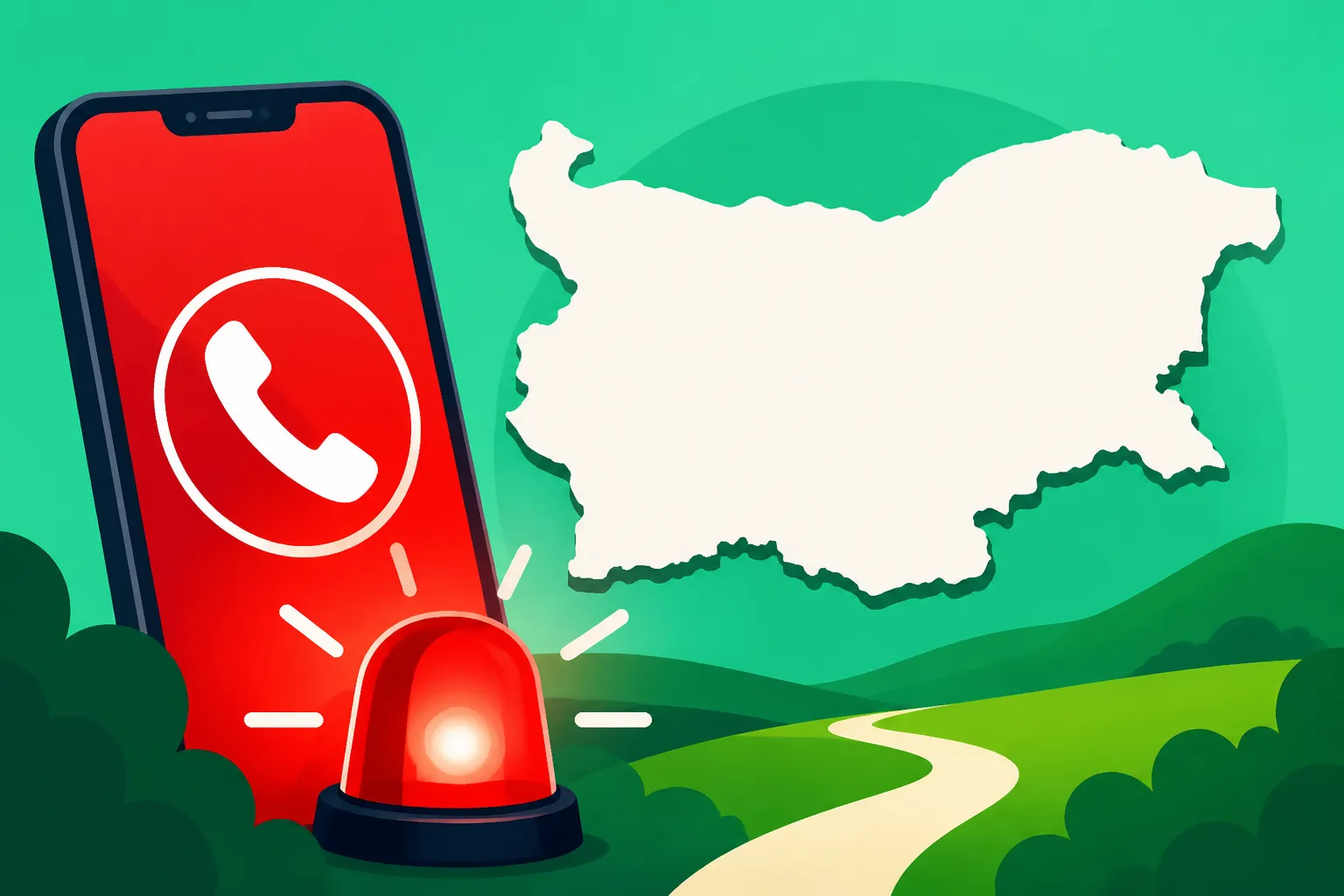
The good news, dear expat or visitor, is that Bulgaria, like all other EU member states, uses the unified European emergency number: 112. This isn't just a random set of digits; it's designed to be your one-stop shop for any critical situation, whether it's a medical emergency, a fire, or a crime in progress. Forget trying to remember separate numbers for police, ambulance, or fire brigades – just dial 112, and the operators are trained to connect you to the appropriate service. This centralisation really streamlines things, especially when every second counts.
The Unified European Emergency Number Explained
When you dial 112 in Bulgaria, you’re not just calling a local dispatch office; you're tapping into a system that’s been implemented across the entire European Union. The idea behind 112 is brilliant in its simplicity: a single, free-to-call number that works from any landline or mobile phone, even without a SIM card in many cases. This is incredibly reassuring, particularly for tourists or newcomers who might not have local services set up yet. The operators at these centres are your first point of contact, acting as a crucial bridge between your emergency and the specialised teams who can help. They're designed to handle a wide range of situations, from life-threatening medical crises to more mundane, but still urgent, issues. It’s comforting to know that this isn't some obscure local number but a globally recognized standard for distress calls in Europe.
Navigating Language Barriers and Communication Tips
Now, let's be realistic: while 112 operators should be able to communicate in English, the reality on the ground can sometimes be a mixed bag, especially in smaller towns outside of major cities like Sofia or Plovdiv. You might encounter an operator whose English isn't perfect, or who might be under pressure themselves. This is where your preparation can make a huge difference. Always assume you might need to speak slowly and clearly. If you know any basic Bulgarian, even just "Pomosh!" (Help!) or "Spechen sluchai!" (Emergency!), it can sometimes help bridge that initial gap.
Before you make the call, try to gather your thoughts. Take a deep breath. Have your address or exact location ready. If you're with someone who speaks Bulgarian, let them make the call or be ready to hand the phone over. Another incredibly helpful tip is to have a short, pre-written note on your phone with key phrases or information, like "I need an ambulance," "I need police," or your full address, ready to show someone or even read out if necessary. Technology can also be your friend here; a translation app can be a lifesaver for simple phrases, though real-time, complex conversations can still be tricky. The point is, anticipate the potential for a language hurdle, and have a strategy for it.
What Information to Provide Clearly and Calmly
When you connect with the 112 operator, they'll ask you a series of questions. It's vital to provide this information as calmly and clearly as possible, even if your heart is pounding. The golden rule is: Where, What, Who.
- Where: Your exact location is paramount. This includes the street name, building number, city, and any prominent landmarks nearby. If you’re not sure of the exact address, try to look for street signs, shop names, or use your phone's GPS to give coordinates. "I'm near the big church on Vitosha Boulevard in Sofia" is much more helpful than "I'm in Sofia."
- What: Describe the nature of the emergency. Is it a medical emergency, a fire, a car accident, or a robbery? Be concise but provide enough detail for them to understand the severity and type of response needed. For a medical emergency, specify if the person is conscious, breathing, bleeding, etc. For a fire, mention what's burning and if anyone is trapped.
- Who: Briefly mention your name and a contact number, especially if you're calling from a different phone than your main one. Also, state how many people are involved or affected by the incident.
The operator might also ask follow-up questions, like "Is anyone injured?", "Are there any weapons involved?", or "Is the building evacuated?". Listen carefully and answer truthfully. Do not hang up until the operator tells you to, as they might need to confirm details or provide critical instructions. Remember, they are there to help, and precise information allows them to dispatch the right teams efficiently.
Specific Emergency Services and Their Roles
When you dial 112, you're tapping into a network that coordinates several crucial emergency services. Understanding what each one does, and what kind of situations they typically respond to, can give you a better sense of what to expect and how to frame your call. The 112 operator will triage your call and send the most appropriate service, or even multiple services if the situation demands it.
Ambulance and Medical Emergencies
The ambulance service, or "Бърза помощ" (Bărza pomosht), is what you'll need for any health crisis. This ranges from serious injuries due to an accident to sudden, severe illness like a heart attack, stroke, or allergic reaction. When you call 112 for a medical emergency, the operator will typically assess the urgency and dispatch an ambulance. Be prepared to describe symptoms, the patient's condition (conscious/unconscious, breathing/not breathing), and any known medical history or allergies if you have that information.
It’s important to understand that in Bulgaria, particularly through the public system, ambulances are primarily for acute, life-threatening emergencies. They're not typically dispatched for minor ailments that could be handled by a visit to a GP or a private clinic. For non-life-threatening medical issues, it might be more efficient to go directly to an urgent care centre or a private hospital if you have private health insurance, especially if you're concerned about How Much Does an Ambulance Cost in Bulgaria?. Many expats find that having good private health insurance, like the plans offered by providers such as SafetyWing, gives them more flexibility and access to private medical facilities where English is more widely spoken and wait times can be shorter. For deeper insights into navigating the medical system, our guide on Emergency Medical Care in Bulgaria: What Every Expat Needs to Know is an excellent resource.
Police and Security Incidents
For any situation involving crime, public disorder, or a threat to personal safety, you’ll be connected to the police, known as "Полиция" (Politsia). This includes theft, assault, domestic disturbances, vandalism, or reporting suspicious activity. When reporting a crime, give the operator as many details as possible: description of perpetrators, direction of travel if they fled, type of incident, and any injuries sustained.
Bulgarian police response times can vary depending on the location and severity of the incident. In cities, they're generally prompt for serious crimes. For less urgent matters, like reporting a stolen wallet without immediate danger, you might be directed to a local police station to file a report in person after the initial call to 112. Always be prepared to provide identification if asked, and cooperate fully with the responding officers. If you're involved in a car accident, even a minor one, calling 112 to report it to the police is mandatory if there are injuries or significant damage, or if you need to file an insurance claim.
Fire and Rescue Operations
The fire and rescue service, "Пожарна" (Pozharna), responds to fires, but also to a broader range of rescue situations. This includes building fires, forest fires, chemical spills, road traffic accidents where people are trapped, and even animal rescues. If you're reporting a fire, describe the location, what's burning, and if anyone is believed to be inside or in danger.
When the fire brigade arrives, they are highly trained professionals equipped to handle dangerous situations. Follow their instructions precisely for your safety and the safety of others. For situations like major car accidents, you might see both the ambulance and fire brigade arriving, as the latter often has specialised equipment for extrication. Their role extends beyond just putting out flames; they are critical in urban search and rescue, flood relief, and generally making dangerous situations safe.
Beyond the Call: What Happens Next?
Making that 112 call is often the most stressful part, but knowing what follows can help you mentally prepare for the next steps. The immediate aftermath of an emergency response can be confusing, especially with potential language barriers and the natural adrenaline surge.
Arrival of Emergency Teams
Once your call is placed and the relevant services are dispatched, you should wait at a safe and visible location, if possible, to guide the emergency teams. If you’re indoors, ensure clear access. If you're outside, look for them and wave to make yourself identifiable. The wait can feel interminable, but rest assured, they are on their way.
When they arrive, they'll typically be focused and move quickly. Again, clear communication is key. Be ready to reiterate the situation, point out any victims, or show them exactly where the incident occurred. They might ask for your ID or more details about what transpired. Don't be surprised if multiple vehicles arrive for a single incident; for example, a serious car crash might see an ambulance, police, and fire brigade all on the scene. Their priority is to secure the area, provide immediate assistance, and transport anyone in need of further medical attention.
Hospital Procedures and Initial Care
If you or someone you're with requires hospitalisation after an emergency, be prepared for a different aspect of the Bulgarian healthcare system. Upon arrival at an emergency room ("Спешно отделение" – Speshno otdelenie), medical staff will perform an initial assessment. This is where having your personal identification, health insurance information, and any relevant medical history becomes crucial. Don't worry about payment right away in a true emergency; their priority is stabilisation. However, you will eventually need to sort out the financial side.
If you have public health insurance through the National Health Insurance Fund (NHIF), or a valid European Health Insurance Card (EHIC), show it. If you're relying on private insurance, such as from SafetyWing or another international provider, ensure you have the policy details readily available. Our guide on Understanding Hospital Admission and Billing in Bulgaria delves into these procedures in more detail. For those who are still settling in, make sure you understand How Bulgaria's Health System Works: The NHIF and Private Care Explained (2027) to avoid any surprises. You might find yourself in a public hospital, especially for acute emergencies, where English may be less common among staff compared to private facilities.
Dealing with Follow-Up and Administration
An emergency doesn't always end when the sirens fade. There can be significant follow-up and administrative tasks. If police were involved in an incident like theft or an accident, you’ll need to file a formal report, which might require a visit to a police station later. This report is essential for insurance claims or legal proceedings. Keep all incident numbers or reference codes provided by the emergency services.
For medical emergencies, once you're stabilised or discharged, you might need to arrange follow-up appointments with a general practitioner ("Личен лекар" – lichen lekar) or a specialist. This is where your regular healthcare setup comes into play. If you're registered with a GP, they will take over your ongoing care. If not, you'll need to figure out How to Choose and Register with a GP (Личен Лекар) in Bulgaria. You'll also need to manage any medical bills or insurance claims, often a bureaucratic hurdle that can be frustrating. Always keep copies of all medical documents, reports, and receipts.
Essential Preparations for Expats and Tourists
As an expat or tourist in Bulgaria, proactive preparation is your best defense against the unexpected. Knowing what to do in a crisis is half the battle, but having your ducks in a row beforehand can genuinely alleviate stress during a high-stakes moment.
Having Key Information Ready
Imagine the worst: you're unconscious, or unable to communicate. What information would emergency responders need? This is why it’s critical to have certain details easily accessible. Carry a small card in your wallet, or use an emergency contact feature on your phone, that lists:
- Your full name, date of birth, and blood type (if known).
- Any serious medical conditions, allergies (especially to medications), or ongoing treatments.
- Emergency contact numbers for family members or close friends (with international dialing codes).
- Your address in Bulgaria and your passport/ID number.
- Your health insurance provider and policy number.
This simple act of preparedness can save precious time and help medical personnel make informed decisions. Also, consider learning some basic survival Bulgarian phrases. Even knowing "Where is the hospital?" (Къде е болницата? – Kade e bolnitsata?) or "I am sick" (Болен съм – Bolen sum) can make a world of difference.
Understanding Insurance for Emergencies
This is a big one. For EU citizens, the European Health Insurance Card (EHIC) covers state-provided necessary medical treatment, but it's not a substitute for comprehensive travel or private insurance. It won't cover repatriation, lost luggage, or private hospital care. For non-EU citizens, having robust private health insurance is non-negotiable. Many expats opt for international providers like SafetyWing, which offer flexible and comprehensive plans suitable for global citizens.
Before any emergency happens, understand your policy inside and out. Know what it covers – emergency transport, hospital stays, doctor visits, prescription medications, and crucially, any deductibles or co-payments you might be responsible for. Keep your insurance card and contact numbers readily available. If you're a newcomer, figuring out How to Buy Private Health Insurance as a Newcomer in Bulgaria should be high on your to-do list. Remember that your How Your Residence Status Affects NHIF Enrolment in Bulgaria plays a significant role in determining your access to public healthcare, so clarity on this is essential.
Learning Basic Bulgarian Phrases for Emergency Situations
While 112 aims to offer English service, having a few crucial phrases in Bulgarian up your sleeve can make all the difference, especially if you find yourself in a local setting where English isn't common. It shows respect and initiative, and can help to de-escalate a stressful situation.
Here's a little table with some key phrases that might come in handy:
| English Phrase | Bulgarian Phrase | Pronunciation (approx.) |
|---|---|---|
| Help! | Помощ! | Poh-mohsh! |
| Emergency! | Спешен случай! | Spesh-en sloo-chai! |
| Ambulance! | Бърза помощ! | Bur-zah poh-mohsh! |
| Police! | Полиция! | Poh-lee-tsee-yah! |
| Fire! | Пожар! | Poh-zhar! |
| I need a doctor. | Трябва ми лекар. | Tryab-vah mee leh-kar. |
| I am sick. | Аз съм болен/болна. | Az sum boh-len (m)/boh-l-nah (f). |
| I am injured. | Аз съм ранен/ранена. | Az sum rah-nen (m)/rah-neh-nah (f). |
| My address is… | Адресът ми е… | Ad-reh-suht mee eh… |
| Here. | Тук. | Took. |
| Please speak slowly. | Моля, говорете бавно. | Moh-lya, go-voh-reh-teh bav-noh. |
| Do you speak English? | Говорите ли английски? | Go-voh-ree-teh lee ang-lee-skee? |
Practicing these can alleviate a lot of anxiety. Even if your pronunciation isn't perfect, the effort is often appreciated and can help get your message across during a critical moment.
Alternative Emergency Contacts and Support
While 112 is your primary go-to for severe emergencies, there are other avenues for support depending on the nature and severity of your situation. It's smart to have a wider net of contacts, especially for non-life-threatening issues that still require urgent attention.
Embassy and Consular Support
If you're a foreign national, your embassy or consulate in Bulgaria can be a crucial point of contact, especially in non-medical emergencies or administrative crises. They won't dial 112 for you or provide medical care, but they can offer consular assistance if you've lost your passport, are arrested, or need help connecting with family back home. They can often provide lists of English-speaking lawyers or doctors, and in dire situations, assist with emergency travel documents or repatriation.
Keep the emergency contact number for your country's embassy or consulate saved in your phone. For example, the US Embassy in Sofia or the British Embassy in Sofia will have dedicated emergency lines. This is a vital resource for navigating bureaucratic hurdles or when you feel truly lost in the system.
Private Medical Services for Non-Emergencies
For urgent but not life-threatening medical issues, or when you simply want to avoid the potential chaos and language challenges of a public emergency room, private medical clinics and hospitals are an excellent alternative, especially if you have good private health insurance. Many private facilities in major cities like Sofia and Varna have English-speaking staff, shorter wait times, and offer a higher standard of comfort and care.
Hospitals like Acibadem City Clinic Tokuda Hospital or Sofiamed Hospital in Sofia, and the private hospitals in Plovdiv and Varna, are well-regarded options. They often have dedicated emergency or urgent care departments that can handle things like broken bones, deep cuts, severe infections, or sudden illnesses that aren't immediately life-threatening. Remember, Understanding the Difference Between Public and Private Hospitals in Bulgaria is important for making informed decisions about your care. If you are struggling to find one, our guide on How to Find and Register with a Clinic or Doctor in Bulgaria offers excellent advice.
Local Pharmacy and GP for Minor Illnesses
For very minor health concerns – a persistent cough, a cold, a minor rash, or needing a prescription refill – your local pharmacy ("Аптека" – Apteka) or general practitioner (GP) should be your first port of call, not 112. Bulgarian pharmacists are highly knowledgeable and can offer advice, and sometimes even suggest over-the-counter remedies for common ailments. Many pharmacies have extended hours, and some are open 24/7 in larger cities. You can often get useful advice there. Our guide on Prescription Medications and Pharmacies in Bulgaria: The Complete Guide will tell you everything you need to know about getting your meds.
If you have a registered GP, they are your gatekeeper to the healthcare system for non-emergencies and specialist referrals. They can provide diagnoses, prescribe medication, and offer advice in a much calmer setting than an emergency department. For more information on finding an English-speaking doctor, check out How to Find an English-Speaking Doctor in Bulgaria. Always keep your GP's contact information handy. Knowing these alternatives ensures that the 112 line remains clear for the genuine, life-and-death emergencies it's designed to handle.
Disclaimer
Please remember that while this guide provides comprehensive information, emergency situations are inherently unpredictable. This content is for informational purposes only and does not constitute medical, legal, or professional advice. Always use your best judgment, and in any immediate life-threatening situation, dial 112 without hesitation. Laws, regulations, and services can change, so it's always wise to verify current procedures with official sources where possible.