How Do I Get a Sick Note from a Doctor in Bulgaria?
Falling ill in a foreign country is stressful enough, but then you realize you need a bolnichen list – a formal sick note – for your employer, and suddenly a simple doctor's visit feels like navigating a bureaucratic maze. This guide is here to walk you through the process of obtaining an official sick note from a doctor in Bulgaria, whether you're fully integrated into the healthcare system or just starting out as an expat.
The Basics of Bulgarian Sick Notes: What to Expect
Let's be honest, the concept of a "sick note" might seem straightforward, but in Bulgaria, it's a specific document called a bolnichen list (болничен лист). It's not just a casual note from your doctor; it's a legally recognized document that directly impacts your social security contributions and your employer's obligations. Understanding its significance is the first step to navigating the system with less stress.
Why You Need a Bolnichen List and Its Importance
In Bulgaria, a bolnichen list is far more than a polite heads-up to your boss. It's the official medical certificate confirming your temporary incapacity to work due to illness or injury. Your employer is legally obligated to accept it as justification for your absence. More importantly, it's the document that triggers your entitlement to sick pay benefits from the National Social Security Institute (НСИ – NSSI). Without a properly issued and submitted bolnichen list, any absence from work due to illness would likely be considered unauthorized leave, meaning no sick pay and potential disciplinary action. For those employed under a Bulgarian contract, this is crucial. The first three days of sick leave are typically paid by your employer, while subsequent days (up to a certain limit) are covered by the NSSI, provided you've been contributing to the social security fund. This system is part of the broader framework of Understanding Sick Leave Entitlements Under Bulgarian Labour Law. It ties directly into your mandatory health insurance contributions.
Who Can Issue a Sick Note in Bulgaria
Generally, your General Practitioner (GP), known here as your lichen lekar (личен лекар), is your primary point of contact for routine medical care and, consequently, for issuing sick notes. They are the gatekeepers of your health records within the public system and have the authority to assess your condition and determine the duration of your sick leave. If your illness requires specialized attention, your GP might refer you to a specialist. In such cases, the specialist can also issue or extend a bolnichen list based on their assessment. This often happens if you're dealing with a complex condition or need ongoing treatment that your GP isn't qualified to provide. Finally, if you're hospitalized or receive emergency medical care, the hospital doctors will be responsible for issuing a bolnichen list covering your period of hospitalization and any necessary recovery time afterward. It’s a pretty well-defined chain of command, which actually helps once you understand it.
Step-by-Step: Getting a Sick Note from Your GP
For most expats residing and working in Bulgaria, your lichen lekar will be your main resource for obtaining a bolnichen list. This process is designed to be streamlined once you're fully registered within the National Health Insurance Fund (NHIF) system. If you haven't sorted out your registration yet, don't worry, we'll cover options for that too.
Your First Step: Contacting Your Личен Лекар Personal Doctor
So, you've woken up feeling under the weather, or perhaps you've had an accident. Your immediate priority, after assessing your own well-being, should be to contact your lichen lekar. Most GPs in Bulgaria operate from a medical center or a private practice, and they generally require an appointment, even for something as urgent as a sick note.
Here’s how to approach it:
- Call First: Don't just show up. Call your GP's office as soon as you realize you need to see them. Explain briefly that you're unwell and believe you need a bolnichen list. Be clear and concise. Even if you're struggling with Bulgarian, try to learn a few key phrases like "Имам нужда от болничен лист" (I need a sick note) and "Не се чувствам добре" (I don't feel well). Many medical practices, especially in larger cities like Sofia or Plovdiv, will have at least one staff member who speaks some English. If not, don't hesitate to ask a Bulgarian friend or colleague to make the call for you.
- Explain Symptoms: When you speak to the receptionist or nurse, be prepared to describe your symptoms. This helps them prioritize your appointment and allocate appropriate time. They might ask if it's an emergency, so be honest about your condition.
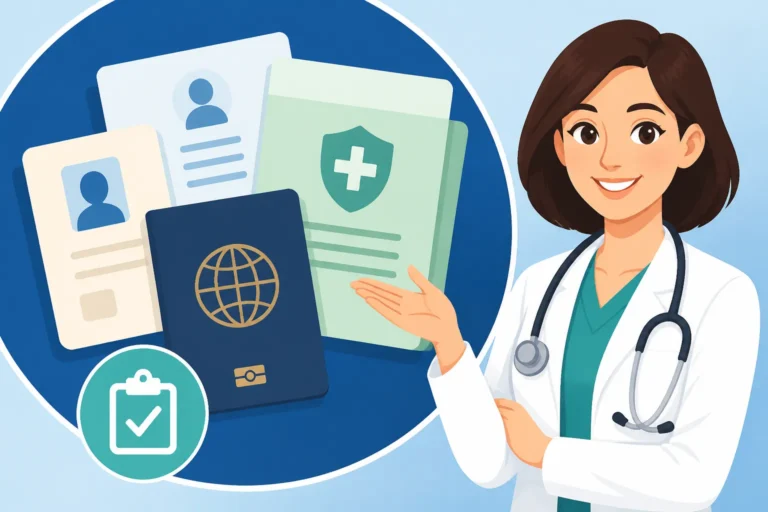
- Prepare for the Visit: Before your appointment, think about your symptoms: when they started, how severe they are, any medications you've taken. This will help your doctor make a quick and accurate assessment. Make sure you bring your personal identification document (лична карта or residence permit) and your NHIF health insurance card (or equivalent document if you're using private insurance). If you need a refresher on getting set up, you can refer to How to Register with the NHIF and a GP in Bulgaria (2027).
The Doctor's Visit and Examination
When you finally get to see your lichen lekar, the process will be similar to what you might expect in many other countries. The doctor will listen to your symptoms, ask questions, and perform a physical examination if necessary.
- Be Clear and Specific: During the consultation, explain your symptoms thoroughly. Don't minimize how you feel. If there's a language barrier, try to use simple language or have a translation app ready. Some expats find it incredibly helpful to bring a list of their symptoms written down in both English and Bulgarian. This minimizes miscommunication and ensures your doctor understands the full picture. If you've managed to find an How to Find an English-Speaking Doctor in Bulgaria, this step will naturally be much easier.
- Doctor's Assessment: Based on your description and their examination, the doctor will make a diagnosis and determine if your condition warrants a bolnichen list. They will decide the duration of your sick leave. It’s important to trust their professional judgment. Sometimes, a doctor might recommend a shorter sick leave than you anticipated, or suggest specific tests before issuing one.
- Necessary Documents: Ensure you have your Bulgarian ID/residence permit and your NHIF card with you. The doctor will need these to process the bolnichen list correctly, as it's linked to your personal data and social security number. Without these, it can cause delays.
Receiving Your Bolnichen List
Once your doctor has assessed you and agreed you need time off, they will prepare the bolnichen list.
- Format and Copies: The bolnichen list is a standardized form. Your doctor will fill it out, indicating your diagnosis, the start and end dates of your sick leave, and other relevant details. Typically, you'll receive a physical copy (or multiple copies, depending on your employer's requirements). In many cases now, particularly for larger companies, the bolnichen list is submitted electronically by the doctor directly to the NSSI and your employer. Always clarify with your doctor and employer which method they prefer or if you need a physical copy to submit yourself.
- Check the Details: Before you leave the clinic, always double-check the bolnichen list. Ensure your name, dates of leave, and the doctor's details are correct. Mistakes can cause problems with your employer or the NSSI later on. If it's a longer period of leave, your doctor might schedule a follow-up appointment or indicate that the bolnichen list needs to be extended if you're still unwell.
- Submission to Employer: You are responsible for submitting the bolnichen list to your employer within a specific timeframe (usually a few days). Ask your employer about their specific policy. If it's submitted electronically, confirm with your doctor that it has been sent. If you have a physical copy, ensure you provide it to your HR department promptly. This ensures your absence is officially recorded and your sick pay benefits can be processed without delay.
Navigating Specialist or Hospital-Issued Sick Notes
While your GP is usually your first port of call, there are situations where a specialist or a hospital will be the one issuing your bolnichen list. This often happens with more severe illnesses, injuries, or chronic conditions that require more in-depth care.
When a Specialist Takes Over
Sometimes, your illness might be beyond the scope of your lichen lekar. Your GP might suspect a more serious underlying condition, or you might have a chronic issue that requires ongoing management by a particular specialist.
- The Referral Process: If your GP determines you need to see a specialist (like a cardiologist, dermatologist, or orthopedist), they will issue you a referral (направление). You then take this referral to the specialist of your choice (who must be contracted with the NHIF if you're using public insurance). For those who prefer direct access, or are covered by comprehensive private health insurance, you can often book an appointment with a private specialist directly. This often means paying Understanding Out-of-Pocket Healthcare Costs and Co-Payments in Bulgaria initially, but can save on wait times.
- Specialist Assessment and Sick Note: The specialist will conduct their own examination, potentially order additional tests (blood work, imaging, etc.), and diagnose your condition. If they deem you unable to work due to your condition or the recovery from a procedure, they will issue the bolnichen list. It might cover the period of your acute illness, the time around a procedure, or be extended for a longer recovery. Just like with your GP, ensure all details on the bolnichen list are correct before leaving the specialist's office. You might need to provide copies to your GP for your overall medical record, in addition to submitting it to your employer.
Emergency Situations and Hospital Stays
Medical emergencies are, by their nature, unplanned and can be incredibly frightening, especially when you're far from home. If you find yourself in a situation requiring emergency care or hospitalization, the process for obtaining a bolnichen list changes slightly.
- During Hospitalization: If you are admitted to a hospital (whether through the emergency room or a planned admission), the doctors attending to you will be responsible for issuing a bolnichen list that covers your entire stay. This document will typically be prepared and given to you upon discharge. It will clearly state the period of your hospitalization and often include a recommended period of recovery at home, which is also covered by the sick note. Make sure to inquire about it before leaving the hospital. You can learn more about what to expect during such an event by reading Emergency Medical Care in Bulgaria: What Every Expat Needs to Know.
- After Discharge: The bolnichen list issued by the hospital is your official proof of absence for both your employer and the NSSI. It's crucial to submit this document as soon as possible after you're discharged. Hospitals usually provide comprehensive sick notes that cover the entire duration of your medical event, often including a few days or weeks of recovery time at home, but always check the validity dates. If your recovery extends beyond this period, you would then need to follow up with your lichen lekar or the specialist who referred you to the hospital for an extension.
Common Pitfalls and Important Considerations for Expats
Navigating any healthcare system as an expat comes with its unique set of challenges, and Bulgaria is no exception. Beyond the medical aspect, there are administrative hurdles and cultural nuances that can make getting a simple sick note feel like a monumental task.
Language Barriers and Communication
This is perhaps the most significant hurdle for many newcomers. Bulgarian is a Slavic language with its own alphabet, and while English proficiency is growing, especially among younger generations and in private clinics, it's far from universal in public health institutions.
- Preparation is Key: As mentioned before, preparing a list of symptoms in both English and Bulgarian can be a lifesaver. Google Translate or similar apps can be useful for simple phrases, but for complex medical discussions, they can fall short.
- Bringing a Friend: Don't be shy about asking a Bulgarian-speaking friend, colleague, or even a professional translator to accompany you to appointments. This can alleviate immense stress and ensure accurate communication, both for your diagnosis and for understanding the details of your bolnichen list.
- Seek English-Speaking Doctors: Prioritizing finding an English-speaking lichen lekar when you first arrive can save you a lot of trouble down the line. Many private clinics, particularly in Sofia, actively advertise English-speaking staff. It might be worth the initial cost to ensure clear communication during times of illness.
Understanding Social Security and Payment Implications
The bolnichen list is intrinsically linked to Bulgaria's social security system. For expats, understanding how this impacts your income during sick leave is vital.
- NHIF Contributions: To be eligible for sick pay benefits from the National Social Security Institute (NSSI), you must be properly registered and contributing to the social security fund through your employment. If you’re a new arrival and haven't started working yet, or are self-employed with irregular contributions, this could affect your eligibility. Understanding Mandatory Health Insurance Contributions in Bulgaria is crucial here.
- Sick Pay Calculation: As a general rule, your employer pays for the first 3 days of sick leave, calculated at a certain percentage of your gross salary. From the 4th day onwards, the NSSI takes over, usually paying 80% of your average daily insurable income for the last 18 months, with some exceptions (e.g., work-related injuries often receive 90%). The bolnichen list is the key document for initiating these payments. Without it, you won't receive these benefits.
- Timely Submission: The timeliness of submitting your bolnichen list to your employer is critical. Delays can lead to delays in your sick pay, causing financial strain. Be proactive and ensure it's submitted as per your company's policy and legal requirements.
What to Do If You Don't Have a Registered GP
This is a common scenario for many new expats or those who haven't yet fully integrated into the Bulgarian public healthcare system. What happens if you get sick before you've registered with a lichen lekar?
- Emergency Care: For genuine emergencies, always call 112. Hospitals are legally obliged to provide emergency care regardless of your registration status. However, a bolnichen list from an emergency room visit for a non-life-threatening condition might be harder to obtain without prior registration or clear documentation. What Happens If I Get Sick Before I Register with the NHIF in Bulgaria? goes into more detail on this.
- Private Clinics: This is often the best alternative. Private clinics, especially in larger cities, operate on a pay-as-you-go basis or accept private health insurance. They are typically more English-friendly and can issue a bolnichen list. Be prepared to pay How Much Does a Doctor Visit Cost in Bulgaria? out-of-pocket, but keep the receipts, as your private insurance (if you have one) might cover these costs. Hospitals like Acibadem City Clinic Tokuda Hospital in Sofia have robust expat services and are often a good choice.
- Temporary or Travel Insurance: If you're a recent arrival or a digital nomad, you might be relying on international travel or expat insurance like SafetyWing. These plans are invaluable for covering medical costs, and while they don't integrate directly with the NHIF, doctors at private clinics will accept them. If you're using a service like SafetyWing, always check their policy regarding sick notes; they typically cover the cost of the visit, but the bolnichen list itself is a Bulgarian legal document tied to your work here. However, having SafetyWing ensures your medical expenses are handled, allowing you to focus on getting that crucial sick note from a private doctor without worrying about crippling bills. For new arrivals, considering How to Buy Private Health Insurance as a Newcomer in Bulgaria is a wise move.
| Scenario | Primary Point of Contact | Documents Needed | Expected Process | Sick Note Issuance |
|---|---|---|---|---|
| Routine Illness | Your Registered GP (Личен Лекар) | ID/Residence Permit, NHIF Card, Medical History | Call for appointment, consultation, diagnosis. | GP issues bolnichen list electronically/physically. |
| Specialist Referral | Specialist (e.g., Cardiologist) | GP Referral, ID/Residence Permit, NHIF Card | GP referral, specialist appointment, examination, specific tests. | Specialist issues bolnichen list (often for longer durations/specific conditions). |
| Emergency/Hospital | Hospital Emergency Department | ID/Residence Permit, (NHIF Card optional initially) | Immediate medical attention, assessment, potential admission. | Hospital doctors issue bolnichen list upon discharge (covers stay + recovery). |
| No Registered GP | Private Clinic/Doctor | ID/Residence Permit, (Private Insurance Card) | Book appointment, pay out-of-pocket or use private insurance (e.g., SafetyWing). | Private doctor issues bolnichen list. |
Remember, while the process can feel overwhelming, especially when you're feeling unwell, many expats have successfully navigated it. Taking the time to understand the system and having your documents in order will significantly ease the journey.
Disclaimer
The information provided in this guide is for general informational purposes only and does not constitute medical, legal, or financial advice. Healthcare regulations and procedures in Bulgaria can change. Always consult with qualified medical professionals, legal advisors, or relevant government authorities (such as the NHIF or NSSI) for advice specific to your personal situation. We strive to keep information up-to-date, but cannot guarantee its absolute accuracy or completeness at all times.