How Do I Set Up Auto-Pay for My Utility Bills in Bulgaria?
The sheer number of bills, the unfamiliar names, and the often-tricky online portals can turn managing your monthly utilities in Bulgaria into a real headache. Missing a payment isn't just an inconvenience; it can lead to late fees or, worse, services being cut off, which is a stress nobody needs. This comprehensive guide will walk you through the process of setting up auto-pay for your electricity, water, heating, internet, and mobile bills, giving you back precious time and peace of mind.
Why Automating Your Utility Payments in Bulgaria is a Lifesaver
For many expats, the administrative side of living in a new country, especially one with a different language, is often the most frustrating. Manual bill payments certainly fall into this category.
The Stress of Manual Payments
Ah, the joys of receiving that stack of paper bills, often entirely in Bulgarian, that you then have to decipher, remember, and somehow pay. For many expats, this ritual is one of the most frustrating aspects of living in Bulgaria. You might be juggling different due dates for electricity from EVN or Energo-Pro, water from Sofiyska Voda or ViK, communal heating from Toplofikatsiya, and then your internet and mobile phone bills from providers like A1, Yettel, or Vivacom. Each one has its own specific customer number, its own payment portal (which might not be user-friendly for non-Bulgarian speakers), or requires a trip to an EasyPay or bank. It’s a lot to keep track of, and frankly, who needs that kind of mental load when you’re already navigating a new culture and language?
Imagine the scenario: you're busy with work, maybe planning a weekend trip, and suddenly you remember that electricity bill from two weeks ago that you swore you’d pay "tomorrow." That "tomorrow" often turns into "oh no, it's due today!" This constant low-level anxiety around bill management is entirely avoidable. Automating these payments means you never have to think about them again until you review your bank statement, freeing up your mental energy for more enjoyable aspects of Bulgarian life.
Avoiding Penalties and Disconnections
Bulgarian utility companies, much like anywhere else, are not shy about enforcing penalties for late payments. These aren't just minor fees; repeated delays can escalate quickly. For instance, electricity or heating disconnections are a very real possibility if bills remain unpaid for an extended period, especially if you’re renting and your landlord might not be sympathetic to administrative oversights. Reconnecting services often involves not only paying all outstanding debts and penalties but also a separate reconnection fee, and the process itself can take days, leaving you without essential services.
Beyond the immediate financial hit and inconvenience, a history of late payments can sometimes even impact your standing with certain institutions, though this is less common for simple utility bills. The main point is that Bulgaria operates on a system where bills are generally expected to be paid on time, and the consequences for not doing so are clear. Setting up auto-pay ensures you remain in good standing with all your service providers, avoiding any unnecessary stress or financial drain.
Peace of Mind and Convenience
This is where auto-pay truly shines. Once it's set up, it's virtually "set it and forget it." Your bank or chosen payment service will automatically deduct the correct amount from your account on the due date, ensuring that all your utilities are paid promptly without any manual intervention from your side. This is particularly valuable for expats who might travel frequently or spend extended periods outside Bulgaria. You won't have to worry about finding someone to pay your bills while you're away, or returning to a home with no electricity because a payment was missed.
Think of the time saved – no more trips to the EasyPay kiosk, no more wrestling with online payment forms, no more currency conversions or worrying about exchange rates if your income arrives in a different currency. Your finances simply flow smoothly in the background. This convenience is priceless, allowing you to focus on enjoying the vibrant culture, exploring the beautiful landscapes, or simply relaxing in your Bulgarian home without an impending bill payment looming over your head. It’s truly one of the biggest administrative wins you can achieve as an expat here.
Understanding Bulgarian Utility Providers and Their Payment Systems
Getting a grip on Bulgaria's utility landscape is the first step to conquering those bills. While the system can feel a bit fragmented at times, it's mostly straightforward once you know who your providers are and what options they offer.
Electricity, Water, Heating, and Internet/Mobile
These are your core utilities, and each generally has regional or national providers.
- Electricity: Depending on where you live, your electricity provider will likely be one of the "big three": EVN България (predominantly in the south and southeast), Energo-Pro Варна (north and northeast), or CEZ Разпределение България (Sofia and western Bulgaria). Bills are typically issued monthly. You can learn more about this in our guide on How to Set Up Electricity in Your Bulgaria Home.
- Water: Water supply is usually managed by municipal companies, often named "ВиК" (ViK – Водоснабдяване и Канализация / Water Supply and Sewerage) followed by the city name, e.g., Софийска вода (Sofiyska Voda) for Sofia, or ВиК Пловдив. These are also monthly bills. For a deeper understanding, check out Understanding Water and Heating Bills in Bulgaria.
- Heating: If you're in an apartment building connected to a central heating system, your provider will likely be Топлофикация (Toplofikatsiya), again, specific to your city (e.g., Топлофикация София). Heating bills are notorious for fluctuating wildly with consumption and the season. If you have individual gas heating, your provider would be a regional gas company like Overgas or Citygas. To prepare your home for the colder months, refer to Understanding How to Prepare Your Home for Winter in Bulgaria.
- Internet and Mobile: These are generally more competitive. Major players include A1, Yettel (formerly Telenor), and Vivacom. You'll likely have a bundled package or separate contracts for each. Bills are typically monthly. Our guide on How to Set Up Internet and Mobile Service in Bulgaria has more details.
It's important to remember that for rented properties, sometimes the landlord might have utilities registered in their name, or certain communal services are covered by building maintenance fees. Always clarify this when you're signing your rental contract to understand How to Sign a Rental Contract and Pay a Deposit in Bulgaria.
Here's a quick overview of common utility types and their primary payment methods:
| Utility Type | Common Providers (Examples) | Standard Billing Frequency | Common Auto-Payment Methods |
|---|---|---|---|
| Electricity | EVN, Energo-Pro, CEZ | Monthly | Direct Debit (Bank), Online Portal (with card), EasyPay |
| Water | Sofiyska Voda, ViK Plovdiv, ViK Varna | Monthly | Direct Debit (Bank), Online Portal (with card), EasyPay |
| Central Heating | Toplofikatsiya Sofia, Toplofikatsiya | Monthly (seasonal) | Direct Debit (Bank), Online Portal (with card), EasyPay |
| Natural Gas | Overgas, Citygas | Monthly | Direct Debit (Bank), Online Portal (with card) |
| Internet & Mobile | A1, Yettel, Vivacom | Monthly | Direct Debit (Bank), Online Portal (recurring card payment), EasyPay |
| Building Maintenance* | Homeowners Association | Monthly/Quarterly | Direct Debit (Bank), Bank Transfer (manual), Cash to manager |
*Note: Building maintenance fees might not always have formal auto-pay options and often require manual bank transfers or cash payments to a building manager. Understanding Building Maintenance Fees for Apartments in Bulgaria is key here.
The Common Methods for Auto-Payment
In Bulgaria, there are a few established ways to set up recurring payments that make life easier:
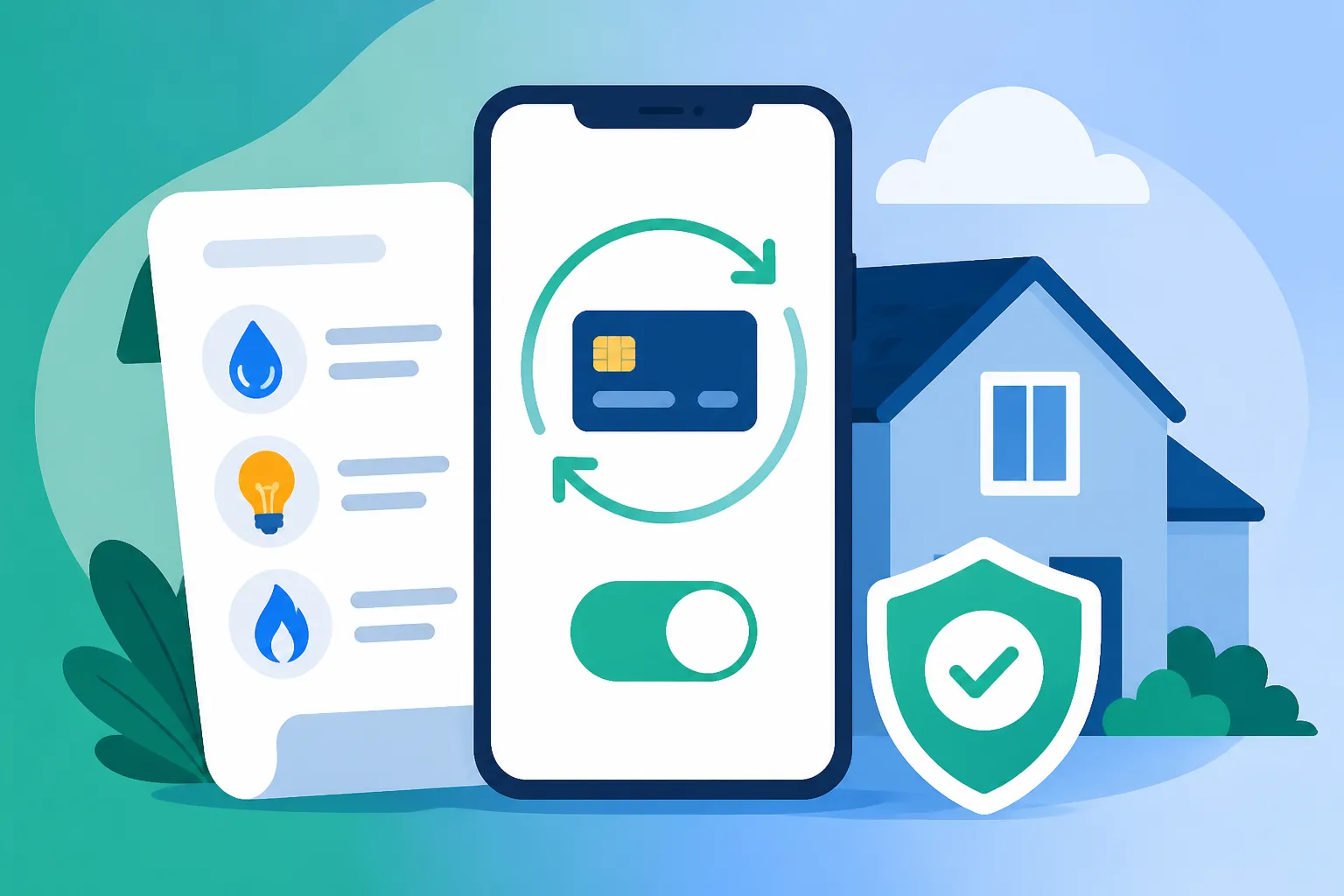
- Direct Debit (Директен дебит / Direktеn debit): This is arguably the most convenient and hands-off method. You authorize your bank to pay your utility provider directly from your account each month. The utility company sends the bill amount to your bank, and the bank executes the payment. It's safe, reliable, and ensures you're never late. Most major utility providers support direct debit through Bulgarian banks.
- Online Banking Recurring Payments (Периодичен превод / Periodichen prevod): Many Bulgarian banks offer robust online banking platforms. You can set up a standing order or a recurring payment to automatically transfer a fixed amount or a variable amount (if the bank has an agreement with the utility provider) to your utility provider's account. This method requires you to actively set up each recurring payment within your bank's system.
- Third-Party Payment Services: Services like EasyPay (Изипей) are incredibly popular in Bulgaria. While primarily known for their physical kiosks where you pay cash, EasyPay also offers online accounts and even some limited auto-payment features for certain services, though direct debit through your bank is generally more comprehensive for utilities. They act as an intermediary, and you can top up your EasyPay account or link a bank card. This can be handy for bills that aren't easily automated otherwise.
- Provider's Online Portal with Stored Card: Some of the larger internet and mobile providers, like A1 and Yettel, allow you to register your bank card on their online portals and set up automatic monthly deductions. This is less common for electricity or water companies but worth checking for your specific internet/mobile contract.
Navigating Provider-Specific Portals
This is often where expats hit a wall. While the concept of auto-pay is universal, the actual implementation through Bulgarian utility providers' websites can be… challenging. Many of these portals were not designed with international users in mind. Expect:
- Bulgarian-only interfaces: While some have an English toggle, it's often incomplete or poorly translated.
- Complex registration processes: You might need a specific customer number (Абонатен номер / Abonaten nomer), which is usually on your paper bill.
- Specific browser requirements or outdated security features: This can make accessing the portals a frustrating experience.
- Lack of clear auto-pay options: Often, direct debit or recurring payments need to be set up through your bank, not directly on the utility provider's site.
For example, when setting up your The Expat Guide to Setting Up Utilities Electricity Water Gas in Bulgaria or handling your power bill, you'll often find their portals primarily geared towards showing your consumption and current balance rather than offering robust auto-pay setup directly. This reinforces why setting up direct debit via your bank is usually the most reliable approach.
Step-by-Step Guide to Setting Up Auto-Pay for Utilities
Alright, let's get down to brass tacks. Setting up auto-pay isn't instantaneous, but it's a worthwhile investment of your time.
Gathering Your Documents and Account Information
Before you even approach your bank or an online portal, you need to arm yourself with the right information. This is probably the most crucial pre-step.
- Recent Utility Bills: For each utility you want to automate (electricity, water, heating, internet, mobile), gather a recent bill. These paper bills are goldmines of information.
- Customer/Subscriber Number (Абонатен номер / Клиентски номер): This unique identifier for your account will be prominently displayed on your bill. It’s what links your payment to your specific service address. Write it down clearly.
- Supplier Code/Bank Details (Код на доставчик / Банкови данни): For direct debits, your bank will need to know which company to pay. Sometimes this is a specific code for the utility, or for recurring bank transfers, you’ll need their IBAN and BIC/SWIFT code, which are usually on the bill or their website.
- Personal Identification: Your Bulgarian ID card (лична карта / lichna karta) or residence permit will be needed for any bank interactions.
- Bank Account Details: Obviously, you’ll need your Bulgarian bank account details. If you haven’t opened one yet, check out The Expat Guide to Opening a Bank Account in Bulgaria or How to Choose the Best Bank for Expats in Bulgaria for guidance.
Have all this information ready. It saves immense time and frustration, especially if you’re dealing with a bank teller who might not speak perfect English.
Setting Up Direct Debit Through Your Bulgarian Bank
This is typically the most robust and recommended method for core utilities like electricity, water, and central heating. Most major Bulgarian banks like DSK Bank, UniCredit Bulbank, and Raiffeisenbank offer this service.
- Visit Your Bank Branch: While some banks might allow preliminary online setup, it’s often best to go to a physical branch, especially if you’re not fluent in Bulgarian. You’ll need to speak with a customer service representative.
- State Your Intent: Clearly explain that you want to set up "Директен дебит" (Direkten debit) for your utility bills. You'll need to specify for which utilities (e.g., "за ток" – for electricity, "за вода" – for water).
- Provide Information: Hand over your utility bills and your ID. The bank representative will use the customer numbers and supplier information to fill out the necessary forms. They will also need your bank account details.
- Sign the Authorization Form: You’ll be asked to sign an authorization form, granting the bank permission to deduct amounts from your account on behalf of the specified utility providers. Read this carefully, or ask for clarification if anything is unclear.
- Confirmation: The bank will typically process this request within a few business days. It’s a good idea to ask for a confirmation document or at least a reference number.
- Monitor First Payments: Crucially, keep an eye on your bank statements for the next month or two to ensure the direct debits are working correctly. Don't assume it's all smooth sailing until you see those first automated payments go through.
Utilizing Online Banking Platforms
If you prefer a more hands-on approach or if direct debit isn't available for a specific smaller service, setting up recurring payments through your online banking portal is an excellent alternative. Most banks provide comprehensive online platforms. If you haven't yet, learn How to Set Up Online Banking with a Bulgarian Bank.
- Log In to Your Online Banking: Access your bank's online platform using your credentials.
- Navigate to Payments/Transfers: Look for sections like "Плащания" (Payments), "Преводи" (Transfers), or "Комунални услуги" (Utility services).
- Choose Recurring Payment or Standing Order: You'll want to find an option for setting up a "Периодичен превод" (Periodic transfer) or a standing order. Some banks might have specific modules for utility payments where you select the provider from a list.
- Enter Details:
- Recipient Name: The official name of the utility company.
- IBAN: The utility company's bank account number.
- BIC/SWIFT: The bank identifier code.
- Amount: This is the trickiest part. If the bank has an integrated utility payment system, it might pull the current amount due automatically. Otherwise, you might have to set a fixed amount (less ideal for variable bills like electricity) or adjust it manually each month.
- Reference/Description (Основание за плащане / Детайли): This is CRITICAL. You must include your customer/subscriber number here so the utility company knows who the payment is for. Without it, your payment might not be registered to your account.
- Frequency: Set it to monthly.
- Start/End Date: Choose your desired start date, and typically an open end date.
- Confirm and Authorize: Review all details carefully before confirming the setup. You might need to authorize the payment with a two-factor authentication method (e.g., SMS code, mobile app confirmation).
- Regular Monitoring: Just like direct debits, it’s vital to check your statements and the utility provider's portal (if available) to ensure payments are consistently applied. For variable bills, remember you might need to adjust the amount manually each month if your bank doesn't automatically pull the due figure.
Exploring Third-Party Payment Services
For some utilities or specific situations, third-party services can provide a useful layer of convenience, even if they don't always offer full "auto-pay" in the same way a bank direct debit does.
- EasyPay (Изипей): As mentioned, EasyPay is ubiquitous in Bulgaria. You can register an online account on their website or app. Once registered, you can link your Bulgarian bank card to your EasyPay account. Then, you can view outstanding bills for many providers by entering your customer number and pay them with a few clicks. While it’s not truly auto-pay, it significantly streamlines the manual payment process from home. You're still initiating the payment each month, but without the need to visit a physical kiosk or navigate complex bank payment forms. EasyPay also offers a "My Bills" feature where you can see all your registered utility bills in one place.
- A1, Yettel, Vivacom (Online Portals): For your internet and mobile bills, these providers often have excellent online portals. You can typically register your bank card (Visa, Mastercard) and set it to automatically deduct the monthly bill amount. Look for options like "Автоматично плащане" (Automatic payment) or "Записване на карта" (Save card). This is often the easiest way to automate these specific bills. Consider setting up notifications through their apps so you still know when the payment goes through. If you're a new arrival and still figuring out mobile plans, services like Airalo for eSIMs can be a lifesaver for immediate connectivity while you set up local contracts.
Tips and Considerations for Expats
Navigating the Bulgarian utility payment system can feel like a maze, but a few pointers can smooth the path.
Monitoring Your Payments and Bills
Even with auto-pay set up, it's absolutely crucial not to entirely forget about your bills. Think of it as supervising the automation, especially in the first few months.
- Check Bank Statements: Regularly review your bank statements to ensure the direct debits or recurring payments are being successfully deducted. Look for the correct amounts and the correct recipient names.
- Monitor Utility Provider Portals/Apps: If your electricity, water, or heating provider has an online portal (even if it's only in Bulgarian), try to navigate it periodically. Many allow you to view your consumption history and current balance. This is particularly important for variable bills. If you see a significantly higher bill than expected, you'll want to investigate why.
- Keep Paper Bills (Initially): For the first few months, continue receiving and briefly glancing at your paper bills (if they are still sent). These confirm the actual amount due and often provide a quick way to cross-reference with your bank deductions.
- Set Calendar Reminders: While auto-pay removes the need to remember to pay, setting a monthly calendar reminder to "Check Utilities Paid" can be very helpful for peace of mind and proactive monitoring.
It's better to catch an error early than to find out months later that a payment hasn't gone through and you owe a large sum with penalties.
Language Barriers and Seeking Assistance
The language barrier is a common pain point for expats in Bulgaria, and utility management is no exception.
- Google Translate is Your Friend: For navigating online portals or deciphering paper bills, a good translation app (like Google Translate with its camera function) can be invaluable. Don't be afraid to point your phone at text you don't understand.
- Expat Communities: Join expat groups on Facebook or other forums. Often, someone else has faced the exact same issue and can offer specific advice or even translations for common phrases. People in these groups are usually very happy to help.
- Bulgarian Friends/Colleagues: If you have trusted Bulgarian friends or colleagues, don't hesitate to ask for help with calls to customer service or translating complex sections of a bill. A simple call can often resolve what would take you hours to figure out on your own.
- Professional Assistance: For more complex issues or if you feel overwhelmed, consider hiring a local assistant or an expat-friendly administrative service for an hour or two. Their expertise can save you a lot of stress.
Don't let the language deter you from setting up auto-pay. The long-term benefits far outweigh the initial effort.
Changing Providers or Moving Homes
Life in Bulgaria, like anywhere, can involve changes. When you switch providers or relocate, managing your auto-pay becomes crucial. If you're planning a move, resources like Sirelo can help you compare moving companies, and they often highlight the importance of utility transfers during the relocation process. For general relocation costs, you can also look at The Complete Guide to Cost of Living in Bulgaria for Expats (2026).
- Cancelling Direct Debits: If you move or switch providers, you absolutely must cancel the old direct debit or recurring payment. Contact your bank and explicitly request the cancellation for the specific utility provider and customer number. Do not assume it will automatically cease.
- Final Readings: When vacating a property, ensure final meter readings are taken for electricity, water, and gas. You'll receive a final bill, which you should pay manually to ensure no outstanding debts are left. Your auto-pay setup will likely cover only regular monthly bills, not these final, often irregular, amounts.
- New Setup: For your new home or new provider, you'll need to go through the entire auto-pay setup process again using the new account numbers. Treat it as a fresh start.
- Deactivating Online Portal Accounts: If you had created online accounts with your old utility providers, remember to deactivate them or at least ensure all personal data is removed if possible.
Managing utilities, especially when moving, can be a bit of a dance. For a deeper dive into the cost of setting up a new home, you might want to read How Much Does It Cost to Set Up a Home in Bulgaria?. Also, remember that communal charges might be separate. Check out How Much Are the Building Maintenance Fees for an Apartment in Sofia?. Don't forget that your mobile and internet providers can often be transferred to your new address, making it a little less painful than starting from scratch for How to Set Up Internet and Mobile Service in Bulgaria.
Setting up auto-pay might seem like a small detail in the grand scheme of moving to and living in Bulgaria, but it’s these little administrative victories that truly make expat life smoother and more enjoyable. Take the time to do it right, and you’ll thank yourself every month!
Disclaimer
The information provided in this guide is for general informational purposes only and does not constitute professional financial, legal, or immigration advice. While we strive to keep the content accurate and up-to-date, regulations and procedures in Bulgaria can change without notice. Always consult with relevant Bulgarian authorities, a qualified financial advisor, or legal professional for advice tailored to your specific situation. We cannot be held responsible for any inaccuracies, errors, or omissions, nor for any actions taken based on the information provided herein.