Understanding Building Maintenance Fees for Apartments in Bulgaria
Ah, the joys of settling into a new home in Bulgaria! Just when you think you’ve got a handle on rent or mortgage payments, property taxes, and those seemingly endless utility bills, you might stumble upon another regular expense: building maintenance fees. This guide is here to unravel the often-confusing world of taksa poddrŭzhka for expats, helping you understand what these fees cover, why they exist, and how to navigate them without tearing your hair out.
What Exactly Are Building Maintenance Fees in Bulgaria?
So, you've found your little slice of heaven in Bulgaria, whether it's a cozy apartment in Sofia or a sunny pad on the Black Sea coast. You've signed the rental agreement or the property deeds, and then, invariably, someone mentions "maintenance fees." For many newcomers, this is yet another riddle wrapped in a Bulgarian enigma. These aren't just trivial charges; they're a fundamental part of apartment living here, and understanding them is crucial for your budget and peace of mind.
The Basics: Taksa Poddrŭzhka Explained
In Bulgaria, what we often refer to as "building maintenance fees" is known as taksa poddrŭzhka (такса поддръжка). This translates quite literally to "maintenance fee" or "support fee." It's essentially a mandatory contribution that every owner or tenant in an apartment building or gated complex pays to cover the upkeep of common areas and shared services. Think of it as your share in keeping the collective ship afloat and looking presentable. It's not part of your rent (unless explicitly bundled by your landlord, which is rare for transparency reasons) and it's separate from your personal utility bills like electricity, water, or internet.
These fees are governed by the Bulgarian Condominium Management Act (Закон за управление на етажната собственост), which outlines the responsibilities of property owners in multi-apartment buildings. While the law provides a framework, the specifics – like the exact amount and what’s included – can vary wildly. This is where the confusion often creeps in, especially for expats used to different systems back home. The fee might cover anything from the electricity for the stairwell lights to the salary of a doorman, and it’s typically collected monthly or quarterly. It's truly a collective effort, ensuring that the shared spaces everyone uses remain functional, clean, and safe.
Why These Fees Exist: Beyond Just Your Apartment Walls
Why do these fees exist? Well, imagine living in a multi-story building. You share a roof, a foundation, staircases, an elevator, potentially a garden, and certainly the main entrance. All these common elements don't maintain themselves. They need regular cleaning, occasional repairs, lighting, and sometimes even security. In a detached house, these responsibilities fall solely on you, but in an apartment, they are a shared burden, and the taksa poddrŭzhka is designed to distribute that burden equitably among all residents.
Beyond the practical necessity, these fees contribute significantly to the overall quality of life and property value within the building. A well-maintained common area speaks volumes about the building's management and the residents' pride. Conversely, neglected common spaces can quickly deteriorate, leading to safety hazards, decreased curb appeal, and a drop in property value. So, while it might feel like another bill, it's an investment in your immediate living environment and, ultimately, your property. In larger, more modern complexes or gated communities, these fees might also fund amenities like swimming pools, gyms, or 24/7 security, moving far beyond basic upkeep to provide a lifestyle. This is why when you're looking at apartments, whether to rent or to buy property in Bulgaria, it's absolutely vital to inquire about these costs upfront. They can significantly impact your overall cost of living in Bulgaria.
Common Components of Maintenance Fees
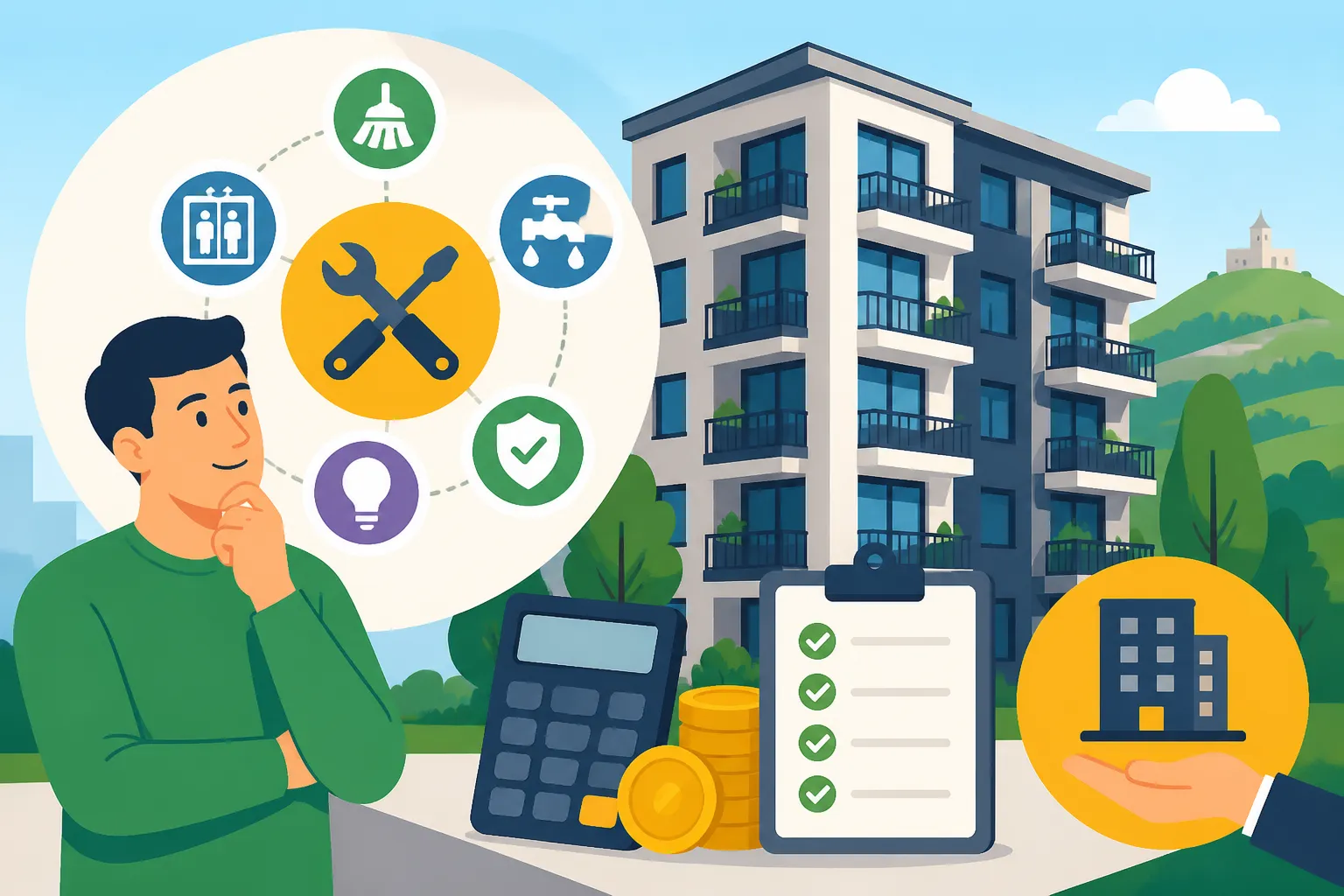
The exact breakdown of what your building maintenance fees cover can feel like a lucky dip sometimes, depending on the age, size, and type of your building. From an expat perspective, it’s not always obvious, especially with language barriers. It’s not just about cleaning the stairs; these fees are a complex tapestry of services designed to keep the entire property running smoothly. Let's delve into some of the most common elements you'll find in the taksa poddrŭzhka.
Utilities for Common Areas
One of the most straightforward components of maintenance fees is the cost of utilities consumed in shared spaces. This is money well spent, as it ensures you can actually see where you're going when you get home at night! This typically includes the electricity for stairwell lighting, elevator operation, and any shared outdoor lighting for pathways or gardens. If your building has a central heating system for common areas, or perhaps a shared hot water boiler, the fuel or electricity for these will also be factored in.
Beyond just electricity, water usage for cleaning common areas, watering shared gardens, or even for a communal car wash station (yes, some fancy complexes have them!) can also fall under this umbrella. Even minor things like shared internet access for a security camera system or a small administrative office might be included. These utility costs are usually divided proportionally among all residents, often based on the size of their apartment or the number of occupants. So, while your personal electricity bill is yours, the one keeping the common hallway bright is part of the collective contribution.
Cleaning and Landscaping Services
Nobody wants to live in a grubby building, right? This is where a significant chunk of the maintenance fees goes – ensuring the cleanliness and aesthetic appeal of the shared environment. This includes regular cleaning of staircases, hallways, entrances, and sometimes even shared storage areas. In more upscale buildings, this might extend to window cleaning of common areas, polishing floors, and maintaining interior plants.
If your building has any outdoor spaces, like a garden, courtyard, or even just a small patch of grass, landscaping services will be covered. This means everything from mowing the lawn and pruning bushes to seasonal planting and leaf removal. In winter, snow removal from pathways and driveways is also a critical service funded by these fees. Without these services, the building would quickly fall into disrepair, making it far less pleasant to live in and potentially affecting its value. If you're looking for an apartment to rent in Bulgaria, always check the common areas during a viewing – their condition often reflects how well the maintenance fees are managed.
Repairs, Reserve Funds, and Administrative Costs
This is where the long-term health of the building really comes into play. Maintenance fees aren't just about day-to-day tidiness; they also cover more substantial, irregular expenses. A portion of the fees usually goes into a general repair fund for unexpected issues like a broken elevator, a leaking roof, or damage to the building's facade. These larger repairs can be costly, and having a reserve fund means the building isn't left scrambling for funds when something critical breaks down.
Many buildings also collect a small amount into a "reserve fund" specifically for future major works. This could be anything from replacing an aging roof, upgrading the heating system, or repainting the entire exterior. It's a prudent financial measure that helps prevent large, sudden assessments on residents. Finally, administrative costs are a given. This covers the salary of the building manager (домоуправител), accounting services, bank fees for the building's communal account, and any legal advice the building association might need. In larger, professionally managed complexes, you might even have a dedicated property management company like Property Management BG or similar, whose fees are also covered by the taksa poddrŭzhka. These companies handle everything from collecting fees to coordinating repairs, which can be a huge benefit for expats who aren't fluent in Bulgarian or familiar with local procedures. They provide a vital layer of professionalism and accountability.
How Maintenance Fees Are Calculated and Collected
Understanding what maintenance fees cover is one thing, but figuring out how much you'll actually pay and when can be another headache entirely. It's rarely a one-size-fits-all situation, and the process can sometimes feel opaque if you're not familiar with Bulgarian practices. This section aims to shed some light on the methodology behind these charges and what you can expect when it's time to pay up.
Factors Influencing Your Individual Contribution
The calculation of individual maintenance fee contributions in Bulgaria isn't always straightforward. The most common methods are usually based on one of these factors, or a combination thereof:
- Number of people: Often, especially in older buildings, the simplest method is to charge a flat fee per person living in an apartment. This can sometimes lead to disputes, as a single person in a large apartment might pay the same as a family of four in a smaller one, despite potentially having different impacts on common area wear and tear.
- Apartment size (square meters): This is generally considered a fairer method, especially in newer, more professionally managed complexes. The larger your apartment, the larger your share of the common expenses, reflecting that you own a bigger portion of the overall property. This is usually based on the "total built-up area" (РЗП – Разгъната Застроена Площ), which includes a proportional share of the common parts of the building.
- Number of property units: In some cases, especially in smaller buildings, a flat fee per apartment unit might be levied, regardless of size or occupancy.
- Property type and amenities: If your building boasts amenities like a swimming pool, gym, 24-hour security, or extensive landscaping, expect higher fees. These services come at a premium, and their costs are naturally distributed among the residents. Coastal resorts, for example, often have significantly higher maintenance fees than a standard apartment in a city like Plovdiv, simply due to the extensive facilities they offer and the seasonal upkeep required.
It's absolutely critical to ask for a detailed breakdown of how the fees are calculated when you are considering buying property in Bulgaria or even renting. Don't be shy about requesting minutes from the last homeowners' association meeting (if available) or a copy of the building's internal rules and budget. This will give you insight into the specific formula used and what exactly you’re contributing towards.
The Collection Process: What to Expect
Once the amount is determined, the collection process typically follows a few patterns. In older buildings with a volunteer домоуправител (building manager, usually another resident), they might collect the fees in cash, door-to-door, or request bank transfers. In more modern or larger complexes, especially those managed by professional companies, you'll usually receive an invoice (often digital) with specific payment instructions.
Payment is typically due monthly or quarterly. It's crucial to pay these fees on time, as late payments can incur penalties or interest, and persistent non-payment can even lead to legal action in severe cases. You'll likely pay into a communal bank account held in the name of the homeowners' association or the management company. Keep excellent records of your payments, as disputes over what has and hasn't been paid can arise. Having a digital trail is always best. Sometimes, these management companies can also assist with setting up your utilities (electricity, water, gas) in Bulgaria, streamlining your initial setup.
Remember, clear communication is key. If you're renting, the landlord is responsible for paying these fees, but they will invariably pass the cost on to you as part of your rental agreement. Ensure this is clearly stipulated in your rental contract and deposit agreement in Bulgaria so there are no surprises. If the fees aren't included in your rental price, you'll likely pay them directly to the building management or your landlord will collect them from you to pay on your behalf.
Navigating Challenges and Ensuring Transparency
For expats, the world of Bulgarian building maintenance fees can present a unique set of challenges. It's not just about the money; it's about understanding the system, communicating effectively, and feeling confident that your contributions are being used wisely. Often, the biggest hurdles come down to communication and the perceived lack of transparency. But don't despair; armed with the right approach, you can navigate these waters successfully.
Language Barriers and Communication Breakdowns
Let's be honest, trying to understand the intricacies of building finances in a foreign language is a monumental task. The majority of building managers or homeowners' association representatives (the домоуправител) will likely be Bulgarian and may not speak English flufluently, if at all. This immediately creates a barrier when you try to ask for a breakdown of costs, question an expense, or even just understand the agenda of a building meeting. You might feel isolated or as though you're being taken advantage of, even if there's no malicious intent.
This communication gap can lead to significant frustration. You might receive notices that you can't read, miss important meetings where decisions are made about your building, or simply feel out of the loop. This is where having a reliable local contact, a Bulgarian friend, or even a professional translator can be invaluable. Don't be afraid to ask for help translating documents or attending meetings with you. Investing in a local SIM card with plenty of data, perhaps from a brand like Airalo if you're on a short-term stay or just arrived, can also help you use translation apps on the fly for those quick questions or notices. Better yet, try to learn some basic Bulgarian phrases related to property and finances – a little effort goes a long way in showing respect and often opens doors.
What to Do if You Disagree with Fees or Services
It's perfectly normal to sometimes disagree with the amount of the fees, or feel that the services provided aren't up to scratch. Maybe you're paying for a cleaning service that never seems to show up, or the elevator is constantly broken. What's an expat to do? First, gather your information. Document specific instances of inadequate service (dates, times, photos if possible). Review any written documentation you have about the fees and what they cover.
Your first point of contact should always be the building manager (домоуправител) or the management company. Approach them calmly and politely, ideally with a Bulgarian speaker by your side if needed, and present your concerns. Ask for clarification on the expenses and explain why you feel there's an issue. In Bulgaria, collective decision-making is common. Major decisions about fees, repairs, or service providers are typically made at general meetings of the homeowners' association. If informal discussions don't resolve the issue, you have the right to raise your concerns at these meetings. Ensure your voice is heard, even if it's through a translator. Persistent issues, especially regarding financial transparency or serious neglect, might warrant seeking legal advice, but this is usually a last resort after attempting all other avenues of communication and negotiation within the community. Remember, it’s about constructive engagement, not confrontation.
Comparing Maintenance Fees Across Different Property Types and Locations
Just like in any country, the cost of living and specific expenses in Bulgaria aren't uniform. Building maintenance fees are a prime example of this variability. What you pay will heavily depend on where your apartment is located and what kind of building you're in. This section will help you understand these differences, which is crucial whether you're planning to live in a bustling city like Sofia or a tranquil coastal town.
New Builds vs. Older Buildings
There's a noticeable distinction in maintenance fees between brand-new apartment complexes and older, established buildings.
New Builds: Modern residential complexes, especially those built in the last 10-15 years, often come with higher maintenance fees. Why? They typically boast a wider array of amenities. Think about the likes of 'Sofia Park' in the capital, or any of the newer developments in the southern parts of the city. These places often feature:
- Professional Management: Many new buildings employ dedicated property management companies right from the start. While this offers efficiency and a clearer service standard, it also means a professional management fee.
- Enhanced Security: Expect 24/7 security, CCTV systems, and controlled access, all of which require staffing and technical upkeep.
- Shared Facilities: Swimming pools, gyms, children's playgrounds, manicured gardens, underground parking with ventilation, and even concierge services are common in these upscale developments. Each of these adds significantly to the operational costs.
- Modern Systems: Newer buildings often have more complex heating, ventilation, and air conditioning (HVAC) systems, as well as sophisticated elevators, all of which need regular servicing and specialized technicians.
Because of these factors, monthly maintenance fees in a new, well-appointed complex in Sofia or Plovdiv can easily range from €50-€150, or even more for larger apartments or very high-end buildings. While seemingly high, residents often find the trade-off in comfort, security, and amenities worthwhile.
Older Buildings: In contrast, apartments in older, Soviet-era blocks or traditional Bulgarian buildings generally have much lower maintenance fees. Often, the fees are a symbolic amount – sometimes as little as 5-10 BGN (€2.50-€5) per person per month. This is because:
- Basic Services: These fees usually cover only the bare essentials: electricity for stairwell lights, basic cleaning of common areas (often done by residents on a rotating schedule or by a part-time cleaner), and minimal repairs.
- Volunteer Management: The домоуправител (building manager) is frequently a resident volunteer, taking on the role without a salary, thus eliminating management fees.
- Fewer Amenities: No pools, no gyms, no 24/7 security. Common areas are typically just staircases and perhaps a small, unkempt patch of green space outside.
- Deferred Maintenance: Unfortunately, lower fees can also mean a lack of a substantial reserve fund. When major repairs are needed (e.g., roof replacement, elevator overhaul), residents might face a large, one-off special assessment, which can be a nasty surprise if not budgeted for.
Therefore, while the regular monthly fee might seem appealingly low in an older building, it's essential to understand the potential for future lump-sum costs and the standard of common area maintenance. When considering places, it's smart to look beyond just the rental or purchase price and factor in the overall long-term costs. For understanding how much a doctor visit cost in Bulgaria versus other expenses, it's always good to have a full picture.
Coastal Resorts vs. City Apartments
The location of your property within Bulgaria also plays a significant role in maintenance fee structures.
Coastal Resorts: Bulgaria's Black Sea coast, particularly popular areas like Sunny Beach, Golden Sands, or Bansko (though mountainous, it shares a similar resort management model), often has maintenance fees that are distinct from those in residential city apartments.
- Seasonal Usage: Many resort properties are used seasonally, yet the common facilities (pools, gardens) need year-round maintenance. Fees are structured to cover these extensive amenities whether you're there or not.
- Extensive Facilities: Resorts typically boast multiple swimming pools, sports facilities, restaurants, bars, security, extensive landscaping, and often private beach access or shuttle services. All these require substantial upkeep.
- Professional, High-Standard Management: Resort complexes are almost always managed by professional companies that aim to maintain a high standard for tourist appeal. This means higher management fees and often more comprehensive services.
- Currency and Payment: Fees are often quoted in Euros and might be collected annually, in advance, rather than monthly. This makes budgeting for them different.
Annual fees in resort complexes can range from €10-€15 per square meter of living space, meaning a 60 sqm apartment could have annual fees of €600-€900, sometimes even more. This can feel substantial, but for those who value the resort lifestyle and amenities, it's considered part of the package. It's an important factor when considering to buy property in Bulgaria as a holiday home.
City Apartments (Sofia, Plovdiv, Varna, Burgas): In major cities, maintenance fees are generally more aligned with the "new build vs. older building" dynamic discussed above.
- Focus on Residential Needs: Fees primarily cover essential residential common areas – staircases, elevators, facade, roof, basic security, and cleaning.
- Varying Standards: You'll find a full spectrum, from very low fees in older blocks to significantly higher ones in modern, gated communities with amenities.
- Local Currency: Fees are almost exclusively quoted and paid in Bulgarian Leva (BGN).
- Monthly Payments: Typically paid monthly, making them easier to budget for alongside other regular expenses like your water and heating bills in Bulgaria.
When you're comparing the cost of living in Bulgaria, remember that these fees are a regular, non-negotiable expense. It's not just about the upfront purchase price or monthly rent; it's about the ongoing costs that keep your living environment pleasant and functional.
Here’s a simplified table comparing typical maintenance fees for different property types and locations in Bulgaria (these are broad estimates and can vary):
| Property Type / Location | Typical Monthly Fee Range (BGN) | Typical Annual Fee Range (EUR per sqm) | Common Services Included | Management Type | Key Considerations for Expats |
|---|---|---|---|---|---|
| Older City Apartment | 5 – 20 BGN (per person/unit) | N/A (usually very low annual sum) | Stairwell light, basic cleaning, minor repairs | Volunteer Resident | Low recurring cost, but potential for large special assessments; less amenities. |
| Modern City Apartment | 50 – 150 BGN (per sqm/unit) | N/A (monthly collection) | Elevator, security, landscaping, professional cleaning, common utilities, some amenities, reserve fund | Professional Company | Higher recurring cost, good amenities & service, transparent management; better long-term predictability. |
| Coastal Resort Apartment | N/A (annual collection common) | 10 – 15 EUR (per sqm) | Pools, gyms, extensive landscaping, 24/7 security, professional management, seasonal upkeep | Professional Resort Mgmt | Significant annual cost, covers extensive resort amenities; crucial to factor into holiday home budget. |
Note: BGN amounts are per month; EUR amounts are per year, per square meter. Exchange rate approx. 1 EUR = 1.95583 BGN.
Practical Tips for Expats Dealing with Maintenance Fees
Navigating building maintenance fees in Bulgaria can feel like a labyrinth, especially when you're still finding your feet in a new country. But with a bit of foresight and the right approach, you can avoid common pitfalls and ensure a smoother experience. Experience suggests that diligence upfront saves a lot of headaches later.
Due Diligence Before Buying or Renting
This tip cannot be stressed enough: do your homework before you commit to a property. Whether you're excitedly looking to buy property in Bulgaria as a foreigner or simply seeking a rental apartment, maintenance fees need to be a major part of your inquiry. Don't just ask for the amount; dig deeper.
- Request a Breakdown: Ask for a detailed list of what the fees cover. If possible, request a copy of the annual budget for the building's common parts. This will show you exactly where your money is going.
- Inquire About Past Issues: It's worth asking about any recent large-scale repairs or upcoming projects. Has the roof been replaced recently? Is the elevator due for an upgrade? If there's no healthy reserve fund, these could mean a hefty special assessment in the future.
- Understand the Calculation Method: Clarify how your specific contribution is calculated – per person, per square meter, or per unit? This ensures fairness and predictability.
- Check Payment History (for buying): If you're buying, ask to see proof that the previous owner's maintenance fees are all paid up. You don't want to inherit someone else's debt! Your real estate agent, hopefully a reliable real estate agent in Bulgaria, should be able to assist with this.
- Review Building Rules: Most buildings have internal rules (домоуправителен правилник) that cover common area usage, noise, pet policies, and, crucially, the rights and obligations regarding maintenance fees. Get a copy and, if necessary, have a Bulgarian speaker translate the key sections for you.
For renters, ensure the rental contract clearly states who is responsible for paying these fees (usually the tenant, but it should be itemized) and the exact amount. This transparency prevents nasty surprises down the line.
Engaging with Your Homeowners' Association (Домоуправител)
In Bulgaria, apartment buildings operate under a homeowners' association model, which elects a домоуправител (building manager) or a management board. This body is responsible for overseeing the common areas and finances. For expats, engaging with this group can initially feel daunting, but it’s the most effective way to address concerns and stay informed.
- Introduce Yourself: Make an effort to introduce yourself to the домоуправител and your immediate neighbours. A friendly face often receives a more helpful response.
- Attend Meetings (or send a proxy): If you're an owner, you have the right to attend and vote at general meetings. Even if you don't speak Bulgarian, your presence shows engagement. Consider bringing a trusted Bulgarian friend or a professional translator. These meetings are where decisions about fees, repairs, and service providers are made.
- Be Proactive, Not Just Reactive: Don't wait for problems to escalate. If you notice an issue in a common area, report it promptly and politely to the домоуправител.
- Offer Solutions, Not Just Complaints: If you have concerns about the management or use of funds, try to frame your feedback constructively. Perhaps you have ideas for cost-saving measures or improving service quality.
- Learn the Basics: Even a few Bulgarian phrases related to "maintenance" (poddrŭzhka), "fees" (taksa), "meeting" (sreshta), and "repairs" (remont) can significantly improve your ability to communicate and understand.
By actively engaging, even in a small way, you become part of the community and are better positioned to influence decisions and ensure the maintenance fees are being managed to the benefit of all residents. It really helps when settling into your new life in Bulgaria to feel connected to your community, and participating in things like this, even if challenging, is a part of that.
Disclaimer
Please remember that this guide provides general information based on common practices and Bulgarian legislation as of 2026. Laws and regulations regarding property management and maintenance fees can change, and specific situations may vary significantly based on the building's age, location, internal rules, and management structure. We strongly recommend consulting with a local legal expert or a reputable property management company for advice tailored to your specific circumstances when purchasing or renting property in Bulgaria.