How Do I Prepare My Home for a Bulgarian Winter?
Oh, Bulgarian winters. They’re not for the faint of heart, are they? That crisp, biting air can be beautiful, even magical with the snow, but it can also wreak absolute havoc on an unprepared home, leaving you shivering, facing exorbitant utility bills, or even worse, dealing with burst pipes. This guide is here to walk you through exactly how to batten down the hatches and prepare your Bulgarian home for the chilly months ahead, drawing on years of expat wisdom and practical tips to keep you warm and worry-free.
Embracing the Bulgarian Winter Reality
When you first move to Bulgaria, especially if you’re coming from a milder climate, the winter can be a real shock. It’s not just a bit chilly; it gets genuinely cold, and often stays that way for months. Understanding what you're up against is the first step in successful preparation.
The Chill Factor: What to Expect from November to March
Bulgarian winters typically kick in around November and can linger well into March. Temperatures often dip significantly below freezing, sometimes plummeting to -15°C (5°F) or even lower, especially in the northern parts of the country or higher altitudes. While cities like Sofia and Plovdiv experience considerable snow and ice, coastal regions like Varna or Burgas can have slightly milder temperatures but still feel incredibly damp and windy, a different kind of cold that can seep right into your bones.
It’s not just the air temperature; it’s the combination of persistent cold, often heavy snowfall, and the way it interacts with Bulgarian architecture. Many older buildings, including the ubiquitous panelki (prefabricated concrete blocks from the communist era), weren't built with modern insulation standards in mind. This means drafts can be a constant battle, and the interior walls can get surprisingly cold. Even newer constructions might have overlooked small details that become major pain points when the mercury drops. You'll quickly learn that a "cold house" here isn't just a figure of speech; it's a real challenge that requires proactive measures.
Common Winter Woes for Expats
As an expat, you’re likely to face a few specific challenges when your first Bulgarian winter rolls around. First, there’s the sheer unfamiliarity with local heating systems. Are you on central heating (Toplofikatsia), using individual electric heaters, or relying on air conditioners with a heating function? Each has its quirks, costs, and maintenance needs. Then there’s the language barrier when trying to get help from a plumber or electrician, or simply understanding your utility bills, which can skyrocket in winter.
Many of us have learned the hard way that exposed pipes on balconies or in unheated stairwells are accidents waiting to happen. It's an issue you might not even consider until it's too late. The shorter days and reduced sunlight also impact mood and energy levels, making a warm, cozy home even more essential. Plus, navigating icy pavements and snow-covered streets can be an adventure in itself, often requiring different footwear than what you might be used to. It's about adapting not just your home, but your entire lifestyle to the season.
Fortifying Your Home's Interior Against the Cold
Now that we know what's coming, let's get down to brass tacks: what you can actually do inside your home to make it a warm haven. This is where the real work, and real savings, happen.
Sealing Off Drafts and Enhancing Insulation
This is probably the single most impactful thing you can do. Older Bulgarian windows and doors, particularly in rented apartments, are notorious for letting cold air sneak in.
You’d be surprised how much heat escapes and cold air enters through tiny cracks and poorly sealed frames.
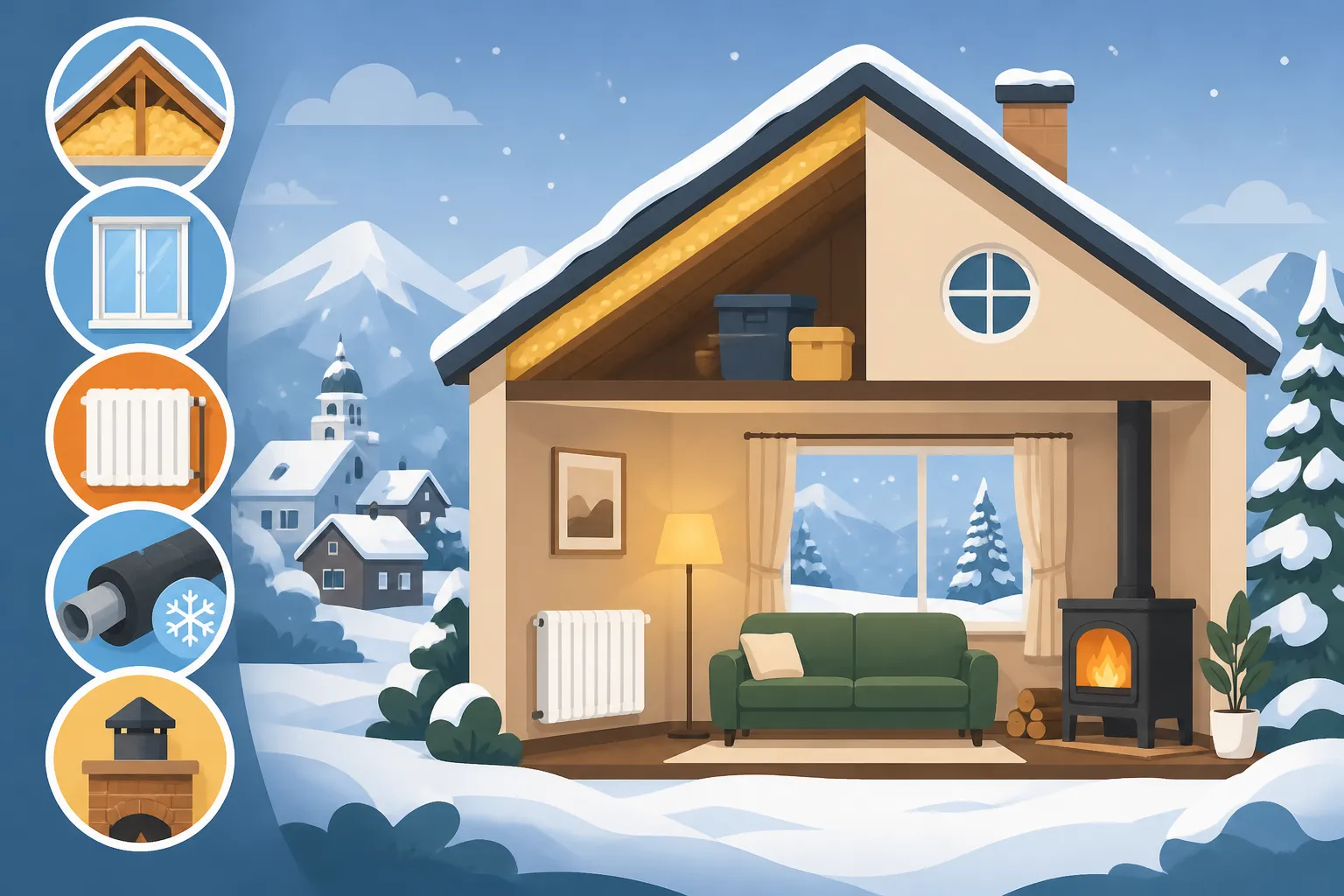
- Window and Door Seals: Start with a thorough inspection. Run your hand along the edges of all windows and doors. Can you feel a draft? If so, you’ll want to invest in some silicone sealant (available at any hardware store like Praktiker or Mr. Bricolage) for persistent gaps, or temporary rubber/foam strips for windows and doors that you still need to open. For doors, consider adding a draft excluder (the sausage-shaped things you put at the bottom of the door). If you're really committed, or if your landlord is open to it, installing new PVC windows can drastically improve insulation, though this is a bigger investment and usually for homeowners.
- Curtains and Blinds: Heavy, thermal curtains aren't just for aesthetics; they add an extra layer of insulation. Close them as soon as dusk falls to trap heat inside. Some expats even hang thick blankets over windows at night in particularly cold rooms – it might not look stylish, but it works!
- Insulate Unused Spaces: Do you have a storage room, an unheated hallway, or a balcony door that leads to an uninsulated space? Keep those doors closed and consider adding a thick blanket or curtain to further block off cold air from seeping into your main living areas.
Optimizing Your Heating Systems for Efficiency
Bulgaria offers a variety of heating solutions, and knowing how to use yours effectively is key to comfort and managing your bills. If you’re a new arrival, make sure you understand The Expat Guide to Setting Up Utilities (Electricity, Water, Gas) in Bulgaria to get started.
- Central Heating (Toplofikatsia): If your building has central heating, it's usually efficient but you'll have less control over individual radiator temperatures. Ensure your radiators are bled (a small valve usually at the top corner allows trapped air to escape, improving heat distribution) before the season starts. Don't block radiators with furniture or curtains. If your radiators feel cold even when the system is on, contact your building manager or Toplofikatsia directly. You might also find it helpful to look into Understanding Water and Heating Bills in Bulgaria to decode your monthly statements.
- Electric Heaters and Air Conditioners (Inverter ACs): For those relying on electricity, modern inverter air conditioners are surprisingly efficient for heating. Set them to a comfortable temperature (around 20-22°C) and let them run. Avoid constantly turning them on and off. For supplementary heating, a good oil-filled radiator or a fan heater can be useful for smaller rooms, but be mindful of electricity consumption. Providers like EVN, CEZ, and Energo-Pro manage electricity, and bills can climb quickly. Having reliable mobile data, perhaps with an eSIM from a provider like Airalo, can be really handy for monitoring your usage apps or contacting customer support on the go, especially if you're keeping an eye on things while out.
- Wood Stoves/Fireplaces: A cozy option, but requires effort. Ensure your chimney is cleaned annually to prevent blockages and reduce fire risk. Stock up on dry wood well in advance. Remember, this is a significant heat source but also requires ventilation and careful management.
Here's a quick comparison of common heating methods:
| Heating Method | Initial Cost (Estimate) | Running Cost (Estimate) | Efficiency | Best Use Case | Pros | Cons |
|---|---|---|---|---|---|---|
| Central Heating | N/A (Included in rent/building fees) | Moderate to High (seasonal) | High | Apartment buildings in large cities | Convenient, consistent warmth, often no setup needed | Less individual control, monthly fees even if not fully used |
| Electric Convector Heater | Low (50-200 BGN) | High | Moderate | Small rooms, supplementary heating | Portable, easy to use, quick heat | High electricity consumption, can dry air |
| Inverter Air Conditioner | Medium (800-2000 BGN) | Moderate | High | Primary heating for individual rooms/apartments | Efficient, provides cooling in summer too | Higher upfront cost, noise, maintenance, less effective in extreme cold |
| Wood Stove/Fireplace | Medium (500-2000 BGN + installation) | Low (cost of wood) | High (radiant heat) | Houses, rustic apartments | Cozy ambiance, independent of grid, cost-effective | Requires effort (chopping/loading wood), chimney cleaning, storage |
| Oil-Filled Radiator | Low-Medium (100-300 BGN) | Moderate-High | Moderate-High | Bedrooms, longer-term supplementary heating | Safe, silent, retains heat well | Slow to heat up, can be bulky, electricity consumption |
Protecting Your Pipes from the Freeze
This is a non-negotiable for anyone living in Bulgaria, especially if you have older plumbing or exposed pipes. Frozen pipes can burst, leading to catastrophic water damage and a massive headache.
- Insulate Exposed Pipes: Check your balconies, basements, and any exterior walls for exposed water pipes. Wrap them thoroughly with foam insulation tubes (available at hardware stores) or even old blankets/rags. The more layers, the better. This is especially critical if you live in a house or an apartment on a top floor or ground floor where pipes might be more exposed to external temperatures.
- Trickle the Faucets: If temperatures are forecast to drop severely and stay below freezing for an extended period, leave one or two faucets (especially those furthest from the main water inlet) dripping slowly overnight. A constant trickle prevents water from freezing solid within the pipes.
- Turn Off Water if Away: If you plan to leave your home for more than a day or two during winter, it's wise to turn off the main water supply to your apartment or house and drain the system (by opening a tap for a few minutes after turning off the main supply). This ensures there’s no water in the pipes to freeze and burst. Of course, this only works if you have easy access to your main shut-off valve. If you’re leaving and need to stay connected to monitor things or receive alerts from a smart home system, a reliable eSIM service like Airalo means you’re always just a tap away from connectivity.
- Monitor Water Meter: Keep an eye on your water meter if you suspect a leak after a freeze. If the meter is running even when all taps are off, you likely have a leak.
Battling Humidity and Mould
With sealed windows and constant heating, indoor humidity can become an issue, especially in bathrooms and older buildings with poorer ventilation. This leads to condensation and, eventually, mould.
- Ventilation: Even in winter, briefly air out your home daily by opening windows for 5-10 minutes. Do this during the warmest part of the day. It might seem counter-intuitive to let cold air in, but it replaces humid air with drier, colder air which is easier to heat than damp, cold air.
- Dehumidifiers: For persistent humidity, a dehumidifier can work wonders, especially in bathrooms or northern-facing rooms.
- Extractor Fans: Ensure bathroom extractor fans are working effectively and use them during and after showers.
Exterior Preparations and Property Care
It's not just about what's inside your walls; the outside of your property needs some love too, especially if you're a homeowner or have a balcony.
Securing Balconies, Terraces, and Outdoor Spaces
These areas are directly exposed to the elements and can be pathways for cold to enter your home or even suffer damage themselves.
- Clear and Clean: Remove any potted plants that aren't winter-hardy, or bring them indoors. Store outdoor furniture, BBQ grills, and anything else that could be damaged by snow, ice, or strong winds. If you're a homeowner, and potentially still have moving boxes or summer items, remember that services like Sirelo can assist with logistics or storage solutions, especially for seasonal items that don't need to clutter your warm living space.
- Drainage: Ensure balcony drains are clear of leaves and debris to prevent water from pooling and freezing, which can damage the waterproofing.
- Check for Exposed Pipes: Again, rigorously check for any pipes running along the balcony wall or floor. These are highly susceptible to freezing and bursting. Insulate them thoroughly as mentioned earlier.
Garden and Yard Winterization for Homeowners
If you have a garden, there’s a bit more work to do to protect your green space and prevent property damage.
- Outdoor Taps and Hoses: Crucially, disconnect all hoses from outdoor taps and turn off the water supply to those taps from inside your house. Open the outdoor tap to drain any residual water. If your outdoor taps are not equipped with an internal shut-off valve, you might need to hire a plumber to install one or insulate them extremely well.
- Protect Plants: Cover sensitive plants with burlap or special winter covers. Mulch around the base of trees and shrubs to protect their roots.
- Garden Furniture and Tools: Store all garden tools and furniture in a shed or garage to protect them from rust and deterioration.
Roofs, Gutters, and Snow Removal
These aspects are often overlooked until a problem arises, but they are vital for protecting the integrity of your home.
- Clear Gutters: Ensure your gutters are free of leaves and debris. Blocked gutters can lead to ice dams, which can cause water to back up under your roof and into your house, creating leaks and structural damage.
- Inspect Roof: If you have a house, a quick visual inspection of your roof before winter can spot loose tiles or potential weak points. For apartment dwellers, this is usually the building management's responsibility, but it’s worth asking if they conduct pre-winter checks.
- Snow and Ice Management: If you have a driveway or pathways, stock up on rock salt and a snow shovel. In apartment buildings, the responsibility for clearing common areas like entrances and pavements often falls to the residents or building manager, so know what's expected. For homeowners, especially those who may be out of town or away for work (perhaps using a reliable mobile connection via Airalo to check local weather forecasts), consider arranging for a local to clear snow from your property. This small investment can prevent dangerous slips and ensure access to your home.
Managing Utilities and Winter Living
Beyond the physical preparations, there are practical considerations for managing your daily life and utilities during the Bulgarian winter. This can greatly impact your comfort and budget.
Understanding Your Winter Utility Bills
Winter means higher energy consumption, and therefore, higher bills. It's an inevitable part of living here, but you can be smart about it.
- Monitor Consumption: Keep an eye on your electricity meter readings, especially if you're on individual heating. Many providers, like CEZ, EVN, and Energo-Pro, have online portals or apps where you can track your usage. For central heating, your bill will reflect the overall building consumption, but being mindful of how hot you keep your radiators can still help manage costs. Learning How to Pay Your Utility Bills in Bulgaria is fundamental, as payment methods might differ from what you're used to.
- Budgeting: Factor in significantly higher utility costs for winter months into your monthly budget. For a comprehensive overview, read The Complete Guide to Cost of Living in Bulgaria for Expats (2026). This can save you from an unpleasant surprise when the first hefty bill arrives.
- Smart Thermostats: If you have individual heating, a smart thermostat can help you program heating schedules, ensuring your home is warm when you're there and reducing consumption when you're out or asleep.
Staying Healthy and Prepared
Winter can bring a host of health challenges, from common colds to slips and falls on ice.
- Flu Shots: Consider getting a flu shot. Pharmacies are readily available, and while you might need a prescription for some medications, they're generally well-stocked. Familiarize yourself with Prescription Medications and Pharmacies in Bulgaria: The Complete Guide.
- Emergency Contacts: Make sure you have emergency numbers readily available (112 for all emergencies) and know the closest medical facilities. Knowing Emergency Medical Care in Bulgaria: What Every Expat Needs to Know is vital.
- Stock Up on Essentials: Before a heavy snowfall is forecast, ensure you have enough groceries, any necessary medications, and pet supplies to last a few days, just in case getting out becomes difficult. This is also a good time to think about Understanding Sick Leave Entitlements Under Bulgarian Labour Law if you or a family member might need to stay home.
- Warm Clothing: Invest in good quality thermal underwear, warm sweaters, a proper winter coat, hat, gloves, and waterproof, non-slip boots. Locals often wear layered clothing, and you'll quickly adopt this sensible habit.
- Travel and Commute: If you commute, particularly in cities like Sofia, be prepared for potential delays due to snow. Knowing How to Use the Metro and Public Transport in Sofia can be a lifesaver when roads are blocked.
General Winter Living Tips
Living through a Bulgarian winter can even influence your choice of where to live. For instance, The Best Places to Live in Bulgaria for Expats: A Complete Guide (2027) discusses how different cities experience different microclimates, which can be a deciding factor for some.
- Fire Safety: If you use electric heaters or wood stoves, ensure they are kept away from flammable materials. Have a smoke detector and, ideally, a carbon monoxide detector, especially if you have a gas boiler or wood-burning appliance.
- Check on Neighbours: The Bulgarian community is generally close-knit. If you have elderly neighbours, a quick check-in to see if they need help can go a long way.
- Pet Care: If you have pets, ensure they are kept warm, especially if they are usually outdoors. Many outdoor animals will need a well-insulated shelter and access to unfrozen water.
- Winter Driving: If you drive, ensure your car has winter tires (mandatory from November to March), topped-up anti-freeze, and a winter emergency kit.
Preparing your Bulgarian home for winter might seem like a daunting task, especially the first time around. But by taking proactive steps, addressing potential problem areas, and understanding the local realities, you can transform your home into a warm, safe, and welcoming sanctuary, ready to embrace the magic of a Bulgarian winter without the chill.
Disclaimer
The information provided in this guide is for general informational purposes only and does not constitute professional advice. While we strive to offer accurate and up-to-date guidance based on expat experiences and publicly available information, regulations and procedures in Bulgaria can change. It is always recommended to consult with relevant local authorities, legal professionals, and service providers for specific advice pertaining to your individual circumstances.