How to Pay Your Utility Bills in Bulgaria
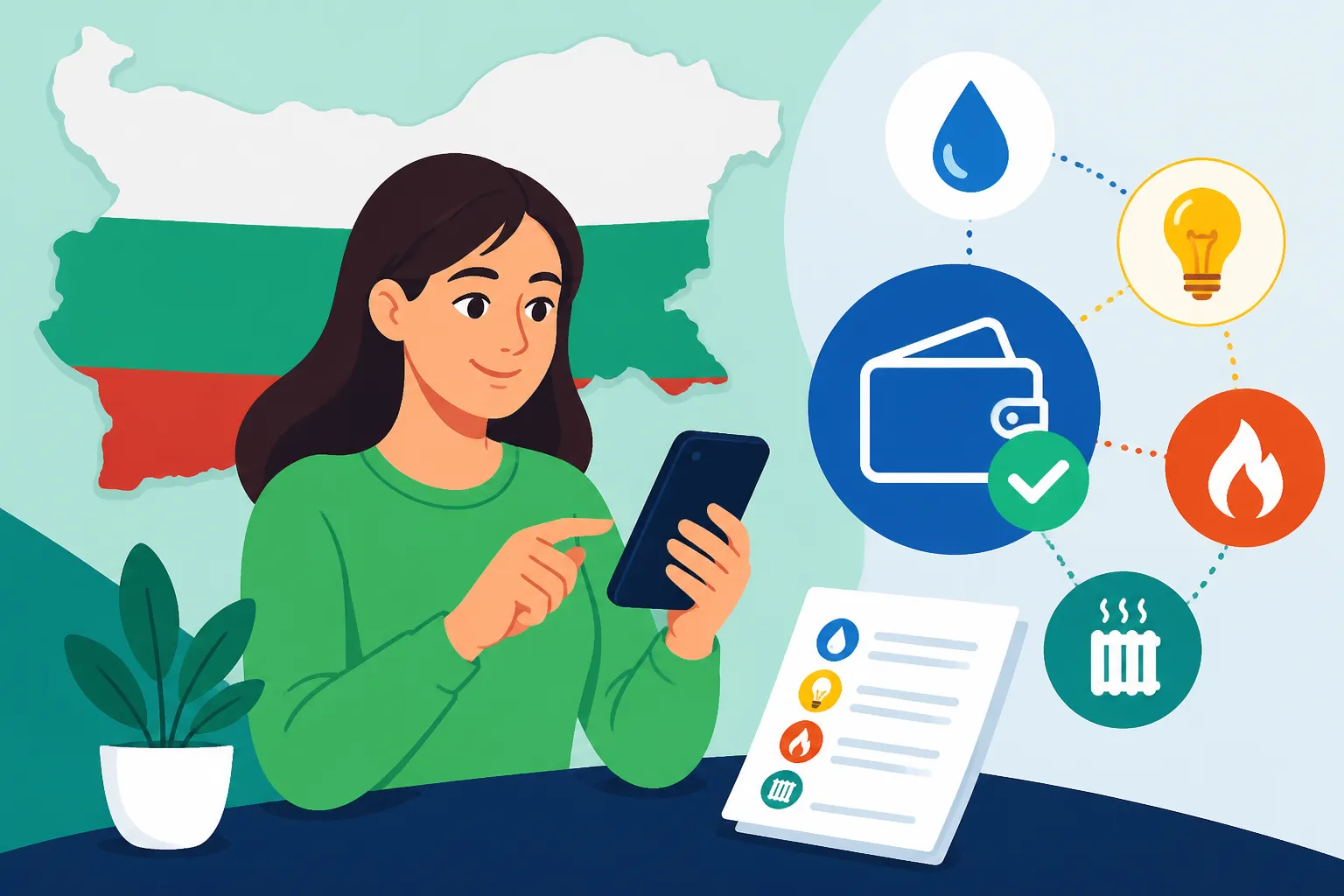
One of the first big hurdles you face as an expat in Bulgaria, right after finding a place to live, is staring blankly at your first stack of utility bills. They arrive, often entirely in Bulgarian, filled with unfamiliar company names and numbers, and suddenly the simple act of paying becomes a monumental task. You’re not alone in feeling utterly lost. This guide is here to cut through the confusion, offering a comprehensive, expat-friendly walkthrough of exactly how to pay your electricity, water, heating, and internet bills in Bulgaria, making sure you stay connected and comfortable without the unnecessary stress.
Understanding Bulgarian Utility Providers
Before you even think about paying a bill, you need to understand who actually provides your utilities. Unlike some countries where you might have a choice of a few electricity companies, in Bulgaria, utilities are often regional monopolies, meaning you're stuck with whoever serves your specific area. This isn't necessarily a bad thing, as it simplifies who you need to deal with, but it's crucial to know their names.
Electricity Providers: Who Are They?
Bulgaria's electricity market is divided geographically. For instance, if you're in the capital, Sofia, and much of western Bulgaria, you'll likely be dealing with CEZ Distribution (now part of Electrohold Sales). If your new home is in the south-central and southeastern regions, including Plovdiv and Burgas, then EVN Bulgaria will be your provider. For those setting up in northeastern Bulgaria, including Varna and Ruse, Energo-Pro Sales is the company you'll need to know. These companies handle both the distribution and the sale of electricity to consumers.
Each month, you'll receive a bill from your specific provider. These bills detail your consumption, the tariff applied (which can vary based on peak/off-peak usage if you have a two-rate meter), and the total amount due. It's really important to keep these bills, not just for payment, but also as proof of address sometimes, or if you ever need to query a charge. Familiarising yourself with the company logo and the format of their bill will save you a lot of headaches.
Water and Sewage Services: Local Monopolies
Water and sewage services are hyper-local. In Sofia, you'll be dealing with Sofiyska Voda (Софийска вода), a company that manages the entire water supply and wastewater treatment for the capital region. If you’re living elsewhere, say Plovdiv or Varna, you'll have a different regional water utility, generally referred to as ViK (Водоснабдяване и Канализация – Water Supply and Sewage). These are typically municipal or state-owned enterprises that operate as monopolies in their respective areas.
Your water bill might not come monthly; sometimes it's bimonthly or even quarterly, depending on the region and the building's setup. The bill will usually show your meter readings, consumption in cubic meters, and a breakdown of charges for water supply, sewage, and sometimes a separate charge for cleaning. Just like with electricity, understanding the basics of your water bill and the name of your local ViK provider is fundamental to avoiding any issues.
Heating and Gas Companies: District Heating vs. Individual Gas
This is where things can get a little more complex. Many apartments, especially in major cities like Sofia, are connected to a central district heating system. The main provider for this in Sofia is Toplofikatsia Sofia (Топлофикация София). If your building is hooked up to this, you’ll receive a heating bill that covers not just the heat you use in your apartment, but also a share of the common area heating and hot water. These bills can be notoriously difficult to understand due to complex calculations involving individual meters, common area meters, and various coefficients.
Alternatively, some newer buildings and many houses use individual gas heating. In this case, your gas provider will be a regional company such as Overgas or Citygas. Natural gas bills tend to be more straightforward, based on your meter readings and the current gas price. It’s important to clarify with your landlord or building manager whether your property uses district heating, individual gas, or even electric heaters, as this will determine which heating bill you need to pay. It can be a significant cost, especially during the colder Bulgarian winters.
Internet and Mobile Providers: A Competitive Market
Unlike the other utilities, the internet and mobile market in Bulgaria is quite competitive, offering a wider choice. The main players are A1, Yettel (formerly Telenor), and Vivacom. You'll find these providers offering various packages for home internet, mobile phone services, and even TV bundles. This competition is great for consumers, as it means better deals and service.
When you first arrive, getting your mobile and internet sorted is often a top priority. Many expats opt for a prepaid SIM card first, just to get connected. You might consider using an eSIM from a service like Airalo in the initial days to ensure you have data coverage immediately upon landing, before you even have a chance to set up a local Bulgarian SIM or home internet. This gives you time to research local plans without feeling cut off. Once you settle in, you’ll typically sign a contract for home internet and a post-paid mobile plan. Their bills are usually quite clear, detailing your monthly subscription fee and any additional usage charges. You can find more specific advice on How to Set Up Internet and Mobile Service in Bulgaria.
Traditional Methods for Paying Bills in Bulgaria
Even in this digital age, many traditional methods for paying utility bills remain popular and widely used across Bulgaria. These can be a lifesaver if you're not yet set up with online banking or if you just prefer a more hands-on approach.
Post Offices (Български пощи)
The humble Bulgarian post office, or "Български пощи" (Balgarski Poshti), is still a powerhouse for bill payments. Nearly every town and city has at least one post office, and they are reliable. You simply take your paper utility bill (or at least the payment slip portion) to the counter, hand over your cash, and they will process the payment. You'll receive a stamped receipt, which is your proof of payment – always keep these!
The queues can sometimes be long, especially around the end of the month, but it's a very accessible option, even if you don't speak much Bulgarian. Most staff are used to people simply handing over bills and cash. The biggest downside is that it requires a physical trip and cash, which might not always be convenient. However, for those who prefer tangible proof and face-to-face interaction, it's a solid choice.
EasyPay and Cashterminal Locations
For many expats, EasyPay (Изипей) and Cashterminal (Кештерминал) kiosks are an absolute godsend. These are dedicated payment service providers with numerous offices and self-service kiosks scattered throughout cities and towns, often found in supermarkets, shopping malls, and on main streets. EasyPay offices usually have a cashier you can speak to, while Cashterminal machines are self-service.
To pay at an EasyPay office, you hand over your bill or simply provide the 10-digit customer number for your specific utility (e.g., electricity, water, heating). The cashier will look up your outstanding balance, you pay in cash, and you get a receipt. It's incredibly efficient. Cashterminal machines are even faster if you're comfortable with the interface; you select the utility company, enter your customer number, insert cash, and print your receipt. Both services usually charge a small transaction fee (often around BGN 0.50 to BGN 1.00), but the convenience is often worth it. These are frequently the go-to for many expats as they are widespread and generally offer quick service.
Bank Branches and ATMs
While still an option, paying utility bills directly at a bank branch is becoming less common for routine payments, especially with the rise of online banking. Most major Bulgarian banks like DSK Bank, UniCredit Bulbank, and Raiffeisenbank allow you to pay utility bills at their counters. You'll need your bill and the customer number, and you can pay in cash or directly from your bank account.
Some ATMs also offer a utility payment function, which can be convenient if you're already at the ATM. However, this feature varies by bank and ATM location. Generally, if you're planning on paying bills through a bank, using their online platform is much more efficient these days, which we'll cover next. Understanding how to manage your finances overall in the country is key, and our guide on The Expat Guide to Opening a Bank Account in Bulgaria can certainly help with getting set up for these transactions.
Online and Digital Payment Solutions
For most expats, particularly those accustomed to digital convenience, online and digital payment solutions will become your preferred method for handling bills in Bulgaria. They save time, reduce language barriers, and allow you to manage everything from the comfort of your home.
Using Your Bulgarian Bank's Online Portal
Once you've opened a bank account in Bulgaria, whether it's with DSK Bank, UniCredit Bulbank, Postbank, or another institution, setting up online banking is usually straightforward. The online portals of these banks are often the most convenient way to pay your utility bills. Most Bulgarian banks have a dedicated section within their online banking system for utility payments (Плащане на битови сметки or similar).
You typically add your utility providers as "beneficiaries" or "merchants" by entering your customer number for each service (electricity, water, heating, internet). Once added, the bank system will automatically pull up your current outstanding balance each month. You simply select the bill, confirm the amount, and authorize the payment. Many banks also offer the option to save your preferred bills and even set up recurring payments (direct debits), which we'll delve into in the next section. This method usually has no additional transaction fees beyond what your bank might charge for certain types of transfers, if any. Learning about How to Set Up Online Banking with a Bulgarian Bank can streamline this process significantly.
Dedicated Provider Apps and Websites
Many of the larger utility providers in Bulgaria, such as CEZ Electrohold Sales, EVN Bulgaria, Energo-Pro, Sofiyska Voda, A1, Yettel, and Vivacom, have their own dedicated customer portals and mobile apps. These platforms allow you to view your bills, track your consumption, and make payments directly.
To use these, you'll typically need to register on their website or app, creating an account linked to your customer number. Once logged in, you can see your current bill, payment history, and often pay with a debit or credit card. Some even offer direct debit setup. While convenient for specific utilities, this can mean juggling multiple apps or websites if you want to pay all your bills this way. However, for a single, frequent bill like your mobile phone or internet, it's often the quickest and most direct route.
Online Aggregator Services
Beyond individual bank portals and provider apps, there are also third-party online payment aggregators that allow you to pay multiple types of bills from different providers through a single platform. The most prominent one in Bulgaria is ePay.bg. This service acts as a central hub where you can register your utility accounts and manage all your payments in one place.
To use ePay.bg, you create an account, link your bank cards or bank account, and then add your utility provider accounts using your customer numbers. Each month, your bills will appear in your ePay.bg dashboard, and you can pay them with a few clicks. It offers a comprehensive overview and simplifies the process of managing various bills. Another service, iCard, functions similarly, also providing e-money and card services. These aggregators usually charge a small fee per transaction, similar to EasyPay, but offer a highly streamlined digital experience, especially if you have bills from many different providers.
Setting Up Direct Debits and Automatic Payments
Once you've settled into your routine in Bulgaria, the last thing you want to worry about is remembering to pay each utility bill manually every month. That’s where direct debits and automatic payments come into their own. They offer unparalleled convenience and peace of mind, ensuring your essential services are always paid on time.
Why Automate Your Payments
The primary reason to set up automated payments is to avoid late fees and service interruptions. Missing a payment, especially for electricity or heating, can result in penalties and, in extreme cases, even temporary disconnection. Juggling multiple due dates, particularly when bills arrive at different times and in a foreign language, is a common source of expat stress. Automating your payments eliminates this administrative burden completely.
Furthermore, direct debits are a massive time-saver. Instead of trekking to the post office, standing in an EasyPay queue, or even manually logging into online banking platforms for each bill, the money is simply deducted from your account on the due date. This frees up your mental energy for more enjoyable aspects of expat life. It’s a classic "set it and forget it" solution, and for those who are busy, it's invaluable.
How to Arrange Direct Debits with Your Bank
Setting up direct debits (often called "автоматично плащане" or "директен дебит" in Bulgarian) is typically done through your Bulgarian bank. You'll need to contact your bank, either in person at a branch or through their online banking portal or customer service line, to initiate the process. You'll need the following information for each utility:
- Utility Provider Name: The exact name of the company (e.g., Electrohold Sales, Sofiyska Voda, Toplofikatsia Sofia).
- Customer Number (Абонатен номер): This is a unique identifier found on all your utility bills. It's crucial for the bank to link the payment to your specific account with the provider.
The bank will then set up an agreement with the utility provider. Each month, when your bill is generated, the utility company will send the payment request directly to your bank, and the bank will automatically deduct the amount from your designated account on or just before the due date. Confirm with your bank how long it takes for the direct debit to become active, as it might not kick in for the very next bill. Our post on How to Use Major Hospitals and Clinics in Sofia highlights the need for seamless financial operations, and direct debits are part of that efficiency.
Considerations for Automated Payments
While incredibly convenient, there are a few things to keep in mind when relying on automated payments. Firstly, always ensure you have sufficient funds in your designated bank account. A failed direct debit due to insufficient funds can incur bank charges and may still lead to late payment penalties from the utility provider. It's a good practice to occasionally check your bank statements or the utility provider's portal to confirm that payments are going through as expected.
Secondly, if you move house or switch utility providers, remember to cancel the old direct debit and set up new ones for your new accounts. This is a common oversight that can lead to problems down the line. Finally, even with automation, it's wise to still glance at your bills when they arrive (or when they're made available online) to ensure there are no unexpected spikes in consumption or erroneous charges. While direct debits handle the payment, you're still responsible for the accuracy of your bills.
Navigating Common Expat Challenges with Utility Bills
Let's be honest, dealing with bureaucracy and new systems in a foreign country is rarely straightforward. Utility bills in Bulgaria can present specific challenges for expats, from language barriers to understanding complex charges. But fear not, there are ways to navigate these waters.
Deciphering Your Bills: Language Barriers and Understanding Charges
This is probably the biggest headache. Most bills will arrive entirely in Bulgarian, which can be incredibly daunting if your Bulgarian isn't up to scratch. You'll see terms like "Ел. енергия" (electricity), "Вода" (water), "Отопление" (heating), "Общо" (total), "Дължима сума" (amount due), and "Краен срок" (due date). The key is to identify your customer number (абонатен номер) and the amount due. Often, there's a barcode or a QR code for quick payment at EasyPay or through banking apps.
Beyond the language, understanding what you're being charged for can be complex, especially with district heating bills which have multiple lines for actual consumption, common parts, and hot water preparation. Don't hesitate to ask your landlord or a trusted Bulgarian friend for help translating the first few bills. Many utility companies are also improving their online portals, sometimes offering English versions, or at least a clearer graphical breakdown of consumption. This is a good opportunity to use services like Google Translate's camera feature for quick, on-the-spot translations.
Dealing with Missed Payments or Discrepancies
Life happens, and sometimes a payment might be missed, or you might spot an error on your bill. If you realize you've missed a payment, act quickly. Utility companies in Bulgaria typically issue a warning for overdue payments, often with a small penalty fee, before considering disconnection. The quickest way to rectify this is to pay the outstanding amount immediately using one of the quick payment methods like EasyPay or your online banking.
If you believe there's a discrepancy or an incorrect charge on your bill, the first step is to contact the utility provider directly. This can be challenging due to language barriers, but many companies have customer service lines, and some larger ones might even have English-speaking staff or a dedicated expat support line. Gather all your previous bills and any meter readings you might have taken yourself. Patience is key here; resolving disputes can take time. It's another reason why keeping all your receipts of payment and copies of your bills is so important.
Setting Up Utilities When You First Arrive
The very first time you set up utilities is a crucial step when The Complete Guide to Moving to Bulgaria: Your First 90 Days or simply relocating. Typically, if you're renting, the utilities will already be active from the previous tenant, and you'll simply need to transfer the accounts into your name. This usually involves visiting the utility provider's office with your rental contract, passport, and residence permit. The landlord might accompany you to facilitate this.
For internet and mobile services, you'll visit the offices of providers like A1, Yettel, or Vivacom. You'll choose a plan, present your ID and proof of address, and sign a contract. Getting these essential services sorted quickly is vital for staying connected, especially if you rely on the internet for work or communication with family back home. This is where moving services like Sirelo could be incredibly useful, helping you coordinate your move and get settled, sometimes even offering assistance with administrative tasks or connecting you with local experts who can help with utility transfers. Remember that having reliable internet is crucial for understanding how to access specialist care through the NHIF in Bulgaria or even managing your finances.
Comparing Payment Methods: Pros and Cons
To help you decide which method works best for you, here's a quick comparison of the various ways to pay your utility bills in Bulgaria, outlining the key advantages and disadvantages of each.
| Payment Method | Pros | Cons | Ideal For |
|---|---|---|---|
| Post Offices | Widespread, reliable, tangible paper receipt, accessible even without a bank account or Bulgarian skills. | Can involve long queues, requires cash, limited operating hours, less private (may hear amounts). | Expats new to Bulgaria, those without online banking, or who prefer cash payments. |
| EasyPay/Cashterminal | Very widespread, quick transaction, convenient locations (supermarkets), often open longer hours, efficient for cash. | Small transaction fee, Cashterminal machines can be intimidating for non-Bulgarian speakers, primarily cash-based (though some EasyPay offices accept cards). | Quick, convenient cash payments, especially when a bank isn't accessible. |
| Bank Branches/ATMs | Secure, can pay directly from your account, some ATMs offer 24/7 access. | Less common for routine utility payments, limited ATM functionality, queues in branches, might require speaking Bulgarian. | If you're already at the bank for other business, or prefer banking services. |
| Online Banking | Highly convenient, available 24/7, no physical trip, secure, can view payment history, often no fees. | Requires a Bulgarian bank account and online banking setup, initial setup can be fiddly with Bulgarian interfaces. | Most expats once settled, those who prefer digital management, recurring payments. |
| Provider Apps/Websites | Direct, usually clear overview of specific utility, often includes consumption tracking, secure. | Requires multiple logins/apps for different utilities, may not have English interface, ties you to one provider. | Managing a specific utility (e.g., mobile plan) or if you prefer direct interaction with provider. |
| Online Aggregators (ePay.bg) | Centralized management for multiple bills, comprehensive overview, digital payment options, convenient. | Small transaction fee, requires initial setup and account linking, may have a slight learning curve if not used to such platforms. | Expats with many different bills, those who want a single digital hub for payments. |
| Direct Debit (Bank) | Fully automated, completely hassle-free, prevents late payments, ultimate convenience. | Requires sufficient funds, needs to be monitored occasionally, might take time to set up, can be difficult to cancel if moving or changing providers. | Long-term residents who want maximum convenience and peace of mind. |
Final Thoughts on Your Bulgarian Utility Journey
Navigating utility bills in a new country can feel like a gauntlet of administrative tasks. But in Bulgaria, while there are unique quirks, the system is quite robust once you understand it. My advice? Start with the traditional methods like EasyPay to get your immediate payments sorted. As you settle in and get your Bulgarian bank account fully operational, transition to online banking or direct debits for long-term ease. Don't be afraid to ask for help from your landlord or local friends, and remember that every expat goes through this learning curve. You’ll be paying your bills like a local in no time!
Disclaimer
The information provided in this guide is for general informational purposes only and does not constitute financial, legal, or professional advice. While we strive to keep the information accurate and up-to-date, utility company policies, fees, and procedures in Bulgaria can change. Always verify information directly with the relevant utility providers, banks, or professional advisors.