Understanding the School System (Public, Private, International) in Bulgaria
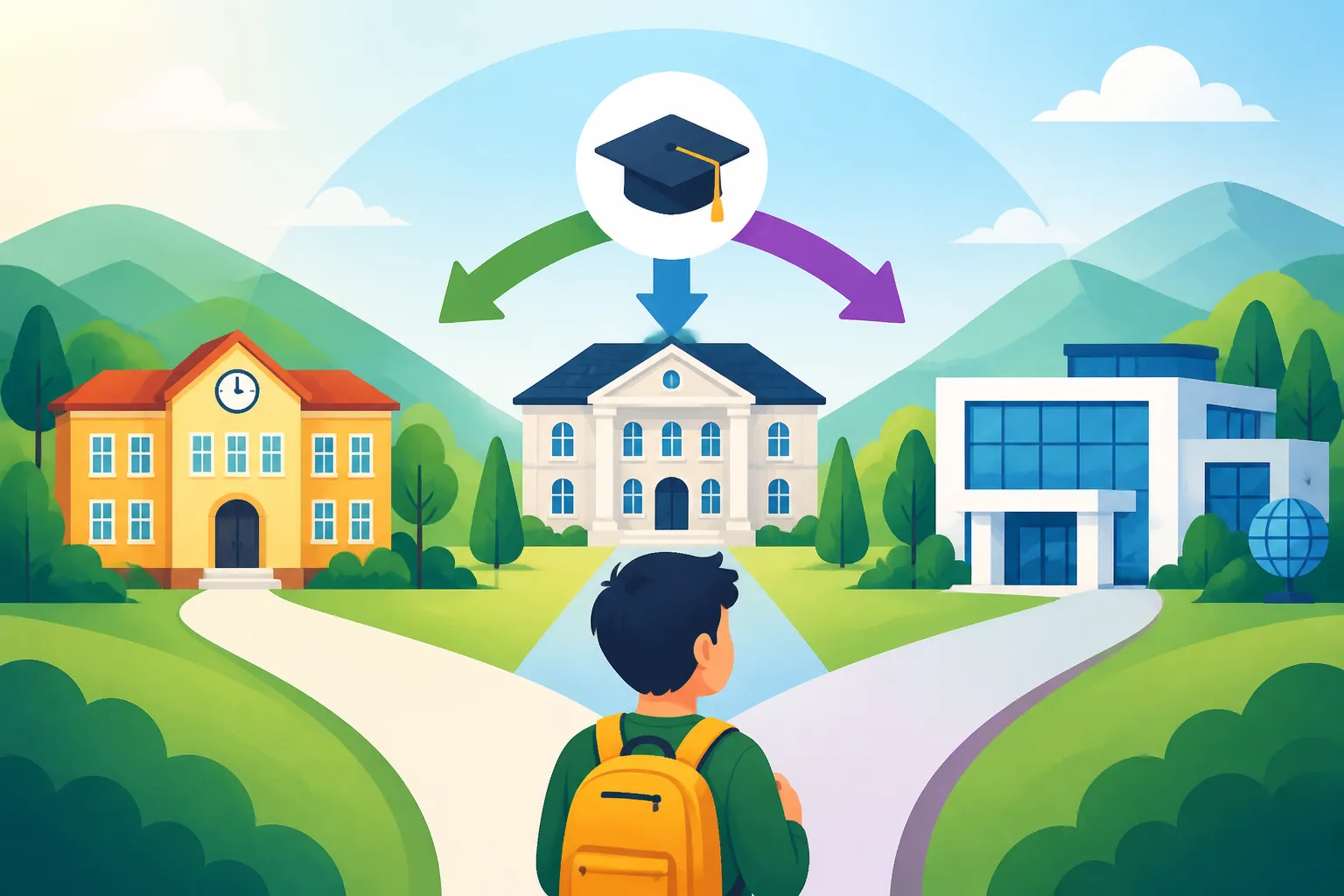
Moving to a new country with children brings a whole new layer of complexity, and one of the biggest worries for expat parents is always figuring out the local education system. It’s not just about finding a good school; it’s about understanding the entire structure, the subtle cultural differences, and frankly, dealing with the paperwork in a foreign language. This guide is here to unravel the Bulgarian school system, breaking down public, private, and international options so you can make an informed decision that truly suits your family.
The Bulgarian Education System at a Glance
When you first arrive in Bulgaria, the education system might seem a bit daunting, especially if you’re used to a different structure back home. It’s not just about translating terms; it’s about grasping the underlying philosophy and priorities. Trust me, I’ve been through it, and while the system has its quirks, it’s designed to provide a comprehensive education.
Structure and Stages of Education
The Bulgarian education system follows a fairly standard European model, though with some unique local characteristics. It's compulsory for children aged 7 to 16, encompassing primary and lower secondary education. However, many children start earlier with pre-school.
- Pre-school Education (Предучилищно образование): This stage is for children aged 3 to 6/7. While not strictly compulsory until the year before primary school, most parents enroll their children. It’s primarily focused on social development, basic literacy, and numeracy skills, preparing them for the more structured environment of primary school. Kindergartens here are often quite good, offering warm environments, and are a fantastic way for younger children to pick up Bulgarian quickly. You’ll find both public and private options, with public ones being significantly more affordable, often just covering meal costs. If you’re considering childcare options for younger kids, you might find useful information on How Much Does Childcare Cost in Bulgaria?
- Primary Education (Начално образование): This typically runs from Grade 1 to Grade 4, for children aged 7 to 11. It's where the foundations of reading, writing, mathematics, and environmental studies are built. The curriculum is quite rigorous, focusing on core academic skills. Teachers often stay with the same class for all four years, which helps build strong relationships and consistency for the students.
- Lower Secondary Education (Прогимназиално образование): This covers Grades 5 to 7, for ages 11 to 14. During these years, subjects become more specialized, taught by different teachers. Students delve deeper into Bulgarian language and literature, mathematics, history, geography, foreign languages (usually English or German), and sciences. This is a critical period as it sets the stage for upper secondary choices.
- Upper Secondary Education (Гимназиално образование): This stage, from Grade 8 to Grade 12, for ages 14 to 19, is where the paths diverge. Students can choose between:
- General Secondary Schools (Гимназии): These focus on a broad academic curriculum, preparing students for university. Many specialize in humanities, sciences, or foreign languages. For example, some 'language high schools' are incredibly competitive and offer intensive foreign language training from Grade 8.
- Vocational Secondary Schools (Професионални гимназии): These offer specialized training in specific trades or professions, alongside general education, leading to a professional qualification and a diploma that also allows for university entry. Think tourism, IT, mechanics, or arts.
Graduation from Grade 12 usually involves state matriculation exams (държавни зрелостни изпити), which are crucial for university admissions.
Key Differences for Foreigners
For expat families, several aspects of the Bulgarian system stand out as distinct from what they might be accustomed to:
Firstly, language is the most significant hurdle. Public schools operate almost exclusively in Bulgarian. While children, especially younger ones, are incredibly adaptable and can pick up a new language astonishingly fast, older children joining in later grades might face a steeper challenge in keeping up academically while simultaneously learning Bulgarian. This can be a source of frustration and isolation if not addressed with adequate support.
Secondly, the pedagogical approach can sometimes feel more traditional and formal compared to some Western systems. There’s a strong emphasis on rote learning and respect for authority, though this is evolving, especially in more urban areas. Parental involvement, while valued, might not be as structured or collaborative as in some other countries. You might find less emphasis on project-based learning or informal communication with teachers than you’re used to.
Thirdly, curriculum and assessment will naturally differ. Bulgarian history, literature, and culture are integral parts of the national curriculum. While fascinating, it means your child will be diving deep into a new cultural context alongside their academic studies. Assessment tends to be more exam-focused, particularly as they progress through lower and upper secondary education. Understanding these nuances is vital. If your family is still in the planning stages of relocating, gaining a full picture of the move is crucial, and a resource like The Complete Guide to Moving to Bulgaria: Your First 90 Days can be invaluable.
Navigating Public Schools in Bulgaria
Choosing a public school in Bulgaria can be a fantastic way for your children to immerse themselves fully in Bulgarian culture and language, but it’s not without its challenges. It’s a decision that requires careful consideration of your family’s priorities and your child’s adaptability.
Pros and Cons for Expat Children
Let's be realistic here. Public schools are the backbone of the Bulgarian education system, and they offer a unique set of benefits and drawbacks for expat families.
Pros:
- Full Immersion: This is hands down the best way for your child to become fluent in Bulgarian. They will pick up the language naturally from their peers and teachers, accelerating their integration into local society. Younger children, especially, are like sponges and can become bilingual surprisingly quickly.
- Cultural Understanding: Your child will be steeped in Bulgarian traditions, holidays, and social norms. This firsthand experience is invaluable for understanding the country beyond the surface level, fostering a deeper connection to their new home.
- Cost-Effectiveness: Public schools are free, with parents typically only needing to cover school supplies, uniforms (if required), and occasional field trips. This is a significant financial advantage compared to private or international alternatives, making it a viable option for families on a tighter budget.
- Community Integration: Your children will make local friends, and you, as parents, will have opportunities to connect with Bulgarian families, potentially expanding your social circle and support network in a way that might not happen in an international bubble.
Cons:
- Language Barrier: This is the elephant in the room. While immersion is a pro, the initial language barrier can be very challenging, especially for older children. They might struggle to understand lessons, participate in discussions, and complete assignments, potentially leading to frustration, anxiety, and a temporary dip in academic performance. Some schools might offer limited support for non-Bulgarian speakers, but it's not universally available or robust.
- Different Teaching Methods: As mentioned, the teaching style can be more traditional, with less emphasis on interactive learning or critical thinking compared to some Western curricula. This might be a difficult adjustment for children used to more liberal or student-led approaches.
- Lack of Resources for Special Needs: If your child has specific learning needs or requires specialized educational support, public schools in Bulgaria might not have the resources or trained staff to adequately address them. This is a critical consideration for many expat families.
- Curriculum Differences: The curriculum is nationally focused, meaning subjects like history, geography, and literature will be taught from a Bulgarian perspective. While enriching, it might mean your child misses out on specific aspects of their home country’s curriculum if you plan to return eventually.
Enrolment Process and Requirements
Enrolling your child in a public school in Bulgaria can feel like a bureaucratic maze, so prepare for some patience and persistence. The process isn't always straightforward, and it heavily depends on your municipality and the specific school. Generally, you’ll be looking at schools within your registered address’s catchment area, particularly for primary schools.
Here’s a general rundown of what you’ll likely need:
- Residence Permit: Your child must have a valid Bulgarian residence permit. If you're still navigating the process of bringing your family to Bulgaria, understanding the nuances of the family reunification process is crucial. You can find more information on Family and Dependent Residence Permits in Bulgaria: Bringing Your Loved Ones.
- Birth Certificate: An apostilled and translated copy of your child's birth certificate is usually required. This is one of those documents that will follow you everywhere in Bulgaria, so get it sorted early.
- Health Documentation: You'll need proof of vaccinations and a medical certificate from a Bulgarian doctor, confirming your child is fit to attend school. This often means registering with a local GP and getting a health check-up. More on this can be found at Understanding Childhood Vaccination Schedules in Bulgaria.
- Proof of Address: Documents confirming your registered address in Bulgaria (e.g., rental contract, property deed).
- Previous School Records: Report cards or transcripts from your child’s previous school, translated into Bulgarian. These help the school determine the appropriate grade level.
- Application Form: Usually provided by the school or the municipal education department.
The best approach is to identify a few potential schools in your area and visit them directly. Speak to the director or a designated administrator, as they can provide the most accurate and up-to-date information on their specific requirements and availability. School registration typically happens in May/June for the following academic year, but places can sometimes be found mid-year, especially if you're new to the country. For general guidance on enrolling your child, you can refer to How to Enrol Your Child in a School in Bulgaria.
Language Barrier and Integration
The language barrier is undoubtedly the biggest challenge. While children are incredibly resilient, it’s vital to provide support. Don't just throw them in and expect them to swim without a life raft.
- Early Intervention: For younger children (Kindergarten, Grades 1-3), immersion is often sufficient, especially if you supplement it with informal language learning at home or through playgroups. They absorb the language like sponges.
- Tutoring: For older children, private Bulgarian language tutoring is almost a necessity, at least for the first year. It helps them grasp vocabulary and grammar specific to academic subjects, alleviating some of the pressure they feel in class. Look for tutors experienced with foreign students.
- Social Integration: Encourage your child to participate in after-school activities, sports, or clubs at school or in the local community. This provides a natural environment for making friends and practicing Bulgarian outside of the classroom. Be prepared for some initial shyness or reluctance; it’s a big adjustment.
- Parental Support: As a parent, demonstrating patience and understanding is key. Celebrate small victories in language acquisition and academic progress. Keep communication lines open with the school, even if it requires a translator initially. Show genuine interest in what your child is learning, even if you don't understand all the details.
Finding English-speaking contacts within the school staff can be a lifeline. Sometimes a teacher, or even another parent, might be willing to help bridge the communication gap. And remember, having reliable connectivity is crucial for communication, both for you and your child, especially when dealing with school announcements or research. Services like Airalo can provide instant eSIM data plans, ensuring you’re connected from day one without the hassle of local SIM cards, which is incredibly useful for navigating new environments.
Exploring Private Schools in Bulgaria
For many expat families, private schools offer an attractive middle ground between full immersion in the public system and the higher costs of international schools. They often boast smaller class sizes, a broader curriculum, and sometimes, English-language components, making the transition smoother.
Overview and Educational Philosophy
Private schools in Bulgaria typically follow the national curriculum, but they often augment it with additional programs, extracurricular activities, and modern teaching methodologies. They tend to have more resources, better facilities, and a more personalized approach to education than public schools.
- Curriculum Enhancement: While adhering to the Bulgarian Ministry of Education standards, private schools often integrate international elements, advanced foreign language programs, or specialized subjects not found in public schools. For example, some might offer enhanced IT classes, arts programs, or even early exposure to second foreign languages beyond English.
- Smaller Class Sizes: This is a major draw. Smaller classes mean more individualized attention from teachers, which can be particularly beneficial for expat children who might need extra support to catch up or adapt.
- Modern Facilities: Private schools often invest in better infrastructure, including updated classrooms, science labs, sports facilities, and technology resources.
- Varied Philosophies: You’ll find a range of educational philosophies. Some might be very academically rigorous, pushing students towards top university placements, while others might focus more on holistic development, creativity, and a supportive environment. It’s worth investigating the ethos of each school to see if it aligns with your family’s values.
- Bilingual Programs: Some private schools offer bilingual programs, usually Bulgarian-English, where certain subjects are taught in English. This can significantly ease the transition for expat children, allowing them to maintain their English proficiency while learning Bulgarian. However, the extent of English instruction varies widely.
Advantages and Disadvantages for Expats
Weighing the pros and cons of private schools against other options is key to making the best choice for your child.
Advantages:
- Smoother Transition: With smaller class sizes and potentially bilingual programs, the academic transition for expat children can be less abrupt. They might receive more individualized attention and support with the language.
- Higher Quality Facilities and Resources: Generally, private schools have better equipped classrooms, libraries, sports facilities, and technology, offering a more stimulating learning environment.
- Enriched Curriculum: Beyond the national curriculum, private schools often provide a wider range of extracurricular activities, clubs, and electives (e.g., music, art, drama, coding), fostering broader interests and talents.
- Potentially Better Communication: Staff in private schools are often more accustomed to dealing with international families and may have better English proficiency, making communication regarding your child's progress much easier.
- Stronger Academic Focus: Many private schools pride themselves on strong academic results and prepare students rigorously for university entry, both in Bulgaria and abroad.
Disadvantages:
- Cost: While less expensive than most international schools, private school fees are a significant financial commitment. These can range from a few hundred to over a thousand euros per month, excluding additional costs for meals, uniforms, books, and extracurriculars. You can explore the broader financial landscape by looking into Understanding the Cost of International and Private Schools in Bulgaria.
- Still Bulgarian-Centric: Even with bilingual programs, the primary language of instruction and the overall cultural context will still be Bulgarian. This is great for immersion but may not suit families looking for a purely international curriculum.
- Limited Diversity: While attracting some international students, the student body will predominantly be Bulgarian. This might mean less exposure to a wide range of international cultures compared to a truly international school.
- Location: Private schools are more concentrated in larger cities like Sofia, Plovdiv, and Varna. If you live in a smaller town or rural area, your options might be very limited.
Costs and Application Procedures
The financial aspect is often the deciding factor for many families considering private education.
- Tuition Fees: As noted, tuition fees can vary dramatically. For a reputable private school in Sofia, expect to pay anywhere from 300 EUR to 1,000+ EUR per month, depending on the grade level and school's prestige. Some schools charge annual fees, others monthly. Always ask for a full breakdown of costs, including enrolment fees, materials, meals, and any mandatory trips.
- Additional Costs: Don't forget uniforms, textbooks, school supplies, transportation (if not included), and optional extracurricular activities, all of which add up.
- Scholarships: Some private schools may offer limited scholarships based on merit or financial need, though these are more common for Bulgarian students. It's always worth asking if they have any programs for international students.
The application procedure for private schools is generally more structured than for public schools.
- Application Form: Most schools will have an application form, either online or to be picked up in person.
- Documentation: Similar to public schools, you'll need your child's birth certificate (apostilled and translated), residence permit, health records, and previous school reports.
- Entrance Exams/Assessments: Many private schools, especially for higher grades, require entrance exams in subjects like Bulgarian language, mathematics, and English. They might also conduct interviews with the child and parents to assess suitability and cultural fit.
- Tours and Meetings: It's highly recommended to schedule a visit to the school, meet the teachers, and speak with the admissions office. This is your chance to get a feel for the environment and ask all your burning questions.
Start your research and applications early, as popular private schools often have waiting lists. When planning your move and figuring out logistics, reliable communication is key. Consider getting an eSIM from a provider like Airalo upon arrival, which allows you to have immediate data and make essential calls to schools or real estate agents without the hassle of finding a local SIM card store on day one.
International Schools: A Popular Expat Choice
For many expat families, especially those on shorter assignments or who anticipate moving again, international schools offer a familiar educational environment that aligns with global standards and eases transitions between countries. Bulgaria, particularly Sofia, has a growing number of reputable international schools.
Curricula and Accreditation
International schools in Bulgaria generally follow globally recognized curricula, which is a major draw for families who want consistency in their children's education, regardless of where they live.
- International Baccalaureate (IB): This is one of the most widely offered curricula, particularly the Primary Years Programme (PYP), Middle Years Programme (MYP), and the Diploma Programme (DP). The IB aims for holistic development, critical thinking, and international-mindedness. Many schools offer all three programmes.
- British Curriculum: Some schools follow the English National Curriculum, leading to IGCSEs and A-Levels. This is a popular choice for families from the UK or those seeking a direct pathway to British universities.
- American Curriculum: A few schools offer an American curriculum, leading to a US high school diploma, which prepares students for entry into American universities.
- Other National Curricula: You might also find schools offering specific national curricula, such as French, German, or Turkish, tailored for those communities.
Accreditation is crucial. Reputable international schools will be accredited by recognized international bodies (e.g., Council of International Schools – CIS, New England Association of Schools and Colleges – NEASC, or country-specific bodies like COBIS for British schools). This ensures quality standards, global recognition of qualifications, and ease of transfer to other international schools worldwide. Always check a school's accreditation status.
Prominent International Schools in Sofia and Beyond
While international schools are predominantly found in the capital, Sofia, you might find a few options in other major cities.
In Sofia:
- Anglo-American School of Sofia (AAS): Often considered the flagship international school, AAS offers an American curriculum (leading to a US high school diploma) and the International Baccalaureate Diploma Programme. It's a non-profit school, highly accredited, and boasts excellent facilities, a diverse student body, and a strong community. It's a popular choice but also one of the most expensive.
- British School in Sofia (BSS): BSS follows the English National Curriculum, leading to IGCSEs and A-Levels. It’s also an accredited school with a good reputation, offering a familiar environment for British expat families or those seeking this specific curriculum.
- Deutsche Schule Sofia (German School Sofia): Caters to German-speaking families, following the German curriculum.
- French Lycée Victor Hugo: Offers a French curriculum, primarily for French-speaking students.
- St. George International School & Preschool (SGISS): A well-regarded private school with an international stream offering the IB curriculum, alongside a Bulgarian national curriculum stream. It provides a blend of international education with a strong local presence.
- American College of Sofia (ACS): While not exclusively an expat school, ACS is a highly prestigious, independent, co-educational high school with a rich history. It offers a unique curriculum blending American and Bulgarian educational traditions, with a strong emphasis on English language and critical thinking. Many international families send their children here, especially those planning to stay longer or who appreciate a rigorous, competitive environment.
Beyond Sofia:
- Options are significantly more limited outside of Sofia. In cities like Plovdiv or Varna, you might find some private schools with international departments or bilingual programs, but they are typically not fully international schools in the same vein as those in Sofia. For example, some private schools might offer IB Primary Years Programme as part of their offering. If you're looking at property in these areas, remember that school location can significantly influence your housing choices. Resources like How Do I Find an Apartment Near International Schools in Sofia? or How Do I Find an Apartment to Rent in Plovdiv? can help you narrow down your search.
When considering an international school, it's worth noting that they often have vibrant expat communities, which can be a great source of support and friendship for both children and parents.
Tuition Fees and Admission
Let's not sugarcoat it: international schools are a significant financial investment, often the largest expenditure for expat families after housing.
- Tuition Fees: These can range dramatically, but for the top-tier international schools in Sofia, expect annual tuition fees to be anywhere from €8,000 to €25,000+ per year, depending on the grade level. This usually covers tuition, but rarely everything else. It’s a good idea to research Are International Schools Expensive in Bulgaria? to get a full picture.
- Additional Fees: Be prepared for a long list of additional costs:
- Application/Registration Fee: A non-refundable fee when you apply.
- Enrolment Fee: A one-time, sometimes substantial, fee upon acceptance.
- Capital Levy/Building Fund: Some schools charge an annual or one-time fee to contribute to school facilities.
- Textbooks and Supplies: Often an extra cost.
- Uniforms: Mandatory at most international schools.
- Meals: School lunches are usually extra.
- Transportation: Bus services are typically an additional charge.
- Extracurricular Activities: While some basic activities might be included, specialized clubs or sports often incur extra fees.
- Excursions/Trips: Local field trips and international trips are common and usually extra.
Admission Process:
- Application: Generally online, requiring detailed information about your child and family.
- Documentation: Birth certificate, passport/residence permit copies, previous school reports/transcripts (often needing translation).
- Assessments: Most international schools require academic assessments (math, English reading/writing) for entrance, especially for primary and secondary grades. These help ensure the child can thrive within the curriculum.
- Interviews: Many schools conduct interviews with both parents and the child to gauge personality, motivation, and fit with the school's ethos.
- Reference Letters: Sometimes, reference letters from previous teachers or school administrators are requested.
It's highly advisable to visit the schools in person if possible, or at least schedule virtual tours and meetings with the admissions team. Ask about class sizes, student-teacher ratios, support for non-native English speakers (if applicable), university matriculation rates, and the diversity of the student body. Plan your applications well in advance, as popular international schools can fill up quickly. For families moving from abroad, logistical support for the entire family is critical; a service like Sirelo can help simplify the process of shipping household goods and managing your relocation effectively, ensuring a smoother transition for your children.
Support and Resources for Expat Families
Regardless of whether you choose a public, private, or international school, providing your child and yourself with adequate support is paramount for a successful transition. Moving to a new country and a new school system is a huge undertaking, and no one should have to go it alone.
Language Support and Tutoring
Dealing with a new language, especially in an academic setting, is a monumental task. The amount of support your child needs will depend on their age, personality, prior language exposure, and the school environment.
- Formal Language Classes:
- Within Schools: International schools, by their nature, are designed for non-native English speakers (or their primary language of instruction) and often have dedicated English as an Additional Language (EAL) support programs. These range from in-class support to pull-out sessions with specialist teachers. For private or public Bulgarian schools, this support is less common or more basic.
- External Tutoring: This is often the most effective solution. Hiring a private tutor for Bulgarian can make a world of difference. For older children entering public or private Bulgarian schools, a tutor who can help them with specific subject vocabulary and homework, in addition to general language acquisition, is invaluable. For children in international schools, tutors might be helpful for additional support in core subjects if they're struggling. Finding a good tutor, often through word-of-mouth within expat groups or local university language departments, is a game-changer.
- Online Resources and Apps: Language learning apps (Duolingo, Babbel, Memrise) are great supplementary tools for both children and parents. Online tutoring platforms also exist, connecting you with native Bulgarian speakers.
- Informal Exposure: Encourage exposure to Bulgarian outside of school. This could be through local children's books, cartoons (many popular kids' shows are dubbed into Bulgarian), music, or simply spending time in local parks and playgrounds. The more they hear and interact, the faster they will learn. Even a simple trip to the local market, where they can practice basic phrases, helps build confidence.
Remember, consistent effort over time yields the best results. Don't expect miracles overnight, and celebrate every small linguistic achievement.
Adapting to Bulgarian School Culture
Beyond the language, school culture itself can be a significant adjustment. Bulgarian schools, even private ones, often have different norms, expectations, and classroom dynamics than what expat children are used to.
- Understanding Expectations:
- Teacher-Student Relationship: In public and many private Bulgarian schools, there tends to be a more formal relationship between teachers and students. Respect for authority is highly valued. Children might be expected to be less outspoken or critical in class compared to more liberal educational environments.
- Parental Involvement: While parents are welcome, the level and nature of involvement might differ. Parent-teacher meetings might be less frequent or less informal than you’re used to. Sometimes, communication happens primarily through a student's notebook or journal, which is sent home daily.
- Homework and Discipline: Homework loads can vary, and discipline styles might be more traditional.
- Social Dynamics: Navigating a new social environment is tough for any child. Expat children might feel isolated initially, especially if they struggle with the language.
- Encourage Friendships: Facilitate playdates, participation in after-school clubs, and interactions with classmates. If your child is at a public school, consider reaching out to other parents (perhaps with the help of a translator) to foster social connections.
- Empathy and Communication: Talk to your child regularly about their experiences, feelings, and any difficulties they’re facing. Validate their frustrations but also encourage resilience. Let them know it’s okay to feel overwhelmed and that you’re there to support them.
- Cultural Sensitivity: Teach your child about Bulgarian customs and social etiquette, so they can navigate social situations more smoothly. For example, understanding certain gestures, polite phrases, or social hierarchies can prevent misunderstandings.
- Finding Your Community: Connect with other expat families who have children in Bulgarian schools. They can offer invaluable advice, share experiences, and provide a much-needed support network. Online expat forums, local expat groups, and even parent groups within international schools are excellent resources for this. Building your own network can help you find answers to questions about everything from How Do I Find a Pediatrician in Sofia? to navigating local bureaucracy.
Making the Right Choice for Your Family
Choosing the right school for your child in a new country is one of the most significant decisions you'll make as an expat parent. There's no one-size-fits-all answer, and what works for one family might not work for another. It's a deeply personal decision that requires careful thought, research, and a realistic assessment of your child's needs and your family's circumstances.
Factors to Consider
Before you even start looking at specific schools, sit down as a family and discuss what truly matters to you.
- Child's Age and Personality:
- Younger Children (under 8-9): Generally adapt faster to new languages and environments. Full immersion in a public or private Bulgarian school might be highly beneficial for language acquisition.
- Older Children (10+): Might find the language barrier and curriculum differences more challenging, potentially leading to academic setbacks and social isolation. An international school or a private school with strong bilingual support might be a safer bet.
- Personality: Is your child outgoing and adaptable, or shy and sensitive to change? An adaptable child might thrive in a challenging immersion environment, while a more sensitive child might need the familiarity of an international curriculum initially.
- Length of Stay in Bulgaria:
- Short-term (1-3 years): An international school might be preferable to maintain continuity with a global curriculum and ease future transitions to other countries.
- Long-term (5+ years): Public or private Bulgarian schools offer deeper integration and fluency, which is excellent for long-term residency. You might also consider the American College of Sofia for a blend of local and international excellence.
- Budget: This is often the primary constraint. International schools are very expensive. Private Bulgarian schools are a mid-range option. Public schools are essentially free. Be realistic about what you can afford, taking into account not just tuition but all the hidden fees.
- Academic Goals: Do you plan for your child to attend university in Bulgaria, back home, or elsewhere internationally? The curriculum and qualifications offered by the school should align with these goals. For instance, the IB Diploma is widely recognized globally, while a Bulgarian high school diploma prepares for local universities primarily.
- Language Acquisition Priorities: How important is it for your child to become fluent in Bulgarian? If it's a top priority, a public or private Bulgarian school will offer the most intensive immersion. If maintaining proficiency in English (or another mother tongue) is paramount, international schools are designed for that.
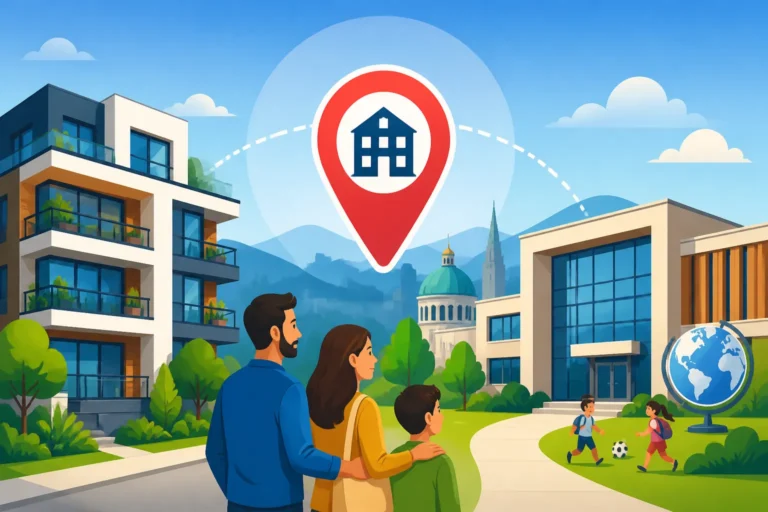
- Location and Commute: Consider the proximity of schools to your home and work. Long commutes can be exhausting for children and parents. If you haven’t settled on a location, researching What Are the Best Family Neighbourhoods in Bulgaria? can help you identify areas with good schools.
- Family Values and Philosophy: Does the school's ethos – its approach to discipline, creativity, academics, and social development – align with your family's values? This emotional fit is often as important as the academic one.
Visiting Schools and Gathering Information
Once you have a clearer idea of your priorities, it's time to do your homework.
- Online Research: Start with the school websites. Look at their curriculum, accreditation, facilities, teacher profiles, and admissions process. Check online reviews and expat forums for firsthand accounts, though always take these with a grain of salt and cross-reference.
- Attend Open Days/Virtual Tours: Many schools offer open days or virtual tours, which are excellent opportunities to get a feel for the environment and ask general questions.
- Schedule Individual Visits: If a school is a serious contender, try to arrange a personal visit and a meeting with the admissions officer, school director, or a key teacher. This is your chance to ask specific questions about support for expat children, class sizes, communication channels, and the school’s philosophy.
- Talk to Other Expat Parents: This is perhaps the most valuable resource. Connect with expat parents who have children in different types of schools. Their experiences, insights, and warnings can be incredibly illuminating. Ask about specific challenges, successes, and what they would do differently.
- Prepare a Checklist: Go into each school visit or information-gathering session with a checklist of your non-negotiables and key questions. This ensures you cover all important points and can make a fair comparison between schools.
- Consider the Long Term: While it's daunting to plan for years down the line, think about how the chosen school might impact your child's future education and university applications.
Making this decision is tough, but by being thorough, empathetic, and realistic about your child’s needs and your family’s circumstances, you can find a school in Bulgaria where your child will not only learn but also thrive, adapting to their new home with confidence.
Disclaimer
The information provided in this guide is for general informational purposes only and does not constitute professional advice. While we strive to keep the content up-to-date and accurate, educational policies, school fees, and admission procedures in Bulgaria can change without notice. We strongly recommend verifying all information directly with the respective schools, educational authorities, and relevant government bodies (e.g., the Ministry of Education and Science) for the most current and specific details applicable to your individual situation.