Can Foreigners Buy Property in Bulgaria?
Oh, the age-old question that trips up so many of us who dream of making Bulgaria our home! You’ve probably heard whispers, conflicting advice, or perhaps even outright myths about foreigners buying property here. It's a genuinely confusing area, and believe me, you're not alone if you're scratching your head. This guide is going to cut through the noise, explaining exactly how property ownership works for expats in Bulgaria, from apartments to plots of land, and all the bureaucratic hurdles in between.
The General Rule: Yes, But With Nuances and a Catch!
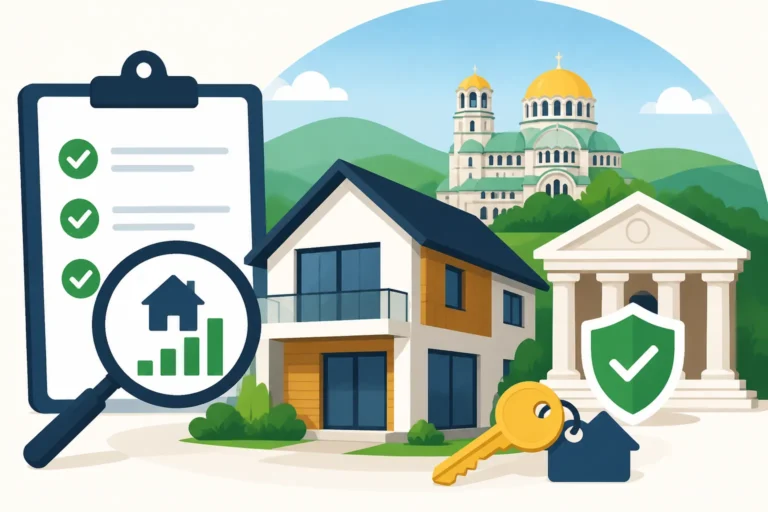
So, can foreigners buy property in Bulgaria? The straightforward answer is yes, absolutely. However, the ease and method of purchase depend heavily on two critical factors: your citizenship (are you an EU/EEA citizen or not?) and the type of property you want to buy, specifically whether it includes land. This is where most of the confusion arises, and honestly, the Bulgarian system doesn't always make it easy to grasp without a bit of insider knowledge.
For years, many non-EU citizens faced significant restrictions, often requiring complex workarounds. While some of these have eased or been clarified, the fundamental distinction between owning a building and owning the land beneath it remains a major point of difference for those outside the European Union or European Economic Area. This isn't some ancient, obscure law; it's a very real part of property transactions you'll encounter today, and ignoring it can lead to headaches down the line. It's truly one of those moments where you realize the administrative journey here is less a sprint and more an endurance race, often involving navigating subtle legal distinctions.
Land Ownership: The Key Differentiator
This is where things get interesting, and often, a little frustrating for non-EU citizens. In Bulgaria, an apartment, by its very nature, is typically a part of a larger building structure, and the land it sits on is often owned collectively by all the apartment owners or by a separate entity. This means when you buy an apartment, you usually acquire a share of the common parts of the building and the right of use for the land, but not direct ownership of the plot itself. This distinction is crucial.
For houses, however, especially standalone ones with gardens, or any kind of undeveloped plot, you are looking at direct land ownership. And here’s the catch: non-EU/EEA citizens cannot directly own land in Bulgaria. This includes residential plots, agricultural land, or any other type of terrain. The rationale behind this is rooted in historical and legal frameworks designed to protect national interests, particularly agricultural land. While the intention might be understandable, for an expat just wanting to buy a nice house with a garden, it feels like an unnecessary hurdle. It's almost as if the system is designed to make you jump through a few extra hoops just to prove your dedication to living here.
EU/EEA Citizens: A Smoother Path
If you're a citizen of an EU or EEA member state, breathe a sigh of relief. Your path to property ownership in Bulgaria is significantly smoother, aligning largely with the rights of Bulgarian citizens. This means you can purchase any type of property directly, including:
- Apartments: No fuss, no special requirements beyond the standard buying process.
- Houses with land: You can directly own both the house and the plot of land it sits on, just like a local.
- Agricultural land: Yes, even farms and fields are open for direct purchase.
- Commercial property: Shops, offices, warehouses – you name it, you can buy it directly.
Essentially, for EU/EEA citizens, the process is primarily about finding the right property, securing financing, and navigating the legal and notary steps, which are standard for anyone buying property here. You won't have to worry about the "land ownership" dilemma that plagues non-EU citizens, making your life considerably easier when it comes to buying a permanent home or an investment property. This parity is one of the distinct advantages of being an EU national looking to settle in Bulgaria.
Navigating Land Ownership as a Non-EU Citizen: The Company Route
Now, for my fellow non-EU expats, let's talk about that "catch" for land ownership. Since you can't directly own land, the workaround, which has become a standard practice, is to establish a Bulgarian legal entity – usually a limited liability company (OOD or EOOD, depending on the number of owners). This company then becomes the legal owner of the land and any structures on it. This route is perfectly legal and widely used, but it adds layers of complexity and ongoing obligations you need to be fully aware of.
Many expats find this a bewildering requirement. You just want a place to call home, not to start a business! But, alas, the Bulgarian legal framework dictates this path. It often feels like you're playing a game with rules you didn't invent, but once you understand them, it becomes manageable. Think of it as investing in an additional layer of administrative fortitude.
The Process of Company Formation for Property Purchase
Forming a company in Bulgaria for property acquisition isn't as daunting as it sounds, but it's definitely not a walk in the park either. You'll need professional help, typically from a lawyer and an accountant.
Here's a simplified overview of what's involved:
- Choosing a Company Type: The most common choice is an EOOD (single-person limited liability company) or an OOD (limited liability company with two or more owners).
- Naming the Company: You'll need to pick a unique name and check its availability with the Commercial Register.
- Articles of Association: This foundational document outlines the company's structure, management, and activities. While your primary activity might be property holding, the articles will need to cover broader scope, too.
- Registered Capital: A minimum capital of 2 BGN (yes, two Bulgarian Leva, roughly €1) is required. This is a symbolic amount that makes setting up the company incredibly cheap compared to many other countries.
- Bank Account: The company will need its own bank account to deposit the initial capital and for future transactions related to the property. You'll find that banks like DSK or UniCredit Bulbank are generally expat-friendly, but prepare for some paperwork when opening a corporate account.
- Registered Address: The company needs a legal address in Bulgaria. Often, your lawyer or accountant can provide this initially.
- Director Appointment: You will typically be appointed as the director.
- Registration with the Commercial Register: All documents are filed with the Registry Agency (Агенция по вписванията). This is where the company legally comes into existence.
- Tax Registration (BULSTAT): The company will automatically be registered with the BULSTAT register, which is effectively its tax identification number. Later, you'll need to register with the National Revenue Agency (NRA) for corporate tax purposes.
While this process is fairly streamlined for a lawyer, it's crucial to understand that it's a serious legal undertaking with real implications for your taxes and annual reporting. It's not just a rubber stamp; it’s a commitment to maintaining a legal entity.
Practicalities and Pitfalls of Company Ownership
Owning property through a company comes with a distinct set of practicalities and, dare I say, minor pitfalls.
- Ongoing Costs: Unlike direct personal ownership, a company incurs ongoing administrative costs. You'll need an accountant to handle annual financial statements, tax declarations, and other compliance requirements. This can range from €50-€150 per month, depending on the complexity of your company's activities (even if it's just holding property) and your chosen accountant. These fees add up over the years and are a significant consideration when calculating your total cost of living in Bulgaria for expats.
- Annual Reporting: Every year, your company must file an annual financial statement with the Commercial Register. Even if it's a dormant company holding only property, this is a mandatory step.
- Corporate Tax: While the flat 10% personal income tax is a draw for many expats, companies pay corporate tax, also at a flat 10% on profit. If the company makes no profit (which it won't if its sole purpose is property holding), then no corporate tax is due. However, if you decide to take out money from the company (e.g., as a dividend), that will be subject to a dividend tax, currently 5%.
- Selling the Property: When it comes time to sell, you have two options: sell the property from the company, or sell the company itself. Selling the company can be simpler for a buyer who also needs the company for land ownership, as it avoids transferring the land title. However, buyers might be wary of inheriting a company with unknown liabilities. Selling the property directly from the company will incur capital gains tax if there's a profit, similar to personal sales but with corporate accounting involved. This is definitely a conversation you'll need to have with your lawyer and accountant when you consider your exit tax when leaving Bulgaria.
- Administrative Burden: While minimal for a dormant company, there's always a slight administrative burden. Missing deadlines or neglecting annual filings can result in fines. This is why a good, reliable accountant is invaluable here.
This company route is a completely legitimate and common way to own land as a non-EU citizen. It just requires a bit more foresight and an ongoing commitment to administration.
Types of Property You Can Buy
Understanding the nuances of land ownership means understanding the different types of property available and which are typically easier or harder for foreigners to acquire.
Apartments and Residential Units
These are, without a doubt, the easiest type of property for any foreigner to buy in Bulgaria. Whether you're an EU/EEA citizen or not, purchasing an apartment generally doesn't involve the land ownership issue directly impacting you. When you buy an apartment, you own a specific unit within a building, along with a proportional share of the common parts (stairwells, roof, foundations) and the right to use the land plot on which the building is constructed. The actual land parcel itself is typically owned by the association of apartment owners or a separate development company.
This makes buying an apartment a relatively straightforward process, similar to what you'd find in many other European countries. You sign a preliminary contract, pay a deposit, conduct due diligence, and then finalize the deal before a notary. It's often the first step for many expats looking for their first apartment to rent in Sofia before committing to a purchase.
Houses with Land and Agricultural Land
This is where the distinction for non-EU/EEA citizens becomes paramount.
- Houses with Land: If you dream of a charming village house with a sprawling garden or a modern villa on its own plot, and you are a non-EU citizen, you will need to establish a Bulgarian company to legally own the land. The house itself, as a structure, can technically be owned by you personally, but the land cannot. This creates a slightly odd legal separation where the company owns the plot, and you own the building. However, in practice, to simplify things and ensure proper title, most non-EU foreigners will have the company own both the land and the building. It's just cleaner that way.
- Agricultural Land: This type of land has even stricter regulations. While EU/EEA citizens can purchase agricultural land directly, non-EU/EEA citizens face the same restrictions as for any land – requiring a Bulgarian company. There are also specific rules about how agricultural land can be used and managed, which can be complex. If your intention is to buy a working farm or invest in agricultural plots, you'll definitely need specialized legal and agricultural advice.
The market in Bulgaria offers a huge variety of houses, from renovated beauties in popular expat spots like Veliko Tarnovo or rural idylls in the Rhodope mountains, to modern developments near cities. Just be prepared for the company registration if you're not an EU/EEA citizen.
Commercial Property
Commercial properties, such as shops, offices, hotels, or industrial spaces, also follow the same general rules regarding land ownership. If the commercial property includes the land it sits on (as most do), then non-EU/EEA citizens will need a Bulgarian company to make the purchase. For EU/EEA citizens, direct ownership is permitted.
For instance, if you're looking to open a small guesthouse or a cafe in Bansko, and the property includes the plot, a company will be your necessary vehicle if you're from outside the EU/EEA. This is important to factor into your business plan, as it adds both initial setup costs and ongoing administrative expenses.
The Buying Process: What to Expect
No matter what kind of property you're buying or your citizenship, the overall process in Bulgaria has several distinct stages. It’s always best to prepare for a journey that involves a fair bit of bureaucracy, even if it’s generally more straightforward than in some other countries.
Finding the Right Property and Agent
Finding the right property often begins online or through local contacts. Websites like Imot.bg and Alo.bg are popular portals, but they can be a mixed bag. For expats, a good, reputable real estate agent is truly invaluable. They can filter properties, understand your specific needs (like proximity to international schools if you have kids, or good internet for remote work), and, crucially, act as a bridge across language and cultural barriers.
When choosing an agent, look for one with experience working with foreigners. They should be transparent about fees and, ideally, have English-speaking staff. They can also advise you on local market conditions, helping you find the best places to live in Bulgaria for expats. Don't be afraid to interview a few before settling.
Legal Due Diligence and Notary
Once you've found a property you love, the real work begins. This is where a lawyer becomes absolutely essential. I cannot stress this enough: do not buy property in Bulgaria without independent legal advice. Your lawyer will perform thorough due diligence, checking:
- Title Deeds: Confirming the seller's legal ownership and that the property is free of encumbrances (mortgages, claims, disputes, etc.).
- Building Permits: Ensuring the construction is legal and compliant.
- Cadaster Records: Verifying the property's registration with the local cadaster agency.
- Outstanding Debts: Checking for unpaid utility bills or property taxes linked to the property.
- Zoning and Planning: Confirming the property's designated use (e.g., residential, agricultural, commercial) and any future development plans.
After due diligence, a preliminary contract is usually signed, outlining the terms of the sale, price, payment schedule, and completion date. A deposit (typically 10% of the purchase price) is paid at this stage.
The final step is signing the notary deed (нотариален акт) before a public notary. This is the legal document that officially transfers ownership. The notary will check all documents, ensure identities are verified, and witness the signing. The notary public also collects the relevant taxes and fees, registers the deed with the Property Register, and ensures the official change of ownership. Both buyer and seller (or their legal representatives) must be present. If you don't speak Bulgarian, an official translator will be required. This is a very formal process, steeped in tradition, and takes place in the notary's office.
Financing Your Purchase
How you finance your property purchase can also vary for foreigners.
- Cash Purchase: This is the simplest and fastest method, often preferred by sellers. If you're coming with funds from abroad, you'll need to transfer them to a Bulgarian bank account. Make sure you understand the regulations for transferring money into and out of Bulgaria as an expat.
- Mortgage: Obtaining a mortgage in Bulgaria as a foreigner can be challenging, though not impossible. Bulgarian banks (like DSK, UniCredit Bulbank, Postbank) generally prefer to lend to individuals with a stable income within Bulgaria or with a proven track record. For non-EU citizens, it can be even tougher, and having a Bulgarian company for land ownership doesn't necessarily make it easier, as the loan is typically assessed on personal income or company financials. Interest rates are generally higher for non-residents, and a larger down payment might be required. It’s definitely worth exploring if you plan to get a mortgage to buy property in Bulgaria.
Before you even start looking at properties, it's a good idea to understand your financial options and what banks might require from you.
Post-Purchase Considerations and Ongoing Costs
Congratulations, you've bought your piece of Bulgaria! But the journey doesn't end there. There are ongoing responsibilities and costs to consider, just like anywhere else in the world.
Property Taxes and Fees
Once you own property, you're liable for annual taxes and fees. These are relatively low in Bulgaria compared to many Western European countries, which is part of the appeal for many expats.
- Annual Property Tax (Данък върху недвижимите имоти): This is calculated based on the tax assessment value of the property, not its market value. The rate varies by municipality but is typically between 0.1% and 0.45% of the tax assessment value. For an average apartment in Sofia, this might be a few hundred leva per year.
- Garbage Collection Fee (Такса битови отпадъци): This is often collected alongside the property tax and is also based on the property's tax assessment value. Again, it varies by municipality.
- Declaration with Municipality: Within two months of purchase, you must declare your new property with the local municipality's tax office. This is crucial for them to register you as the new owner and start sending you tax bills. If you've used a company to purchase the property, the company will be the one making this declaration.
You can usually pay these taxes in two installments or as a lump sum (often with a small discount for early payment). Don't forget, these are recurring costs that contribute to the overall costs to buy property in Bulgaria.
Maintenance and Utilities
Running a household in Bulgaria involves typical utility costs, but these can vary significantly depending on the age and energy efficiency of your property.
- Electricity (Електричество): This is typically the highest utility bill, especially in winter if you use electric heating. Providers include Energo-Pro, EVN, and CEZ (now Electric Power Supply). You'll need to set up an account in your name (or the company's name). Remember, even setting up basic services requires an active local phone number, so make sure you have an eSIM from a provider like Airalo ready to go when you arrive! It saves a lot of hassle.
- Water (Вода): Water bills are generally low.
- Heating (Отопление): Many city apartments use central heating (ТEЦ), which can be quite expensive in winter but often included in maintenance fees. Otherwise, electric heaters, air conditioning units, or wood/pellet stoves are common.
- Internet and TV (Интернет и Телевизия): Numerous providers offer fibre optic internet, often bundled with TV packages. Vivacom, A1, and Yettel (formerly Telenor) are major players. Read our guide on how to set up internet and mobile service in Bulgaria.
- Maintenance Fees (Такса поддръжка): For apartments, especially in gated communities or newer buildings, there are often monthly maintenance fees for common areas, elevators, security, and sometimes even a central heating component. These vary wildly from €10-€100+ per month, depending on the amenities. Understanding building maintenance fees for apartments in Bulgaria is crucial.
Remember to budget for these ongoing costs when calculating your total expenses. Moving is stressful enough, so having a good plan for setting up utilities is key. Consider getting quotes from professional moving services like Sirelo if you're bringing a lot of belongings. They can help with the logistics of settling in, so you're not overwhelmed.
Reselling Your Property
When the time comes to sell your Bulgarian property, there are tax implications to consider, particularly if you've owned it through a company.
- Capital Gains Tax (Данък върху капиталова печалба):
- For individuals (EU/EEA citizens or non-EU citizens selling an apartment personally): If you sell a residential property that has been your main residence for at least three years, or any two properties (not your main residence) owned for at least five years, you are exempt from capital gains tax. Otherwise, capital gains are taxed at the flat 10% rate.
- For companies: Any profit made by a company from selling property is subject to the 10% corporate tax. This means the 3-year or 5-year exemptions available to individuals don't apply. This is a significant difference and another reason to carefully consider the company route for non-EU citizens buying landed property, especially if you plan on short-term investment.
Understanding these rules before you buy can help you plan your investment strategy or future exit. It really pays to think a few steps ahead in this country!
Comparison: EU/EEA Citizen vs. Non-EU/EEA Citizen Property Purchase
Here's a quick overview to highlight the differences we've discussed:
| Feature | EU/EEA Citizen | Non-EU/EEA Citizen |
|---|---|---|
| Apartment Purchase | Direct ownership, relatively straightforward. | Direct ownership, relatively straightforward. |
| House with Land | Direct ownership of both house and land. | Requires establishing a Bulgarian company (OOD/EOOD) to own the land. The company then typically owns both land and building for simplicity. |
| Agricultural Land | Direct ownership. | Requires establishing a Bulgarian company (OOD/EOOD) to own the land. |
| Commercial Property | Direct ownership. | If it includes land, requires establishing a Bulgarian company (OOD/EOOD). |
| Mortgage Access | Easier, but still subject to bank's criteria (income, residency status). | More challenging; usually requires a stronger financial profile or local income. |
| Ongoing Costs | Annual property tax, garbage fee, utilities, maintenance fees. | Annual property tax, garbage fee, utilities, maintenance fees PLUS company accounting fees, annual reporting fees, and potential corporate/dividend taxes. |
| Capital Gains on Sale | Exemptions apply if property is main residence (3 years) or held (5 years). | If owned personally (apartment), same exemptions apply. If owned by company (landed property), company pays 10% corporate tax on profit, no individual exemptions. Taking profit out of company incurs additional 5% dividend tax. |
| Administrative Burden | Minimal, primarily tax declarations. | Higher due to company maintenance (accounting, annual filings, tax declarations). |
| Legal Advice | Highly recommended. | Absolutely essential due to company formation, land ownership rules, and tax implications. |
Disclaimer
Please remember that I'm an expat blogger, not a legal or financial professional. While I strive to provide accurate and up-to-date information based on my experiences and extensive research, laws and regulations in Bulgaria can change. This guide is for informational purposes only and does not constitute legal, tax, or financial advice. Always consult with a qualified Bulgarian lawyer, accountant, and financial advisor before making any property purchase decisions.