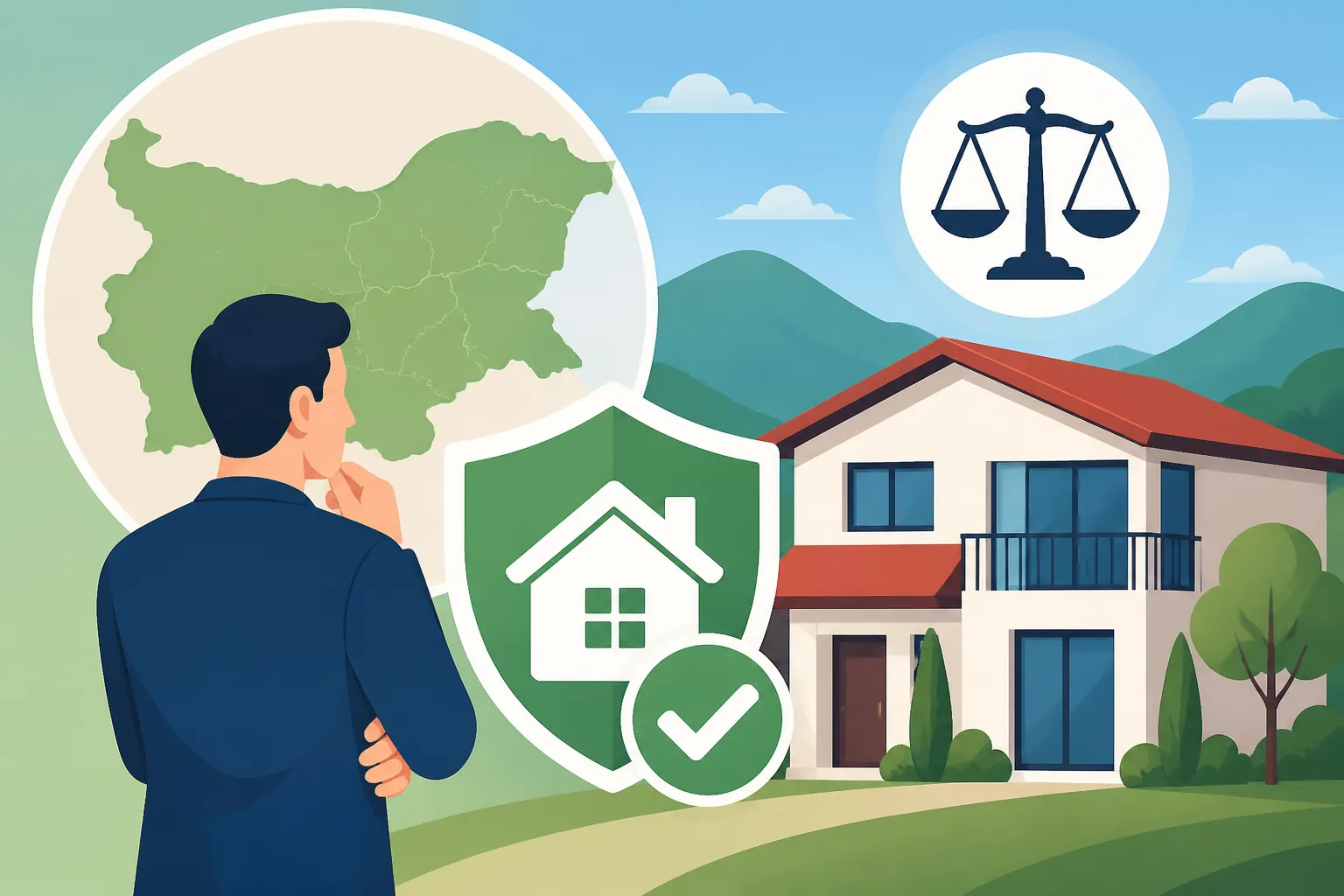
Understanding the Foreigner Property Purchase Rules in Bulgaria
Ah, the dream of a Bulgarian property – a charming village house, a sleek city apartment, or a slice of Black Sea paradise. It's an alluring prospect, offering a wonderful lifestyle at often very attractive prices. But before you get carried away with visions of rakia on your new balcony, let's be realistic: navigating the property purchase rules for foreigners in Bulgaria isn't always straightforward. It can feel like a trek through the Balkan mountains in winter if you don't know the paths. This guide will meticulously break down the specific property purchase regulations you need to know, saving you from potential headaches and bureaucratic mazes.
The Fundamental Divide: EU/EEA vs. Non-EU/EEA Citizens
One of the first, and arguably most critical, distinctions you'll encounter when looking to buy property in Bulgaria is your citizenship status. Bulgaria, as a member of the European Union, adheres to certain principles of free movement of capital and equal rights for its citizens and those from other EU/EEA member states. For others, the rules are distinctly different, and honestly, a bit more complicated. It’s essential to understand which category you fall into right from the start, as it dictates your entire approach to buying.
Ownership Rights for EU/EEA Nationals
If you hail from an EU or EEA (European Economic Area) country, you can breathe a collective sigh of relief because, generally speaking, you enjoy largely the same property ownership rights as Bulgarian nationals. This means you can directly purchase apartments, houses, and most importantly, land, without the need for additional complex structures. It’s the free movement of capital in action, and it significantly streamlines the process for you.
For example, if you're a German citizen eyeing a charming plot of land in a village near Plovdiv to build your dream home, you can typically purchase that land directly in your name. There are no special restrictions or hoops to jump through that a Bulgarian citizen wouldn't also face. You'll go through the standard legal processes, involving a notary and a lawyer, but you won't be blocked by your nationality. This parity in rights is a huge advantage and validates the decision many Europeans make to invest in Bulgaria. While you still need to register your ownership and fulfil standard formalities, the core principle is direct ownership, which simplifies things immensely compared to non-EU citizens.
Of course, there might be minuscule exceptions related to certain protected areas or very specific types of land, but for the vast majority of residential and commercial properties, you're on an equal footing. This ease of access makes Bulgaria a very attractive proposition for EU/EEA citizens looking for a holiday home, an investment, or a new place to settle. Just remember that while the right to buy is there, doing your due diligence and getting good legal advice remains paramount, just like for anyone else.
The Hurdles for Non-EU/EEA Nationals
Now, if you're a citizen from outside the EU/EEA, the landscape for property purchase shifts quite a bit. This is where things can get a little frustrating, and it’s a pain point many expats experience. The most significant hurdle is that non-EU/EEA individuals are generally restricted from directly owning land in Bulgaria. This applies to agricultural land, forests, and even the small plot of land your dream house might sit on. While you can own the building itself, owning the land beneath it directly is often a no-go. This rule has historical roots, stemming partly from Bulgaria's EU accession and efforts to protect national agricultural assets, but it impacts all non-EU land buyers.
So, what's the workaround? The primary and most common solution is to establish a Bulgarian company – typically an EOOD (similar to a single-member LLC) or an OOD (a multi-member LLC). This company, which is a Bulgarian legal entity, can then purchase the land. You, as the non-EU citizen, would be the owner or director of this company. While this solves the immediate problem of land ownership, it undeniably adds layers of cost, complexity, and ongoing administrative burden.
Think about it: you’re not just buying a property anymore; you’re setting up and maintaining a business. This means company registration fees, annual accounting requirements, filing tax declarations (even if the company is dormant), and potentially hiring an accountant. It’s a significant extra step, and many non-EU expats wish there was a simpler way. Even if you're just eyeing a quaint little house with a small garden plot in a peaceful village like those around Veliko Tarnovo, if you're not an EU citizen, that company structure becomes a mandatory part of your property ownership journey. It's not insurmountable, but it requires careful planning and a clear understanding of the implications.
The Land Question: Navigating the Legalities
The distinction between owning the building and owning the land beneath it is perhaps the most bewildering aspect of Bulgarian property law for many foreigners, particularly those from outside the EU/EEA. It’s not an abstract legal nicety; it has very real implications for how you structure your purchase and what your ongoing responsibilities will be. Getting this wrong can lead to serious headaches down the line, so let’s dig into it.
Direct Ownership of Land and Agricultural Plots
As mentioned, for non-EU/EEA citizens, direct ownership of land is generally not permitted. This rule is especially strict when it comes to agricultural land, which includes large swathes of the Bulgarian countryside. The rationale behind this is often rooted in national policy to maintain control over vital resources and support local agriculture. It means that if your heart is set on buying a farmhouse with several acres of vineyards or arable land, you absolutely must go through the company formation route if you're a non-EU citizen. There's simply no direct individual path to owning such plots.
Even for smaller, residential plots that come with a house, the same restriction applies to non-EU buyers. You can legally own the house, the physical bricks and mortar, but the ground it sits on is a separate legal entity. This often means that when a non-EU citizen "buys a house," they are effectively buying the building and establishing a company to buy the land. This setup requires two separate legal actions, often simultaneously. It’s a common point of confusion and frustration, as many come from countries where house and land are intrinsically linked in ownership. Ensuring the house and the land are correctly connected through your company is a crucial step that demands meticulous legal oversight.
The process of buying land through a company involves setting up the company itself – registering it with the Commercial Register, opening a corporate bank account, and potentially granting a power of attorney to a local legal representative to act on your behalf. This is not a quick process, and it adds considerably to the initial costs and ongoing administrative burden. It means that while Bulgaria offers fantastic value in property, non-EU citizens need to factor in these additional overheads and complexities from the outset.
Leasehold Options and Long-Term Rentals
Given the complexities of land ownership for non-EU/EEA citizens, some might wonder about alternative arrangements, such as leasehold or simply opting for long-term rentals. In Bulgaria, leasehold arrangements for residential property, where you own the building but lease the land for an extended period (say, 99 years), are not as common or standardized as they might be in countries like the UK. While some commercial properties might be available on long-term leases, it's not a prevalent solution for individuals looking to buy a home with land. The legal framework around long-term residential leaseholds can be less clear-cut, which can introduce uncertainties for foreign buyers.
However, long-term rental agreements are a perfectly viable and popular alternative, especially for those who wish to avoid the intricacies and ongoing costs of setting up and maintaining a Bulgarian company. Renting allows you to live in your desired property, whether it's a city apartment or a rural house with a garden, without having to navigate the ownership laws for land. This offers flexibility and significantly reduces the administrative burden and initial financial outlay. Many expats choose this route for their first few years in Bulgaria, giving them time to understand the local market and legal system before committing to a purchase. You can find more detailed information on securing rentals in our guide on How to Sign a Rental Contract and Pay a Deposit in Bulgaria.
When opting for a long-term rental, it’s crucial to ensure your contract is robust and legally sound, protecting your rights as a tenant. While you won't gain equity, you gain peace of mind from avoiding the legal and tax complexities associated with company ownership. For those who prioritize simplicity and lower upfront costs, especially while exploring living in Bulgaria, a long-term rental can be an excellent stepping stone, allowing you to settle in and explore your options before taking the plunge into property ownership.
Property Types and Ownership Structures
The specific type of property you’re looking to purchase in Bulgaria can also significantly impact the ownership process, particularly for non-EU/EEA citizens. There’s a crucial distinction between buying an apartment or a standalone house and acquiring the land it sits on, a nuance that often catches foreigners off guard. Understanding these differences is key to a smooth and legally compliant transaction.
Apartments and Built Structures
This is generally the most straightforward path to property ownership for all foreigners in Bulgaria, including non-EU/EEA citizens. When you buy an apartment, you are acquiring a specific unit within a larger building. This includes the internal space of your apartment and a corresponding share of the common parts of the building (like stairwells, roof, foundations, and sometimes a share of the land under the building, though this is usually indirect ownership). Critically, you are not typically buying a separate plot of land in the same way you would with a standalone house and garden.
Because apartments are considered built structures and not standalone land plots, non-EU/EEA citizens can usually purchase them directly in their own name. This bypasses the need to establish a Bulgarian company solely for the purpose of land ownership. This direct ownership applies to holiday apartments on the Black Sea coast, city flats in Sofia, or units in residential complexes. This is why many non-EU individuals find apartments a much simpler and less administratively burdensome entry point into the Bulgarian property market. The transfer of ownership for an apartment involves a Notarial Deed, registration with the local authorities, and payment of the standard fees and taxes, just like for Bulgarian citizens. If you're pondering the costs, our guide How Much Does It Cost to Buy an Apartment in Sofia? offers a breakdown.
Forming a Bulgarian Company for Land Purchase
For non-EU/EEA citizens who genuinely want to own a house with a garden, a plot of land for development, or agricultural land, forming a Bulgarian company becomes an unavoidable step. This is where the initial simplicity of apartment buying gives way to a more involved corporate process. The most common types of companies formed for this purpose are EOOD (Еднолично Дружество с Ограничена Отговорност), which is a Limited Liability Company with a single owner, or OOD (Дружество с Ограничена Отговорност), for multiple owners.
Setting up an EOOD or OOD involves several administrative procedures. You’ll need to register the company with the Bulgarian Commercial Register, deposit minimum share capital (often a symbolic amount like 2 BGN), and appoint a manager (who can be you). This process typically requires legal assistance and a trip to a notary. Once the company is established, it can then legally purchase the land. This is outlined in more detail in our article, How to Register a Company (EOOD/OOD) as a Foreigner in Bulgaria.
However, the journey doesn't end with the purchase. Owning a company in Bulgaria comes with ongoing obligations. You will need to file annual financial statements, even if the company is dormant and holds no active business operations beyond property ownership. This requires the services of a local accountant, adding recurring costs to your property ownership. While the accounting fees might not be exorbitant, they are an additional expense and a bureaucratic layer that must be managed diligently. For some, these ongoing administrative demands might make them reconsider their options, but for others, it's a necessary step to secure their dream property. Despite the hurdles, the company structure does offer benefits, such as clear legal standing for land ownership, and it can also simplify future resale if you sell the company shares rather than the property itself.
The Property Purchase Process: Key Steps and Professionals
Buying property in Bulgaria, regardless of your nationality, involves a structured legal process. While the fundamental steps are similar to many countries, the specifics and the role of certain professionals are distinctly Bulgarian. Navigating these steps effectively is crucial for a secure and legally sound purchase. It’s not just about finding a beautiful property; it's about ensuring all the paperwork is impeccable.
Due Diligence and Legal Representation
This cannot be stressed enough: independent legal counsel is non-negotiable. Never, ever rely on the seller's lawyer or the estate agent to provide you with impartial legal advice. Their primary allegiance is to the seller, or to closing the deal, respectively. Your chosen lawyer, fluent in both Bulgarian law and a language you understand, will perform comprehensive due diligence. This involves meticulously checking the property's title deeds to confirm the seller's legitimate ownership, verifying there are no encumbrances (such as mortgages, liens, or ongoing disputes), and ensuring all building permits and zoning regulations are in order. Imagine buying a beautiful plot only to discover later that half of it is zoned for agricultural use and cannot be built upon, or that there's a decade-old dispute about a boundary line. Your lawyer will unearth these potential nightmares.
The due diligence also extends to checking for outstanding debts associated with the property, such as unpaid utility bills, property taxes, or maintenance fees. In Bulgaria, certain debts can sometimes transfer with the property, becoming the responsibility of the new owner. A good lawyer will ensure these are settled by the seller before the final transfer. Once satisfied, a preliminary contract (предварителен договор) is typically drafted and signed. This crucial document outlines the terms of the sale, including the purchase price, payment schedule, deadlines, and any conditions precedent. It’s a binding agreement, and a deposit (often 10% of the purchase price) is paid at this stage. Treat this preliminary contract with the utmost seriousness; it’s not just a handshake agreement.
The Notary Public and Finalizing the Sale
The culmination of the property purchase process takes place at the office of a Notary Public (нотариус). In Bulgaria, a notary is a public official who acts as an impartial witness to the transaction, ensuring that all legal requirements are met and that the transfer of ownership is legally executed. They are not your lawyer but a neutral party whose role is to authenticate the identities of the parties, verify the legality of the documents, and ensure the transaction complies with Bulgarian law.
The signing of the Notarial Deed (нотариален акт) is the moment of truth. All parties involved – the buyer, the seller, and their respective legal representatives (if acting via Power of Attorney) – gather at the notary's office. The Notarial Deed is read aloud (often with a certified translator present if you don't understand Bulgarian), and once everyone confirms their understanding and agreement, it is signed. At this point, the final payment for the property, along with all associated taxes and fees (which we'll discuss next), is typically transferred or confirmed. This entire procedure is designed to protect both buyer and seller from future disputes by creating an official, legally recognized record of the transaction.
Immediately after the Notarial Deed is signed, the notary will register the transfer of ownership with the Registry Agency (Имотен регистър), the local tax office, and the cadastral agency. This registration process is vital, as it officially establishes your ownership (or your company’s ownership) of the property in the public records. Without this registration, your ownership is not fully enforceable against third parties. This comprehensive process, overseen by experienced professionals, provides the legal backbone for your property acquisition in Bulgaria.
Costs, Taxes, and Practical Considerations
Beyond the purchase price, there are a host of additional costs and practical considerations when buying property in Bulgaria. Many expats, particularly those new to the country, often underestimate these secondary expenses. A complete financial picture is essential for budgeting and avoiding unwelcome surprises. Moreover, once the legal ink is dry, the real work of making your new property a home begins, which involves setting up various services and utilities.
Understanding Property Purchase Costs and Taxes
When you buy a property in Bulgaria, you’re looking at additional costs typically ranging from 3% to 5% of the purchase price, sometimes a little more, in addition to the actual price of the property. These costs are usually borne by the buyer and include:
- Local Transfer Tax (Municipal Tax): This is the largest additional expense, a tax levied by the municipality where the property is located. The rate varies by municipality but is generally between 0.1% and 3% of the property’s tax assessment value or declared sales price (whichever is higher). For example, in Sofia, it's around 2.5%, while in some smaller towns, it might be less. This is distinct from the taxes discussed in our guide on The Complete Guide to Property and Transaction Taxes in Bulgaria (2027), but related.
- Notary Fees: These are calculated based on the property’s value, following a state-regulated tariff. The higher the value, the higher the fee, but it’s a sliding scale.
- State Fees for Registration: A smaller fee for registering the Notarial Deed with the Property Register.
- Lawyer Fees: This will depend on the complexity of the transaction and the services provided, but typically ranges from 1% to 3% of the purchase price, or a fixed fee.
- Agent Fees: If you used a real estate agent, their commission is typically 2.5-3% plus VAT (20%). This can be paid by either buyer or seller, or split, depending on the agreement.
It’s crucial to factor these into your budget from the very beginning. For instance, if you're buying a property for €100,000, you should realistically set aside an extra €3,000-€5,000 for these closing costs. Don’t forget about the ongoing costs either: once you own the property, you'll be responsible for annual property taxes (which are quite low in Bulgaria compared to Western Europe) and municipal garbage collection fees. These are modest but recurring expenses that often catch newcomers by surprise if they haven't planned for them. Understanding the Local Transfer Tax When Buying Property in Bulgaria is crucial to managing your budget.
Connectivity and Logistics for Your New Home
So, you've signed the Notarial Deed, collected the keys, and now you’re officially a Bulgarian property owner! Congratulations! But the practicalities of making it a functioning home begin immediately. Setting up utilities like electricity, water, and internet can sometimes feel like a mini-adventure of its own. It involves contacting the local providers (e.g., EVN, CEZ, Energo-Pro for electricity; local water companies for water), transferring accounts into your name, and potentially arranging for new connections if the property has been vacant for a while. This process isn't always instant, and patience is definitely a virtue here. Our guide, The Expat Guide to Setting Up Utilities (Electricity, Water, Gas) in Bulgaria, offers a more detailed walkthrough.
As you’re signing those endless papers and waiting for your new keys, remember that staying connected throughout this process is crucial. You'll be making calls to real estate agents, lawyers, utility companies, and probably countless video calls back home to share your excitement (or your frustrations!). An eSIM from a provider like Airalo can be invaluable. It means you’re not scrambling for a local physical SIM card while dealing with a million other things. You can activate a local data plan right from your phone, ensuring you have internet access for maps, translations, and communication from day one, without ever leaving the notary's office. It's one less thing to worry about during what is already a mentally taxing period.
And once your property is legally yours, the actual move begins. Don't underestimate the challenge of bringing your life to Bulgaria, especially if you're relocating from abroad. The logistics of packing up, shipping furniture, and ensuring your personal items arrive safely can be a logistical nightmare. Services like Sirelo are fantastic for comparing quotes from international movers. They can help you find reliable, vetted companies to handle the transportation of your belongings, making the entire process of shipping your household goods a much smoother experience. Having a reliable moving partner can save you from unexpected costs, customs delays, and the sheer physical strain of relocation, which is the last thing you need after successfully navigating a property purchase. This final stage of setting up your new life is just as important as the legal transaction itself, and you can learn more about it in The Complete Guide to Moving to Bulgaria: Your First 90 Days (2027).
Finally, ensure you update your address with all relevant Bulgarian authorities, including the Migration Directorate (if it affects your residence permit), the local municipality, and your bank. This ensures all official correspondence reaches you and keeps your administrative house in order.
Comparing Property Purchase for Foreigners
To help clarify the differences in property purchase rules, here's a quick comparison:
| Feature | EU/EEA Citizens | Non-EU/EEA Citizens |
|---|---|---|
| Apartment Ownership | Direct, same as Bulgarians | Direct, same as Bulgarians |
| House (structure only) | Direct, same as Bulgarians | Direct, same as Bulgarians |
| Land Ownership | Direct, same as Bulgarians | Only through a registered Bulgarian company (EOOD/OOD) |
| Agricultural Land | Direct, same as Bulgarians | Restricted (only through a Bulgarian company) |
| Company Required? | Generally No (unless for business investment) | Yes, for direct land ownership |
| Administrative Burden | Lower (standard property admin) | Higher (company setup, annual accounting) |
| Typical Purchase Costs | ~3-5% of property value (taxes, notary fees) | ~3-5% + company setup/maintenance fees |
| Legal Representation | Highly Recommended | Absolutely Essential |
| Mortgage Access | Generally easier, similar to locals | More challenging, limited options |
Disclaimer
The information provided in this guide is for general informational purposes only and does not constitute legal, financial, or real estate advice. While every effort has been made to ensure accuracy, laws and regulations in Bulgaria can change, and interpretations may vary. It is essential to consult with qualified Bulgarian legal professionals, real estate agents, and financial advisors before making any property purchase decisions. Relying solely on the information presented here without seeking professional guidance is not recommended.