Can I Get a Residence Permit as a Freelancer in Bulgaria?
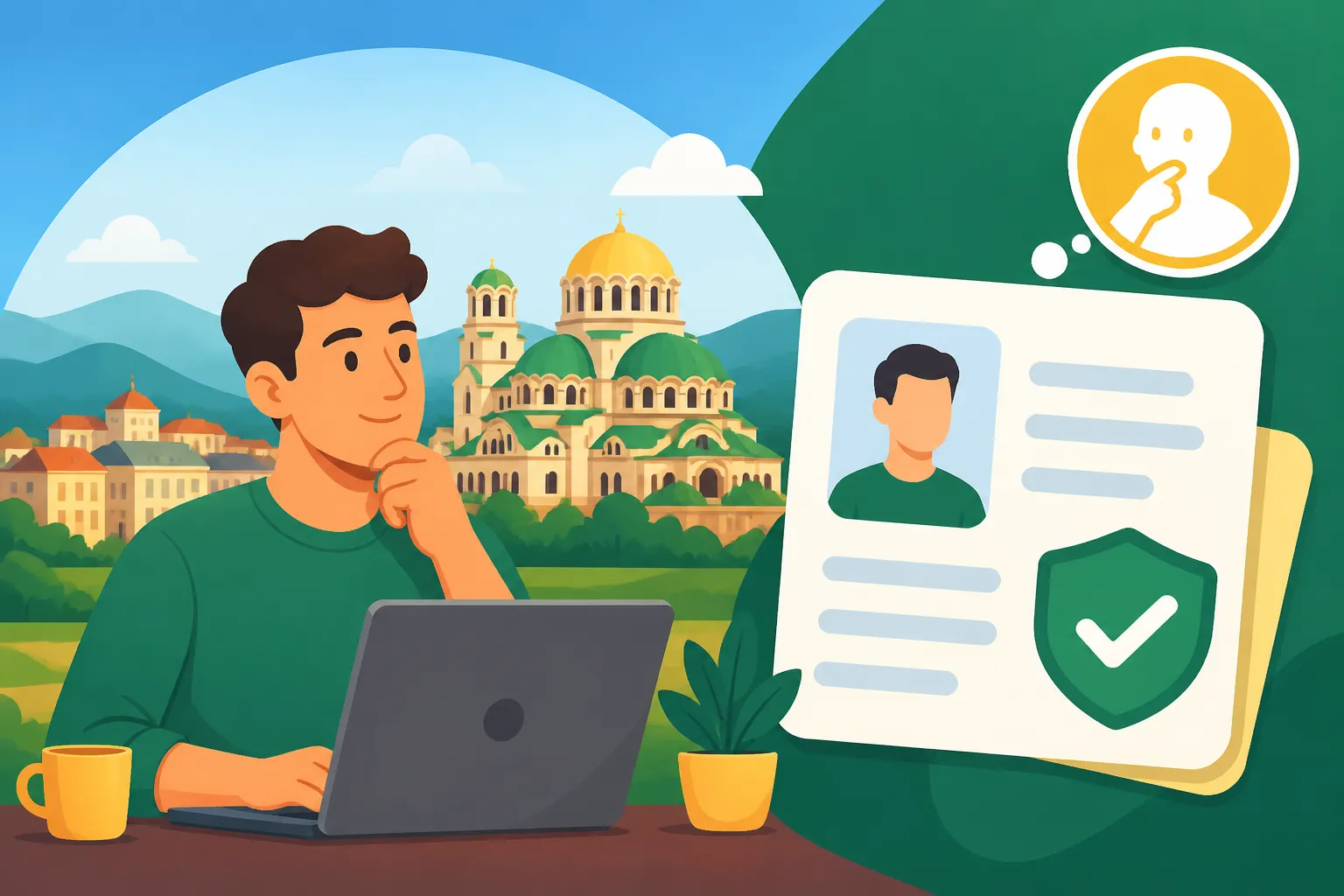
So, you've got that dream, haven't you? The one where you're sipping coffee in a charming Bulgarian village or a bustling Sofia café, laptop open, earning your keep while soaking up the culture. Many of us expats share that vision. But the burning question, often accompanied by a furrowed brow, is: "Can I actually get a residence permit in Bulgaria as a freelancer?" Navigating the official channels to make your self-employed dream a reality here can feel like trying to untangle a particularly stubborn knot, but this guide is here to help you understand the specific pathways available.
The Freelancer's Path to Bulgarian Residency: The General Overview
Let’s be honest, the idea of packing up and working for yourself from a new, exciting country like Bulgaria is incredibly appealing. Low cost of living, beautiful scenery, rich history – what's not to love? However, when it comes to formal immigration pathways for freelancers, Bulgaria doesn't have a single, neatly packaged "Freelancer Visa" like some other countries do. This is often the first hurdle that catches many aspiring expat freelancers off guard. You can’t just say "I'm a freelancer!" and expect a specific visa category to open up. You need to fit your entrepreneurial spirit into one of the existing, more traditional boxes.
Understanding the Legal Framework for Self-Employment in Bulgaria
First things first, it's crucial to distinguish between being a "freelancer" in the common understanding of the word (someone who works for themselves, often project-based, with multiple clients) and how the Bulgarian legal system might classify you. In Bulgaria, if you're a true independent professional – say, a graphic designer, a writer, a consultant, or a programmer working for yourself – you'll likely need to register as a self-employed person, known locally as a "свободна професия" (svobodna profesia) or perhaps even establish a sole proprietorship (ET – Едноличен търговец). This legal status is key for understanding your tax obligations and, critically, your eligibility for certain residence permits.
The challenge is that while Bulgaria welcomes self-employment, its immigration laws for non-EU/EEA citizens aren't always explicitly tailored for this modern, flexible way of working. This means we have to get a bit creative and understand which existing permit categories might accommodate a freelancer. It's not impossible, but it requires careful planning and a deep dive into the specifics, rather than hoping for a direct "freelancer permit" that doesn't really exist. If you're looking for more details on the practical steps of setting up your business, our guide on How to Register as a Freelancer (Свободна Професия) in Bulgaria will be a lifesaver.
The Core Challenge: No Dedicated "Freelancer Visa"
As mentioned, there isn't a "Bulgarian Freelancer Visa" that allows you to apply simply by declaring your freelance intentions and showing a portfolio. This can be a source of significant frustration for many who are used to more straightforward immigration processes in other countries. Instead, non-EU/EEA citizens must typically apply for a Type D Long-Stay Visa, which is the precursor to a temporary residence permit. This D-visa application then needs to be based on one of the specific grounds outlined in the Bulgarian Foreigners Act. These grounds are usually categories like "for work," "for study," "for business," "for family reunification," or "for a pension."
For freelancers, the trick is to convincingly fit your activities into one of these established categories. It usually boils down to proving that your freelance work constitutes a "business activity" that benefits Bulgaria, or that you meet the criteria for a "self-employed person" or even a "trade representative" under specific conditions. This isn't just a matter of paperwork; it's about demonstrating financial viability, a clear business plan, and adherence to Bulgarian regulations. You can find more comprehensive information about the initial step in our guide on How to Apply for a Type D Long-Stay Visa for Bulgaria, which is absolutely critical before you even think about the residence permit.
Navigating the Existing Residence Permit Categories for Freelancers
Since there isn't a direct "freelancer" category, we need to explore the existing options and see where a self-employed individual might fit. This is where many expats often feel like they're trying to put a square peg in a round hole, but with the right approach and documentation, it's definitely achievable.
The "Self-Employed Person" Permit (Едноличен търговец – ЕТ)
This is perhaps the most direct, albeit complex, route for non-EU freelancers. It's designed for individuals who operate as sole traders. To qualify for a Type D visa and subsequently a temporary residence permit under this category, you generally need to:
- Register a company in Bulgaria: This usually means establishing an EOOD (similar to a limited liability company) or an ET (sole trader). For actual self-employed individuals, the ET status is often more fitting from a legal perspective, although many opt for an EOOD for liability and administrative simplicity, particularly if their activities might scale.
- Demonstrate a viable business plan: You'll need to show that your freelance activities are a legitimate business operation that will contribute to the Bulgarian economy. This isn't just a casual side hustle; it needs to be a primary source of income.
- Create at least ten jobs for Bulgarian citizens: This is often the biggest hurdle and a common point of confusion. For non-EU nationals seeking residence based on being a "self-employed person" (in the context of running a business), the law states that the business must employ at least 10 full-time Bulgarian citizens for a period of at least 6 months. This requirement effectively makes this route unfeasible for most individual freelancers who don't intend to build a large local team. It's really aimed at serious entrepreneurs opening larger ventures, not solo digital workers.
Because of the 10-job requirement, most freelancers find this specific "self-employed" permit directly linked to employment creation to be impractical. It's a key distinction that differentiates the legal understanding of "self-employed" for immigration purposes from the common expat notion of a solo freelancer.
The "Trade Representative" Route (Търговско представителство)
This is a frequently utilized workaround, but it comes with its own set of very specific conditions. Under this route, you can apply for a Type D visa and residence permit if you are registered as a trade representative of a foreign commercial company in Bulgaria.
Here’s how it typically works for freelancers:
- Establish a Trade Representation: You don't register a new Bulgarian company, but rather a "trade representation" of an existing foreign company that you own or are employed by in another country. This foreign company must be legally registered and active in its home country. The trade representation in Bulgaria is not a legal entity itself; it cannot engage in commercial activities or issue invoices directly. Its purpose is limited to marketing, research, promotion, and representation of the foreign parent company's interests.
- Appoint Yourself as a Trade Representative: The foreign company appoints you as its official trade representative in Bulgaria. You then apply for the Type D visa and residence permit based on this appointment.
- Proof of Financial Means: You need to demonstrate sufficient funds to support yourself and any dependents, typically by showing a bank account with a certain minimum balance (often equivalent to 6-12 months of minimum wage, or more, plus accommodation costs).
- Health Insurance: Mandatory, as with all residence permits. More on this later, but remember, Understanding Mandatory Health Insurance Contributions in Bulgaria is vital.
The challenge here for typical freelancers is that a "trade representation" cannot conduct commercial activities in Bulgaria. This means you, as the trade representative, cannot issue invoices from Bulgaria for your freelance services to Bulgarian clients or even (strictly speaking) to foreign clients through this entity. Your income would technically need to come from the foreign parent company that appointed you. This is why many freelancers who use this route have their main company (e.g., a sole proprietorship or LLC) in another country (often an EU country or one with favourable tax laws) and use the Bulgarian trade representation solely for the immigration purpose. It can be a clever solution, but it requires careful structuring and legal advice to ensure compliance.
The "Digital Nomad" Possibility
Bulgaria does have an option that aligns somewhat with the digital nomad lifestyle, though it's not a standalone visa that applies to everyone. In 2021, Bulgaria introduced legislative changes that allow certain remote workers to obtain a long-stay D-visa and subsequent residence permit. However, this is primarily aimed at individuals who are employed by a foreign company and work remotely, or for those who are self-employed and work for clients outside of Bulgaria, with a particular focus on IT professionals.
Here's the catch:
- High Income Threshold: To qualify for the "Digital Nomad" route, you typically need to demonstrate a significantly higher income than for other permits. This threshold is often set at a minimum of three times the average gross salary in Bulgaria for the previous 12 months. This is a moving target, so you'll need up-to-date information, but expect it to be a substantial figure (e.g., often exceeding 3,000-4,000 BGN per month, but check current official figures).
- Remote Work Proof: You must prove that your work can be performed remotely and that your clients/employer are not based in Bulgaria.
- Professional Qualifications: While not always explicitly stated for all digital nomad pathways, demonstrating professional qualifications or a specific skill set (especially in IT) can strengthen your application.
This "digital nomad" route is promising for many freelancers, particularly those with a solid income stream from international clients. It’s distinct from the "self-employed person" or "trade representative" routes because it acknowledges the remote nature of work without requiring local job creation or a foreign company structure. If you think this might be for you, it's worth exploring the specifics in our detailed post on Understanding the Digital Nomad Options for Bulgaria.
Other Creative Avenues and Considerations
Sometimes, a freelance individual might find themselves fitting into other categories, though these are less common or require specific circumstances:
- Investment Permit: If you have significant capital, investing in a Bulgarian company (which could technically be your own, if you meet the substantial investment criteria) could lead to residency. This is a high-threshold option, typically for larger investors, not your average solo freelancer.
- Highly Skilled Worker (EU Blue Card): If your freelance work involves a highly specialized skill and you manage to secure contracts that resemble employment (even if project-based) with Bulgarian companies, you might qualify for an EU Blue Card. This, however, usually requires an employment contract rather than pure freelance agreements and a high salary threshold.
- Marriage or Family Reunification: If you marry a Bulgarian citizen or an expat already holding a valid residence permit, this becomes a much more straightforward path to residency, irrespective of your work status. Our article on How to Sponsor Your Spouse and Children for a Bulgaria Residence Permit provides more clarity on this.
It's clear that the path for a freelancer in Bulgaria is not a one-size-fits-all. It demands a realistic assessment of your financial situation, your business structure, and your long-term goals. Every option has its specific requirements and potential pitfalls, so don't rush into anything without proper research or professional advice. Our overarching guide, Understanding How to Move to Bulgaria Legally from Abroad (2027), provides even broader context.
Essential Requirements and the Application Process
Regardless of which category you eventually settle on, there are several fundamental requirements that are universal across almost all Bulgarian residence permit applications. Skipping these steps or providing incomplete documentation will almost certainly lead to delays or outright rejection by the Migration Directorate.
Proving Financial Means and Sustenance
This is paramount. Bulgaria wants to ensure you won't become a burden on their social system. For any long-stay D-visa and subsequent temporary residence permit, you must demonstrate sufficient financial resources to support yourself for the duration of your intended stay, usually for at least a year.
How much is "sufficient"?
- Minimum Wage Benchmark: Often, the requirement is to show funds equivalent to at least the Bulgarian minimum wage for the entire period of your requested permit (e.g., 12 times the minimum wage for a one-year permit). As of my last check, the minimum wage in Bulgaria is around BGN 933 per month (for 2024), so you'd need roughly BGN 11,196 in your bank account for a year's stay. This amount is subject to change annually, so always verify the latest figure.
- Accommodation Costs: Beyond the basic living expenses, you also need to factor in your accommodation. If you own property in Bulgaria, proof of ownership is sufficient. If you rent, you'll need a notarized rental contract (often paid for a year in advance or showing consistent monthly payments) and a declaration from your landlord.
- Source of Funds: The Migration Directorate will want to know where this money comes from. For freelancers, this means demonstrating a consistent income stream from your clients (invoices, contracts, bank statements showing payments). For the trade representative route, it's typically salary from your foreign company.
- Bulgarian Bank Account: While you might initially show funds in an overseas account for the D-visa, you'll eventually need to open a Bulgarian bank account. Banks like DSK Bank or UniCredit Bulbank are popular choices among expats. Our guide, How to Choose the Best Bank for Expats in Bulgaria, can help you with this.
Always remember, these are minimums. The more you can show, the stronger your application. It’s better to err on the side of caution and show more than the bare minimum.
Health Insurance: A Non-Negotiable
This isn't just a suggestion; it's a legal requirement for all foreign nationals seeking a long-stay visa and residence permit. You must have valid health insurance covering you for the entire period of your stay in Bulgaria.
- Coverage Amount: The insurance policy must cover emergency medical care, hospitalization, and repatriation for at least €30,000 (or the equivalent in BGN).
- Provider: For the initial D-visa application, an international health insurance provider like Cigna Global is often a good choice, as their policies are recognized globally and easily obtainable before you arrive in Bulgaria. Once you are registered and living in Bulgaria, you will also need to consider registering with the National Health Insurance Fund (NHIF) if you are working here, or maintaining comprehensive private insurance. Our comprehensive guide, How to Buy Private Health Insurance as a Newcomer in Bulgaria, delves deep into this.
- Validity: Ensure the policy is valid for the full duration of your visa and residence permit application.
Without adequate health insurance, your application won't even be considered. This is one area where you absolutely cannot cut corners. If you’re also wondering What Is the NHIF and How Does It Work in Bulgaria?, we have a dedicated guide for that.
The Paperwork Trail and Bureaucratic Hurdles
Oh, the paperwork! It’s the bane of every expat's existence, and Bulgaria is no exception. Prepare yourself for a mountain of documents, many of which will need to be translated into Bulgarian by a sworn translator and legalized (apostilled) if they originate from outside Bulgaria.
Common documents required (this list is not exhaustive and varies by permit type):
- Valid passport (with at least 18 months validity beyond your intended stay)
- Completed D-visa application form
- Proof of financial means (bank statements, income declarations)
- Proof of accommodation (title deed, rental contract)
- Health insurance policy
- Police clearance certificate (apostilled and translated)
- Marriage certificate (if applicable, apostilled and translated)
- Birth certificates of dependents (if applicable, apostilled and translated)
- Company registration documents (for ET/EOOD routes)
- Trade representation registration documents (for that route)
- Business plan (for business-related permits)
- Photos
Remember, every single document needs to be exactly right. A missing stamp, an incorrect date, or a non-certified translation can send you back to square one. This process is complex, and getting assistance from a legal professional or an immigration consultant who specializes in Bulgarian residence permits can save you immense headaches and time. The sheer volume and specificity of documents are often underestimated by newcomers. For a general overview of the process and its typical duration, you might find our guide on Understanding the Cost and Timeline of the Bulgaria Residence Permit Process helpful.
The Migration Directorate: Your New Best Friend (or Foe)
The Ministry of Interior's Migration Directorate (Дирекция "Миграция") is the main authority you'll be dealing with for residence permits in Bulgaria. They are the gatekeepers.
- Application Submission: After you successfully obtain your D-visa (from a Bulgarian embassy/consulate in your home country), you'll typically have 90 days to enter Bulgaria and submit your residence permit application to the local Migration Directorate office.
- Patience is Key: Be prepared for bureaucratic processes that can be slow and, at times, seemingly illogical. Appointments might be hard to get, queues long, and information sometimes conflicting depending on who you speak to. A polite, persistent, and well-organized approach is your best bet.
- Interview: You might be called for an interview, where they will ask about your intentions, your business, and your ties to Bulgaria. Be honest and prepared to elaborate on your freelance activities and financial sustainability.
- Renewals: Residence permits are usually issued for one year initially and then need to be renewed. Each renewal requires you to prove you still meet the conditions and have paid your taxes and contributions.
Dealing with government offices in a foreign country can be daunting. My advice? Go prepared, bring all your documents (and copies!), and try to maintain a sense of humor. It helps.
Life as a Freelancer in Bulgaria: Beyond the Permit
Securing your residence permit is a huge milestone, but it's just the beginning. Once you're legally residing in Bulgaria, there's a whole new set of administrative tasks to tackle to ensure your freelance life runs smoothly and legally.
Registering Your Business and Tax Obligations
Once you have your permit, you need to properly register your freelance activity with the Bulgarian authorities. As discussed earlier, this might be as a "свободна професия" (liberal profession) or by establishing an EOOD/ET.
- National Revenue Agency (NRA): You'll need to register with the NRA (Национална агенция за приходите – NAP) to get a tax identification number (TIN) if you don't already have one through your BULSTAT registration. This is crucial for paying your taxes. Our guide, How Do I Register with the National Revenue Agency in Bulgaria?, will walk you through it.
- Income Tax: Bulgaria boasts a flat 10% personal income tax rate, which is very attractive for freelancers. However, you'll need to understand how to declare your income and what expenses you can deduct.
- Social and Health Contributions: Even as a freelancer, you are generally obligated to pay social and health insurance contributions based on a chosen income threshold (which has a minimum). This is how you access public healthcare and contribute to your future pension. This is distinct from the private health insurance needed for your residence permit. Make sure you understand these obligations; they are mandatory. Our detailed article on Understanding Mandatory Health Insurance Contributions in Bulgaria is essential reading here.
- VAT Registration: If your annual turnover exceeds a certain threshold (currently BGN 100,000 for a 12-month period), you'll also need to register for VAT. This adds another layer of accounting complexity.
- Tax Residency: It's important to understand Bulgarian tax residency rules, especially if you also have income from other countries. The "183-day rule" is a common principle, but specific treaties and individual circumstances play a role. For more on this, check out Understanding Tax Residency Rules and the 183-Day Test in Bulgaria.
Managing your taxes and contributions correctly is not just a legal obligation; it ensures your continued legal status and access to services. Many freelancers choose to work with an accountant or tax advisor in Bulgaria to navigate these complexities, and I highly recommend it.
Banking and Financial Management
Once settled, you'll want to move your finances firmly into the Bulgarian system.
- Local Bank Account: Having a local bank account is essential for receiving payments, paying bills, and managing your daily finances. Popular banks include DSK Bank, UniCredit Bulbank, Postbank, and Raiffeisenbank. They all offer online banking and relatively modern services.
- Transferring Money: You'll likely need to transfer money between your international accounts and your Bulgarian one. While traditional bank transfers work, services like Wise (formerly TransferWise) or Revolut are very popular among expats for their lower fees and better exchange rates when sending money into or out of Bulgaria. Remember brands like Sirelo can offer advice on moving your belongings, but for money transfers, specific financial services are key.
- Payment Gateways: If you work with international clients, research payment gateways that integrate well with Bulgarian banks and your freelance platform (e.g., PayPal, Stripe, local alternatives).
Setting up your financial infrastructure properly from day one will save you countless headaches.
Integrating into the Expat and Local Freelance Scene
Beyond the bureaucracy, part of the joy of freelancing in Bulgaria is the community.
- Expat Groups: Sofia, Plovdiv, and Varna all have vibrant expat communities, many with specific groups for freelancers or entrepreneurs. These are invaluable resources for advice, networking, and simply finding like-minded individuals. Facebook groups are a common starting point.
- Co-working Spaces: Major cities offer numerous co-working spaces, providing not just a desk but also opportunities to network and collaborate. These can be particularly beneficial for freelancers seeking connections or a professional environment.
- Language: While you can get by with English, especially in Sofia, learning some basic Bulgarian will significantly enhance your experience and help you integrate more deeply, both socially and professionally. Even a few phrases for everyday interactions go a long way.
Living and working as a freelancer in Bulgaria is an adventure, one that many expats find incredibly rewarding despite the initial administrative hurdles. By understanding the pathways, preparing meticulously, and seeking professional advice, your dream of a flexible, self-employed life here can absolutely become a reality.
Disclaimer
The information provided in this guide is for general informational purposes only and does not constitute legal, financial, or immigration advice. While we strive to provide accurate and up-to-date information, laws and regulations in Bulgaria can change frequently. We strongly recommend consulting with a qualified immigration lawyer, accountant, or relevant government authority in Bulgaria for advice tailored to your specific situation before making any decisions related to your visa, residence permit, or business operations.