How Do I Transfer My Residence Permit to a New Passport in Bulgaria?
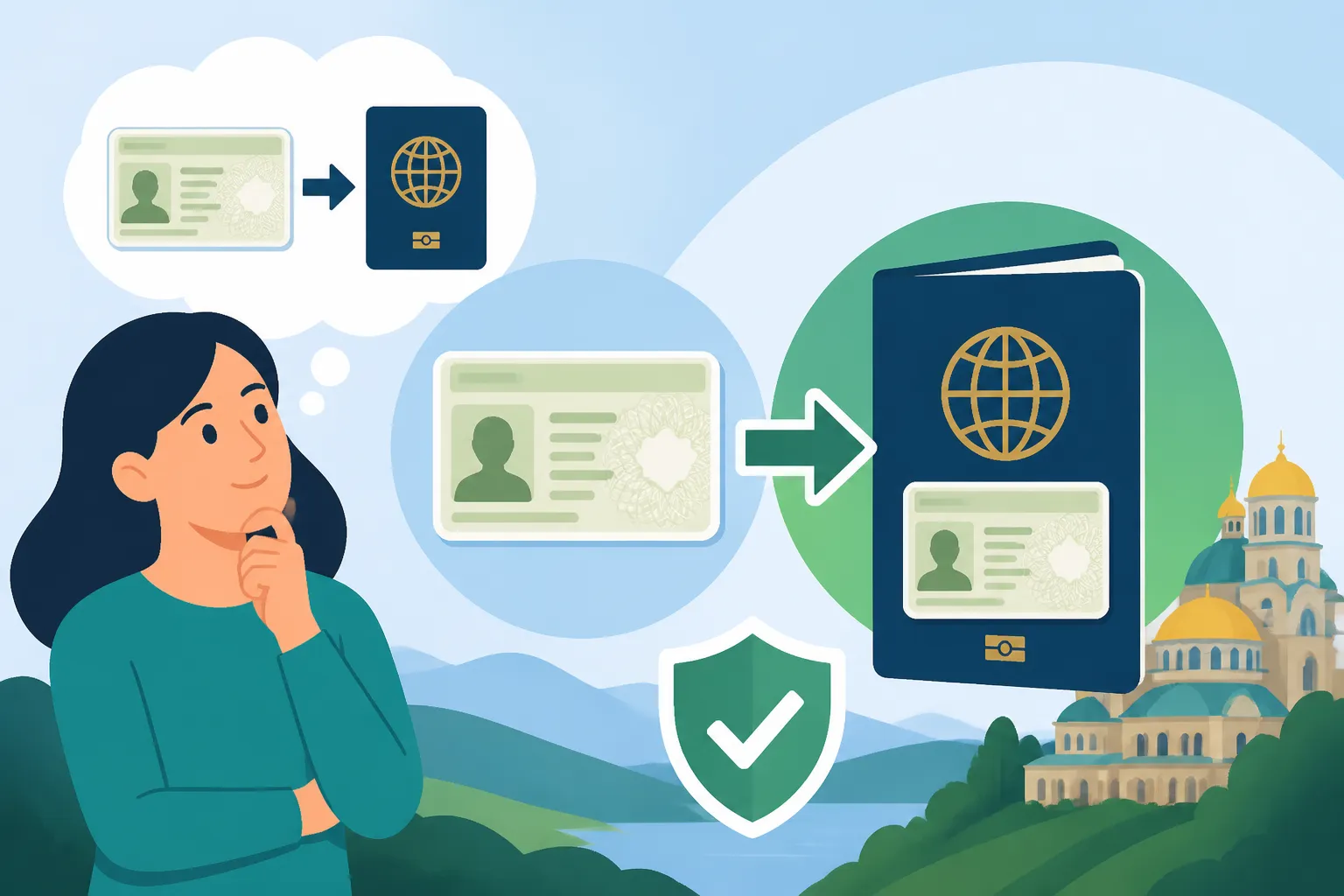
You’ve just gotten your shiny new passport, perhaps because the old one expired, or you simply ran out of pages for those exciting Bulgarian visa stamps. It’s a moment of triumph, right? Then the cold sweat hits: your precious Bulgarian residence permit, the one that grants you the right to actually live here and not just visit, is inextricably linked to that old passport. The thought of navigating yet another administrative maze with the Migration Directorate can feel like a punch to the gut for any expat, but trust me, this is a common hurdle, and it's entirely manageable. This guide will walk you through the precise steps to transfer your residence permit to your new passport in Bulgaria, ensuring your legal status remains uninterrupted.
Why Transferring Your Residence Permit is Crucial
Ignoring the need to update your residence permit after getting a new passport isn't just a minor oversight; it can lead to significant headaches down the line. Your residence permit, known in Bulgaria as a karta za prebivavane (карта за пребиваване), is your official proof of legal residency. It's not merely a plastic card; it's the gateway to everything from opening a bank account to accessing healthcare or even signing a rental agreement.
Maintaining Legal Compliance and Avoiding Fines
First and foremost, keeping your documents current is about legal compliance. The Bulgarian authorities, particularly the Migration Directorate, expect you to maintain accurate records. Your residence permit effectively confirms your identity and legal status in the country. If the passport it references is no longer valid, or if you simply have a new passport that isn't linked to your permit, you're essentially walking around with outdated identification. While enforcement can vary, being caught with mismatched documents could theoretically lead to questions, delays, or even fines. It's always best to be proactive and ensure everything is in order. Think of it as a small, necessary administrative update that keeps all your ducks in a row.
Consider a hypothetical scenario: you're stopped for a routine check, or you need to present identification at a government office, perhaps to renew your driver's license. If your new passport shows a different number or issue date than what's linked to your residence permit in the system, it can create confusion and suspicion. While often resolvable, these situations are best avoided entirely. It's part of the general due diligence required when living in a foreign country, a task many expats find frustrating, but one that ultimately protects your status.
Preventing Travel Complications
Beyond local compliance, the most immediate and tangible impact of not transferring your residence permit is potential travel complications. Imagine planning a well-deserved trip outside Bulgaria, only to be stopped at border control. Your residence permit is crucial for re-entry into Bulgaria, especially for non-EU citizens who might otherwise require a visa for each visit. If your permit card displays your old passport number, and you're presenting a new passport with a different number, you could face delays, intense questioning, or even be denied boarding or re-entry until the discrepancy is resolved.
Many expats face this exact predicament. One friend, on a weekend trip to Greece, was held up at the Bulgarian border for hours because his residence permit was tied to an expired passport, and he hadn't updated it. He eventually got through, but the stress and uncertainty were immense. This is why getting your documents sorted promptly is paramount. Your residence permit and your current passport should always be a matching pair. This also ties into other aspects of life here, such as ensuring your health insurance, especially if you have an international plan like Cigna Global, remains valid and accessible, as proof of legal residency is often a prerequisite for claiming benefits or registering with a local GP.
Essential Documents for the Transfer Application
Gathering the correct documents is often the most daunting part of any administrative process in Bulgaria. It feels like a treasure hunt, doesn't it? But with a clear checklist, it becomes much more manageable. For transferring your residence permit to a new passport, the list is relatively straightforward. Remember, always bring originals and photocopies of everything, just in case.
Required Identification and Residency Papers
You’ll need to present several key documents to the Migration Directorate. Here’s a detailed breakdown:
- Your New, Valid Passport: This is the star of the show! Make sure it’s valid for at least six months beyond the date you intend to apply for the transfer, though ideally, it should have a longer validity period. You'll need the original for verification, and usually, a full copy of all pages with personal data, issue/expiry dates, and any stamps.
- Your Old Passport (if available): If your old passport was simply filled up or replaced due to damage, bring it along. It serves as proof of the document to which your current residence permit is linked. If it was lost or stolen, you'll need an official police report or a declaration from your embassy confirming its invalidation.
- Your Current Bulgarian Residence Permit Card: This is the card with your old passport details printed on it. The Migration Directorate will need to see this, as it's the document they will essentially be replacing or updating.
- Application Form (Заявление): You will need to fill out a specific application form for the transfer. These forms are usually available at the Migration Directorate offices or sometimes downloadable from their website. It's almost always in Bulgarian, so if your Bulgarian isn't fluent, bring a Bulgarian-speaking friend or hire a local assistant to help you fill it out accurately. Errors can cause significant delays.
- Proof of Address: This could be your rental contract (Договор за наем) or a notarised declaration from your landlord. Ensure it’s valid and includes your current address. If you own property, your title deed (Нотариален акт) would serve this purpose. The Migration Directorate needs to confirm your continued address in Bulgaria.
- Proof of Financial Means: While not always explicitly requested for a transfer as it is for an initial application or renewal, it’s always wise to have a recent bank statement (issued within the last month or so) showing sufficient funds, or proof of employment/pension. This is a standard requirement for almost all immigration procedures in Bulgaria, so having it prepared shows you're ready. A general guideline is to show funds equivalent to at least the minimum wage for the duration of your permit's validity, or preferably, a good chunk more to demonstrate stability.
- Valid Health Insurance: For non-EU citizens, proof of valid health insurance is mandatory for residency. If you're covered by the National Health Insurance Fund (NHIF), bring your NHIF registration document. If you have private health insurance (like Cigna Global), bring your policy document showing coverage in Bulgaria. Make sure the insurance period covers your stay. You might also want to confirm that your policy has been updated with your new passport details, if applicable, to avoid any future complications when seeking medical care.
- Copy of your Type D Visa (if applicable): If you initially entered Bulgaria on a Type D long-stay visa, having a copy can be helpful, especially if there are any questions about your initial entry or status. While not strictly mandatory for a transfer, it’s good to have in your dossier.
Photographs and Fee Receipts
Beyond the documents, don't forget these practical items:
- Passport-Sized Photographs: You will need two recent, colour passport-sized photographs (usually 3.5 cm x 4.5 cm) with a white background. These are for your new permit card. Make sure they meet standard biometric requirements – no glasses, no head coverings unless for religious reasons, and a neutral expression. Many larger post offices (like those in major cities such as Sofia, Plovdiv, or Varna) or photo studios near Migration Directorate offices offer this service.
- Administrative Fee Receipt: There is an administrative fee for the issuance of a new residence permit card. This fee varies depending on whether you opt for a standard service (takes longer) or an expedited service (quicker, but more expensive). You will usually pay this fee at a bank or a dedicated payment counter before submitting your application. The Migration Directorate will provide you with the correct bank details or direct you to where you can make the payment. Always keep the receipt safely, as it's proof of payment and must be presented with your application. Expect to pay around 45-90 BGN for the standard service, or more for expedited.
It's a lot, I know. But preparing a folder with all these documents, both originals and copies, will save you a lot of grief and potential return trips. Taking the time to get this right at home will make your visit to the Migration Directorate much smoother.
The Step-by-Step Application Process
Alright, you've gathered all your documents, taken your photos, and mentally prepared for a trip to a Bulgarian government office. Deep breaths! The process itself, while administrative, is fairly routine once you know the drill.
Visiting the Migration Directorate
Your first concrete step is to locate your local Migration Directorate office. In larger cities like Sofia, this is usually a dedicated department within the Ministry of Interior (Министерство на вътрешните работи). If you live in a smaller town, you might need to go to the regional police directorate that handles immigration matters. For Sofia residents, the main Migration Directorate is typically located on Blvd. Knyaginya Maria Luiza 46.
When to Go: Bulgarian administrative offices often have specific operating hours for different services, and sometimes they close earlier than expected or for lunch breaks. It's always a good idea to check their official website or call ahead to confirm their opening times and any specific "foreigner service" hours. Going early in the morning, shortly after opening, can sometimes help you avoid the longest queues.
What to Expect: Upon arrival, you'll likely need to take a number for the relevant service – usually "Residence Permits" or "Foreigners" (Чужденци). Be prepared for a wait; sometimes it's quick, other times it can be hours. Bring a book, your phone, or something to keep you occupied. The staff at the counters might speak some English, especially in Sofia, but it's not guaranteed. This is where having a Bulgarian-speaking friend can be invaluable, or at least having key phrases written down. You'll hand over your documents, they'll review them, and if everything is in order, they'll process your application.
Filling Out the Application Form
As mentioned, the application form (Заявление) is almost exclusively in Bulgarian. Don't be shy about asking for help if you're unsure about any section. It's much better to ask than to submit incorrect information. The form will ask for personal details from your new passport, your old passport number, your residence permit details, your address in Bulgaria, and contact information.
Here’s a small tip: If you don't have a Bulgarian speaker with you, try to fill out as much as you can beforehand using a translation app or dictionary. Focus on sections that require simple data entry, like names, dates, and passport numbers. Leave sections you're truly unsure about blank and point to them when you're at the counter, asking the official for clarification. Sometimes, they'll even fill it in for you, though don't count on it.
Once your application is reviewed and accepted, you'll usually be given a stamped receipt or a document confirming your submission. This receipt is very important – it contains information about when to expect your new card and what documents you'll need to collect it. Make sure you understand the collection date and procedure.
Paying the Fee and Collection Process
The fee for the new residence permit card is paid separately, usually at a bank or a dedicated cash desk, before you submit your application at the Migration Directorate. The officials at the Migration Directorate will direct you to where this payment can be made, or give you the bank details. Keep that receipt safe with your other documents.
Processing Times: Processing times for the new card can vary. Standard service typically takes around 15 to 30 working days. There might be an expedited service option that significantly reduces this time to a few working days, but it comes with a higher fee. When you submit your application, confirm the expected collection date with the official. Don't be surprised if there's a slight delay from the initial estimate; it's just how things sometimes go here.
Collection: When it's time to collect your new card, you'll typically need to return to the same Migration Directorate office. Bring your old residence permit card, your new passport, and the receipt you received when you submitted your application. They'll verify your identity, take your old card (sometimes they punch a hole in it and return it for your records, sometimes they keep it), and issue you your new residence permit card with your new passport details. Breathe a sigh of relief – you've successfully navigated another piece of Bulgarian bureaucracy! This process might remind you of the initial setup when you first arrived, perhaps with help from a moving service like Sirelo, which often highlights the extensive documentation needed for expats.
What to Expect After Submission and Beyond
Once you've submitted your application and paid the fees, the waiting game begins. This can be the most nerve-wracking part for many expats, as it involves a period of uncertainty. However, understanding what happens next can alleviate some of that stress.
Waiting for Your New Residence Card
During the waiting period, you'll usually have the receipt they gave you as proof that you've applied. This is generally accepted as evidence of your ongoing legal status. While it’s always better to have the physical card, this receipt should suffice for most day-to-day interactions within Bulgaria. However, for international travel, it’s a different story.
Travel During Processing: This is where things get tricky. While you have your application receipt, trying to travel internationally during the processing period for your new residence permit is highly discouraged, especially for non-EU citizens. Airlines and border officials outside Bulgaria might not recognize the receipt as a valid travel document for re-entry, potentially leaving you stranded or facing significant delays and costs. It's always best to postpone any international travel until you have your new physical residence permit card in hand. If an absolute emergency arises and you must travel, consult with the Migration Directorate directly for advice, or speak to your country's embassy in Sofia for guidance. They might be able to provide some form of temporary travel document, but this is rare and not guaranteed.
Activating and Using Your New Permit
Once you collect your new residence permit card, take a moment to double-check all the details. Ensure your name, date of birth, new passport number, and validity dates are all correct. Mistakes, while uncommon, do happen, and it's much easier to correct them immediately at the Migration Directorate office than later.
Your new card will likely have an embedded chip, which can be used for electronic identification and digital signatures if you register it for such services. This is a separate, optional step that many expats don't immediately pursue, but it can be useful for interacting with Bulgarian e-government services in the future.
Updating Other Registrations: With your new residence permit in hand, consider if any other institutions need to be updated. For instance:
- Bank: Your bank might need to update your file with your new passport details, especially if your residence permit is directly linked to your account for identity verification. A quick call or visit to your bank can clarify this.
- Employer: If you are employed in Bulgaria, your HR department might need a copy of your new permit for their records, especially for visa/permit tracking purposes.
- Utilities/Landlord: While less common, some landlords or utility companies (especially if bills are in your name) might appreciate an update to your identification records.
- Mobile Phone Provider: Similar to your bank, your mobile phone contract is tied to your identification. It's a good idea to inform your provider of your new passport details.
- Health Insurance: If you're using a private provider like Cigna Global, it's crucial to ensure they have your updated passport and residence permit details on file. This will prevent any issues when you need to access medical care or submit a claim.
This transfer process, while seemingly small, is a critical component of living legally and comfortably in Bulgaria. It ensures that your journey, from when you first considered [Moving to Bulgaria] to settling into daily life, remains smooth and free of bureaucratic snags. Taking the time to understand and follow these steps will save you a lot of future worries, allowing you to enjoy your Bulgarian adventure without unnecessary stress.
Disclaimer
The information provided in this guide is intended for general informational purposes only and does not constitute legal advice. While we strive to keep the information accurate and up-to-date, immigration laws and procedures in Bulgaria can change without notice. Always consult with the official Bulgarian Migration Directorate or a qualified immigration lawyer for personalized advice regarding your specific situation. We are not liable for any actions taken or not taken based on the information presented here.