How to Buy Private Health Insurance as a Newcomer in Bulgaria
Moving to a new country like Bulgaria, especially when you're just finding your feet, can feel like a whirlwind of paperwork and uncertainty. One of the biggest headaches, and often a source of real anxiety, is figuring out your healthcare. It's not just about getting sick; it's about navigating a system that feels completely alien, and for many newcomers, the mandatory state health insurance (NHIF) isn't always enough or immediately accessible. This guide is here to walk you through the ins and outs of securing private health insurance in Bulgaria, ensuring you have peace of mind from day one.
Why Private Health Insurance is a Must for Newcomers
When you first arrive in Bulgaria, whether for work, study, or retirement, your immediate healthcare needs are a big concern. While Bulgaria boasts a public healthcare system, getting fully integrated can take time, and even once you are, there are aspects where private insurance truly shines. It's not just a convenience; often, it's a necessity and a legal requirement.
The Gaps in the NHIF for Newcomers
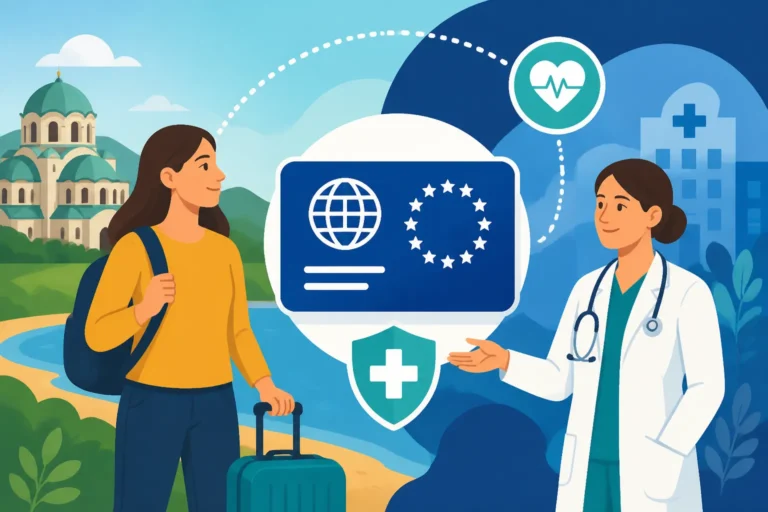
Let's be real: the Bulgarian National Health Insurance Fund (NHIF) system isn't always straightforward for foreigners, especially during those initial months. If you're an EU citizen, your European Health Insurance Card (EHIC) offers some temporary coverage for necessary medical care, but it’s not a substitute for comprehensive long-term health insurance, nor does it cover private consultations or treatments that aren't deemed "medically necessary" by Bulgarian standards. For non-EU citizens, things are even trickier. You often need to have an active health insurance policy in place to even apply for your residence permit. This initial policy usually needs to cover emergency treatment and repatriation for at least the first year of your stay, often with a minimum coverage amount.
Even once you're eligible and registered with the NHIF, which, let me tell you, involves a bit of a dance with forms and offices, you might find that the public system has its limitations. Wait times for specialist appointments can be long, and while the quality of care in public hospitals is generally improving, it can vary. Many expats, myself included, often find the language barrier in public facilities to be a significant hurdle. This is where private insurance steps in, offering a much-needed bridge over these initial bureaucratic and practical gaps. For a deeper dive into the overall system, you might want to read more about How Bulgaria's Health System Works: The NHIF and Private Care Explained (2027).
Peace of Mind and Access to Better Care
Frankly, having private health insurance is about more than just ticking a box for your visa; it’s about genuine peace of mind. Imagine needing to see a doctor for something relatively minor, but you can’t get an appointment for weeks through the public system, or you struggle to explain your symptoms in Bulgarian. With private insurance, you gain access to a network of private clinics and hospitals, many of which are modern, well-equipped, and crucially, often have English-speaking staff.
This means faster appointments, a more comfortable experience, and often, more extensive diagnostic options without the bureaucratic red tape. For ongoing conditions or specific specialist needs, this access can make a world of difference. It also means you’re not constantly worrying about unexpected bills. While public healthcare isn't "free" (you pay contributions), many procedures and medications still come with co-payments. Private insurance can cover these, or even provide full coverage for treatments not included in the NHIF package. Trust me, the feeling of knowing you're covered, whatever comes your way, is invaluable when you're settling into a new country.
Legal Requirements for Residence Permits
This is a critical point for non-EU citizens, and even for some EU citizens looking to secure certain types of residence permits. To obtain a Type D visa (long-stay visa) and subsequently your temporary residence permit in Bulgaria, one of the fundamental requirements is proof of comprehensive health insurance. This isn't optional; it's a must-have document that the Migration Directorate will scrutinize.
The policy typically needs to cover you for the entire duration of your requested visa or permit, usually for at least one year. It must cover emergency medical expenses, hospitalization, and often, repatriation in case of serious illness or death. The minimum coverage amount is usually specified, often around 60,000 BGN (approximately €30,000), but always check the latest requirements from the Ministry of Foreign Affairs or the Bulgarian embassy in your home country, as these can change. Many newcomers opt for a robust international provider like SafetyWing for their initial coverage, as their policies are often specifically designed with expat and digital nomad needs in mind, including those initial legal requirements. Understanding How Your Residence Status Affects NHIF Enrolment in Bulgaria is also crucial here, as your long-term obligations will depend on your status.
Understanding Your Options: Local vs. International Private Insurance
Once you've decided that private health insurance is the way to go (and for most newcomers, it absolutely is!), your next step is to figure out what kind of policy best suits your needs. The choice typically boils down to local Bulgarian providers or international insurance companies. Both have their pros and cons, and understanding these differences is key to making an informed decision.
Local Bulgarian Providers
Bulgaria has a number of reputable local insurance companies that offer private health insurance policies. Names like Generali, DZI (part of KBC Group), and Bulstrad Vienna Insurance Group are common players in the market. These companies offer policies that are specifically tailored to the Bulgarian healthcare landscape, meaning they are well-understood by local clinics, hospitals, and medical professionals.
The main advantage of going with a local provider is often direct billing. Since they are ingrained in the system, many private clinics and hospitals in Sofia, Plovdiv, and other major cities will have direct agreements with these insurers. This can mean less upfront payment and less paperwork for you, as the provider bills the insurance company directly. Their policies are also generally designed to meet the specific legal requirements for residence permits without any ambiguity. However, a potential downside is that their customer service might primarily be in Bulgarian, and their coverage might be more limited if you frequently travel outside of Bulgaria. They are excellent if you plan to stay predominantly within Bulgaria and want seamless local integration. You can learn more about the broader comparison in Public vs Private Healthcare in Bulgaria: What Expats Need to Know.
International Insurance Companies
On the flip side, international insurance companies offer a global reach and often more comprehensive benefits, which can be a huge plus for expats. Brands like Cigna Global, Allianz Care, and, as mentioned earlier, SafetyWing, specialize in health insurance for individuals living abroad. These policies are designed to cover you not just in Bulgaria, but often worldwide, which is fantastic if you're a frequent traveler or foresee moving to another country in the future.
The benefits of international providers often include robust English-speaking customer support, a wider network of medical facilities globally, and often more flexible plans that can be customized to include things like dental, optical, or even mental health coverage. They are also often very familiar with the health insurance requirements for various visa and residence permit applications in different countries, including Bulgaria. The main consideration with international plans can sometimes be the upfront payment model; while many offer direct billing, especially for major procedures in large private hospitals, for smaller consultations, you might need to pay out-of-pocket and then claim reimbursement. However, the ease of communication and extensive coverage often outweigh this for many expats. Understanding Private Health Insurance Plans in Bulgaria provides more detail on various plan types.
Travel Insurance vs. Long-Term Expat Health Insurance
It’s crucial to understand that travel insurance is not the same as long-term expat health insurance, and you shouldn't rely on it for your long-term stay in Bulgaria. Travel insurance is designed for short trips, covering emergencies and unforeseen events for a limited duration, usually up to a few months. It's fantastic for a holiday or a brief business trip, but it generally doesn't cover routine medical care, pre-existing conditions (unless specified and paid extra for), or long-term chronic illness management.
For newcomers applying for a residence permit, while some very basic travel insurance might initially satisfy the bare minimum for the Type D visa application if it explicitly covers emergency medical expenses and repatriation for the initial year, it will rarely be sufficient for ongoing residency requirements or comprehensive peace of mind. Long-term expat health insurance, whether local or international, is specifically crafted for individuals residing in a foreign country for an extended period. It offers comprehensive coverage for routine check-ups, specialist visits, prescription medications, hospital stays, and often, much more. Don't skimp on this distinction; relying on travel insurance for a long-term move can leave you in a very precarious and expensive situation if you need significant medical care.
Here’s a quick overview of the differences:
| Feature | Travel Insurance | Long-Term Expat Health Insurance (Private) |
|---|---|---|
| Purpose | Short-term trips, emergencies, unexpected events | Long-term residency abroad, comprehensive health needs |
| Duration | Days to typically 3-6 months | 1 year, renewable indefinitely |
| Coverage Scope | Emergency medical, trip cancellation, lost luggage | Routine care, specialists, hospitalization, prescriptions |
| Pre-existing Conditions | Often excluded or very limited | Can be covered, subject to underwriting |
| Routine Care | Generally not covered | Fully covered (depending on policy level) |
| Repatriation | Usually included | Usually included |
| Compliance for Visa | May meet initial Type D visa minimums temporarily | Specifically designed for residency requirements |
| Cost | Generally lower per trip | Higher annual premium, but more comprehensive |
Key Factors to Consider When Choosing a Policy
Choosing the right private health insurance in Bulgaria isn't a "one size fits all" situation. What works for one expat might not work for another. It's crucial to sit down, assess your personal health needs, financial situation, and future plans. Believe me, skipping this step often leads to frustration and unexpected costs down the line.
Coverage Levels and Exclusions
This is perhaps the most important factor. Don't just look at the price tag; delve into what the policy actually covers and, just as importantly, what it doesn't. Policies typically come in tiers: basic, mid-range, and comprehensive.
- Basic plans usually cover inpatient care (hospitalization, surgery, emergencies) and perhaps some outpatient care. These are often sufficient for satisfying the legal minimums for residence permits.
- Mid-range plans expand to include more outpatient services, specialist consultations, and perhaps some prescription medication costs.
- Comprehensive plans are where you get the most extensive coverage, often including dental, optical, maternity care, mental health support, and even alternative therapies.
Always check for exclusions. Common exclusions might include pre-existing conditions (unless you've declared them and paid a higher premium), cosmetic surgery, fertility treatments, or certain types of experimental treatments. If you have specific health concerns, make sure they are explicitly covered or understand the limitations. For instance, if you're planning a family, make sure Understanding Maternity and Prenatal Care in Bulgaria is covered by your private plan. If you're comparing coverage, you'll find great insights in Health Insurance in Bulgaria: NHIF, Private and International Options Explained.
Network of Hospitals and Doctors
What’s the point of having insurance if you can't easily access medical professionals who accept it or who you feel comfortable with? When researching policies, look into their network of approved hospitals and clinics in Bulgaria.
- For local plans: Most Bulgarian insurers will have strong networks within Bulgaria, particularly in major cities. Find out if your preferred private clinics or hospitals are part of their network. For example, if you're living in Sofia, check if large, well-regarded private hospitals like Acibadem City Clinic Tokuda Hospital, Hill Clinic, or Vita Hospital are included.
- For international plans: Many international providers, like SafetyWing, partner with a wide array of clinics and hospitals globally. They can usually provide you with a list of in-network providers in Bulgaria, or guide you on how to find one and how direct billing works. Some might even offer a "freedoom to choose" any provider, but be aware this often comes with a higher premium or more out-of-pocket expenses. Finding an English-Speaking Doctor in Bulgaria within your insurance network is often a top priority for expats.
Cost, Deductibles, and Co-payments
Let's talk money, because it always comes down to that. The cost of private health insurance in Bulgaria can vary wildly depending on your age, health status, chosen coverage level, and the provider. Expect annual premiums to range from a few hundred euros for a basic, legally compliant policy to several thousand euros for a comprehensive international plan for a family.
- Deductible (Excess): This is the amount you have to pay out of pocket before your insurance coverage kicks in. A higher deductible usually means a lower annual premium. If you're generally healthy and prefer to save on premiums, a higher deductible might be suitable. However, if you anticipate needing medical care, a lower deductible could save you money in the long run.
- Co-payment (Co-insurance): This is a percentage of the medical bill that you are responsible for, even after your deductible has been met. For example, a 20% co-payment on a €100 doctor's visit means you pay €20, and the insurer pays €80.
- Annual Limits: Check for any maximum limits on claims, both per condition and annually.
Always get multiple quotes and compare them side-by-side. Don't just look at the premium, but the total out-of-pocket costs you might incur. For a detailed look into what you might be paying, check out How Much Does Private Health Insurance Cost in Bulgaria in 2026?.
Customer Service and English Support
When you're dealing with a health crisis in a foreign country, the last thing you want is a language barrier or unhelpful customer service from your insurance provider. Prioritize companies that offer robust English-speaking support, ideally 24/7, for emergencies.
Test them out during your research phase:
- How easy is it to get in touch with them?
- Do they have an online portal for managing your policy and claims?
- Are their policy documents available in English?
This might seem minor when you're healthy, but it becomes absolutely critical when you're trying to navigate an emergency, understand a complex medical bill, or process a reimbursement claim. A good customer service experience can significantly reduce the stress associated with accessing healthcare abroad.
The Application Process: What to Expect
Once you've done your research and picked a policy that seems right, it's time to actually apply. This isn't usually as daunting as, say, applying for your residence permit, but there are still a few key steps and considerations to keep in mind. Being prepared can save you a lot of time and potential headaches.
Required Documents
The exact documents needed will vary slightly depending on the insurer and whether you're applying for a local or international plan. However, generally, you can expect to provide:
- Proof of Identity: A copy of your passport or national ID card.
- Proof of Address: A utility bill or rental agreement in Bulgaria (if you have one already). For initial applications from abroad, your home country address might suffice, but always confirm.
- Visa/Residence Permit Information: If you're already in Bulgaria or have your visa, details of your legal status. For initial visa applications, the insurance policy itself will be part of the documentation you present to the embassy.
- Payment Method: Details for direct debit, credit card, or bank transfer for your premiums.
Some insurers might also ask for additional information, especially if you're enrolling dependents or if your health declaration raises flags. Always ensure all documents are clear and up-to-date. Keep digital copies for your records and be ready to provide original copies if requested.
Pre-existing Conditions and Medical Underwriting
Here's where things can get a bit more complex. If you have any pre-existing medical conditions (conditions you had before applying for the insurance), you must declare them. Failing to do so can lead to your claims being denied, or even your policy being invalidated, which is the last thing you need.
Most private insurers will go through a process of medical underwriting for long-term expat health insurance. This means they will assess your health history to determine your risk level. They might ask you to fill out a detailed medical questionnaire, or even request medical reports from your previous doctors. Based on this, they might:
- Offer you a policy with no exclusions and a standard premium.
- Offer a policy with specific exclusions for your pre-existing conditions.
- Offer a policy with a higher premium to cover your pre-existing conditions.
- In rare cases, decline to offer coverage if the risk is deemed too high.
This process can take some time, so factor that into your planning. Don't wait until the last minute to apply if you have pre-existing conditions. If you're concerned about this, an international broker specializing in expat insurance can be invaluable in finding a policy that will cover your specific needs.
Getting Quotes and Comparing Policies
Don't settle for the first quote you receive! Shopping around is vital to ensure you're getting the best value and coverage for your money.
- Direct from Insurers: Visit the websites of several local Bulgarian insurers (Generali, DZI, Bulstrad) and international providers (Cigna, Allianz Care, SafetyWing) and request quotes directly. Most have online forms for this.
- Insurance Brokers: Consider using an independent insurance broker who specializes in expat health insurance. They can compare multiple policies from different providers, explain the nuances, and often find deals you wouldn't otherwise. They can also be particularly helpful with the medical underwriting process if you have pre-existing conditions.
- Online Comparison Sites: While less common for expat-specific health insurance, some platforms might allow you to get initial quotes.
When comparing, create a checklist based on the "Key Factors" discussed earlier. Look beyond just the monthly premium. Consider:
- Total annual cost (including deductibles/co-payments)
- Specific coverage for the services you need (e.g., maternity, dental, mental health)
- The provider's reputation and customer service reviews
- Ease of claims process
- Network of hospitals/doctors
- Any additional benefits, like wellness programs or telemedicine.
A well-chosen policy might cost a little more upfront, but it can save you significant money and stress in the long run.
Common Challenges and How to Overcome Them
Alright, let's get real. Even with the best preparation, moving to Bulgaria and navigating its systems, including healthcare, will inevitably throw a few curveballs your way. It’s part of the expat experience! But knowing what those challenges might be and having a strategy to tackle them makes a huge difference.
Language Barriers
This is probably the biggest hurdle for many expats in Bulgaria, especially outside of major cities like Sofia or international clinics. While many younger Bulgarians and professionals in tourist areas speak English, in a medical setting, particularly in smaller towns or public facilities, you might find yourself struggling to communicate your symptoms or understand a diagnosis. This can be incredibly frustrating and even frightening when your health is on the line.
- Strategy 1: English-Speaking Doctors: Prioritize finding an English-speaking doctor within your private insurance network. Many private clinics, especially in Sofia and Plovdiv, specifically cater to expats and tourists and have multilingual staff. Your insurance provider should be able to provide a list. You can explore How to Find an English-Speaking Doctor in Bulgaria for more guidance.
- Strategy 2: Translation Apps/Services: Keep a reliable translation app on your phone. For more serious appointments, consider hiring a professional medical translator or asking a trusted Bulgarian friend to accompany you. Even if your doctor speaks some English, having someone fluent in both languages can ensure nothing gets lost in translation.
- Strategy 3: Learn Basic Medical Bulgarian: Even learning a few key phrases related to symptoms, body parts, and common ailments can be immensely helpful and shows respect for the local culture.
Understanding Policy Jargon
Insurance policies, whether Bulgarian or international, are notorious for their dense, often confusing language. Terms like "deductible," "co-payment," "underwriting," "exclusions," and "reasonable and customary charges" can make your head spin. It’s not just a Bulgarian thing; it's an insurance thing!
- Strategy 1: Read the Fine Print (Seriously!): Before signing anything, take the time to read the policy document thoroughly. Highlight anything you don’t understand.
- Strategy 2: Ask Questions (Lots of Them!): Don't be shy. If you're working with a broker, ask them to clarify every point. If you're going directly to the insurer, use their customer service line. Get answers in writing if possible.
- Strategy 3: Keep a Glossary: Create your own simple glossary of key terms and what they mean for your policy. Knowing the specifics of what "outpatient care" means in your plan versus another can save you a nasty surprise.
Dealing with Claims
Nobody likes dealing with insurance claims, but it's part of the process. In Bulgaria, this can be complicated by differing administrative procedures and potential language barriers.
- Strategy 1: Understand Your Claim Process Upfront: When you get your policy, make sure you know exactly how to file a claim. Is it an online portal? Email? Phone call? What documents are required (receipts, medical reports, diagnosis codes)? For some providers, like SafetyWing, their claims process is streamlined and often online, which makes things easier.
- Strategy 2: Keep Meticulous Records: This cannot be stressed enough. Keep all original receipts, invoices, medical reports, prescriptions, and any correspondence with doctors or clinics. Date everything. Create a dedicated folder (physical and digital) for your medical expenses. This will be your best friend when filing a claim.
- Strategy 3: Direct Billing vs. Reimbursement: Understand which system your policy primarily uses.
- Direct Billing: The provider bills the insurer directly. You usually only pay your deductible or co-payment. This is generally less hassle but requires the medical facility to have an agreement with your insurer.
- Reimbursement: You pay the full cost upfront and then submit a claim to your insurer for reimbursement. This requires you to have sufficient funds available and more proactive record-keeping. Make sure you know How to Claim Reimbursement from Private Insurance in Bulgaria.
By anticipating these challenges and having a proactive approach, you can significantly smooth out your healthcare journey as a newcomer in Bulgaria.
Using Your Private Health Insurance in Bulgaria
So you’ve got your shiny new private health insurance policy – congratulations! But having it is one thing; knowing how to actually use it effectively is another. This is where the rubber meets the road, and understanding the practicalities will make your medical visits much smoother.
Direct Billing vs. Reimbursement Explained
This is perhaps the most fundamental aspect of using your private health insurance in Bulgaria. As we touched on earlier, providers typically operate on one of two models, or sometimes a hybrid of both.
- Direct Billing (or Cashless Facility): This is the dream scenario. When you visit a clinic or hospital that has a direct billing agreement with your insurer, you simply present your insurance card or policy details. The medical facility then sends the bill directly to your insurance company. You’ll typically only be responsible for any co-payments, deductibles, or non-covered services (like a fancy private room upgrade that’s outside your policy limits). Many larger private hospitals in Sofia, like Acibadem City Clinic Tokuda Hospital or Serdika Hospital, and some international clinics, have agreements with major local and international insurers. It’s always best to confirm with the clinic beforehand if they have a direct billing arrangement with your specific policy.
- Reimbursement: This means you pay for the medical services upfront, out of your own pocket. After your appointment or treatment, you then gather all the necessary documentation (detailed invoices, medical reports, prescriptions) and submit them to your insurance company for reimbursement. The insurer reviews your claim and, if approved, transfers the covered amount back to you. This model is more common for smaller clinics, general practitioner visits, or if you choose a provider outside your insurer's direct billing network. It requires you to have the funds available initially and to be diligent about collecting and submitting paperwork. Always get a detailed, itemized invoice (faktura) from the clinic, showing exactly what services were provided and their costs.
Always carry your insurance card or policy number with you, and have your insurer's contact details readily available. A quick call to your insurer before a non-emergency appointment can clarify the billing process and save you a lot of hassle.
Emergency Procedures and Your Private Insurance
When an emergency strikes, the last thing you want to be doing is fumbling through policy documents. Understanding how your private insurance handles emergencies is critical. In Bulgaria, the universal emergency number is 112 for police, fire, and ambulance services.
- Public Emergency Services: If you have a severe, life-threatening emergency, you should call 112 immediately. The ambulance will typically take you to the nearest public emergency hospital. Once stable, your private insurance can often arrange for a transfer to a private facility or cover the costs incurred in the public hospital, depending on your policy. It's vital to notify your insurance company as soon as possible after being admitted, or have a friend or family member do so.
- Private Emergency Care: Some larger private hospitals in Bulgaria, especially in Sofia, have their own emergency departments or urgent care centers. If your situation is urgent but not immediately life-threatening (e.g., a bad cut, sudden fever), you might consider going to one of these if they are in your insurance network and offer direct billing. This can provide a faster, more comfortable experience with English-speaking staff. Always confirm coverage with your insurer if time allows. For more information, refer to Emergency Medical Care in Bulgaria: What Every Expat Needs to Know.
Remember, during an emergency, your health comes first. Don't hesitate to seek immediate medical attention, and then sort out the insurance details as soon as it's safe and practical to do so.
Renewals and Policy Adjustments
Your private health insurance isn't a "set it and forget it" kind of deal. Policies typically run for 12 months, and then you'll need to renew them. This is an excellent opportunity to review your coverage and make any necessary adjustments.
- Renewal Process: Your insurer will usually contact you a few months before your policy is due for renewal. They'll send you an offer with updated premiums and terms. Don't just auto-renew!
- Review Your Needs: Has your health situation changed? Are you planning a family? Do you travel more or less? Has your financial situation shifted? This is the time to reassess if your current coverage still meets your needs. For instance, if you're now registered with the NHIF, do you still need such extensive private coverage, or could a top-up plan be more appropriate?
- Shop Around Again: Even if you're happy with your current provider, it's a good practice to get a few new quotes from competitors. The market changes, and new policies or better deals might be available. You might find that a different international provider, like SafetyWing, now offers a plan that better fits your evolving expat lifestyle or budget.
- Adjust Coverage: If you're no longer satisfied or your needs have changed, don't hesitate to contact your insurer to discuss upgrading, downgrading, or adding/removing benefits. For example, if you've had a child, you'll want to explore How to Add Dependents to Your Health Coverage in Bulgaria.
Staying proactive with your renewals ensures you always have the right level of protection without overpaying. It's all part of adapting to life in Bulgaria!
Disclaimer
Please remember that this guide provides general information based on typical expat experiences and publicly available data. Healthcare regulations and insurance policies in Bulgaria can change, and individual circumstances vary widely. It is always recommended to consult with a qualified insurance professional or legal advisor in Bulgaria to get personalized advice tailored to your specific situation. Always verify current requirements with official sources like the Bulgarian Ministry of Foreign Affairs, Migration Directorate, or the National Health Insurance Fund (NHIF) before making any decisions.