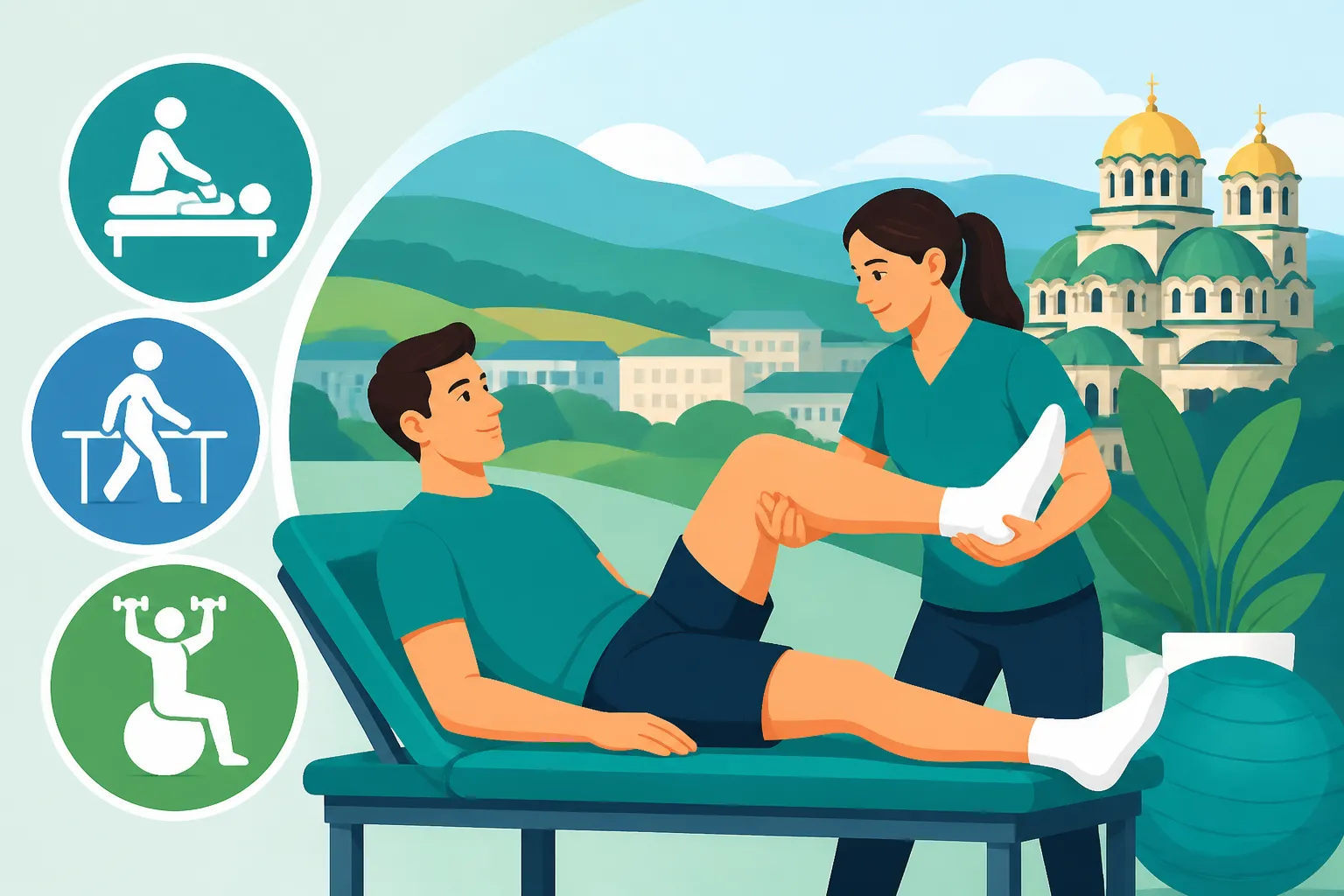
How to Get Physiotherapy and Rehabilitation in Bulgaria
Alright, let's talk about physiotherapy and rehabilitation in Bulgaria. It's often one of those things you don't think about until you desperately need it – a nagging back issue, a post-injury recovery, or even just general wear and tear. Navigating the healthcare system here, especially for ongoing treatments like physio, can feel like a labyrinth, leaving many expats wondering where to even begin. This comprehensive guide is here to unravel the complexities, outlining exactly how you can access quality physiotherapy and rehabilitation services, whether you're relying on the public system or opting for private care.
Understanding the Bulgarian Physiotherapy System: Public vs. Private
When it comes to getting physiotherapy or rehabilitation in Bulgaria, you essentially have two main avenues: the public healthcare system, managed by the National Health Insurance Fund (NHIF), or the private sector. Both have their pros and cons, and understanding these differences is key to making the best choice for your situation, especially if you're recovering from an injury or dealing with a chronic condition. It’s not always a straightforward choice, as many factors like urgency, specific treatment needs, and your insurance status will play a role.
The Public System NHIF Coverage
The public healthcare system in Bulgaria, primarily funded by the NHIF (Национална здравноосигурителна каса – НЗОК), does cover a range of physiotherapy and rehabilitation services. However, there's a significant "but" here for expats. To access these services through the NHIF, you generally need to be a legally registered resident who is actively contributing to the fund. This means if you're employed, self-employed, or otherwise registered to pay social contributions in Bulgaria, you're likely eligible. If you're an EU citizen with an EHIC card, you can get urgent care, but for ongoing rehabilitation, full registration is usually necessary.
The process for public physiotherapy isn't like walking into a clinic; it's quite structured. You will almost always need a referral from your GP (личeн лекар), and sometimes even a specialist. Your GP will assess your condition and, if they deem physiotherapy necessary, will issue a referral. This referral will specify the type and number of sessions you're approved for, typically for common conditions like musculoskeletal pain, post-surgical recovery, or neurological rehabilitation. Be aware that the types of therapies covered might be more limited than in the private sector, focusing on essential treatments. Once you have your referral, you'll then need to find a public polyclinic or hospital with a physiotherapy department that has available slots. This is where patience often comes into play, as wait times can vary significantly depending on the region and the specific treatment required. If you're still trying to figure out how to get yourself registered, our guide on How to Register with the National Health Insurance Fund in Bulgaria might be a good starting point.
Private Clinics and Their Advantages
For many expats, the private sector often proves to be the path of least resistance when seeking physiotherapy and rehabilitation in Bulgaria. Private clinics offer a multitude of advantages, primarily accessibility, speed, and a broader range of specialized treatments. You typically don't need a referral from a Bulgarian GP to book an appointment with a private physiotherapist. You can simply call, walk in, or book online, often getting an appointment within a day or two, sometimes even the same day if it's urgent. This direct access can be a huge relief if you're in pain or facing a tight recovery timeline.
Private clinics are also often equipped with more modern facilities and a wider array of diagnostic tools and treatment modalities, from manual therapy and electrotherapy to hydrotherapy, therapeutic exercises, and even specialized techniques like dry needling or shockwave therapy. You'll find clinics across major cities like Sofia, Plovdiv, and Varna that cater specifically to international clients, often employing English-speaking staff, which is a significant bonus for those still grappling with the Bulgarian language. While the costs are higher than the symbolic co-payments you'd make in the public system, the improved access, reduced wait times, and personalized care often make it a worthwhile investment. Many private clinics offer package deals for multiple sessions, which can slightly reduce the per-session cost. If you're weighing your options, our piece on Public vs Private Healthcare in Bulgaria: What Expats Need to Know provides a deeper dive into the overall comparison.
Hybrid Approaches and What to Expect
Sometimes, the best solution is a mix of both public and private options. For instance, you might start with a private consultation to get a quick diagnosis and initial pain relief, especially if you're not yet fully registered with the NHIF or if public wait times are too long. After that, if your condition allows for standard treatments, you might transition to the public system with a GP referral to take advantage of the lower costs once you're fully integrated into the NHIF. This hybrid approach can offer the best of both worlds: immediate attention and specialized care, followed by more affordable ongoing treatment.
However, be prepared for some administrative hurdles if you decide to switch between systems. Medical records don't always transfer seamlessly, and you might need to carry your documentation between clinics. Communication can also be an issue, as public hospitals might not have English-speaking staff as readily available as private clinics. It’s always a good idea to keep meticulous records of your diagnosis, treatment plan, and session history, regardless of where you receive care. Understanding the entire landscape of Bulgarian healthcare, from basic GP visits to specialist referrals, is crucial for making informed decisions, and you can find a lot of useful information in The Complete Guide to Healthcare in Bulgaria for Expats (2027).
Navigating Referrals and Appointments
The journey to getting physiotherapy or rehabilitation in Bulgaria often starts with getting the right referral or knowing how to book your sessions efficiently. This can be one of the more confusing parts for newcomers, as the system might be different from what you're used to back home. Patience and persistence are key, but knowing the typical pathways can save you a lot of headaches.
Getting a Referral from a GP Личен Лекар
If you plan to use the public healthcare system for physiotherapy, a referral from your GP (личен лекар) is almost always mandatory. Your GP acts as your gatekeeper to specialist services, including rehabilitation. First, you need to be registered with a GP in Bulgaria. If you haven't done this yet, you'll want to prioritize it, as it's the gateway to most public health services. Our guide on How to Register with the NHIF and a GP in Bulgaria (2027) walks you through that process step-by-step. Once registered, you'll need to schedule an appointment with your GP to discuss your condition. Be prepared to explain your symptoms clearly, and if you have any existing medical reports or scans from abroad, bring them along.
Your GP will assess your situation and, if they agree that physiotherapy is appropriate, they will issue a referral document (направление). This document is crucial; it specifies the type of physiotherapy, the number of sessions, and the validity period. Without it, public clinics simply won't treat you under NHIF coverage. Sometimes, especially for more complex conditions or if the GP needs a second opinion, they might refer you to a specialist first (e.g., an orthopedist, neurologist, or rheumatologist) who will then issue the physiotherapy referral. This can add an extra layer of waiting time, so be prepared for a multi-step process. Keep in mind that a referral is usually only valid for a certain period, often 30 days, so you need to act quickly to book your sessions once you have it in hand. For more on this, you can look at How Specialist and Hospital Referrals Work in Bulgaria.
Booking Private Sessions Directly
One of the greatest appeals of private physiotherapy clinics is the ability to bypass the referral system entirely. You can simply contact a private clinic directly and book an appointment. This is particularly beneficial for expats who might not yet be integrated into the NHIF, or those who prefer faster access and greater flexibility. Many private clinics, especially in larger cities, have websites where you can view their services, physiotherapist profiles, and even book appointments online. Others prefer phone calls or direct visits.
When contacting a private clinic, it’s a good idea to clearly state your reason for seeking physiotherapy – whether it’s a sports injury, chronic pain, post-operative recovery, or something else. This helps them schedule you with the most appropriate therapist. It's also wise to inquire about the cost per session or if they offer package deals, as well as confirm if they have English-speaking staff. While a referral isn't strictly necessary, if you have one from a doctor (Bulgarian or international), it can still be helpful for the physiotherapist to understand your diagnosis and medical history. Having your medical records, including any diagnostic imaging like X-rays or MRIs, is always a good practice, regardless of the referral status.
Understanding Wait Times and Urgency
Wait times are a significant factor differentiating the public and private sectors in Bulgaria. In the public system, after you get your GP referral, finding an available slot at an NHIF-contracted physiotherapy department can sometimes involve a wait. In busy urban centers, you might be looking at weeks, or even months, for non-urgent conditions. This can be incredibly frustrating if you're in acute pain or if delaying treatment could worsen your condition. The specific type of therapy can also influence wait times; highly specialized treatments might have fewer available practitioners.
Private clinics, on the other hand, boast minimal wait times. It's common to secure an appointment within a few days, often with the flexibility to choose a time that suits your schedule. For urgent cases, many private clinics will do their best to accommodate you quickly. This swift access is invaluable for acute injuries where early intervention can significantly impact recovery outcomes. If you're covered by international private health insurance like SafetyWing, this immediate access to private care is a huge advantage, as you wouldn't want to wait around when dealing with a painful injury. Understanding the difference between public and private options is crucial, especially when time is of the essence. For a broader view of medical costs, check out The Cost of Healthcare in Bulgaria: A Complete Breakdown for Foreigners (2026).
Types of Physiotherapy and Rehabilitation Available
Bulgaria offers a wide spectrum of physiotherapy and rehabilitation services, catering to various needs from acute injury recovery to chronic pain management and long-term disability support. Knowing what types of therapies are available can help you discuss your options effectively with your doctor or physiotherapist. The quality and availability of these services can vary between public and private institutions, and often geographically.
Common Therapies Offered
Across both public and private sectors, you'll find a core set of common physiotherapy treatments aimed at restoring movement, reducing pain, and improving function. These generally include:
- Manual Therapy: This involves hands-on techniques such as massage, mobilization, and manipulation to address joint stiffness, muscle tension, and soft tissue restrictions. It’s a foundational element of many physiotherapy programs.
- Therapeutic Exercises: Tailored exercise programs are a cornerstone of rehabilitation, focusing on strengthening weak muscles, improving flexibility, enhancing balance, and restoring range of motion. These exercises are often demonstrated and supervised by the physiotherapist, with instructions for home practice.
- Electrotherapy: Techniques like TENS (Transcutaneous Electrical Nerve Stimulation), ultrasound, and interferential therapy are often used to manage pain, reduce inflammation, and promote tissue healing.
- Thermtherapy/Cryotherapy: Application of heat (e.g., hot packs, paraffin baths) or cold (e.g., ice packs) to relieve pain, reduce swelling, and promote circulation.
- Kinesiotaping: The application of elastic therapeutic tape to muscles and joints to provide support, reduce pain, and facilitate lymphatic drainage.
Public polyclinics and hospitals will typically offer these standard therapies, often grouped into a structured program. Private clinics, however, might offer a more diverse range of electrotherapy devices and often integrate more advanced manual techniques or exercise approaches. It's always worth asking about the specific modalities they use and how they plan to incorporate them into your treatment plan.
Specialized Rehabilitation Programs
Beyond the common therapies, Bulgaria also provides more specialized rehabilitation programs for specific conditions. These are particularly vital for complex cases, severe injuries, or chronic diseases that require a more intensive and multi-disciplinary approach.
- Neurological Rehabilitation: For patients recovering from strokes, spinal cord injuries, multiple sclerosis, Parkinson's disease, or other neurological disorders. This often includes gait training, balance exercises, motor control training, and sometimes speech therapy or occupational therapy. Larger rehabilitation centers, both public and private, typically have dedicated neurological departments.
- Orthopedic Rehabilitation: This focuses on recovery after fractures, joint replacements (hip, knee, shoulder), ligament tears, or severe back injuries. It aims to restore full function, strength, and mobility to the affected limb or joint.
- Cardiopulmonary Rehabilitation: Programs for individuals recovering from heart attacks, heart surgery, or chronic lung conditions. These programs often combine exercise training, education on lifestyle changes, and psychological support.
- Sports Injury Rehabilitation: Tailored programs for athletes or active individuals recovering from sports-related injuries, focusing on a safe and gradual return to sport, including strength, agility, and sport-specific training. Many private clinics, such as those found in Sofia like Physio Life or Medica 2000, have strong reputations in this area.
- Pediatric Physiotherapy: Specialized care for children with developmental delays, congenital conditions, or injuries affecting their motor skills and physical development.
Access to these specialized programs can vary. While public hospitals with larger rehabilitation departments will offer some, private specialized centers often provide more intensive, individualized programs with dedicated equipment and expert therapists. When considering such specialized care, it's particularly important to ensure that the facility has experience with your specific condition and that the staff are adequately trained.
Outpatient vs. Inpatient Care
The decision between outpatient and inpatient care hinges heavily on the severity of your condition and your overall rehabilitation needs.
- Outpatient Physiotherapy: This is the most common form, where you live at home and attend scheduled physiotherapy sessions at a clinic or hospital department. It's suitable for most musculoskeletal injuries, chronic pain management, and post-operative recovery where you don't require 24/7 medical supervision. The advantage here is maintaining your daily routine and independence. Most private clinics and public polyclinics offer outpatient services.
- Inpatient Rehabilitation: This involves staying at a specialized rehabilitation center or hospital for a period, typically for more intensive and comprehensive care. It's usually recommended for severe injuries (e.g., major trauma, severe stroke, extensive surgery) where continuous medical supervision, nursing care, and multiple therapy sessions per day (physiotherapy, occupational therapy, speech therapy) are necessary. Bulgaria has several dedicated rehabilitation hospitals and sanatoriums, many of which are located in spa towns known for their mineral waters, like Hisarya or Sandanski. These are often public or semi-private facilities that offer structured programs. While the public NHIF may cover a portion of inpatient rehabilitation for eligible conditions and referrals, accessing these can be complex for expats, often involving a detailed assessment and sometimes a long waiting list. Private options exist but can be significantly more expensive.
Choosing between these two depends on your doctor's recommendation, the intensity of rehabilitation required, and your personal circumstances. For shorter-term, less severe issues, outpatient care is the norm. For profound functional limitations or multi-faceted recovery, inpatient care provides the immersive environment needed for substantial progress.
Costs and Insurance Coverage
Understanding the financial aspect of physiotherapy and rehabilitation in Bulgaria is crucial. Costs can vary wildly depending on whether you're using the public system, opting for private clinics, and what kind of health insurance you hold. Don't be shy about asking for price lists upfront – it's your right and essential for planning.
NHIF Coverage: What's Included and What's Not
If you're a legal resident and contribute to the National Health Insurance Fund (NHIF), you are entitled to certain physiotherapy and rehabilitation services. However, it’s rarely "free." Typically, the NHIF covers a specific number of sessions (e.g., 10-15 sessions per referral) for common conditions, prescribed by your GP or a specialist. You'll still usually need to pay a nominal patient co-payment, known as a потребителска такса (potrebitelska taksa), per visit. This fee is usually around 2.90 BGN as of my last check, but it can change, so always confirm. This co-payment is symbolic compared to the actual cost of the treatment, but it's not zero.
The limitations of NHIF coverage often lie in the scope and duration of treatment. The number of sessions might be capped, and if your condition requires more extensive or specialized therapy than initially approved, you might need a new referral or have to pay for additional sessions out-of-pocket. Furthermore, highly specialized or experimental therapies, or specific expensive equipment, might not be covered at all. While the public system is designed to be accessible, it can feel restrictive for those with complex or long-term rehabilitation needs. For those contributing to the NHIF, it's vital to know your rights and what exactly is covered, as outlined in guides like Understanding Mandatory Health Insurance Contributions in Bulgaria.
Private Insurance Options and Reimbursement
For many expats, private health insurance is the preferred route for physiotherapy and rehabilitation, offering more flexibility, direct access, and often better coverage for a wider range of treatments. If you have comprehensive private health insurance, either through your employer or an individual plan, check your policy details carefully. Most robust private plans, especially international ones, will cover physiotherapy, often requiring a referral from any doctor (not necessarily a Bulgarian GP) for the costs to be reimbursed. However, there might be limits on the number of sessions, a maximum monetary amount per claim, or a deductible you need to meet.
Companies like SafetyWing offer flexible international health insurance options that can be particularly useful for digital nomads or those who are in Bulgaria on a more transient basis, or even as a complementary option to NHIF for faster access to private clinics. While SafetyWing is known for its travel insurance, their Nomad Insurance can offer some emergency medical benefits, which might cover immediate physiotherapy needs following an accident, and their new Nomad Health product provides more comprehensive coverage. Always read the fine print to understand what is covered, the claims process, and any exclusions. If you're seeking reimbursement, you'll typically pay for your sessions upfront and then submit the receipts, diagnosis, and treatment plan to your insurance provider. Keeping clear records of all payments and medical documents is absolutely critical. For detailed information on this, refer to How to Claim Reimbursement from Private Insurance in Bulgaria.
Out-of-Pocket Expenses and Package Deals
If you don't have NHIF coverage or comprehensive private insurance, or if your insurance doesn't cover everything, you'll be paying for physiotherapy entirely out-of-pocket. The cost of a single physiotherapy session in a private clinic in Bulgaria can range quite a bit, but typically expect to pay between 30 BGN to 80 BGN per session, sometimes more for highly specialized treatments or longer sessions. Clinics in Sofia, for example, tend to be on the higher end of this range compared to smaller towns.
Many private clinics understand that rehabilitation can be an ongoing process, so they often offer package deals. You might get a discount if you pre-pay for a block of 5, 10, or 15 sessions. For example, a single session might be 60 BGN, but a package of 10 could drop the per-session cost to 50 BGN. It's always worth asking about these packages, especially if you know you'll need multiple treatments. While paying out-of-pocket requires a direct financial investment, it offers the ultimate freedom in choosing your therapist, clinic, and treatment plan without bureaucratic hurdles. Before committing, compare prices among a few reputable clinics to find one that fits your budget and needs.
Here's a quick comparison of Public vs. Private Physiotherapy in Bulgaria:
| Feature | Public (NHIF Covered) | Private (Out-of-Pocket/Private Insurance) |
|---|---|---|
| Access Requirement | NHIF registration & GP/Specialist referral | Direct booking, no referral usually needed |
| Wait Times | Can be weeks to months for non-urgent cases | Minimal, often same-day or within a few days |
| Cost Per Session | Symbolic co-payment (approx. 2.90 BGN) | 30 – 80+ BGN (can vary widely, discounts for packages) |
| Scope of Treatment | Standard therapies, capped sessions, sometimes limited options | Wider range of therapies, flexible session numbers & types |
| English-Speaking Staff | Less common, highly variable | More common, especially in major city clinics |
| Facilities | Varies, some older equipment, some modern | Often modern facilities and equipment |
| Convenience | Less flexible scheduling, bureaucratic process | Flexible scheduling, direct communication, patient-focused |
| Ideal For | Long-term residents with NHIF, non-urgent conditions | Expats needing quick access, specific treatments, English-speaking staff |
Finding English-Speaking Professionals and Clinics
One of the biggest anxieties for expats navigating healthcare in a new country is the language barrier. This is especially true for physiotherapy, where clear communication about pain, discomfort, and exercises is absolutely vital. Thankfully, finding English-speaking physiotherapists and clinics in Bulgaria is becoming increasingly easier, especially in the larger urban centers.
Online Resources and Expat Networks
Your best friends in this search will be online resources and the invaluable expat community. Start by searching online directories and clinic websites. Many private clinics, particularly in Sofia, Plovdiv, and Varna, will explicitly state if they have English-speaking staff on their "About Us" or "Team" pages. Keywords like "physiotherapy English speaking Sofia" or "rehabilitation expat Bulgaria" will yield relevant results.
Beyond official websites, tap into expat groups on social media platforms like Facebook (e.g., "Expats in Sofia," "Bulgaria Expats"). These communities are goldmines of personal recommendations. Ask for specific physiotherapists or clinics that other expats have had positive experiences with. You'll often get honest reviews, tips on booking, and even advice on who to avoid. Word-of-mouth recommendations are often the most reliable way to find a truly empathetic and effective practitioner who understands not just your physical needs but also the cultural nuances of being a foreigner in Bulgaria. These groups can also direct you to How to Find an English-Speaking Doctor in Bulgaria for other medical needs.
Reputable Private Clinics
In Bulgaria's larger cities, several private clinics have established themselves as reputable options for expats, often employing English-speaking staff and catering to an international clientele.
In Sofia:
- Physio Life: A well-regarded clinic often mentioned in expat circles for its modern approach and English-speaking physiotherapists. They offer a range of therapies for sports injuries, chronic pain, and post-operative recovery.
- Medica 2000 (part of Acibadem City Clinic Tokuda Hospital): While a larger hospital, their rehabilitation department often has physiotherapists who speak English. Being part of a major private hospital, they offer comprehensive services and integrate well with other specialist care.
- Serdika Centre for Rehabilitation: Another strong option that focuses specifically on rehabilitation, often with staff familiar with international patient needs.
In Plovdiv:
- You'll find smaller, independent private practices. Searching for "Медицински център" (Medical Center) or "Физиотерапия" (Physiotherapy) on Google Maps and then checking their websites or calling to inquire about English proficiency is usually the way to go. Clinics like "Physio Active" are often positively reviewed.
In Varna:
- As a coastal city popular with expats, Varna also has options. Clinics associated with private hospitals like "St. Marina" or "Eurohospital" might have English-speaking staff in their physiotherapy departments. There are also smaller private centers like "PhysioMed."
When you contact these clinics, don't hesitate to directly ask about the English proficiency of their physiotherapists. It's perfectly acceptable and expected. You want to ensure you can communicate effectively about your condition and treatment plan.
Communicating with Non-English Speaking Staff
Despite your best efforts, there might be times when you encounter medical staff, especially in the public system, who speak limited or no English. Don't despair; you still have options for effective communication.
- Google Translate / Translation Apps: These can be lifesavers for basic communication, particularly for translating specific symptoms or instructions. However, be cautious with complex medical terminology, as literal translations can sometimes be misleading.
- Bring a Bulgarian-Speaking Friend: If you have a trusted Bulgarian friend, family member, or even a helpful colleague, ask if they can accompany you to your appointment. Their presence can significantly ease communication and ensure you fully understand your diagnosis and treatment.
- Professional Interpreters: For more serious or prolonged rehabilitation, consider hiring a professional medical interpreter. While an added cost, it ensures accuracy and can prevent misunderstandings that could impact your recovery.
- Be Prepared with Key Phrases: Learning a few basic Bulgarian phrases related to your pain (e.g., "Bolka tuk" – pain here, "Po-dobre/Po-zle" – better/worse) can go a long way in showing effort and aiding basic interaction.
Remember, clear communication is paramount for effective physiotherapy. It’s okay to take your time, ask questions, and ensure you understand everything before proceeding. Your health is worth the extra effort.
Practical Tips for Expats
Navigating any healthcare system as an expat comes with its unique set of challenges, and physiotherapy in Bulgaria is no exception. Having a few practical tips up your sleeve can make the journey smoother and more effective, ensuring you get the most out of your rehabilitation.
Preparing for Your First Session
Before you even step foot into a physiotherapy clinic, a little preparation can make a big difference. Firstly, gather all relevant medical documentation. This includes any doctor's referrals (if applicable), diagnostic reports (X-rays, MRI scans, CT scans), and a summary of your medical history, especially detailing the injury or condition you're seeking treatment for. If these documents are in English, it's a good idea to have key terms translated into Bulgarian, or at least be prepared to explain them simply. You can get more details on preparing documents in Understanding Document and Translation Requirements for Bulgaria Immigration which applies to medical documents as well.
Secondly, wear comfortable clothing that allows for easy movement. Physiotherapy often involves stretching, exercises, and physical assessment, so you don't want restrictive attire getting in the way. Be prepared to clearly articulate your symptoms, the duration of the problem, what makes it better or worse, and your goals for treatment. Don't shy away from being specific about your pain levels and any limitations you're experiencing. This initial consultation is crucial for the physiotherapist to develop an accurate diagnosis and a personalized treatment plan. Also, if you have any international health insurance like SafetyWing, bring your policy details and any forms you might need for reimbursement.
Follow-Up Care and Long-Term Management
Physiotherapy is rarely a one-off appointment; it's a process. Consistent follow-up care is essential for effective long-term management of injuries or chronic conditions. Your physiotherapist will likely give you exercises to do at home. It’s absolutely critical that you do them diligently. Skipping home exercises can significantly hinder your progress and make your in-clinic sessions less effective. Don't be afraid to ask for clarification on any exercise you don't understand, or to request printouts or video demonstrations.
As your condition improves, the frequency of your sessions might decrease, but the focus will shift towards maintaining your gains and preventing recurrence. This could involve strength training, ergonomic advice, or lifestyle modifications. For chronic conditions, physiotherapy often becomes a tool for ongoing pain management and improving quality of life, rather than a cure. If you're on a long-term plan, discussing a timeline and realistic expectations with your physiotherapist from the outset is important. They can help you understand what level of recovery is achievable and how to sustain it.
Advocating for Your Needs
In any healthcare system, and particularly as an expat, you need to be your own best advocate. Don't be afraid to ask questions. If something isn't clear, if you don't understand an exercise, or if you feel a treatment isn't working, speak up. Your physiotherapist wants to help you, but they can only do so effectively if you communicate openly and honestly. If you have preferences for certain types of therapy, or concerns about a particular modality, voice them.
If you're using the public system and feel your referral isn't adequate or that you're not getting enough sessions, discuss it with your GP. Sometimes, a specialist referral or a re-evaluation might be necessary. In the private sector, if you're not happy with your physiotherapist or the progress you're making, it's perfectly acceptable to seek a second opinion or switch clinics. Your health is paramount, and finding a practitioner you trust and feel comfortable with is vital for successful rehabilitation. Remember that you have the right to understand your treatment and actively participate in decisions about your care.
Disclaimer
Please remember that this article provides general information and guidance based on typical expat experiences and publicly available data. Healthcare systems can be complex and are subject to change. While we strive to provide accurate and up-to-date information, it should not be considered legal, medical, or professional advice. Always consult with a qualified healthcare professional or legal expert for advice tailored to your specific situation.