How Do I Find a Pediatric Dentist in Bulgaria?
Finding a pediatric dentist in a new country like Bulgaria can feel like a daunting task, especially when your little one is in pain or due for a check-up. The thought of navigating a foreign healthcare system, language barriers, and ensuring your child feels comfortable is enough to make any expat parent anxious. This guide is here to walk you through the process, offering practical advice and insights from someone who's been there, helping you find the right dental care for your children in Bulgaria.
Understanding Pediatric Dental Care in Bulgaria
When you're settling into Bulgaria, one of the first things you might notice about the healthcare system is its unique blend of public and private options. Dental care, especially for children, can be a bit of a maze, so let's clear up some of the initial confusion.
Why a Dedicated Pediatric Dentist Matters
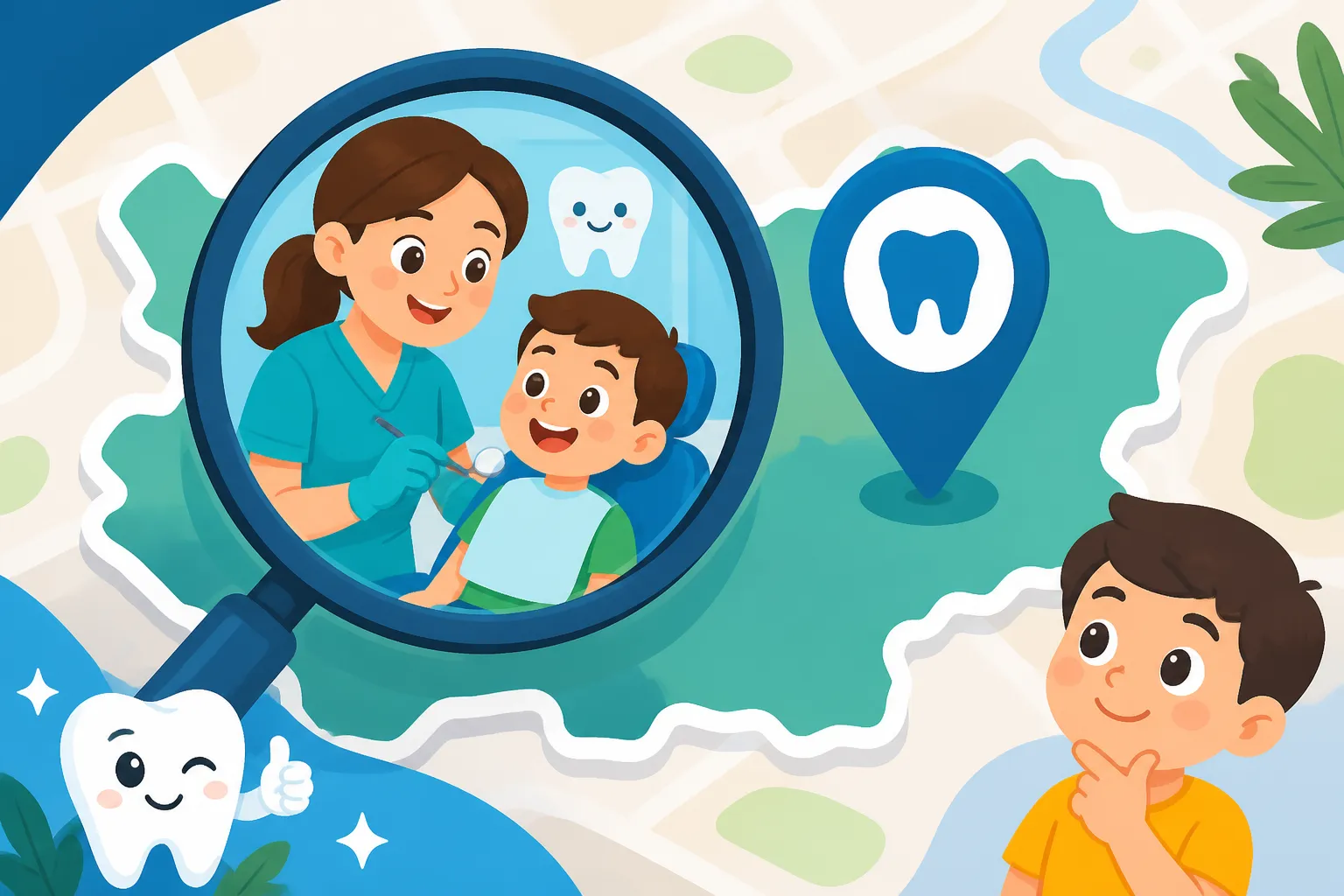
You might think a regular dentist can handle your child's teeth, and sometimes they can for routine check-ups. However, a dedicated pediatric dentist, or детски зъболекар (detski zăbolekar) as they're known here, brings a whole different level of expertise and approach. These specialists have additional training specifically focused on the oral health of infants, children, and adolescents. This isn't just about smaller tools or colourful waiting rooms; it's about understanding the unique developmental stages of children's teeth, their psychological needs, and how to create a positive, trusting experience.
Imagine trying to get a fidgety toddler to sit still for an examination or a shy child to open wide for a filling. A pediatric dentist uses child-friendly language, distraction techniques, and creates an environment that reduces anxiety. They’re adept at spotting issues unique to growing mouths, like early orthodontic concerns, thumb-sucking habits, or cavity prevention strategies tailored for primary teeth. As expat parents, we often worry about our kids feeling alienated or scared in unfamiliar settings. Finding a dentist who understands how to connect with children, especially across a language barrier, can make all the difference in fostering good lifelong dental habits.
The Bulgarian Dental Landscape for Children
Bulgaria offers a mix of public and private dental services. The National Health Insurance Fund (NHIF), or НЗОК (NZOK), does provide some coverage for children's dental care, but it's important to understand its limitations. Typically, NHIF coverage for children includes a certain number of free examinations, fillings for primary teeth, and sometimes extractions, up to a specific age (often around 18). However, the scope of these services can be quite basic. For instance, while a simple filling might be covered, more advanced materials or procedures might require an out-of-pocket payment, even with NHIF. You can learn more about this in our detailed guide on Understanding Dental Care Costs and NHIF Coverage in Bulgaria.
Many general dentists in Bulgaria are perfectly capable of treating children for routine issues. However, if your child has complex needs, severe anxiety, or you simply prefer a more specialized approach, seeking out a dedicated pediatric dental clinic is often the better path. These clinics are usually private, meaning you'll be paying out-of-pocket or relying on private health insurance. The good news is that private dental care in Bulgaria is generally quite affordable compared to Western European or North American prices, making specialized care more accessible than you might expect. This often leads expats to weigh the pros and cons of Public vs Private Healthcare in Bulgaria: What Expats Need to Know for all their medical needs.
Strategies for Finding a Pediatric Dentist in Bulgaria
Navigating the local healthcare system can be challenging, but with the right approach, finding a great pediatric dentist for your child is absolutely doable. It’s all about knowing where to look and who to ask.
Leveraging Expat Networks and Online Communities
Honestly, fellow expats are your best resource when it comes to local recommendations. We've all been through the trial and error, the frustration of miscommunication, and the joy of finding that perfect English-speaking professional. Start by joining local expat Facebook groups like "Expats in Sofia," "Families in Bulgaria," or "Plovdiv Expats & Friends." Don't be shy – post your question! You'll often find a flood of helpful suggestions, personal experiences, and contact details for highly recommended pediatric dentists. These groups are also invaluable for broader questions about How to Find an English-Speaking Doctor in Bulgaria.
When you ask, be specific. Instead of just "good dentist for kids," try asking for dentists who:
- Have experience with very young children.
- Are particularly good with anxious kids.
- Speak excellent English (or your native language, if you're lucky!).
- Have a child-friendly clinic environment.
- Are recommended for specific procedures like sealants or fillings.
Word-of-mouth is golden here. A glowing recommendation from another parent who understands your expat anxieties carries a lot more weight than a random online listing.
Online Search and Clinic Websites
While expat forums are fantastic, a good old-fashioned online search is also essential. When you're searching, try a few different terms:
- "pediatric dentist Bulgaria" or "pediatric dentist Sofia/Plovdiv/Varna"
- "детски зъболекар" (detski zăbolekar) + city name
- "педиатричен дентален лекар" (pediatrichen dentalen lekar) + city name
Many private clinics, especially in larger cities, will have professional websites, often with an English version or at least enough English information to get a sense of their services. Look for dedicated "pediatric dentistry" sections. Pay attention to:
- Team Biographies: Do the dentists highlight any specialization in pediatrics? Do they list languages spoken?
- Clinic Photos: Does the clinic look bright, welcoming, and child-friendly? Are there toys or play areas?
- Services Listed: Do they offer preventative care, fluoride treatments, sealants, and gentle restorative procedures?
Don't hesitate to call or email clinics directly. Most private clinics, especially those catering to a wider clientele, will have English-speaking receptionists who can answer your initial questions about services, appointments, and whether the dentists speak English.
Asking Your General Practitioner or Other Medical Contacts
If you've already registered with a GP in Bulgaria, or if your family has other medical contacts (like a pediatrician), don't forget to ask them for recommendations. While they might not be dental specialists, many GPs have networks of trusted colleagues and can point you towards reputable pediatric dental practices. They understand the local medical scene and might even know which clinics are particularly expat-friendly. This can be a great first step, especially if you're still figuring out How to Register with the NHIF and a GP in Bulgaria (2027). Often, these medical professionals can give you an insider's view on quality of care, which is invaluable.
Key Considerations When Choosing a Pediatric Dentist
Once you have a few names on your list, it's time to dive deeper and figure out which one is the best fit for your family. This isn't just about drilling and filling; it's about comfort, communication, and comprehensive care.
Language, Communication, and Comfort
This is probably the most critical factor for expat families. A child's dental experience can be scary enough without a language barrier. You need to be able to clearly communicate your child’s history, any concerns you have, and for your child to understand what’s happening in the chair. Look for a dentist or clinic where:
- The dentist speaks good English (or your preferred language): This allows for direct communication, building trust with both you and your child. Some clinics specifically advertise English-speaking staff.
- The staff are patient and empathetic: A good pediatric dentist and their team will understand that children, especially foreign ones, might be apprehensive. They should be calm, reassuring, and willing to take things slowly.
- The environment is welcoming: Does the waiting room have toys, books, or a TV with cartoons? Is the dental chair intimidating, or is it designed to be more inviting? These small details contribute massively to a child's comfort. Even a simple, brightly painted room can make a difference.
Services Offered and Treatment Approaches
Beyond basic check-ups, consider the full range of services and the philosophy of the practice:
- Preventative care: Do they emphasize fluoride treatments, sealants, and education on proper brushing and flossing? Prevention is key for kids!
- Routine check-ups and cleanings: What is their approach to these? Do they involve the child in the process?
- Restorative procedures: How do they handle fillings for both primary and permanent teeth? Do they use modern, child-safe materials?
- Emergency care: Accidents happen. Does the clinic have a plan for urgent dental needs, like a chipped tooth or severe toothache? Knowing you have a reliable place to go for Emergency Medical Care in Bulgaria: What Every Expat Needs to Know for dental issues is a huge relief.
- Sedation options: For very anxious children, or those undergoing extensive procedures, does the clinic offer mild sedation (like nitrous oxide or laughing gas), or local anesthesia, to ensure a stress-free experience? Discuss their approach to pain management and anxiety control.
- Orthodontic assessment: Many pediatric dentists can perform early assessments for orthodontic needs and refer you to a specialist if required.
Look for a practice that seems to align with your family's values regarding health and care. Some parents prefer a very natural approach, while others prioritize the latest technology.
Costs, Insurance, and Payment
Money matters, especially when unexpected dental work crops up. Be prepared to ask about costs upfront.
- Consultation fees: How much is a first visit or a routine check-up? You can expect private consultations to be significantly more than if relying solely on limited NHIF coverage. For reference, you might find that while a general doctor's visit could be around 50-80 BGN, a specialist dental consultation could be slightly higher, especially for a pediatric specialist. To compare, you can look into How Much Does a Doctor Visit Cost in Bulgaria?.
- Treatment prices: Ask for an estimate for common procedures like fillings, extractions, or sealants. Many clinics have price lists available.
- NHIF coverage: While private clinics are mostly out-of-pocket, some may have contracts with the NHIF for basic children's services. Always clarify what is covered and what isn't.
- Private insurance: If you have private health insurance, like from SafetyWing, check what dental benefits are included. Some international expat insurance plans offer comprehensive dental coverage, which can be a lifesaver for larger procedures or even routine preventative care. Always clarify with both the clinic and your insurance provider how direct billing or reimbursement works. Do I Need Private Health Insurance in Bulgaria? is a key question many expats ask, and dental care is often a significant factor.
- Payment methods: Most modern clinics accept card payments, but it’s always good to confirm.
Remember that The Cost of Healthcare in Bulgaria: A Complete Breakdown for Foreigners (2026) will give you a wider perspective, but dental care often operates on a slightly different model, with more private options and less NHIF involvement for specialized services.
Location and Accessibility
Practicalities matter, especially when you have children. Consider:
- Proximity to your home or child's school: Easier for appointments and emergencies. If you're in Sofia, a clinic near a metro station or a major bus line can be a huge plus.
- Parking: If you drive, is there convenient parking available?
- Opening hours: Do their hours fit your family’s schedule, perhaps with Saturday appointments or late afternoon slots?
- Wait times: How long do you typically have to wait for an appointment? Popular clinics, especially those with English-speaking staff, can sometimes have longer lead times.
Major cities like Sofia, Plovdiv, and Varna will naturally have more options for specialized pediatric dental care. In smaller towns, you might need to travel to a larger city for a dedicated pediatric specialist.
Preparing for Your Child's Dental Visit
Once you've chosen a pediatric dentist, preparing for the actual visit can help ensure a smooth and positive experience for everyone involved. A little preparation goes a long way in reducing anxiety for both you and your child.
Documents and Information to Bring
To make sure everything runs seamlessly, have these items ready:
- Your child's NHIF card (if applicable): Even if you're visiting a private clinic, it's good to have it, as some basic services might still fall under NHIF contracts, or it might be needed for identification. This is part of How Bulgaria's Health System Works: The NHIF and Private Care Explained (2027).
- Any previous dental records: If your child has had dental work done previously, bringing X-rays or notes from their former dentist can be incredibly helpful. This provides the new dentist with a history and avoids unnecessary repeat procedures or imaging.
- Your private health insurance details: If you have a private plan, be ready with your policy number, insurance card, and contact information for your provider, such as SafetyWing. Understand if they require pre-authorization for certain treatments or if it's a "pay and claim" system. Knowing the specifics of your Health Insurance in Bulgaria: NHIF, Private and International Options Explained beforehand will save you a headache.
- A list of any allergies or medical conditions: Be thorough about any medications your child is taking or any sensitivities they might have. This is crucial for their safety during any dental procedure.
- Contact information for your GP or pediatrician: In case the dental clinic needs to consult with them about your child's overall health.
Helping Your Child Prepare
The more relaxed you are, the more relaxed your child will be. Here are some tips to make the dental visit a positive one:
- Keep it positive and casual: Avoid using scary words like "needle," "pain," or "drill." Instead, talk about the "tooth fairy visit," "tooth cleaner," or "sleepy juice" for the tooth. Frame it as an exciting adventure to keep their teeth strong and shiny.
- Read books or watch videos: There are many excellent children's books and cartoons about going to the dentist that can help familiarize your child with the experience in a fun way.
- Play pretend: Practice at home! Let your child lie down and "open wide," and you can "count their teeth" with your finger. This helps them understand the process.
- Explain what will happen: In simple terms, explain that the dentist will look at their teeth, count them, and maybe tickle them with a little brush. Emphasize that the dentist is a friendly person who helps keep their smile healthy.
- Bring a comfort item: A favorite stuffed animal, blanket, or toy can provide a sense of security during the visit.
- Offer a reward: A small treat or toy after a good visit can reinforce positive behavior and make future visits easier.
- Translate key phrases: Learn a few basic Bulgarian phrases related to the dentist, like "Open wide" (Отвори широко), "It's okay" (Всичко е наред), or "Don't be scared" (Не се страхувай). Even if the dentist speaks English, your child might feel more at ease hearing some comforting words in the local language.
Comparing Pediatric Dental Clinic Factors
Here's a quick look at some key aspects to consider when evaluating your options for a pediatric dentist in Bulgaria:
| Feature | Public/NHIF-Contracted Clinics (Limited) | Private Pediatric Clinics |
|---|---|---|
| Cost | Basic services (check-ups, simple fillings, extractions) often covered by NHIF for children up to 18. | Generally higher fees, paid out-of-pocket or via private insurance. |
| Services Offered | Basic preventative and restorative care. May have limitations on materials or advanced procedures. | Comprehensive range of services, including advanced preventative care, cosmetic options, sedation, early orthodontics. |
| Child-Friendliness | Varies. Some general practices might have child-friendly areas, others are more clinical. | Often designed specifically for children with colorful decor, play areas, and specialized staff. |
| Language Barrier | Less likely to have consistent English-speaking staff, particularly outside major cities. | More likely to have English-speaking dentists and staff, especially in expat areas. |
| Appointment Availability | Can sometimes have longer wait times due to high demand for NHIF-covered services. | Generally more flexible appointment times, often shorter waiting periods for consultations. |
| Dentist Specialization | General dentists with some experience treating children. Dedicated pediatric specialists are rare. | Dentists with specific training and focus on pediatric dentistry. |
| Insurance Acceptance | Directly accepts NHIF card. Private insurance typically "pay and claim" or limited direct billing. | Primarily out-of-pocket. Many work with international private insurance (e.g., SafetyWing) for reimbursement. |
Remember, this is a general overview. Individual clinics and dentists will vary, so always do your own research and ask plenty of questions.
Disclaimer
The information provided in this guide is for general informational purposes only and does not constitute professional medical, legal, or financial advice. While we strive to provide accurate and up-to-date information, the Bulgarian healthcare system, regulations, and prices can change. Always consult with a qualified professional, such as a dentist, healthcare provider, insurance specialist, or legal advisor, for advice tailored to your specific situation. Reliance on any information in this guide is solely at your own risk.