How Do I Set Up Automatic Bill Payments at a Bulgarian Bank?
Ah, the never-ending dance with Bulgarian utility bills and other recurring payments! If you've spent any time here, you've probably experienced the frustration of juggling paper slips, deciphering cryptic Cyrillic payment details, and maybe even endured a queue or two at EasyPay on a Monday morning. It’s a rite of passage, sure, but it doesn't have to be your permanent reality. This guide is here to walk you through the nitty-gritty of setting up automatic bill payments at your Bulgarian bank, transforming that monthly chore into a seamless background operation.
The Basics of Bill Payments in Bulgaria – Why Automation is Your Friend
When you first arrive in Bulgaria, everything feels new, exciting, and sometimes, utterly bewildering. Managing your finances and bills here can definitely fall into that last category. But trust me, once you get a handle on automating your payments, you'll feel a huge weight lift off your shoulders.
The Bulgarian Bill Landscape: A Manual Marathon
Traditionally, the Bulgarian system for paying bills has been very much a hands-on affair. You'd receive a physical paper bill, or sometimes just an SMS notification, telling you the amount due and the deadline. Then, you'd trudge down to the nearest EasyPay office, a post office, or even a bank counter, armed with your bill and cash, ready to join a line of equally patient (or impatient) locals. For expats, this can be particularly daunting. Not only are you trying to understand the exact payment amount, but you're also wrestling with a foreign language, trying to communicate with a cashier who might not speak English, and hoping you’ve punched in the correct subscriber number.
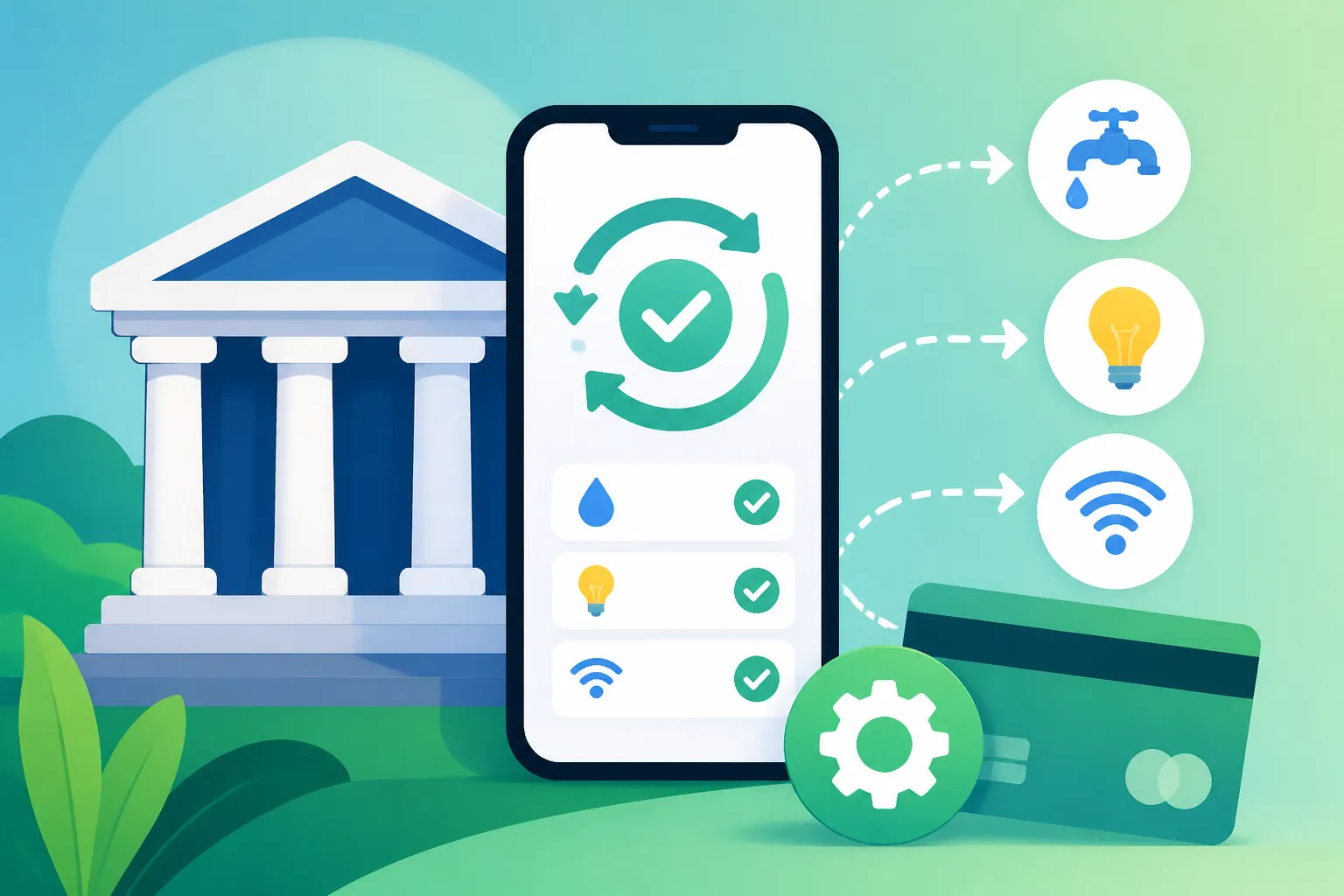
It’s an experience that really brings home the practical challenges of living abroad. You're trying to build a life, enjoy the culture, and then suddenly you're an administrative assistant for your own household, worried about missing a payment and getting your electricity cut off. The good news is, most Bulgarian banks offer automated payment services, much like "direct debits" or "standing orders" you might be familiar with from your home country. In Bulgarian, you’ll hear terms like преки дебитиране (preki debitirane) for direct debits, or постоянни платежни нареждания (postoyanni platezhni narezhdaniya) for standing orders. These are your tickets to freedom from those queues.
Essential Bills to Automate for Expats
Once you've got your bank account set up, which is a critical first step, you'll quickly identify the recurring bills that eat into your precious time. The most common ones, and those most ripe for automation, include:
- Electricity: Depending on your region, your provider will likely be EVN (south-east), CEZ (west), or Energo-Pro (north-east). These are non-negotiable, monthly payments.
- Water: Your water provider will depend on your municipality, with "Sofiyska Voda" being the big one in the capital, or various "ViK" (Водоснабдяване и Канализация – Water Supply and Sewerage) companies elsewhere. Again, a monthly essential.
- Internet and Mobile Services: Companies like A1, Yettel, and Vivacom dominate the market. Many expats find these services indispensable, and thankfully, they're usually straightforward to automate.
- Rent or Mortgage Payments: If you’re paying rent directly to a landlord via bank transfer, or you’ve taken out a mortgage, these are perfect candidates for monthly standing orders. For a comprehensive look at housing costs, check out our guide on The Complete Guide to Cost of Living in Bulgaria for Expats (2026).
- Insurance Premiums: Whether it's car insurance, home insurance, or mandatory health insurance contributions, setting up automatic payments ensures you don't miss a beat. For more on this, you might find Understanding Mandatory Social and Health Contributions in Bulgaria helpful.
- Other Subscriptions: Gym memberships, streaming services, and other local subscriptions can also often be automated, freeing up even more mental space.
By automating these, you’re not just saving time; you’re also mitigating the risk of late fees, service interruptions, and unnecessary stress.
Step-by-Step Guide to Setting Up Automatic Payments
Now, let's get down to the practicalities. Setting up automatic payments isn't overly complicated, but it does require a bit of upfront effort and attention to detail.
Getting Started: Your Bulgarian Bank Account and Necessary Info
First things first, you absolutely need a local Bulgarian bank account. Without it, automating payments directly from your funds in Bulgaria isn't possible. Most expats choose one of the larger banks like DSK Bank, UniCredit Bulbank, or Postbank (part of Eurobank EFG group), all of which offer robust online banking services and usually have English-speaking staff in larger branches. If you're still in the process, our guide on How to Open a Bank Account at a Bulgarian Bank as a Foreigner can walk you through it. You'll need your ID (passport for non-EU, EU ID for EU citizens) and your residence permit. When deciding which bank is right for you, consider reading Which Bank Is Best for Expats in Bulgaria?.
Once your account is active, the single most critical piece of information you need for each utility or service provider is your Subscriber Number (Абонатен номер / Abonaten nomer) or your client ID. This unique identifier links you directly to your account with them. Without it, the bank won't know which bill to pay!
- Where to find it: This number is typically prominently displayed on any physical bill you receive. If you have an online account with the utility provider, it will be visible there too. For example, on a electricity bill from Energo-Pro, it will be clearly labelled. On your A1 mobile bill, it might be called a 'Client ID' or 'Customer Number'. Make a list of all your subscriber numbers and keep them handy.
Navigating Your Bank: Online Banking vs. Branch Visit
You generally have two main avenues for setting up these automatic payments: through your bank's online platform or with assistance at a physical branch.
Online Banking (Internet Banking / Онлайн Банкиране)
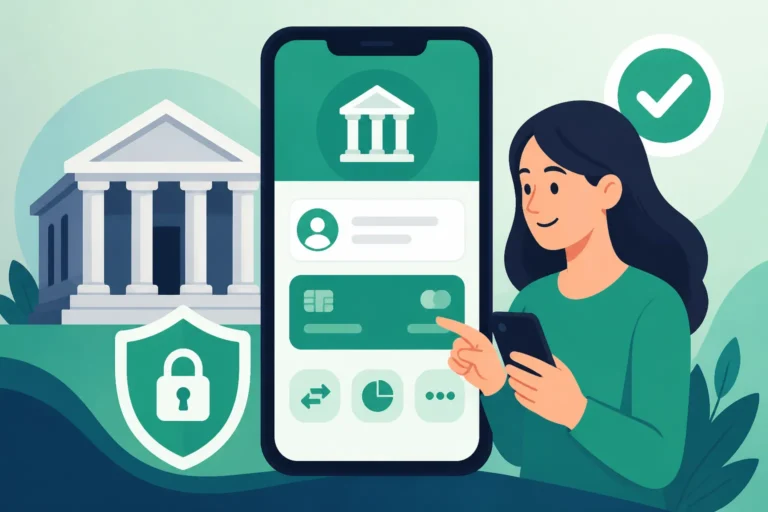
For many expats, especially those comfortable with technology, online banking is the most convenient way to manage payments. Most major Bulgarian banks offer fairly sophisticated online portals, and many now have English language options. For a deep dive, see How to Set Up Online Banking with a Bulgarian Bank.
Here’s a general rundown of what to expect:
-
Log In: Access your online banking portal using your credentials. This usually involves a username, password, and often a two-factor authentication method (e.g., SMS code, mobile app confirmation).
-
Navigate to Payments Section: Look for sections like "Плащания" (Payments), "Автоматични плащания" (Automatic Payments), "Директни дебити" (Direct Debits), or "Регулярни плащания" (Regular Payments). The exact terminology can vary between banks.
-
Choose Payment Type: You’ll typically have options for:
- Direct Debit (преки дебитиране): This is ideal for utilities like electricity, water, and sometimes internet. You authorize the utility company to pull the exact amount of your bill from your account each month. You’ll need to specify the provider and your subscriber number. The bank will then confirm the setup with the utility.
- Standing Order (постоянни платежни нареждания): Best for fixed monthly payments, like rent or a loan repayment. You specify a fixed amount, a beneficiary's bank account (IBAN), and the frequency (e.g., first of every month).
- One-Off Future Payments: For bills that aren't recurring but you want to schedule in advance.
-
Enter Details: This is where those subscriber numbers come in. You'll input:
- The service provider (e.g., EVN, Sofiyska Voda, A1). Banks usually have a pre-populated list, so you just select from a dropdown.
- Your subscriber number for that specific service.
- The amount (for standing orders) or authorize the direct debit for variable amounts.
- The start date and, if applicable, an end date.
-
Confirm: Review all details carefully. A single digit wrong in the subscriber number could lead to someone else's bill being paid, or your payment failing entirely. Confirm the setup, often requiring another security step like a token or SMS code.
The major benefit of online banking is the 24/7 access and the ability to manage everything from your sofa. However, if you're not confident with the language or the interface, the branch visit might be a better option initially.
Bank Branch Visit
Visiting your local bank branch is often the most reassuring way to set up automatic payments, especially when dealing with the initial language and system hurdles.
- Preparation is Key:
- Bring Documents: Always have your passport/ID, residence permit, and your bank card/account details.
- Bring Bills: Crucially, bring your latest physical bills for each service you want to automate. These will have your subscriber numbers and the correct company names, which helps prevent errors.
- Translation Support: If your Bulgarian isn’t fluent, try to bring a Bulgarian-speaking friend, or at least have key phrases translated on your phone (e.g., "I want to set up an automatic payment for electricity," "My subscriber number is…"). While larger banks like UniCredit Bulbank and DSK often have English-speaking staff, especially in bigger cities like Sofia, Plovdiv, or Varna, it's not guaranteed everywhere.
- Explain Your Needs: Tell the customer service representative you want to set up преки дебитиране (direct debits) for your utilities or постоянни платежни нареждания (standing orders) for fixed payments.
- Fill Out Forms: The bank staff will guide you through the necessary paperwork. You'll typically need to sign an authorization form for each direct debit. This form essentially gives the bank permission to automatically pay your bills when they're due.
- Verification: The bank will often take a few days to process these requests and verify the details with the utility providers. They might give you a confirmation number or a timeline.
This hands-on approach can be slower, but it minimises potential misunderstandings and offers a direct point of contact for any questions or issues.
Confirming and Managing Your Automated Payments
Once you've set everything up, don't just assume it's all working perfectly. It's smart to double-check.
- Check Your Bank Statements: In the first month or two, carefully review your bank statements (online or physical) to ensure the payments are being debited correctly and on time.
- Online Utility Portals: Many utility providers (A1, Yettel, Vivacom, EVN, etc.) have their own online portals where you can view your current bill status and payment history. Check these to cross-reference with your bank statements. For advice on these bills, take a look at The Expat Guide to Setting Up Utilities (Electricity, Water, Gas) in Bulgaria and Understanding Water and Heating Bills in Bulgaria.
- Insufficient Funds: This is a crucial point. If there aren't enough funds in your account when an automatic payment is due, the payment will fail. The bank might charge you a fee for the failed transaction, and the utility provider will consider the bill unpaid. You’ll then need to manually pay the bill (plus any late fees) to avoid service interruption. Always ensure you have a buffer in your account!
- Modifying or Cancelling: Need to change an amount, update a provider, or cancel a direct debit? The process is essentially the reverse of setting it up. You can usually do this through your online banking portal or by visiting a branch. Just make sure to do it well in advance of the next payment date.
Common Challenges and Expat Tips for Automation in Bulgaria
Even with automation, living in a new country throws up unique challenges. Being prepared for them makes a huge difference.
Language Barriers and Bureaucracy Hiccups
Let's be real, the language barrier can be a huge headache, even with English-speaking staff. Sometimes the bank's online interface is only partially translated, or the specific forms in the branch are only in Bulgarian. It’s part of the expat experience here.
- Key Translations: Keep a list of key Bulgarian phrases related to banking and payments. For example: "Искам да настроя автоматично плащане" (I want to set up an automatic payment), "Абонатен номер" (Subscriber number), "Сметки" (Bills).
- Patience is a Virtue: Bulgarian bureaucracy can sometimes feel like wading through treacle. Things might take longer than you expect, and you might have to explain yourself multiple times. Stay calm, be polite, and remember that a smile goes a long way.
- Seek Assistance: Don't hesitate to ask for help. Many expat groups on social media are full of seasoned veterans who’ve navigated these exact issues. Your landlord or a trusted Bulgarian friend might also be willing to assist with translating or explaining documents.
Keeping Track of Your Bills and Payments
Even though it’s automated, it's never a good idea to completely forget about your bills. Things can go wrong, and you want to catch them early.
- Monthly Checks: Set a reminder to quickly check your bank account and utility provider portals once a month. Just a quick glance to ensure the right amounts are being paid at the right time.
- Email Notifications: Many utility companies offer email billing or notifications when a new bill is issued or a payment is successful. Sign up for these wherever possible. For internet and mobile, providers like A1, Yettel, and Vivacom have excellent mobile apps where you can track your usage and bills. Take a look at How to Choose a Mobile and Internet Provider in Bulgaria for more information.
- Budgeting Software: Consider using a budgeting app or a simple spreadsheet. This not only helps you track payments but also gives you a clearer picture of your overall cost of living. When you're managing your finances in Bulgaria, particularly if you're earning in a different currency or have international income, platforms like Wise can be invaluable for transparent exchange rates and low fees. Plus, understanding your financial obligations is key, particularly when it comes to understanding things like How Do I Pay My Income Tax in Bulgaria? and registering with the How Do I Register with the National Revenue Agency in Bulgaria?.
Moving or Changing Providers: What to Do
Life in Bulgaria can be dynamic. You might move apartments, change internet providers, or switch mobile plans. When this happens, it’s critical to manage your automated payments responsibly.
- Cancel Old Payments: When you move out of an apartment or switch a service provider, you MUST cancel any direct debits or standing orders associated with the old services. You don't want to be paying someone else's electricity bill in your old place! Do this through your online banking or by visiting your bank branch.
- Set Up New Payments: For your new address or new services, repeat the process of setting up automatic payments. Make sure you have the correct subscriber numbers for the new accounts.
- Final Bills: Be aware that your final bill from an old utility provider might need to be paid manually, even if you had a direct debit set up. Sometimes direct debits are cancelled once the contract is terminated, and the final small balance might not be automatically pulled. Always confirm with the provider.
Alternative Payment Methods for Expats
While automation is king for recurring bills, there will be times when you need other ways to pay. It’s good to know your options.
Online Portals and Mobile Apps
Even if you prefer manual payments for some things, using online portals and mobile apps of your service providers is far more convenient than queuing.
- How they work: Most major companies in Bulgaria offer this. You create an account on their website or download their app (e.g., A1 Bulgaria app, MyYettel app, Vivacom app, EVN / CEZ / Energo-Pro customer portals). You log in, link your service account using your subscriber number, and then you can view your bills and pay directly with a debit or credit card.
- Pros: Quick, secure, you get an instant confirmation, and you can do it anytime, anywhere.
- Cons: Requires a Bulgarian bank card or a foreign card that allows international transactions (and often comes with foreign transaction fees). Not fully automated.
Payment Services like EasyPay and B-Pay
These are ubiquitous in Bulgaria and serve as a lifeline for many, including expats who might not have online banking fully set up or prefer to pay in cash. For a broader view, read How to Pay Your Utility Bills in Bulgaria.
- EasyPay: You'll find EasyPay offices or kiosks in almost every neighbourhood, shopping centre, and even some grocery stores.
- How to use it: You simply tell the cashier the service provider (e.g., "Energo-Pro," "Sofiyska Voda") and provide your subscriber number. They'll pull up your current bill, you pay in cash, and you get a printed receipt.
- Pros: Extremely widespread, accepts cash, fast. No need for a bank account or card.
- Cons: Still manual, requires a physical visit, can have queues, might encounter language barriers.
- B-Pay: Similar to EasyPay but slightly less common. The principle is the same: cash payment against a subscriber number.
These services are excellent for one-off payments, or if you ever have an issue with your automated payments and need to settle a bill quickly to avoid interruption.
Transferring Money Internationally to Pay Bills (When Applicable)
Sometimes, you might need to bring money into Bulgaria from another country to cover your bills, or manage your finances globally. This is where international money transfer services come in handy.
- How it works: If you’re funding your Bulgarian bank account from abroad, or even directly paying a bill (though less common for regular utilities), services like Wise are incredibly popular among expats. They allow you to send money internationally with transparent exchange rates and often significantly lower fees than traditional banks.
- Pros: Cost-effective, fast, transparent. Great for managing finances across borders.
- Cons: Not a direct bill payment method per se for Bulgarian utilities – you typically transfer funds to your Bulgarian bank account first, then pay the bills from there. However, it's an essential tool in an expat's financial arsenal. Wise, for example, makes it simple to ensure your Bulgarian account is sufficiently funded to meet those automated payments without losing a chunk to hidden fees. Similarly, if you're dealing with complex tax situations involving income from various countries, services that cater to global citizens, like Taxes for Expats, can provide specialised advice, ensuring you're fully compliant with both Bulgarian and international tax regulations.
| Payment Method | Automation Level | Key Benefits | Potential Drawbacks | Best For |
|---|---|---|---|---|
| Direct Debit (Bank) | High | Fully automatic, no missed payments, convenient | Initial setup, requires Bulgarian bank account | Recurring utilities (electricity, water, internet) |
| Standing Order (Bank) | High | Fixed amounts, predictable, easy to manage | Requires fixed amounts, needs specific IBAN | Rent, mortgage, insurance premiums, loans |
| Online Banking Portal | Medium | Convenient, immediate payment, trackable | Requires manual action each month, internet access | One-off payments, checking statements |
| Mobile Apps (Provider) | Medium | User-friendly, notifications, often in English | Requires manual action each month, specific apps | Checking usage, quick payments on the go |
| EasyPay/B-Pay | Low | Cash payments, widely available, no bank account needed | Manual, queues, physical visit required, language barrier | Cash preference, one-off payments, urgent payments |
| Wise (International) | N/A | Low fees, good exchange rates for international transfers | Not a direct bill payment, funds must first reach local bank | Funding Bulgarian bank account from abroad |
Setting up automatic bill payments in Bulgaria is one of those small administrative wins that makes a huge difference in your daily expat life. It’s a bit of effort upfront, but the peace of mind you gain by knowing your essentials are covered is truly invaluable.
Disclaimer
The information provided in this guide is for general informational purposes only and does not constitute financial, legal, or professional advice. While we strive to keep the information up-to-date and accurate, regulations, procedures, and service offerings in Bulgaria can change without notice. Always consult with a qualified professional or the relevant institutions (banks, utility providers, government agencies) for specific advice tailored to your situation. We cannot be held responsible for any errors or omissions, or for any actions taken based on the information provided herein.