How Do I Find an Apartment Near the Metro in Sofia?
Ah, Sofia! A vibrant city, bustling with life and opportunity, but let's be honest, trying to find your perfect nest here, especially one that’s conveniently located near the Metro, can feel like you're trying to solve a Rubik's Cube blindfolded. The struggle is real – the traffic, the parking, the sheer chaos of rush hour. You're not alone in wanting that sweet Metro access. This guide will cut through the noise, walking you through everything you need to know about scouting out and securing an apartment right by a Metro station, making your expat life here a whole lot smoother.
Why Living Near the Metro in Sofia is a Game Changer for Expats
When you first arrive in Sofia, the sheer practicality of the Metro might not immediately hit you amidst the charm of cobblestone streets and bustling markets. But trust me, as a seasoned expat who’s navigated this city for years, having a Metro station within a short walk of your front door is less of a luxury and more of a sanity-saver. It’s a fundamental difference in daily life, transforming how you interact with the city.
The Unbeatable Convenience of Sofia's Metro System
Let’s talk about the daily grind, shall we? Sofia's traffic, especially during peak hours, can be… a profound experience. What should be a 15-minute drive can easily morph into a 45-minute ordeal, testing the patience of even the most zen individuals. Parking? Forget about it unless you enjoy circling blocks endlessly or paying exorbitant fees. This is where the Metro truly shines. It's punctual, clean, and bypasses all that gridlock, gliding beneath the surface while the rest of the city slowly crawls along. Imagine cutting your commute time drastically, giving you precious extra minutes for that morning coffee, an evening stroll, or just, you know, sleeping in.
Beyond just avoiding traffic, the Metro offers significant cost savings. Fuel prices, while perhaps not as eye-watering as in some Western European capitals, still add up. Taxis and ride-sharing services are convenient but can quickly drain your monthly budget if used daily. A monthly Metro pass, on the other hand, is incredibly affordable, offering unlimited travel across all lines. This predictability in both time and cost is a huge boon, especially when you're still finding your financial footing in a new country. You can simply hop on, enjoy the ride, and emerge right at your destination, whether it's for work, shopping, or meeting friends. For a deeper dive into getting around, check out our guide on The Expat Guide to Public Transport in Bulgaria.
Connecting You to Sofia's Expat Hubs and Cultural Hotspots
Sofia's Metro isn't just a transport system; it's a lifeline connecting you directly to the city's pulse points. Many of the major business parks where international companies are located, like Business Park Sofia, are strategically positioned at Metro stops. This means if you're working in the thriving IT or outsourcing sectors, a Metro-adjacent apartment puts you minutes away from your office, transforming a potentially stressful commute into a breezy ride.
But it’s not just about work. The Metro also links you to Sofia's vibrant social and cultural scene. Fancy a night out in the city center? Line 1 and 2 whisk you right to Serdika, plonking you in the heart of the action, surrounded by restaurants, bars, and historical sites. Need to run errands or do some serious retail therapy? Major shopping malls like Paradise Center and Mall of Sofia are also directly accessible via Metro. Even if you're just looking to explore different neighborhoods, meet other expats, or immerse yourself in Bulgarian culture, the Metro offers unparalleled access. From the Vitosha Boulevard buzz to the quiet charm of parks, your Metro stop becomes your gateway to everything Sofia has to offer.
Navigating the Search: Strategies for Finding Your Metro-Adjacent Abode
Alright, you're convinced – Metro living is the way to go. Now, how do you actually find that elusive apartment? It requires a bit of strategy, a dash of local knowledge, and maybe a sprinkle of patience. Think of it less as a chore and more as an exciting treasure hunt!
Understanding Sofia's Metro Lines and Key Neighborhoods
Sofia's Metro system is expanding, but currently consists of four main lines, each serving different parts of the city. Knowing these lines and their key stops is crucial for narrowing down your search.
- Line 1 (Red Line) and Line 4 (Green Line): These often run together for a significant portion, making them super useful. Line 1 heads southeast towards Business Park Sofia, a major employment hub for expats. Stops like Mladost 1, Mladost 3, and Business Park are highly sought after by those working in the tech and outsourcing industries. These areas are typically modern, with newer apartment buildings, shopping centers, and good amenities, albeit sometimes feeling a bit more suburban. Line 4 then branches off towards Sofia Airport T2, which is incredibly convenient for frequent travelers. Areas like Druzhba are further out but offer more affordable options while still being connected.
- Line 2 (Blue Line): This line runs north-south, cutting through the very heart of the city. Stops like Serdika, National Palace of Culture (NDK), European Union, and James Bourchier are prime locations. Serdika is the absolute city center, perfect if you crave being amidst the historical sites, shops, and nightlife, but expect higher rents and smaller apartments. European Union and James Bourchier put you close to cultural institutions, governmental buildings, and the vibrant Vitosha area, offering a more upscale living experience. Further south, the line extends towards Vitosha Metro Station, which gives you good access to the Paradise Center mall and the foot of Vitosha Mountain – great for nature lovers.
- Line 3 (Orange Line): The newest line, Line 3, extends from Ovcha Kupel in the southwest towards Hadzhi Dimitar in the northeast. This line connects key residential areas and institutions like the Medical University. Stops like Medical University, Bulgaria, and Krasno Selo are becoming increasingly popular. Ovcha Kupel is a developing area, offering newer, more spacious apartments at potentially better prices than the city center, while still providing rapid transit to the core. It’s also home to some larger parks and a quieter atmosphere. Hadzhi Dimitar, on the other end, is a more established residential area with a mix of older and newer buildings, giving you a taste of traditional Sofia while being well-connected.
When considering a neighborhood, think about your lifestyle. Do you want to be close to work, or prioritize nightlife and cultural events? Are schools a factor? If so, looking for areas with good international schools and Metro access, such as Lozenets or Izgrev, which are often a short walk or quick bus ride from a Metro stop, could be key. Don't be afraid to take a ride on each line during peak and off-peak hours to get a feel for the journey and the surrounding areas. For more general advice on localities, our guide The Best Places to Live in Bulgaria for Expats: A Complete Guide (2027) might offer some useful context.
Effective Online Platforms and Local Agencies for Your Search
Once you have a few target Metro stops in mind, it's time to hit the pavement – or, more realistically, the internet. There are several popular avenues for finding apartments in Sofia.
Online Platforms:
- Imot.bg and Bazar.bg: These are the two giants in the Bulgarian real estate market. Think of them as the local equivalent of Zillow or Rightmove. You can filter by price, number of rooms, and crucially, by proximity to Metro stations (often listed as "метростанция"). Be prepared for some listings to be in Bulgarian, but most browsers offer translation services. Always keep in mind that many listings on these sites are posted by agencies, not direct landlords.
- Facebook Groups: Seriously, don't underestimate the power of expat and local housing groups on Facebook. Search for "Expats in Sofia Housing," "Apartments for Rent Sofia," or similar. You’ll find direct listings from landlords, sub-lets, and recommendations from other expats who’ve been through the same process. This is also a great place to ask specific questions about neighborhoods or agents.
- International Portals: While not as comprehensive for local listings, sites like Booking.com or Airbnb can sometimes offer longer-term rentals, especially if you need a temporary place while you conduct your main search. However, they are usually more expensive for extended stays.
Local Real Estate Agencies:
Working with a reputable real estate agent can be a massive time-saver, especially if your Bulgarian isn't fluent yet. They have access to a wider range of listings, can schedule multiple viewings efficiently, and most importantly, they can navigate the contractual intricacies and local customs for you. Look for agencies that specialize in working with foreigners or have English-speaking staff. Major international agencies often have offices in Sofia, but smaller, local agencies are also worth considering. While an agent's fee (typically 50% of one month's rent, paid by the tenant upon signing a contract) might seem like an extra cost, the peace of mind and time saved can be invaluable. For tips on finding the right agent, refer to our article on How to Find a Reliable Real Estate Agent in Bulgaria.
When dealing with agencies, make your requirements clear: "Близо до метростанция…" (close to a metro station) is a phrase you’ll want to remember. Specify which line or even which station you prefer. Don’t be shy about asking for virtual tours if you're still abroad, or for a full rundown of utility costs for a specific property.
Practical Tips and Pitfalls to Avoid in Your Sofia Metro Apartment Hunt
The apartment hunt can be exciting, but it’s also ripe for missteps if you’re not careful. As an expat, you’re already navigating a new culture, so let's try to minimize the surprises when it comes to securing your new home.
What to Look For During Viewings and When Signing Your Contract
So, you’ve found a few promising apartments near your desired Metro stops. Fantastic! Now comes the viewing. Don’t rush this. Be thorough, even if the agent is trying to move things along quickly.
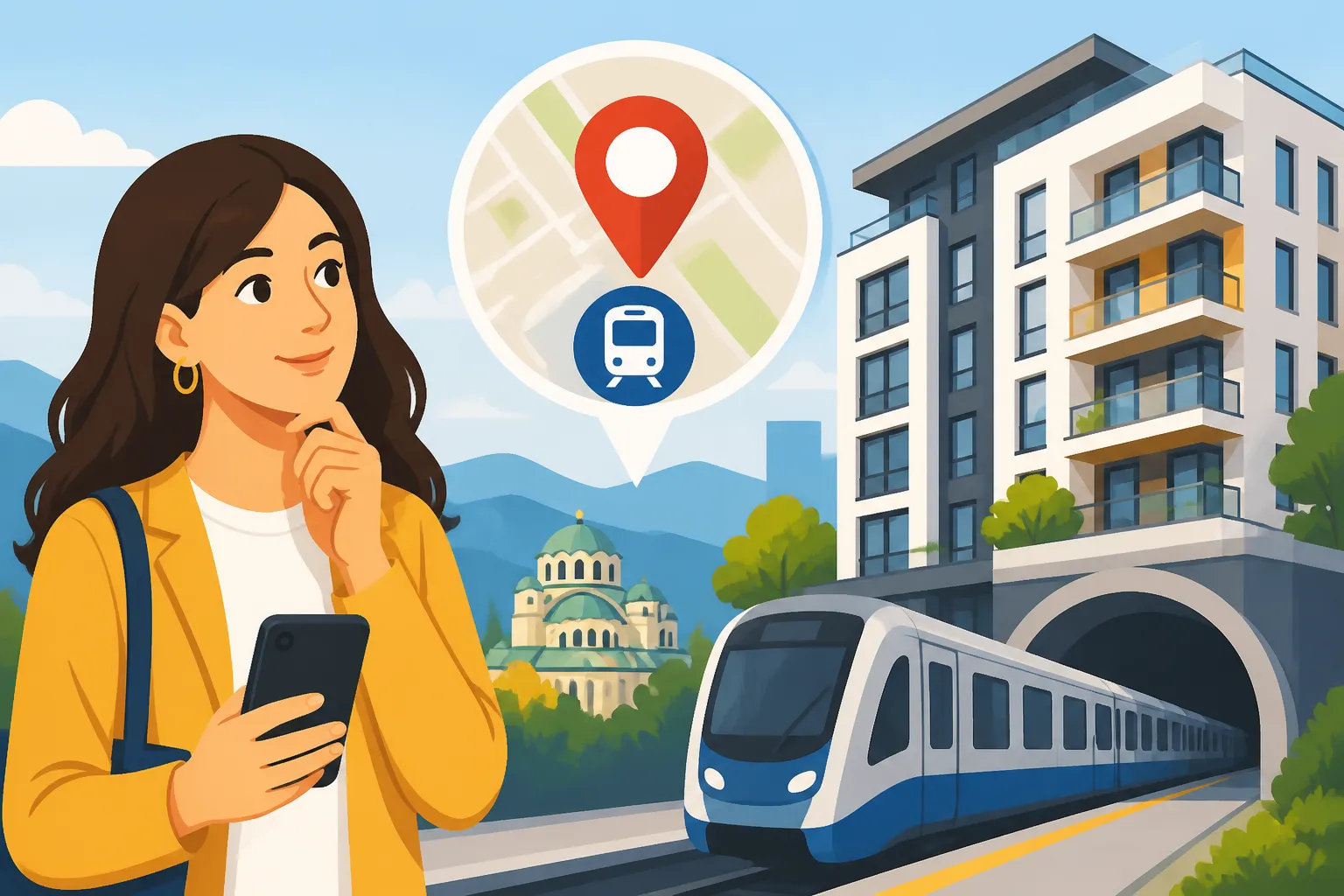
- Actual Proximity to Metro: Don’t just take their word for it. Open Google Maps right there on the spot and walk (or mentally walk) the route to the nearest Metro station. Is it truly a 5-minute walk, or is it more like 15 minutes dodging traffic and potholes? This makes a huge difference, especially in winter.
- Noise Levels: Apartments close to Metro lines can sometimes be subject to vibrations or noise, particularly if they are directly above or very close to underground sections. Pay attention to this during your viewing. Can you hear the Metro? Is the street outside excessively noisy? If possible, view the apartment at different times of the day.
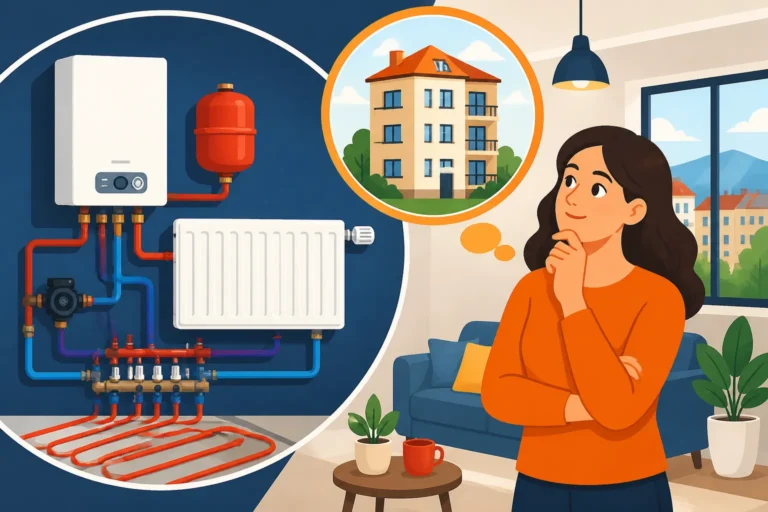
- Heating System: This is HUGE in Bulgaria. Most apartments have central heating (ТEЦ – Toplofikatsia), but some might have individual electric heaters or even gas. Understand how it works, what the typical costs are, and if it’s efficient. Bulgarian winters are no joke, and a poorly heated apartment can lead to sky-high utility bills. For an idea of utility expenses, check out Understanding Water and Heating Bills in Bulgaria and How to Set Up Electricity in Your Bulgaria Home.
- Internet and Mobile Connectivity: While Sofia generally has excellent internet infrastructure, always confirm what’s available. Ask if the apartment already has a fiber optic connection, or if you'll need to arrange one. You'll want to be able to jump online quickly after you move. Speaking of connectivity, make sure your mobile works well too. As a temporary solution for initial data, consider an eSIM from a provider like Airalo; it's a lifesaver for navigating and contacting agents right after you land, before you get a local SIM.
- Furnishing and Appliances: Most rentals in Sofia are offered furnished or semi-furnished. Check the condition of everything. Do the appliances work? Is the furniture sturdy? If anything needs fixing or replacing, make sure it’s noted in the contract.
- The Contract (Договор за наем): This is where things can get tricky. Rental contracts in Bulgaria are usually for a minimum of one year. Critically, ensure you understand every clause. It’s common to pay a deposit equal to one or two months' rent. The contract should clearly state the rent, the deposit, who is responsible for utilities, notice periods, and conditions for getting your deposit back. Do not sign anything you don't fully understand. If you're working with an agent, they should help translate and explain. If not, invest in a professional translator. For more details on the process, read How to Sign a Rental Contract and Pay a Deposit in Bulgaria and What Documents Do I Need to Rent an Apartment in Bulgaria?.
Overcoming Language Barriers and Common Expat Challenges
Navigating the rental market in a new country is tough enough without a language barrier. Bulgarian is a Slavic language, and while many younger people in Sofia speak English, particularly in business settings, you can't always rely on it for every interaction, especially with older landlords or smaller agencies.
- Be Prepared with Translation: Use Google Translate on your phone (with its camera translation feature) during viewings, but for contracts, always, always get professional help. A bad translation can lead to costly misunderstandings down the line.
- Bring a Bulgarian Friend (if possible): If you're lucky enough to have a local friend who can accompany you to viewings or help with calls, their insight is invaluable. They can spot red flags, ask questions you wouldn't think of, and handle the nuances of Bulgarian communication.
- Don't Rush Decisions: Landlords might try to pressure you into making a quick decision, especially for desirable properties. Take your time, weigh your options, and don't be afraid to walk away if something feels off.
- Verify Landlord's Identity: Ensure the person you're signing the contract with is indeed the owner of the property or has legal authorization to rent it out. Your agent should verify this.
- Understanding Tenant Rights: Familiarize yourself with basic tenant and landlord rights in Bulgaria. While not as robust as in some Western countries, there are protections in place. Our guide Understanding Tenant and Landlord Rights in Bulgaria can provide a starting point.
Budgeting and Logistics: What to Expect When Living Metro-Adjacent
Living near the Metro is convenient, but how does it impact your wallet and the practicalities of settling in? Let's break down what you can realistically expect.
Rental Costs and Utility Expenses Near Metro Stations
Generally, the closer you are to a Metro station, especially those in the central or highly desirable business districts, the higher the rent will be. This isn't unique to Sofia, but it's a crucial factor in your budgeting.
- City Center (Serdika, NDK, European Union): These areas command the highest rents. For a modest one-bedroom apartment, you might be looking at anywhere from 600 BGN to 1200 BGN or more per month, depending on size, condition, and specific amenities.
- Business Park / Mladost Areas: Still popular and relatively expensive, but often offer more modern apartments. A one-bedroom here could range from 500 BGN to 900 BGN.
- Developing Areas (Ovcha Kupel, Hadzhi Dimitar, Druzhba): These areas generally offer more affordable options. You could find a decent one-bedroom apartment for 400 BGN to 700 BGN, sometimes even less, if you're willing to be a bit further out from the immediate Metro stop or accept an older building.
It's important to remember that these are just estimates, and prices fluctuate based on the market, the specific building, and whether it's furnished or unfurnished. For a detailed breakdown of rental costs across the city, you'll want to consult How Much Does It Cost to Rent an Apartment in Sofia in 2026?.
Utility Expenses:
On top of rent, you'll need to budget for utilities. These usually include:
- Electricity: Varies heavily with usage, especially for heating/cooling. Expect 50-150 BGN or more in winter.
- Water: Typically 15-30 BGN per person.
- Heating (Toplofikatsia): This is the big one in winter. Can range from 50 BGN (for a tiny, well-insulated apartment) to 300+ BGN per month for a larger, older, or poorly insulated place. Some apartments use electric heaters which can also be costly.
- Internet/TV: Usually bundled. Expect 20-40 BGN per month for fast internet.
- Building Maintenance (Такса поддръжка): If you're in an apartment building, there's often a small fee for common area cleaning and maintenance, usually 10-30 BGN.
All in all, factor in an additional 150-500 BGN per month for utilities, depending on the season and your usage. This is a significant portion of your monthly budget, so always ask about past utility bills for any apartment you consider. For a comprehensive overview of daily expenditures, our article on The Complete Guide to Cost of Living in Bulgaria for Expats (2026) is an essential read.
Settling In: Setting Up Utilities and Local Connectivity
Once you've signed that contract and gotten your keys, the next steps are to make the place feel like home. This involves sorting out the essential services.
Electricity, Water, and Heating: If your landlord hasn't already transferred the utility accounts into your name, you’ll need to do so. This typically involves visiting the offices of the respective utility companies (e.g., EVN for electricity, Toplofikatsia for heating) with your rental contract and a form of ID. It can be a bit of a bureaucratic hurdle, especially if you don't speak Bulgarian. Again, your real estate agent or a trusted Bulgarian friend can be a lifesaver here. Always get the meter readings on your move-in day to avoid paying for the previous tenant's consumption. It’s also wise to prepare your home for winter in Bulgaria, which involves understanding insulation and heating efficiency.
Internet and Mobile: Setting up internet is usually straightforward. Companies like A1, Yettel, and Vivacom are the main providers, offering competitive packages. You can often sign up for a contract at one of their stores, usually needing your passport and residence permit. Most providers can install fiber internet within a few days. For mobile service, getting a local SIM card is simple. You can choose a pre-paid plan or a monthly contract, with providers offering various data and call packages. Before you even land, if you want immediate connectivity, consider an eSIM service like Airalo. It allows you to download a local data plan before your arrival, so you’re online and ready to navigate, translate, and contact anyone the moment you step off the plane. Then, you can decide on a local provider at your leisure. For a more detailed guide, see How to Set Up Internet and Mobile Service in Bulgaria.
Moving Your Belongings: If you're coming from abroad with more than just a suitcase, you’ll need to arrange for your belongings to be shipped. This can be a complex logistical task. Websites like Sirelo are great for comparing quotes from different international moving companies, helping you find a reliable service that fits your budget and timeline for getting your cherished possessions to your new Metro-adjacent home in Sofia.
Here’s a quick overview of some popular Metro-adjacent neighborhoods and their estimated rental costs:
| Metro Line / Area | Key Metro Stops | Avg. 1-Bed Apartment Rent (BGN/month) | Pros | Cons |
|---|---|---|---|---|
| Central Sofia | Serdika, NDK, European Union | 700 – 1200+ | Unbeatable centrality, culture, nightlife, amenities | Higher rent, smaller apartments, more noise, parking issue |
| Mladost / Business Park | Business Park, Mladost 1, Mladost 3 | 500 – 900 | Modern buildings, proximity to work, good amenities | Can feel suburban, less historical charm |
| Vitosha / Lozenets | Vitosha, James Bourchier | 650 – 1100 | Upscale, green spaces, good schools, shopping | Higher rent, some areas further from metro, can be hilly |
| Ovcha Kupel | Ovcha Kupel, Krasno Selo | 400 – 700 | Newer apartments, more space, quieter, affordable | Further from city center, less established expat scene |
| Hadzhi Dimitar / Druzhba | Hadzhi Dimitar, Druzhba | 400 – 700 | Affordable, local feel, good for families, Airport T2 | Older buildings, less modern amenities |
Note: These are approximate ranges for a typical one-bedroom apartment in good condition as of early 2026. Prices can vary widely based on exact location, building quality, and furnishings.
Finding an apartment near the Metro in Sofia is absolutely achievable, and the benefits for your daily life as an expat are immense. It might take a bit of effort, a bit of looking, and perhaps a bit of help, but the convenience and improved quality of life are well worth it. Happy hunting!
Disclaimer
The information provided in this guide is intended for general informational purposes only and does not constitute legal, financial, or real estate advice. While we strive to keep the information accurate and up-to-date, laws, regulations, and market conditions in Bulgaria can change rapidly. Expats should always consult with qualified local professionals, such as real estate agents, lawyers, or financial advisors, for personalized advice regarding their specific circumstances. We do not endorse any specific brands or services mentioned, but rather provide them as examples of available options.