What Is the Average Utility Bill for an Apartment in Bulgaria?
Moving to a new country like Bulgaria means embracing new adventures, but let's be honest, figuring out the practicalities can feel like navigating a labyrinth blindfolded. One of the biggest head-scratchers for new arrivals is undoubtedly understanding the cost of living, especially those pesky utility bills. You’re trying to budget, but what’s "normal" here? This guide is going to walk you through the ins and outs of average utility bills for an apartment in Bulgaria, shedding light on what to expect, how to manage, and where those Euros actually go.
Understanding the Landscape of Bulgarian Utilities
When you first arrive, everything feels new and a bit overwhelming. The utility setup in Bulgaria is no different. You'll quickly learn that it's a mix of national and regional providers, with a good dash of local bureaucracy thrown in for good measure. Don't worry, we've all been there, scratching our heads over the first bill written entirely in Cyrillic.
The Major Players and Their Services
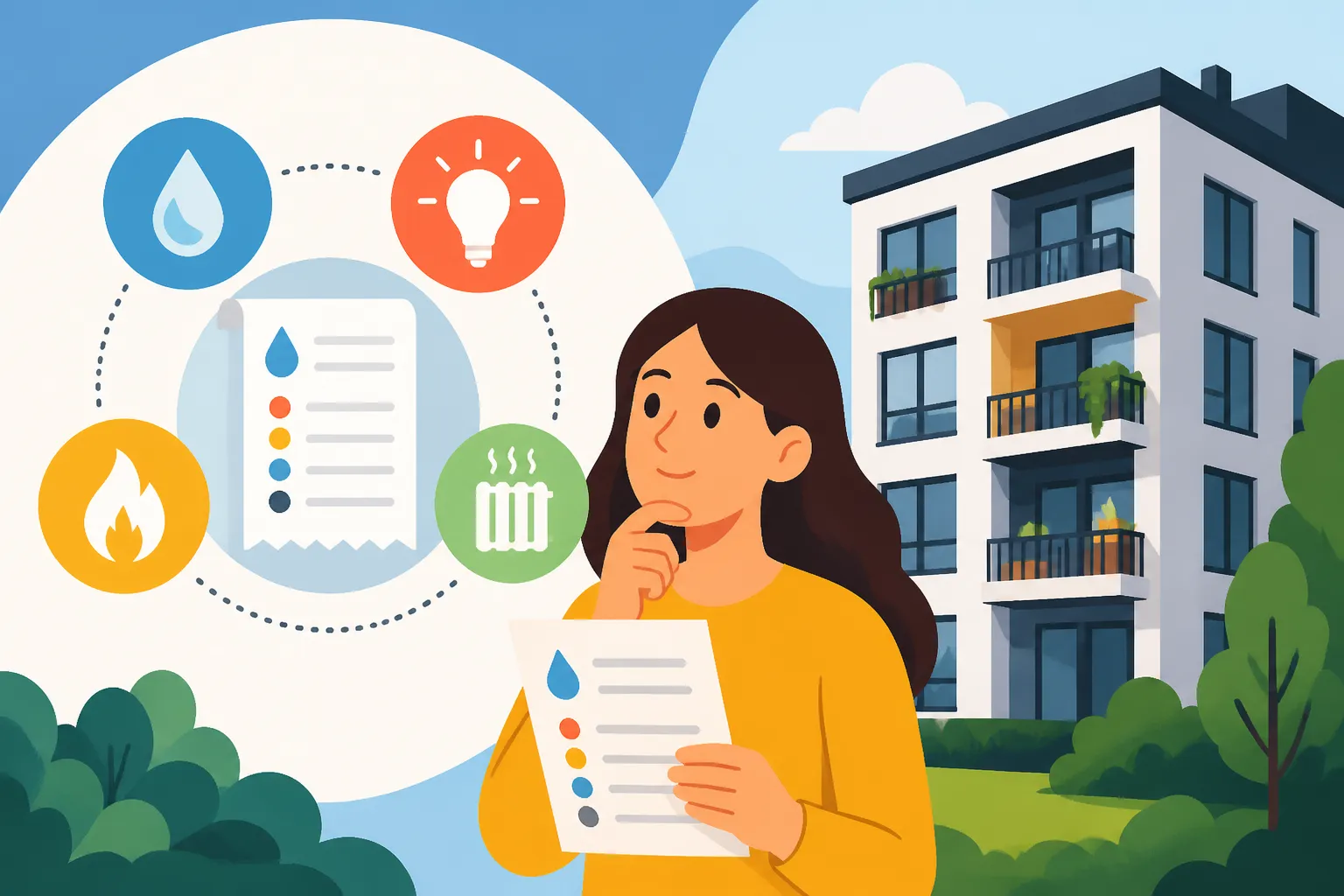
Bulgaria has a fairly structured utility system, though it might not always feel that way when you're trying to set things up. For electricity, you'll typically deal with one of three major distributors depending on your region: Energo-Pro (Northeast), EVN Bulgaria (Southeast), or CEZ Distribution Bulgaria (West, including Sofia). These companies manage the infrastructure and supply electricity to your home. Prices are regulated, so you won't see huge variations between them, but your consumption habits will dictate the bulk of your bill.
Water and sewerage services are generally managed by municipal companies, often referred to as "ВиК" (ViK), short for "Водоснабдяване и Канализация" (Water Supply and Sewerage). In Sofia, for instance, you'll be dealing with Sofiyska Voda. Again, these are monopolies, and their rates are set, covering both clean water supply and wastewater treatment. Heating is where things get really interesting and can swing wildly. Many urban apartments, especially in older buildings, are connected to a central heating system, often run by a "Топлофикация" (Toplofikacia) company, such as Toplofikacia Sofia. If your building isn't connected or if you're in a house, you'll be relying on electric heaters, air conditioners, wood-burning stoves, or gas boilers for warmth. For those planning a bigger move and setting up all these services, it's worth exploring comprehensive relocation services like those offered by Sirelo to help streamline the process.
For your internet and mobile services, you've got a much more competitive market, which is great for consumers! You'll find major players like A1, Yettel (formerly Telenor), and Vivacom offering a range of packages for broadband internet, TV, and mobile phone plans. This is one area where you can often find excellent value compared to Western European prices. If you’re just arriving and need immediate connectivity, a quick eSIM from a provider like Airalo can be a lifesaver to get your phone working before you commit to a long-term plan.
Factors Influencing Your Utility Bills
Several key factors will influence the size of your monthly utility envelope. The most obvious is your consumption. Are you a minimalist who barely uses electricity, or do you have all your gadgets plugged in 24/7 with the lights blazing? Secondly, apartment size plays a huge role, especially for heating. A sprawling four-bedroom apartment will naturally cost more to heat than a cozy studio.
Insulation and window quality are critical, particularly in older Bulgarian buildings. Many older blocks have poor insulation, meaning heat escapes quickly in winter, driving up heating costs significantly. Modern buildings are usually much more energy-efficient. Thirdly, the type of heating system is paramount. Central heating (парно) can sometimes be more cost-effective if managed well by the building, but if your neighbours keep their windows open constantly, you'll still pay for their heat loss. Electric heating, while offering more control, can become incredibly expensive if used excessively during the colder months. You can find more detailed advice on this in our guide on How to Prepare Your Home for Winter in Bulgaria.
Finally, your lifestyle and habits are the ultimate determinant. Do you take long, hot showers? Run the dishwasher daily? Keep the AC blasting all summer? These choices add up. Geographical location can also impact costs slightly, with Sofia generally having higher rates for certain services compared to smaller cities or rural areas, although the base rates are largely uniform across the country.
The Expat's Initial Shock: Hidden Costs and Administrative Hurdles
Let's be real, the first time you get your utility bills in Bulgaria, it can be a bit of a shock, not just because of the numbers, but because of the sheer complexity! Many expats initially struggle with understanding the various charges, especially when dealing with meters and communal building costs. You might encounter charges for "common parts" electricity or heating in your building that aren't directly tied to your apartment's meter, which can be baffling at first. These are often related to lighting in stairwells, elevators, or shared heating pipes.
Setting up accounts can also be a bureaucratic headache. You'll need your personal identification number (ЛНЧ – Lična Karta or Foreigner's ID) and often a copy of your rental contract or property deed. Getting things into your name and understanding how to pay can involve visits to physical offices, though thankfully, online payment portals are becoming more common. Don't be surprised if you need a Bulgarian-speaking friend or colleague to help you decipher the initial paperwork. This kind of administrative hurdle is a common expat experience, but with a bit of patience (and often, a good local friend), you'll get there.
Breaking Down the Average Monthly Utility Costs in Bulgaria
Now, let's get down to the numbers. Please remember, these are averages and can fluctuate based on all the factors we just discussed. Your actual bills might be higher or lower.
Electricity (Ток)
Electricity prices in Bulgaria are relatively stable, with different rates for day and night consumption. The night rate (usually from 10 PM to 6 AM in summer and 11 PM to 7 AM in winter) is significantly cheaper, so smart scheduling of appliances can save you money. As a general estimate:
- Small apartment (studio/1-bedroom, 40-60 sq m): Expect to pay between 40 BGN (20 EUR) and 80 BGN (40 EUR) in summer, and potentially 80 BGN (40 EUR) to 150 BGN (75 EUR) or more in winter if using electric heaters extensively.
- Medium apartment (2-bedroom, 70-90 sq m): Summer bills might range from 60 BGN (30 EUR) to 100 BGN (50 EUR). In winter, this could easily jump to 120 BGN (60 EUR) to 250 BGN (125 EUR), especially if using electric heating for the entire space.
- Large apartment (3+ bedroom, 100+ sq m): For a larger space, summer bills could be 80 BGN (40 EUR) to 150 BGN (75 EUR). Winter bills, again with reliance on electric heating, could skyrocket to 200 BGN (100 EUR) and upwards of 400 BGN (200 EUR) or even more for poorly insulated homes or heavy usage.
These figures assume average usage. If you're out of the house all day and diligent with turning things off, you'll be at the lower end. If you work from home, love long hot showers from your electric boiler, and keep the heating on high, expect to pay more.
Water and Sewerage (Вода и Канализация)
Water bills in Bulgaria are generally quite affordable. Most apartments have individual water meters, so you only pay for what you consume. The bill includes charges for clean water supply, sewerage, and often a small "meter reading" fee.
- For a single person, expect around 10 BGN (5 EUR) to 20 BGN (10 EUR) per month.
- A couple might see bills between 20 BGN (10 EUR) and 35 BGN (18 EUR).
- A family with children could pay 35 BGN (18 EUR) to 60 BGN (30 EUR), depending on usage.
These costs are relatively stable year-round, as water consumption doesn't usually have the same seasonal fluctuations as heating or cooling. Remember that some older buildings might have common water meters, and then the bill is split amongst residents, which can sometimes lead to disputes or higher-than-expected costs if others are heavy users. Understanding these nuances is crucial, as highlighted in our guide on Understanding Water and Heating Bills in Bulgaria.
Heating (Парно/Отопление)
This is hands down the biggest wildcard in your Bulgarian utility budget. The cost of heating can make or break your winter finances.
Central Heating (Топлофикация): If your apartment is connected to central heating, your bill will have two main components: a consumption part (based on heat distributors on your radiators) and a "common parts" charge (for heating pipes running through your apartment and building common areas). Even if you turn off your radiators, you'll still pay a portion of the common parts charge, which can be frustrating.
- For a small apartment, expect 80 BGN (40 EUR) to 180 BGN (90 EUR) in mild winter months, jumping to 150 BGN (75 EUR) to 300 BGN (150 EUR) or more in peak cold.
- A medium apartment could see bills from 150 BGN (75 EUR) to 300 BGN (150 EUR) in milder months, escalating to 250 BGN (125 EUR) to 500 BGN (250 EUR) or even 600 BGN (300 EUR) during prolonged cold snaps.
- Large apartments could easily pay 400 BGN (200 EUR) to 800 BGN (400 EUR) or more during the coldest months.
Individual Heating (Electric heaters, AC, gas): If you rely on individual electric heaters or air conditioning units for heating, your electricity bill (as discussed above) will swell considerably. Gas heating, where available, can be a more efficient alternative to electric, but initial installation costs can be high if it's not already set up. Many expats opt for efficient inverter air conditioners that both heat and cool. While their initial investment is higher, their operational cost for heating can be lower than traditional electric heaters.
Internet and Mobile Services
This is an area where Bulgaria offers fantastic value. Competition keeps prices low, and speeds are generally excellent, especially in urban areas.
- Home Internet: For a decent broadband package (50-100 Mbps), you're looking at 20 BGN (10 EUR) to 35 BGN (18 EUR) per month. Many providers offer bundled deals with TV.
- Mobile Phone: A basic plan with unlimited calls/SMS and a decent amount of data (e.g., 10-20 GB) can be found for 15 BGN (8 EUR) to 30 BGN (15 EUR) per month. If you're a heavy data user or need international calls, you might pay a bit more.
You can often combine these into attractive packages. Companies like A1, Yettel, and Vivacom are the main players. It’s worth shopping around once you have your residence permit and can sign a contract. For immediate, flexible data solutions, remember options like Airalo for an eSIM to keep you connected from day one. Our guide on How to Choose a Mobile and Internet Provider in Bulgaria offers more insights.
Building Maintenance and Other Fees (Такси Поддръжка)
This is often an overlooked cost for newcomers. If you live in a modern residential complex or a block with shared amenities (like a lift, common garden, security, or cleaning services), you'll likely pay a monthly maintenance fee (такса поддръжка). This isn't strictly a utility, but it's a recurring housing cost.
- These fees can range from 0.5 BGN to 1.5 BGN per square meter, so for a 60 sq m apartment, you might pay 30 BGN (15 EUR) to 90 BGN (45 EUR) per month.
- For larger or more luxurious complexes, these fees can be even higher.
Always clarify this with your landlord or real estate agent when renting or buying. It's a non-negotiable cost that comes with the convenience of certain building services. This is covered in more detail in our article on Understanding Building Maintenance Fees for Apartments in Bulgaria.
Practical Tips for Managing and Reducing Your Utility Expenses
Getting your head around Bulgarian utilities can feel like a feat, but with a few smart strategies, you can not only manage but even reduce your monthly outgoings.
Navigating Registration and Payments
The first hurdle is getting everything set up in your name. For rented apartments, sometimes the landlord keeps the utilities in their name and simply charges you, which can simplify things but also obscure your actual consumption. It’s generally better to have them in your name if possible, especially for long-term stays, so you have direct control and transparency. You’ll need your Лична Карта (ID card) and your rental contract or property deed.
Paying bills has become much easier over the years. Many utility companies now offer online portals where you can view your consumption and pay directly via bank transfer or card. Alternatively, you can pay at bank branches, post offices, or through various payment terminals (e.g., Easypay, B-pay) found in supermarkets and kiosks. Setting up automatic payments with your Bulgarian bank can save you a lot of hassle and prevent late fees. Our guide on How to Pay Your Utility Bills in Bulgaria can walk you through the process step-by-step.
Energy Efficiency and Conservation Strategies
Reducing your consumption is the most direct way to lower your bills. In winter, this means being smart about heating. If you have central heating, talk to your building management about optimizing the system, or invest in heat distributors for your radiators to ensure accurate billing. For electric heating, good insulation is key. Seal any drafts around windows and doors – it makes a huge difference. Use energy-efficient appliances where possible, and unplug electronics when not in use to avoid phantom drain.
In summer, if you’re using air conditioning, set it to a comfortable but not excessively cold temperature (e.g., 24-26°C), and use timers to turn it off when you're out. Closing blinds or curtains during the hottest parts of the day can also keep your apartment cooler naturally. For water, simple things like shorter showers and fixing leaky faucets can add up over time. These small changes in habit can lead to noticeable savings on your monthly expenses.
Understanding Your Bills and Avoiding Surprises
The language barrier can make understanding your bills challenging. Most utility companies now offer bills in Bulgarian, but if you're lucky, some might have English summaries or, at the very least, consistently place the important numbers (total amount due, due date, consumption) in the same spot each month. Learn the key terms:
- Сметка (smetka) – bill
- Консумация (konsumatsiya) – consumption
- За плащане (za plashtane) – amount due
- Срок на плащане (srok na plashtane) – payment deadline
Meter readings are critical. For electricity, water, and often central heating, your consumption is based on meter readings. Make sure these are accurate. If you suspect an error, contact the provider immediately. Taking photos of your meters each month when the readings are taken (or when you submit them) can serve as proof if there's a dispute. This proactive approach can help you avoid unwelcome surprises, especially with heating bills that can be quite high in winter.
Real-Life Scenarios: What Expats Actually Pay
To give you a clearer picture, let's look at some hypothetical but realistic scenarios for apartments in Sofia, assuming average consumption and moderately insulated buildings. Prices will be slightly lower in other cities like Plovdiv or Varna.
Single Person in a Small Apartment (e.g., 50 sq m Studio)
Imagine Maya, a freelancer living in a cozy 50 sq m studio apartment in Sofia. She's mindful of her energy usage, uses an efficient AC for heating/cooling, and works from home most days.
- Electricity: 60 BGN (30 EUR) in summer, 120 BGN (60 EUR) in winter (due to heating).
- Water: 15 BGN (8 EUR) (individual meter).
- Heating: (included in electricity bill, as it's electric AC)
- Internet: 25 BGN (13 EUR) for a reliable broadband connection.
- Mobile: 20 BGN (10 EUR) for a good data plan.
- Building Maintenance: 40 BGN (20 EUR) (0.8 BGN/sq m).
Maya's total average monthly utility bill:
- Summer: around 160 BGN (81 EUR)
- Winter: around 220 BGN (112 EUR)
This doesn't include her rent, which for a similar apartment might be around 600 BGN (300 EUR). Understanding the total picture, including rent, is key to managing your finances, as detailed in our guide on How Much Does It Cost to Rent an Apartment in Sofia in 2026?
Couple in a Medium-Sized Apartment (e.g., 80 sq m 2-Bedroom)
Meet Liam and Sofia, a couple sharing an 80 sq m two-bedroom apartment in a central Sofia neighbourhood with central heating. They both work from home part-time and enjoy cooking.
- Electricity: 80 BGN (40 EUR) in summer, 100 BGN (51 EUR) in winter (less reliance on electric heating due to central heating, but still usage for cooking, hot water, etc.).
- Water: 30 BGN (15 EUR) (individual meter).
- Central Heating: 180 BGN (92 EUR) in mild winter, 300 BGN (153 EUR) in cold winter. They adjust radiators but pay common parts.
- Internet & TV Bundle: 40 BGN (20 EUR).
- Mobile: 40 BGN (20 EUR) total for two moderate plans.
- Building Maintenance: 64 BGN (33 EUR) (0.8 BGN/sq m).
Liam & Sofia's total average monthly utility bill:
- Summer: around 254 BGN (129 EUR)
- Winter: around 414 BGN (212 EUR) to 534 BGN (273 EUR) depending on heating intensity.
Family in a Larger Apartment (e.g., 110 sq m 3-Bedroom)
Consider the Ivanov family, with two parents and a child, living in a larger 110 sq m, well-insulated, modern apartment in a residential complex in Sofia, also with central heating. The child attends school, and the parents work outside the home.
- Electricity: 100 BGN (51 EUR) in summer, 150 BGN (77 EUR) in winter (more appliances, TV, electric water boiler for extra hot water).
- Water: 50 BGN (26 EUR) (family of three, higher consumption).
- Central Heating: 250 BGN (128 EUR) in mild winter, 450 BGN (230 EUR) in cold winter (keeping the home warm for the child).
- Internet & TV Bundle (premium): 50 BGN (26 EUR).
- Mobile: 60 BGN (31 EUR) total for three mobile plans (parents + child with basic phone).
- Building Maintenance: 110 BGN (56 EUR) (1 BGN/sq m, slightly higher for modern complex amenities).
Ivanov family's total average monthly utility bill:
- Summer: around 370 BGN (189 EUR)
- Winter: around 620 BGN (317 EUR) to 820 BGN (420 EUR) depending on heating.
| Utility Type | Small Apartment (Single) | Medium Apartment (Couple) | Large Apartment (Family) | Notes |
|---|---|---|---|---|
| Electricity (Summer) | 40-80 BGN (20-40 EUR) | 60-100 BGN (30-50 EUR) | 80-150 BGN (40-75 EUR) | Higher if using electric AC for cooling. |
| Electricity (Winter) | 80-150 BGN (40-75 EUR) | 100-200 BGN (50-100 EUR) | 150-300 BGN (75-150 EUR) | Significantly higher if electric heating is primary source. |
| Water & Sewerage | 10-20 BGN (5-10 EUR) | 20-35 BGN (10-18 EUR) | 35-60 BGN (18-30 EUR) | Stable year-round, depends on consumption. |
| Central Heating (Winter) | 80-300 BGN (40-150 EUR) | 150-600 BGN (75-300 EUR) | 250-800 BGN (125-400 EUR) | Most variable cost. Higher for older, poorly insulated buildings. Includes common parts. |
| Internet | 20-30 BGN (10-15 EUR) | 25-40 BGN (13-20 EUR) | 30-50 BGN (15-26 EUR) | Often bundled with TV. Good speeds, competitive prices. |
| Mobile | 15-25 BGN (8-13 EUR) | 30-50 BGN (15-26 EUR) | 40-70 BGN (20-35 EUR) | Per person/plan. Very affordable data. |
| Building Maintenance | 20-50 BGN (10-25 EUR) | 40-80 BGN (20-40 EUR) | 60-120 BGN (30-60 EUR) | For shared services like cleaning, lift, security in complexes. |
| Total Estimated (Summer) | 105-205 BGN (53-104 EUR) | 185-305 BGN (94-155 EUR) | 245-410 BGN (125-209 EUR) | Excludes central heating costs, assumes minimal cooling. If using AC, electricity will be higher. |
| Total Estimated (Winter) | 205-555 BGN (104-283 EUR) | 325-905 BGN (166-462 EUR) | 495-1200 BGN (253-613 EUR) | Includes central heating or high electricity for individual heating. Highly dependent on consumption. |
Keep in mind that these figures represent a general overview. Your actual costs will vary based on your specific apartment, location, habits, and the current energy prices. The key is to be informed and proactive in managing your consumption, especially during the colder months when heating becomes the dominant factor in your budget. By understanding these components, you're well on your way to comfortably settling into your Bulgarian home.
Disclaimer
The information provided in this article is intended for general guidance only and does not constitute financial, legal, or professional advice. Utility costs and regulations in Bulgaria are subject to change. While we strive to provide accurate and up-to-date information, readers should consult official sources or qualified professionals for specific advice regarding their personal circumstances.