Can I Walk Into a Clinic Without an Appointment in Bulgaria?
One of the most common questions I get from newcomers in Bulgaria is about popping into a clinic without an appointment, much like you might back home. It's a perfectly logical question, but the reality here is often a bit different and can lead to a fair bit of head-scratching. This guide will meticulously break down how Bulgaria's healthcare system handles walk-ins, what your options truly are, and how to navigate those moments when you urgently need a doctor but haven't planned ahead.
Understanding the Bulgarian Healthcare System: Why 'Walk-ins' are Different Here
Let’s be honest, the Bulgarian healthcare system isn't always the most intuitive beast to tame, especially when you're used to a different way of doing things. The concept of simply walking into a general practitioner's office or a medical centre for an immediate, unscheduled consultation, which is quite common in some Western countries, isn't really the standard here. It's not that doctors won't see you, but the system is structured around different principles.
The Role of Your Personal GP (Личен Лекар)
At the heart of Bulgaria's public healthcare system is your personal general practitioner, or lichen lekar (личен лекар). This GP is meant to be your first point of contact for almost all non-emergency medical issues. Think of them as your gatekeeper to the wider world of specialist care. When you register with the National Health Insurance Fund (NHIF), known locally as HZIF (НЗОК), you’re also expected to choose and register with a specific GP. This process is crucial for accessing state-funded healthcare.
If you haven't registered with a GP, or if you're not yet part of the NHIF system, then the idea of just "walking in" to any GP's office becomes significantly more complicated. GPs typically operate on an appointment-based system, even for their registered patients. While they might accommodate an urgent request from a registered patient, especially if it's a true emergency, they are under no obligation to see someone who isn't on their list or who simply shows up without notice. For unregistered individuals, a GP visit would usually be a private consultation, paid out-of-pocket, assuming they even agree to see you. It's not a common practice, and many GPs are hesitant to take on unregistered patients for one-off visits due to administrative complexities and their existing patient load.
Public Polyclinics Versus Private Clinics
This is where much of the confusion lies for expats. You might see various medical centres and polyclinics dotted around Bulgarian cities. These can be a mix of public and private institutions, and how they operate can vary wildly.
Public polyclinics often house multiple specialists and GPs, all operating under the NHIF umbrella. Just like with individual GPs, accessing their services without an appointment as an unregistered person is highly unlikely for routine care. You'd typically need a referral from your registered GP, and then an appointment with the specialist. The system is designed to funnel patients through their designated GP first.
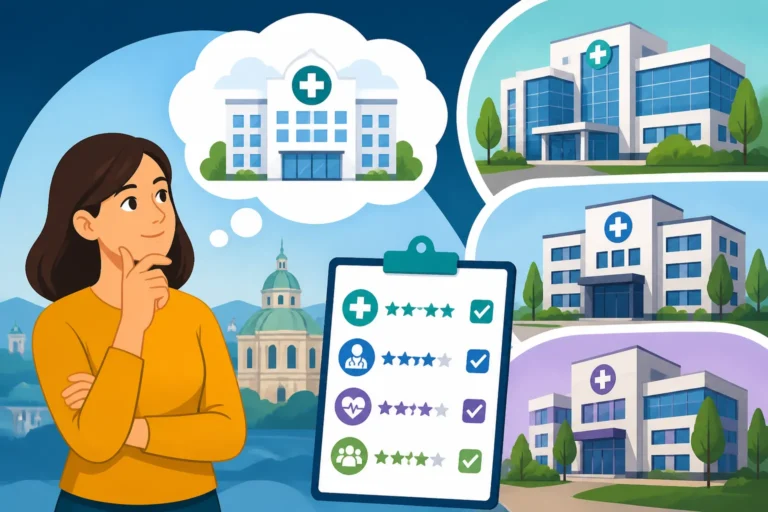
Private clinics, on the other hand, offer more flexibility, but they are still largely appointment-based. These are your best bet if you haven't registered with a GP or need to see a specialist without a referral, but you will pay for it. While some larger private clinics might have a "walk-in" feel to their reception areas, you're usually scheduling a slot even if it's for the same day. It's not quite the same as just turning up at an urgent care centre like you might find in North America or the UK. For more on this, check out our guide on Public vs Private Healthcare in Bulgaria: What Expats Need to Know.
Navigating Urgent Care: When You Can (and Can't) Just Walk In
So, you're not feeling well, or something unexpected has happened, and you need medical attention now. This is where the distinction between an emergency and an urgent, but not life-threatening, situation becomes paramount in Bulgaria.
True Emergencies: The 112 Protocol
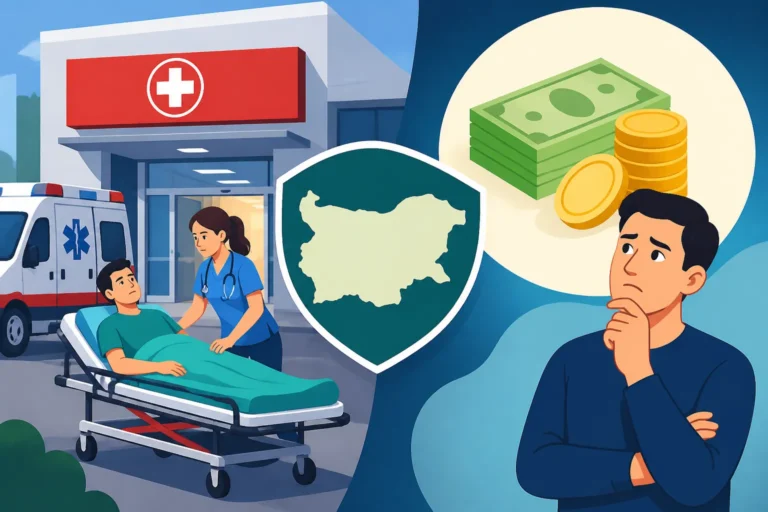
For genuine medical emergencies – think heart attack, severe accident, acute pain that suggests something serious – you should absolutely call 112, the pan-European emergency number. This is for situations where immediate, life-saving intervention is required. Ambulances will respond and take you to the nearest appropriate hospital emergency room. In such cases, your NHIF registration status or lack of an appointment is secondary; getting you stabilised is the priority. However, be prepared that if you are not covered by the NHIF, you will be billed for the services rendered. Having robust private health insurance, like that offered by SafetyWing, is incredibly important for these scenarios, especially when you're new to the country or not fully integrated into the public system. For detailed information on what to do, refer to our guide on Emergency Medical Care in Bulgaria: What Every Expat Needs to Know.
Urgent But Non-Emergency Situations: Your Limited "Walk-in" Options
This is the tricky zone. You have a nasty flu, a high fever, a minor injury, or something that needs attention quickly but doesn't warrant an ambulance. What are your "walk-in" options?
-
Your Registered GP (if you have one): If you are registered with a GP, call them first. Explain your symptoms and emphasize the urgency. They may fit you in for a quick consultation between scheduled appointments, or advise you to come at a specific time. This is the closest you'll get to a "walk-in" for non-emergency issues if you're in the public system.
-
Private Medical Centers/Polyclinics: This is often the most practical route for expats who need urgent, non-emergency care without a GP referral or registration. Large private clinics in cities like Sofia or Plovdiv, such as those associated with the Acibadem City Clinic or Tokuda Hospital Sofia, often have departments or services that cater to urgent consultations. While they prefer appointments, sometimes they can squeeze you in for a basic consultation if you show up early or if there's a cancellation. Crucially, you will pay out-of-pocket for these services. The cost can vary, but expect to pay anywhere from 50 to 100+ BGN for a basic consultation. It's always best to call ahead, even if you're hoping for a walk-in. Ask if they have "emergency consultations" or if a doctor is available for immediate viewing. Remember, the term "emergency" here might just mean "urgent, unscheduled," not necessarily life-threatening. Having private insurance that covers outpatient visits can be very beneficial here; many expats use options like SafetyWing to cover these unexpected needs.
-
Hospital Emergency Rooms (for non-emergencies – generally not recommended): While you can technically walk into a public hospital's emergency room with a non-life-threatening issue, it's generally not advisable and often leads to long wait times. Emergency rooms in Bulgaria, like many places, are designed for critical cases. If your condition isn't deemed critical, you will likely be triaged and placed at the very bottom of the priority list, potentially waiting for many hours, only to be told you should see your GP or a specialist. Use emergency rooms for actual emergencies.
Let's look at a quick comparison of urgent care options:
| Option | Best For | Requires Appointment? | Cost Implications | Wait Times (Typical) | Expat Recommendation |
|---|---|---|---|---|---|
| Registered GP | Urgent, non-emergency for registered patients | Usually, but flexible | NHIF covered (small co-pay) | Short, if squeezed in | First choice if registered. |
| Private Clinic (Calling ahead) | Urgent, non-emergency, no GP registration | Highly recommended | Out-of-pocket (BGN 50-150+), potentially covered by private insurance | Short to moderate | Best option for quick access and English speakers. |
| Private Clinic (Walk-in attempt) | Urgent, non-emergency, no GP registration | Preferred, but possible to try | Out-of-pocket, potentially covered by private insurance | Moderate to long | Call first! |
| Hospital ER (True Emergency) | Life-threatening conditions | No | NHIF covered, otherwise billed (can be expensive) | Immediate to short | Absolutely. Call 112. |
| Hospital ER (Non-Emergency) | Not recommended | No | NHIF covered, otherwise billed | Very long | Avoid if not a true emergency. |
Alternatives to Walk-ins: Planning for Your Healthcare Needs
Given that true "walk-in" clinics for non-emergencies are not a staple in Bulgaria, proactively planning your healthcare strategy is the smart move. This will save you a lot of stress, money, and potentially long waits when you actually need medical attention.
Registering with an English-Speaking GP
This is step one for any expat planning a long-term stay. Finding and registering with a GP (lichen lekar) is your gateway to the public healthcare system. While it can feel like a bureaucratic hurdle, especially if you're navigating it in Bulgarian, it's essential. Many expats find English-speaking GPs, particularly in larger cities like Sofia, Plovdiv, or Varna, who are used to working with foreigners. Once you’re registered, contacting your GP for an urgent appointment is much simpler than trying to find a walk-in spot. They know your medical history (or will start building one), and they can provide referrals to specialists if needed. You can learn more about this process in our guide on How to Choose and Register with a GP (Личен Лекар) in Bulgaria.
Private Health Insurance
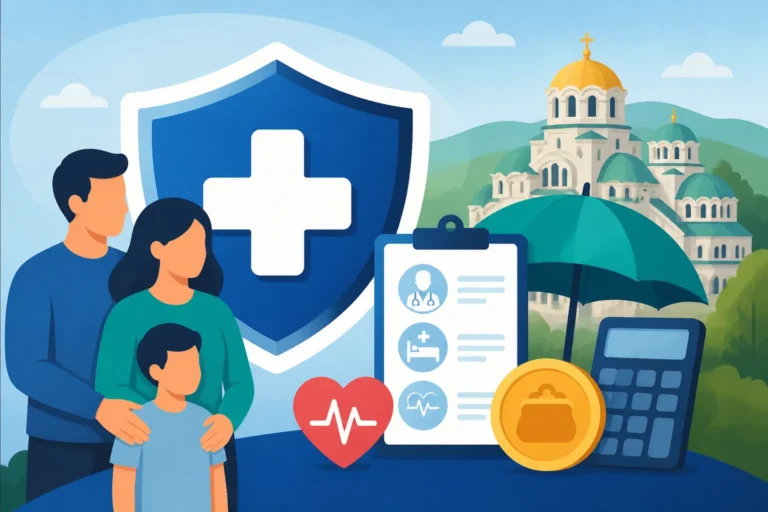
Even if you're enrolled in the NHIF, having private health insurance is often a game-changer for expats in Bulgaria. The NHIF covers a significant portion of medical expenses, but it comes with its own set of rules, referrals, and sometimes wait times. Private insurance allows you to bypass some of these bureaucratic hoops, offering faster access to specialists, private hospital rooms, and a broader choice of clinics and doctors. For those who aren't eligible for NHIF (e.g., certain types of long-stay visa holders or early-stage entrepreneurs), private insurance is not just an alternative; it's a legal requirement and your primary healthcare safety net. Companies like SafetyWing offer flexible and comprehensive plans designed for expats and digital nomads, which can cover everything from routine check-ups at private clinics to unexpected emergencies. It's a fantastic way to ensure you have quick access to quality care without the public system's potential delays or the financial hit of out-of-pocket payments. For those looking into options, our article Health Insurance in Bulgaria: NHIF, Private and International Options Explained can provide a comprehensive overview.
Utilizing Online Resources and Telemedicine
In recent years, telemedicine has seen a rise in popularity in Bulgaria, especially within the private sector. Some private clinics and individual doctors offer online consultations, which can be a convenient option for non-urgent issues or if you simply need advice. While not a "walk-in," it's a quick way to get a professional opinion without leaving your home, often with an English-speaking doctor. Check the websites of major private hospitals like Acibadem City Clinic Tokuda Hospital Sofia or Hill Clinic for their telemedicine options. This can be especially useful for those niggling symptoms you're not sure about, or for quick prescription refills, saving you a trip to a physical clinic.
Practical Tips for Expats: Getting Medical Help in Bulgaria
Navigating a new country’s healthcare system is rarely straightforward, and Bulgaria is no exception. Here are some seasoned tips to help you get the care you need, especially when an unplanned medical issue arises.
Keep Key Documents Handy
Always, always have your essential documents with you. This includes:
- Your Bulgarian ID card (лична карта) or passport.
- Your NHIF health insurance card (здравна книжка) or a copy of your NHIF registration documents.
- Your private health insurance details (e.g., policy number for SafetyWing or other providers).
- Any existing medical records, especially for chronic conditions or allergies.
- A translation app or a Bulgarian-speaking friend if your Bulgarian is limited.
When you show up at a clinic, whether for an appointment or attempting a walk-in, having these readily available will streamline the process immensely. Trying to find them while feeling unwell or in pain is the last thing you want to do. For a more exhaustive list, see What Documents Do I Need to See a Doctor in Bulgaria?.
Learn Key Phrases and Seek English Speakers
While many doctors in larger cities speak some English, especially younger ones or those in private clinics, it's not a guarantee. Learning a few key medical phrases in Bulgarian can be incredibly helpful. Even better, if you have a Bulgarian friend or acquaintance who can accompany you to an appointment, that can make a world of difference. Otherwise, actively seek out clinics known for having English-speaking staff. Websites for private hospitals often list doctors’ languages, or you can call ahead to inquire. Searching for How to Find an English-Speaking Doctor in Bulgaria online will also yield valuable local resources and recommendations.
Be Prepared to Pay Out-of-Pocket Initially
Unless you are fully registered with the NHIF and attending a public facility, assume you will pay for your consultation or treatment upfront. Private clinics almost universally require payment at the time of service. Keep a credit/debit card and some cash on hand for these situations. If you have private health insurance, make sure you understand their reimbursement process. Some insurers, like SafetyWing, might have direct billing agreements with certain providers, but often you'll need to pay and then claim reimbursement. Keep all receipts and medical reports!
Don't Underestimate the Power of a Phone Call
Even if you’re hoping to just show up, a quick phone call can save you a wasted trip and a lot of frustration. Call the clinic or hospital you intend to visit. Clearly explain your situation: you need to see a doctor urgently, you don't have an appointment, and you're an expat (mention if you're not NHIF registered or if you need an English-speaking doctor). They will be able to tell you if they can accommodate you, what the process is, and what the likely cost will be. This small step can make a huge difference in your experience.
Managing Expectations and Validating Frustrations
It’s completely normal to feel a bit lost or frustrated when dealing with a new healthcare system, especially one that doesn't operate like what you're accustomed to. The Bulgarian system has its quirks, and the lack of a widespread "walk-in clinic" culture is definitely one of them. Don't beat yourself up if you find it confusing or if you hit a wall. Every expat goes through it! The key is to understand the system as it is, rather than expecting it to conform to your prior experiences. By being proactive, getting registered with a GP, and considering private insurance, you can significantly smooth out your medical journey here in Bulgaria. It’s all part of the grand adventure of living abroad!
Disclaimer
The information provided in this guide is for general informational purposes only and does not constitute medical, legal, or professional advice. While we strive to keep the information up-to-date and accurate, healthcare regulations and practices in Bulgaria can change. Always consult with a qualified medical professional, legal expert, or relevant government authority for advice tailored to your specific situation.