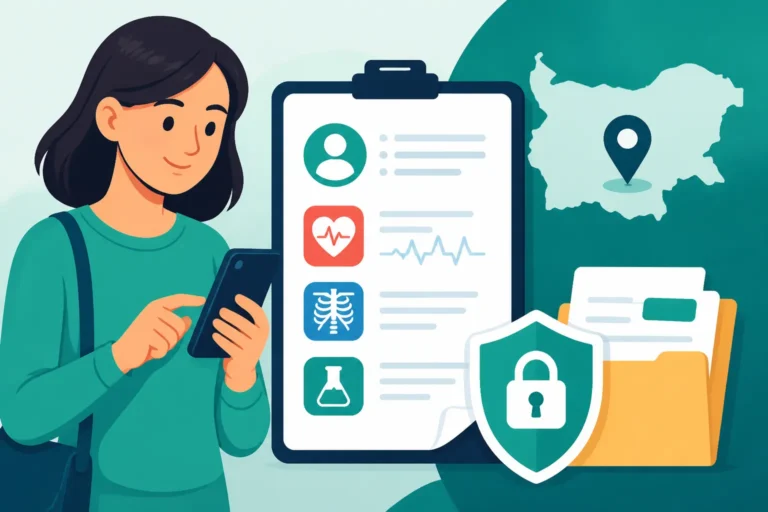
Can I See a Doctor on the Same Day in Bulgaria?
You’ve just woken up with a throbbing headache that won’t quit, a weird rash, or that familiar scratchy throat that screams "I need a doctor, and I need one now." As an expat in Bulgaria, that immediate thought is often followed by a wave of anxiety: "Can I actually see a doctor on the same day here, or am I in for a bureaucratic nightmare and a week-long wait?" It’s a completely valid concern, and one that many of us have faced. This guide is here to cut through the confusion and explain exactly how to navigate same-day medical appointments in Bulgaria, whether it's a minor ailment or something a bit more urgent.
Navigating Urgent Care vs. Routine Appointments in Bulgaria
Let’s be honest, the Bulgarian healthcare system can feel like a labyrinth at times, especially when you're under the weather and just want a straightforward answer. The possibility of a same-day appointment largely hinges on what kind of care you’re seeking and where you're seeking it. It’s not a simple yes or no answer, and understanding the nuances between public and private options is crucial.
The Reality of Same-Day Appointments for NHIF Patients
If you're registered with the National Health Insurance Fund (NHIF) and have a chosen GP (личeн лeкар, lichen lekar), your general practitioner is your first point of contact for almost everything. For routine check-ups, follow-up appointments, or non-urgent concerns, you will almost certainly need to book an appointment in advance. This means calling your GP's office, often battling a busy phone line, and scheduling for a day or two, sometimes even a week, out. It's just how the system works for standard care, aiming to manage patient flow and doctor availability.
The challenge here is two-fold. Firstly, if you're new to the system or haven't yet registered with a GP, getting that initial appointment can be a hurdle. You can't just walk into any GP's office and expect to be seen without prior registration. Secondly, even with a GP, their schedules are often packed. While they strive to accommodate their registered patients, fitting in a last-minute, non-emergency case can be tricky. It's not uncommon to be told to come back tomorrow, or even the day after, unless your symptoms are truly alarming. This can be incredibly frustrating when you’re feeling miserable and just want some immediate relief or reassurance. For a deeper dive into this, you might find our guide on How to Register with the National Health Insurance Fund in Bulgaria and How to Choose and Register with a GP (Личен Лекар) in Bulgaria helpful.
When a Same-Day Appointment is Genuinely Possible
Now, don's despair entirely! While routine same-day appointments are rare, there are situations where you absolutely can get seen quickly by your GP under the NHIF system. This usually falls into the category of "acute urgent conditions" – things that, while not immediately life-threatening, genuinely require medical attention within the next 24 hours. Think sudden high fever, severe pain that wasn't there yesterday, or an infection that's rapidly worsening.
Your GP has a certain allocation of slots for these urgent cases. When you call, make sure to clearly and calmly explain your symptoms and emphasize the urgency. Don't downplay how you're feeling. They might squeeze you in at the end of their morning or afternoon clinic, or ask you to come at a specific time when they have a brief window. It's at the doctor's discretion, and they're usually good at triaging based on the information you provide. However, it's crucial to understand the difference between urgent and a full-blown emergency. For genuine, life-threatening emergencies like a suspected heart attack, stroke, severe accident, or uncontrollable bleeding, you should bypass your GP entirely and call 112 for an ambulance or head straight to an emergency room. Our article on Emergency Medical Care in Bulgaria: What Every Expat Needs to Know covers this in detail.
Private Clinics: Your Best Bet for Immediate Access
If the idea of waiting or navigating the public system while feeling unwell sends shivers down your spine, private healthcare is often the answer. This is where you'll find the most reliable options for same-day doctor visits in Bulgaria.
The Efficiency and Cost of Private Same-Day Consultations
Private clinics operate on a different model. They are designed for convenience, often with shorter waiting times, modern facilities, and English-speaking staff, especially in larger cities like Sofia, Plovdiv, and Varna. If you need to see a doctor today, calling a private clinic is usually your best bet. Many private clinics, such as Acibadem City Clinic Tokuda Hospital, Vita Hospital, or Hill Clinic in Sofia, offer walk-in appointments for GPs or can schedule you with a specialist on very short notice. Some even have online booking systems that show real-time availability.
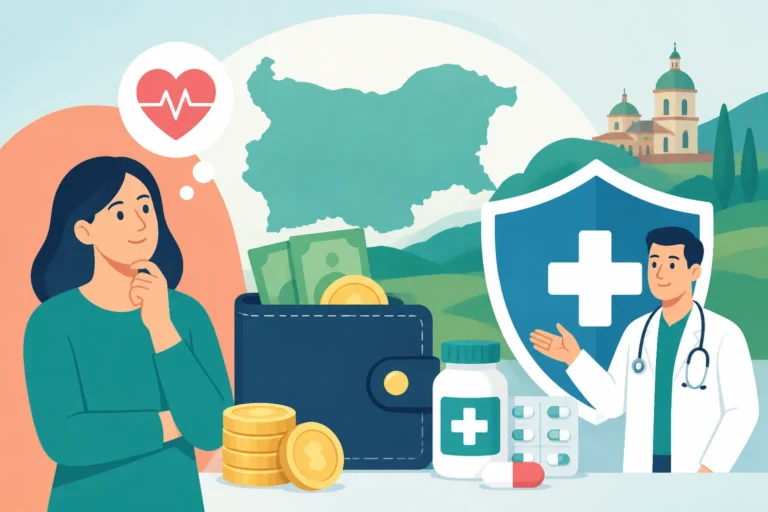
The trade-off, of course, is the cost. While Bulgaria generally has affordable healthcare, private consultations will cost you out of pocket. A typical GP consultation at a private clinic can range anywhere from 50 BGN to 120 BGN, depending on the clinic and the doctor's specialty. Specialist consultations might be higher, perhaps 80 BGN to 150 BGN or more. While these prices are still considerably lower than in many Western countries, they can add up if you need multiple visits or tests. It’s important to ask about the fees upfront when you call to book, so there are no surprises. This is a topic further explored in How Much Does a Doctor Visit Cost in Bulgaria?
The Role of Private Health Insurance for Quick Access
This is where private health insurance truly shines. If you have a comprehensive private health insurance plan, these same-day private clinic visits can often be covered, or at least reimbursed. Many international private health insurance providers operate in Bulgaria and have direct billing agreements with some of the larger private clinics. This means you might not even have to pay upfront; your insurer handles it directly. Even if there's no direct billing, you pay the clinic, submit your receipts, and get reimbursed.
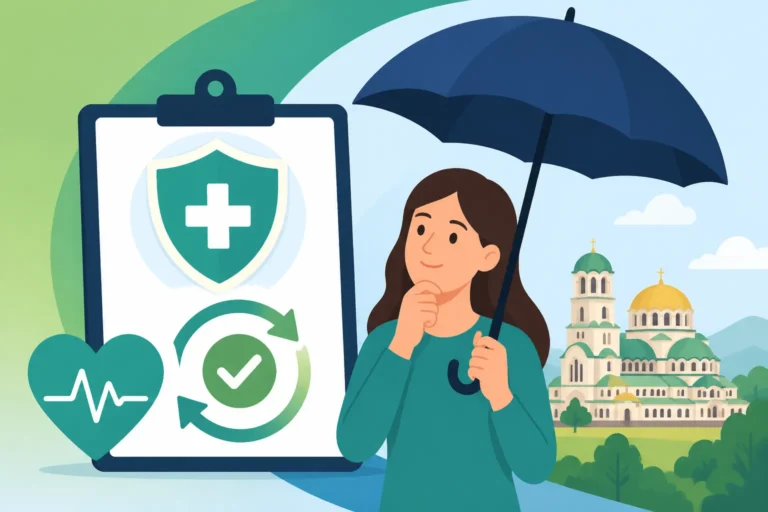
For many expats, especially digital nomads or those who value flexibility, having a good private plan is a game-changer. It offers peace of mind, knowing you can access prompt care without worrying about the immediate financial hit. Companies like SafetyWing, which offers travel medical insurance and comprehensive expat health insurance, are specifically designed for people like us who live and work abroad. Their plans often cover urgent care and doctor visits, making those immediate appointments far less stressful to arrange and pay for. Always check your specific policy details, of course, to understand what’s covered and how to make a claim. For more information, you might want to look into Understanding Private Health Insurance Plans in Bulgaria and How to Buy Private Health Insurance as a Newcomer in Bulgaria.
What to Do in a Genuine Emergency
Sometimes, "same-day" isn't fast enough. It's vital to know the difference between something urgent that needs a doctor's attention today and a full-blown emergency where minutes count.
Understanding Emergency Room Access (Спешна помощ) in Bulgaria
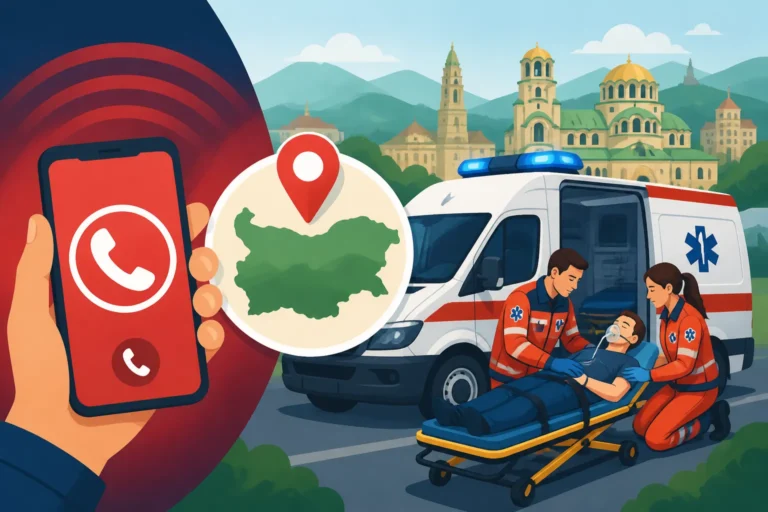
For life-threatening situations, severe injuries, sudden acute illnesses, or anything that feels truly terrifying, you should not be trying to book a GP appointment. This is when you head straight to the emergency room or call the universal European emergency number, 112. When you call 112, you can ask for an ambulance (lineyka – линeйка). They will dispatch medical help to your location.
Public emergency rooms in Bulgaria can be a bit of a culture shock. Expect potentially long waiting times, especially for non-critical cases, and be prepared for language barriers. While doctors and nurses in major cities might speak some English, it's not guaranteed. Facilities can be basic compared to what you might be used to in Western Europe or North America. However, for a genuine emergency, they will provide necessary care regardless of your insurance status. Private hospitals in Sofia and other large cities also often have modern, well-equipped emergency departments (e.g., Acibadem City Clinic Tokuda, Vita Hospital). These generally offer faster service and better amenities, but if you don't have private insurance covering emergencies, you might be required to pay upfront for services rendered. It’s always good to know What Should I Do in a Medical Emergency in Sofia beforehand.
Pharmacy Advice and Minor Ailments
For really minor stuff, like a nagging cough, a light cold, or a minor cut that might just need a disinfectant, don't underestimate the role of your local pharmacist (aptekа – аптека). Bulgarian pharmacists are highly knowledgeable and can often provide excellent advice for self-limiting conditions. They are also empowered to dispense a wider range of medications over-the-counter than you might be used to in other countries, including some antibiotics (though this is becoming more restricted) and stronger pain relievers.
If you're unsure whether you need a doctor or if a simple over-the-counter remedy will suffice, a quick chat with a pharmacist is a great first step. They can help you decide if your symptoms warrant a doctor’s visit, saving you time and potentially money. Just remember, they are not doctors and cannot diagnose serious conditions or prescribe strong medications that require a specialist's input. For more on this, check out Understanding the Pharmacy System and Buying Medicines in Bulgaria.
Practical Steps for Expats Seeking Same-Day Care
Feeling unwell is stressful enough without the added layer of navigating a foreign healthcare system. Here are some practical steps to make seeking same-day care a bit smoother.
Preparing for Your Appointment and Communication
When you're trying to get a same-day appointment, whether public or private, being prepared can make a big difference.
- Documents: Always bring your ID (passport or residence card), your NHIF card (if you have one), and any private health insurance details or cards. If you're using a company like SafetyWing, have your policy number and contact details ready.
- Symptoms: Jot down your symptoms beforehand, including when they started, how severe they are, and any previous medical history that might be relevant. Be as clear and concise as possible.
- Language Barrier: This is often the biggest hurdle. In private clinics, especially in larger cities, you're likely to find English-speaking staff. In public settings, it's less guaranteed.
- Translation Apps: Have Google Translate or a similar app ready on your phone.
- Phrasebook: Learn a few key medical phrases in Bulgarian.
- Bring a Friend: If possible, bring a Bulgarian-speaking friend or colleague with you. This can immensely reduce stress and ensure clear communication.
- Clinic Choice: If you know language is a major concern, prioritize clinics known for their international patient services.
Remember, clear communication is key to getting the right diagnosis and treatment, especially when you need quick care. Don't be afraid to ask for clarification if you don't understand something.
Where to Look for English-Speaking Doctors
Finding an English-speaking doctor can feel like searching for a needle in a haystack if you don't know where to start. However, it's becoming increasingly easier, especially in expat-heavy areas.
- Private Clinics: As mentioned, private clinics are your best bet. Many explicitly advertise English-speaking doctors. In Sofia, major hospitals like Acibadem City Clinic Tokuda, Vita Hospital, or Nadezhda Hospital often have dedicated international patient departments or at least several English-speaking specialists.
- Expat Forums & Social Media Groups: These are invaluable resources. Join local expat Facebook groups for Sofia, Plovdiv, or Varna. Ask for recommendations – you'll often get a flood of helpful suggestions and personal experiences. People are usually very keen to share their positive (or negative) experiences.
- Online Directories: Some online directories, while not always perfectly up-to-date, list doctors and their language capabilities. A quick search for "English speaking doctor Sofia" will yield results.
- Embassy/Consulate Lists: Your home country's embassy or consulate in Bulgaria often maintains a list of English-speaking doctors and medical facilities in the country. This can be a very reliable source.
For a more comprehensive guide on this specific topic, check out How to Find an English-Speaking Doctor in Bulgaria, which provides even more detailed strategies.
| Feature | Public Healthcare (NHIF-covered GP) | Private Healthcare (Clinics/Hospitals) |
|---|---|---|
| Same-Day Access | Difficult for routine, possible for acute urgent conditions | Often readily available for GP & specialists, sometimes walk-in |
| Cost | Covered by NHIF (small co-payment sometimes), usually cheaper | Out-of-pocket, higher cost, but often covered/reimbursed by private insurance |
| Appointments | Typically require advance booking for routine, doctor's discretion for urgent | Can be booked online/phone for same-day, shorter wait times |
| Language | Less likely to find English-speaking staff/doctors, especially outside big cities | High chance of English-speaking staff/doctors, especially in international clinics |
| Facilities | Can be basic, variable standards | Modern, well-equipped, higher comfort levels |
| Insurance | Requires NHIF registration for covered care | Often works with international private health insurance, direct billing possible |
| Emergency | Public ERs for critical, 112 ambulance (long waits possible) | Private ERs for critical (faster, better amenities, potential upfront cost) |
Disclaimer
The information provided in this article is intended for general guidance and informational purposes only, and does not constitute medical, legal, or professional advice. Healthcare regulations and availability in Bulgaria can change, and individual circumstances vary. Always consult with a qualified healthcare professional or legal expert for advice tailored to your specific situation. We strive to keep information up-to-date, but cannot guarantee its absolute accuracy or completeness at all times.