Understanding the Sofia Metro, Tram and Bus Networks
Oh, the joys of navigating a new city's public transport! If you've just landed in Sofia, or are planning a visit, the sheer thought of deciphering the metro, tram, and bus networks can feel like trying to solve a Rubik's Cube blindfolded. Trust me, I've been there, staring blankly at route maps that seemed to be written in an ancient code. But don't fret; this comprehensive guide is here to untangle the wires and tracks, helping you master Sofia's public transit system with confidence and minimal stress.
Getting Around Sofia: An Overview of Public Transport
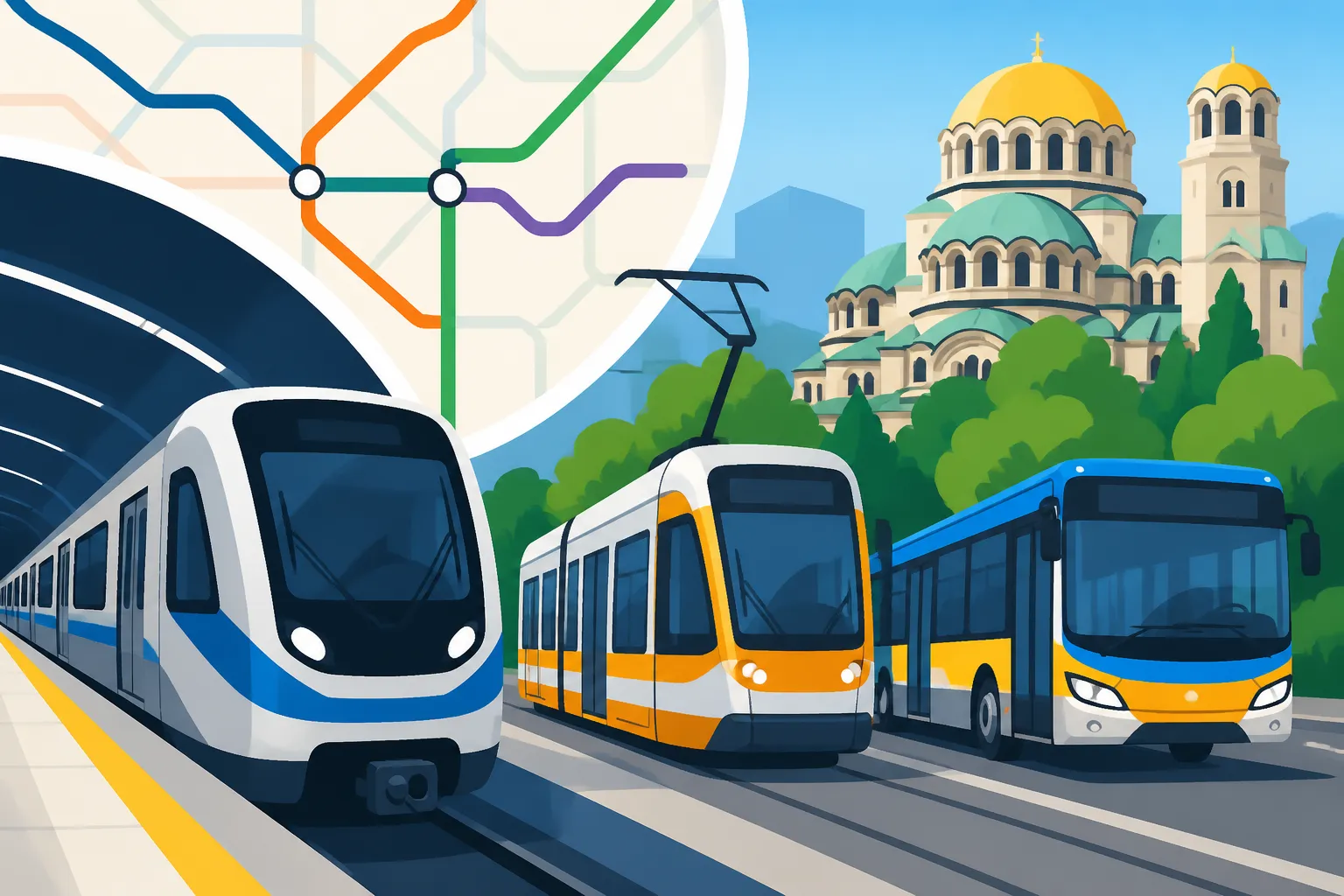
When you first arrive in Sofia, whether you're fresh off a flight or just moved in with the help of international movers like Sirelo, one of your immediate challenges is figuring out how to get from A to B without relying solely on taxis. The city’s public transport system, managed by the Sofia Urban Mobility Centre (SUMC), is actually quite extensive once you get the hang of it. It combines a modern metro with a sprawling network of trams and buses, all designed to connect the various districts of Bulgaria's capital.
The Integrated System: Metro, Trams, and Buses
Sofia's public transport is surprisingly well-integrated, meaning a single ticket or pass often covers all modes of transport within the city. This is a huge relief compared to other European capitals where different companies operate different services, leading to a nightmare of separate tickets. The idea is to make transitions seamless, allowing you to hop off the metro, jump on a tram, and finish your journey on a bus, all with the same validated fare. This interconnectedness is crucial for navigating Sofia's diverse landscape, from its bustling city centre to its quieter residential areas and business parks.
The system is constantly evolving, with new metro stations opening up and older tram lines being refurbished. This can be a bit of a double-edged sword for expats. On the one hand, it means improved connectivity and modern infrastructure. On the other, it can lead to temporary route changes, diversions, and a constant need to check for updates. My advice? Always stay flexible and keep an eye on the SUMC website or local news for any major disruptions, especially during the summer construction season.
Key Benefits and Challenges for Foreigners
For newcomers, the Sofia public transport system offers a mix of conveniences and minor headaches. On the benefit side, it’s incredibly affordable compared to Western European or North American cities. You can travel a significant distance for a fraction of the cost you'd pay elsewhere, which is a major win if you're mindful of your budget and trying to understand the Cost of Living in Bulgaria for Expats. The metro is particularly efficient and often faster than driving through traffic, especially during peak hours. Plus, it’s a great way to experience the city like a local, observing daily life unfold around you.
However, there are challenges. The biggest one for many is the language barrier. While metro signs often have Latin script, bus and tram stops, as well as announcements, are predominantly in Bulgarian Cyrillic. This can make it tricky to identify your stop or confirm your route, particularly on older vehicles without digital displays. Another common frustration is the varied condition of the vehicles; while the metro is modern, some trams and buses are quite old, which can make for a less comfortable ride. Lastly, understanding the ticketing system fully can take a bit of trial and error, but we'll break that down in detail later. For many, the ability to pull up real-time maps on their phone with a reliable mobile data plan, perhaps even using an eSIM from a provider like Airalo, becomes invaluable in overcoming these initial hurdles.
Navigating the Sofia Metro: Your Underground Lifeline
The Sofia Metro is arguably the easiest and most efficient way to get around the city, especially for tourists and new expats. It’s clean, punctual, and increasingly comprehensive, connecting many key areas, including the airport. Once you get a feel for its lines and major stations, you’ll wonder how you ever got by without it. Many expats specifically look for apartments near a metro station for this very reason, understanding How Do I Find an Apartment Near the Metro in Sofia? can significantly improve daily commute quality.
Lines and Key Stations
Currently, the Sofia Metro boasts four lines, each designated by a number and colour, making them relatively easy to distinguish:
- M1 (Red Line): This line runs from Slivnitsa in the northwest, through the city centre (Serdika, SU St. Kliment Ohridski, Vasil Levski Stadium), all the way to Business Park Sofia in the southeast. It’s a vital artery for daily commuters and reaches many popular residential and business districts.
- M2 (Blue Line): Starting from Vitosha in the south, it crosses M1 at the National Palace of Culture (NDK) and continues north to Obelya, also serving the central train and bus stations. This line is incredibly useful for connecting with intercity travel.
- M3 (Green Line): This newer line connects Ovcha Kupel 2 in the southwest to Hadzhi Dimitar in the northeast, passing through important central stations like Medical University, National Palace of Culture (NDK – another interchange!), and Sofia University. It significantly expanded metro access to previously underserved areas.
- M4 (Yellow Line): This line is essentially an extension of M2, starting from Obelya and running through the city centre towards Sofia Airport Terminal 2. It’s an absolute lifesaver for airport transfers, saving you a small fortune on taxi fares.
The true hub of the metro network is Serdika Station, where M1 and M2 intersect. It's located right in the historical heart of Sofia, providing direct access to ancient Roman ruins, major shopping streets like Vitosha Boulevard, and key landmarks. If you're looking to explore the city centre, chances are you'll pass through Serdika. The National Palace of Culture (NDK) station is another major interchange, connecting M2 and M3, serving as a gateway to the southern parts of the city centre.
Operating Hours and Frequency
The Sofia Metro operates quite reliably from early morning until late evening, typically from 5:00 AM to midnight every day. During peak hours (roughly 7:00 AM – 9:00 AM and 5:00 PM – 7:00 PM on weekdays), trains run frequently, usually every 5-7 minutes. Outside of these times, and especially on weekends or late at night, the frequency might drop to every 10-15 minutes. This is still quite good compared to many other cities.
While the schedules are generally consistent, it's always a good idea to check a real-time app if you're cutting it close for the last train or planning a journey during off-peak times. Apps like Google Maps, Moovit, or the official Sofia Traffic app (available for iOS and Android) are fantastic for this. Having a reliable mobile data connection, perhaps through an eSIM from Airalo, means you can check these on the go without hunting for Wi-Fi. It’s a simple trick that eliminates a lot of travel anxiety when you’re not familiar with the city.
Trams and Trolleybuses: Surface Connections and City Views
While the metro speeds you beneath the city, Sofia's trams and trolleybuses offer a charming, if sometimes slower, way to travel on the surface. They provide a different perspective of the city, rumbling past historic buildings, through bustling markets, and into quieter neighbourhoods the metro doesn't reach. For a true taste of local life, hopping on a tram is an essential Sofia experience.
Key Routes and Coverage
Sofia's tram network is extensive, with dozens of lines crisscrossing the city. Trams are particularly useful for shorter distances within the city centre and for reaching areas just outside the metro's direct reach. Some key lines to know include:
- Tram 5: This is a classic, running from the Court of Justice (Съдебна палата) area, past the National Palace of Culture (NDK), and then heading south towards Boyana. It's often used by tourists to get to the foothills of Vitosha Mountain, though you’d need to change to a bus for Boyana Church itself.
- Tram 20 & 22: These lines run through the heart of the city, connecting many central districts. Tram 22, for example, is incredibly useful for reaching the sprawling Zhenski Pazar (Women's Market) and the central train/bus stations from the city centre.
- Tram 18: Another central route connecting Oborishte to the Ivan Vazov neighborhood.
Trolleybuses (the electric buses with overhead lines) complement the tram network, providing efficient, environmentally friendly transport along major boulevards. They are particularly good for getting to areas like Studentski Grad (Student City) or the Geo Milev district, which might not be directly served by the metro or a convenient tram route. They offer similar advantages and challenges to regular buses in terms of navigation and stopping.
Navigating Older vs. Newer Carriages
You'll quickly notice a stark contrast between the various tram cars. Some lines are still served by the older, often rattling, and somewhat basic trams that have been a staple of Sofia for decades. These might lack modern amenities like digital displays, air conditioning, or easy accessibility. They have their own charm, though, feeling like a step back in time. You’ll need to pay close attention to the stops, perhaps counting them or following along with your GPS on your phone if you're unsure.
Then there are the newer, modern trams – often Sleek Siemens or Pesa models – that have been introduced on many lines. These are a joy to ride: quieter, air-conditioned, with clear digital displays announcing the next stops in both Bulgarian and sometimes English. They are also much more accessible for those with prams or wheelchairs. It’s a bit of a lottery what you’ll get, but the newer ones are becoming more common, particularly on the busier routes. My personal experience is that while the older trams can feel a bit like a relic, they reliably get you where you need to go, albeit with a bit more ambient noise!
Buses: Reaching Every Corner of Sofia
The bus network in Sofia is by far the most extensive, reaching virtually every neighbourhood, suburb, and even some villages bordering the city. If the metro takes you quickly to major hubs and the trams offer scenic urban routes, the buses are the capillaries that connect everything else. They are essential for daily life, allowing you to access places like local markets, specific hospitals, or even just your friend's flat in a quiet residential area that feels worlds away from the city bustle.
Major Routes and Destinations
Sofia's buses run on hundreds of routes, making them indispensable for residents. They extend far beyond the city centre, covering vast areas where metro lines simply don't exist. For instance, buses are your primary mode of transport if you need to go deep into residential complexes like Lyulin or Mladost (beyond their metro stations), or if you're heading to business parks and shopping malls not directly linked by the metro. They also serve cultural sites that are a little off the beaten path, such as the National Museum of History or specific parks.
Understanding which bus to take often requires a good navigation app, as remembering all the numbers and their destinations can be overwhelming. Again, Google Maps and Moovit are your best friends here. You simply input your destination, and they will tell you exactly which bus, tram, or metro line to take, including real-time arrival estimates. This is where a robust mobile data connection, perhaps from a provider like Airalo, truly shines, letting you navigate confidently without worrying about finding Wi-Fi.
Night Bus Network
For a long time, Sofia didn't have a reliable night bus service, which meant taxis were the only option after midnight. However, the Sofia Urban Mobility Centre has made strides in recent years by introducing a limited night bus network. These routes typically operate after the regular services cease, usually from around midnight until 4:00 AM. They run less frequently, often every hour or so, and cover major arteries, connecting key districts.
While not as comprehensive as day services, the night buses are a welcome addition for those who enjoy Sofia's nightlife or have late-night work shifts. The routes are often designed to ensure you can get within a reasonable walking distance of most residential areas. Always check the specific night bus routes and schedules on the SUMC website or through a navigation app, as they are less frequent and can be subject to changes. It's a lifesaver if you're out past midnight and want to avoid surge pricing on ride-sharing apps!
Accessibility Concerns and Peak Hour Crowds
One area where Sofia's bus network can be challenging is accessibility. While newer buses are increasingly low-floor and equipped with ramps, many older models still require you to climb a few steps. This can be difficult for people with limited mobility, parents with strollers, or anyone carrying heavy luggage. It's a valid frustration, and while efforts are being made, it's not a universal standard yet.
Another common experience, especially if you're commuting during rush hour, is the sheer volume of people. Buses can get incredibly crowded, particularly on popular routes connecting residential areas to business districts. Personal space becomes a luxury, and you'll quickly learn the art of navigating through a packed bus without causing a stir. It’s part of the authentic Sofia experience, but it’s something to be aware of if you’re sensitive to crowds. If possible, try to travel during off-peak hours for a more comfortable journey.
Ticketing and Payment: Your Guide to Fares
This is often the trickiest part for new arrivals, but once you understand it, it's pretty straightforward. The Sofia Urban Mobility Centre has a unified ticketing system for all public transport modes. Gone are the days of needing separate tickets for each type of vehicle – mostly.
Single Tickets and Day Passes
For occasional travel, a single paper ticket (or "еднократен билет") is your go-to. These are valid for one journey on one specific line – be it metro, tram, or bus. You can buy them from ticket machines at metro stations, from kiosks near major stops, or sometimes directly from the driver on buses and trams (though exact change might be needed, and this practice is being phased out in favour of card payments). Once you have a paper ticket, remember to validate it immediately upon boarding a tram or bus using the orange punch machines. On the metro, you use it to enter through the turnstiles. Crucially, it’s only valid for that single journey, so if you change lines or modes of transport, you need a new ticket.
A much more convenient option for tourists and those planning multiple journeys within a day is the 24-hour day pass ("карта за 24 часа"). This pass allows unlimited travel on all public transport for 24 hours from the moment of first validation. It’s fantastic value if you plan to explore Sofia extensively. There's also a 72-hour pass for longer stays. These are bought from metro station cashiers or larger SUMC kiosks.
Multi-Day and Monthly Cards
For expats settling in or tourists staying longer, getting a Sofia City Card (or "София Електронен Билет") is a game-changer. This is a reloadable plastic card that functions similarly to Oyster cards in London or OYAK in Istanbul. You can load it with multiple single journeys, day passes, or even monthly passes ("месечна карта"). The convenience of tapping a card instead of fumbling for paper tickets is unparalleled.
Monthly passes are particularly popular among residents. They offer unlimited travel for a calendar month and are available for all lines, specific lines (e.g., only metro), or combined options. You can usually get these at metro station cashiers. To get your first Sofia City Card, you'll need to pay a small deposit for the card itself, then load it with your desired travel product. When considering How Much Does It Cost to Rent an Apartment in Sofia in 2026?, factoring in a monthly transport pass is always a good idea for budgeting.
Digital Payment Options
Sofia's public transport system is increasingly embracing modern technology. At most metro stations and on many newer trams and buses, you can now pay directly with your bank card (contactless payment). Look for the yellow card readers. Simply tap your debit or credit card (Visa, Mastercard are widely accepted) when you board. This automatically deducts the cost of a single journey. This is a fantastic option for spontaneity, as you don't need to worry about buying a paper ticket or having exact change.
Furthermore, the Sofia Ticket app (for Android and iOS) is another digital solution. You can purchase digital tickets or passes through the app and validate them using QR codes found on board vehicles or at metro stations. This completely removes the need for physical tickets or cards, provided you have a smartphone and a good data connection. For those moving to Bulgaria, it's worth noting that securing a local SIM card or an eSIM from Airalo early on can simplify these digital payment methods immensely, as well as helping you find Where Can I Find an English-Speaking Doctor in Sofia? if you need one!
Here's a quick overview of ticketing options:
| Ticket Type | Validity | Purchase Location | Pros | Cons |
|---|---|---|---|---|
| Single Journey | 1 trip (transfer not included) | Metro stations, kiosks, sometimes driver, bank card | Cheapest for single, infrequent trips | Requires re-purchase for transfers, easy to forget validation |
| 24-Hour Pass | Unlimited travel for 24 hours | Metro station cashiers, larger SUMC kiosks | Best for tourists, intensive sightseeing | Only for short-term visitors |
| 72-Hour Pass | Unlimited travel for 72 hours | Metro station cashiers, larger SUMC kiosks | Good for longer weekend trips | Still temporary, not for residents |
| Monthly Pass | Unlimited travel for a calendar month | Metro station cashiers, larger SUMC kiosks | Most economical for residents and regular commuters | Requires initial card purchase, commitment for a month |
| Bank Card (Contactless) | 1 trip (transfer not included) | Yellow readers on vehicles/turnstiles | Convenient, no need for cash/tickets, easy for spontaneous trips | Still a single journey fare, need to tap for each trip/mode |
| Sofia Ticket App | Varies (single, day, multi-day) | Smartphone app | Paperless, convenient, good for checking routes | Requires smartphone, data, may not be intuitive for all |
Tips and Tricks for Expats and Tourists
Living in or visiting a new city always comes with a learning curve, and public transport is no exception. Having been through it myself, I've picked up a few pointers that can make your life a lot easier when navigating Sofia.
Overcoming Language Barriers
As I mentioned earlier, the language barrier can be real. While metro announcements might have English, bus and tram stops generally don’t. My top tip is to always use a navigation app with GPS tracking. Google Maps, Moovit, and the official Sofia Traffic app will show you your current location and where your stop is in real-time. This means you don't need to understand the announcement; you can just watch the map and know exactly when to get off. Make sure you have a reliable data plan for this, which is where an eSIM from Airalo can be incredibly helpful for seamless connectivity as soon as you land.
Another helpful trick, especially for bus and tram, is to pay attention to landmarks. If you know you need to get off at a specific church, park, or large building, keep an eye out for it. If you're really stuck, most Bulgarians are generally friendly and willing to help if you politely ask, "Извинете, спирка…?" (Izvinete, spirka…? – Excuse me, stop…?) while pointing to the stop name on your phone.
Real-time Information Apps and Online Resources
Beyond basic navigation, a few apps and online resources can significantly improve your public transport experience:
- Moovit: This app is fantastic for public transport. It offers detailed route planning, real-time arrival and departure information, and even service alerts. It often has more accurate real-time data than Google Maps for Sofia's surface transport.
- Sofia Traffic (for iOS and Android): This is the official app from the Sofia Urban Mobility Centre. It provides up-to-date information on routes, schedules, and any disruptions. It's in Bulgarian, but the map interface is universal.
- SUMC Website (www.sofiatraffic.bg): The official website is available in English and is a treasure trove of information regarding routes, schedules, ticket prices, and important announcements about changes or disruptions. Always worth a quick check before a major journey or if you hear about construction.
Staying informed can help you avoid delays and unexpected detours. For those moving to Sofia, getting familiar with these tools should be high on your priority list alongside sorting out your How Do I Set Up Internet in My Bulgaria Home? and mobile services.
Safety and Etiquette
Generally, Sofia's public transport is safe. However, like any major city, it's wise to be aware of your surroundings, especially during crowded periods or late at night. Pickpocketing can occur on crowded buses, trams, and metro trains, so keep your valuables secure and out of sight. It happens, and it’s a quick operation if you’re not paying attention. Keep your bag in front of you, not on your back, and avoid flaunting expensive gadgets.
In terms of etiquette, Bulgarians generally appreciate polite behaviour. Offer your seat to elderly people, pregnant women, or those with small children. Don’t block the doors, and allow people to exit before you try to board. While Bulgarians aren't known for overly loud conversations on public transport, it's best to keep your phone calls and music volumes low. Remember that eating or drinking on the metro is technically forbidden, and generally frowned upon on other transport modes. Just being mindful and respectful of fellow passengers goes a long way.
Understanding these networks is a core part of settling in, whether you're trying to figure out What Is the Cheapest Way to Commute in Sofia? or just exploring. It makes life so much easier than always relying on a car or taxis, which can also be complicated with How Do I Get a Parking Permit in Bulgaria? and the cost of How Much Is Petrol per Litre in Bulgaria in 2026?.
Conclusion and Final Thoughts for Your Journey
Venturing into Sofia's public transport system might seem daunting at first, but with a little patience and the right tools, you'll quickly become a pro. It’s an efficient, affordable, and often fascinating way to experience the city, connecting you with its vibrant culture and hidden gems. From the modern metro slicing through the city to the charming trams rumbling along historic streets and the ubiquitous buses reaching every nook and cranny, Sofia offers a robust network designed to get you wherever you need to go.
Remember to embrace the learning curve, utilise those invaluable apps, and always keep an eye out for updates from the Sofia Urban Mobility Centre. Before you know it, you'll be navigating Sofia like a seasoned local, perhaps even offering directions to fellow bewildered newcomers. Happy travels on the Sofia Metro, tram, and bus networks!
Disclaimer
Please remember that public transport information, including routes, schedules, and ticketing options, can change. While I strive to provide the most up-to-date and accurate information based on my experience and current available data, it is always advisable to check the official Sofia Urban Mobility Centre (SUMC) website or use real-time navigation apps for the latest details before planning your journey. This guide is for informational purposes only and does not constitute official advice.