Schools and Education in Bulgaria: A Complete Guide for Expat Families
One of the biggest worries for any expat family contemplating a move to Bulgaria, or those already here navigating the early days, is undoubtedly their children's education. Finding the right school can feel like an insurmountable task, especially when you're grappling with a new language, a different cultural context, and an unfamiliar bureaucratic system. This comprehensive guide is here to walk you through the various educational pathways available in Bulgaria, from public institutions to private and international schools, offering insights, practical advice, and a dose of reality to help you make the best decision for your family.
Understanding the Bulgarian Education System
The Bulgarian education system, like many in Europe, has a structured progression from early childhood through to higher education. While it shares some similarities with Western models, there are distinct differences in curriculum, teaching methodologies, and the overall environment that are crucial for expat parents to understand. It’s not just about finding a building; it’s about understanding the entire educational philosophy.
Early Childhood Education Preschool & Kindergarten
For parents of young children, Bulgaria offers a robust system of early childhood education. This typically includes nurseries (ясли, yasli) for children aged up to 3 years old, and kindergartens (детски градини, detski gradini) for those aged 3 to 6 or 7. These institutions are foundational, providing not just care but also early learning opportunities in language, social skills, and basic cognitive development. They are highly valued here, often seen as essential stepping stones before formal schooling begins.
Nurseries are primarily care-focused, though they incorporate play-based learning. Finding a spot, especially in larger cities like Sofia or Plovdiv, can be competitive, requiring applications sometimes a year in advance. Kindergartens, on the other hand, are more structured, preparing children for primary school with activities, games, and basic lessons in Bulgarian. While the vast majority are state-funded, there are private kindergartens that often offer bilingual programs or different pedagogical approaches, like Montessori or Waldorf. For expat families, these private options can be a godsend, easing the language transition for little ones. It's worth noting that while some private options exist, for a comprehensive overview of the costs involved in early childhood care, you might want to explore resources like How Much Does Childcare Cost in Bulgaria?.
Primary and Secondary School Structure
The formal education journey in Bulgaria begins with primary school (начално училище, nachalno uchilishte), which typically covers grades 1 to 4. Children usually start primary school at age 6 or 7. This phase focuses on foundational literacy, numeracy, and general knowledge, taught predominantly by a single class teacher for the initial years. Following primary school, students progress to middle school (прогимназия, progimnazia), spanning grades 5 to 7. Here, subjects become more specialized, taught by different teachers, and the curriculum expands to include more science, history, and foreign languages.
The final stage of compulsory education is secondary school, which is divided into two main types: general high schools (гимназия, gimnazia) and vocational schools (професионални гимназии, profesionalni gimnazii). General high schools typically run from grades 8 to 12, culminating in a matriculation exam (матура, matura) that is essential for university admission. Vocational schools also run up to grade 12 but offer specialized training in various trades or professions, alongside a general education curriculum. The choice between these two often depends on a student's academic interests and future career aspirations.
The Bulgarian Curriculum and Grading System
The Bulgarian national curriculum is comprehensive, covering a broad range of subjects including Bulgarian language and literature, mathematics, history, geography, sciences (biology, chemistry, physics), foreign languages (often English, German, or Russian), IT, arts, and physical education. It’s known for its academic rigor, especially in mathematics and sciences. The approach can be quite traditional, with a strong emphasis on rote learning and factual retention in some subjects.
The grading system uses a scale of 2 to 6, where 6 is excellent, 5 is very good, 4 is good, 3 is sufficient (passing), and 2 is poor (failing). This system is consistent across all levels of schooling, from primary to higher education. Parents receive regular updates on their child's progress through school reports and parent-teacher meetings. For expat parents, understanding this grading system is vital to accurately gauge their child’s academic performance and communicate effectively with teachers. It's a system that can take some getting used to, especially if you come from a country with a 1-10 or A-F grading scheme.
Public Schools in Bulgaria: What to Expect
For many expat families, especially those on a tighter budget or those committed to a deeper cultural immersion, public schools are a primary consideration. These are state-funded institutions, meaning tuition is essentially free for residents. While the concept of "free education" is certainly appealing, it comes with its own set of expectations and potential challenges that are important to weigh.
Enrolment Process for Expats in Public Schools
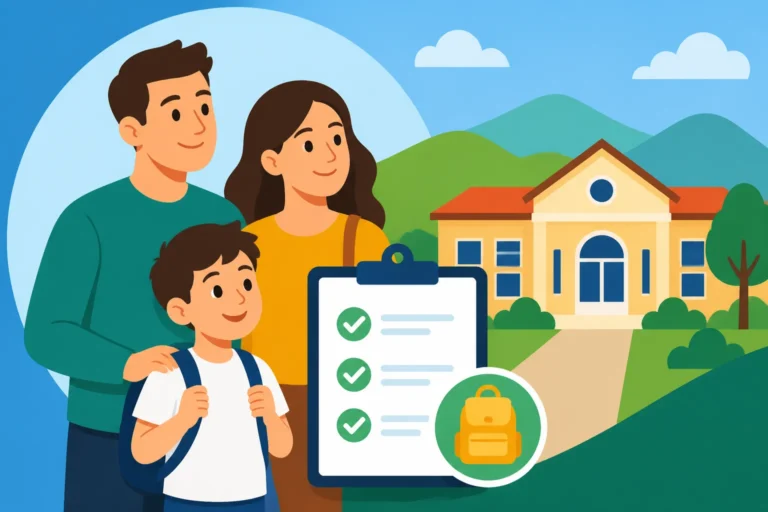
Enrolling your child in a public school in Bulgaria can be a straightforward process, provided you have all your ducks in a row. The general rule is that children are assigned to schools based on their registered address (постоянен адрес, postoyanen adres). Therefore, securing your residency and registering your address are crucial first steps. You’ll need to contact the municipality’s education department or the school directly to inquire about available spots. It’s not uncommon to find that popular schools, especially those with a strong reputation or a designated "international class," fill up quickly.
Key documents typically required include: your child’s birth certificate (translated and apostilled), proof of residency (your Bulgarian ID card or residence permit), vaccination records, and any previous school reports (also translated and apostilled). Depending on the child's age and previous schooling, there might be an assessment to determine their current academic level, particularly in Bulgarian language proficiency. If you’re just starting your expat journey, getting these documents in order can be a challenge, but services like Sirelo can assist with the logistics of moving your life, including the paperwork, to ease the transition for the whole family. For more detailed guidance, consider consulting How Do I Enrol My Child in School in Bulgaria?.
Language Barrier and Integration Challenges
The most significant hurdle for expat children entering the public school system is undoubtedly the language barrier. Instruction is entirely in Bulgarian. While children are incredibly adaptable and often pick up languages faster than adults, the initial period can be tough. Schools generally do not offer dedicated Bulgarian as a Second Language (BSL) support programs, though some progressive schools might have individual teachers who go the extra mile. Your child will likely be immersed and expected to learn on the fly.
This immersion can lead to initial isolation or frustration. Friendships can be harder to form, and understanding lessons can be a constant struggle. Parents often find themselves needing to provide significant after-school support, either by hiring private tutors or dedicating time to help with homework that’s entirely in Bulgarian. The cultural integration aspect also plays a role; classroom dynamics, teacher-student relationships, and even playground games can differ from what your child is used to. Patience, open communication with the school, and external language support are key for a successful integration.
Pros and Cons of Public Education
Let’s be realistic about what public education offers and what it might lack for expat families.
Pros:
- Cost-Effective: The most obvious advantage is that it’s essentially free. While there are small fees for things like textbooks, school trips, or extracurricular activities, the core tuition is covered by the state. This can significantly reduce your The Complete Guide to Cost of Living in Bulgaria for Expats (2026) for a family.
- Full Immersion: For families keen on their children becoming fully proficient in Bulgarian and deeply integrated into local culture, public schools offer unparalleled immersion. This accelerates language acquisition and fosters a strong connection to Bulgarian identity.
- Community Integration: Your children will be attending school with local kids from your neighbourhood, which can lead to family friendships and a stronger sense of belonging within your local community.
- Academic Rigor: Bulgarian public schools generally maintain high academic standards, particularly in core subjects.
Cons:
- Language Barrier: This is the biggest obstacle. Without dedicated BSL support, children can struggle academically and socially in the initial stages.
- Traditional Teaching Methods: The pedagogical approach can be more traditional, focusing on lectures, rote learning, and less on interactive or project-based learning compared to some Western systems.
- Limited Resources: While standards are good, public schools might have fewer modern facilities, technological resources, or extracurricular options compared to private or international alternatives.
- Bureaucracy: Navigating the enrolment process and communicating with school administration can sometimes be challenging due to language differences and bureaucratic processes.
- No International Curriculum: If you plan on moving again, or if university abroad is the goal, the Bulgarian national curriculum might not seamlessly translate to other systems without additional preparation.
For a broader perspective on the differences, you can also look into Understanding the School System Public Private International in Bulgaria.
International Schools: The Popular Expat Choice
For a significant number of expat families, international schools are the go-to option. They offer a familiar educational environment, continuity with curricula from home countries, and a built-in expat community. While they come with a hefty price tag, the perceived benefits often outweigh the financial commitment for many.
Top International Schools in Major Cities Sofia, Plovdiv, Varna
Bulgaria’s international school scene is predominantly concentrated in Sofia, the capital, though Plovdiv and Varna also have a few reputable options. These schools cater to a diverse student body from all corners of the globe, offering various internationally recognized curricula.
In Sofia, some of the most prominent international schools include:
- Anglo-American School of Sofia (AAS): Often considered the top choice for many expats, AAS offers an American-based curriculum leading to the International Baccalaureate (IB) Diploma. It boasts excellent facilities, a wide range of extracurricular activities, and a highly diverse student body and staff. It’s located just outside the city center, which means parents often need to consider transportation. If you're looking for housing options nearby, you might find articles like How Do I Find an Apartment Near International Schools in Sofia? helpful.
- British School in Sofia (BSS): BSS follows the English National Curriculum, culminating in IGCSEs and A-Levels. It’s popular for families seeking a British education pathway. They have multiple campuses catering to different age groups.
- Deutsche Schule Sofia (German School Sofia): For German-speaking families, this school offers the German curriculum and Abitur, providing a strong academic foundation in German.
- French Lycée Victor Hugo: Offering a French curriculum, this school caters to French-speaking families and those interested in a bilingual French-Bulgarian education.
- American College of Sofia (ACS): While not exclusively an international school in the sense of curriculum (it blends American and Bulgarian traditions), it's highly regarded for its English-language instruction and preparatory nature for universities worldwide. It's an excellent option for older students.
In Plovdiv, you’ll find options like the International School of Plovdiv, which often follows a British or IB curriculum. Varna also has emerging international schools, sometimes with a focus on specific national curricula or a broader international approach. It's always best to check their current offerings directly.
Curriculum Options IB, British, American
International schools in Bulgaria generally offer a choice of globally recognized curricula, providing educational continuity and easy transferability if you move again.
- International Baccalaureate (IB): The IB program is offered by schools like the Anglo-American School of Sofia. It's a challenging, inquiry-based curriculum designed to develop students' intellectual, personal, emotional, and social skills, preparing them for university and global citizenship. It’s recognized worldwide and encourages critical thinking and independent learning.
- British Curriculum: Schools following the British curriculum, such as the British School in Sofia, typically teach the English National Curriculum, leading to International General Certificate of Secondary Education (IGCSE) exams at age 16 and A-Levels at age 18. This pathway is very familiar to families from the UK and many Commonwealth countries and is highly respected by universities globally.
- American Curriculum: This curriculum typically offers a broad, liberal arts education with a focus on holistic development. It often includes Advanced Placement (AP) courses for older students, which can grant university credit. It emphasizes student choice and a well-rounded education.
Choosing the right curriculum often depends on your home country's system, your future relocation plans, and your child's learning style.
Admission Requirements and Fees
Admission to international schools typically involves a multi-step process. Families usually start by submitting an application form, along with previous school reports, academic transcripts, and sometimes a teacher recommendation. Many schools require an entrance exam or assessment, particularly for English proficiency and core subjects like maths. An interview with the student and parents is also a common step. Due to the high demand, it's advisable to apply well in advance, sometimes a year or more before your intended start date.
The fees for international schools are substantial. They can vary widely depending on the school's reputation, facilities, and the grade level. For instance, annual tuition fees for the Anglo-American School of Sofia can range from €15,000 to €25,000 or more per year, plus additional costs for application fees, enrolment fees, capital levies, technology fees, extracurricular activities, and transportation. Other international schools in Sofia and other cities might be slightly less, but still represent a significant investment. For a detailed look at the financial implications, articles like How Much Are International School Fees in Sofia? or Are International Schools Expensive in Bulgaria? offer more information. While this might seem steep, many expat packages include educational allowances that cover these costs.
Private Bulgarian Schools: An Alternative
Beyond the public and international school systems, there's another compelling option: private Bulgarian schools. These institutions follow the national curriculum, so the language of instruction is Bulgarian, but they operate independently of the state. This private model allows them greater flexibility in terms of class sizes, facilities, and often, teaching methodologies, providing a middle ground for families who want a Bulgarian curriculum with enhanced resources and a more personalized approach.
Key Differences from Public Schools
While adhering to the same national curriculum and grading system as public schools, private Bulgarian schools typically distinguish themselves in several key areas:
- Class Sizes: One of the most significant differences is the smaller class sizes. This allows for more individualized attention from teachers, fostering a more nurturing learning environment. In a public school, a class might easily have 25-30 students, whereas a private school might cap it at 15-20.
- Facilities and Resources: Private schools generally boast superior facilities, including modern classrooms, well-equipped science labs, dedicated art and music studios, sports complexes, and often more extensive libraries and technological resources. They might also have air conditioning, which is a major plus during the hotter months!
- Extracurricular Activities: A wider array of extracurricular activities is usually on offer, from advanced language clubs and robotics to various sports, arts, and drama programs. This holistic approach aims to develop students' talents beyond academics.
- Enhanced Language Programs: While instruction is in Bulgarian, many private Bulgarian schools offer intensified foreign language programs, often starting English or German earlier and with more hours per week than their public counterparts. Some might even offer bilingual elements in certain subjects.
- Parent Involvement: There can be a stronger sense of community and more opportunities for parent involvement, with schools actively encouraging participation in events and governance.
- Safety and Environment: Private schools often have stricter security measures and a more controlled, sometimes perceived as more disciplined, learning environment.
These differences mean that while the academic content is similar to public schools, the overall educational experience can feel quite different.
How to Choose a Private Bulgarian School
Choosing a private Bulgarian school involves careful consideration, as the options can be varied in terms of ethos, academic focus, and cost.
- Define Your Priorities: What's most important to you? Is it small class sizes, specialized academic programs, extensive extracurriculars, a particular pedagogical approach, or a strong emphasis on foreign languages?
- Research and Shortlist: Look into schools in your desired area. Websites like Uchi.bg or local expat forums often have lists and reviews. Don't just rely on online information; visit the schools if possible.
- School Visits and Open Days: This is crucial. Visit the schools during open days or schedule a private tour. Pay attention to the atmosphere, the condition of the facilities, and how students and staff interact. Ask about their approach to student welfare and integration.
- Curriculum Enhancements: Inquire about their foreign language programs. How many hours per week are dedicated to English? Are there native-speaking teachers? Do they offer any support for children whose first language isn't Bulgarian?
- Talk to Other Parents: Expat networks are invaluable. Reach out to other expat parents who have children in private Bulgarian schools to get their firsthand experiences and recommendations.
- Consider Location and Logistics: Think about the commute. Many private schools offer transport services, but this will add to the cost and travel time.
Remember, while tuition is involved, it's generally significantly less than international schools, making it a viable alternative for many expat families.
Cost and Benefits
The cost of private Bulgarian schools can vary significantly, usually ranging from 3,000 BGN to 10,000+ BGN per year, depending on the school's reputation, location (Sofia schools tend to be more expensive), and the facilities offered. This usually covers tuition, but additional fees for uniforms, textbooks, meals, and certain extracurricular activities are common.
Benefits of Private Bulgarian Schools:
- Enhanced Learning Environment: Smaller classes, better facilities, and often more modern teaching approaches can lead to a more engaging and effective learning experience.
- Strong Language Skills: While teaching in Bulgarian, these schools often provide superior foreign language instruction, allowing children to become truly bilingual.
- Holistic Development: A wider range of extracurricular activities promotes well-rounded development, uncovering and nurturing various talents and interests.
- Local Integration with Support: Children are immersed in the Bulgarian curriculum and culture, but with added support and resources that can ease the transition compared to public schools.
- Flexibility and Innovation: Being privately run, these schools can often adapt more quickly to modern educational trends and parental feedback.
For families who want their children to learn Bulgarian, integrate culturally, but still benefit from a higher standard of facilities and a more individualized approach than public schools might offer, private Bulgarian schools present a compelling and often cost-effective compromise.
Higher Education in Bulgaria for Expats
Once primary and secondary education are sorted, families with older children or individuals planning to pursue further studies will naturally look towards higher education. Bulgaria has a well-established university system, offering a wide range of programs that attract both local and international students. Many of these universities are increasingly welcoming to foreigners, offering courses in English and providing a pathway to internationally recognized degrees at a more affordable price point than many Western European or North American institutions.
Bulgarian Universities and International Programmes
Bulgaria boasts several reputable universities, particularly in its major cities. The most well-known are typically in Sofia, such as Sofia University "St. Kliment Ohridski" (the oldest and largest university), the Technical University of Sofia, the Medical University of Sofia, and the University of National and World Economy. Plovdiv, Varna, and Veliko Tarnovo also host significant universities.
In recent years, many Bulgarian universities have made a concerted effort to attract international students by offering programs taught entirely in English, particularly in fields like medicine, dentistry, pharmacy, engineering, and business. These international programs often maintain high academic standards and are popular with students from across Europe and beyond who are seeking quality education without the exorbitant tuition fees found elsewhere. For those considering university, it’s worth noting that your child’s How to Get Your Foreign Qualification Recognised in Bulgaria might be a step in the application process.
Admission for Foreign Students
The admission process for foreign students can vary slightly between universities and programs, but generally involves a few key steps.
- Application: Prospective students typically need to submit an application form, along with copies of their secondary school diploma or equivalent qualification, academic transcripts, and a passport copy. These documents usually need to be translated into Bulgarian and legalized (apostilled).
- Recognition of Diploma: A crucial step is the recognition of your foreign secondary education diploma by the Bulgarian Ministry of Education and Science. This process certifies that your qualification is equivalent to a Bulgarian diploma.
- Language Proficiency: For English-taught programs, you'll need to demonstrate English language proficiency through standardized tests like IELTS or TOEFL. Some universities might also offer their own internal English exams or accept proof of prior education in English.
- Entrance Exams: Depending on the program, especially for highly competitive fields like medicine, students may need to sit for entrance exams in subjects like biology and chemistry, usually conducted in English.
- Visa and Residence Permit: Once accepted, non-EU students will need to apply for a Type D long-stay visa, followed by a student residence permit. This is a separate, but essential, administrative hurdle, as outlined in guides like How to Apply for a Student Residence Permit in Bulgaria.
It’s advisable to start the application process well in advance, as document legalization and recognition can take time. For more general advice on applying, you can read How to Apply to a Bulgarian University as an International Student.
Language of Instruction and Support Services
As mentioned, an increasing number of programs are offered in English, particularly in high-demand fields. This makes higher education in Bulgaria accessible to a broader international audience without the immediate need for Bulgarian language proficiency. However, for daily life and full cultural immersion, learning some basic Bulgarian is always beneficial. Many universities offer Bulgarian language courses for international students, which is a fantastic opportunity to integrate more deeply into the local community.
Universities also generally provide a range of support services for international students, including:
- International Relations Offices: These offices are your first point of contact for admission, visa, and residence permit queries, as well as general support.
- Academic Advising: Guidance on course selection, academic performance, and navigating the university system.
- Accommodation Support: Help with finding student dormitories or private accommodation.
- Career Services: Assistance with internships, job searching, and career development within Bulgaria or internationally.
These support systems are designed to help international students adapt to their new academic and living environment, making the transition smoother and more rewarding.
Navigating the Challenges: Tips for Expat Parents
Moving to a new country with children is exhilarating but also incredibly challenging. When it comes to education, the transition can be particularly fraught with anxiety. As an expat parent, you're not just enrolling your child in a school; you're helping them navigate a whole new world. Here are some seasoned tips to help you and your family thrive.
Language Learning and Support
For children in public or private Bulgarian schools, mastering the language is paramount.
- Early Start: If your children are young, enrolling them in a Bulgarian kindergarten is often the fastest and most effective way for them to pick up the language naturally, through play and social interaction.
- Private Tutoring: Consider hiring a private Bulgarian tutor, especially in the initial months, to supplement school learning. A tutor can help with homework, explain concepts in a way your child understands, and build confidence.
- Immersive Activities: Encourage participation in local clubs, sports, or community activities. This provides informal opportunities to practice Bulgarian outside of school and make local friends.
- Media and Books: Expose your children to Bulgarian cartoons, films, and age-appropriate books. Even simple picture books can help with vocabulary acquisition.
- Be Patient and Positive: Language acquisition takes time. Celebrate small victories and avoid pressuring your child too much. Your positive attitude will make a huge difference.
Remember, children are incredibly resilient, and while the initial struggle is real, most will become fluent faster than you think.
Cultural Adjustment for Children
Beyond language, cultural adjustment is a significant aspect of moving abroad. Bulgarian schools, even international ones, will have a different culture from what your children are used to.
- Open Communication: Talk openly with your children about their experiences. Ask about their day, what they found confusing, or what made them happy. Validate their feelings of frustration or excitement.
- Learn Together: Engage with Bulgarian culture as a family. Try local foods, celebrate Bulgarian holidays, learn traditional dances, or visit historical sites. This shared experience can make the cultural differences less intimidating.
- Connect with Other Expats: Seek out other expat families, particularly those with children of similar ages. Shared experiences and advice can be incredibly supportive.
- Prepare for Differences: Discuss potential differences in classroom dynamics (e.g., more formal teacher-student relationships in public schools), social etiquette, and even school meal practices.
- Encourage Independence: Moving abroad can be a huge growth opportunity for children, fostering independence and adaptability. Give them space to figure things out, while offering a strong support base.
Finding Resources and Support Networks
You don’t have to do this alone. Bulgaria has a growing expat community, and numerous resources exist to help families.
- Expat Forums and Social Media Groups: Online groups (e.g., "Expats in Sofia," "Parents in Bulgaria") are invaluable for asking questions, getting recommendations for tutors or schools, and connecting with other families.
- School Parent Associations: Most international and private schools have active parent-teacher associations (PTAs or similar) which are fantastic for networking and getting involved. Even in public schools, try to connect with other parents.
- Community Centers and Libraries: Look for local community centers (читалища, chitalishta) or libraries that might offer children's programs, language classes, or cultural events.
- Embassies and Cultural Institutes: Your national embassy or cultural institutes (like the British Council, Goethe-Institut, Alliance Française) often have resources for expat families and can sometimes provide lists of English-speaking services.
- Utilize Connectivity: When you're new and trying to navigate everything, reliable mobile connectivity is key. Having an eSIM from a provider like Airalo can ensure you're always connected, whether you're calling schools, looking up directions, or staying in touch with your support network back home. It's a small detail that makes a big difference in reducing stress during those initial weeks.
By actively seeking out information and connecting with others, you'll build a robust support system for your family in Bulgaria.
Special Educational Needs and Learning Support
For expat families with children who have special educational needs (SEN) or require additional learning support, navigating the Bulgarian education system can present a unique set of challenges. While there has been progress in inclusive education, the system's capacity and approach may differ from what you are accustomed to in your home country. It’s crucial to understand what’s available and how to advocate for your child effectively.
Identifying and Assessing Special Needs
The first step, if you suspect your child has SEN or if they already have an existing diagnosis, is to understand how these needs are recognized and assessed within the Bulgarian context.
- Prior Documentation: If your child has an existing diagnosis and support plan from your home country, bring all documentation with you. Ensure these reports are comprehensive, translated into Bulgarian, and apostilled. This will be invaluable in communicating your child’s needs to Bulgarian educators and specialists.
- Local Assessment: In Bulgaria, formal assessment for SEN is typically conducted by a specialized diagnostic commission (usually through the Regional Center for Support of the Process of Inclusive Education – РЦПППО). This commission involves psychologists, special educators, and speech therapists who evaluate the child to determine the nature and degree of their special educational needs.
- Cultural Differences in Diagnosis: Be prepared for potential differences in diagnostic criteria or terminology. What might be clearly recognized as a specific learning difficulty in one country might be viewed differently or categorized under a broader umbrella in Bulgaria.
- Early Intervention: For younger children, early identification and intervention are key. If you have concerns about your child's development, seek professional advice as soon as possible.
The process can be bureaucratic and require patience, but having clear documentation and a persistent approach will help.
Available Support in Public and Private Settings
Once a child's special needs are identified and recognized, the type and extent of support available will vary depending on the school setting.
- Public Schools: Bulgarian public schools are mandated to provide inclusive education, meaning children with SEN should be integrated into mainstream classrooms. Schools should have special education teachers (ресурсни учители, resursni uchiteli), psychologists, and speech therapists. However, the availability and quality of these specialists can vary significantly between schools, particularly outside of major cities. Support might include individual education plans (ИПЛ, individualen plan za razvitie), adaptive teaching materials, and one-on-one sessions with resource teachers. The reality, however, can sometimes mean limited resources or specialists, particularly for complex needs.
- Private Bulgarian Schools: Some private Bulgarian schools may offer more robust SEN support due to smaller class sizes and greater resources. They might have dedicated learning support departments, in-house psychologists, or closer links with external therapists. However, this is not universal, and you should thoroughly investigate a school's specific SEN provision before enrolling. Do not assume that "private" automatically means extensive SEN support; ask direct, detailed questions.
- International Schools: International schools, especially the larger ones like the Anglo-American School of Sofia or the British School, often have well-developed learning support departments and dedicated SEN coordinators. They are generally more equipped to provide individualized support, adapt curricula, and have experience with a wider range of learning differences from different national contexts. They might offer in-class support, pull-out sessions, and work closely with external therapists. However, for very complex or severe needs, even international schools may have limits to the support they can provide.
It’s essential to have frank conversations with school admissions and learning support teams about your child's specific needs and the exact provisions they can offer before making a decision.
Advocating for Your Child's Needs
Being an expat parent of a child with SEN means you will likely need to be a strong advocate for your child.
- Be Informed: Understand your child's diagnosis thoroughly and be able to articulate their needs clearly to educators.
- Communicate Constantly: Maintain open and regular communication with teachers, resource teachers, and school administration. Don’t wait for parent-teacher conferences if you have concerns.
- Bring an Interpreter: If your Bulgarian isn't fluent, always bring a trusted interpreter to meetings to ensure accurate communication of complex information.
- Know Your Rights (and the System): Familiarize yourself with Bulgarian legislation regarding inclusive education. While the laws exist, implementation can be patchy. Knowing what the law says can help you in discussions.
- Build a Network: Connect with other expat parents of children with SEN in Bulgaria. They can offer invaluable advice, share resources, and provide emotional support.
- Seek External Professionals: You may need to rely on external private therapists (e.g., speech therapists, occupational therapists, child psychologists) who are often easier to find in larger cities and some may even offer services in English. Integrate these services with the school's efforts where possible.
Advocacy can be tiring, but your persistence and dedication are crucial for ensuring your child receives the education and support they deserve in Bulgaria. It's a journey that demands patience, research, and proactive engagement.
Disclaimer
The information provided in this guide is intended for general informational purposes only and does not constitute legal, financial, or educational advice. While we strive to keep the content up-to-date and accurate, regulations, policies, and school offerings in Bulgaria can change without notice. Expats should always verify specific requirements, fees, and procedures directly with the relevant educational institutions, government bodies, or qualified legal/educational professionals. Individual experiences may vary.