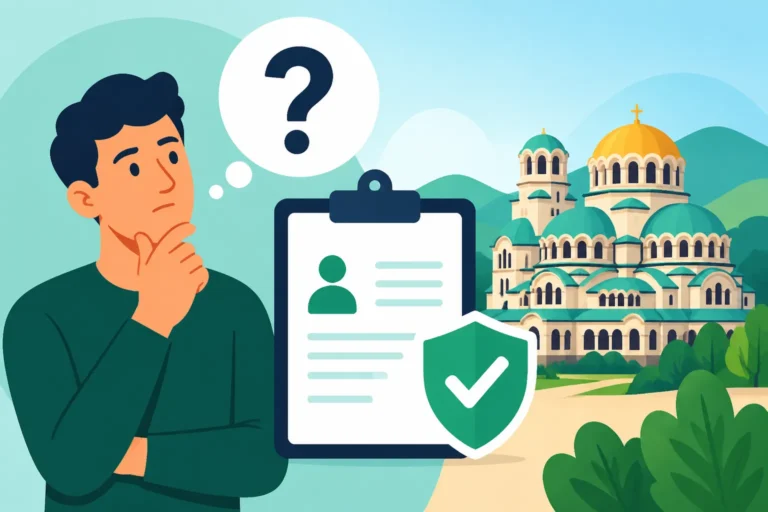
Can I Study and Work at the Same Time in Bulgaria?
Let's be honest, studying abroad is incredible, but it rarely comes cheap. Many of us expats, especially those pursuing higher education in Bulgaria, quickly find ourselves grappling with a common dilemma: can I actually work to support myself while I’m hitting the books? Navigating the labyrinth of student visas, residence permits, and local labour laws can feel like wading through treacle, and the last thing you want is to accidentally break a rule. This guide is here to untangle it all, offering you a realistic, step-by-step look at how to legally and practically balance your studies with part-time work in Bulgaria.
Unpacking Student Work Rights in Bulgaria: Who Can Do What?
The question of whether you can work while studying in Bulgaria isn't a simple yes or no; it largely depends on where you're from and the type of permit you hold. Bulgaria, being part of the European Union, has different rules for its own citizens, other EU nationals, and those from outside the bloc. Understanding these distinctions is your first, and most crucial, step.
The Golden Ticket: EU/EEA/Swiss Citizens
If you're lucky enough to hail from an EU, EEA (European Economic Area), or Switzerland, you've already won half the battle. For you, the process is wonderfully straightforward compared to your non-EU peers. As an EU/EEA/Swiss citizen studying in Bulgaria, you essentially have the same rights to work as a Bulgarian national. This means you generally don't need a separate work permit. You just need to ensure you've registered your residency with the local authorities if you plan to stay for more than three months, a relatively simple administrative task compared to the hoops non-EU students jump through. You can pretty much hit the ground running once your university enrolment is confirmed and your residency registration is sorted. You're free to seek employment in any sector, be it part-time during term or full-time during your breaks, without the added bureaucratic stress.
The Hurdles: Non-EU Students and Their Permits
Now, for those joining us from outside the EU/EEA/Switzerland, the path is a bit more winding, but certainly not impossible. First and foremost, you'll need a Type D long-stay visa to enter Bulgaria, which is typically issued for study purposes. Once you arrive, you’ll then apply for a student residence permit at the Migration Directorate. This permit is absolutely key, as your right to work is intrinsically tied to its conditions.
The good news is that non-EU students are generally allowed to work. However, there are typically restrictions. Most student residence permits in Bulgaria will permit you to work for a limited number of hours per week during the academic year – usually around 20 hours. When your university is on official holiday (like summer or winter breaks), these restrictions often loosen, allowing you to work full-time. The crucial part here is that your employer usually needs to apply for a work permit or registration on your behalf with the Employment Agency. This isn't something you can do independently; it’s an application that an employer initiates to formalize your employment status as a student. Always, always check the specific conditions stamped on your student residence permit or with the Migration Directorate directly. You can find detailed information on applying for your visa and permit in our guide on How to Apply for a Type D Long-Stay Visa for Bulgaria and also How to Apply for a Student Residence Permit in Bulgaria.
Understanding Your Limits: Hours, Breaks, and More
Regardless of your nationality, there are general principles regarding student employment that you need to be aware of. For non-EU students, the 20-hour weekly limit during term time is strictly enforced. Employers are obliged to adhere to this, and exceeding it could put your student visa and residence permit at risk. It’s not just a suggestion; it’s a legal requirement designed to ensure your primary focus remains on your studies. During official university holidays, you can typically work full-time, which is a fantastic opportunity to earn more substantial income.
It's also worth noting that some industries or roles might have specific requirements. For instance, highly regulated professions might require prior qualification recognition, even if you’re only working part-time. Always ensure that any job offer aligns with the stipulations of your student status. Don't be shy to ask potential employers about how they manage student work permits and hours, as reputable companies will be well-versed in the regulations. You might find more specific information about student working hours in Bulgaria by checking out How Many Hours Can a Student Work in Bulgaria per Week?.
The Grind and the Glory: Balancing Studies and Employment
The dream of earning extra cash while studying is one thing, but the reality of juggling lectures, assignments, and a job can be a tough balancing act. It requires serious discipline, good planning, and an understanding of the local environment.
Juggling Books and Bills: Strategies for Time Management
Let's face it, university life is demanding, and adding a job on top can feel overwhelming. Many expats find themselves stretched thin trying to make ends meet while maintaining their academic performance. The key here is ruthless time management. Think about your class schedule, study time, and even social life. Prioritize your studies – that’s why you’re in Bulgaria, after all! Look for flexible jobs, perhaps those with evening or weekend shifts, or roles that offer varying hours depending on your academic load.
For example, working at a call center or in hospitality often provides shifts that can be adapted around your timetable. Some students find that early morning shifts before classes or late evening shifts after a full day of study work best. Hypothetically, if you have morning lectures, an afternoon-to-evening shift could be ideal. Conversely, if your classes are later in the day, a morning shift at a cafe or bakery could fit perfectly. Don't underestimate the power of a solid weekly schedule, mapping out your commitments to keep burnout at bay.
Bridging the Gap: Language and Skill Sets for Bulgarian Jobs
One of the biggest hurdles for many expat students seeking work in Bulgaria is the language barrier. While English is widely spoken in international business, tourism, and certainly among younger generations in cities like Sofia and Plovdiv, many day-to-day jobs still require at least a basic understanding of Bulgarian. It’s a common frustration, isn't it? You might be fluent in three other languages, but if Bulgarian isn't one of them, it limits your options.
However, don't despair! There are definitely opportunities for English speakers, especially in the outsourcing and IT sectors that have flourished in Bulgaria. Customer support roles, teaching English, or working in international hostels often require only English. For those jobs where Bulgarian is a plus, even showing an effort to learn the language can make a huge difference to potential employers. Investing in some language lessons, perhaps through platforms like iTalki, can significantly expand your job prospects and help you integrate better into local life. Even learning a few key phrases for customer interaction can open doors.
Knowing Your Worth: Essential Worker Rights for Students
Working in a new country means understanding a new set of rules – specifically, your rights as an employee. In Bulgaria, all employees, including students, are protected by the Labour Code. This means you're entitled to a written employment contract, a minimum wage, proper working conditions, and annual leave. Unfortunately, some less scrupulous employers might try to take advantage of foreign students who aren't familiar with their rights.
Always ensure you have a formal contract detailing your hours, pay, and responsibilities. The current minimum wage in Bulgaria is something you should definitely know, and you can delve deeper into this in our article about Understanding the Minimum Wage and Average Salary in Bulgaria. If you ever feel that your rights are being violated, or if an employer is asking you to work excessive hours off the books, don't ignore it. Seek advice from your university's career centre, student unions, or even local legal aid services. Knowing Understanding Bulgarian Labour Law and Worker Rights (2027) is not just good practice, it's essential for your protection.
Hunting for Opportunities: Where Students Find Work in Bulgaria
So, where do you actually find these elusive student-friendly jobs in Bulgaria? It's not always advertised on prominent international job boards, but there are plenty of avenues if you know where to look and who to talk to.
Typical Student Jobs: From Cafes to Call Centers
Many student jobs in Bulgaria fall into sectors that thrive on part-time and flexible labour. Hospitality is a big one: cafes, restaurants, bars, and hotels, especially in bustling student cities like Sofia and Varna, or popular tourist destinations. These roles often have shifts that align well with student timetables. Retail is another common area, with part-time positions available in shops and malls.
For those with stronger English skills, the burgeoning Business Process Outsourcing (BPO) and IT sectors offer excellent opportunities. Companies often hire for customer support, data entry, or even entry-level tech roles that specifically seek multilingual talent. These roles are usually in a more professional environment and can provide valuable experience for your future career. For instance, a student of computer science in Plovdiv might find a part-time junior developer role, while a humanities student in Sofia might land a role in an English-speaking customer service centre.
Tapping Into Networks: University and Expat Communities
Don't underestimate the power of your university network. Most Bulgarian universities, especially those with international student populations, have career services or student support offices that can help you find part-time work. They often have connections with local businesses looking to hire students and can provide advice on CV writing and interview skills tailored to the Bulgarian market. Check university bulletin boards, both physical and online.
Beyond the university, the expat community in Bulgaria is a fantastic resource. Online forums, Facebook groups for expats in Sofia, Plovdiv, or Varna, and even local meet-ups can be invaluable. People share job leads, advice, and contacts. Word-of-mouth is still a powerful tool in Bulgaria, so don't be afraid to strike up conversations and let people know you're looking for work. You never know who might have a connection or hear about an opening!
The Digital Frontier: Freelancing and Remote Possibilities
For maximum flexibility, especially if your skills lean towards digital work, freelancing and remote opportunities can be a game-changer for students. This allows you to set your own hours, work from anywhere, and tailor your workload around your academic commitments. Think about online tutoring (again, platforms like iTalki are great if you're a native English speaker, or fluent in another language), content writing, graphic design, social media management, or virtual assistant roles.
The beauty of remote work is that it often doesn't depend on your proficiency in Bulgarian, as you might be working for clients based elsewhere. However, it's crucial to understand the legalities of working as a freelancer in Bulgaria. It’s not simply a matter of earning money; you need to register as a self-employed person or "freelancer" (свободна професия) with the relevant authorities. This involves some paperwork and understanding your tax obligations. For a full breakdown, check out our guide on How to Register as a Freelancer (Свободна Професия) in Bulgaria. This route offers incredible autonomy but comes with its own set of administrative responsibilities.
Beyond the Paycheck: Financial and Legal Safeguards
While earning money is the immediate goal, understanding the financial and legal implications of working as a student in Bulgaria is paramount. Ignorance of the law is never an excuse, and getting things wrong can lead to costly fines or even jeopardize your residency status.
Navigating the Tax Labyrinth: Income and Social Contributions
Let's talk money, but more specifically, the money you don't get to keep. Bulgaria has a very attractive flat tax rate of 10% on personal income, which is certainly a draw for many. However, even as a student earning part-time, if you're employed, your income will be subject to this tax, along with mandatory social and health insurance contributions. These contributions cover things like pension, unemployment, and illness benefits, and are usually deducted directly from your salary by your employer.
If you're working as a freelancer, the responsibility to declare your income and pay your taxes and contributions falls squarely on your shoulders. This can feel daunting when you're already juggling studies. For many, navigating the Bulgarian tax system requires a bit of help. Websites like Taxes for Expats specialize in guiding foreigners through the complexities of international tax obligations, and they can be a lifesaver when you're trying to figure out your annual return. We have a comprehensive guide that breaks down Understanding Income Tax and the Flat 10% Rate in Bulgaria and also Understanding Income Tax and Social Contributions for Employees in Bulgaria. Don't forget that accurate record-keeping of your earnings and expenses is essential for tax purposes.
Staying Healthy: Health Insurance for Working Students
Health is wealth, and that's especially true when you're far from home. Your health insurance situation as a student in Bulgaria is closely tied to your work status. If you are formally employed under a Bulgarian contract, your employer will contribute to the National Health Insurance Fund (NHIF) on your behalf as part of your social security contributions. This means you will become a public health insured person, giving you access to the state healthcare system.
However, if you are a non-EU student who isn't formally employed, or if you're solely relying on private insurance (which is often a requirement for your student visa), you need to understand how these systems intersect. If you start working, ensure your existing private insurance policy is still adequate, or that your new employment status correctly enrolls you in the NHIF. You definitely don't want any gaps in your coverage. Our guide on Health Insurance in Bulgaria: NHIF, Private and International Options Explained is a must-read, and it's also worth Understanding Mandatory Health Insurance Contributions in Bulgaria.
Avoiding Pitfalls: Protecting Yourself from Exploitation
Unfortunately, where there are foreign students needing work, there can sometimes be unscrupulous individuals or businesses looking to take advantage. The best way to protect yourself is to be informed and cautious. Never accept a job that asks you to work "off the books" or without a written contract. This leaves you vulnerable, with no legal recourse if something goes wrong, and could even jeopardize your residence permit.
Be wary of offers that sound too good to be true, or those that demand upfront payments for training or uniforms before you've even started. Always verify the legitimacy of an employer. If you're a non-EU citizen, ensure your employer is aware of your student visa restrictions and is willing to apply for the necessary work registration/permit for you. If you ever feel pressured, exploited, or unsafe, reach out to your university, a student union, or even local labour inspection agencies. There are resources available, and you don't have to face such situations alone.
| Citizenship/Visa Status | Work Permit Required | Max Hours During Term | Max Hours During Holidays |
|---|---|---|---|
| EU/EEA/Swiss Citizen | No | No official limit | No official limit |
| Non-EU Student (with valid student residence permit) | Yes (Employer applies for registration) | ~20 hours/week | Full-time |
| Non-EU Tourist Visa | No | No | No |
Disclaimer
The information provided in this article is intended for general guidance and informational purposes only. While we strive to ensure accuracy, immigration laws, labour regulations, and tax policies in Bulgaria can change frequently. It is always recommended to consult with official government sources, a qualified legal professional, or an immigration expert for advice tailored to your specific situation.