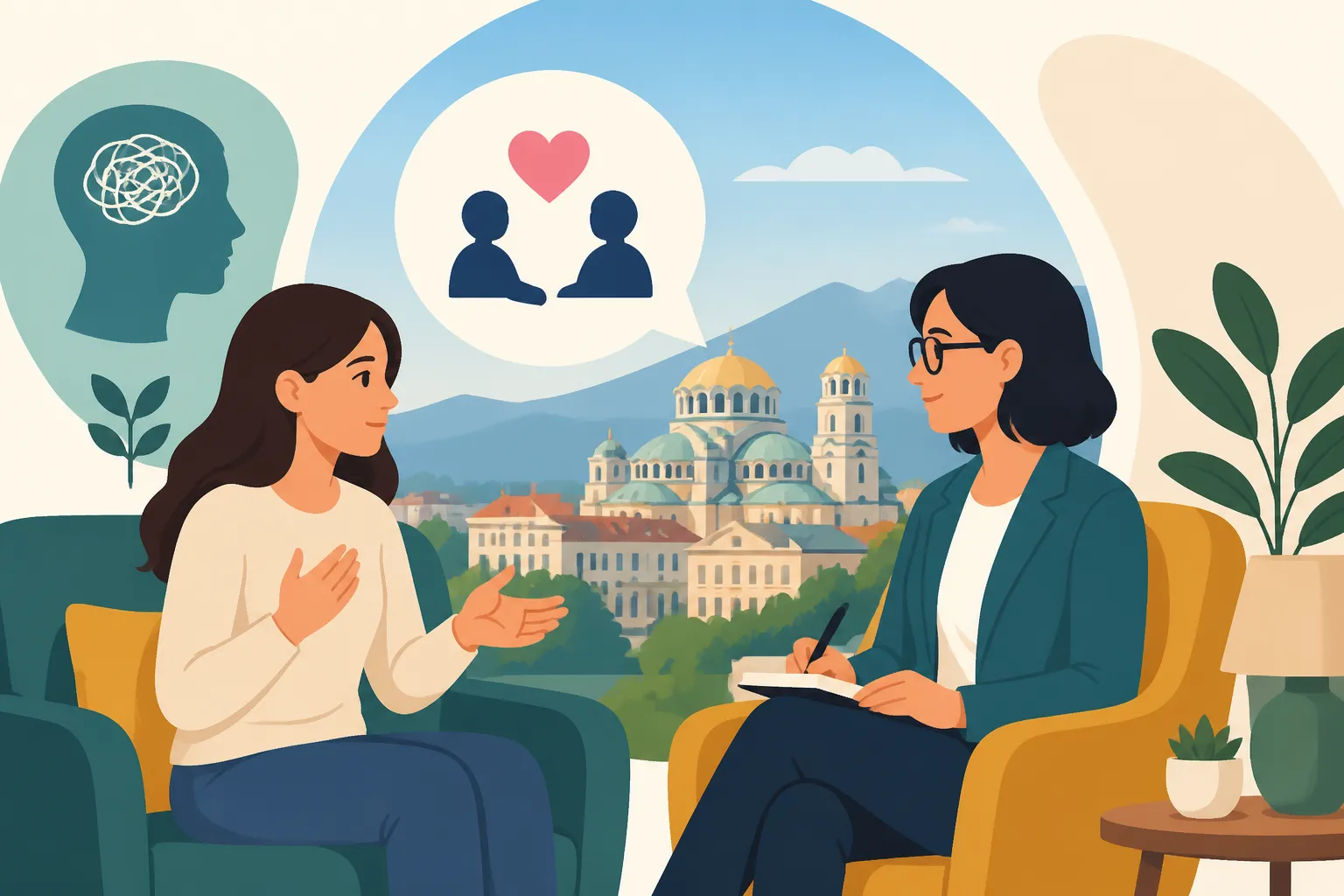
Can I Get Counselling or Therapy in English in Bulgaria?
Moving to a new country like Bulgaria, with all its charm and challenges, is an adventure. But let's be honest, it can also be incredibly isolating and stressful. When you're dealing with the emotional rollercoaster of expat life—homesickness, culture shock, administrative hurdles, or just the everyday grind in a foreign land—finding someone you can talk to, truly talk to, in your native language is not just a comfort, it's often a necessity. This guide is here to walk you through exactly how to find counselling and therapy in English in Bulgaria, because your mental well-being is just as important as your physical health, and you deserve support that understands you.
The Expat Mental Health Maze in Bulgaria
Being an expat comes with a unique set of stressors. You’re often far from your established support systems, navigating a new culture, and trying to build a life from scratch. It’s easy to feel overwhelmed, and for many, that stress can manifest in anxiety, depression, or a general feeling of being lost.
Beyond Homesickness: The Silent Struggles
It’s more than just missing your mum’s cooking or your favourite coffee shop. Expat life can chip away at you in subtle ways. You might experience chronic low-level stress from constantly deciphering new rules, dealing with bureaucracy, or even just daily interactions where language is a barrier. Perhaps you left a stressful job back home, only to find the "relaxed" pace here comes with its own set of frustrations, like slower service or different work ethics. The constant feeling of being an "outsider" can be incredibly draining, even in a welcoming country like Bulgaria. For some, existing mental health conditions can be exacerbated, while others might develop new challenges simply due to the immense pressure of relocation and adaptation. It’s not a weakness to admit you’re struggling; it’s a sign of strength to seek help, especially when you’re in an environment that might not always overtly acknowledge mental health in the same way you’re accustomed to.
The Language Barrier: When Words Fail You
Imagine trying to explain nuanced feelings like existential dread, imposter syndrome, or subtle anxieties to someone through a translator or in a language you’re still mastering. It’s nearly impossible to convey the depth and complexity of your emotions when you’re struggling to find the right vocabulary. This is where the language barrier becomes a truly formidable obstacle in accessing effective mental health support in Bulgaria. Even if a Bulgarian therapist has a good grasp of English, there can be cultural nuances or idiomatic expressions that get lost in translation, potentially hindering the therapeutic process. For therapy to be truly effective, you need to feel understood, not just heard. You need to be able to articulate your deepest fears, frustrations, and hopes without the added cognitive load of translation, which is why finding a counsellor who shares your native tongue or is completely fluent in English is paramount for many expats. It's about feeling truly seen and truly understood in a deeply personal process.
Where to Begin Your Search for English-Speaking Support
Okay, so you’ve acknowledged the need for support, which is the biggest step. Now, where do you actually find these elusive English-speaking therapists in Bulgaria? The good news is that options exist, but you might need to broaden your search beyond traditional Bulgarian methods.
The Digital Lifeline: Online Therapy Platforms
In today's interconnected world, geographical boundaries are becoming less of a hindrance, especially when it comes to mental health. Online therapy platforms have truly been a game-changer for expats everywhere, and Bulgaria is no exception. Services like BetterHelp, Talkspace, and countless independent online therapists offer counselling sessions via video call, chat, or phone, all in English.
The biggest advantage here is the sheer breadth of choice. You're no longer limited to the handful of English-speaking professionals who happen to reside in Sofia or Plovdiv. You can connect with licensed therapists from your home country, or from anywhere in the world, ensuring a deeper cultural understanding and native language fluency. This can be incredibly comforting for those dealing with specific cultural adjustments or those who simply prefer a therapist who understands their background without needing explicit explanation. Scheduling is often more flexible, too, accommodating different time zones and busy expat schedules. While it might feel less personal than an in-person session at first, many people find the convenience and privacy of online therapy to be incredibly beneficial. Plus, if you're out in a smaller town in Bulgaria where English-speaking professionals are almost non-existent, this becomes your absolute best bet. Just make sure you have a reliable internet connection!
Tapping into Local Expat Networks
Sometimes, the best resources aren't found through official channels, but through the invaluable wisdom of those who have walked the path before you. Expat communities in Bulgaria, particularly in larger cities like Sofia, Plovdiv, and Varna, are vibrant and surprisingly supportive. Facebook groups like "Expats in Sofia," "Bulgaria Digital Nomads," or similar local groups can be goldmines for recommendations.
Don't be shy about posting a query asking if anyone knows an English-speaking therapist, counsellor, or psychologist. Chances are, someone in the group has been in your shoes and can offer personal insights or direct referrals. Word-of-mouth recommendations are often the most trusted, as they come with a personal endorsement. These groups can also provide information on expat-focused events, support groups, or even informal meet-ups where you can share experiences and reduce feelings of isolation, which, while not therapy, can be a valuable part of your mental well-being strategy. Remember, while recommendations are helpful, always do your own vetting to ensure the professional is licensed and a good fit for your specific needs. This might involve a preliminary chat or an initial consultation to gauge compatibility.
Navigating Bulgarian Healthcare for Mental Health
When it comes to the official Bulgarian healthcare system, finding an English-speaking therapist can feel like searching for a needle in a haystack. While the public system, covered by the How Bulgaria's Health System Works: The NHIF and Private Care Explained (2027), does offer mental health services, these are primarily handled by psychiatrists and often come with significant language barriers and a more medical approach, focusing on medication rather than talk therapy.
However, some private hospitals and clinics in larger cities, particularly Sofia, are increasingly catering to the expat community. Institutions like Acibadem City Clinic Tokuda Hospital Sofia or some private polyclinics might have departments or specialists who speak English. These facilities often have more resources and a clearer pathway to finding English-speaking staff, or at least someone who can provide a referral to an external English-speaking professional. You might start by contacting their patient services or international departments to inquire about mental health support. While you might not find a dedicated English-speaking therapist on staff for long-term talk therapy directly within the public NHIF system, these private clinics can be a crucial first step for initial assessment, diagnosis, or even referrals to private practitioners. Always call ahead and explicitly ask about English-speaking mental health professionals before making an appointment, as availability can vary widely. Understanding how to find and register with a clinic or doctor in Bulgaria, even if it's just for an initial consultation, is a key first step.
Deconstructing the Costs: What to Expect Financially
Money matters, especially when you’re managing expat finances. Understanding the financial implications of seeking therapy in Bulgaria is crucial so there are no nasty surprises down the line.
Public System NHIF Realities for Therapy
Let’s be frank: relying solely on the National Health Insurance Fund (NHIF) for comprehensive, English-speaking talk therapy or counselling in Bulgaria is generally not a realistic option for most expats. While the NHIF does cover certain mental health services, primarily psychiatric consultations, diagnostics, and some hospitalizations, the focus is often on crisis intervention and medication management rather than ongoing psychotherapy.
The chances of finding an English-speaking psychologist or psychotherapist who operates within the NHIF system are exceedingly slim. Even if you manage to find a psychiatrist who speaks English and is covered by the NHIF, their approach might be more clinical, focusing on pharmacological treatments rather than in-depth counselling. Referrals within the NHIF system typically require you to first register with a GP, and navigating this process in English can be another hurdle. Many expats find the administrative complexities and language barriers within the public system to be too challenging for sensitive mental health needs. For a deeper dive into the overall costs, you can read The Cost of Healthcare in Bulgaria: A Complete Breakdown for Foreigners (2026). Therefore, if talk therapy in English is what you need, it's almost certainly going to be a private expense.
Private Pockets and Insurance Policies
This is where most expats will find their solution for English-speaking therapy in Bulgaria. Private practice therapists and clinics offer a much higher likelihood of finding professionals fluent in English and often experienced with expat issues. However, this comes at a cost. Session fees can vary significantly depending on the therapist's experience, location (Sofia typically being more expensive), and the type of therapy offered. You can generally expect to pay anywhere from 60 to 150 BGN (approximately €30-€75) per 50-minute session. Some highly specialized or internationally recognized therapists might charge more.
When it comes to insurance, the situation is nuanced. Standard Bulgarian private health insurance plans, while excellent for covering physical ailments, often have limited or no coverage for outpatient mental health services like psychotherapy. It's absolutely crucial to scrutinize the terms and conditions of your policy. If you're considering purchasing private health insurance, specifically ask about mental health coverage, including psychological consultations and psychotherapy sessions. Don't assume it's included, because often it's not, or it's limited to a very small number of sessions.
Some international health insurance plans, however, are much more comprehensive when it comes to mental health. If you have an international plan, or are considering one, check if it covers outpatient psychological services, and if there are any limitations on the number of sessions or choice of provider. Companies like Cigna Global, Aetna International, or similar providers often have better mental health benefits that might allow you to claim back some of your therapy costs, even if you pay upfront. While general travel insurance like SafetyWing provides excellent emergency medical coverage for digital nomads and travelers, specific long-term therapy often requires a dedicated private health insurance plan with robust mental health benefits. It's crucial to scrutinize the fine print of any private health insurance in Bulgaria or international policy regarding mental health. For more on private insurance, check out How Much Does Private Health Insurance Cost in Bulgaria in 2026?.
Exploring Accessible and Low-Cost Options
While private therapy can be a significant investment, there might be a few other avenues to explore for more accessible or lower-cost support, though finding them in English can add another layer of complexity.
One option could be university psychology departments. Some universities in Bulgaria, particularly those with English-language programs, might have psychology clinics where students (under supervision) offer therapy at reduced rates. This is more common for general counselling rather than specialized therapies, and English availability would need to be confirmed directly. This avenue often comes with a bit of a waiting list, but it could be a viable option if budget is a primary concern.
Another possibility is community support groups. While not formal therapy, peer support groups, often organized through expat networks or NGOs, can provide a safe space to share experiences and receive emotional support. While these are usually free or very low cost, their availability in English and focus on specific mental health issues can vary widely. It’s worth checking expat forums and local listings for such groups in your area.
Finally, some therapists might offer a sliding scale fee based on income, but this is less common in Bulgaria and would require direct negotiation. Don’t be afraid to ask during an initial consultation if there’s any flexibility, but also respect their professional rates. Sometimes, even finding a short-term, low-cost intervention can provide enough support to get you through a difficult period, and then you can re-evaluate your long-term needs and financial capacity.
Here’s a quick overview of the differences between online and in-person therapy:
| Feature | Online Therapy (English) | In-Person Therapy (English) |
|---|---|---|
| Availability | High (global pool of therapists) | Moderate to Low (limited local professionals) |
| Language & Culture | Easy to find native speakers/culturally aware therapists | Easier to find, but still limited within Bulgaria |
| Convenience | Very high (from home, flexible scheduling) | Lower (travel, fixed appointments) |
| Cost | Varies widely, potentially competitive, often subscription-based | Higher for private sessions, rarely covered by NHIF |
| Privacy | High (from your own space), but depends on platform security | High (clinic setting) |
| Insurance Coverage | May be covered by international plans, rarely by local private | May be covered by international plans, rarely by local private |
| Tech Requirements | Stable internet, device | None |
| Sense of Connection | Can be strong, but some prefer face-to-face | Often perceived as more direct, non-verbal cues |
Making the Connection: Practical Tips for Finding Your Therapist
So you’ve got an idea of where to look and what to expect financially. Now, how do you actually make that crucial connection and ensure you find the right person? It’s a bit like dating, but for your brain!
The Art of Vetting and First Impressions
Finding the right therapist isn't just about finding someone who speaks English; it's about finding someone who is a good fit for you. This process requires a bit of detective work and trust in your gut feeling. First, always verify their credentials. In Bulgaria, look for licensed psychologists (психолози) or psychotherapists (психотерапевти). You might also encounter counsellors (консултанти). Don't hesitate to ask about their qualifications, certifications, and professional affiliations. Experienced therapists will usually list these on their websites or be happy to provide them upon request.
Once you’ve shortlisted a few, many therapists offer a brief initial consultation, often free or at a reduced rate. This is your chance to ask questions, explain your situation, and gauge their approach. Do they sound empathetic? Do they seem to understand your expat experience? Crucially, do you feel comfortable talking to them? Pay attention to their experience with clients from diverse cultural backgrounds or those specifically dealing with expat challenges. A therapist familiar with the nuances of living abroad will likely offer more relevant and understanding support. Trust your instincts here; a good therapeutic relationship is built on trust and comfort.
Bridging Cultural Gaps in Therapy
Even with an English-speaking therapist, cultural differences can sometimes subtly influence the therapeutic process. Bulgarian culture, generally speaking, tends to be more reserved when it comes to openly discussing personal problems, especially mental health issues. While this doesn't mean Bulgarian therapists are unequipped, their training or societal norms might lead to a different approach than what you're used to from your home country.
For instance, the stigma around mental health is slowly lessening in Bulgaria, but it’s still more prevalent than in some Western European or North American cultures. This means that a Bulgarian therapist might be more direct, or less inclined to delve into certain topics immediately without a clear indication from you. Be prepared to articulate your expectations and what you're looking for from therapy. If you prefer a more directive approach, say so. If you need a space for open-ended exploration, communicate that too. A good therapist, regardless of their cultural background, will adapt to your needs, but it helps if you are proactive in expressing them. This open communication is key to building a strong therapeutic alliance and ensuring your sessions are productive and culturally sensitive.
The Nitty-Gritty: Appointments, Payments, and Privacy
Once you've found a therapist you connect with, it's time to sort out the practicalities.
- Appointments: Most private therapists in Bulgaria operate on an appointment-only basis. They often use online booking systems or communicate via email or phone. Be clear about your availability and preferred mode of communication. It's a good idea to clarify their cancellation policy upfront.
- Payments: As mentioned, most private therapy will be out-of-pocket. Clarify payment methods: bank transfer, cash, or online payment (e.g., Revolut, PayPal, or Wise are popular among expats here). Some therapists might require payment in advance, while others will bill after each session. Always get a receipt, especially if you plan to seek reimbursement from an international insurance provider. When you're dealing with paying for healthcare privately, understanding How Do I Pay for a Doctor Visit in Bulgaria? can provide additional context on payment options.
- Privacy and Confidentiality: Confidentiality is a cornerstone of therapy everywhere, and Bulgaria is no exception. Licensed professionals are bound by ethical codes and data protection laws (including GDPR if they are operating within the EU). Your sessions and personal information are strictly confidential. Feel free to ask your therapist about their privacy policy if you have any specific concerns. This level of trust is fundamental for you to feel safe enough to truly open up and engage deeply in the therapeutic process.
Finding mental health support in English in Bulgaria might require a bit more legwork than you're used to, but it's absolutely achievable. Don't give up on finding the help you need; you're not alone in this journey, and there are resources and professionals ready to support you.
Disclaimer
The information provided in this guide is intended for general informational purposes only and does not constitute professional medical, psychological, or legal advice. While we strive to provide accurate and up-to-date information, the landscape of healthcare and expat services in Bulgaria can change rapidly. Always consult with a qualified mental health professional or relevant legal/medical expert for advice tailored to your specific situation. We are not responsible for any actions taken based on the information provided herein.