Is It Cheaper to Get Dental Work Done in Bulgaria?
The staggering cost of essential dental work in many Western countries can be truly soul-crushing. You’re often faced with the grim choice: empty your savings or live with discomfort. This guide aims to shed light on Bulgaria as a viable, often significantly more affordable, option for quality dental care, helping you understand the real costs and how to navigate the system as an expat or visitor.
The Allure of Bulgarian Dental Care: Why Expats Look East
Let's be honest, for many of us living abroad or even just looking for alternatives, the idea of "dental tourism" often starts with a single, pressing question: Can I actually save a significant amount of money without sacrificing quality? When it comes to Bulgaria, the answer is a resounding "yes" for a great many common and complex dental procedures. This isn't just about a minor cleaning; we're talking about major reconstructive work that can cost an arm and a leg back home.
The Cost Factor: A Major Driver for Dental Tourism
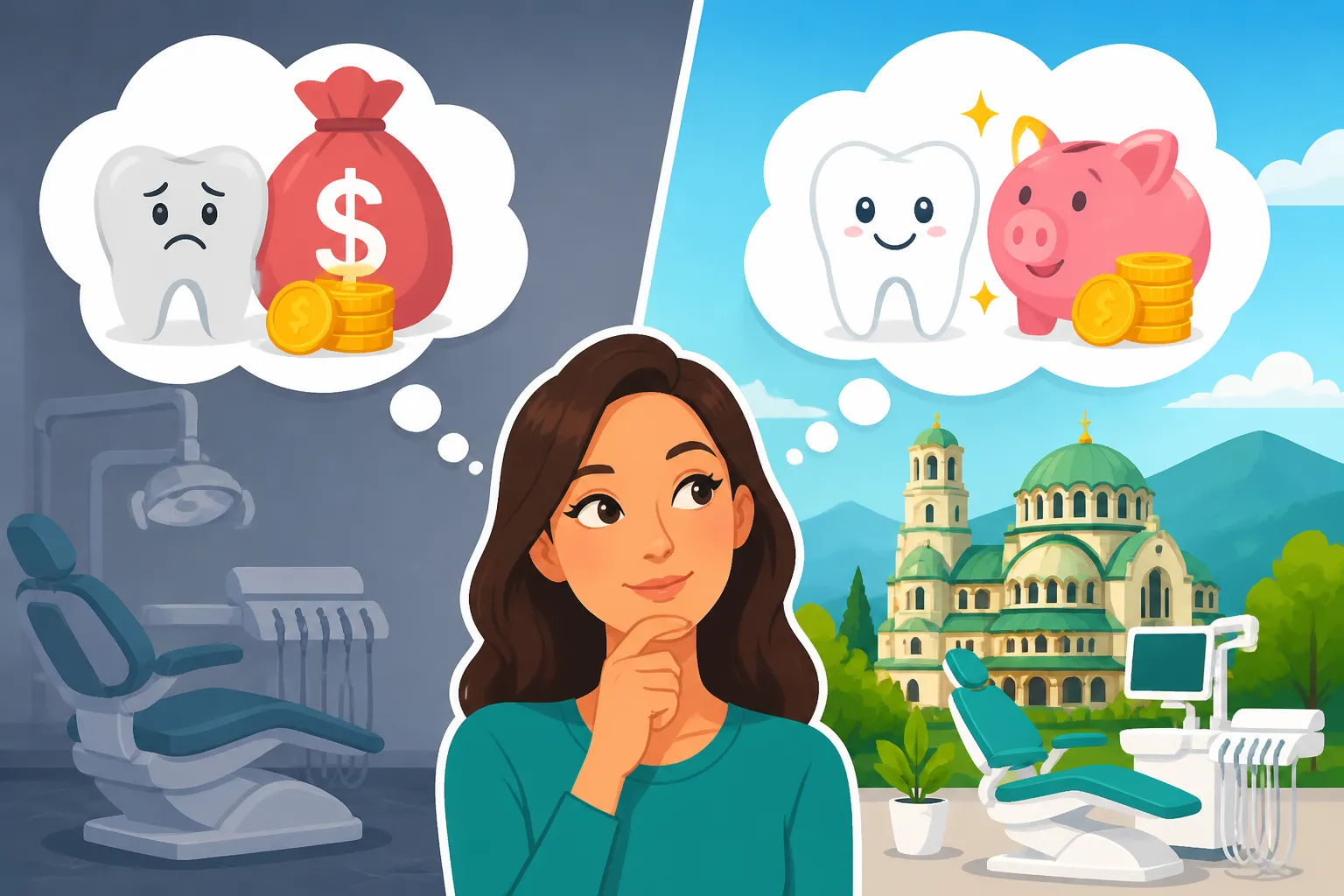
The primary driver, without a doubt, is the price. Bulgaria has emerged as a popular destination for dental tourism precisely because the cost of treatment is substantially lower than in countries like the UK, Germany, or the USA, often by 50% to 70% or even more. This isn't due to inferior care or materials, but rather a combination of lower operating costs, lower wages for dental staff, and a generally lower cost of living and doing business here.
Think about it: running a clinic in central London or New York involves astronomical rents, higher staff salaries, and more expensive supply chains. In Sofia or Plovdiv, while quality clinics still invest in modern equipment and materials, their overheads are simply not as high. This translates directly into more accessible prices for patients. For example, a single dental implant procedure that might set you back €3,000-€5,000 in Western Europe could easily be found for €800-€1,500 in Bulgaria, including the crown. Even if you factor in travel and accommodation, the savings can be immense, especially for extensive work like multiple implants, bridges, or full mouth restorations. Many expats find it worthwhile to fly here specifically for these procedures, making a mini-vacation out of it.
Quality and Professionalism: Dispelling Misconceptions
Now, I know what you’re thinking: "If it's so much cheaper, the quality must suffer, right?" This is a common and understandable misconception, but one that is largely unfounded when it comes to reputable Bulgarian dental clinics. Bulgaria has a long-standing tradition of excellent medical education, and its dentists are highly trained, often having studied at European universities and regularly attending international seminars and workshops to stay abreast of the latest techniques and technologies.
Many clinics, especially in larger cities like Sofia, Plovdiv, and Varna, cater specifically to international patients and have invested heavily in state-of-the-art equipment. We're talking about digital X-rays, 3D imaging (CBCT scans), CAD/CAM technology for same-day crowns, and advanced laser dentistry. These clinics often boast immaculate facilities, modern decor, and a professional atmosphere that rivals or even surpasses what you might find in many Western practices. Don's just take my word for it; do a little digging in expat groups, and you'll quickly find a wealth of positive experiences from people who've had everything from routine fillings to complex oral surgeries done here. The key is, of course, knowing how to choose the right clinic, which we'll cover shortly. The standards are high, often aligning with strict EU guidelines, ensuring that you receive competent and safe treatment.
Breaking Down the Costs: What to Expect for Common Procedures
Let’s get down to the nitty-gritty: the actual prices. This is where Bulgaria truly shines for those seeking more affordable dental care. While the Bulgarian National Health Insurance Fund (NHIF) offers very limited dental coverage for adults – generally just basic extractions and specific types of fillings in public clinics, as detailed in our guide on Understanding Dental Care Costs and NHIF Coverage in Bulgaria – private clinics are where most expats and dental tourists go for comprehensive and modern treatment.
The cost differences are significant, and it’s not uncommon to hear stories of expats saving thousands of euros on major work compared to what they would have paid back home.
A Realistic Look at Dental Procedure Prices
To give you a clearer picture, here's a table comparing approximate average costs for common dental procedures in Bulgaria versus estimates for Western Europe or North America. Please remember these are averages and can vary based on the clinic, city, materials used, and the complexity of your specific case. Prices in Bulgaria are often quoted in Bulgarian Leva (BGN), with 1 EUR typically equating to 1.95583 BGN.
| Procedure | Average Cost in Bulgaria (EUR) | Average Cost in Western Europe/North America (EUR) |
|---|---|---|
| Routine Check-up & Cleaning | €30 – €60 | €80 – €150 |
| White Composite Filling | €40 – €80 | €120 – €300 |
| Simple Extraction | €30 – €70 | €100 – €250 |
| Root Canal Treatment | €100 – €250 (per canal) | €400 – €1,000 (per canal) |
| Porcelain Crown (Zirconia) | €200 – €400 | €600 – €1,500 |
| Dental Implant (implant only) | €400 – €800 | €1,000 – €3,000 |
| Dental Implant (full with crown) | €800 – €1,500 | €2,000 – €5,000 |
| Teeth Whitening (professional) | €150 – €300 | €400 – €800 |
Let's break these down a bit further. For a routine check-up and cleaning, you can literally walk out having spent less than the cost of a nice meal out in many places. For a standard white filling, you're looking at a fraction of the price. The real savings, however, become evident when you venture into more involved procedures.
Take root canal treatment, for example. In many Western countries, this can be an eye-watering sum, often requiring multiple visits and a hefty bill for each canal. Here, a full root canal might be comparable to what you'd pay for a simple filling back home. When it comes to crowns and implants, the savings are truly staggering. A high-quality porcelain or zirconia crown, which is the gold standard for durability and aesthetics, costs roughly a third to a half of what you'd find elsewhere. Dental implants, arguably the most significant investment in modern dentistry, are where Bulgaria’s affordability makes a massive difference, offering a complete solution (implant, abutment, and crown) for what many would pay for the implant component alone. This kind of value is what drives so many people to seriously consider Bulgaria for their dental needs. For a broader understanding of overall healthcare expenses, our guide on The Cost of Healthcare in Bulgaria: A Complete Breakdown for Foreigners (2026) provides even more context.
Factors Influencing the Final Bill
While the prices are generally fantastic, it’s important to understand that your final bill isn't set in stone. Several factors can influence the actual cost of your dental work in Bulgaria:
- Clinic Location: As with anything, a clinic right in the heart of Sofia’s city center might have slightly higher prices than one on the outskirts or in a smaller city like Pleven or Veliko Tarnovo. However, even the most central, high-end clinics in Sofia will still be significantly cheaper than their Western counterparts.
- Dentist's Experience and Specialization: Highly sought-after specialists, particularly those with extensive international training or recognition, might charge a premium. Similarly, complex procedures requiring specialized equipment or expertise will naturally cost more.
- Materials Used: While most modern Bulgarian clinics use high-quality, internationally approved materials, there can be choices. For instance, different brands of dental implants or types of ceramic for crowns can have varying price points. Always discuss the materials with your dentist.
- Complexity of the Case: A straightforward filling is one thing; a complex extraction requiring bone grafting or an implant placement in an area with insufficient bone density is another. More involved cases will naturally incur higher costs due to the time, skill, and additional materials required.
- Additional Services: Don't forget to factor in associated costs like initial consultations, X-rays (panoramic or 3D CBCT scans), local anaesthesia, post-procedure medications, or any temporary prosthetics. Reputable clinics will provide a detailed treatment plan upfront, outlining all these costs. When you’re looking at Prescription Medications and Pharmacies in Bulgaria: The Complete Guide, remember to ask your dentist about any post-procedure pharmacy needs.
Always, and I mean always, ask for a written treatment plan and a clear cost estimate before any work begins. This transparency is key to avoiding surprises and ensuring you’re comfortable with the financial commitment.
Navigating Dental Care in Bulgaria: Tips for Expats
Deciding to pursue dental work in a new country can feel a bit daunting, even with the promise of significant savings. However, with a few proactive steps, navigating dental care in Bulgaria can be a remarkably smooth and positive experience.
Finding a Reputable English-Speaking Dentist
This is probably the most crucial step. While many dentists in Bulgaria, particularly the younger generation and those in larger cities, have good English, you want to be sure you can communicate effectively about your health.
- Expat Communities: Start with online expat groups on Facebook or forums dedicated to Bulgaria. These communities are goldmines for personal recommendations and often share contact details for dentists who are known for their excellent English and patient care. People love to share their good (and bad!) experiences, giving you a realistic picture.
- Online Search and Reviews: A simple Google search for "English-speaking dentist Sofia" or "dental clinic Plovdiv international patients" will yield many results. Pay close attention to Google reviews and any testimonials on the clinic’s website. Look for clinics that explicitly state they cater to international patients.
- Initial Consultation: Don't hesitate to book an initial consultation. This is your chance to meet the dentist, see the clinic, discuss your needs, and gauge their English proficiency and overall professionalism. A good clinic will welcome this and be transparent about treatment options and costs. It's similar to how you'd go about finding a general practitioner, as outlined in our guide on How to Find an English-Speaking Doctor in Bulgaria.
- Ask About Technology: Modern dental practices use advanced technology. Inquire about equipment like digital X-rays, intraoral cameras, and 3D imaging. This not only speaks to the quality of the clinic but also ensures a more precise diagnosis and treatment.
Remember, a good dentist-patient relationship is built on trust and clear communication. Don't settle until you feel completely at ease.
Understanding Payment, Insurance, and Follow-up Care
Once you've found your dentist, it's time to talk practicalities.
- Payment Methods: Most reputable clinics accept card payments (Visa, Mastercard), and many will also accept cash. Some might even offer installment plans for very extensive work, though this is less common for dental tourists. Always clarify payment terms upfront.
- Health Insurance and Dental Coverage: This is where it gets a bit tricky. While you might have general health insurance (either through the NHIF or a private plan), comprehensive dental coverage for elective procedures is rarely included. Our main guide, The Complete Guide to Healthcare in Bulgaria for Expats (2027), touches on general health insurance. The NHIF, as mentioned, offers extremely limited dental benefits for adults, primarily emergency extractions, and some basic fillings done in public health centers, which aren't typically where expats seek treatment.
- Private health insurance plans in Bulgaria, even comprehensive ones like those from Generali or Uniqa, often treat dental care as an add-on or only cover emergency dental pain relief, not routine check-ups, cleanings, or major work like crowns or implants. If you're looking for How Much Does Private Health Insurance Cost in Bulgaria in 2026?, be sure to specifically ask about dental inclusions.
- Travel insurance, such as SafetyWing, is excellent for unforeseen medical emergencies while you're abroad. For example, if you suddenly develop a severe toothache or suffer an accident that damages your teeth during your trip, SafetyWing might offer coverage for the emergency treatment to alleviate pain or repair immediate damage. However, it's generally not designed for planned dental procedures or "dental tourism" where you're specifically traveling for elective work. Always read your policy's fine print carefully to understand what is and isn't covered regarding dental care.
- Follow-up Care: For complex procedures like implants or extensive cosmetic work, you might need several visits over weeks or months. Plan your travel accordingly. Some clinics are adept at coordinating follow-up appointments with your schedule, even if you’re flying in from another country. This is part of the package for many dental tourism focused clinics. Understanding How Bulgaria's Health System Works: The NHIF and Private Care Explained (2027) will help distinguish between public and private options for your specific needs.
- Medical Records: Always ask for copies of your X-rays, treatment plans, and any other relevant medical records. These are important for your own records and for any future dental care, whether in Bulgaria or back home.
The Practicalities: Planning Your Dental Journey
So, you've done your research, you've decided Bulgaria is the place for your pearly whites, and you've identified a promising clinic. Now comes the logistics. This is where you transform an idea into a concrete plan, especially if you're traveling from abroad.
Pre-Trip Planning and Logistics
Making the journey specifically for dental work often means combining it with other travel plans, turning a medical trip into a more enjoyable experience.
- Scheduling Your Treatment: For significant procedures, clinics often prefer to schedule appointments in advance, sometimes several weeks or months out. This allows them to allocate the necessary time, prepare materials, and ensure specialists are available. Communicate openly about your travel dates and how long you plan to stay in Bulgaria. If you need multiple sessions, discuss the optimal spacing and whether they can condense appointments for international patients.
- Travel Arrangements: Book your flights and accommodation well in advance, especially if you're traveling during peak tourist seasons. Cities like Sofia, Plovdiv, and Varna have international airports and a wide range of accommodation options, from budget-friendly guesthouses to luxury hotels. Consider staying close to your chosen clinic for ease of access, especially after procedures that might leave you a bit sore or uncomfortable. Many clinics that cater to dental tourists can even assist with accommodation suggestions or airport transfers.
- Combining Dental Work with a Vacation: This is the beauty of dental tourism in Bulgaria! You can often get world-class dental work done and still have plenty of budget left over to explore the country's rich history, stunning mountains, Black Sea coast, or vibrant city life. Sofia, for example, is full of historical sites, museums, and fantastic restaurants. Plovdiv, with its ancient Roman theatre and charming Old Town, is a UNESCO World Heritage site and a delightful place to explore. Bulgaria is genuinely beautiful, and your dental trip doesn’t have to be just about the dentist’s chair. Our guide to The Best Places to Live in Bulgaria for Expats: A Complete Guide (2027) might give you some ideas for combining travel with your dental appointment.
- Communication: Confirm all appointments, costs, and details in writing before you travel. Ensure you have the clinic's contact information readily available. Some clinics even assign a patient coordinator who can assist you throughout your journey.
Potential Pitfalls and How to Avoid Them
While the experience is overwhelmingly positive for most, it’s always wise to be aware of potential issues and how to mitigate them.
- Language Barriers: Although many clinics catering to international patients have English-speaking staff, language can still be an issue in smaller towns or less expat-focused practices. Always verify the English proficiency of the dentist and not just the receptionist. For serious health discussions, having a translator or a friend who speaks Bulgarian could be invaluable, ensuring no misunderstandings.
- Unexpected Costs (Rare but Possible): While reputable clinics provide detailed quotes, sometimes unforeseen complications can arise during treatment, or additional procedures might be recommended based on new findings (e.g., an X-ray reveals a deeper issue). A good clinic will always discuss any changes with you before proceeding. Always ask for a breakdown of costs and a clear treatment plan in writing.
- Managing Expectations: While costs are lower, manage your expectations regarding the "luxury" aspect. Some smaller clinics might be more functional than fancy, but this doesn’t detract from the quality of care. Focus on the professionalism and expertise rather than just the aesthetics of the waiting room.
- Post-Treatment Care at Home: If you have any ongoing issues or need follow-up appointments after returning to your home country, ensure you have all your medical records from Bulgaria. Discuss this with your Bulgarian dentist before you leave to understand what kind of support or advice they can offer remotely, should the need arise. Remember that travel insurance like SafetyWing is designed for emergencies during your trip, not for ongoing post-operative care back home, so plan for that continuity yourself. For any medical emergency that might arise during your stay, it's good to know Emergency Medical Care in Bulgaria: What Every Expat Needs to Know.
By being proactive and informed, you can make your dental journey to Bulgaria a successful and truly cost-effective one. It's a fantastic solution for many expats and tourists looking for high-quality, affordable dental work.
Disclaimer
The information provided in this guide is for general informational purposes only and does not constitute professional medical, legal, or financial advice. While we strive to provide accurate and up-to-date information, circumstances can change. Always consult with qualified professionals for advice tailored to your specific situation. We are not responsible for any actions taken based on the information presented herein.