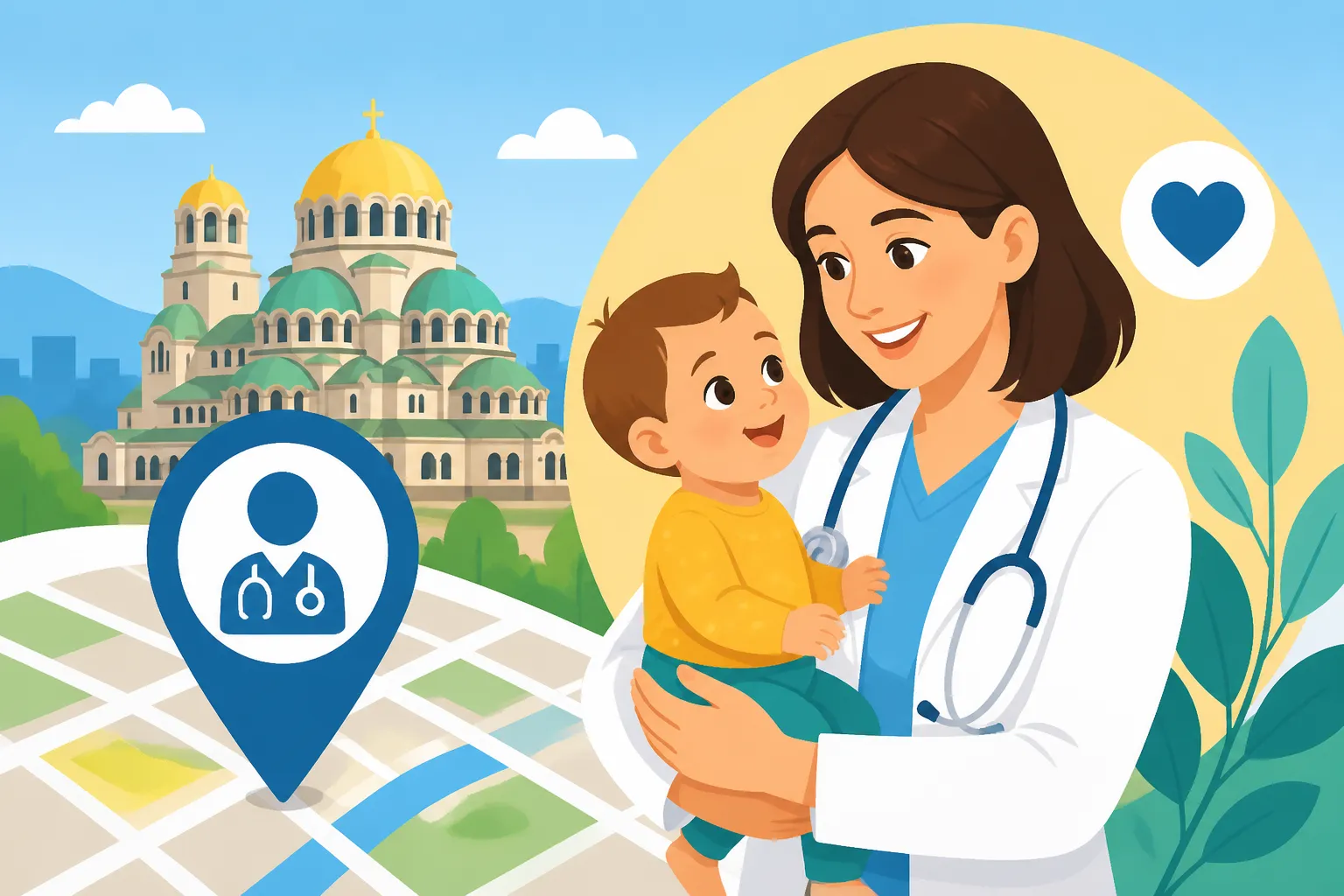
How Do I Find a Pediatrician in Sofia?
Oh, the joy of moving to a new country! You conquer the visa, you navigate the bureaucracy, you even find decent coffee… and then reality hits: your little one gets a sniffle, or it's time for their check-up, and suddenly you’re faced with the daunting task of finding a pediatrician in a foreign land, especially in a bustling city like Sofia. It feels like a whole new level of expat challenge, often complicated by language barriers and unfamiliar healthcare systems. This guide is here to walk you through exactly how to find a reliable, caring pediatrician for your child in Sofia, making the process a little less stressful and a lot more manageable.
Understanding the Bulgarian Pediatric Healthcare System
Navigating the healthcare system in Bulgaria for your children is one of those things that, as expats, we often approach with a mix of hope and trepidation. It’s not necessarily bad, but it’s certainly different from what many of us are used to. Understanding the basic structure for pediatric care in Sofia will save you a lot of headaches down the road.
Public vs. Private Pediatric Care: What to Expect
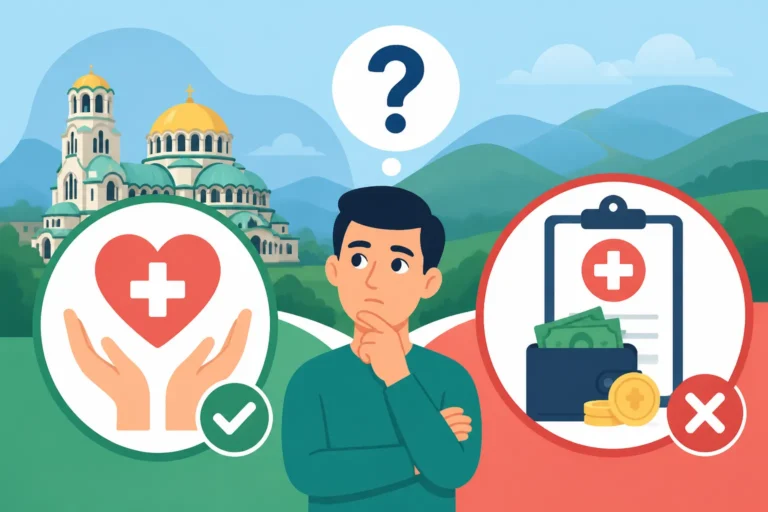
Just like for adults, pediatric healthcare in Bulgaria operates on two main tracks: public and private. Both have their merits and their challenges, and your choice will often depend on your residence status, your budget, and what you prioritize for your child's care.
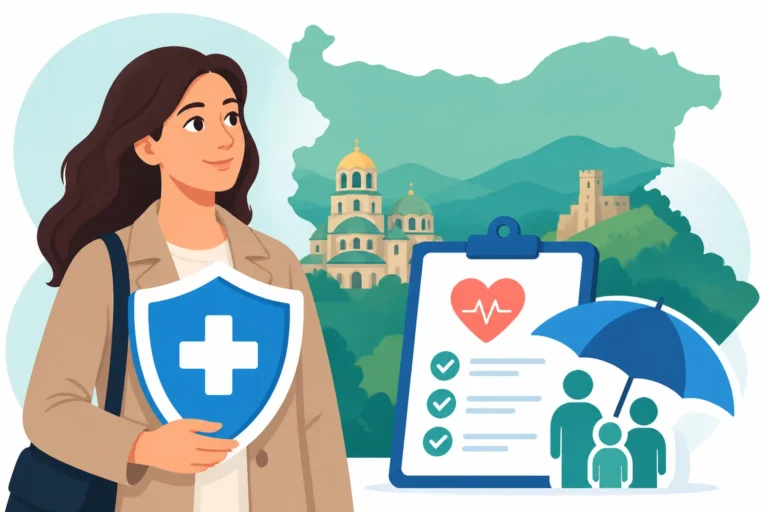
The public system is primarily funded through the National Health Insurance Fund (NHIF), or as it's known in Bulgarian, НЗОК (Natsionalna Zdravnoosiguritelna Kasa). If you are legally employed or self-employed in Bulgaria and making your mandatory health insurance contributions, your child, as your dependent, will typically be covered under the NHIF. This means that a significant portion of their medical care, including visits to a registered pediatrician (who also acts as a GP for children), vaccinations, and some specialist referrals, will be covered. However, "covered" doesn't always mean "free." You’ll often still encounter small co-payments, known as "потребителска такса" (potrebitelska taksa), for consultations. The primary care for children in the public system is typically provided by a "личен лекар" (lichen lekar), or General Practitioner, who specializes in pediatrics. These doctors often have practices in polyclinics (similar to health centers) or private offices that are contracted with the NHIF. The quality can vary, as can the availability of English-speaking staff, but the care is generally competent for routine issues. For more details on the broader system, check out our guide on How Bulgaria's Health System Works: The NHIF and Private Care Explained (2027).
On the flip side, the private healthcare system in Sofia offers a different experience. Here, you pay out-of-pocket for services, or through private health insurance. Many expats, especially those who aren't yet enrolled in the NHIF or who prefer a more streamlined, English-friendly experience, opt for private pediatric clinics. These facilities often boast modern equipment, shorter waiting times, and a higher likelihood of English-speaking medical staff. Major private hospitals like Acibadem City Clinic Tokuda Hospital, Vita Hospital, or Nadezhda Hospital in Sofia have excellent pediatric departments, offering everything from routine check-ups to complex specialist care. While the costs are higher, the convenience and comfort can be a huge draw. It's often a personal choice, and understanding Public vs Private Healthcare in Bulgaria: What Expats Need to Know can help you weigh your options. Even if you're not fully signed up with the NHIF yet, having a robust private insurance plan like SafetyWing can be a lifesaver for those initial months, ensuring your child has access to quality care without breaking the bank.
The Role of the GP Личен Лекар in Child Healthcare
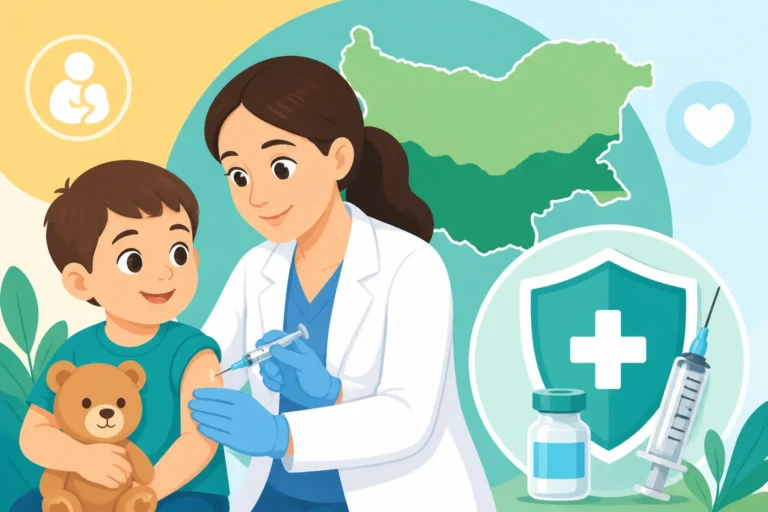
In Bulgaria, your child's first point of contact for nearly all medical needs will be their "личен лекар" (lichen lekar), or General Practitioner. For children, this GP is often a pediatrician by specialization, acting as their primary care physician. This doctor is crucial – they’re not just for when your child is sick, but also for routine check-ups, vaccinations, monitoring development, and providing referrals to specialists.
Think of your child's lichen lekar as their healthcare gatekeeper within the public system. If your child needs to see an ear, nose, and throat (ENT) specialist for recurring infections, or a dermatologist for a persistent rash, it’s usually their GP-pediatrician who will issue the referral. Without this referral, you might find it difficult or impossible to get an appointment with a specialist under NHIF coverage, and you'd likely have to pay privately for the specialist visit. This system can be a bit frustrating if you're used to direct access to specialists, but it's designed to ensure continuity of care and appropriate resource allocation. The process of getting registered with one is laid out in detail in our article on How to Register with the NHIF and a GP in Bulgaria (2027).
Choosing the right GP-pediatrician is paramount. You want someone you trust, someone who understands your concerns, and ideally, someone who can communicate with you effectively, even if that means a bit of Google Translate or charades. They will be responsible for keeping track of your child's Understanding Childhood Vaccination Schedules in Bulgaria, providing medical certificates for school or kindergarten, and generally being your go-to person for all things related to your child's health. It’s not just about finding a pediatrician; it’s about finding your pediatrician, who will become a familiar and reassuring presence in your child’s life here in Sofia.
Step-by-Step Guide to Finding a Pediatrician in Sofia
Alright, let’s get down to the nitty-gritty of actually finding that elusive, perfect pediatrician for your little one in Sofia. It can feel like a quest, but with a structured approach, you'll get there.
Leveraging Expat Networks and Online Resources
One of the most valuable resources you have as an expat in Sofia is other expats! Seriously, don't underestimate the power of word-of-mouth. Join Facebook groups like "Expats in Sofia" or "Sofia Mamas and Papas." These communities are goldmines for recommendations. You'll find parents who have been through the exact same search, navigated the same frustrations, and can offer specific names of pediatricians, clinics, and even share their personal experiences – the good, the bad, and the utterly baffling.
When asking for recommendations, be specific about what matters to you. Do you need an English-speaking doctor? Are you looking for a clinic in a particular neighborhood like Lozenets or Studentski Grad? Do you prefer a doctor who is more conservative with medication, or one who embraces alternative therapies alongside conventional medicine? The more details you provide, the better the recommendations you'll receive. People will often share contact details, approximate costs for private visits, and even tips on how to book an appointment. Beyond Facebook, online forums and blogs focused on expat life in Bulgaria can also provide lists of recommended medical professionals. Some private clinics, like the American Hospital (formerly Tokuda Hospital) or Vita Hospital, often have dedicated international patient departments with English-speaking coordinators who can help you find a suitable pediatrician within their network.
Key Considerations When Choosing a Pediatrician
Once you have a few names in mind, it's time to put on your detective hat. Choosing a pediatrician isn't just about finding someone available; it's about finding the right fit for your family. Here are some critical factors to consider:
- Language Proficiency: This is often at the top of an expat's list. While many younger doctors in Sofia might have some English, don't assume. Always confirm if the pediatrician or at least their assistant speaks English fluently. Misunderstandings in medical matters, especially concerning your child, can be dangerous and incredibly stressful. If English isn't an option, consider if the clinic offers translation services, or if you can bring a trusted Bulgarian-speaking friend or interpreter. Our article on How to Find an English-Speaking Doctor in Bulgaria can provide broader tips here.
- Location and Accessibility: Sofia is a sprawling city. Consider how easy it is to get to the clinic from your home or work, especially during rush hour or if your child is suddenly unwell. Is it near a metro station or on a convenient bus route? What are the parking options if you drive? You don't want to add a long, complicated commute to an already stressful situation.
- Clinic Environment and Staff: When you call or visit for the first time, pay attention to the overall atmosphere. Is the clinic clean and welcoming? Are the receptionists helpful and patient, especially with non-Bulgarian speakers? A child-friendly waiting area can make a huge difference in reducing anxiety for both you and your little one. Observe how the staff interacts with children.
- Availability and Emergency Protocol: What are the pediatrician’s regular hours? How easy is it to get an urgent appointment? What is their policy for after-hours emergencies or weekends? Do they have a rotation system with other doctors, or do they recommend a specific emergency hospital like Pirogov (НСБАЛ по детски болести "Проф. Иван Митев" – National Children's Hospital)? Knowing these details beforehand can be incredibly reassuring.
- Philosophy of Care: Every doctor has a slightly different approach. Some might be more inclined towards holistic care, others strictly conventional. Some might be quicker to prescribe antibiotics, while others prefer a "wait and see" approach. If you have strong preferences regarding vaccinations, medication, or general child-rearing advice, try to gauge if the pediatrician's philosophy aligns with yours during an initial consultation.
- Cost and Insurance Acceptance: If you're using the NHIF, confirm they are contracted with the fund. If you're paying privately, inquire about consultation fees, follow-up costs, and if they accept international private health insurance plans. Companies like SafetyWing are well-known among expats for flexible health insurance, but always double-check with the clinic directly about their billing procedures.
The Registration Process for Your Child
Once you’ve chosen a pediatrician, the next step is to officially register your child with them. This is particularly important if you plan to use the public healthcare system via NHIF.
For NHIF enrollment, you'll need to visit the pediatrician's office with your child's documents. Typically, this includes:
- Your child's birth certificate (original and a copy, preferably translated and apostilled if it’s not Bulgarian).
- Your child’s Bulgarian personal identification number (ЕГН – EGN), which they will have if they have a Bulgarian birth certificate or if you’ve registered them for a residence permit.
- Your Bulgarian ID card or residence permit.
- Proof of your NHIF contributions (if applicable), which can usually be checked by the doctor’s office through the system.
The pediatrician's office will help you complete the necessary forms. You’ll be asked to sign a declaration confirming your choice of GP-pediatrician. This registration typically lasts for a calendar year, and you have the option to change doctors in June and December if you wish. It’s crucial that your child is registered, as this ensures their access to routine care, vaccinations, and specialist referrals under the public system. For a comprehensive overview of how to get your entire family covered, read our guide on How to Add Dependents to Your Health Coverage in Bulgaria. If you are a newcomer, understanding How Your Residence Status Affects NHIF Enrolment in Bulgaria is also vital.
If you opt for private care exclusively, the "registration" process is much simpler: you simply book an appointment and pay the fee. However, even with private clinics, having a consistent pediatrician who knows your child's medical history is highly recommended for continuity of care.
Practical Tips for Navigating Pediatric Visits
Even with a pediatrician chosen and registered, the real work begins when you actually have to take your child for a visit. It's a different rhythm, a different culture, and a whole lot of unique Bulgarian quirks.
Language Barriers and Translation Services
Ah, the language barrier. It's the expat's oldest nemesis, and never more so than when your child is unwell and you're trying to explain symptoms in a language you barely speak. While many doctors in Sofia, especially in private clinics, speak at least some English, don't rely solely on it.
Here are a few strategies:
- Prepare in Advance: Before your appointment, write down your child's symptoms, medical history, medications, and any questions you have in clear, concise English. If you can, use Google Translate or a similar app to get a rough Bulgarian translation to show the doctor if communication becomes difficult. This organized approach can save a lot of time and reduce miscommunication.
- Translation Apps: Modern translation apps can be incredibly helpful for basic exchanges. Just remember they aren't perfect, and medical terminology can be tricky.
- Bring a Friend: If you have a Bulgarian-speaking friend you trust, ask if they can accompany you to important appointments. This is invaluable, especially for initial consultations or when discussing a serious diagnosis.
- Medical Glossary: Keep a small notebook with key medical terms in both English and Bulgarian. Words like "fever" (треска – treska), "cough" (кашлица – kashlitsa), "pain" (болка – bolka), "earache" (болка в ухото – bolka v uhoto), and "antibiotics" (антибиотици – antibiotitsi) can be lifesavers.
- Don't Be Afraid to Ask for Clarification: If you don't understand something, politely ask the doctor to repeat, rephrase, or write it down. Your child's health is too important for assumptions. This is a common struggle, so our guide How to Find an English-Speaking Doctor in Bulgaria offers general strategies that apply well to pediatric care too.
Understanding Costs and Insurance for Kids' Care
Let's talk money, because healthcare costs can quickly add up, especially for children who seem to be masters of getting sick at the most inconvenient times.
If your child is registered with an NHIF-contracted pediatrician:
- Co-payments: As mentioned, you’ll typically pay a small co-payment for each visit. This is usually a nominal fee, but it's important to be aware of it.
- Medications: Many prescription medications are partially or fully subsidized by the NHIF, but some are not. Always ask your pediatrician or pharmacist about the cost.
- Specialist Referrals: If referred by your GP-pediatrician, specialist visits are also largely covered, with similar co-payments. Without a referral, you'll pay the full private fee.
- Hospital Stays: In cases requiring hospitalization, the NHIF covers much of the cost, but you might still face charges for certain supplies or private room upgrades.
If you opt for private care:
- Consultation Fees: Private pediatrician visits typically range from 50 to 100 BGN (leva), depending on the clinic and the doctor's experience. Specialist visits will be higher.
- Private Health Insurance: This is where a good private plan comes in handy. Many expats choose to purchase private health insurance, especially if they are not yet eligible for NHIF or simply prefer the options private clinics offer. Policies vary widely, so shop around. Companies like SafetyWing offer travel and medical insurance plans that can be particularly useful for digital nomads and expats, providing coverage that bridges gaps or offers peace of mind while navigating the local system. Be sure to understand your policy's deductibles, co-insurance, and what services are covered. Our article on How to Buy Private Health Insurance as a Newcomer in Bulgaria has more detailed advice.
- Out-of-Pocket Expenses: Even with private insurance, you might have some out-of-pocket costs, so always clarify these with the clinic before treatment. A good overview of general costs can be found in Understanding Out-of-Pocket Healthcare Costs and Co-Payments in Bulgaria.
Here's a quick comparison of potential costs for a standard pediatric visit in Sofia:
| Aspect | Public Healthcare (NHIF-covered) | Private Healthcare (Out-of-pocket/Private Insurance) |
|---|---|---|
| Initial Visit/Consult | Small co-payment (e.g., 2.90 BGN) | 50 – 100 BGN (average) |
| Follow-up Visit | Small co-payment (e.g., 2.90 BGN) | 30 – 70 BGN (average) |
| Specialist Referral | Mostly covered (with GP referral + co-payment) | 70 – 150 BGN+ (without referral) |
| Vaccinations | Covered per national schedule (some specific ones) | Covered, or cost included in package |
| Emergency Visit | Covered (if NHIF registered), small co-payment | 100 – 250 BGN+ (depending on urgency & facility) |
| English Speaking Dr. | Less common, may require interpreter | Much more common |
| Wait Times | Can vary, sometimes longer | Generally shorter |
Emergency Pediatric Care in Sofia
No parent ever wants to think about it, but knowing where to go in a pediatric emergency is vital. In Sofia, the main public hospital for pediatric emergencies is the Pirogov Emergency Hospital (МБАЛСМ "Н. И. Пирогов"), specifically its children's department. It's the largest trauma and emergency hospital in Bulgaria, and while it can be overwhelming, especially with the language barrier, it's equipped to handle serious cases.
For less severe but urgent situations, many private hospitals like Acibadem City Clinic Tokuda Hospital or Vita Hospital have 24/7 emergency rooms with pediatricians on duty. These private facilities often offer a more comfortable and quieter environment, and a higher chance of encountering English-speaking staff. If you have private health insurance, this is often the preferred route for non-life-threatening emergencies.
Always call 112 for life-threatening emergencies. This is the pan-European emergency number that connects you to ambulance, fire, and police services. Be prepared to give your location clearly, and if you can, have a Bulgarian speaker make the call or be on hand to translate. For less urgent advice, you can always try calling your registered pediatrician first, as they might have an emergency contact number or instructions for after-hours care. Our detailed guide on Emergency Medical Care in Bulgaria: What Every Expat Needs to Know covers this critical topic more broadly. Knowing these options provides a crucial layer of security for your family.
Disclaimer
Please remember that the information provided in this guide is for general informational purposes only and is subject to change. While we strive to offer accurate and up-to-date advice based on current regulations and typical expat experiences in Bulgaria, individual situations can vary greatly. Always verify specific requirements, costs, and procedures with relevant Bulgarian authorities, healthcare providers, or legal professionals. We are not qualified to give medical, legal, or financial advice.