Do Expats Have to Pay Health Insurance Contributions in Bulgaria?
Navigating the healthcare system in a new country can feel like a labyrinth, and when it comes to understanding health insurance contributions in Bulgaria, many expats find themselves scratching their heads. It’s a common point of confusion, especially if you’re coming from a country with a vastly different system. This guide is here to untangle that knot for you, breaking down exactly who needs to contribute, under what circumstances, and how it all works in our beloved Bulgaria.
The Short Answer: It Definitely Depends on Your Status
Alright, let's get straight to it: the question of whether expats have to pay health insurance contributions in Bulgaria doesn't have a simple "yes" or "no" answer. It's a classic "it depends" situation, which, I know, is precisely the kind of non-answer that drives us expats a little batty when dealing with bureaucracy! But stick with me, because understanding the nuances is key. Your obligation to contribute to the National Health Insurance Fund (NHIF) in Bulgaria is directly tied to your residency status, employment situation, and even your nationality.
For instance, if you're an EU/EEA citizen who has officially registered as a resident here, even if you're not working, you'll generally be expected to pay. The same goes for non-EU citizens who become legally employed in Bulgaria – their employers will handle things for them. But if you’re a fresh arrival on a D-visa, relying on private insurance to get your foot in the door, your situation is entirely different. This guide will walk you through each scenario, so you can confidently determine your responsibilities and avoid any nasty surprises down the road.
Understanding Bulgaria's Healthcare System for Expats
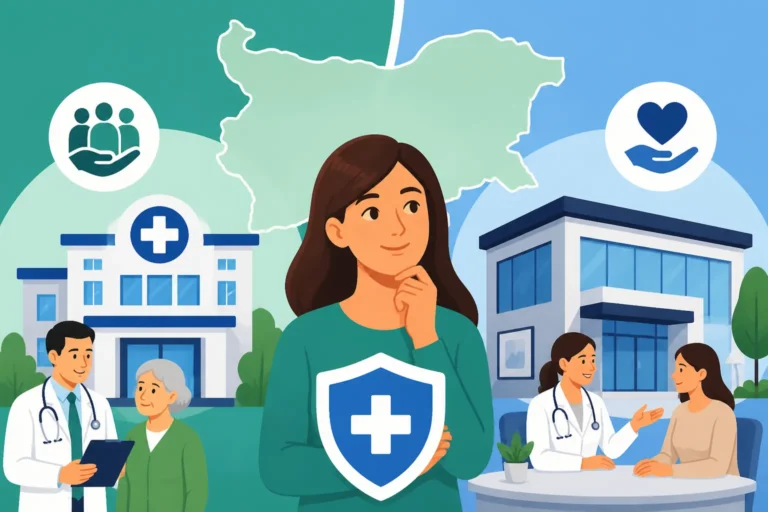
Before we dive into the nitty-gritty of contributions, it’s helpful to grasp the basic structure of healthcare in Bulgaria. This isn't just theory; it’s fundamental to understanding why certain contributions are required and what they actually get you. Bulgaria operates on a mixed public and private healthcare model, with the National Health Insurance Fund (NHIF) being the cornerstone of the public system.
The NHIF is responsible for managing mandatory health insurance, which covers a significant portion of medical expenses for those who contribute. This includes visits to a General Practitioner (GP), specialist consultations (with a referral), hospital stays, and a certain percentage of prescription medications. Think of it as a state-run insurance scheme. However, like many public systems, it comes with its own set of challenges, such as potential waiting times for certain procedures or limitations on choice of doctor. For a more detailed look, check out our guide on How Bulgaria's Health System Works: The NHIF and Private Care Explained (2027). Beyond the NHIF, there's a thriving private healthcare sector, offering quicker access, more comfortable facilities, and often English-speaking staff, but at a higher out-of-pocket cost or through private insurance. This dual system means you might find yourself navigating both public and private options depending on your needs and coverage.
The critical takeaway here is that if you're going to rely on the public system for your day-to-day healthcare, you'll need to be a contributing member of the NHIF. If you're not, then private insurance becomes not just an option, but a necessity, both legally for your visa/residence permit and practically for your peace of mind.
Who Must Pay Health Insurance Contributions in Bulgaria?
This is where we get into the specifics of who is legally obliged to contribute to the Bulgarian National Health Insurance Fund. The rules are pretty clear once you understand your category, but misinterpreting them can lead to problems later on.
Employed Expats EU and Non-EU
If you're an expat working under a Bulgarian employment contract, whether you're from an EU/EEA country or a non-EU country, then congratulations – your employer usually handles the heavy lifting! As part of Bulgarian labour law, employers are mandated to register their employees with the relevant social security institutions, which includes the NHIF. This means that a portion of your health insurance contribution will be deducted directly from your gross salary, and your employer will pay their share on top of that.
This is often a huge relief for new arrivals because it takes away a significant administrative burden. You'll see these deductions on your payslip, typically bundled with other social security contributions like pension and unemployment. It’s a good idea to familiarise yourself with these figures and understand what you're paying for. The employee's share is relatively small, while the employer pays the larger portion. This setup ensures that once you start working, you're automatically integrated into the public healthcare system and can access services under the NHIF scheme. It’s part of the package deal when you take on a job here, and definitely makes life a bit simpler. You can dive deeper into these specifics by reading Understanding Mandatory Health Insurance Contributions in Bulgaria.
Self-Employed Expats and Freelancers
Now, if you're striking out on your own as a freelancer or running your own business in Bulgaria, the responsibility for health insurance contributions falls squarely on your shoulders. This applies to both EU and non-EU citizens who have registered as self-employed individuals (e.g., as a свободна професия or sole trader/EOOD). Unlike employed individuals, there's no employer to deduct contributions for you; you have to calculate and pay them yourself.
Bulgarian law specifies a minimum income base for health contributions, which is updated periodically. You'll be expected to pay a percentage of this base income, even if your actual earnings fluctuate. This can be a bit of a shock if you're used to systems where contributions are solely tied to declared profits. The process involves registering with the National Revenue Agency (NRA) and then making regular monthly payments. It’s crucial to get this right from the start, as unpaid contributions can accumulate quickly and lead to penalties or a lapse in your health insurance status. Many digital nomads and remote workers choose Bulgaria for its appealing tax rates, but this also means understanding and fulfilling these self-employment obligations. For a comprehensive overview of the mechanisms, take a look at How Do Health Insurance Contributions Work in Bulgaria?.
EU/EEA Citizens Registered as Residents Not Working/Retired
For our fellow EU/EEA citizens, once you've formally registered your residency in Bulgaria, even if you’re not working or are retired, you generally become subject to Bulgarian health insurance rules. This means you'll be expected to contribute to the NHIF. If you’re not employed or self-employed, you'll typically pay a minimum monthly contribution as an uninsured person, unless you're covered by another EU country's scheme.
A common scenario here is for retirees from other EU countries. If you're receiving a pension from another EU/EEA member state, you might be eligible for an S1 form (formerly E106). This form essentially acts as a transfer of your health insurance rights from your home country to Bulgaria, meaning your home country remains responsible for your healthcare costs here. You'll need to register this S1 form with the NHIF in Bulgaria. If you don't have an S1 form or similar coverage from another EU country, then as a resident, you’ll be expected to make your own contributions to the NHIF. This ensures you have access to public healthcare services just like Bulgarian citizens. It's a key part of integrating into the local system, even if your income source is from abroad.
Who Might Not Pay Direct NHIF Contributions But Still Needs Coverage?
Just because you're not paying directly into the NHIF doesn't mean you're off the hook for healthcare coverage. In fact, for many expats, having adequate private health insurance is not just recommended, but a legal requirement for their visa or residence permit.
Non-EU Expats with Private Health Insurance for D-Visa/Residence Permit
When you first arrive in Bulgaria as a non-EU citizen, whether for work, study, or other long-term stays, the initial requirement for your Type D visa and subsequent temporary residence permit is typically to secure private health insurance. This insurance must provide coverage equivalent to the national health insurance fund and be valid for your entire stay or for the period of your visa. This is not a contribution to the NHIF; it’s a separate, private policy that fulfils your legal obligation to be insured.
Many expats choose international providers that offer comprehensive plans suitable for global living. Companies like SafetyWing, for example, are quite popular among digital nomads and new arrivals because they offer flexible, affordable travel medical insurance that can often meet these visa requirements. It’s designed for people on the move, offering coverage not just in Bulgaria but often worldwide, which is a massive plus if you're planning to travel within the Schengen area or visit home. Once you transition to an employment contract with a Bulgarian company, then your employer would typically switch you over to the NHIF system, and you'd stop needing your private insurance to meet the basic legal requirement. Until then, your private policy is your lifeline. For more on these options, read Health Insurance in Bulgaria: NHIF, Private and International Options Explained.
Tourists and Short-Term Visitors
If you're just visiting Bulgaria for a holiday or a short trip – less than 90 days for most nationalities – you absolutely do not pay health insurance contributions to the NHIF. You're a tourist, plain and simple. However, and this is a huge however, you are still expected to have travel health insurance. This isn't just a suggestion; it's often a requirement for entry into the Schengen area, which Bulgaria is part of.
Imagine this scenario: you're enjoying the beautiful beaches of Varna or exploring the ancient ruins of Plovdiv, and you suddenly twist an ankle or come down with an unexpected illness. Without travel insurance, you'd be looking at significant out-of-pocket expenses for medical treatment, even for basic emergency care. Local hospitals and clinics will treat you, but they'll expect payment, and quickly. This is where a robust travel insurance policy really shines. Again, providers like SafetyWing offer excellent short-term travel medical insurance options that are perfect for tourists and provide peace of mind for unexpected medical emergencies. Always, always travel with adequate coverage. Don't find yourself in a situation where a simple accident turns into a financial nightmare. Our guide on Can Tourists Access Emergency Care in Bulgaria? has more critical information for visitors.
Students Non-EU
Non-EU students coming to study in Bulgaria will typically need to secure private health insurance as a prerequisite for their student visa and temporary residence permit. Similar to other non-EU expats on D-visas, this private insurance must meet specific requirements set by the Bulgarian authorities, demonstrating that you have adequate medical coverage for your stay.
While you're a student primarily, you generally won't be contributing to the NHIF unless you also take on a part-time job that registers you for social security. If you do find employment, your employer will then start making contributions on your behalf. However, for most students, their private policy is their primary health coverage. It's crucial to ensure your chosen policy covers the full duration of your studies and adheres to all the stipulations of your visa. Always double-check with your university's international office or the Bulgarian embassy/consulate in your home country for the most up-to-date insurance requirements for students.
The Nitty-Gritty: How to Pay or Confirm You're Covered
Okay, so you've figured out your status. Now, how do you actually ensure those contributions are being made, or how do you make them yourself? It’s important to understand the practical steps to avoid any administrative headaches.
For Employees
If you're working for a Bulgarian employer, good news – they take care of almost everything regarding your health insurance contributions! As mentioned, these are automatically deducted from your salary each month, along with other social security contributions. Your employer is legally responsible for paying both your share and their own share to the NHIF.
How do you confirm this? The easiest way is to check your monthly payslip. It should clearly list deductions for "Social Security" or "Health Insurance." If you're unsure or can't decipher the Bulgarian terms (which, let's face it, is a common expat struggle!), don't hesitate to ask your HR department or employer for clarification. They should be able to provide a breakdown and confirm your registration with the NHIF. It's their legal obligation. You can also specifically ask them to confirm your zdravnoosigurovka (health insurance) status. This seamless process is one of the definite perks of being employed in Bulgaria. Our article, Does My Employer Register Me with the NHIF in Bulgaria?, offers more insights.
For Self-Employed and Other Individual Contributors
For self-employed individuals, freelancers, and other residents who are personally responsible for their contributions, the process requires a bit more active participation. Firstly, you must register with the National Revenue Agency (NRA), or Natsionalna Agentsia za Prihodite (NAP) in Bulgarian, soon after establishing your self-employed status. They will assign you a tax identification number (BULSTAT for companies/sole traders, or a personal ID for freelancers) and you'll then be able to make your contributions.
Payments are typically made monthly, usually by the 25th of the following month. For example, your contributions for January would be due by February 25th. You can make these payments through various channels:
- Online Banking: Most Bulgarian banks allow you to make payments to the NRA via their online platforms. You’ll need the correct bank account details for the NRA and to specify the type of payment.
- At a Bank Branch: You can physically go to a bank and make a transfer. Be prepared for potential queues and bring your identification and payment details.
- Through the NRA Portal: If you have an electronic signature, you can manage and pay your contributions directly through the NRA's online portal, which is becoming increasingly user-friendly (though it still has its moments!).
It’s crucial to keep accurate records of all your payments. Missing payments can lead to accumulating debts and losing your health insurance rights. If you’re unsure, seeking advice from a local accountant who specialises in expat taxes and social security is highly recommended. They can guide you through the registration and payment process, ensuring you stay compliant. To understand the registration process, see How Do I Register with the National Revenue Agency in Bulgaria?.
The Importance of a Health Insurance Booklet Здравна книжка
For those contributing to the NHIF, whether directly or through an employer, your health insurance status is recorded. Historically, this was tracked in a physical document called a zdravna knizhka (health booklet). While much of it is now digital, having proof of your contributions and active status is paramount.
When you visit a GP or a hospital under the NHIF scheme, they will check your status in their system. If your contributions are up to date, you'll be able to access services. If not, you could be refused treatment (except in emergencies) or asked to pay the full cost out-of-pocket. Always make sure your status is active, especially if there's been a change in your employment or residency. It's your ticket to affordable healthcare, so treat it with the importance it deserves.
Consequences of Not Contributing When You Should
Ignoring your obligation to pay health insurance contributions in Bulgaria, when you are legally required to do so, is not something you want to do. The Bulgarian authorities, particularly the National Revenue Agency (NRA) and the NHIF, take these contributions seriously. After all, they fund the public healthcare system for everyone.
If you are an expat who should be contributing but hasn't, you face a few significant consequences. Firstly, you will accrue debt for all the missed payments. This debt will then be subject to interest and penalties, making the original amount significantly higher. Secondly, and perhaps more importantly, your access to the public healthcare system will be severely restricted. If you visit a doctor or hospital and they check your NHIF status, they will see you are not insured. This means you will either be denied treatment (except for life-threatening emergencies, which are covered by emergency services but might still incur a bill) or you will be required to pay the full, unsubsidised cost of any medical service out of your own pocket. This can quickly become very expensive, far outweighing the cost of the contributions you missed.
In order to regain your NHIF coverage, you would typically need to pay off all outstanding debts, including penalties. This can be a substantial sum. Furthermore, any administrative issues with your residency permit or visa could arise if you are found not to be fulfilling your legal obligations as a resident. It's a situation that causes a lot of stress and financial strain for expats who find themselves in it, often out of misunderstanding rather than malice. Therefore, it is absolutely vital to clarify your status and ensure you are compliant from day one. If you're ever in doubt, consult with a legal professional or an accountant who understands expat regulations in Bulgaria. For urgent medical situations, you can refer to What Happens If I Get Sick Before I Register with the NHIF in Bulgaria?.
Here’s a quick summary to help you understand your situation:
| Expat Type | NHIF Contributions Required? | How are Contributions Made? | Key Consideration |
|---|---|---|---|
| Employed (EU & Non-EU) | Yes | Deducted by employer | Employer handles registration and payment. Check payslips. |
| Self-Employed/Freelancer | Yes | Paid directly by expat | Must register with NRA & pay monthly. Seek accountant's advice. |
| EU/EEA Resident (Not Working/Retired) | Yes (unless S1 form) | Paid directly by expat | If no S1 form, pay minimum monthly. S1 form transfers rights. |
| Non-EU on D-Visa/Temporary Permit | No (initially) | Private health insurance | Required for visa/permit. Will transition to NHIF if employed. (e.g., SafetyWing) |
| Tourists/Short-Term Visitors | No | Travel health insurance | Essential for emergencies. (e.g., SafetyWing) |
| Non-EU Students | No (unless employed) | Private health insurance | Required for student visa. If employed, employer pays NHIF. |
Ultimately, whether you're contributing to the NHIF or relying on private cover like SafetyWing for your initial visa requirements or travels, having appropriate health insurance is not optional in Bulgaria. It's a cornerstone of responsible expat living, ensuring that you can access the medical care you need without facing insurmountable costs or bureaucratic dead ends. Understand your status, fulfill your obligations, and enjoy your time in Bulgaria with peace of mind.
Disclaimer
Please remember that I am an expat blogger and not a legal or financial expert. The information provided in this guide is based on general knowledge and experiences of expats in Bulgaria. Laws and regulations, especially concerning health insurance and immigration, can change rapidly. Always consult with official government sources, legal professionals, or qualified accountants for personalised advice regarding your specific situation in Bulgaria.