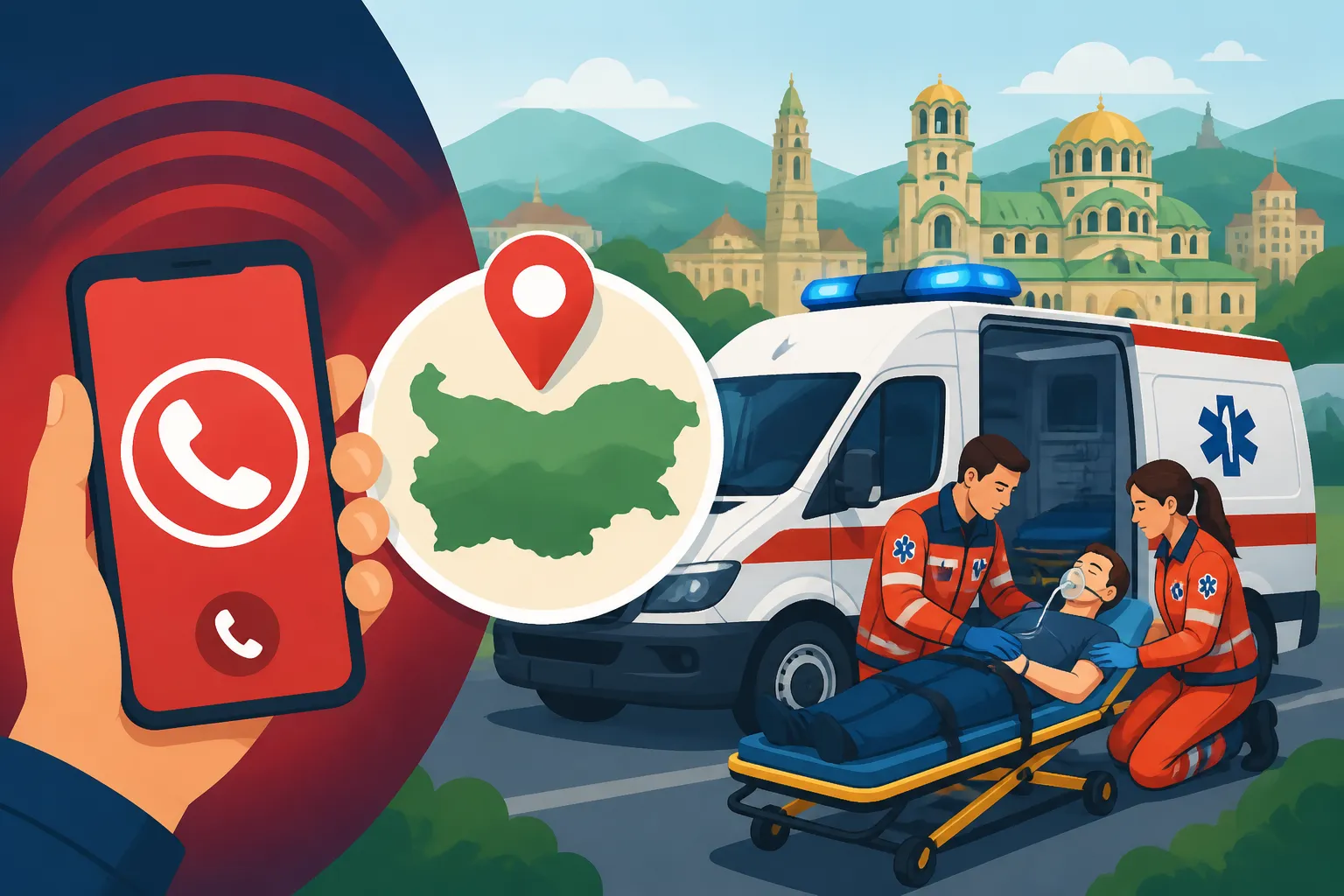
Understanding Emergency Numbers (112) and Ambulance Care in Bulgaria
Navigating a medical emergency in your home country is stressful enough, but facing one in Bulgaria, where you might not speak the language fluently or understand the local healthcare system, can be truly terrifying. The fear of not knowing who to call, what to say, or what to expect can be paralyzing. This comprehensive guide is here to demystify Bulgaria's emergency services, focusing on the crucial 112 number and ambulance care, so you're prepared if the unexpected happens.
The Universal Emergency Number: 112 in Bulgaria
Let's start with the absolute bedrock of emergency response here: 112. This isn't just a Bulgarian thing; it's the standard emergency number across the European Union. While it might feel unfamiliar compared to your home country's specific numbers for police, fire, or ambulance, 112 serves as the single point of contact for all of them. It’s designed to simplify things, but knowing what to expect when you call can make all the difference.
How 112 Works and What to Expect
When you dial 112 in Bulgaria, your call will typically be routed to a regional emergency centre. The good news for expats is that the operators are trained to handle calls in multiple languages, including English. This is a huge relief, believe me. However, don't expect perfectly fluent, native-speaker English every single time, especially in smaller towns, but they will understand the basics and critical information. They are there to help, and their primary goal is to assess your situation quickly and dispatch the appropriate services.
The first thing they'll ask for, after establishing the nature of your emergency, is your location. Be as precise as possible. Provide the full address, including the city, street name, building number, and even apartment number if you're indoors. If you're outdoors, describe landmarks, street intersections, or any unique features that can help pinpoint your exact whereabouts. Imagine you're trying to guide someone who has never been there before. Next, they'll need to understand what kind of emergency it is: Is it a medical crisis, a fire, a crime, or something else? They will then ask for brief details about the situation – what happened, how many people are involved, if anyone is injured, and if there are any immediate dangers. Try to stay calm and speak clearly, even if your adrenaline is pumping. The more coherent information you can provide, the faster and more effectively help can be dispatched.
When to Call 112: True Emergencies vs. Other Situations
It’s vital to understand the distinction between a true emergency and something that, while urgent, might not warrant a full-blown ambulance dispatch or police response. Calling 112 should be reserved for life-threatening situations, serious accidents, crimes in progress, or fires where immediate intervention is critical. Think heart attacks, severe bleeding, unconsciousness, major traffic accidents, house fires, or violent crimes. These are the moments when every second counts, and the resources of 112 are absolutely necessary.
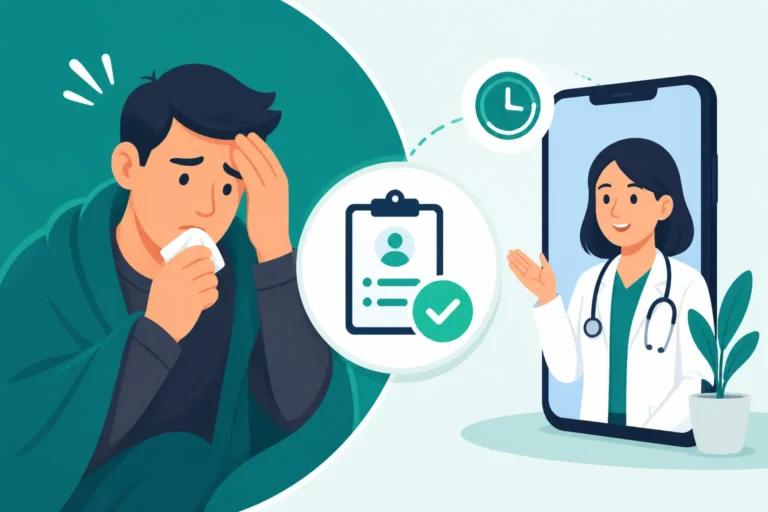
For less severe but still pressing health concerns, such as a high fever that isn't responding to medication, a bad sprain, or a sudden, non-life-threatening illness, calling 112 might not be the most appropriate first step. In such cases, your general practitioner (GP), known as a личен лекар (lichen lekar) in Bulgaria, should be your first point of contact. They can advise you, arrange an urgent appointment, or direct you to an appropriate walk-in clinic or hospital department. Many expats find navigating How to Choose and Register with a GP (Личен Лекар) in Bulgaria to be one of their first administrative hurdles, but it's a critical step for non-emergency medical needs. Similarly, for issues like a burst pipe or a lost pet, there are other municipal services or specific numbers to call rather than overloading the emergency lines. Overuse of 112 for non-emergencies can delay response times for those who genuinely need immediate life-saving assistance, which affects everyone in the community.
Understanding Bulgarian Ambulance Services
Once 112 has assessed your situation and determined that an ambulance is necessary, they'll dispatch a crew. But what kind of ambulance will arrive, and what exactly does that entail here in Bulgaria? It's not always a shiny, high-tech vehicle like you might see in Western European or North American films, but the personnel are trained and dedicated.
Types of Ambulances and Their Capabilities
Bulgarian ambulance services, managed by the National Centre for Emergency Medical Care (НЦСМП), primarily operate two main types of units, though the distinction isn't always obvious from the outside. You'll typically encounter standard ambulances (often simply referred to as линейка – lineyka). These are equipped for basic life support and transportation, meaning they can provide first aid, stabilise a patient, and safely transport them to the nearest appropriate hospital. They carry essential medical supplies, oxygen, and defibrillators. In more rural or less densely populated areas, these might be the only type of ambulance available.
For more critical cases, often referred to as "intensive care" or "resuscitation" ambulances, these units are staffed by doctors or highly trained paramedics and carry advanced medical equipment for advanced life support. They're capable of performing more complex procedures on-scene and during transport, like intubation or administering a wider range of medications. While the system aims to dispatch the most appropriate unit for the given emergency, the availability of these advanced units can sometimes be limited, especially outside of major cities like Sofia, Plovdiv, or Varna. Knowing Emergency Medical Care in Bulgaria: What Every Expat Needs to Know beforehand can help manage expectations and provide useful context. Regardless of the unit's specific capabilities, the primary goal is always to stabilise the patient and get them to definitive medical care at a hospital.
The Cost of Ambulance Care: What Expats Need to Know
This is where things can get a bit complex and often a source of anxiety for expats. If you are a legally residing expat in Bulgaria and are registered with the National Health Insurance Fund (NHIF – НЗОК), meaning you pay your mandatory health insurance contributions, then ambulance services are generally covered. This is part of the basic healthcare package. However, there can sometimes be nuances, especially if your registration is new, or if there's any ambiguity about your contributions. Always ensure your NHIF contributions are up-to-date and you have your NHIF card or proof of payment handy. Understanding How to Register with the National Health Insurance Fund in Bulgaria is crucial for this.
For those who are not yet registered with NHIF, or if you're a tourist or a new arrival still sorting out your long-term residency and local health insurance, the situation is different. Without NHIF coverage, you will likely be charged for the ambulance service. While not exorbitant by Western standards, it's still an unexpected expense you'd rather avoid. This is precisely why having comprehensive private health insurance, or even robust travel insurance like SafetyWing, is so important. Companies like SafetyWing offer plans that specifically cover emergency medical evacuation and treatment, which includes ambulance services, giving you peace of mind during those initial weeks or months when local coverage might not be fully established. Always check the specifics of your policy, but generally, good travel insurance will cover emergency transportation costs, either directly or through reimbursement.
Response Times and Geographical Realities
Setting realistic expectations for ambulance response times in Bulgaria is crucial. In major urban centres like Sofia, Plovdiv, and Varna, especially during off-peak hours, response times can be quite good – often within 10-15 minutes for critical emergencies. However, like any city, traffic can be a significant factor. Sofia's rush hour, for example, can stretch response times considerably, even with sirens blazing. The city is working on improving traffic management for emergency vehicles, but it’s still a challenge.
Once you venture outside the main cities, into smaller towns or rural areas, response times can understandably increase. These areas have fewer ambulance stations and longer distances to cover. It’s not uncommon for an ambulance to take 30 minutes or even longer to reach very remote locations. This isn't a reflection of neglect, but simply the geographical and infrastructural reality of a country with varying population densities. If you live in a secluded village or are planning a trip to a more remote part of Bulgaria, it's worth being extra vigilant about potential health risks and knowing your nearest medical facility. Always make sure your phone is charged, and try to have a local Bulgarian speaker available if possible to help articulate directions in an emergency.
What Happens When the Ambulance Arrives
When the ambulance finally pulls up, it's natural to feel a mix of relief and anxiety. Knowing what usually happens next can help you feel more prepared and in control during a very vulnerable moment.
Communication with Paramedics and Medical Staff
This is often the biggest hurdle for expats during an emergency in Bulgaria. While 112 operators usually speak English, the ambulance crew that arrives on scene might have varying levels of English proficiency. In larger cities, you're more likely to encounter staff who can communicate reasonably well, but outside of those hubs, it can be a struggle. It's not their fault; English isn't a mandatory requirement for all medical personnel. This is where those few essential Bulgarian emergency phrases you’ve hopefully learned, or having a translation app ready on your phone, can be a lifesaver.
Have someone with you who speaks Bulgarian if possible, or at least be prepared to use gestures and point. The paramedics will need to understand what happened, your symptoms, any pre-existing conditions, allergies, and current medications. Have a written list of these details ready – it’s invaluable. They’ll also ask for your ID and health insurance information, so keep those easily accessible. Try to remain calm and be patient; even with a language barrier, their training allows them to assess and provide critical care. If you have international private health insurance or a robust travel insurance plan like SafetyWing, clearly state that you have it and have the policy details ready to share, as this might streamline things later.
Initial Assessment and On-Scene Treatment
Once the ambulance crew arrives, their priority is to quickly assess the patient's condition. This rapid assessment involves checking vital signs (pulse, breathing, blood pressure), observing for obvious injuries, and asking questions about symptoms and the incident. They are trained to identify life-threatening conditions and to administer immediate first aid and basic life support measures on the spot. This could include things like stopping bleeding, stabilising a fractured limb, administering oxygen, or even performing CPR if necessary.
Depending on the severity of the situation and the training of the crew, they might also perform more advanced interventions, especially if it's one of the more equipped resuscitation units. They’ll make initial decisions about the best course of action: whether the patient needs immediate transport, if further stabilisation is required on-site, or if a different level of medical care might be more appropriate. Rest assured, their focus is on patient safety and getting the best possible outcome given the circumstances. They will work efficiently, and sometimes this can feel a bit rushed or brusque, but it's usually just them focusing on the task at hand.
Hospital Transport and Destination Choices
Once the patient is stabilised to the extent possible on-scene, the next step is transport to a hospital. The ambulance crew typically decides which hospital to take you to based on the nature of your emergency and the nearest facility equipped to handle your specific condition. For example, if it's a suspected heart attack, they'll aim for a hospital with a cardiology department. For a major trauma, it would be a trauma centre. In major cities, there are several hospitals, both public and private, and the choice is usually made based on public health protocols and availability.
You might not have much say in the immediate destination if it's a critical emergency, as their priority is getting you to the fastest, most appropriate care. However, once you are stable or if it’s a less critical situation, sometimes you or your family can express a preference, especially if you have private insurance that covers specific private hospitals. It’s a good idea to research Understanding the Difference Between Public and Private Hospitals in Bulgaria beforehand so you have an idea of the options. Be prepared that in most acute emergency scenarios, you will be taken to a public hospital first, as these are the primary responders for emergencies. After initial stabilisation, transfers to private facilities might be arranged, but that's a separate discussion you'd have with your insurance provider or the hospital staff.
Preparing for a Medical Emergency as an Expat
The best way to deal with a medical emergency is to be prepared. As expats, we often face unique challenges, from language barriers to unfamiliar systems. Taking proactive steps can significantly reduce stress and improve outcomes.
Essential Information to Keep Handy
One of the simplest yet most effective preparations is to have a comprehensive emergency information kit ready. This doesn't need to be a physical binder, but a digital file on your phone and a printout in your wallet are excellent ideas. This kit should include:
- Your full name, date of birth, and blood type.
- Your Bulgarian address and any alternative contact addresses.
- Emergency contact numbers for family members or close friends, both local and international, indicating their relationship to you.
- Your general practitioner's (GP) name and phone number.
- A list of all current medications, including dosage and frequency.
- A list of known allergies (medications, food, environmental).
- Any significant medical conditions you have (e.g., diabetes, heart condition, epilepsy).
- Details of your health insurance. If you have NHIF, carry your card or a copy. If you have private insurance, have your policy number and the insurer's emergency contact number readily available. For those with international travel insurance like SafetyWing, keep your policy document and emergency contact numbers handy. This information will be invaluable to paramedics and hospital staff, especially if you're unable to communicate clearly.
Learning Basic Bulgarian Emergency Phrases
While 112 offers multilingual support, direct communication with paramedics on the scene can be a challenge. Learning a few basic phrases can make a huge difference. Here’s a quick list to get you started:
| English Phrase | Bulgarian Phrase | Pronunciation (approx.) |
|---|---|---|
| Help! | Помощ! | Poh-mohsht! |
| Emergency! | Спешно! | Spesh-noh! |
| Ambulance | Линейка | Lee-nay-kah |
| Doctor | Лекар | Leh-kar |
| I need a doctor. | Нуждая се от лекар. | Nuzh-da-yah seh ot leh-kar. |
| I am sick. | Аз съм болен (m) / болна (f). | Az sum boh-len / boh-nah. |
| I am in pain. | Боли ме. | Boh-lee meh. |
| Where is the pain? | Къде ви боли? | Kuh-deh vee boh-lee? |
| Chest pain | Болка в гърдите | Boh-lkah v gur-dee-teh |
| Cannot breathe | Не мога да дишам | Neh moh-gah dah dee-sham |
| My head hurts. | Боли ме глава. | Boh-lee meh glah-vah. |
| I have an allergy to… | Алергичен/а съм към… | Ah-lehr-gee-chen/ah sum kum… |
| I take medication for… | Взимам лекарство за… | Vzee-mam leh-karst-voh zah… |
| My insurance is… | Моята застраховка е… | Moy-ah-tah zah-stra-hov-kah eh… |
| I don't speak Bulgarian. | Не говоря български. | Neh goh-vor-yah bul-gar-skee. |
| Do you speak English? | Говорите ли английски? | Goh-voh-ree-teh lee an-glee-skee? |
Even attempting these few phrases shows goodwill and can bridge some of the communication gap. Combine them with gestures, and you'll convey crucial information more effectively.
Understanding Your Insurance Coverage for Emergencies
Whether you're covered by the NHIF, a local private health insurance plan, or international travel insurance, knowing the specifics of your emergency coverage is non-negotiable. For those contributing to the NHIF, most emergency services, including ambulance transport and initial hospital treatment, are generally covered. However, it's always wise to confirm this directly with the NHIF or your GP. Expats often benefit from understanding How Bulgaria's Health System Works: The NHIF and Private Care Explained (2027) to gain a deeper insight into their entitlements.
If you rely on a private health insurance policy in Bulgaria, review the emergency care section carefully. Some policies might have specific networks of hospitals or require pre-authorisation for certain treatments, though in a life-threatening emergency, this is usually waived initially. Crucially, understand what your policy covers for ambulance transport, emergency room visits, and hospital admissions. For new arrivals or short-term stays, travel insurance like SafetyWing is a fantastic buffer. SafetyWing, for example, is designed for digital nomads and travellers and typically includes comprehensive emergency medical benefits, including evacuation. This can be a lifesaver if you're seriously ill or injured and need transport to a facility that's better equipped or even repatriation. Always carry your insurance details and emergency contact numbers, regardless of your provider.
Alternative and Non-Emergency Medical Care Options
Not every bump or cough warrants a siren-blazing ambulance. Knowing when to use alternative medical care options is key to navigating the Bulgarian healthcare system efficiently and appropriately.
When to Contact Your GP (Личен Лекар)
For anything that isn't a clear, immediate, life-threatening emergency, your registered general practitioner (GP), or личен лекар, should be your first port of call. This is particularly true for sudden illnesses like a severe flu, persistent fever, minor injuries, infections, or worsening chronic conditions. Your GP knows your medical history, can provide prescriptions, order tests, or give referrals to specialists if needed. Many GPs offer same-day appointments for urgent cases, and some even have specific hours dedicated to acute problems.
If your GP's office is closed – for example, during evenings, weekends, or public holidays – there are often designated out-of-hours GP services or emergency GP centres (similar to бърза помощ but for less severe cases) that your GP's voicemail or website might direct you to. Always check their specific instructions for after-hours care. Remember, building a good relationship with your GP is fundamental to navigating everyday health concerns in Bulgaria. It's often the most accessible and cost-effective route for non-emergency medical issues, ensuring you don't over-burden the emergency services. For new expats, figuring out How to Find and Register with a Clinic or Doctor in Bulgaria is one of the foundational steps in settling in.
Private Clinics and Urgent Care Centres
Bulgaria has a growing number of private clinics, especially in larger cities like Sofia, Plovdiv, and Varna, which can be an excellent option for urgent but non-life-threatening conditions. These clinics often boast modern facilities, shorter wait times, and a higher likelihood of English-speaking staff. They can handle a wide range of issues, from diagnostics and minor surgeries to specialist consultations and treatment for acute illnesses. The downside, of course, is the cost. While they offer superior comfort and convenience, you'll be paying out-of-pocket unless you have private health insurance that specifically covers them.
Many expats choose to use private clinics even if they have NHIF coverage, for the sheer convenience and improved communication. For instance, City Clinic (now Acibadem City Clinic) and Tokuda Hospital Sofia are well-known private facilities that offer excellent services and are often preferred by expats. If you have an international private health insurance plan, or even a flexible travel health insurance like SafetyWing, these clinics are often covered, allowing you to access high-quality care without breaking the bank. Always verify your coverage with your insurance provider before seeking treatment at a private facility, but they can be a great alternative when you need quick, reliable medical attention without the urgency of a 112 call.
Pharmacy Advice and Over-the-Counter Solutions
Don't underestimate the role of pharmacists (фармацевт – farmatsevt) in Bulgaria. They are highly knowledgeable and often the first point of contact for minor ailments or questions about medication. For issues like a common cold, minor cuts, upset stomach, or mild allergies, a trip to the local аптека (apteka) can often provide a quick and effective solution. Bulgarian pharmacists can recommend appropriate over-the-counter remedies, and in some cases, even dispense certain medications that might require a prescription in other countries (though this is becoming less common with stricter EU regulations).
Many pharmacies in larger cities will have staff who speak some English, and they are generally very helpful. If you’re unsure whether a condition warrants a doctor’s visit or can be treated with pharmacy products, the pharmacist can provide valuable guidance. They can often assess your symptoms and advise you on the best course of action. This is particularly useful for things like managing Prescription Medications and Pharmacies in Bulgaria: The Complete Guide where you might be used to different regulations or brands. Keep in mind, however, that while pharmacists are experts in medication, they are not doctors and cannot diagnose serious conditions or provide advanced medical treatment.
After the Emergency: Follow-Up and Administrative Steps
Surviving the immediate emergency is one thing, but the aftermath can involve a labyrinth of paperwork, medical follow-ups, and financial considerations. It’s important to understand these steps to ensure a smooth recovery and avoid any nasty surprises.
Navigating Hospital Admissions and Billing
If you've been transported to a hospital by ambulance, especially a public one, the admission process can feel a bit chaotic, particularly if you're disoriented or in pain. You'll need to provide your ID, NHIF card (if you have one), and any relevant insurance details. Be prepared for some waiting, even after an emergency admission, as administrative procedures take time. Once admitted, doctors will stabilise your condition and begin treatment. During your stay, keep track of any forms you sign and ask for copies of important documents, like discharge summaries.
When it comes to billing, if you are NHIF insured, most services will be covered. However, you might still encounter nominal co-payments (потребителска такса – potrebitelska taksa) for doctor visits or small charges for certain consumables not fully covered. It's always best to ask for clarity on any fees. If you're not NHIF insured, or if you've opted for a private hospital, you'll be expected to cover the costs yourself or via your private insurance. Hospitals usually require upfront payments or a guarantee of payment from your insurance provider. Make sure to get detailed invoices for all services rendered – you'll need them for insurance claims. Knowing Understanding Hospital Admission and Billing in Bulgaria can help demystify some of these processes.
Communicating with Your Insurance Provider
This is a critical step after any medical emergency. As soon as you are able, or have a family member or friend do it for you, contact your health insurance provider. Whether it's the NHIF, a local private insurer, or an international company like SafetyWing, they need to be informed. For NHIF, typically the hospital handles the direct billing, but it's good practice to understand your patient rights.
For private insurance, you'll need to follow their specific claims procedure. This almost always involves submitting original invoices, medical reports, and sometimes a doctor's referral or a detailed explanation of the emergency. The clearer and more organised your documentation, the smoother the claims process will be. Some private insurers might offer direct billing with certain hospitals or clinics, but often, you'll pay out-of-pocket and then seek reimbursement. SafetyWing, for example, has clear instructions on how to file claims and provides a dedicated support team to assist policyholders through the process, which is a huge comfort when you’re dealing with the stress of recovery. Keep all receipts, reports, and communication with both the hospital and your insurance provider in a secure file.
Mental Health Support Post-Crisis
Experiencing a medical emergency, especially in a foreign country, can be deeply traumatic. The physical recovery is only one part of the journey; the mental and emotional toll can be significant. It's entirely normal to feel anxiety, fear, or even post-traumatic stress after such an event. Don't underestimate the importance of seeking mental health support if you find yourself struggling.
Bulgaria has a growing number of mental health professionals, including psychologists and therapists, with many in larger cities offering services in English. Your GP can often provide referrals, or you can search online directories for English-speaking practitioners. Connecting with other expats who have similar experiences can also be incredibly helpful. Many expat groups on social media platforms provide a supportive community where you can share your feelings and get advice. Remember, it's okay not to be okay, and reaching out for help is a sign of strength, not weakness. Taking care of your mental well-being is just as important as your physical recovery. If you are exploring options, researching How to Access Mental Health Services in Bulgaria as an Expat could be a great starting point.
Disclaimer
The information provided in this guide is intended for general informational purposes only and does not constitute medical, legal, or professional advice. While we strive to keep the information up-to-date and accurate, healthcare systems, regulations, and costs in Bulgaria can change. Always consult with qualified medical professionals, insurance providers, and legal experts for advice tailored to your specific situation. Reliance on any information in this guide is solely at your own risk.