What Are the Requirements for a Family Residence Permit in Bulgaria?
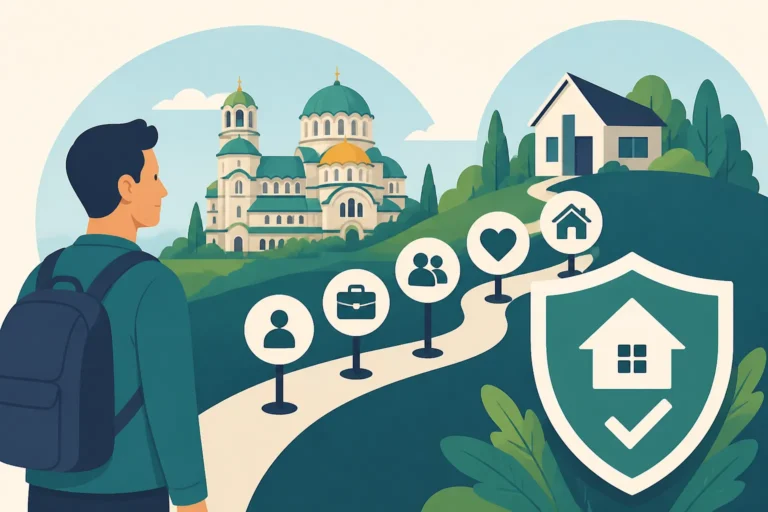
Moving to Bulgaria can be an incredible adventure, full of new experiences and a vibrant culture. But for many expats, the initial excitement can be quickly overshadowed by the daunting prospect of bringing their family to join them. The administrative hurdles can feel like an impossible maze, leaving you stressed and wondering if you’ll ever get everyone under one roof. This guide will walk you through the precise requirements for a family residence permit in Bulgaria, helping you navigate the system with clarity and confidence so your loved ones can finally settle in alongside you.
Bringing Your Loved Ones to Bulgaria: Understanding the Family Residence Permit
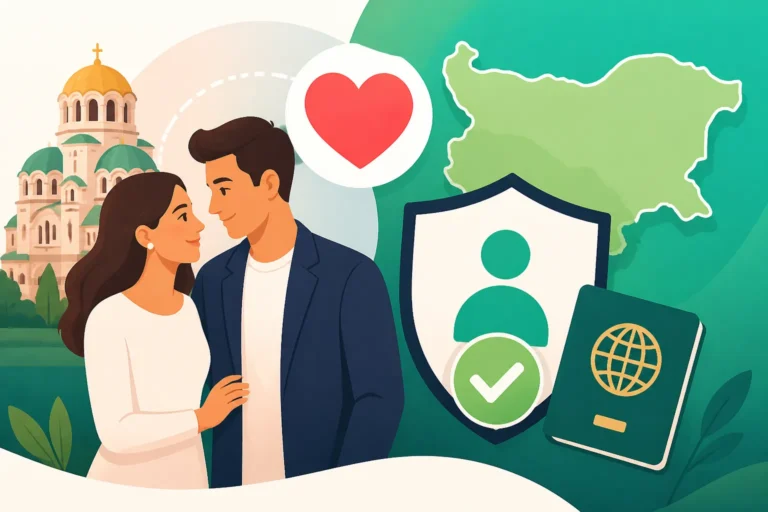
The idea of moving to a new country is exciting, but for those of us with families, it’s rarely a solo endeavor. You’ve likely secured your own residency, found a place, and perhaps even started a new job, but the thought of your spouse and children being stuck in another country can be incredibly isolating. Bulgaria, like most nations, has a specific pathway for family reunification, allowing non-EU citizens who hold a valid Bulgarian residence permit to bring their closest relatives to live with them. This isn't just a courtesy; it's a fundamental right in many international conventions, and Bulgaria's Migration Directorate facilitates it through a structured, albeit sometimes bureaucratic, process.
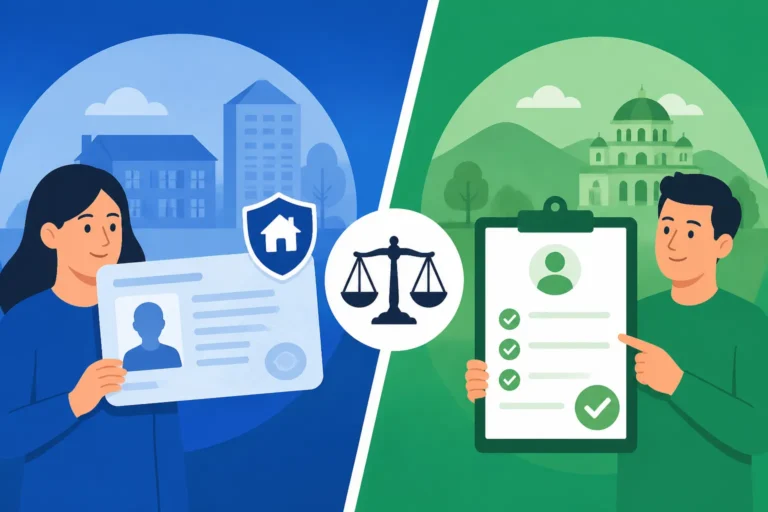
However, don't mistake "structured" for "simple." This process demands meticulous attention to detail and a hefty dose of patience. It’s not a one-size-fits-all application, and the specifics often depend on your own residence status and the nationality of your family members. For instance, if you’re an EU citizen, the process for your non-EU family members is different from if you are a non-EU citizen yourself. This guide focuses primarily on the latter, which is often the more complex scenario, but many principles remain the same. The key takeaway here is that family reunification is absolutely possible, but it requires you to be well-prepared and understand every single requirement upfront to avoid frustrating delays and rejected applications.
Who Qualifies: Defining "Family" Under Bulgarian Law for Reunification
When the Bulgarian authorities talk about "family reunification," they're not referring to your distant cousins or your childhood best friend. The definition is quite specific, usually limited to immediate family members. This strict interpretation means you can’t simply sponsor anyone you consider part of your extended family. It's important to know exactly who you can apply for so you don't waste time and effort on ineligible relatives.
Generally, the following categories of family members are eligible to apply for a residence permit based on family reunification:
Spouses and Registered Partners
This is typically the most straightforward category. If you are legally married to your partner, they are eligible. However, simply being in a long-term relationship, no matter how committed, generally won't cut it unless it's a legally recognized civil partnership in a country that Bulgaria acknowledges. Common-law partnerships, unfortunately, usually don't qualify under Bulgarian immigration law.
You will need to provide an official marriage certificate. If your marriage took place outside of Bulgaria, this document must be properly apostilled or legalized and then officially translated into Bulgarian. Many expats get hung up on this step, often thinking a simple photocopy will suffice. Trust me, it won’t. Every official document needs to follow the strict Understanding Document and Translation Requirements for Bulgaria Immigration guidelines, and that includes your marriage certificate.
Minor Children
Children under the age of 18 are usually eligible to join their parent(s) in Bulgaria. This applies to biological children, legally adopted children, and in some cases, step-children, provided the main sponsor has full parental responsibility. If only one parent is residing in Bulgaria and sponsoring the child, explicit, notarized consent from the other parent (if they are still alive and have parental rights) will almost certainly be required. This is to ensure that there are no custody disputes and that both parents agree to the child's relocation.
The child's birth certificate is the primary document needed here. Again, just like with the marriage certificate, it needs to be apostilled/legalized and translated properly. For older children nearing the age of 18, it’s crucial to initiate the process well in advance, as turning 18 during the application process can complicate matters significantly and potentially shift them into a different, more challenging category.
Dependent Parents or Adult Children
This category is significantly more difficult to qualify for and comes with very stringent conditions. It's not enough for your parents to simply be elderly or for your adult child to want to live closer to you. You usually have to prove extreme dependency, meaning they are unable to support themselves due to severe health issues, disability, or other exceptional circumstances, and are fully reliant on you for financial support and care. This usually requires detailed medical certificates and financial statements proving their lack of independent income and your consistent support.
The Bulgarian authorities are very cautious about this to prevent people from sponsoring relatives who could otherwise find independent means or be a burden on the state. For adult children over 18, the bar is even higher, often requiring proof of severe, lifelong disability that renders them incapable of self-sufficiency. Don't go into this expecting an easy ride; prepare for a lot of paperwork and strong evidence if you intend to sponsor a dependent parent or adult child.
The Anchor: What the Main Sponsor Needs for Family Reunification
Before your family can even think about applying, you, as the primary expat or "main sponsor," must already have a solid and stable foundation in Bulgaria. Think of it like a sturdy anchor that your family can tether themselves to. If your own residency is shaky, or your financial situation isn't up to par, the chances of successfully bringing your family over are slim to none. The Bulgarian authorities want to ensure that any family coming into the country will not become a burden on the state and that you can genuinely provide for them.
Secure Residence Status in Bulgaria
First and foremost, you need to hold a specific type of residence permit yourself. Typically, you must have:
- Long-Term Residence Permit (Durable Residency): This is usually granted after five continuous years of temporary residence. If you've reached this stage, you're in a very strong position.
- Permanent Residence Permit (Postoyanno Prebivavane): The ultimate goal for many expats, this grants you almost the same rights as a Bulgarian citizen (minus voting in national elections). If you have this, you're golden.
- Certain Types of Temporary Residence Permits: While not all temporary permits qualify, some do, particularly those linked to long-term employment, self-employment, or investment. For example, if you hold a How to Get a Residence Permit for Work in Bulgaria or an Understanding the Single Permit for Work and Residence in Bulgaria, you usually qualify as a sponsor. However, tourist visas or short-term stays certainly do not make you eligible to sponsor family members for residency. It's imperative to check the specific conditions of your current permit. If you're still in the process of getting your own long-term residency, your family might have to wait.
The authorities will scrutinize your current permit to ensure it's valid, up-to-date, and provides a sufficient basis for family reunification.
Demonstrable Financial Stability
This is where the rubber meets the road. Bulgaria wants assurance that you can financially support your entire family without them needing to rely on public funds. This usually means showing proof of a stable income that is at least equivalent to the national minimum wage multiplied by the number of family members you are sponsoring, plus yourself. While specific amounts can fluctuate, it’s generally expected to be significantly more than just your individual living costs.
You’ll need to provide:
- Bank Statements: Showing consistent income over a period (e.g., the last 6-12 months). They're looking for stability, not just a one-time large deposit.
- Employment Contract and Salary Slips: If you're employed, this proves your regular income. The contract should clearly state your salary.
- Tax Declarations: Your previous year's tax returns can serve as proof of consistent earnings.
- Proof of Funds: Even if you have income, having a substantial amount in savings can bolster your application, demonstrating you have a buffer for emergencies. You might need to show you have at least a year's worth of the minimum required income in your bank account, especially if your income is not fully employment-based (e.g., self-employed individuals need more robust proof).
As of my last check, the minimum wage in Bulgaria is around 933 BGN per month (approximately 477 EUR). So, for a family of three (you, your spouse, and one child), you'd need to demonstrate an income significantly higher than three times that amount, plus prove you have sufficient funds for The Cost of Healthcare in Bulgaria: A Complete Breakdown for Foreigners (2026) and general living. You can find more details on general living expenses in How Much Is the Cost of Living in Bulgaria for Expats.
Adequate Accommodation
Your family needs a place to live, and it needs to be appropriate for the size of your family. This isn't just about having a roof over their heads; the authorities will look at the living conditions. A one-room studio apartment might be fine for a single person, but it won't be considered adequate for a family of four.
You'll need to provide:
- Rental Contract: If you’re renting, a valid rental agreement in your name, indicating the size of the property and the number of bedrooms.
- Title Deed (Нотариален акт): If you own your property, the deed proves ownership.
- Declaration from Property Owner: If someone else owns the property (e.g., a friend or relative), they might need to provide a notarized declaration confirming your family's right to reside there.
Ensure the accommodation details match the number of people you are bringing. This demonstrates responsibility and planning on your part.
Comprehensive Health Insurance
Just like for your own residence permit, all family members (including yourself, if your current insurance doesn't cover them) must have valid health insurance that covers emergency medical treatment, hospitalization, and repatriation for the entire duration of their intended stay. This is non-negotiable.
For non-EU citizens, this often means private health insurance. Companies like Cigna Global offer comprehensive international health insurance plans that are specifically designed for expats and meet the strict requirements of immigration authorities. It's vital to choose a policy that clearly states its coverage limits and includes Bulgaria within its geographical scope. While you might be tempted by cheaper options, ensure they explicitly cover the necessary minimums required by the Bulgarian government, usually a minimum of €30,000 for medical expenses. You can also explore options further in our guide on Health Insurance in Bulgaria: NHIF, Private and International Options Explained.
Gathering the Essentials: Key Documents for Each Family Member
Preparing the documents is often the most time-consuming and frustrating part of the family reunification process. The Bulgarian Migration Directorate is notoriously strict about correct documentation, apostilles, and translations. Missing a single stamp or having an incorrect translation can send your application straight back to the drawing board, causing months of delays. My advice? Start gathering these documents yesterday.
Here’s a breakdown of the typical documents required for each family member you wish to bring, beyond what you’ve provided as the main sponsor:
Personal Identification and Travel Documents
- Valid Passport: Original and multiple copies of the data page (the one with your photo and personal information). Ensure passports are valid for at least 18 months beyond the intended date of arrival in Bulgaria.
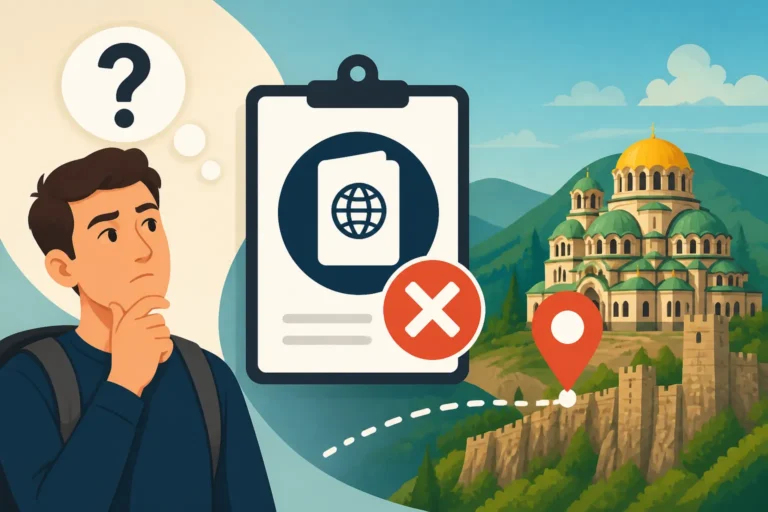
- Type D Visa (if applicable): For non-EU nationals, family members will usually need to apply for a Type D (long-stay) visa from a Bulgarian embassy or consulate in their home country before arriving in Bulgaria. This visa is explicitly for family reunification purposes. This is a critical step, and trying to bypass it can lead to immediate rejection. Read our full guide on How to Apply for a Type D Long-Stay Visa for Bulgaria for more information.
- Passport-sized Photos: Usually 2-4 recent photos for each applicant, adhering to specific Bulgarian visa/residence permit photo requirements (e.g., white background, specific dimensions).
- Application Form: A completed and signed application form for a long-term residence permit for each family member. These can usually be downloaded from the Migration Directorate's website or obtained at their offices.
Proof of Relationship
This is crucial for establishing the family link:
- Marriage Certificate: For spouses, this must be an original certificate, apostilled/legalized in the country of issuance, and then officially translated into Bulgarian by a sworn translator recognized by the Bulgarian Ministry of Foreign Affairs.
- Birth Certificate: For children, original birth certificates are required, again with apostille/legalization and official translation.
- Notarized Consent: If only one parent is applying with a child, a notarized declaration of consent from the other parent (who is not accompanying the child) is mandatory. This document also needs to be apostilled and translated.
Financial and Accommodation Documents
While the main sponsor provides primary proof, sometimes supporting documents from the family members themselves are beneficial, especially for spouses:
- Proof of Funds for Family Members: While you, the sponsor, are primarily responsible, showing that your spouse also has some funds (even if not working) can strengthen the application.
- Proof of Accommodation: This will be primarily based on the main sponsor's documents (rental contract, title deed), but ensure the names of all family members can be added to the rental agreement or that the property owner provides a declaration allowing all to reside there.
Health and Criminal Background Checks
- Health Insurance Policy: As mentioned before, a valid private health insurance policy covering a minimum of €30,000 for each family member. Keep the policy document, terms, and payment receipts handy.
- Criminal Record Certificate: An original certificate from the applicant's country of origin (and any other country they have lived in for more than a year in the past five years) stating they have no criminal record. This too must be apostilled/legalized and officially translated. These certificates often have a limited validity period (e.g., 3 or 6 months), so time your application carefully.
Other Important Documents
- Proof of Address Registration: Once your family arrives in Bulgaria and gets their permit, they will need to register their address at the local municipality. While not part of the initial application, it’s a vital subsequent step.
- Receipts for State Fees: Proof that you’ve paid all the required application and administrative fees. These are non-refundable, even if your application is denied.
Here’s a table to help you keep track of the key documents:
| Document Type | Purpose | Apostille/Translation Required? | Notes |
|---|---|---|---|
| Valid Passport | Primary identification and travel document | No | Minimum 18 months validity from application date |
| Type D Visa (if applicable) | Required for non-EU family members entering Bulgaria for reunification | No | Obtained from Bulgarian embassy/consulate abroad |
| Application Form | Official request for residence permit | No | Completed and signed for each family member |
| Passport-sized Photos | For identification on permit | No | Recent, specific dimensions (often 3.5×4.5 cm, white background) |
| Marriage Certificate | Proof of spousal relationship | Yes | Original, apostilled/legalized, officially translated |
| Birth Certificate | Proof of parental relationship with children | Yes | Original, apostilled/legalized, officially translated |
| Notarized Parental Consent | For minors applying with one parent | Yes | From non-accompanying parent, apostilled/legalized, officially translated |
| Proof of Accommodation | Rental contract or title deed (from sponsor) | Yes (if foreign document) | Sufficient for family size, usually in sponsor's name |
| Proof of Financial Means | Bank statements, employment contract, tax declarations (from sponsor) | Yes (if foreign document) | Demonstrates ability to support family without public funds |
| Health Insurance Policy | Coverage for medical emergencies, hospitalization, repatriation | No | Min. €30,000 coverage, valid for duration of stay, covers Bulgaria |
| Criminal Record Certificate | From country of origin and residence for past 5 years | Yes | Original, apostilled/legalized, officially translated; often has limited validity |
| Receipts for State Fees | Proof of payment for application processing | No | Essential for application submission |
Remember, every single apostille and translation must be performed correctly. This is one of those administrative details where cutting corners will only cause more headaches down the line. For guidance on this, check out our post on How to Get Your Documents Apostilled for Bulgaria Immigration.
Navigating the Bureaucracy: The Step-by-Step Application Process
So, you’ve got all your documents meticulously gathered, apostilled, and translated. Congratulations, you've conquered a huge part of the battle! Now comes the actual submission and waiting game, which can be just as nerve-wracking. The process typically involves several stages, and knowing what to expect can ease some of the anxiety.
Step 1: The Type D Visa Application (for Non-EU Family Members Abroad)
For non-EU family members, the very first step is for them to apply for a Type D (long-stay) visa from the nearest Bulgarian embassy or consulate in their current country of residence. This visa is essential for entry into Bulgaria with the intent to reside. They cannot just arrive on a tourist visa and then apply for a residence permit. The Type D visa application itself will require many of the documents listed above, proving the family relationship and the sponsor's ability to support them. This can take anywhere from a few weeks to a couple of months, so factor that into your timeline.
It's a common misconception that once you have your own permit, your family can just show up. That's simply not true for non-EU nationals. They need to go through their own rigorous visa application process, explicitly stating "family reunification" as their purpose.
Step 2: Arrival in Bulgaria and Registration of Address
Once the family member(s) receive their Type D visa, they can travel to Bulgaria. Upon arrival, the very next critical step is to register their address with the local municipality (Obshtina) within a few days of entry. This registration is a prerequisite for applying for the residence permit itself. You'll need your rental contract or title deed, passports, and sometimes a declaration from the landlord. This usually results in a "Permanent Address Card" (Адресна карта за постоянен адрес) or a certificate of address registration.
Step 3: Submitting the Residence Permit Application to the Migration Directorate
Within a specified timeframe (usually within 90 days of entry on the Type D visa), your family members must submit their application for a temporary residence permit based on family reunification to the local Migration Directorate (Дирекция „Миграция“) office. These offices are located in major cities like Sofia, Plovdiv, and Varna. This is where all those carefully prepared documents come into play.
- What to bring: The originals of all documents, along with multiple copies. They will cross-reference everything.
- The interview: Sometimes, a short interview may be conducted to confirm the details and purpose of the stay. For spouses, they might ask questions about your relationship to ensure it’s genuine.
- Biometrics: Fingerprints and a digital photograph will be taken for the residence card.
The application fee must be paid at this stage. Keep the receipt!
Step 4: The Waiting Game
Once the application is submitted, you enter the waiting period. This can be the most stressful part, as there's often little communication, and processing times can vary widely. While the official processing time is typically stated as 14 days for EU citizens and 30 days for non-EU applications, in reality, it often takes longer, especially for complex family reunification cases. It’s not uncommon for it to stretch into several weeks or even a couple of months.
During this time, the Migration Directorate might request additional documents or clarifications. Respond promptly and accurately to any such requests. Patience is genuinely a virtue here. You can usually check the status of your application online via the Migration Directorate's portal, but don't expect daily updates. For more on timelines and costs, refer to Understanding the Cost and Timeline of the Bulgaria Residence Permit Process.
Step 5: Receiving the Residence Permit Card
If your application is approved, you will be notified to collect the residence permit card (Лична карта за пребиваване). This card will contain the family member’s personal data, photo, and the validity period of their permit. This is the moment you've been waiting for! The permit is typically issued for one year initially and needs to be renewed annually for the first few years.
Make sure to collect the card promptly. Once you have it, your family member is officially a legal resident in Bulgaria, entitled to all the rights and responsibilities that come with it, including access to local services and the ability to travel within the Schengen area once Bulgaria fully joins. If your family members are moving a lot of belongings, you might find services like Sirelo helpful for coordinating international shipping and logistics, making the physical move less stressful once the paperwork is sorted.
Overcoming Obstacles: Common Hurdles and Practical Advice
No matter how prepared you are, navigating Bulgarian bureaucracy can present its unique set of challenges. It is worth knowing that anticipating these common hurdles and having a plan can save you a lot of grief.
The Language Barrier
Unless you’re fluent in Bulgarian, communication with officials can be a significant barrier. While some staff at the Migration Directorate might speak a little English, don't count on it. Documents, forms, and official instructions are almost exclusively in Bulgarian.
- Practical Advice: Always bring a Bulgarian-speaking friend, colleague, or a professional translator with you to appointments. Even if you understand some Bulgarian, having someone fluent can ensure no crucial details are missed and can help you articulate complex situations. This is especially true if an interview is required.
Document Apostille and Translation Fiascos
I cannot stress this enough: the requirements for apostilles and official translations are incredibly strict. Many rejections happen because these aren’t done exactly to spec.
- Practical Advice:
- Apostille First: Ensure your documents are apostilled in the country of issuance before you even think about translation. A document cannot be officially translated if it hasn't been properly legalized for international use first.
- Sworn Translators Only: Use a sworn translator who is officially registered with the Bulgarian Ministry of Foreign Affairs. Do not use an online translation service or a friend who speaks Bulgarian, no matter how good they are. The translation needs to be certified and often stamped.
- Check Names Meticulously: Ensure every name (first, middle, last), date, and number on the translation exactly matches the original document. Even a small discrepancy can cause issues.
- Multiple Copies: Always have several certified copies and translations of key documents. You never know when an extra copy might be requested.
Unpredictable Processing Times
While there are official guidelines, the reality of Bulgarian administrative processing can sometimes feel like a roll of the dice. Some applications fly through, others get stuck in limbo for weeks.
- Practical Advice:
- Apply Early: Start the Type D visa process for your family members as soon as possible. Do not wait until the last minute.
- Follow Up (Politely): If you haven't heard anything after the official processing time, you can try to follow up at the Migration Directorate, but always do so politely and patiently. Aggressiveness will get you nowhere.
- Keep Records: Keep a meticulous log of every interaction, submission date, and person you speak with. This can be invaluable if you need to escalate or prove something later.
Finding Suitable Housing
Especially in popular expat cities like Sofia or Plovdiv, finding accommodation that is both suitable for a family and within your budget can be tough. Landlords might also be hesitant to rent to families with young children or pets.
- Practical Advice:
- Start Early: Begin your search for suitable family accommodation well in advance.
- Be Clear with Agents: When working with real estate agents, be very clear about the number of occupants and any specific family needs.
- Lease Agreements: Ensure all family members are listed on the lease agreement or that there’s an explicit clause permitting them to reside there.
Seeking Professional Assistance
Sometimes, the complexity of the process, especially for more challenging cases (like dependent parents or adult children), warrants professional help.
- Practical Advice: Consider consulting an immigration lawyer or a specialist relocation agency in Bulgaria. They are familiar with the latest regulations, can help prepare your documents, communicate with the authorities, and potentially expedite the process. While this comes at a cost, the peace of mind and time saved can be invaluable, particularly when your family's future is at stake. They can also help you understand nuances related to The Complete Guide to Bulgaria Visas and Immigration for Expats.
Bringing your family to Bulgaria is a significant undertaking, but with proper preparation and a realistic understanding of the process, it's an entirely achievable goal. Stay persistent, stay organized, and remember why you’re doing it – for the joy of having your loved ones by your side in your new Bulgarian home.
Disclaimer
Please note that immigration laws and requirements in Bulgaria are subject to change without prior notice. While this guide aims to provide comprehensive and up-to-date information, it is based on general knowledge and common expat experiences. It should not be considered legal advice. Always consult with the official Bulgarian Migration Directorate, a Bulgarian embassy or consulate, or a qualified immigration lawyer for the most current and personalized guidance regarding your specific situation.