Understanding the Pharmacy System and Buying Medicines in Bulgaria
Arriving in Bulgaria, you'll quickly realize that getting your head around the healthcare system, especially how to acquire medication, can feel like navigating a maze blindfolded. This guide is here to shed light on Bulgaria's pharmacy system, from understanding prescriptions to knowing what you can buy over-the-counter and how to manage costs, ensuring you're well-prepared for any medical needs.
The Lay of the Land: Types of Pharmacies in Bulgaria
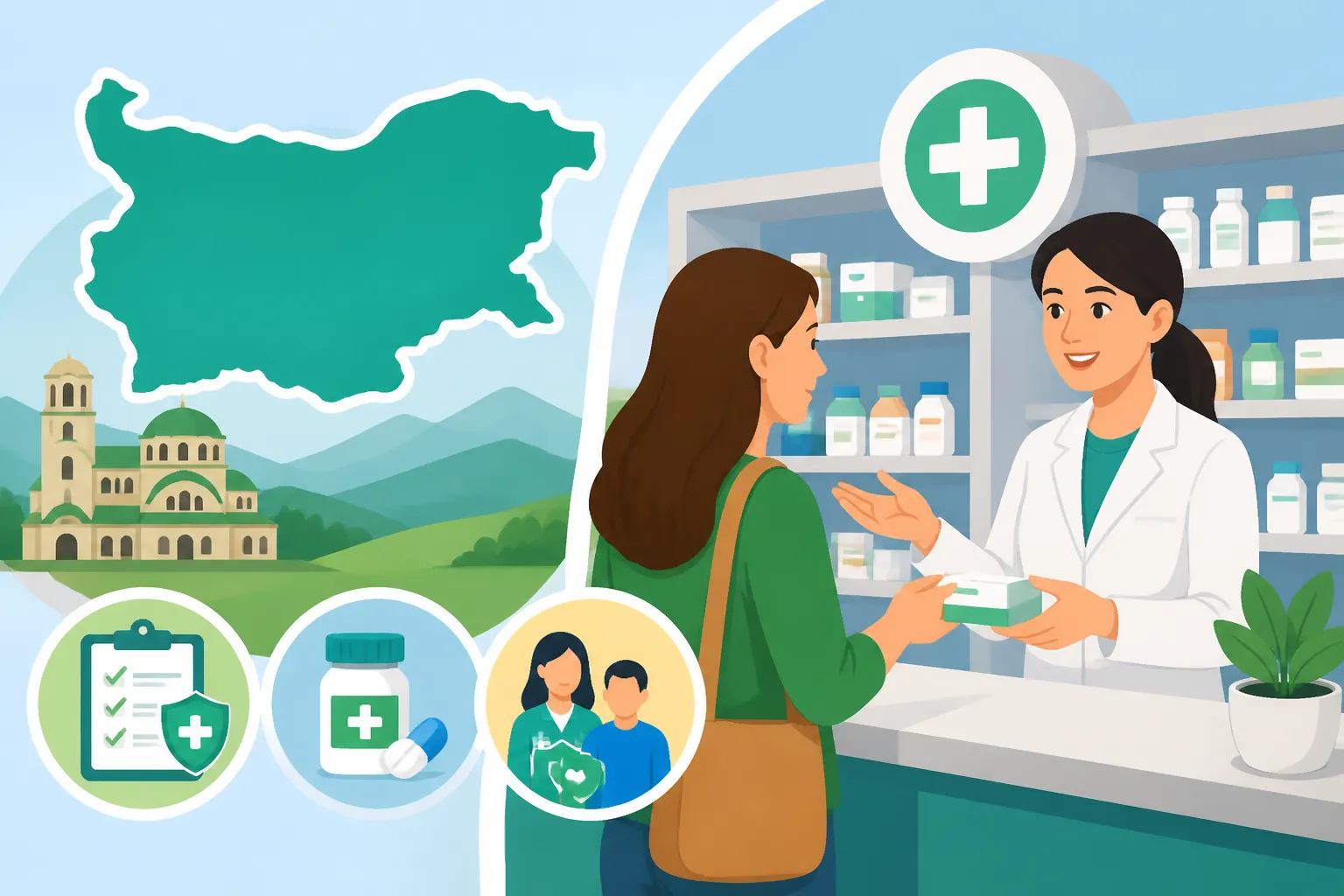
Walking through a Bulgarian town or city, you'll notice pharmacies (аптеки, apteka) on nearly every corner, much like in many other European countries. They are typically well-stocked, and the staff, often pharmacists (фармацевт, farmatsevt) or pharmacy assistants, are generally knowledgeable, though English proficiency can vary quite a bit outside of major tourist areas or large cities like Sofia and Plovdiv. It's not just about finding a pharmacy; it's about understanding what kind of pharmacy it is and what services you can expect.
Chain vs. Independent Pharmacies
You'll encounter both large pharmacy chains and smaller, independent pharmacies. The chains, like SOpharmacy, Remedium, or Subra, are usually more modern, often have better stock levels, and their staff might be more likely to speak some English, especially in popular expat areas. They often have loyalty programs or discounts on certain non-prescription items. These larger pharmacies tend to have a wider selection of international brands for things like vitamins, supplements, and cosmetics, which can be comforting if you're used to specific products from back home.
On the other hand, independent pharmacies, while perhaps older in appearance, often offer a more personalized touch. The pharmacists in these smaller shops might have been serving the local community for decades and possess an incredible wealth of knowledge, not just about medicines but also traditional remedies. Don't be shy about trying them, but be prepared for a potential language barrier. It's often helpful to have a translation app or a Bulgarian friend with you, especially for more complex medical questions. They might be able to suggest a generic alternative or a slightly different formulation if your exact brand isn't available, which can be incredibly useful.
Duty Pharmacies and After-Hours Access
One of the most crucial things to know about the Bulgarian pharmacy system is how to access medication outside of regular business hours. For everyday needs, most pharmacies operate during standard retail hours, typically from 9 AM to 7 PM or 8 PM on weekdays, and often shorter hours on Saturdays, with many closed on Sundays. However, for those moments when you suddenly feel unwell in the middle of the night, or your child develops a fever late on a Sunday, you'll need a денонощна аптека (denonoshtna apteka), which translates to a 24-hour duty pharmacy.
These 24-hour pharmacies rotate, so it’s not always the same one that’s open. In larger cities, there are usually a few designated ones that are always open. In smaller towns, you'll often find a schedule posted on the door of regular pharmacies, listing which apteka is on duty for that particular day or night. It’s always a good idea to identify the nearest 24-hour pharmacy or at least know how to check the rotation list in your area, just in case. A quick online search for "денонощна аптека [your city/town]" usually brings up the current list. Remember, having your health insurance information ready, whether it's your NHIF card or details from a private provider like SafetyWing, is always a good practice, even for late-night visits.
Prescription vs. Over-the-Counter: Knowing the Difference
Navigating what requires a doctor's note and what you can simply pick up off the shelf is one of the most common stumbling blocks for expats in any new country. Bulgaria has its own specific regulations, which might differ significantly from what you're accustomed to. This isn't just a matter of convenience; it impacts how quickly you can get treatment and often the cost involved.
What Needs a Prescription (Рецепта)
In Bulgaria, as in most EU countries, a doctor's prescription (рецепта, retsepta) is required for a wide range of medications. This includes, but isn't limited to, all antibiotics, strong painkillers, medications for chronic conditions like high blood pressure, diabetes, certain heart conditions, antidepressants, and many hormonal treatments. You absolutely cannot walk into a pharmacy and ask for antibiotics without a valid prescription – they simply won't dispense them. This can be a frustration for expats from countries where certain antibiotics might have been more freely available.
The system for prescriptions has largely digitized in recent years. Many doctors now issue е-рецепта (e-recepta), an electronic prescription, which is then stored in the national health information system. When you go to the pharmacy, you simply provide your Personal Identification Number (ЕГН, EGN) or your NHIF card, and the pharmacist can access your electronic prescription directly. This has streamlined the process immensely, reducing the need for paper slips and making it harder to lose your precious prescription. However, older doctors or smaller clinics might still provide a paper prescription, so be prepared for both possibilities. Always double-check that your doctor has clearly written out the dosage, frequency, and duration of the medication.
Common Over-the-Counter Availability
On the flip side, there's a good selection of medications available over-the-counter (без рецепта, bez retsepta). For common ailments, you'll find plenty of options. This includes most pain relievers like paracetamol (often branded as Paracetamol, Efferalgan, or Panadol) and ibuprofen (Nurofen, Brufen), as well as a variety of cold and flu remedies, cough syrups, throat lozenges, and nasal sprays. You can also easily purchase antacids, basic allergy medications (antihistamines), many antifungal creams, and basic wound care supplies.
Vitamins, mineral supplements, and a vast array of herbal remedies are also readily available without a prescription. Bulgarian pharmacies are often a treasure trove of local herbal teas and concoctions, which locals swear by for everything from digestion to relaxation. If you're unsure about what you can get over-the-counter, it's always best to ask the pharmacist. They can often recommend suitable alternatives or point you towards a generic brand that performs just as well as a more expensive international one. Don't forget that if you have international health coverage through a provider like SafetyWing, most over-the-counter purchases are generally out-of-pocket, but always keep receipts just in case your specific plan offers some reimbursement for certain items.
Your Journey to Getting Medication: Step-by-Step
So, you're not feeling well and you need medication. What's the actual process like, from realizing you need help to walking out of the pharmacy with your drugs? It might seem daunting at first, especially with a different language and system, but once you understand the steps, it becomes much more manageable. The key is to be prepared and know what to expect.
From Doctor's Visit to Pharmacy
The first and most crucial step, if your condition warrants a prescription, is to How to Choose and Register with a GP (Личен Лекар) in Bulgaria. Your GP is your gateway to the public healthcare system and specialist referrals. Once you've seen your GP, or a specialist they've referred you to, they will issue a prescription. As mentioned, this is increasingly an electronic prescription (е-рецепта). The doctor will enter the details into the national system, and you won't necessarily walk out with a paper slip in hand, unless the system is down or they are an older practice. Make sure you understand the medication, dosage, and how long you need to take it before you leave the doctor's office. Don't hesitate to ask questions, even if you need to use a translation app.
With your e-рецепта active, you can head to any pharmacy. Simply tell the pharmacist you have an electronic prescription and provide your EGN (Personal Identification Number). They will then access your prescription in the system. If you have a paper prescription, hand it over to the pharmacist. They will then retrieve the medication. Sometimes, if the specific brand isn't available, they might offer a generic equivalent. It’s always worth asking if a generic exists if you are concerned about costs. Once they have the medication, they will process the payment. If you're covered by the NHIF (National Health Insurance Fund), a portion of the cost of many prescription medicines is subsidized, meaning you'll only pay a co-payment. If you're paying fully out-of-pocket or through private insurance, the full price will apply.
Understanding Brand Names Versus Generics
When you receive a prescription in Bulgaria, particularly for something common, you might be offered a choice between a brand-name medication and a generic version. It's a question many expats grapple with: is the generic just as good, or should I stick to what I know? In Bulgaria, like most places, generic medicines contain the same active ingredients, in the same dosage, and are required to meet the same quality and safety standards as their brand-name counterparts. They just cost significantly less because the generic manufacturer didn't incur the initial research and development costs.
Pharmacists in Bulgaria are generally quite good at explaining the options. For example, if your doctor prescribes "Paracetamol" for pain, the pharmacist might offer you a local brand like "Pirefen" or a cheaper generic option, all containing paracetamol. The same goes for many antibiotics and other common drugs. If you're unsure, always ask the pharmacist if the generic option has the exact same active ingredient and strength. Often, it's a smart way to save money without compromising on efficacy. However, for certain medications, especially those with narrow therapeutic windows or for complex conditions, some doctors or patients prefer sticking to specific brands, and your doctor might explicitly note this on your prescription.
The Money Talk: Costs and Health Insurance for Medicines
Understanding the financial side of medication in Bulgaria can feel like trying to decipher an ancient scroll. There are different layers of coverage depending on your health insurance status, and the out-of-pocket costs can vary widely. It’s a common expat frustration, especially when you’re new to the system and unsure how much you’re actually supposed to pay.
NHIF Coverage and Co-Payments
If you are a registered resident and have been contributing to the National Health Insurance Fund (NHIF, НЗОК, NZOK), then a significant portion of your prescription medication costs will likely be covered or subsidized. This is one of the key benefits of being part of the public health system. However, it's not a blanket coverage for all medicines. The NHIF has a national positive drug list, which outlines the specific medications and active ingredients that are partially or fully reimbursed. For many common chronic conditions, the NHIF might cover a substantial percentage, or even the full cost, of the cheapest available generic version of the drug.
For most other covered prescription medications, you will typically pay a co-payment (доплащане, doplashtane). This is a fixed amount or a percentage of the total cost. The amount you pay varies depending on the specific drug and its category within the NHIF's list. For example, some vital medicines might have a minimal co-payment, while others, considered less essential or with more expensive brand alternatives, might require a higher co-payment. Always make sure the pharmacist sees your NHIF card or has your EGN to ensure you receive the correct subsidized price. Without it, you’ll be charged the full, unsubsidized amount, which can be a nasty surprise. For a more detailed breakdown, you might want to look into Understanding Out-of-Pocket Healthcare Costs and Co-Payments in Bulgaria.
Private Insurance and Out-of-Pocket Expenses
For those who are not yet registered with the NHIF, or who prefer the flexibility and potentially wider coverage of private health insurance, the situation for medicine costs is different. If you have private health insurance, you will typically pay the full price for your medications at the pharmacy. You then need to submit a claim to your insurance provider for reimbursement. The extent of reimbursement depends entirely on your specific policy. Some comprehensive private plans will cover prescription medications fully, while others might have a deductible or only cover a percentage. Make sure you keep all your receipts (касова бележка, kasova belezhka) and any accompanying documentation for your claims.
For new arrivals, or those on short-term stays, who haven't yet sorted out their NHIF registration or comprehensive private insurance, paying for medicines entirely out-of-pocket is the default. This is where having robust travel insurance or a reliable international health insurance provider like SafetyWing can be incredibly helpful for emergencies. While it might still be an out-of-pocket expense at the time of purchase, having the peace of mind that you can claim it back later offers a vital safety net. Always clarify with your private insurer what their process is for prescription drug coverage, particularly for chronic conditions versus acute needs.
| Medicine Category | Typical Availability | NHIF Coverage (with prescription) | Out-of-Pocket Cost (approx.) |
|---|---|---|---|
| Antibiotics | Prescription only | Partial/Full (with co-payment) | 10 – 30 BGN |
| Common Painkillers | OTC | None | 5 – 15 BGN |
| Chronic Disease Meds | Prescription only | Partial/Full (with co-payment) | 5 – 50 BGN (per pack) |
| Cough/Cold Remedies | Mostly OTC | None | 8 – 25 BGN |
| Allergy Medications | Some OTC, stronger ones Rx | Limited/None for OTC, Partial for Rx | 10 – 25 BGN |
| Vitamins/Supplements | OTC | None | 10 – 50 BGN |
Note: Prices are approximate and can vary significantly based on brand, dosage, pharmacy, and current market conditions. NHIF coverage depends on the specific drug being on the positive list and your co-payment tier.
Beyond the Basics: Special Situations and What to Do
Living in a foreign country inevitably throws up unique situations, and medication is no exception. What if your doctor from home gave you a prescription? Can you bring your entire medicine cabinet with you? And what happens if you have a medical emergency before you're fully set up? These are common worries that can add significant stress to an expat's life.
Foreign Prescriptions and Bringing Medicines from Abroad
This is a big one for many expats. Unfortunately, a prescription issued by a doctor from your home country, especially from outside the EU/EEA, is generally not valid at a Bulgarian pharmacy. They will almost certainly refuse to dispense medication based on it. The best course of action is to schedule an appointment with a local GP as soon as possible, explain your ongoing medical needs, and have them issue a Bulgarian prescription. It's helpful to bring a detailed letter from your home country doctor outlining your diagnosis, current medications (including active ingredients, dosages, and frequency), and any relevant medical history. Having this translated into Bulgarian, even unofficially, can greatly assist your new GP. To streamline this, learning What Documents Do I Need to See a Doctor in Bulgaria? can save you a lot of hassle.
When it comes to bringing medicines with you into Bulgaria, the general rule is that you can bring a reasonable amount for your personal use, usually considered a supply for up to three months. This applies to both prescription and over-the-counter medications. However, if you're carrying controlled substances (like strong painkillers, certain ADHD medications, or anxiety medications), you absolutely must have a doctor's letter (preferably translated) explaining the necessity of the medication, the dosage, and the duration of your trip. Keep all medications in their original packaging with the prescription label clearly visible. Be aware that what might be an innocent over-the-counter drug in your home country could be prescription-only or even restricted in Bulgaria, so it’s always better to err on the side of caution.
Emergency Purchases and Short-Term Needs
Life happens, and sometimes you need medication urgently, especially if you're just visiting or have recently moved and haven't fully integrated into the healthcare system. If you experience a sudden illness or minor injury that requires basic medication and you don't yet have a Bulgarian GP or NHIF coverage, you have a few options. For very mild symptoms, you can try an over-the-counter remedy after consulting with a pharmacist. Many pharmacists, especially in larger pharmacies, can offer advice for simple issues.
However, for anything more serious, you'll need to visit a doctor or an emergency room. In such cases, if you don't have NHIF, you will be expected to pay for the consultation and any subsequent prescriptions in full. This is where having reliable travel insurance or private international health insurance, such as a plan from SafetyWing, truly pays off. They can cover the costs of emergency doctor visits and necessary medications, providing a crucial safety net for those unexpected health hiccups. Knowing Emergency Medical Care in Bulgaria: What Every Expat Needs to Know is vital for new arrivals. Don't be afraid to go to a private clinic in an emergency if you're comfortable paying upfront, as they often have English-speaking staff and shorter wait times. Remember, even in an emergency, if it's a prescription drug, a doctor's order is still required. For specific types of medications, you might wonder Can I Buy Antibiotics Over the Counter in Bulgaria?, and the answer will almost always be no without a prescription.
Finding English-Speaking Pharmacists
While many younger pharmacists or those in more international areas might have some English proficiency, it's not a guarantee. This can make explaining symptoms or understanding complex instructions challenging. If you find yourself in a pharmacy where language is a barrier, try these tactics:
- Be prepared: Have the generic name of your medication written down. If you know your symptoms, have those translated into Bulgarian beforehand using an app or a phrasebook.
- Show, don't just tell: If you're looking for a specific product, showing a picture of the packaging or the active ingredient name can be very effective.
- Use technology: Translation apps on your phone can be a lifesaver. Google Translate or similar apps allow you to speak into the phone and play the translation aloud, or you can type.
- Seek out larger chains: As mentioned, larger pharmacy chains in major cities are more likely to have English-speaking staff.
- Ask your doctor: If you have a GP, ask them to write down the medication names and instructions clearly in Bulgarian for you to show the pharmacist. This will avoid any confusion at the counter.
Navigating the pharmacy system, even with a language barrier, becomes much easier with a little preparation and patience. Knowing what to expect, especially regarding prescriptions and payment, empowers you to take control of your health needs. Remember, the pharmacists are there to help, and with a smile and a little effort, you'll usually get what you need. Consider bookmarking How to Find an English-Speaking Doctor in Bulgaria for future reference, as a good doctor can be your best ally in this process.
Disclaimer
The information provided in this guide is for general informational purposes only and does not constitute medical or legal advice. While we strive to ensure accuracy, regulations and healthcare practices in Bulgaria can change. Always consult with a qualified medical professional or legal expert for advice tailored to your specific situation. We cannot be held responsible for any outcomes resulting from the use of this information.